

 Email us






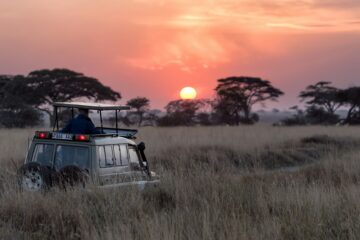
Your first safari answered a simple question: what is Africa like? A second safari asks something more personal. It’s less about anticipation and more about returning to a place that changed you – this time with a sharper eye and a slower pace.
You already know what it feels like to wake up before dawn for a game drive. You know why your guide sometimes stops the vehicle and says nothing at all. This time, you’re not working through a mental checklist.
Instead, you’re noticing what you missed the first time round, and that’s where a second safari becomes something else entirely. It’s an invitation into the Africa most travellers never see.
What to Expect on a Second Safari Compared to the First
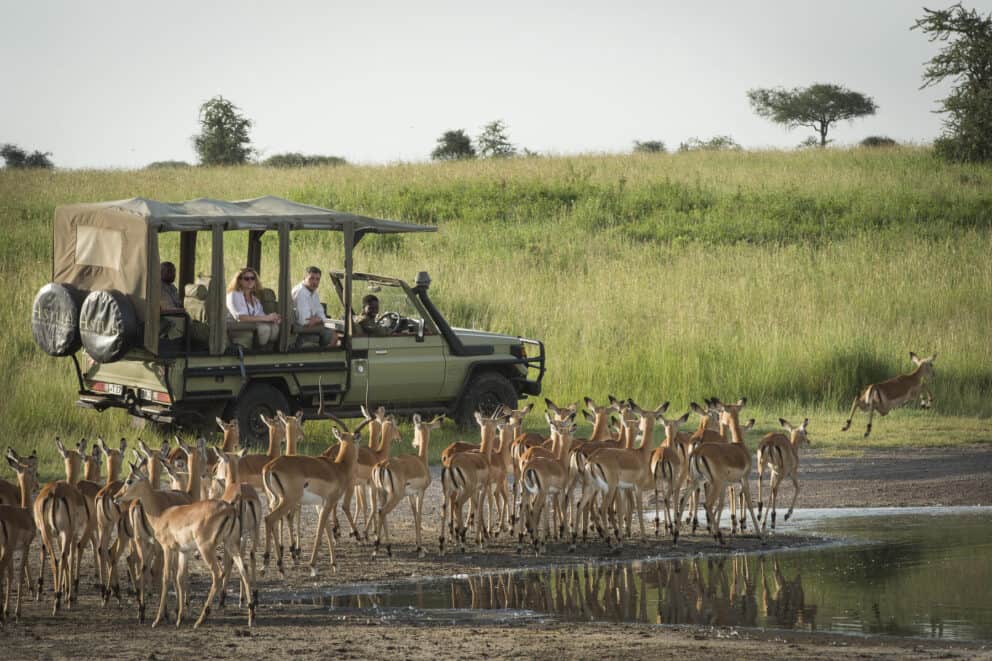
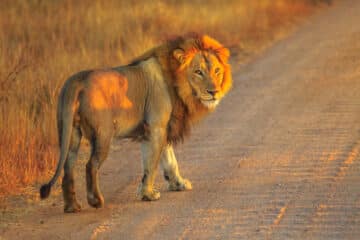
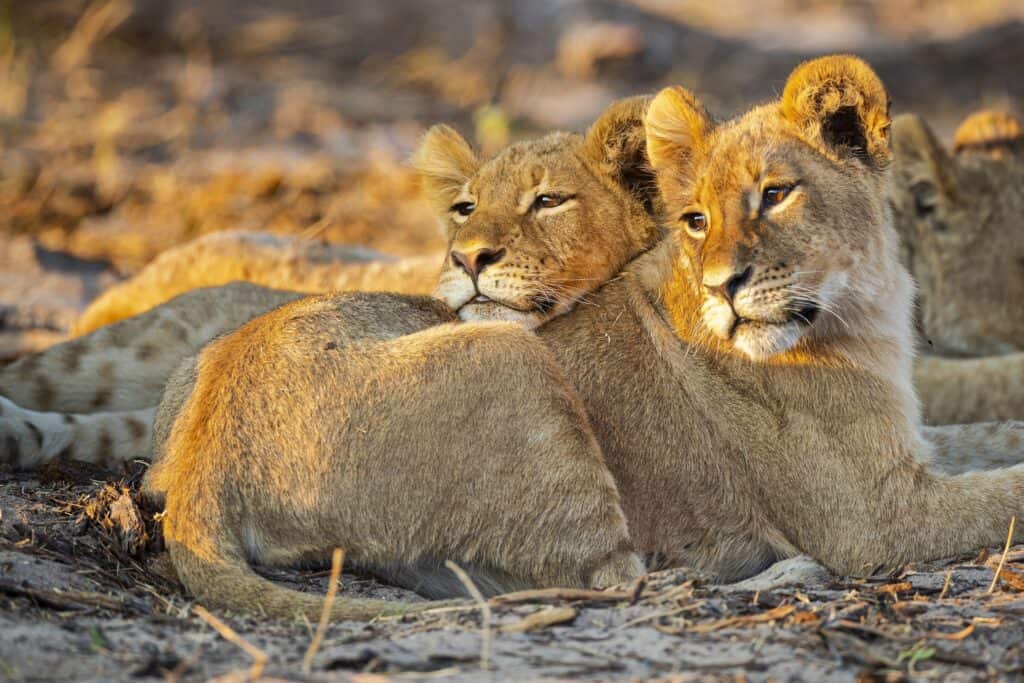
On your first safari, a lion sighting might have been the whole day’s story. On your second, you start asking different questions. Why has the impala stopped feeding? Why has your guide been watching a cluster of oxpeckers for ten minutes? What changed in the herd’s behaviour just before they scattered?
Those questions are where the safari gets interesting.
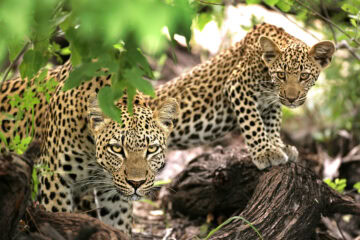
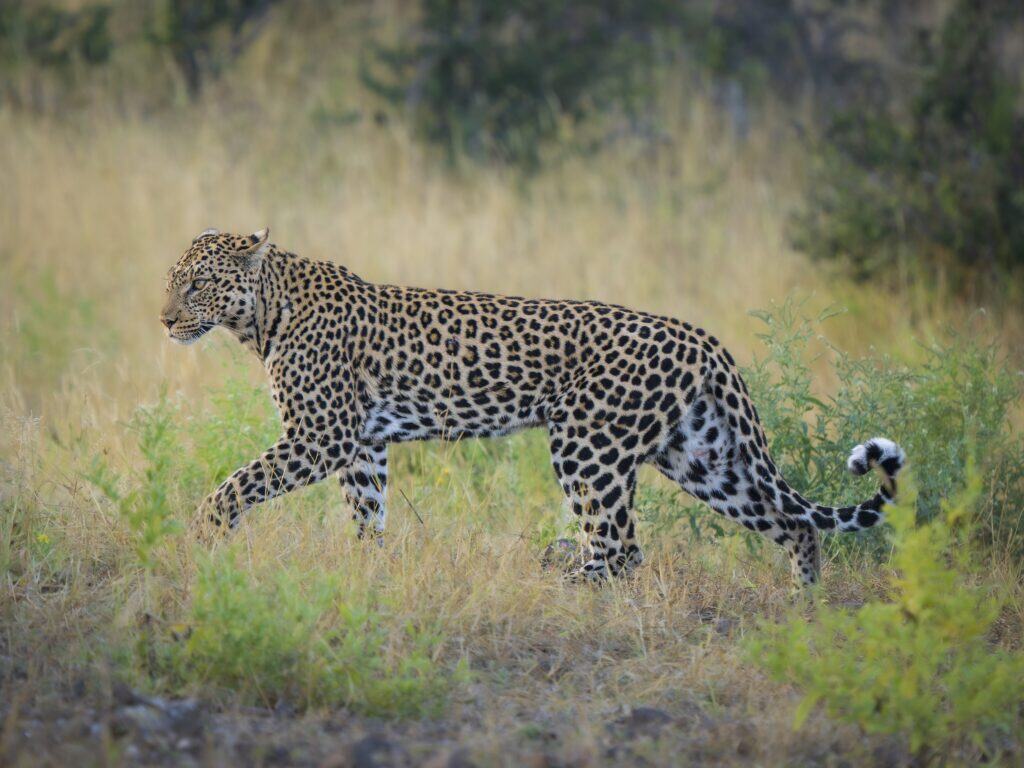
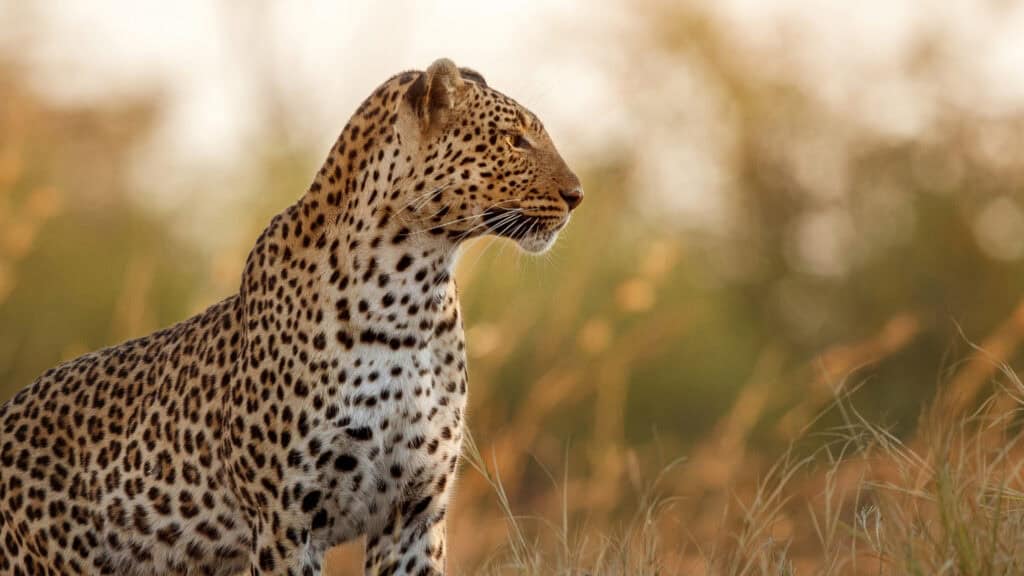
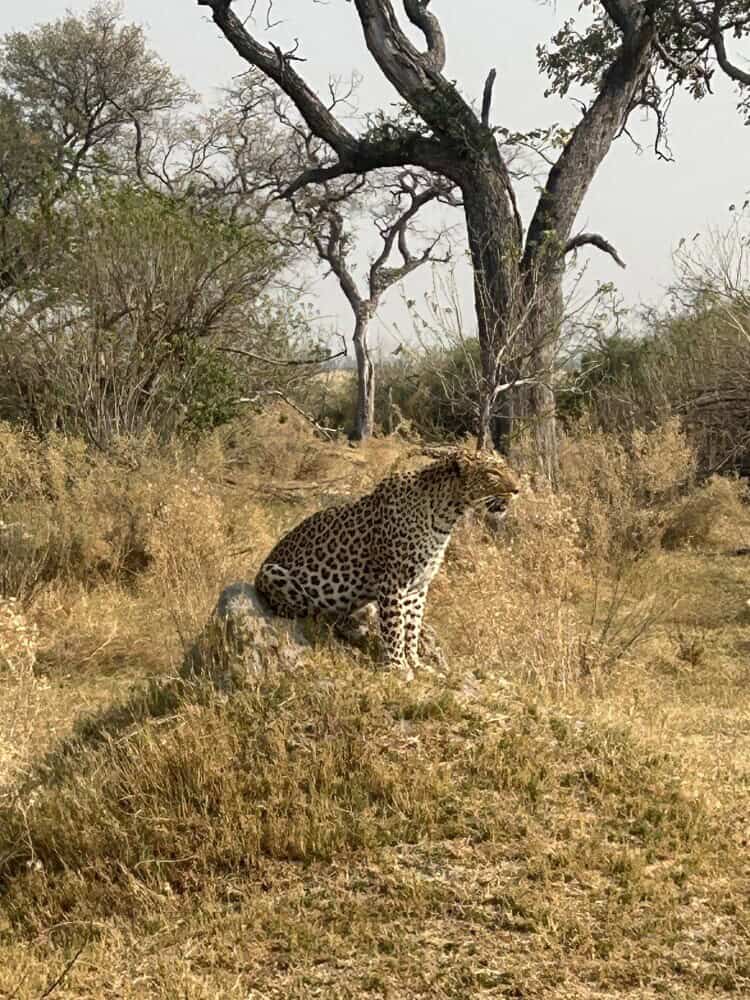
A good guide isn’t only looking for animals. They’re reading the ground: broken branches, a scatter of tracks in soft sand, and the alarm calls of go-away birds moving through the canopy. Piece enough of that together and you’ll often find the leopard before you actually see it.
A dung beetle rolling its ball across a dirt road is easy to overlook when you’re searching for leopards. Return a second time, and it becomes one of the more interesting things you’ll watch all week, evidence of a whole economy of decomposition and renewal working quietly underfoot. The same goes for a raptor perched above camp or a termite mound holding up its own small city of tenants.
This is also why many second-time travellers choose to slow down rather than move quickly between countries. A few extra days in one reserve lets you recognise patterns: which animals arrive at the waterhole first, how a pride’s mood changes after a hunt, and what your guide actually thinks once the formalities of a first meeting are behind you.
What Are the Best Lesser-Known Safari Destinations for Repeat Travellers?
A second safari is your chance to go where the average tourist hasn’t thought to look.
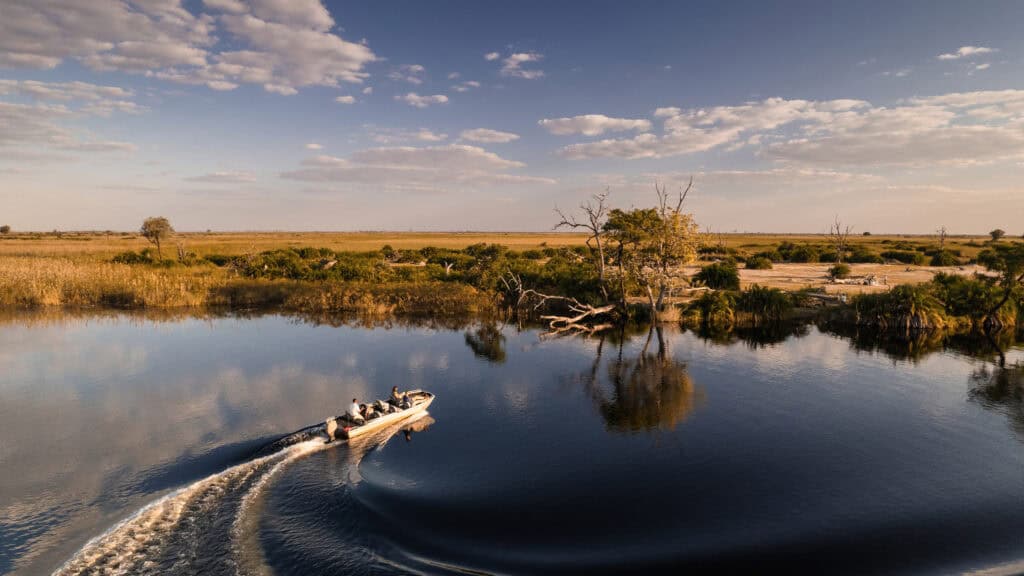
That doesn’t mean avoiding the Serengeti, Kruger, or the Okavango Delta; they earn their reputations honestly.
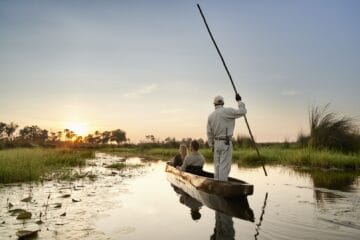
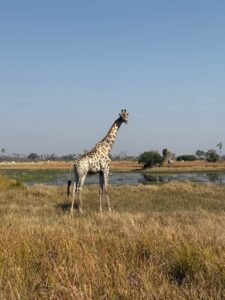
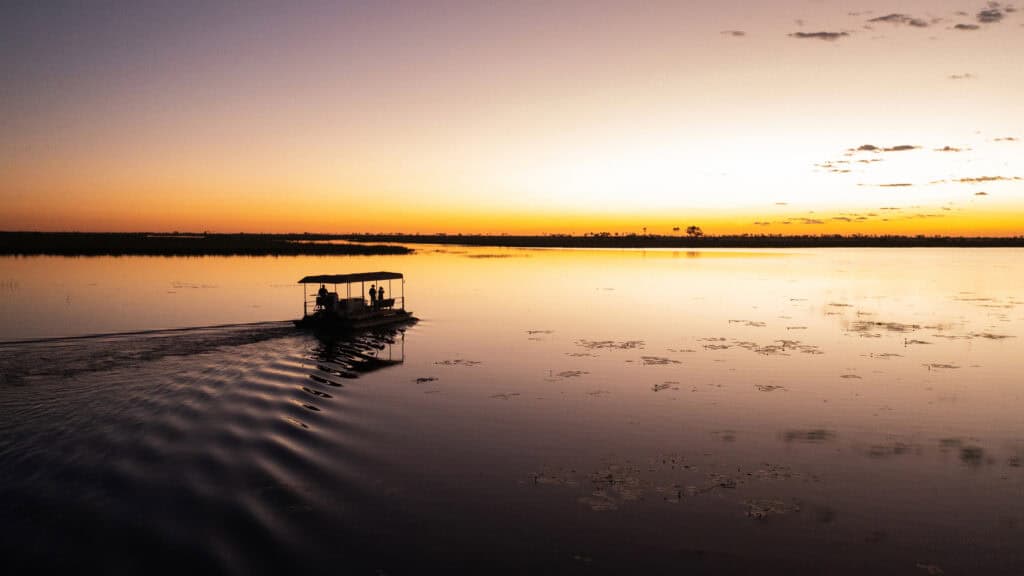
For repeat travellers like JJ, the Okavango Delta isn’t just a place to see – it’s a landscape that pulls you back time after time. “…I go for the beauty, the love, and the peace I find there. It’s a true retreat, a place where I feel appreciated and safe,” she explains in her traveller story.
A second safari is an opportunity to choose your next destination for what it offers beyond the famous names.
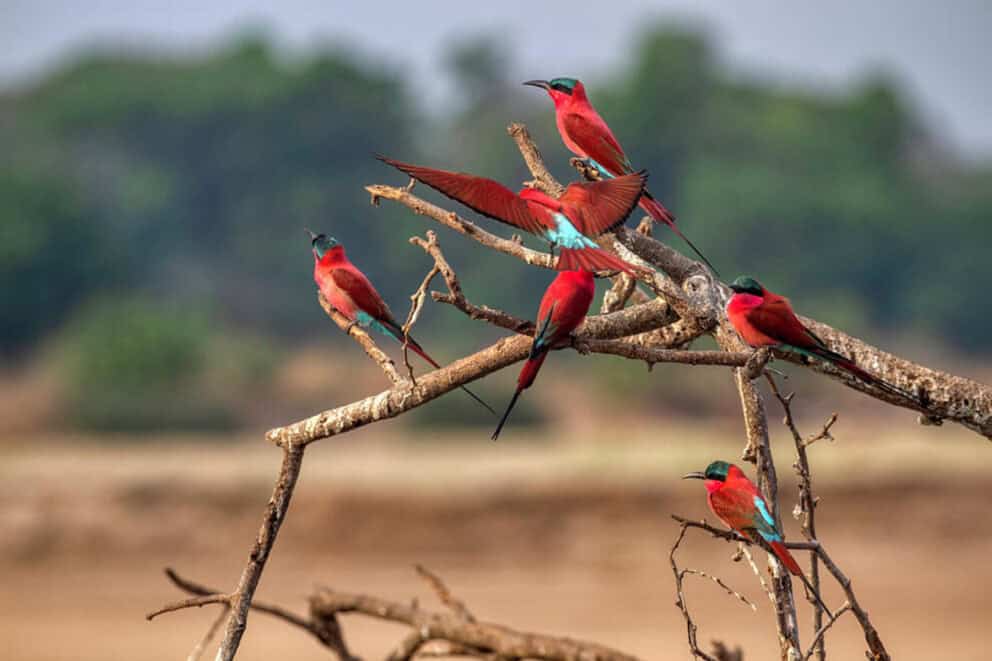
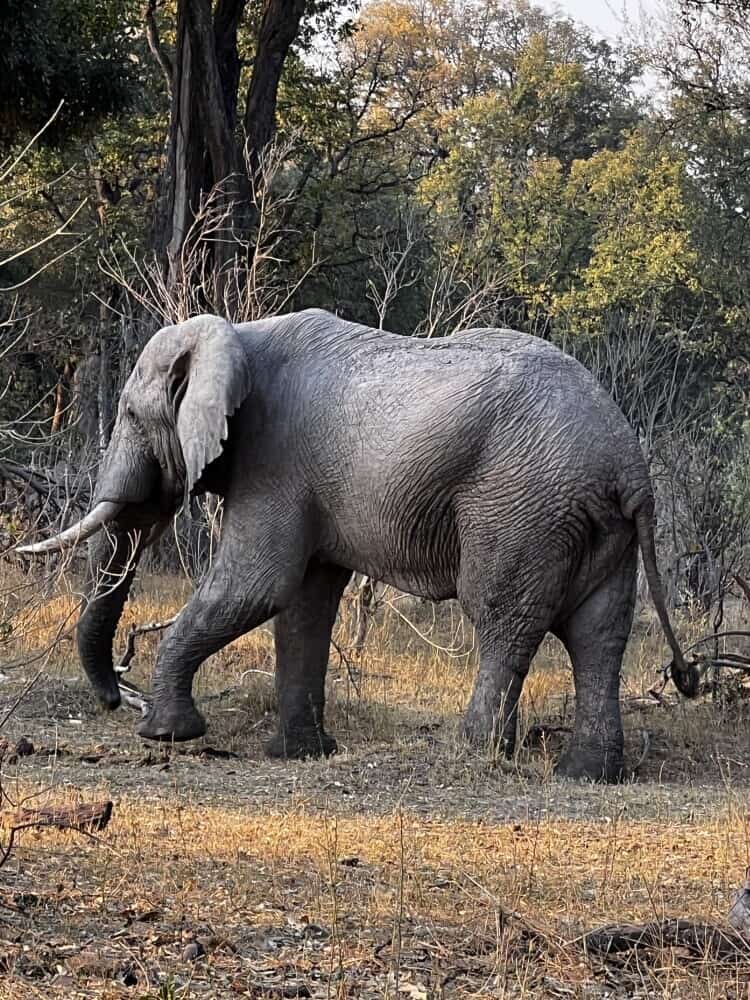
South Luangwa National Park, Zambia, has one of Africa’s longest histories of walking safaris. Guides here built the tradition of tracking on foot, reading the landscape rather than driving past it. If tracking is what pulled you into safari in the first place, South Luangwa is where that fascination deepens.
Discover South Luangwa tours.
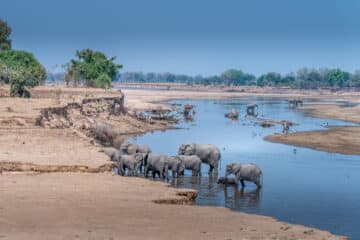
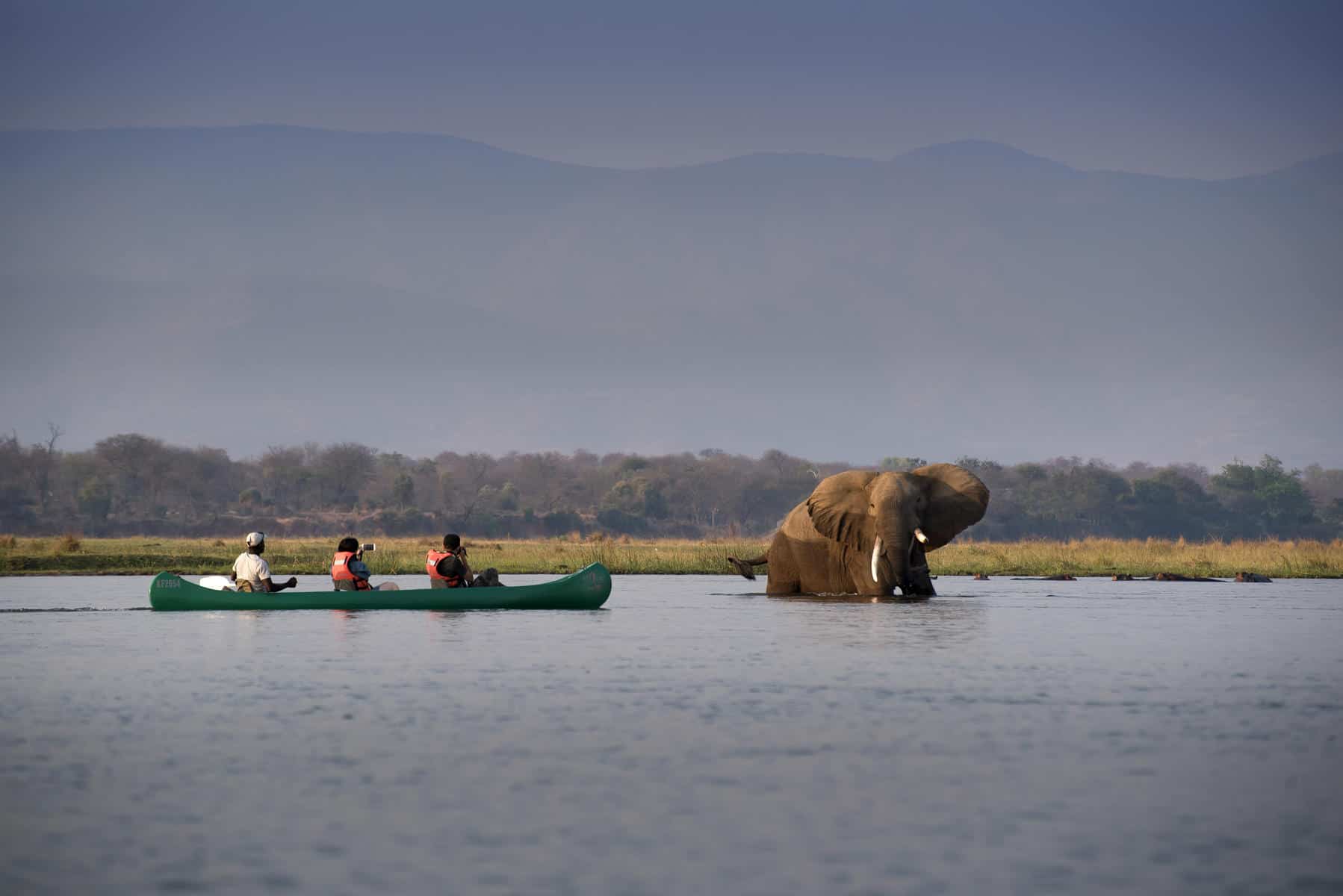
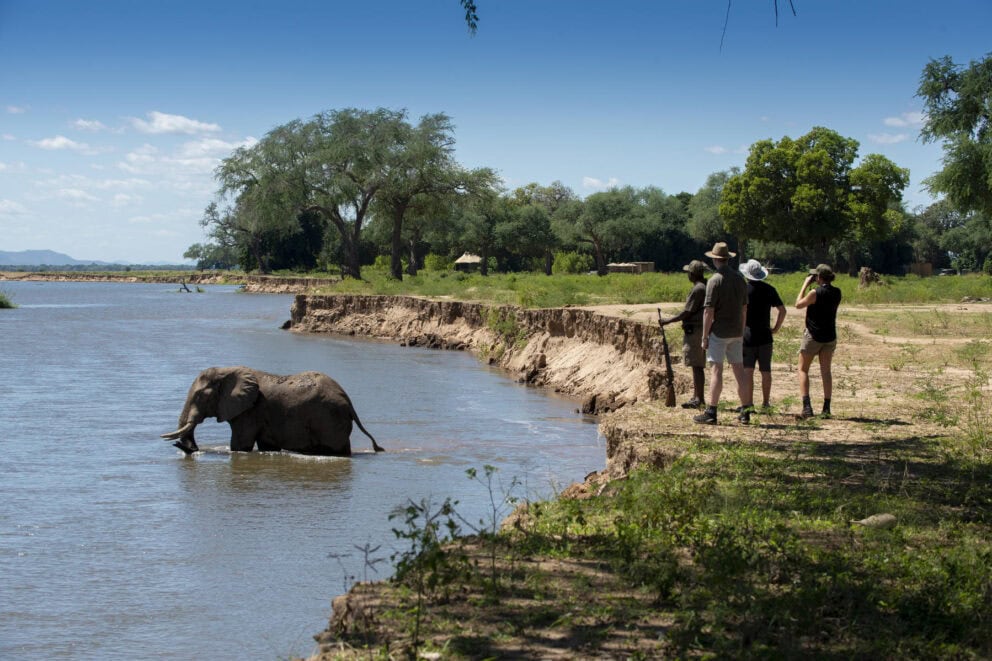
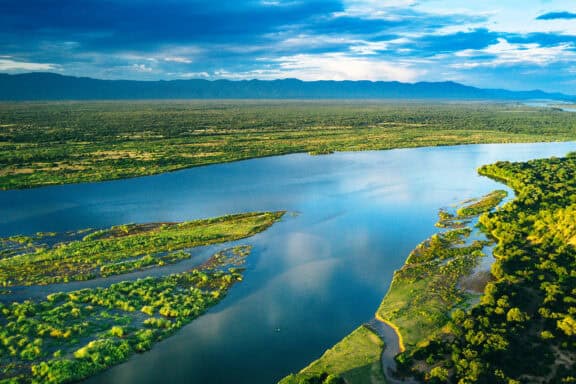
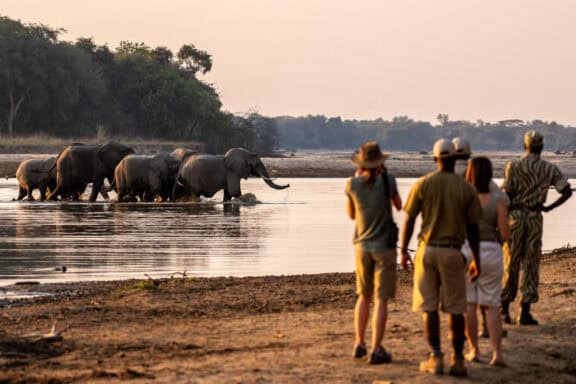
Mana Pools National Park, Zimbabwe, sits on the Zambezi River and is built for travellers who want to get out of the vehicle. Canoeing past elephants drinking at the water’s edge and walking beneath ancient Albida trees while hippos grunt somewhere close by – this is a different register of encounter altogether.
“Moving on foot changed how we experienced Mana Pools. Our pace slowed, and with it, our awareness. You notice the small things: the angles of branches, the intricate patterns of wear and protective growth on each tree’s trunk, every one of them unique,” says David of his walking safari in Mana Pools.
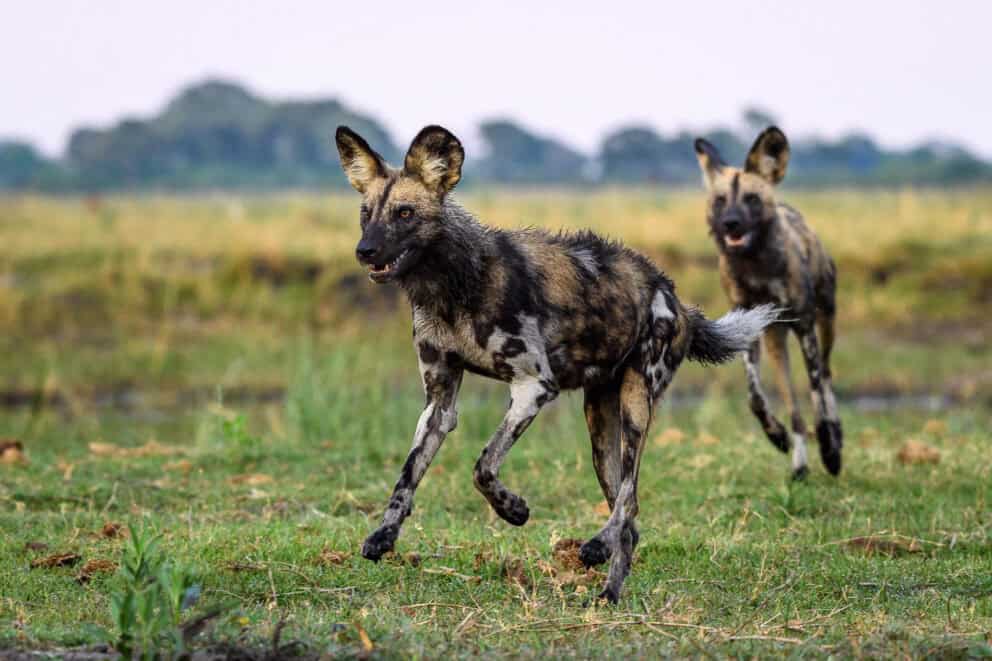
Linyanti Wildlife Reserve, Botswana, shares an ecosystem with Chobe but carries a fraction of the visitors. Fewer vehicles mean guides can sit with a sighting for as long as it holds interest, which matters enormously if photography or patient observation is what you’re chasing this time.
Discover Linyanti Concession safari tours.
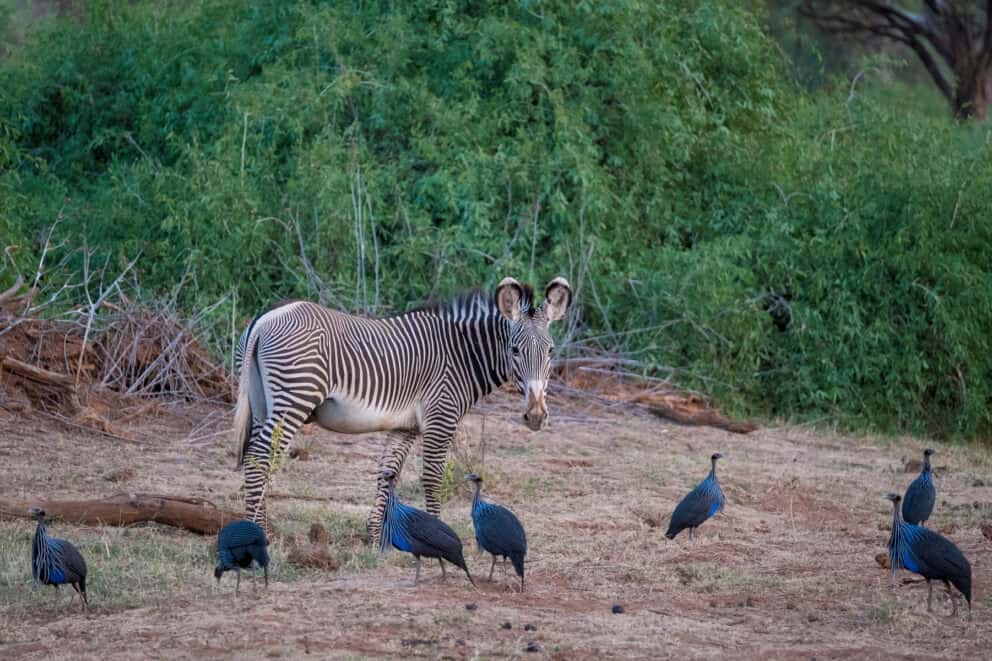
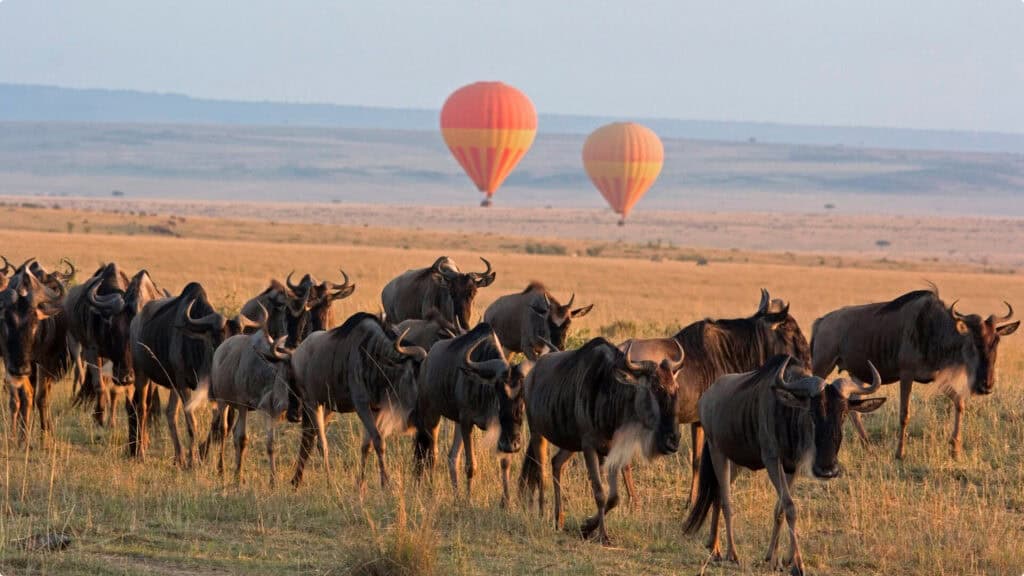
Northern Kenya’s conservancies, Borana and Namunyak among them, pair wildlife with community-run conservation and offer sightings you won’t find further south: Grevy’s zebra, reticulated giraffe, and gerenuk picking at acacia on their hind legs.
Explore Kenya’s off-the-beaten-path safari destinations.
The right destination for your second safari usually mirrors what caught you off guard on your first. If it was the tracking, follow the guides who do it best. If it was the photography, go where the vehicles are few. If it was the sense that tourism was doing some good, choose a reserve built on that idea.
Comparing Walking Safaris versus Traditional Vehicle Safaris for Experienced Visitors
This isn’t really a competition. Each shows you something the other can’t.
A vehicle covers ground. It gets you to a sighting quickly, follows a pride across open country and puts you within metres of a predator that would otherwise be impossible to approach on foot.
Walking asks you to slow down and pay attention to what’s close rather than what’s far. A guide might stop to explain how elephants strip bark from a particular tree, what a set of overnight tracks reveal about a hyena’s route home, or why a single alarm call from a francolin means something is moving nearby that you cannot yet see.
Many second-time travellers do both on the same trip: a walk in the early morning and a game drive at dusk. One shows you the detail underfoot. The other shows you the wider movement of the reserve.
Together, they’re what make a second safari feel like a genuinely different trip, rather than a repeat of the first.
Recommended Safari Gear Upgrades for a Second Safari
After your first trip, you already know what you actually used and what sat untouched at the bottom of your bag.
A proper pair of binoculars tends to be the upgrade people wish they had made sooner. The best sightings aren’t always beside the vehicle; a leopard moving through distant woodland or a raptor perched high above the road rewards anyone who bothered to bring decent glass.
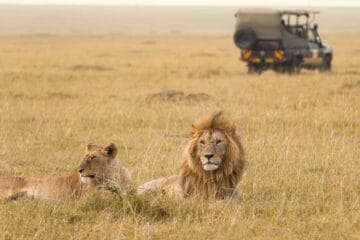
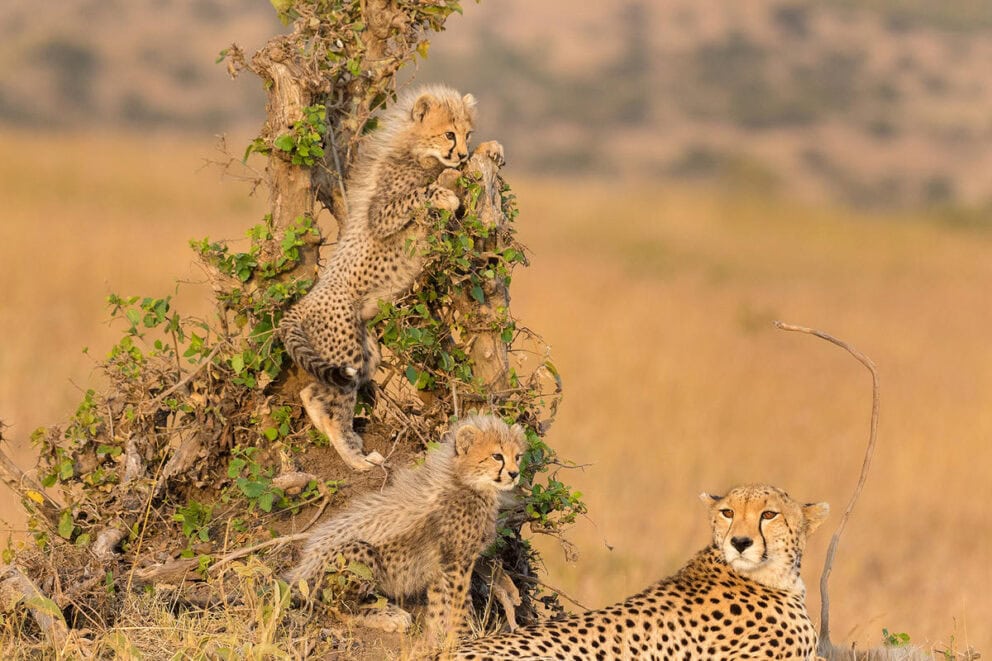
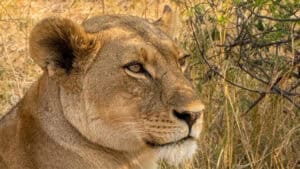
Photography changes, too. Your first safari was about capturing the animal. Your second is usually about capturing what it’s doing: a pack of wild dogs greeting each other before a hunt, a fish eagle feeding its chick, and a lioness watching the horizon before she moves. That takes a longer lens and more patience than most first-timers pack.
A proper field guide earns its shelf space as well. Once the Big Five stop being the whole story, most travellers want to put a name to the bird overhead or the tree providing the shade, and an advanced African safari field guide does that on the spot, no signal required.
Where to Go for a Second Safari
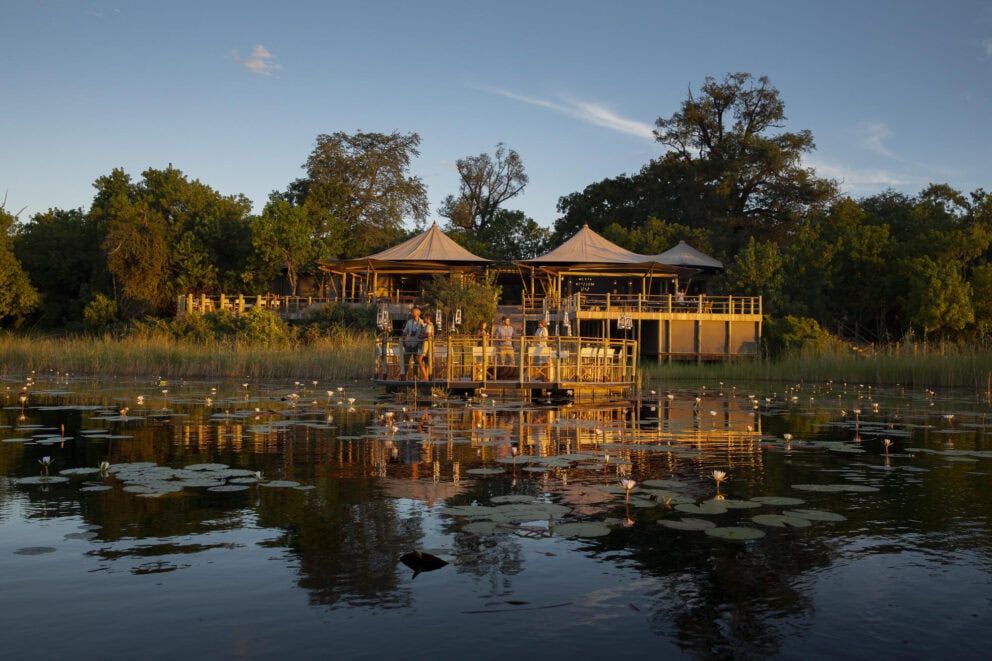
Once you know what pulled you back to Africa, the choice of where to go gets a good deal easier.
Tracking and walking point you towards South Luangwa as well as Mana Pools. Quiet, uncrowded landscapes for photography point towards Botswana‘s private concessions. Conservation with a genuine community stake points towards northern Kenya.
Your second safari doesn’t need to repeat your first. It needs to answer a more specific question: what part of Africa do you actually want to understand better this time?
Talk to an expert about where to start – whether it’s your second safari or your tenth, we’re always here to help you find the right track.

Written by Yamkela Welaphi
• Travel Writer
Discover the African Journey that’s Right for You
 Blog List

























Written by Yamkela Welaphi
• Travel Writer
Part of the Southern Africa Safari & Kenya Safari Collections