

 Email us





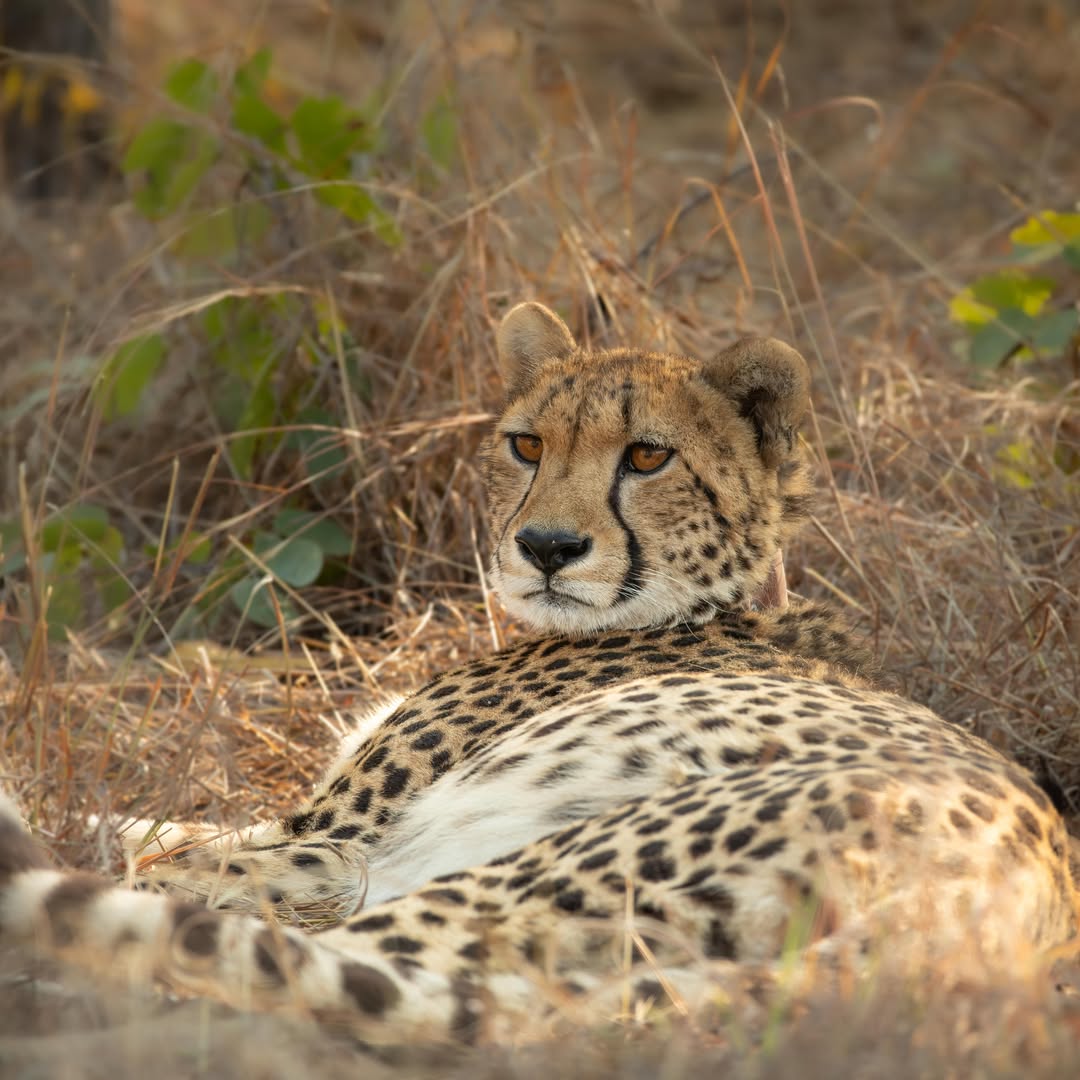
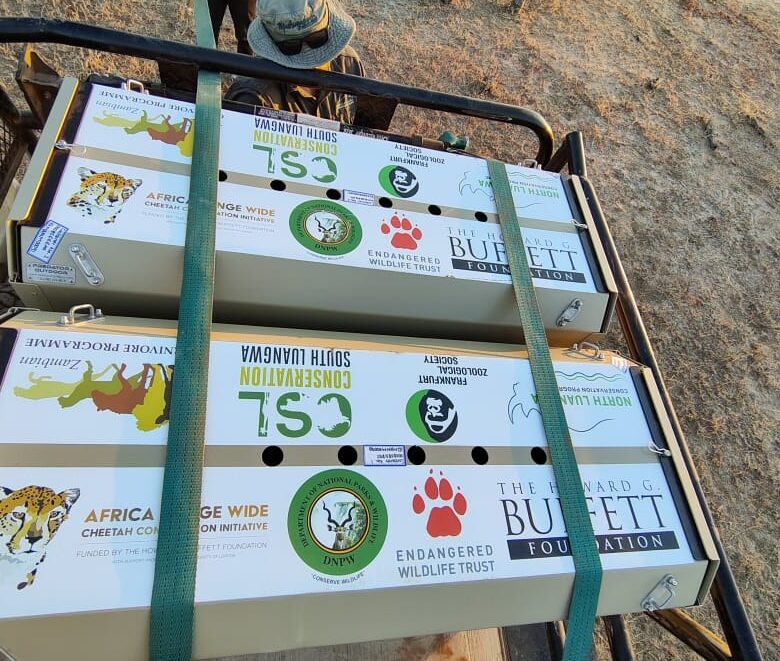
Six cheetahs have officially arrived in Zambia’s North Luangwa National Park, marking the return of the species to the greater Luangwa ecosystem after an absence of nearly three decades. In a historic move for conservation, this cheetah translocation from South Africa is a critical first step in restoring a self-sustaining cheetah population within the oldest section of Africa’s Great Rift Valley.
The reintroduction programme is led by Zambia’s Department of National Parks and Wildlife (DNPW) in close partnership with the Endangered Wildlife Trust (EWT). Professor Sarah Durant of the Africa Range-Wide Cheetah Conservation Initiative says this cheetah translocation represents years of careful planning and scientific collaboration.
“Restoring a large carnivore to a landscape is never a simple undertaking, and cheetah translocations into large, unfenced ecosystems remain among the most challenging areas of carnivore conservation. The extensive planning and collaborative expertise behind this initiative give these animals the best possible chance of success.”
Inside the Move: How Cheetah Translocation Works
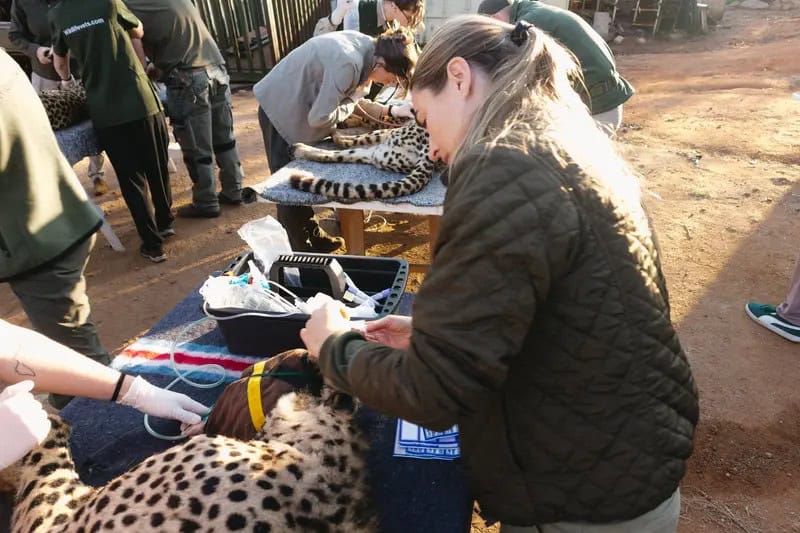
Transporting apex predators across international borders requires meticulous planning, expert veterinary care, and strict biological criteria. The initial group – comprising three males and three females – was carefully selected from South Africa’s managed cheetah metapopulation. Conservationists prioritised specific genetic diversity and demographic profiles to ensure the founding group possessed the resilience needed to establish a healthy, long-term breeding lineage.
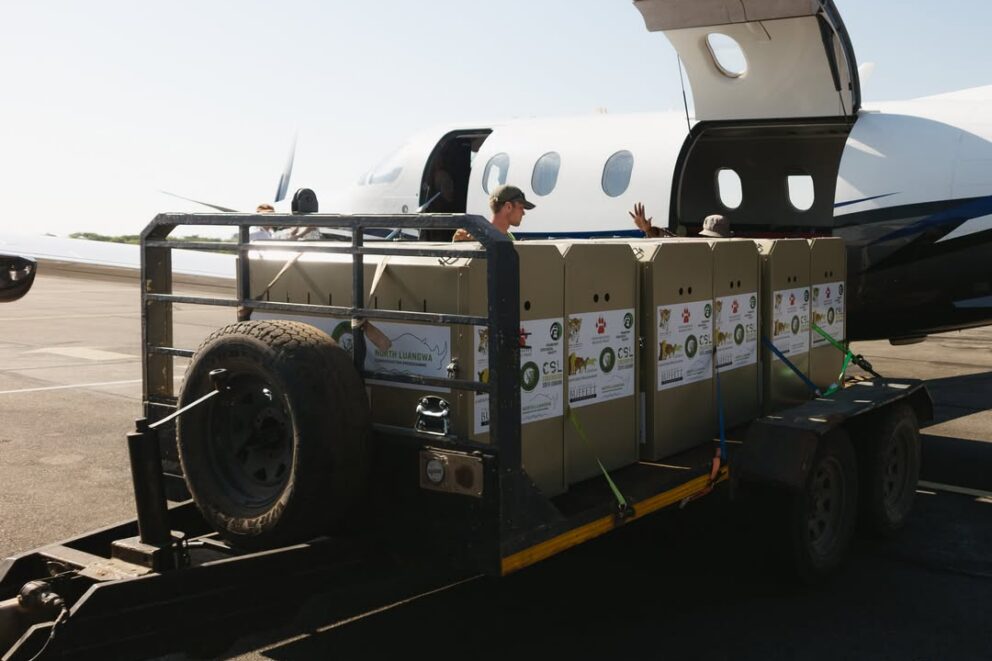
Following a quarantine period, the cats were flown directly to a remote sector in the southern section of the park. Their release follows a two-stage soft-release process designed to allow the cheetahs to adapt to local prey, adjust to the climate, and settle into their new environment safely. Currently, the cats are inside a secure, 2,000-hectare (20-square-kilometre) predator-proof sanctuary within the park. Once acclimatised, they’ll be released into the open wilderness.
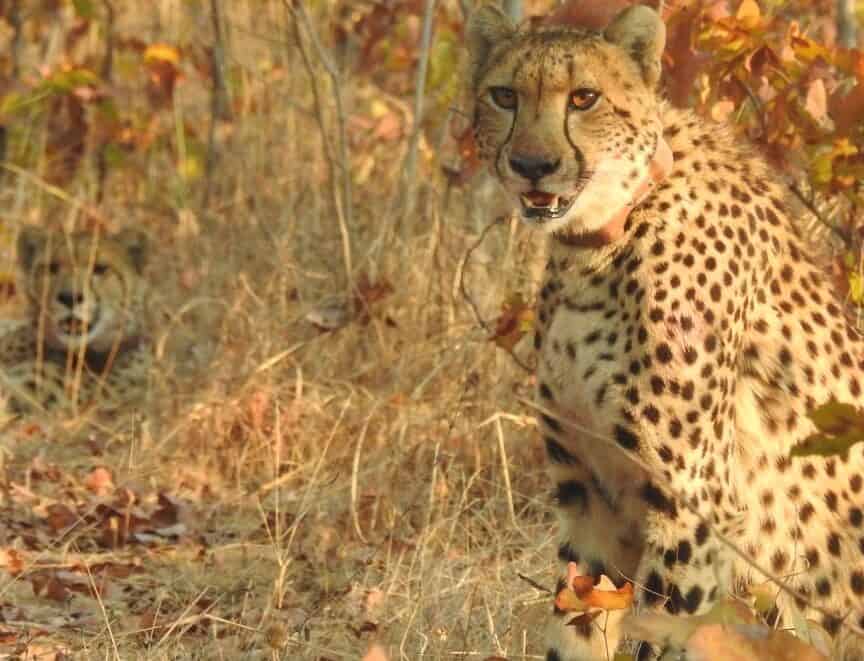
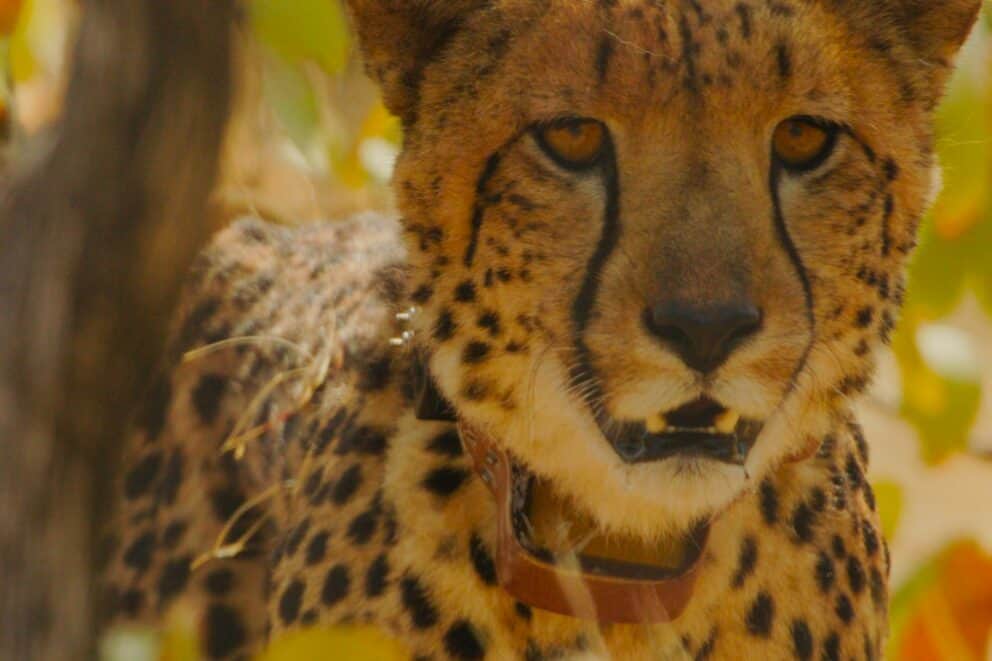
Cheetahs have unique behavioural and ecological characteristics that require specialised management. They occupy exceptionally large home ranges, with some travelling over 1,500 square kilometres annually and dispersing hundreds of kilometres within weeks. For this reason, each cheetah is fitted with a specialised satellite-tracking collar, enabling conservation teams to monitor their health, spatial movements, and territory formation in real time.
Dr Mwendalubi Hazyondo, Principal Veterinary Officer at the Department of National Parks and Wildlife, says that post-release monitoring is essential to evaluating their adaptation to the new environment.
“Post-release monitoring of the reintroduced cheetahs is essential for evaluating their ecological adaptation, survival and overall performance within the Luangwa ecosystem while facilitating the early detection of emerging threats, including disease.
“Data generated through systematic monitoring will support adaptive, evidence-based management interventions and timely decision-making, thereby improving establishment success, promoting long-term population persistence and strengthening conservation outcomes.”
This initial group of six represents phase one of the rewilding plan, with a second group of cheetahs scheduled to join them later to strengthen the founding population.
Global Conservation Status and Urgency
The urgency behind this North Luangwa conservation project becomes clear when looking at the global cheetah conservation status. According to the International Union for Conservation of Nature (IUCN), cheetahs are classified as Vulnerable, with fewer than 6,500 mature individuals remaining in the wild.
Historically, cheetahs roamed much of North Luangwa; however, they disappeared entirely from the Greater Luangwa Ecosystem, with the last sighting recorded in 1998. This was primarily due to a combination of disease outbreaks, intense predator competition, illegal poaching, and human-wildlife conflict.
By reintroducing cheetahs in Zambia within protected areas, international cheetah conservation efforts are actively expanding the species’ safe range, securing vital protected habitats where these big cats can hunt and breed without human pressure.
Why North Luangwa is the Ideal Wilderness
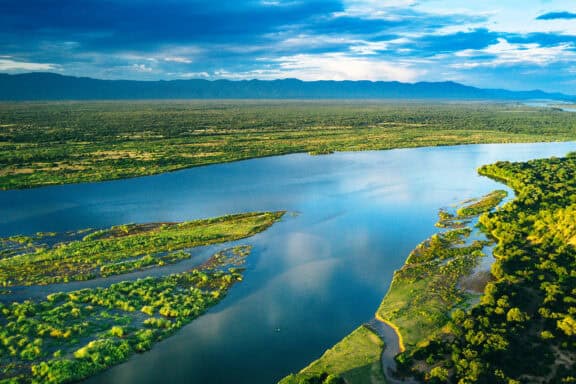
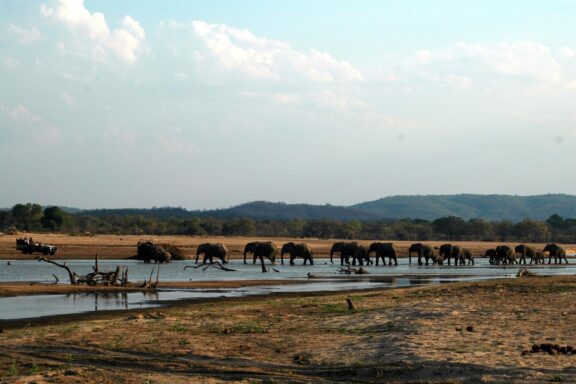
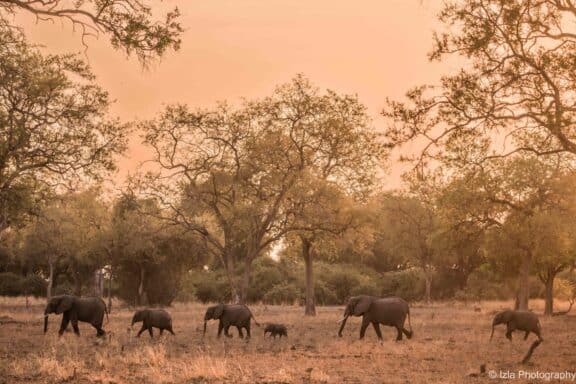
North Luangwa National Park, Zambia, represents one of Africa’s last true wildernesses. Covering over 4,500 square kilometres, it’s widely regarded as the wilder, far more secluded sibling of South Luangwa.
With vast riverine forests, open grasslands along the Mwaleshi River, and healthy populations of prey species like impala and puku, the park provides an ideal habitat for cheetahs to thrive.
The wider Greater Luangwa Ecosystem spans roughly 70,000 square kilometres, providing cheetahs with the vast open territory they desperately need to roam without hitting fences or human borders. According to the Endangered Wildlife Trust, most African cheetahs are disappearing because they live on unprotected land. North Luangwa offers a highly secure, core-protected sanctuary free from farming encroachment and fatal infrastructure.
Beyond the return of cheetahs, North Luangwa is also famous for hosting Zambia’s only black rhino population – another triumphant example of successful species restoration.
Cheetah Rewilding Across Southern Africa
While translocating wild predators is complex, recent history proves that strategic rewilding initiatives yield incredible long-term results.
Kwandwe Private Game Reserve (South Africa)
In South Africa’s Eastern Cape, Kwandwe worked with the Endangered Wildlife Trust to reintroduce cheetahs to the Great Fish River Valley for the first time since 1888, after they had been exterminated by farmers. By participating in managed metapopulation swaps with other reserves, such as exchanging dominant males with Welgevonden Game Reserve, Kwandwe has successfully prevented inbreeding and maintained vibrant genetic health across regional populations.
Panyame Conservancy (Mozambique)
An even broader rewilding effort took place when 12 cheetahs were moved nearly 1,000 miles from South Africa to the Panyame Conservancy in Mozambique. Despite facing torrential weather that forced a gruelling 53-hour overland transport convoy, the relocation was a success. Just weeks after her arrival, a translocated female named Kazi gave birth to three healthy cubs – the very first wild-born cheetahs in that ecosystem in decades.
How Purpose-Driven Travel Powers Rewilding
Behind every major cheetah conservation breakthrough is a dedicated network of scientists, rangers and local communities – much of which is funded by travel. Translocations, anti-poaching patrols, and predator-proof bomas require substantial funding.
When travellers seek adventures like a North Luangwa safari in remote conservation areas, their travel directly funds the protection of these landscapes, their inhabitants, and the people who protect them. Every park fee directly contributes to wildlife management and conservation, ensuring that wild spaces remain wild – and that species like cheetahs have a safe home for generations to come.

Written by Thaakiera Ackerdien
• Travel Writer
Discover the African Journey that’s Right for You
 Blog List
























Written by Thaakiera Ackerdien
• Travel Writer
Part of the Zambia Safari Collection