

 Email us





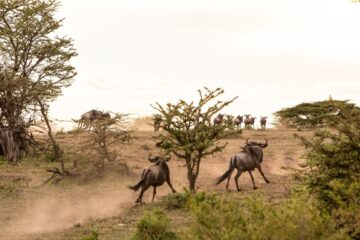

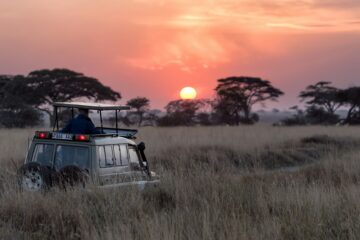
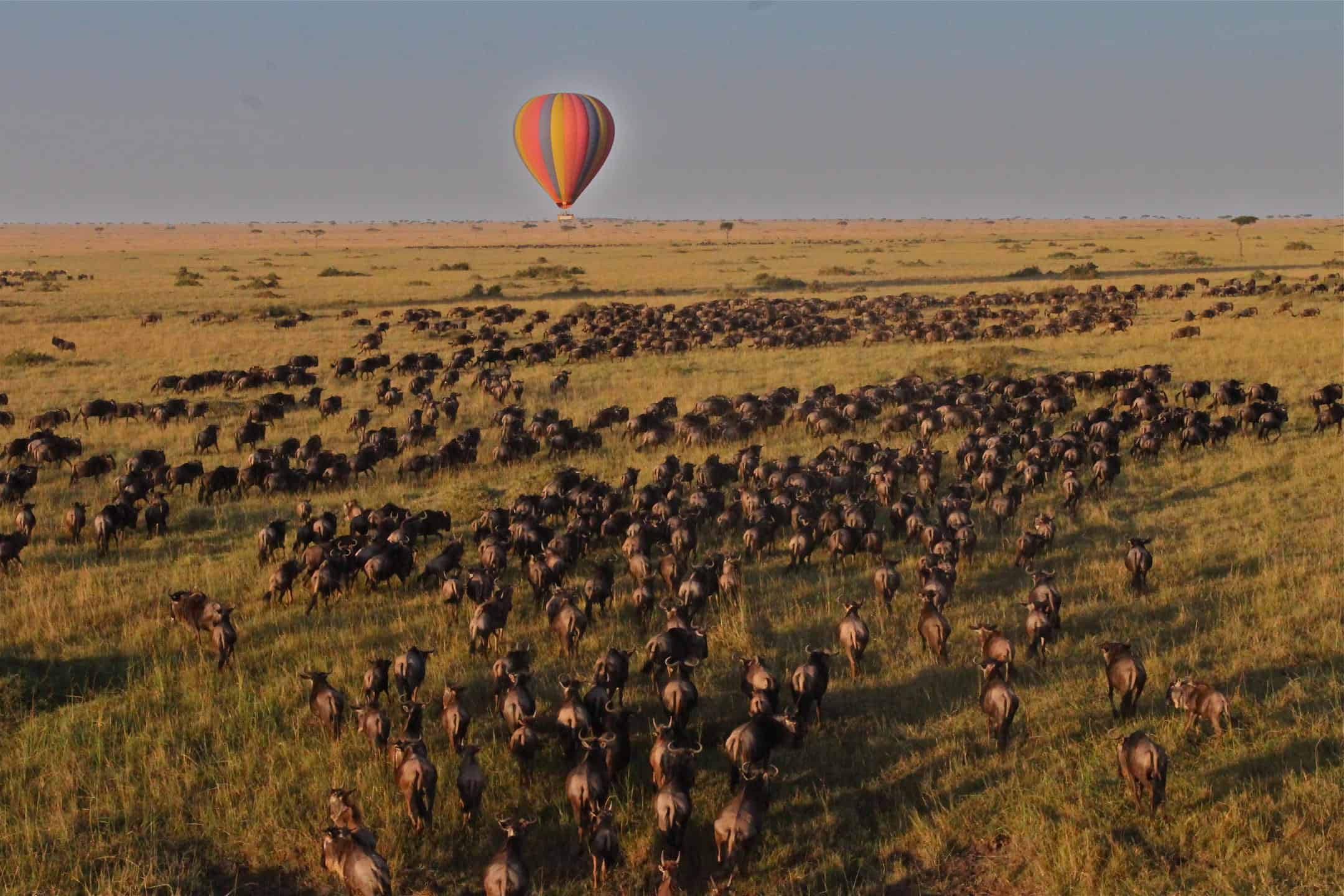
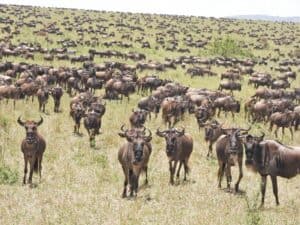
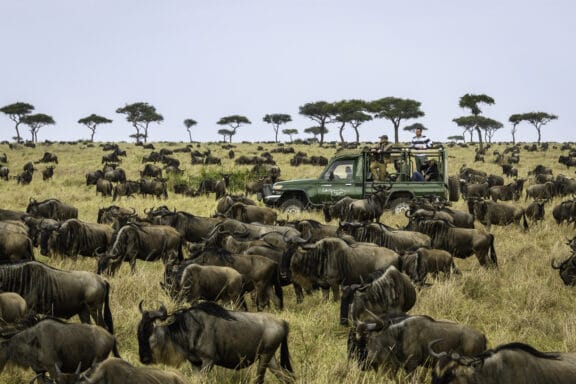
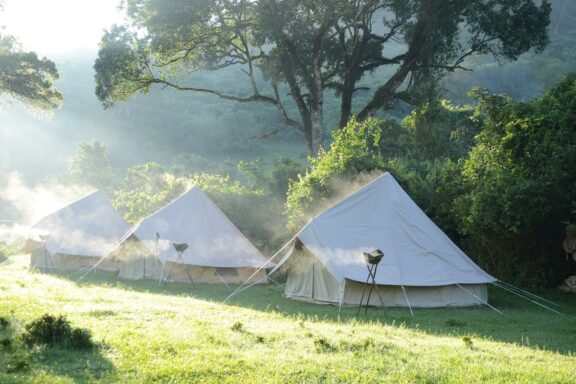
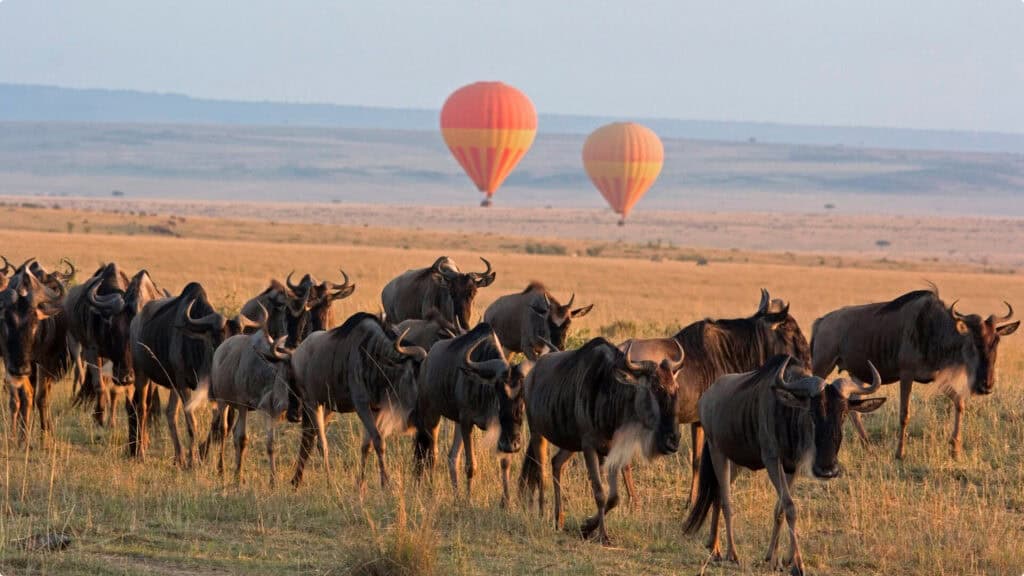
Picture it. Woodsmoke drifts low across camp as the light turns amber. A hornbill calls from somewhere you can’t quite place. Then, as you look across the plains, the horizon begins to move – a line of wildebeest stretching as far as the eye can see – and your breath catches.
That moment of pure awe is the point of going on safari, and both Kenya and Tanzania can give it to you. So when people ask us to settle the Tanzania safari vs Kenya safari debate, we tend to push back gently. It’s not really about which country does safari better. It’s about which one matches the kind of traveller you are.
Get this choice right and you’ll spend years telling the story. Get it wrong (wrong pace, wrong scenery, wrong kind of days) and you’ll always wonder about the other one. So let’s skip the geography lesson and get personal instead.
Kenya vs Tanzania for Safari: Two Feelings, Two Paces
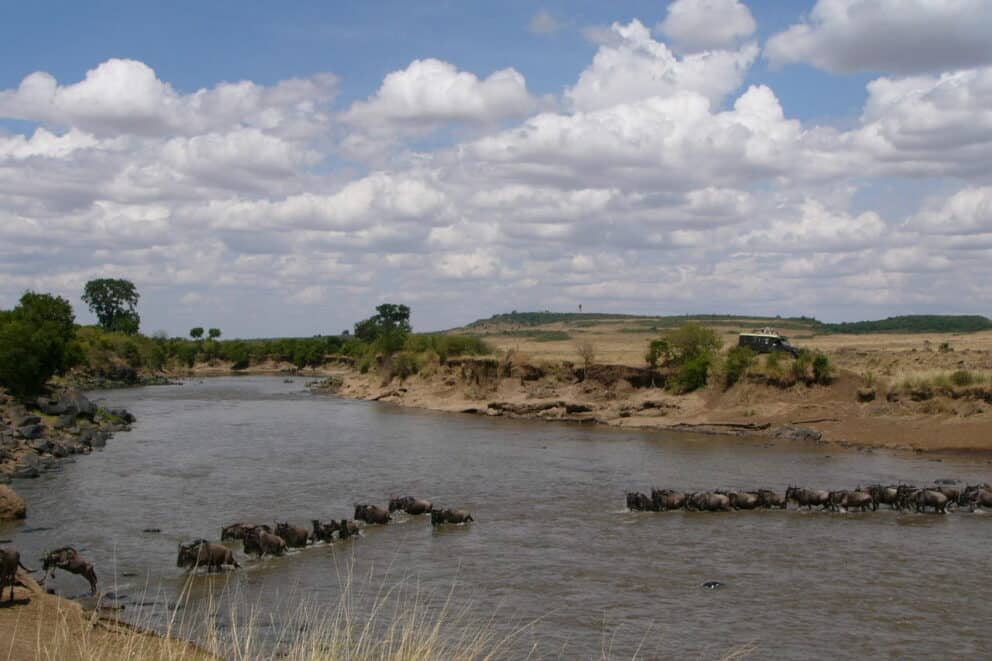
Kenya and Tanzania share a border, and in the case of the Maasai Mara and the Serengeti, they even share an ecosystem. The wildebeest don’t check passports.
Ask anyone who’s done both, and they’ll tell you that the Kenya vs Tanzania safari debate isn’t a country comparison so much as a mood comparison. Our safari experts hear the difference in how clients describe their dream trip long before a single itinerary gets built.
Some people want variety packed into ten days: culture, coast, conservancy, and a sundowner on a viewing deck. Others want to disappear into open country for a week and barely see another vehicle. Neither instinct is wrong. They just point in different directions.
Choose Kenya If…
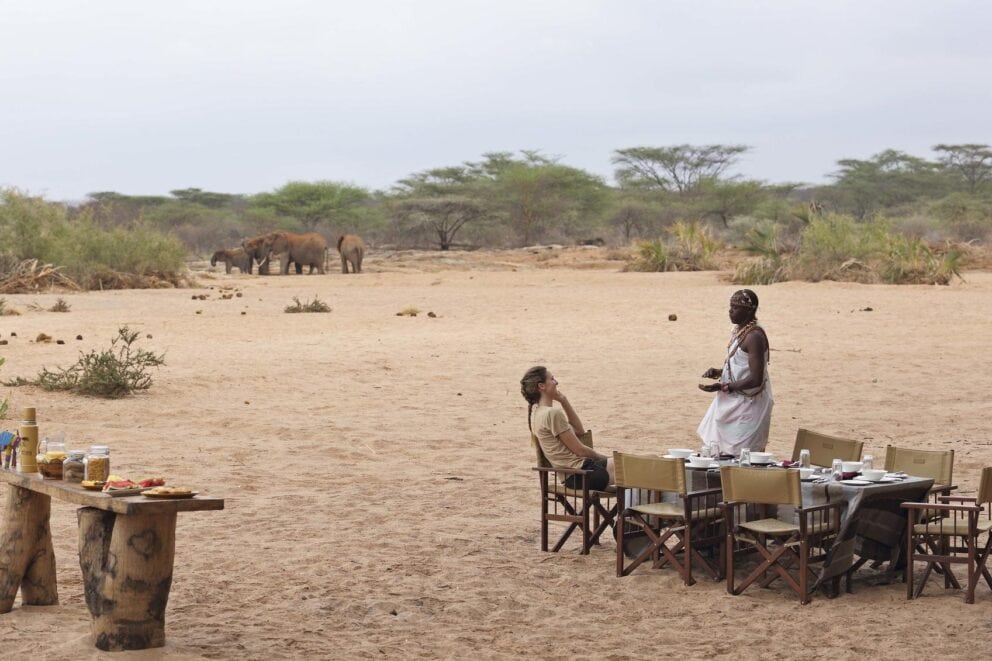
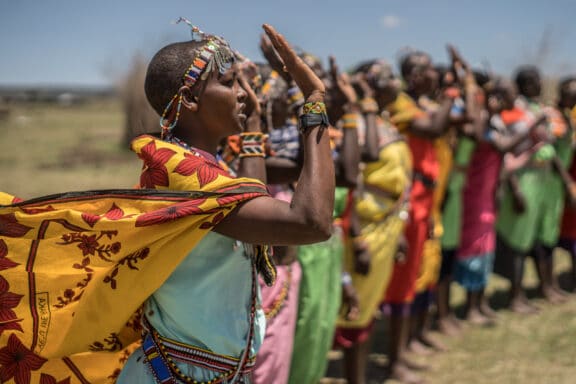
You want rich cultural encounters woven into the wildlife. Visit a Maasai village, learn how communities and conservancies work side by side, and come home with more than photographs of animals.
You’re drawn to community-partnered conservancies. Kenya’s private conservancies excel at small, intimate camps integrated directly with local communities. At Saruni Mara in the Mara North Conservancy, the guide who picks you up at the airstrip on day one is often the same local expert seeing you off on day six.
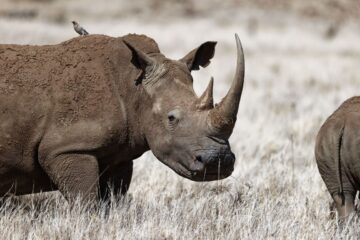
You want a varied trip that’s easy to piece together. Kenya’s parks and conservancies sit relatively close together, domestic flights between them are frequent, and pairing a few days tracking rhino at Saruni Rhino with a few days unwinding on the beach at Diani is refreshingly straightforward.
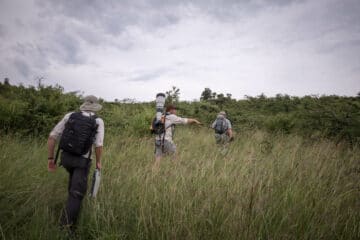
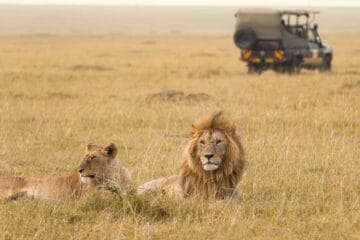
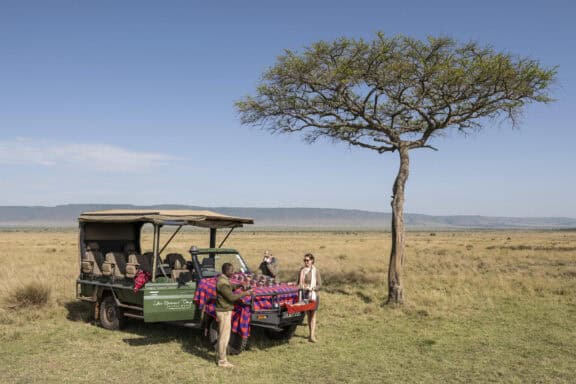
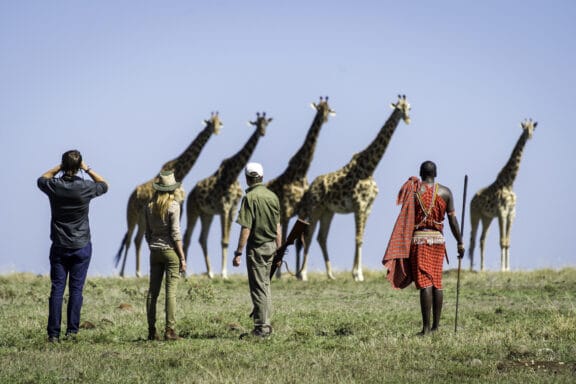
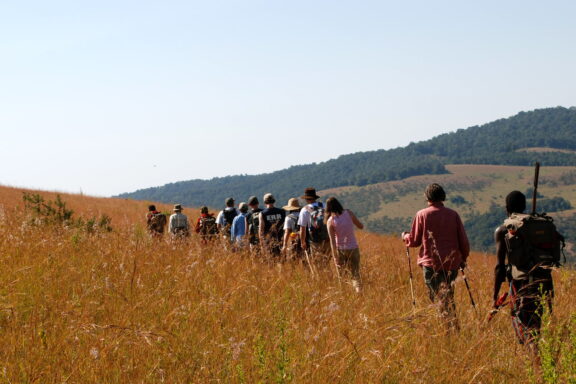
You want night drives, walking safaris, and off-road tracking. Because so much of Kenya’s premier wildlife viewing takes place within private conservancies rather than public national reserves, guides have the flexibility to drive after dark, track big game off-road, and lead you through the bush on foot.
Explore Kenya safari itineraries.
Choose Tanzania If…
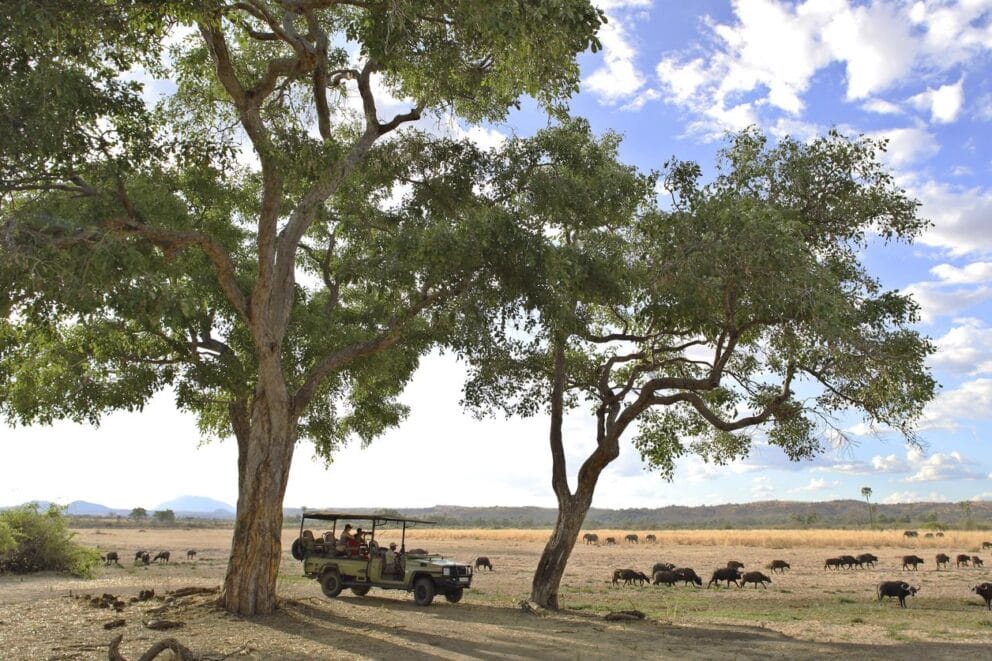
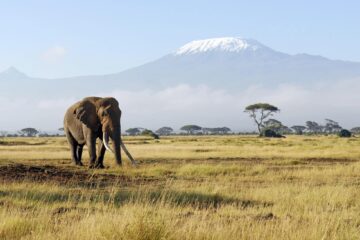
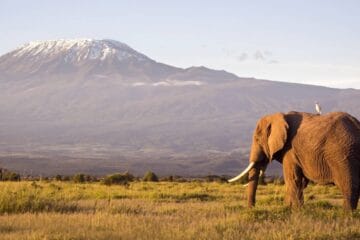
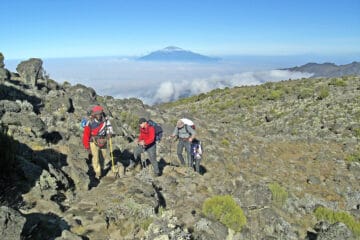
You want landscapes that stop conversation. The Ngorongoro Crater, the endless plains of the Serengeti, the volcanic silhouette of Kilimanjaro on the horizon – Tanzania’s scenery does a lot of the storytelling for you.
You’re after the classic, bucket-list moments. Standing on the crater rim at sunrise. Watching a river crossing thick with crocodiles and adrenaline, the kind of scene that ends up on every safari brochure ever printed, is a thrill. These are the images that first put safari on your mind, and Tanzania delivers them at scale.
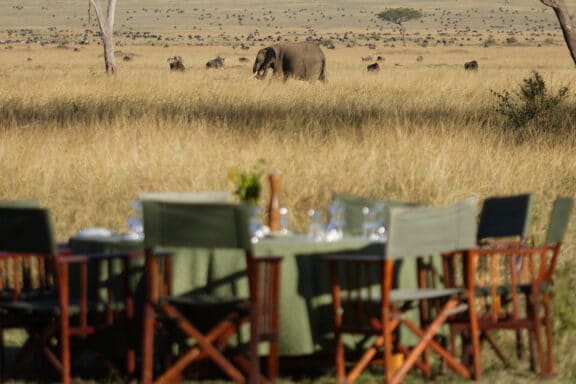
You want to experience raw, expansive wilderness. Tanzania’s reserves and concessions are massive, offering an unhurried, deep immersion in vast landscapes. Whether you’re staying at a permanent luxury lodge like Jabali Ridge in Ruaha or a seasonal, mobile setup like Nasikia Migration Camp that follows the herds, there may be days where you don’t see another vehicle. If solitude and scale matter most, Tanzania delivers it seamlessly.
You have more time to give to the trip. Tanzania rewards travellers who can spend ten days or more moving slowly between the Serengeti, Tarangire, and the crater, rather than packing everything into a long weekend.
Explore Tanzania safari itineraries.
The Difference Between Kenya and Tanzania Safari Planning
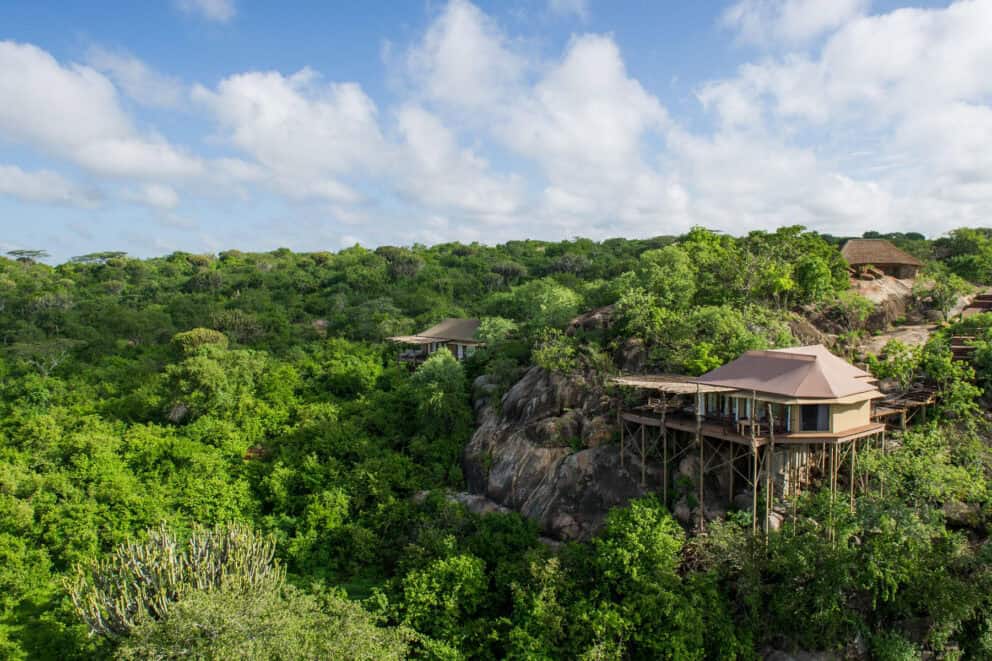
Ask any of our safari experts about the difference between Kenya and Tanzania safari logistics, and one thing comes up fast. Kenya’s infrastructure makes it exceptionally easy to pair private conservancies – where off-roading, night drives, and walking safaris are standard – with quick domestic flights and close-together parks.
Tanzania asks for a bit more intention in how your itinerary is built. While national park rules generally stick to marked roads during daylight, Tanzania offers incredible walking safaris, night drives, and off-road tracking if you stay in private concessions (like Singita Grumeti or Mwiba).
Neither approach is objectively better. Comparing a safari in Tanzania vs Kenya really comes down to whether you’d rather have these flexible activities built seamlessly into small private conservancies, or seek them out within vast, secluded wilderness concessions.
Kenya vs Tanzania Luxury Safari: What Sets Them Apart
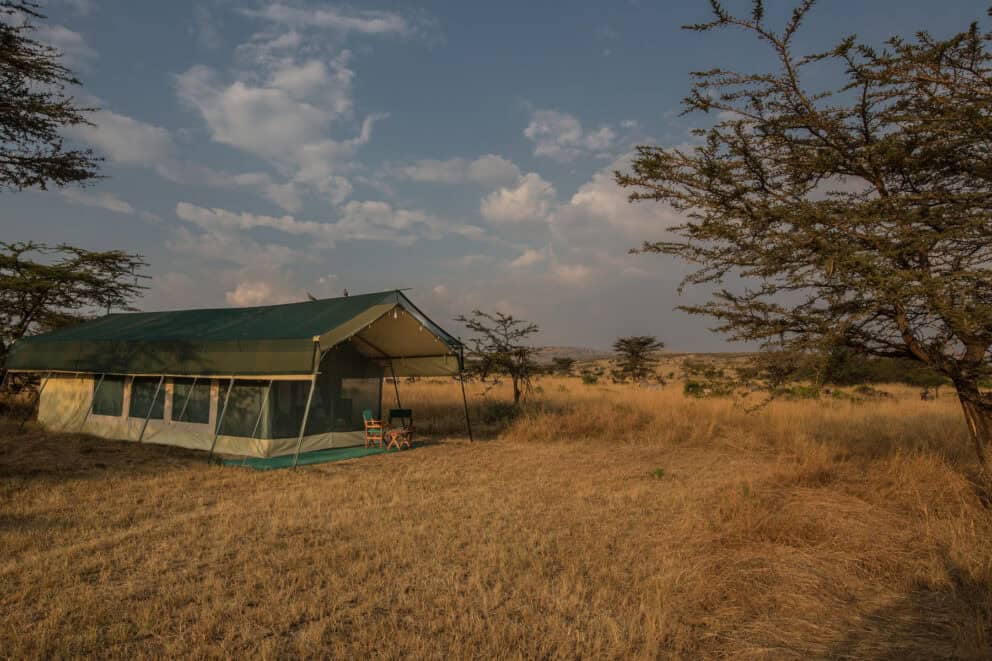
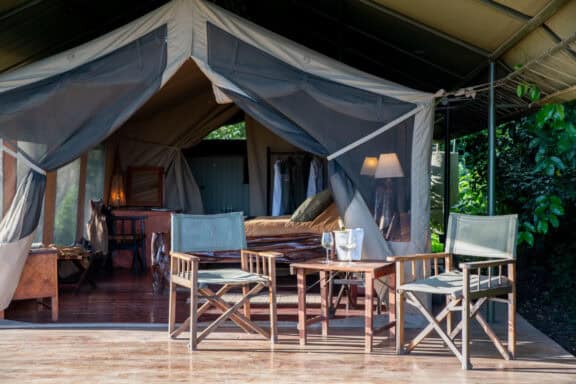
If you’re weighing up a Kenya vs Tanzania luxury safari, the difference isn’t about camp size or level of comfort – both countries offer exceptional, hyper-intimate six-to-eight-tent luxury camps. Instead, the style of luxury comes down to land layout and camp atmosphere.
Kenya’s luxury conservancy camps are often hosted within shared community conservancies, creating a warm, highly social atmosphere with shared fireside stories and guides from neighbouring villages.
Tanzania’s luxury offerings excel at spatial privacy and deep immersion. Many luxury camps sit within vast, private concessions or remote national park sectors, where the luxury lies in pure seclusion – whether that’s a private plunge pool overlooking the Ruaha landscape or a refined mobile tented camp tucked quietly along the migration route.
For couples and solo travellers alike, it’s worth asking how you want your days to feel: a Kenyan conservancy camp often feels like a warm, interactive gathering of like-minded travellers, while a remote Tanzanian camp gives you the feeling that you have a vast slice of Africa entirely to yourselves.
Don’t Forget the Migration
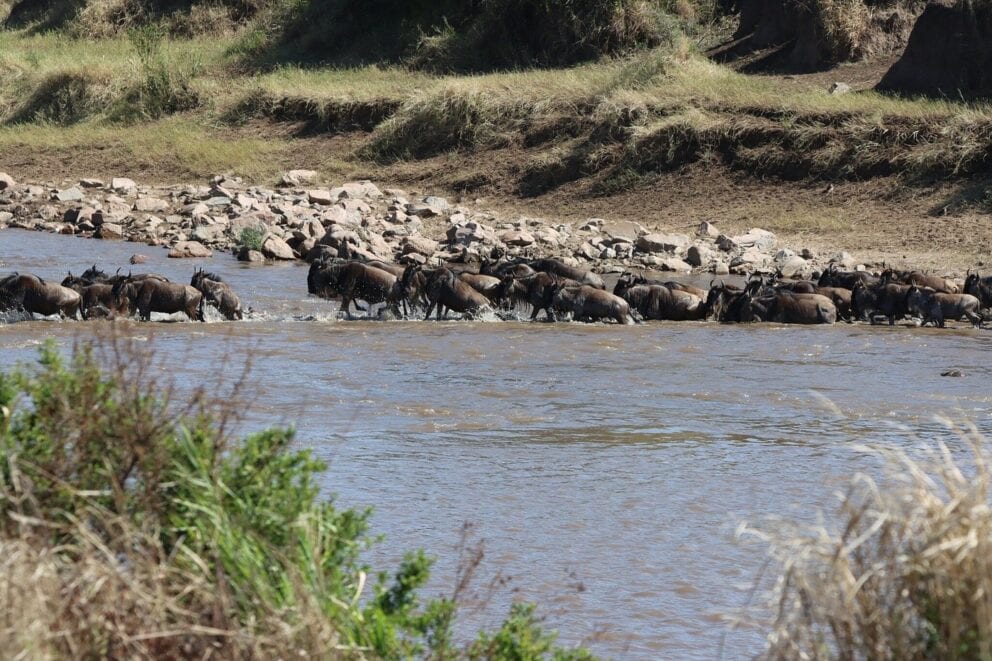
If timing the Great Migration is central to your journey, timing and location matter far more than country borders.
A common safari myth is that the famous river crossings only happen in Kenya. In reality, the Mara River flows through both Kenya’s Maasai Mara and Tanzania’s Northern Serengeti. From roughly July to October, the massive herds move back and forth across the river between both countries, meaning you can witness these heart-stopping crossings from either side.
Earlier in the year, from around January to March, Tanzania hosts the calving season in the Southern Serengeti, when thousands of wildebeest calves are born on the open plains.
Rather than choosing a country first, map out your travel dates – the movement of the herds will naturally show you where to be.
So, Kenya vs Tanzania Safari: Which Is Better?
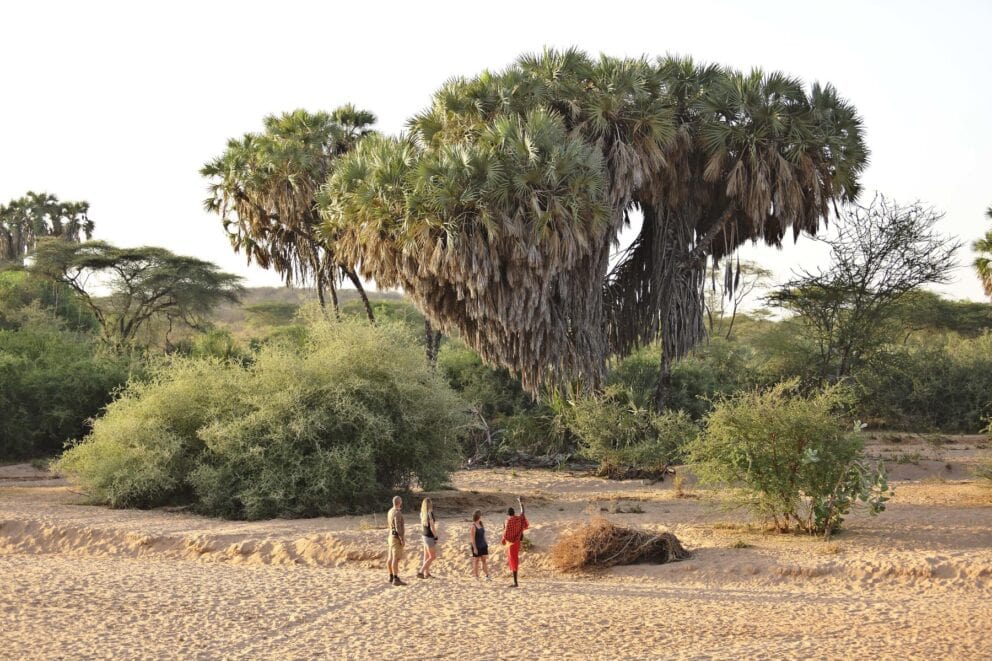
Wrong question, honestly. It’s a bit like asking whether a novel is better than a film adaptation. Both can move you to tears. They just do it differently. If you made us answer the “Kenya vs Tanzania safari, which is better?” question with one sentence each: Kenya rewards travellers who want warmth, culture, and ease. Tanzania rewards travellers who want scale, solitude, and time. Neither loses.
Still Torn? You’re Allowed to Have Both
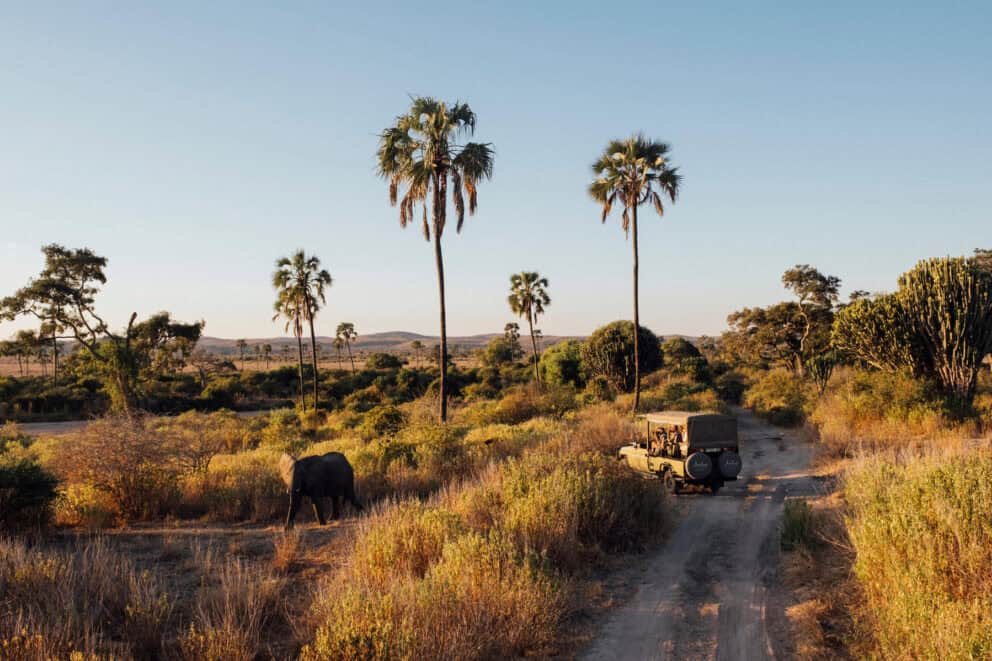
There’s no wrong answer, only a better fit for right now. And if you truly can’t choose, you don’t have to. Plenty of our travellers combine both countries in one trip, crossing between the Mara and the Serengeti to get a taste of each.
Whichever way the Tanzania safari vs Kenya safari decision lands for you, the adventure you’re picturing already exists somewhere between these two countries. Talk to one of our safari experts and let’s work out exactly where.

Written by Yamkela Welaphi
• Travel Writer
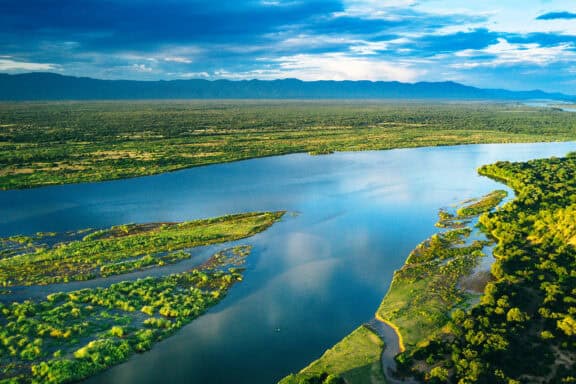
Discover the African Journey that’s Right for You
 Blog List




























Written by Yamkela Welaphi
• Travel Writer
Part of the Kenya Safari & Tanzania Safari Collections