

 Email us


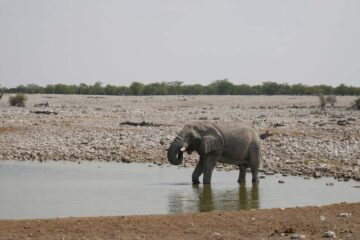
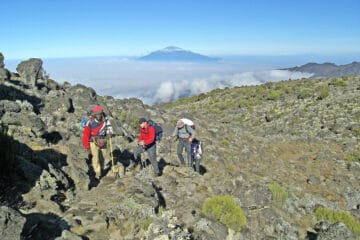
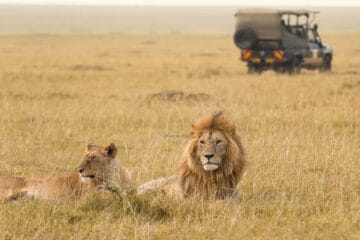
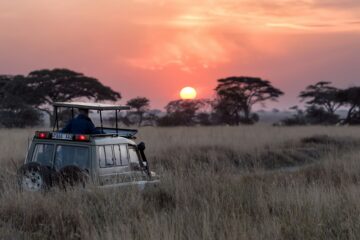
You’ve been dreaming about Kenya for years. You can picture it already. Golden grass, a lone acacia, and a cheetah climbing a termite mound to scan the plains. However, if you want to avoid watching said cheetah with fifteen other minibuses, our Kenya travel tips will guide you.
This is what the postcards leave out: in peak season, there’s an influx of people. It doesn’t have to go that way, though. Kenya is bigger, quieter, and more varied than its most famous reserve suggests. Planning a Kenya safari well is mostly about knowing where to go and when.
If you want the personal version of the country, where it feels like you have the place to yourself, then this is the Kenya travel guide for you.
The Short Answers First
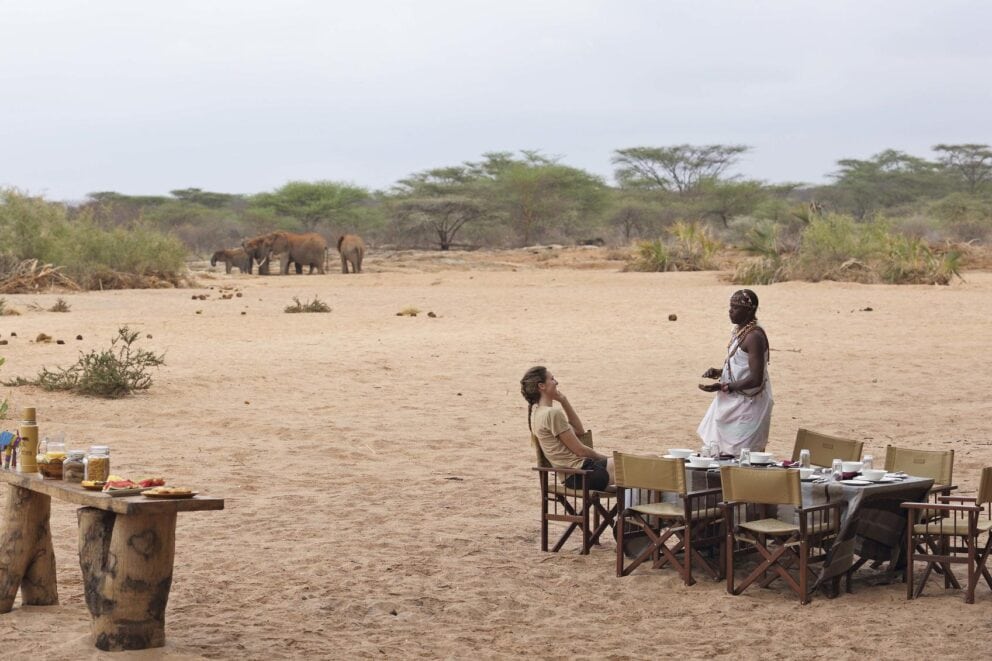
- When to go: June to October, or January to February, when the grass thins and wildlife gathers at water.
- Where to go: Private Masai Mara conservancies, Laikipia, Samburu, and Amboseli, not the Mara reserve alone.
- How long: Seven nights is the sweet spot. Nine or ten if you want two regions without rushing.
- How to travel: Fly between camps. Your back will thank you.
When to Go: Let the Weather Write the Plan
Kenya sits on the equator, so forget hot and cold seasons. Think wet and dry. The long rains fall roughly from March to May, and the short rains drift in around November and December.
The Migration, Honestly
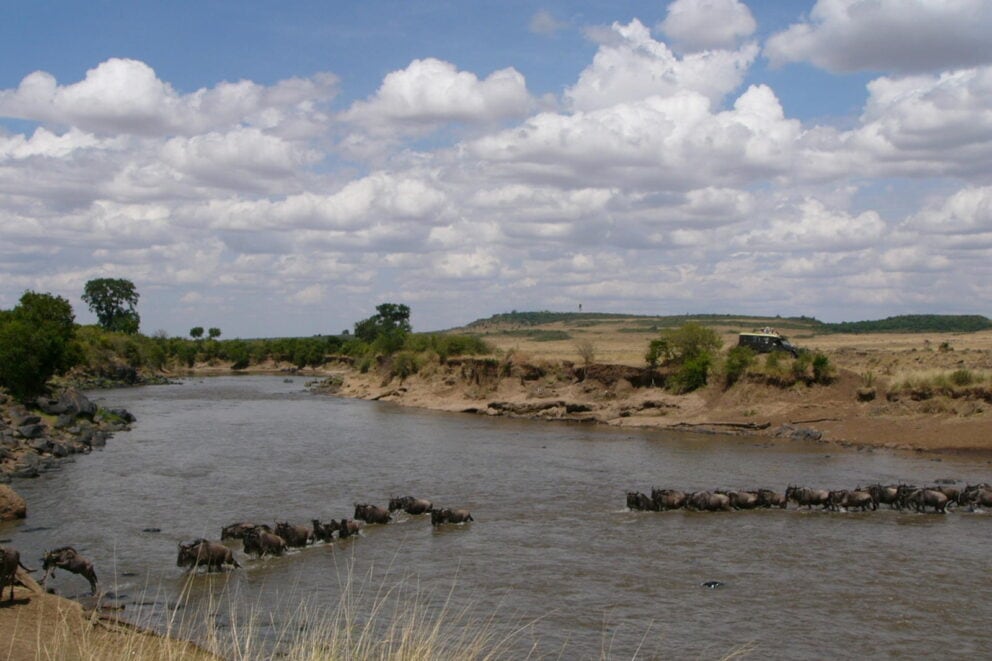
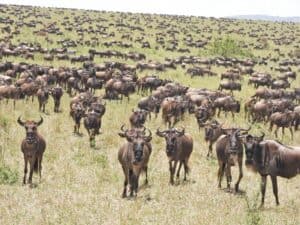
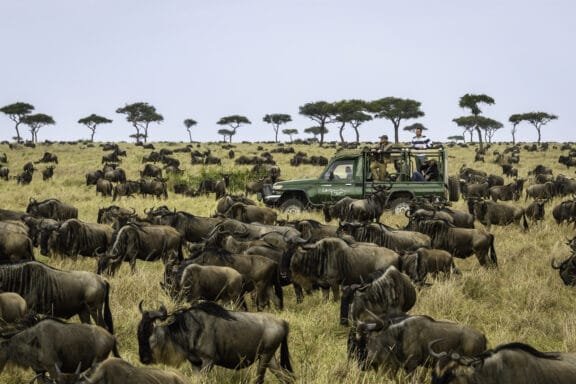
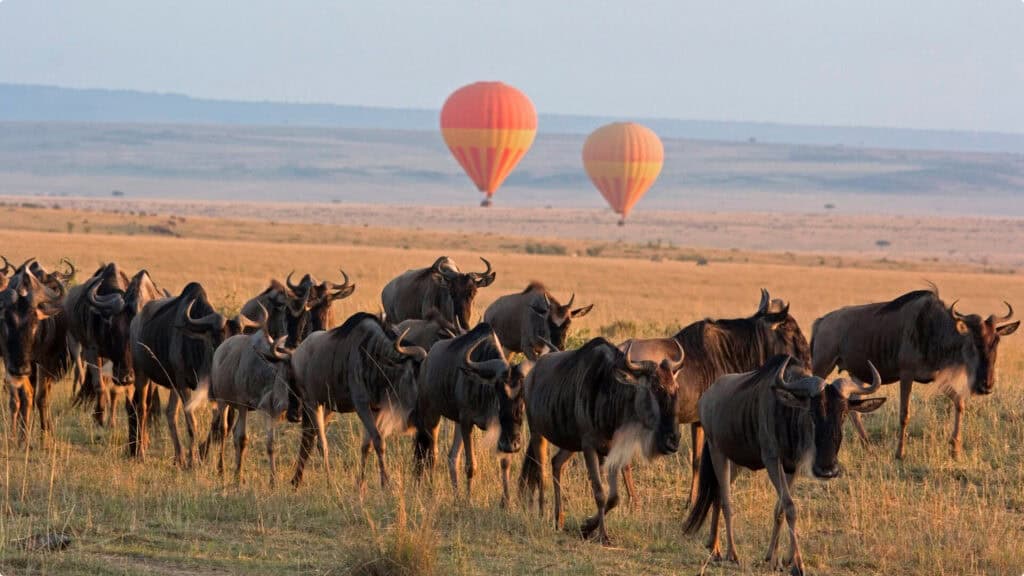
The dry months are the classic window. The grass thins, animals gather along rivers, and the tracks are easygoing. The Great Migration is typically in the Masai Mara from August to late October.
In June and July, most of the herds are still in Tanzania, in the northern Serengeti, slowly making their way towards Kenya. The Mara is excellent for general game then, but a river crossing is far from guaranteed.
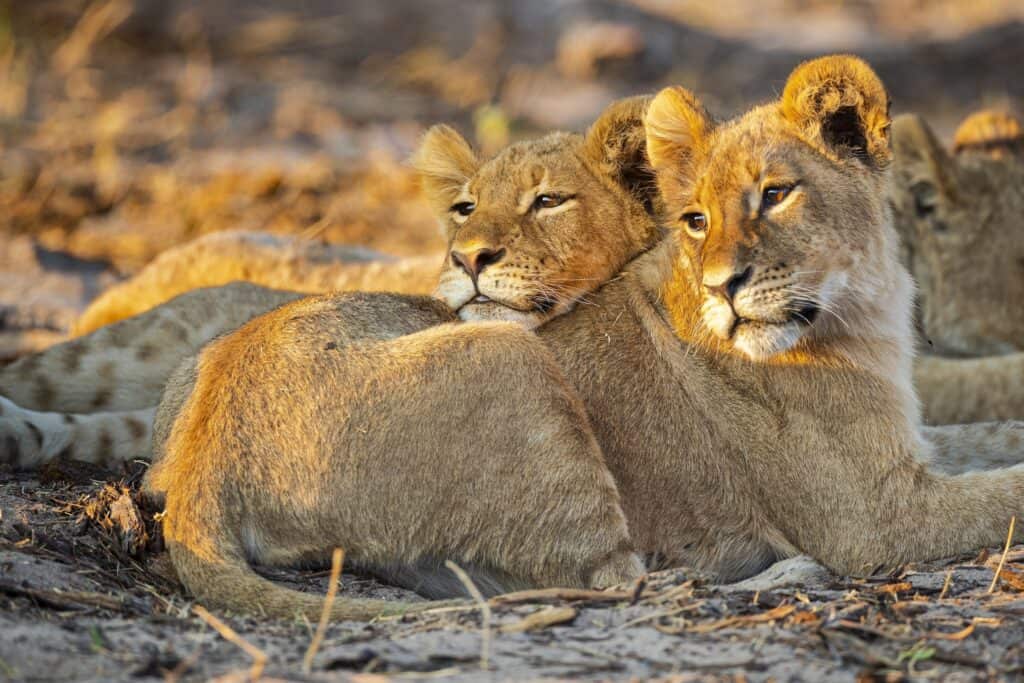
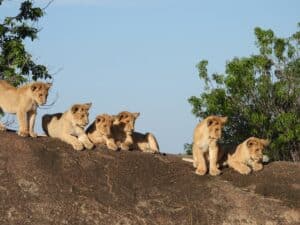
From mid-November until the following July, the herds are mostly in Tanzania. The Mara’s resident lions, cheetahs, and elephants stay put all year, so the game viewing is still superb, just without the wildebeest.
The Quieter Windows
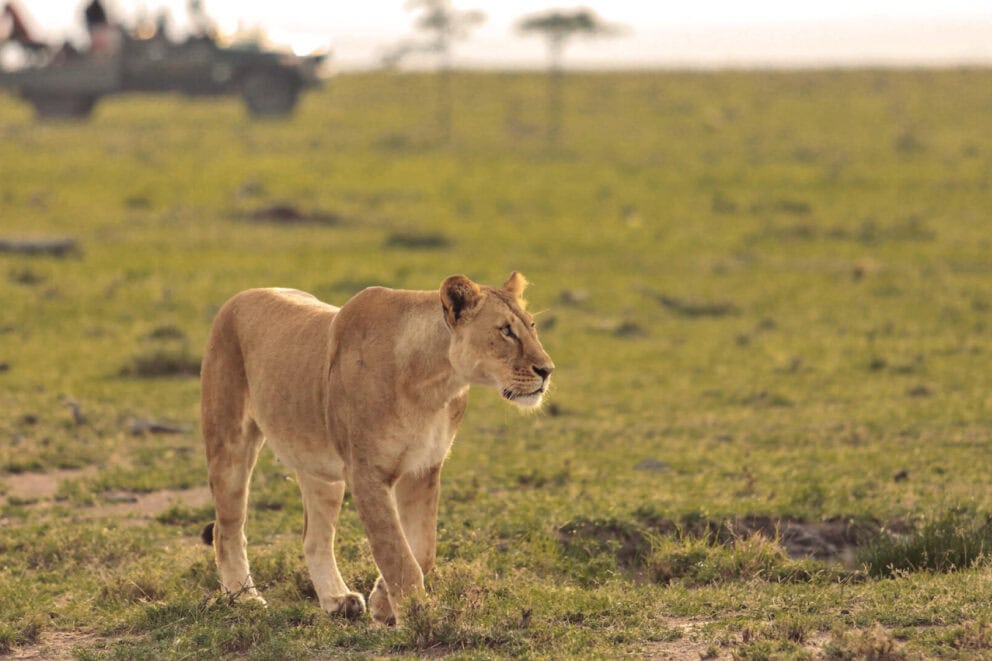
Want fewer vehicles with your view? Try the edges. January and February are warm, mostly dry and excellent for big cats, with far fewer people than August.
November and December are our quiet favourite. The short rains bring sunny spells, green plains, and lovely light. Predator viewing is excellent, especially in the conservancies, and some herds can still be passing through the southern Mara in early November.
April and May are the long rains, and we’ll be straight with you: it can pour. The Mara gets muddy, and some camps close. If those are your only dates, we’ll lean on regions like Laikipia, where the rain bites less.
March sits in between: increasing showers, still good game, and fine for flexible travellers.
Wildebeest don’t read itineraries. They cross when they’re ready, which is sometimes tomorrow. Give the Mara several nights and let patience do the work. As your dates get closer, our HerdTracker is a handy way to see where the herds are.
The Best Places in Kenya for Safari
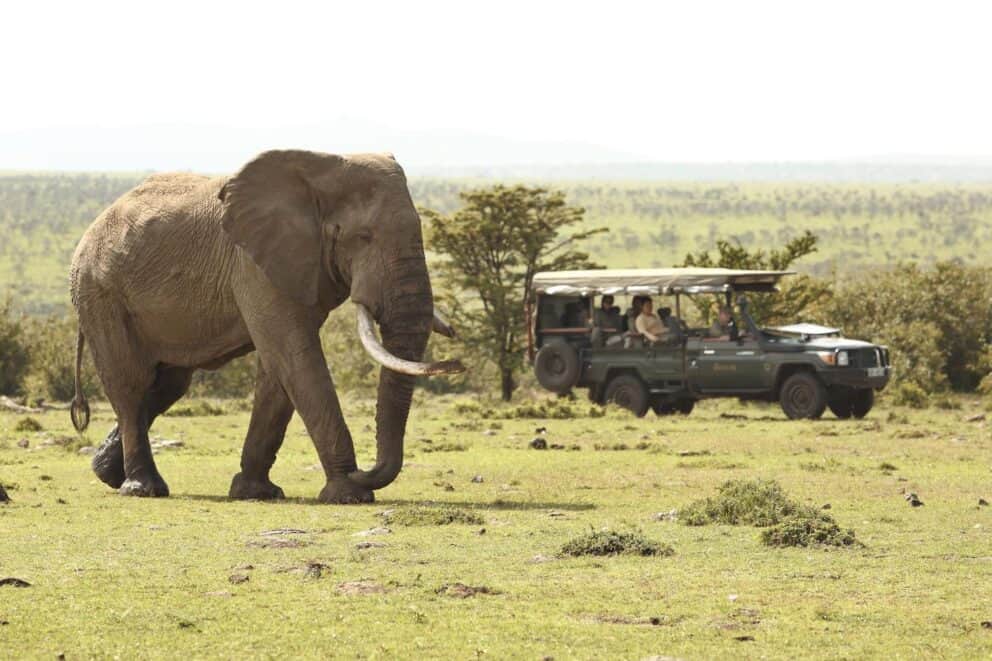
Most first-timers head straight for the Masai Mara, and with good reason. But there’s a Mara within the Mara, and it’s worth knowing about.
Conservancies: The Quieter Side of the Mara
The national reserve is managed at county level. The conservancies on its edge are private and leased from Maasai landowners, and they limit the number of beds and vehicles. That changes everything.
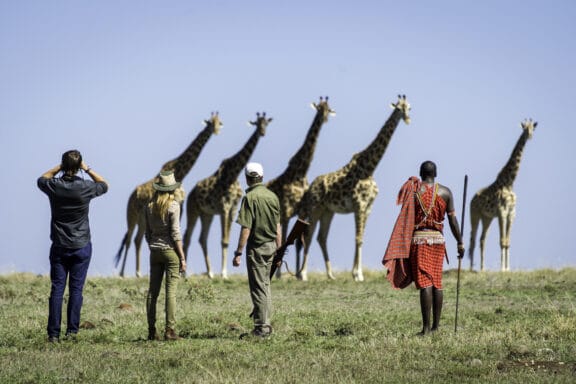
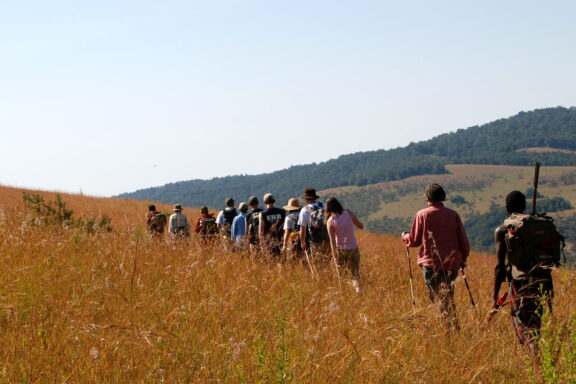
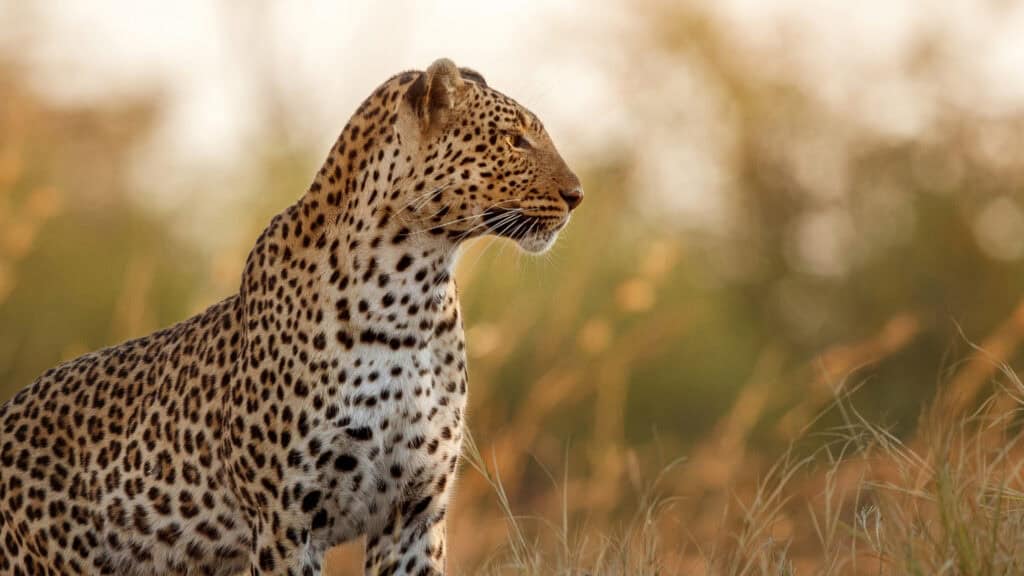
Your guide can often take you off-track to stay with a cheetah. You can head out after dark to meet the night shift: bat-eared foxes, aardwolves, hyenas, and the odd leopard. You can walk with a Maasai guide who reads the grass like a newspaper.
Our Kenya itineraries use camps such as Saruni Mara in Mara North Conservancy and Encounter Mara Camp in Naboisho on our family safari in Kenya. There’s a quiet bonus, too. Your stay pays Maasai landowners directly, which makes a living lion worth more to a community than a ploughed field.
Our favourite trick is to pair a conservancy with a few nights on the Mara River in the reserve itself, at Governors’ Camps. You get the quiet and the crossings. See how it works on our Migration River Crossings Safari.
The Catch Nobody Mentions
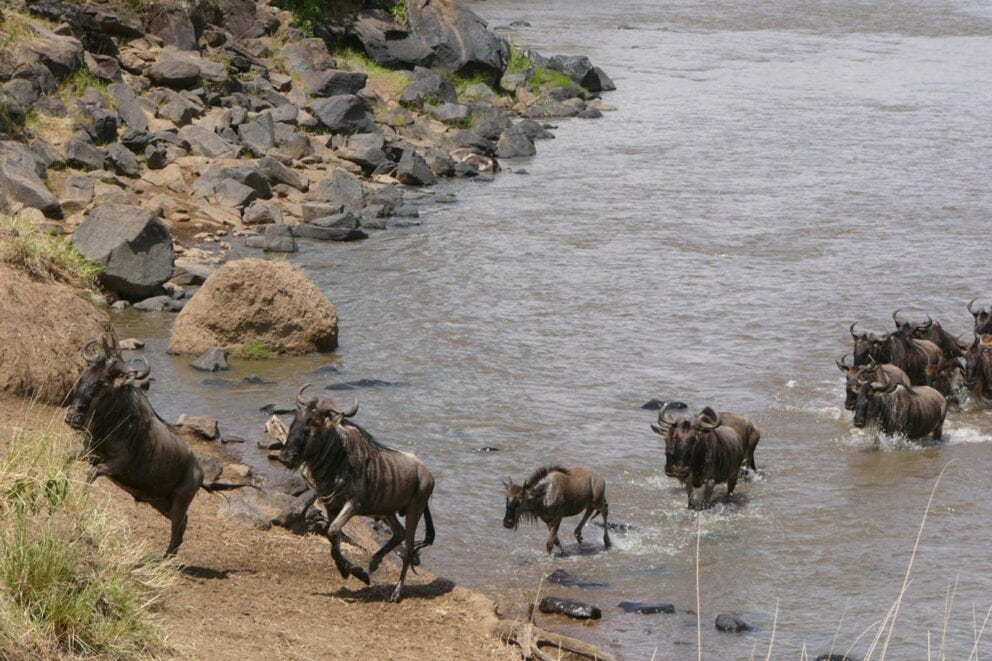
Here’s something the brochures skip. A conservancy is wonderful for space, night drives, and walking. It’s not always a ticket to the river.
Some conservancies, Naboisho among them, don’t usually drive into the national reserve for crossings in peak months. Stay only there, and you could miss the river entirely, even with the herds a short drive away. Spectacular sightings, yes. The crossing you flew halfway round the world for, perhaps not.
So if a river crossing is on your list, we split your Mara time. Two or three nights inside the reserve, close to the crossing points. Then two or three nights in a conservancy for the quiet. You get the drama and the breathing room, in that order or the other.
If crossings aren’t the point, a conservancy on its own is a fine choice. Just tell us which kind of Mara you’re after.
Location, Location, Location
In much of the national reserve, there’s no strict cap on how many vehicles can gather at a sighting. During the migration, a kill can draw dozens. The busiest pockets tend to cluster near the main gates, Sekenani and Talek, and around the best-known viewpoints.
That’s why we’re fussy about where your camp sits, not just which camp it is. We steer away from big, gate-side lodges and towards well-placed camps with thoughtful guiding. If crossings are your priority, we pick camps with good access to the crossing points, because a long drive to the river is a long drive back.
One name to know: the Mara Triangle. It’s the western slice of the reserve, and it’s where we like to base guests for their reserve nights. Pair it with a conservancy, and you’ve got the Mara most first-timers never quite find.
Laikipia: Room to Roam
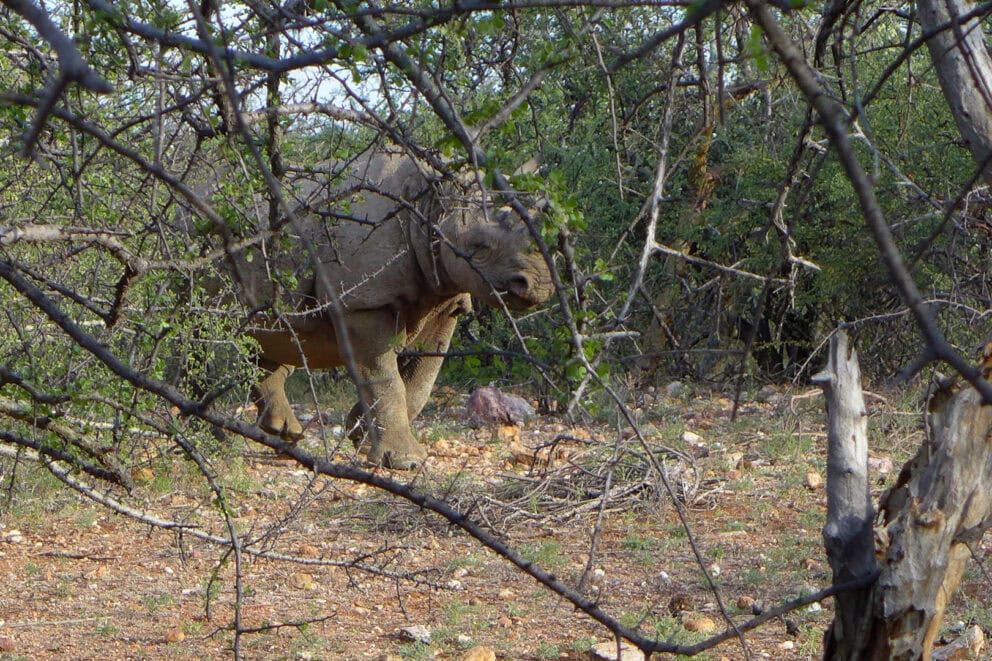
North of Mount Kenya, Laikipia suits travellers who would rather leave the vehicle behind. Walk, ride a horse, mountain-bike along an escarpment, or track rhino on foot at sunrise. At some conservancies you can watch anti-poaching dogs at work, and Ol Pejeta also runs a chimpanzee project.
Set your expectations, though. Laikipia is a working landscape: community and ranch land where cattle, people, and wildlife share the same ground. You’ll likely see all three on one drive. That’s not a flaw; it’s the point. It isn’t the Serengeti 2.0. It’s where you see how conservation in Kenya actually works, and it’s brilliant for families, especially those with teenagers who’ve had enough of sitting still.
It’s also home to Ol Pejeta, where the last two northern white rhinos on Earth, both female, live under round-the-clock guard. Stand near them and you’ll go quiet without being asked.
Samburu: The Dry North With Its Own Cast
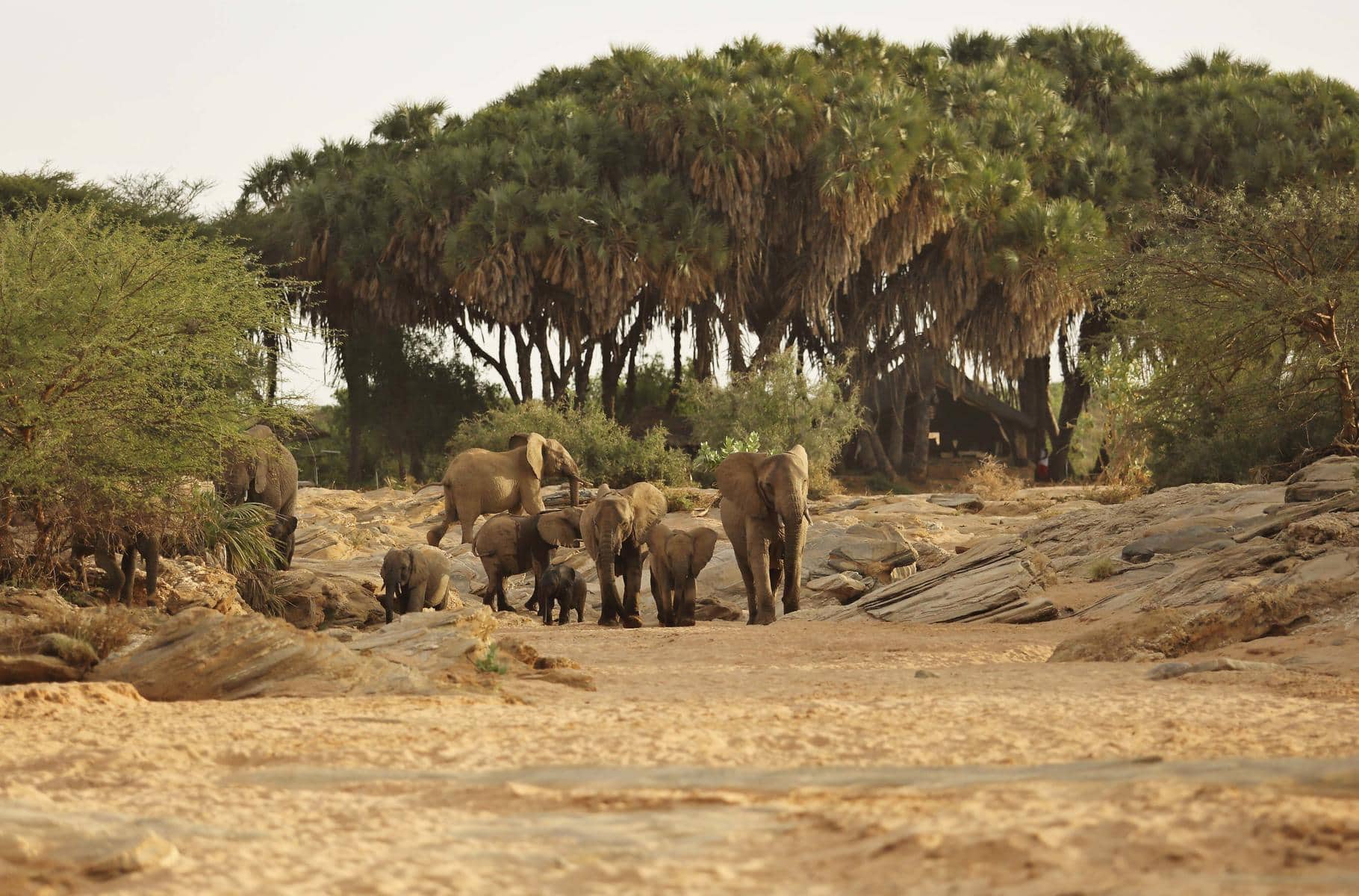
Samburu is hotter, drier and wonderfully different. Elephants gather along the Ewaso Ng’iro River, and with luck you’ll tick off the Samburu Special Five: Grevy’s zebra, reticulated giraffe, Somali ostrich, beisa oryx, and the gerenuk, a gazelle that eats standing on its hind legs. Our Samburu, Rhinos and Mara Safari adds rhino tracking with Saruni Rhino in the Sera Community Wildlife Conservancy.
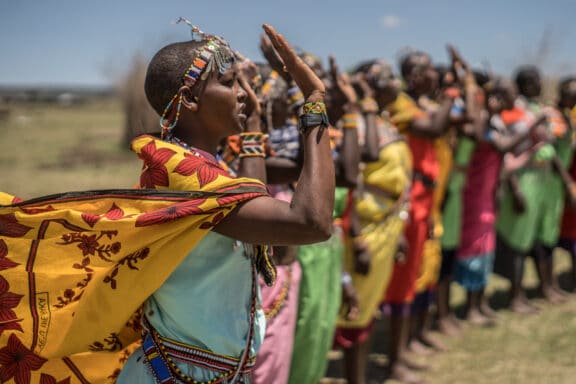
Samburu isn’t only about the animals. The Samburu people are as much a part of the place as the gerenuk, and village visits and the “singing wells” are often the moments guests remember. It’s hot, dry, and remote, which makes it ideal for second-timers and anyone more excited by rare species and culture than by ticking off the Big Five again.
Some camps even have a hide for the kind of quiet, close-up viewing a vehicle can’t give you.
Amboseli: Elephants and Kilimanjaro

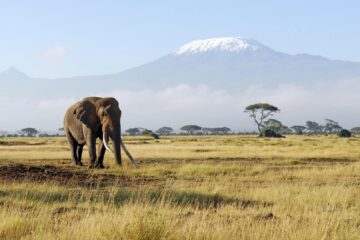
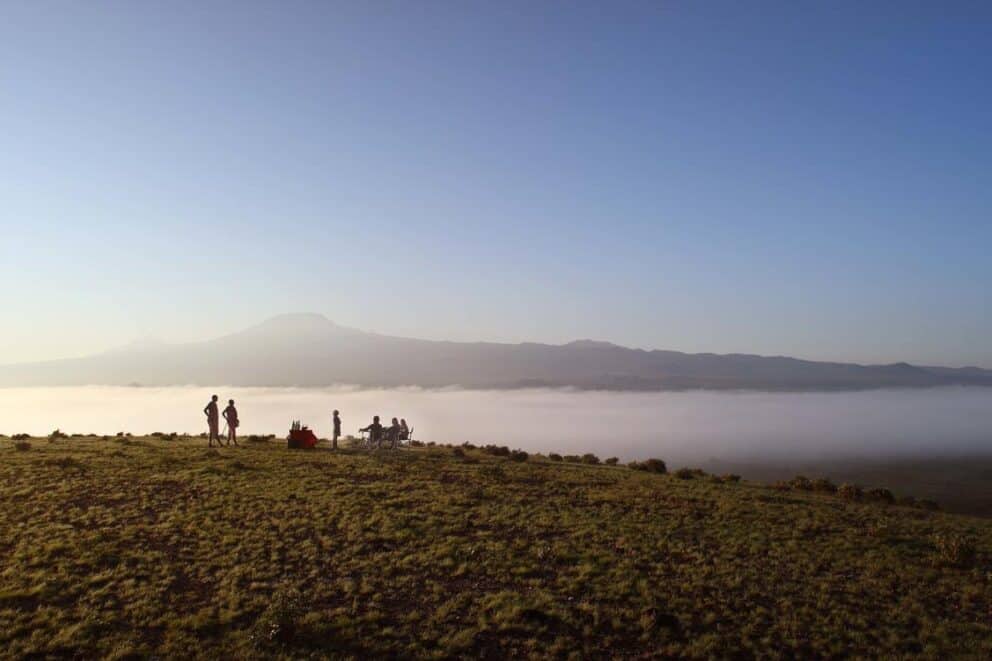
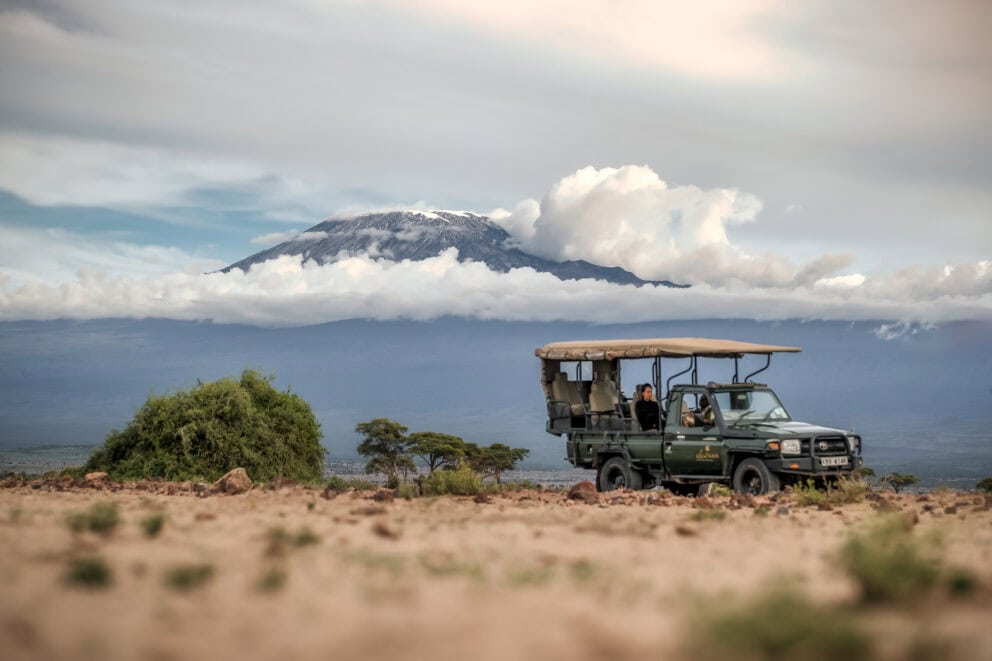
Picture a herd crossing open plains with Kilimanjaro rising behind it. That’s Amboseli. A tip from people who’ve waited for it: the mountain is shy. It’s usually clearest at dawn, and by mid-morning the cloud often tucks it in.
One more thing about Amboseli. The national park can be busy, and day-trippers funnel onto the same main loops. So we usually base you in a private conservancy just outside it. You still get the elephants and the mountain, with fewer vehicles and more freedom on the drives.
For front-row access right on Amboseli’s border, our Highlights of Kenya Luxury Fly-In Safari pairs the reserve with Tortilis Camp in Kitirua Conservancy.
Sand Between Your Toes
After a week of 5:30 am coffee, a few days of doing nothing on a beach is the ideal wind-down. Kenya has its own coastline, so there’s no need to cross a border to find it.
Our pick is Diani, on the south coast. Think smaller, more individual places to stay and a relaxed pace, rather than towering resorts. We tend to skip the big resort strip north of Mombasa, which is more conference hotel than barefoot escape.
An honest note: Diani’s postcard look depends on the tide. At high tide it’s the white sand and turquoise water you’re imagining. At low tide the sea pulls back a long way. Neither is a problem once you know, and we’ll pick a property that suits how you like to spend a beach day.
Prefer an island? The Mara pairs easily with Zanzibar, with daily flights from Wilson. Either way, the bush-to-beach switch is one of Kenya’s easiest wins.
What You’ll Actually See

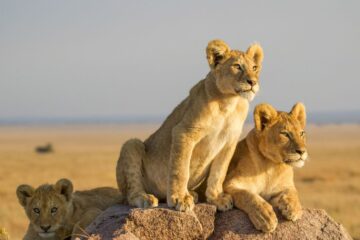
Every Kenyan safari guide mentions the lions. Fair enough. But ask people who’ve come home what they still talk about, and the answers get far more specific.
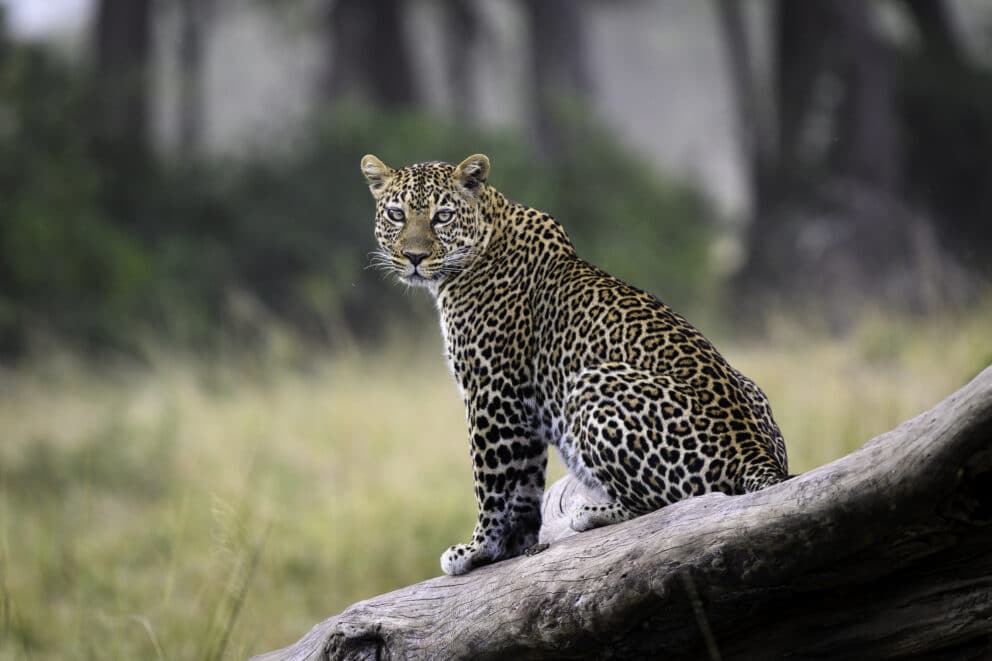
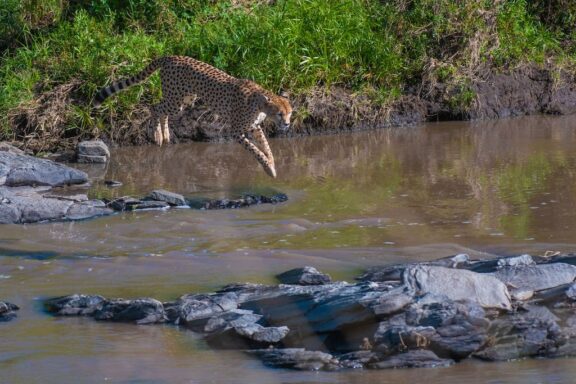
- A cheetah on a termite mound. The Mara’s open plains are made for watching one scan the grass, then go.
- Wildebeest at the river. Thousands queue at the bank; nobody wants to go first, and then everybody does. August to October.
- Elephants under Kilimanjaro. Amboseli’s herds walk through the dust with the mountain behind them.
- Rhino on foot. In Laikipia you can track a black rhino with a guide who knows exactly where to stand.
- Grevy’s zebra. Narrow stripes, big round ears. Kenya holds most of the world’s remaining Grevy’s zebra, and Samburu and Laikipia are where you’ll find them.
- African wild dogs. A pack on the move is chaos with a purpose. Laikipia is one of the best places in Kenya to see them.
- The night shift. Aardwolf, a bat-eared fox, a genet, and, with luck, a honey badger, on a conservancy night drive.
Whatever is capturing your imagination, our Africa safari experts will build the trip around it.
Facts About Safari in Kenya
A few things worth knowing before you pack.
- While all of the Big Five live in Kenya, rhinos can be a challenge to spot. Rhino sightings are most dependable in Laikipia.
- Night drives and walks aren’t generally allowed in national parks or national reserves, but they’re often possible in private conservancies.
- Most safari country sits well above 1,000 metres, so dawn drives are properly chilly.
- The Mara and the Serengeti are one ecosystem. The border is only a line on a map, and the wildebeest ignore it.
- Dawn is when the action is. Expect coffee at around 5:30 am.
Why We Fly: The Case for Small Planes
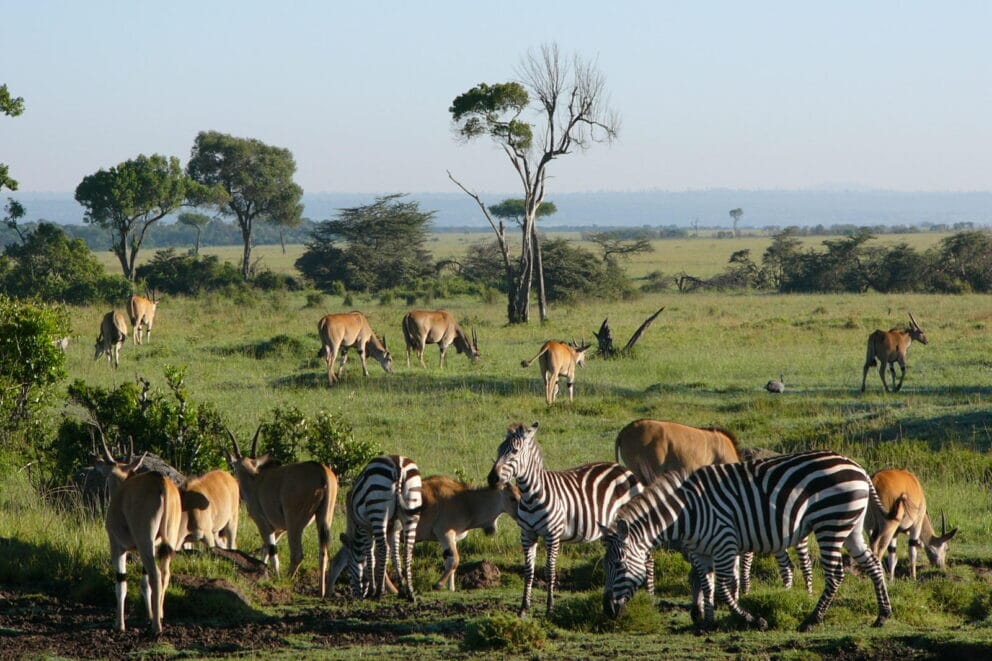
The road transfer from Nairobi to the Mara takes five to six hours, and the last stretch is more of a massage than a road.
Or you can fly. A light aircraft from Nairobi’s Wilson Airport reaches the Mara in around an hour. You land on a dirt airstrip; your guide is waiting by the vehicle, and you can be on a game drive before lunch.
Small aircraft run as shuttles, so you may stop and take off a couple of times before getting to your destination.
Two practical notes. Pack in soft-sided bags, because a small plane’s hold has roughly the generosity of a hatchback boot. And check the baggage allowance early. It’s often around 15 kg per person, camera gear included.
Two Airports, One Very Long Day
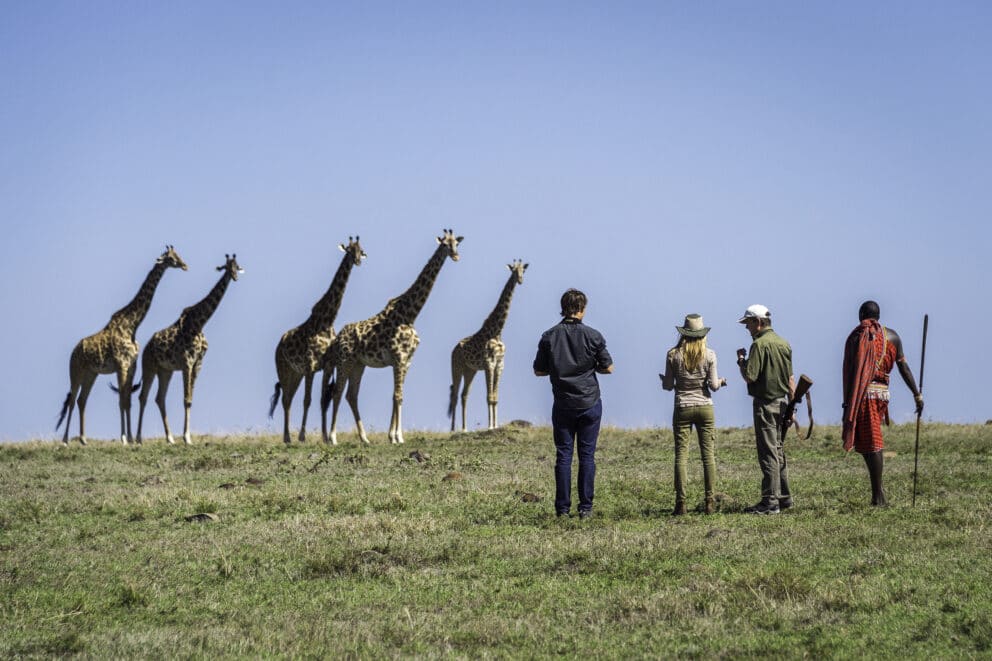
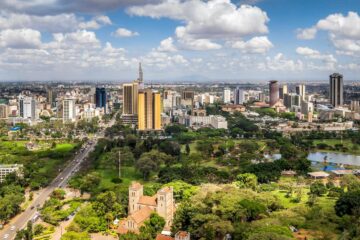
Nairobi has two airports, and that trips people up. International flights land at Jomo Kenyatta (JKIA). Safari flights leave from Wilson, around 45 minutes away in traffic.
Most bush flights go in the morning. Try to squeeze one in after a long-haul arrival and you’ll reach camp around dusk, having lost the day and paid for it in full. So we nearly always build in a night in Nairobi on arrival, and usually another before you fly home. You land, sleep, and start the safari rested.
Hemingways Nairobi is a calm place to land, and our Giraffe Manor and Luxury Mara Wildlife Discovery puts a tall, long-lashed breakfast guest at your window. If flight times allow, Loldia House on Lake Naivasha, about two hours’ drive from Nairobi, is a gentler alternative to a city night.
The Right Strip of Dirt
The Mara, Laikipia, and Samburu each have several airstrips, and every camp is tied to its own. Land at the wrong one, and you’re waiting for a private rescue vehicle. It’s the sort of detail you shouldn’t have to think about. That’s our job: we match every flight to your camp’s airstrip, so the vehicle waiting for you is actually yours.
Plan With Africa Safari Experts Who Live This Life

Our Africa safari experts live this life. They’re based in Africa, they’ve stayed at the camps and walked the airstrips, and they’ll tell you straight when a place isn’t right for you. Every safari we plan is fully guided, so there’s no self-drive and no navigating on your own.
Here’s what working with us looks like. You tell us what you hope to see. A safari expert replies within 24 hours and learns more about the safari you’re dreaming of. Your trip is designed around you, with camps and guides matched to what you want to see, and a clear price from the start.
Practical Kenya Travel Tips
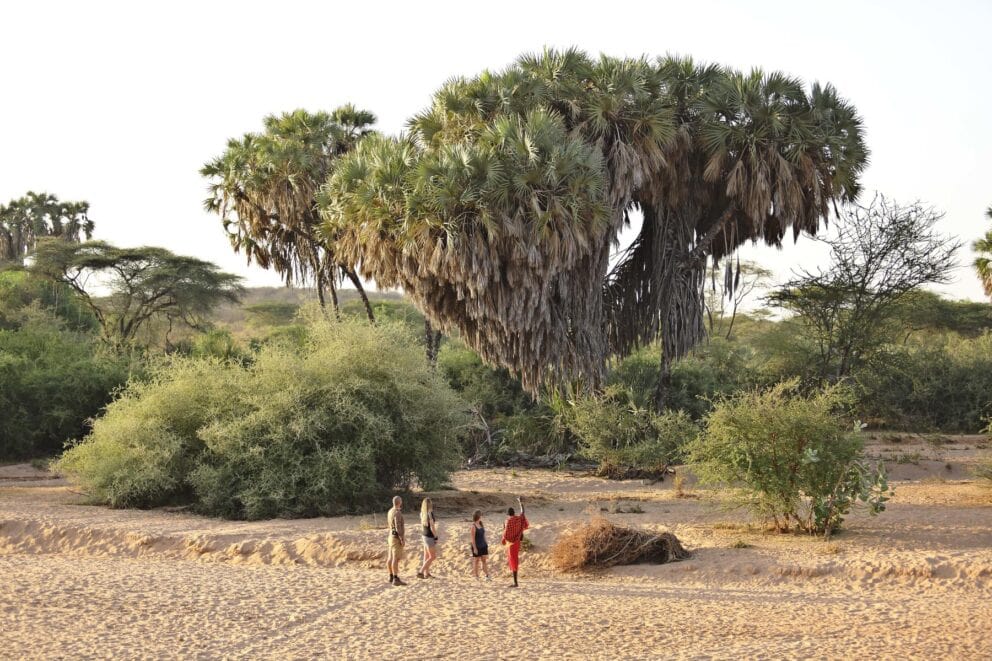
Entry. Most visitors need an electronic travel authorisation (eTA) to enter Kenya, applied for online before you fly. Rules change, so confirm on the official government portal.
Health. Chat with a travel clinic well ahead about malaria prevention. Whether you need a yellow fever certificate depends on where you’ve travelled from.
Packing. Think neutral: khaki, olive, sand. Dark blue and black can attract tsetse flies in some areas. Leave camouflage at home, as it’s illegal to wear in Kenya. The country also has a strict ban on single-use plastic bags, so pack reusable ones.
Tipping. Camps usually have a shared staff tip box, and many guests also thank their guide directly. We’ll brief you on what’s customary before you go.
Language. A little Swahili goes a long way. “Jambo” and “karibu” (welcome) will earn you smiles. “Pole pole”, meaning slowly, slowly, is good safari advice and decent life advice.
The Mistakes We See First-Timers Make
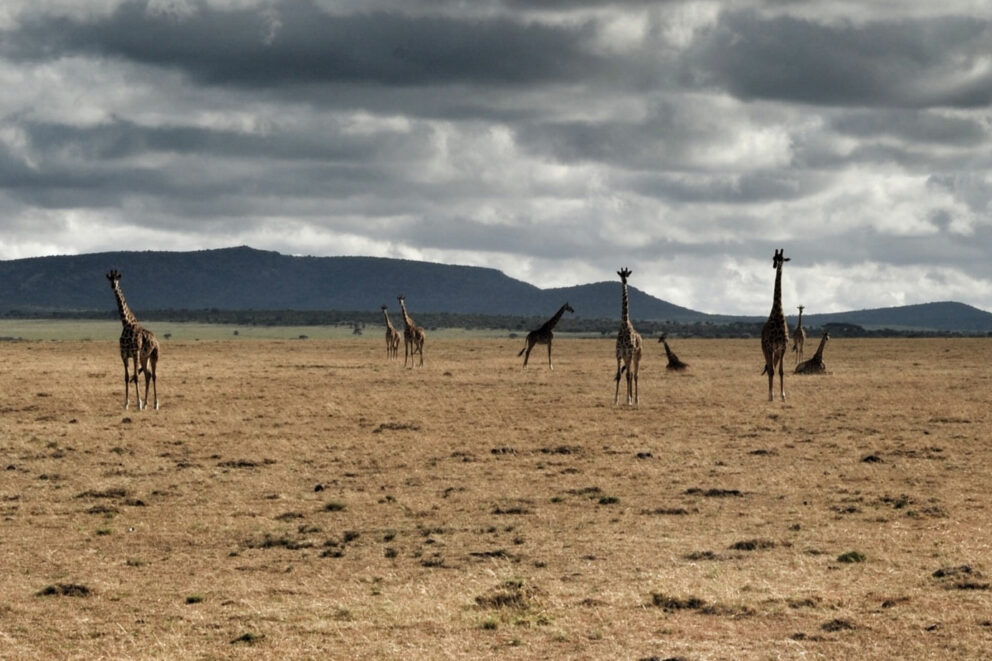
Too many places in too few nights. Three regions in seven nights get you plenty of airstrips and not much safari. We like three nights per camp, at least.
Booking only the busiest reserve in the busiest month. The lion’s share of visitors choose the Mara in August. It’s brilliant, and it’s popular. Add a conservancy, and the difference is obvious.
Cutting connections too fine. Delays happen, and a missed connection can cost you a morning in the bush. A buffer night in Nairobi keeps you rested and on schedule.
Treating safari like a to-do list. You’re in the wild, and sightings don’t happen according to a script. Leave space for the environment to unfold naturally.
What a Nine-Night Trip Could Look Like

A night in Nairobi to settle in. Three nights in Laikipia, tracking rhinos on foot and riding at dusk. Four nights in a Mara conservancy, with a night drive, a dawn balloon ride and, if the wildebeest are in a generous mood, a river crossing. Then a final Nairobi night to recover.
We book the flights and transfers, and your Africa safari expert keeps you in touch while you’re away. You can also add walking safaris or see how a trip like this comes together on our Highlights of Kenya Luxury Fly-In Safari.
What First-Time Visitors Ask Us Most
What’s the best month for a Kenya safari? For wildlife and dry weather, September is hard to beat, though it’s busy. For quieter days, try late June, October or February.
How many days do I need? Seven nights gives you a proper taste of one or two regions. Nine or ten lets you go deeper.
Is Kenya safe for a safari? Safari areas are well run, and camps and guides look after you closely. As with any destination, check your government’s latest travel advice and travel with people who know the ground.
Start With the Sighting You Can’t Stop Picturing
Inspired by this place? Our safari experts know the Kenya travel tips that will make your safari one of the best vacations of your life. Let’s start planning your safari.

Written by Yamkela Welaphi
• Travel Writer
Discover the African Journey that’s Right for You
 Blog List






















Written by Yamkela Welaphi
• Travel Writer
Part of the Kenya Safari Collection