

 Email us


The gorilla habituation process is a delicate, years-long journey balancing wildlife conservation, scientific rigour, and responsible ecotourism.
To step into the dense, emerald forests of East and Central Africa is to enter a world that moves to its own natural rhythm. For many, standing just metres away from a wild gorilla is the pinnacle of wildlife exploration.
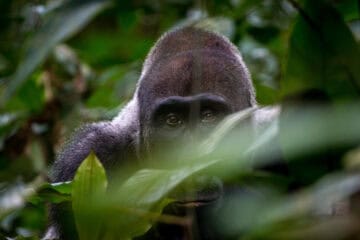
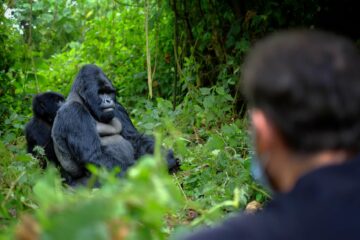
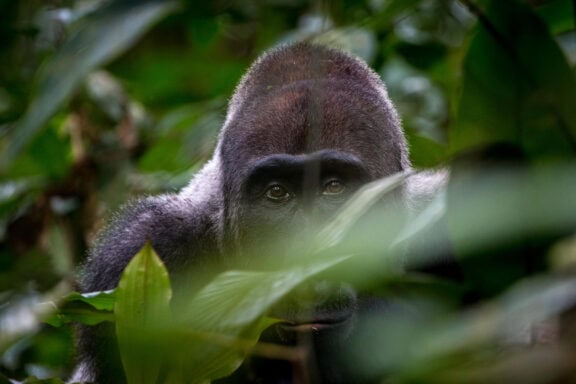
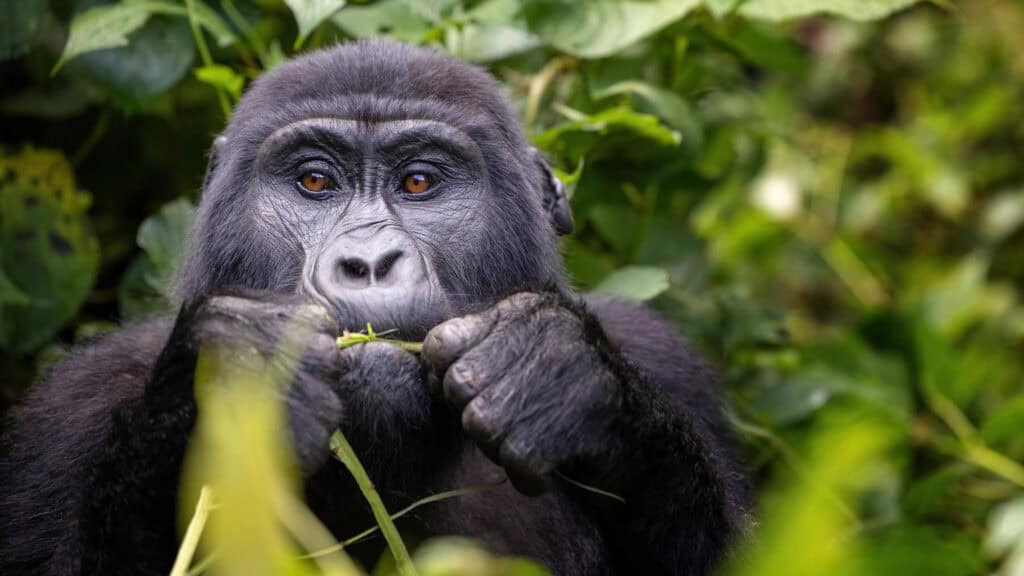
After hours of trekking through dense foliage and muddy paths, your guide stops you, and you finally see them. The forest exhales, and the green walls around you give way. A silverback sits among the leaves like a quiet king.
But, what does it actually take for a wild, fully capable primate family to accept human presence in their natural habitat without fear or aggression?
To find out, we spoke to Anni-Mart Burger, Reservations Manager at Kamba Rainforest Experiences, a leading ecotourism and conservation operator based in the Republic of Congo. Kamba works alongside the trackers and researchers who spend years earning a gorilla family’s trust, and Anni-Mart shares how that process unfolds on the ground.
Here’s a look behind the scenes at how habituation works, why it’s vital for gorilla ecotourism, and what it feels like to join researchers on a gorilla habituation experience.
Understanding the Gorilla Family
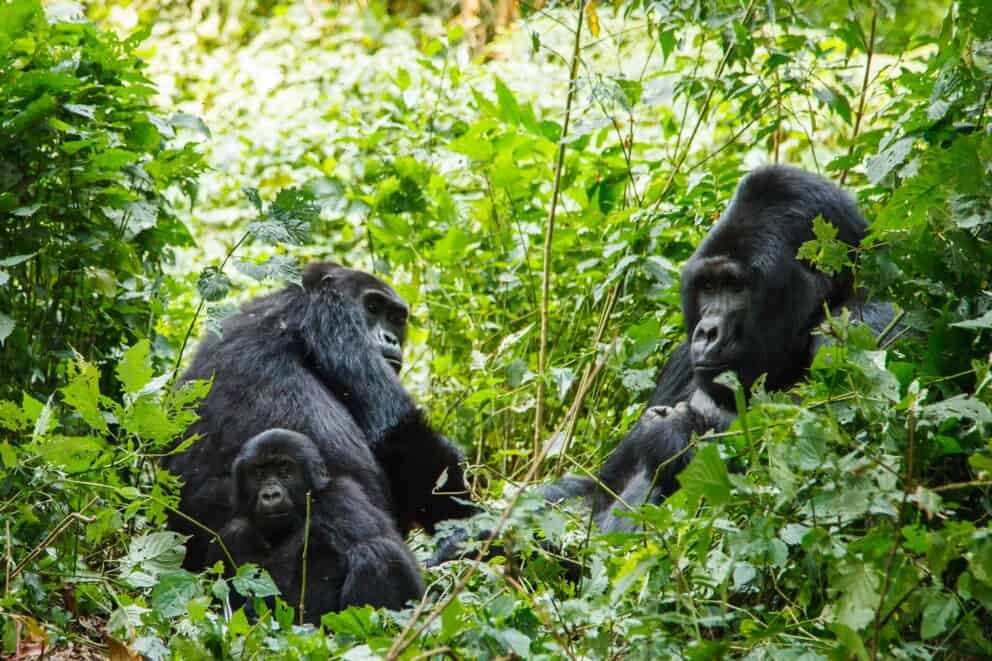
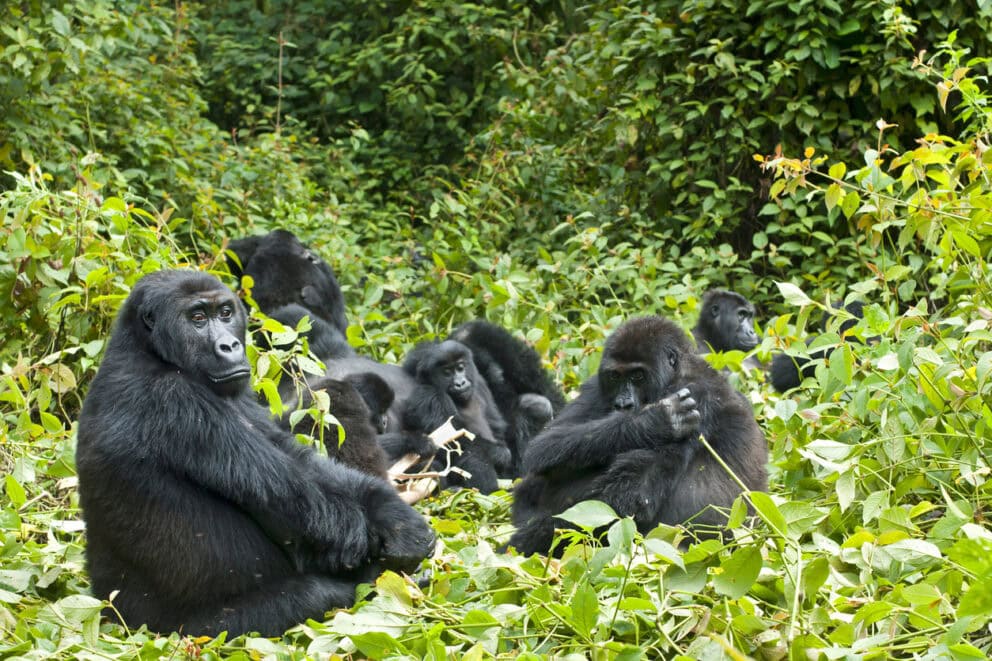
To appreciate what gorilla habituation is and how it works, it helps to understand who trackers are actually meeting in the forest. Gorillas live in highly cohesive, social family units called ‘troops’ or ‘harem groups’, which typically range from five to 30 individuals. At the heart of every troop is the silverback – a mature adult male easily identified by the saddle of silver hair across his back.
The silverback is the absolute head of the family. He makes every decision for the group, determining where they feed, rest, and sleep each day. His primary duty is to protect his family – which consists of several adult females, infants, and juveniles – from rival silverbacks, predators, and potential threats.
Because the silverback’s default instinct when encountering strangers is to defend his family or guide them away, earning his trust is the single most critical breakthrough in the habituation process. If the silverback accepts the tracker’s calm presence, the rest of the family will eventually follow his lead.
What Exactly is Gorilla Habituation All About?
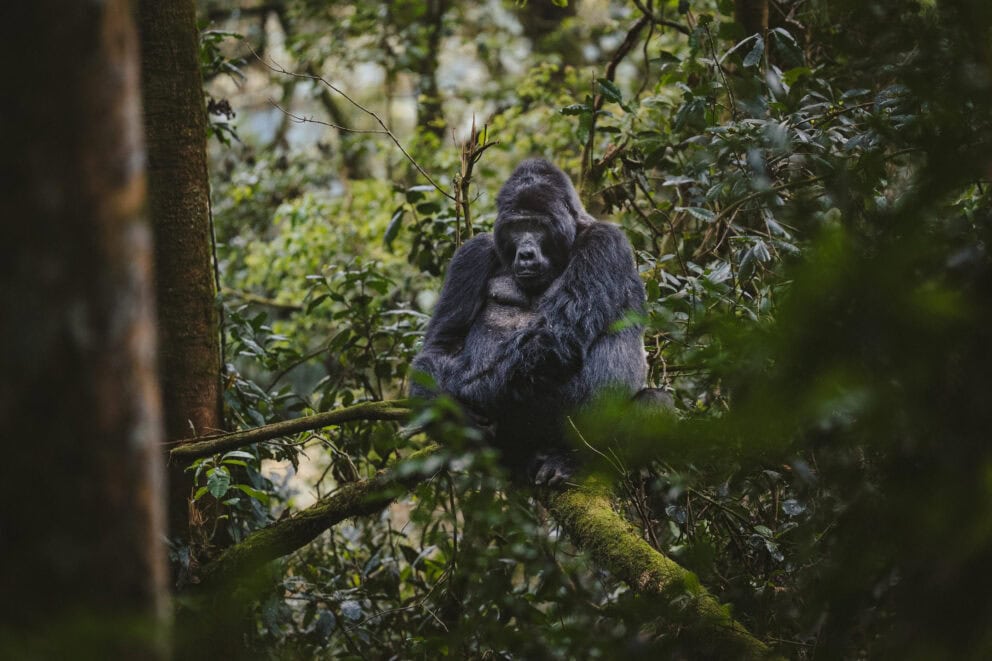
Gorilla habituation is the gentle, highly structured process of gradually acclimatising wild gorillas to the presence of human observers.
Wild mountain and lowland gorillas are naturally protective and wary of outsiders. A wild silverback’s instinct when encountering humans is either to flee or to display territorial defence to protect his family. Habituation gently alters this reaction.
Through constant, non-threatening exposure over several years, trackers, conservationists, and researchers teach the gorilla family that humans are neither a threat nor a source of food.
“It begins with locating the group and gradually reducing the distance at which they tolerate human presence. Trackers and researchers approach quietly and predictably, often following the group for hours each day while remaining calm and non-threatening.
“Over time the gorillas learn that humans do not pose a danger, and they begin to ignore our presence,” says Anni-Mart Burger.
The end goal is neutral coexistence: the gorillas learn to ignore human presence entirely, continuing their daily routines – feeding, playing, grooming, and resting – as if the observers were simply part of the forest landscape.
How Does the Gorilla Habituation Process Work?
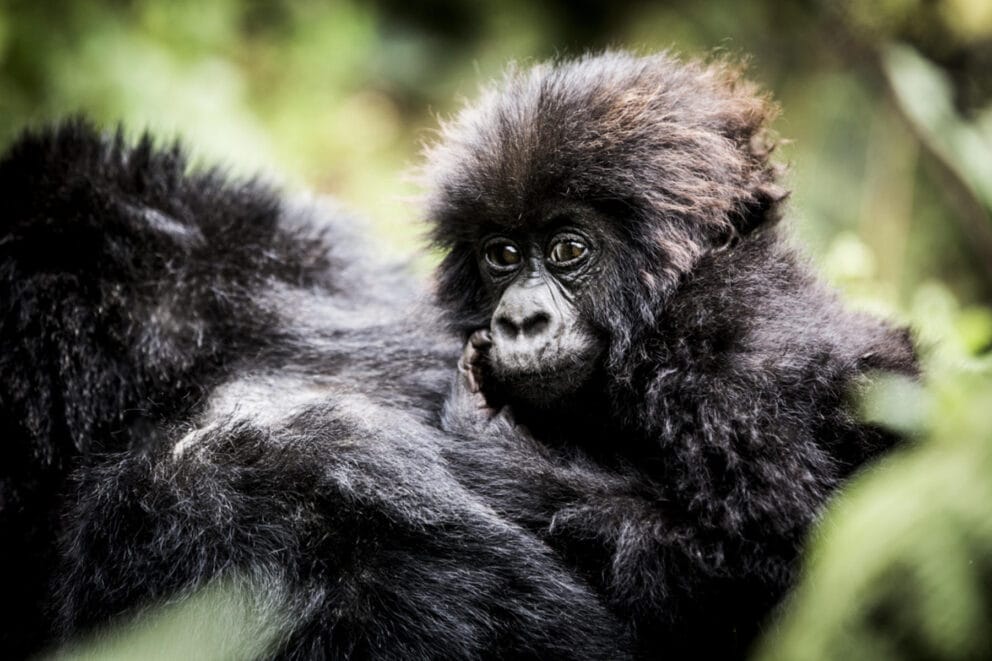
Transforming wild caution into calm acceptance requires immense patience, deep forest knowledge, and unyielding dedication. The process typically takes anywhere from four to six years (sometimes longer, depending on the group) and unfolds across several structured phases.
Identification and Initial Tracking
Researchers and trackers identify an unhabituated wild gorilla group within a protected national park. They study the group’s composition, territory boundaries, and movement patterns by following nests and feeding signs long before making direct contact.
First Contact and Distance Maintenance
Trackers begin making deliberate, periodic contact with the group. In the early stages, the silverback will often charge, beat his chest, or vocally warn of the intrusion. The team stays well back, avoids direct eye-contact, and leaves when the animals are clearly stressed, so each encounter ends calmly and not in panic.
“Day-to-day techniques focus on consistency, calm behaviour, and minimal disturbance. Trackers move quietly, avoid sudden movements or loud noises, and never chase or corner the gorillas. Visits are kept short, and the group is never forced to stay. The goal is always for the gorillas to choose whether to remain in the area or move on,” notes Anni-Mart.
Consistent Exposure
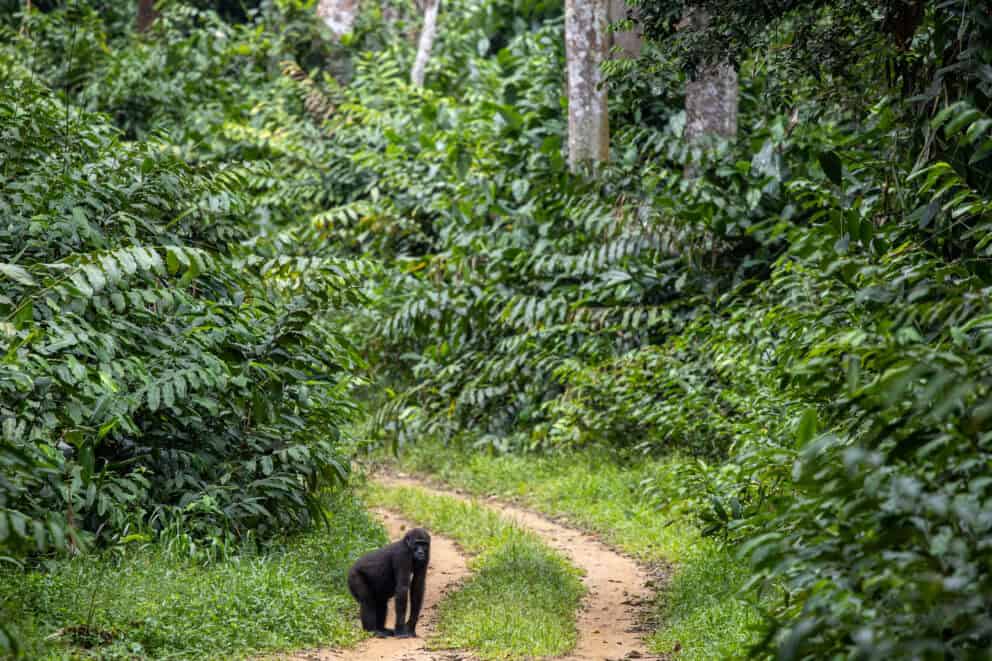
For years, dedicated teams visit the gorilla family daily. They stay at a safe distance, remaining in the group’s sightline for fixed periods. Over time, as the silverback recognises that these visitors pose no danger, his defensive displays gradually subside.
“Only once a group is consistently relaxed around researchers do we consider introducing more numbers of trackers. Six trackers max per family of gorillas,” Anni-Mart adds.
Testing and Trial Visits
Once researchers observe that the gorilla behaviour is calm, stable, and neutral around familiar trackers, small groups of mock visitors (national park staff or researchers) are introduced to test how the gorillas react to new voices and sights.
“A group is considered ready for small tourist groups when they remain calm and continue their normal activities, like feeding, resting, and socialising, in the presence of researchers over a sustained period. We do not rush this stage,” Anni-Mart says.
Opening to Travellers
Only when the park authority and conservation scientists are entirely confident in the group’s stability is the family declared “habituated” and carefully opened for standard gorilla trekking – or, in select cases, for small-group gorilla habituation experiences alongside trackers.
Why is Gorilla Habituation Essential?
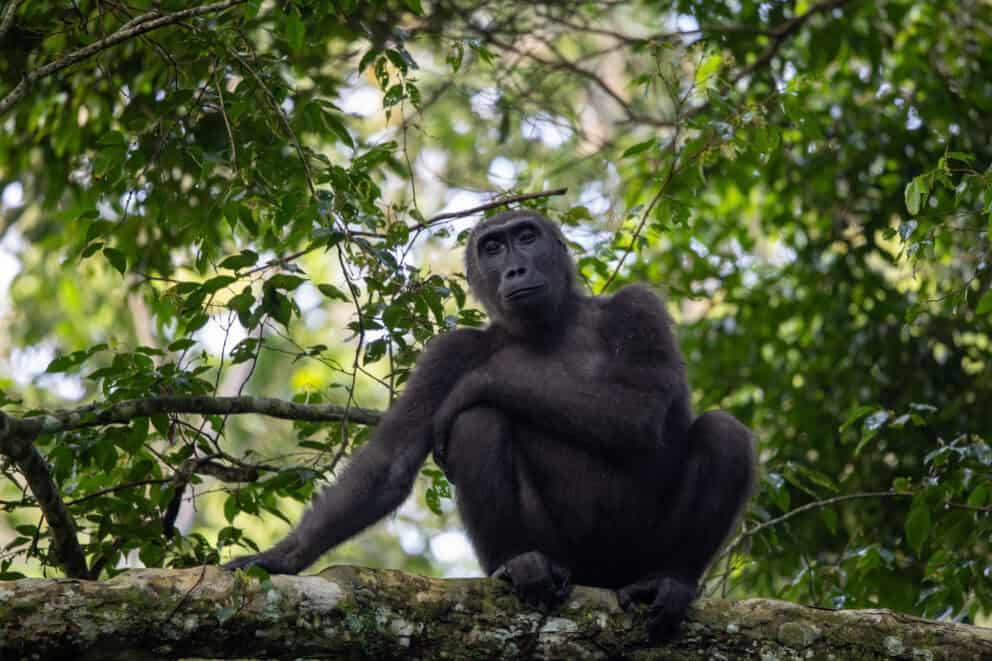
Habituation is not about taming or domesticating wild animals. Gorillas remain completely wild, forging their own paths without human intervention or feeding. Habituation is what makes gorilla trekking possible.
Without it, you’d see a flash of fur disappearing into the bush or get a bluff charge, and the gorillas would be stressed rather than going about their day. Habituation serves two vital purposes:
1. Conservation and Veterinary Healthcare
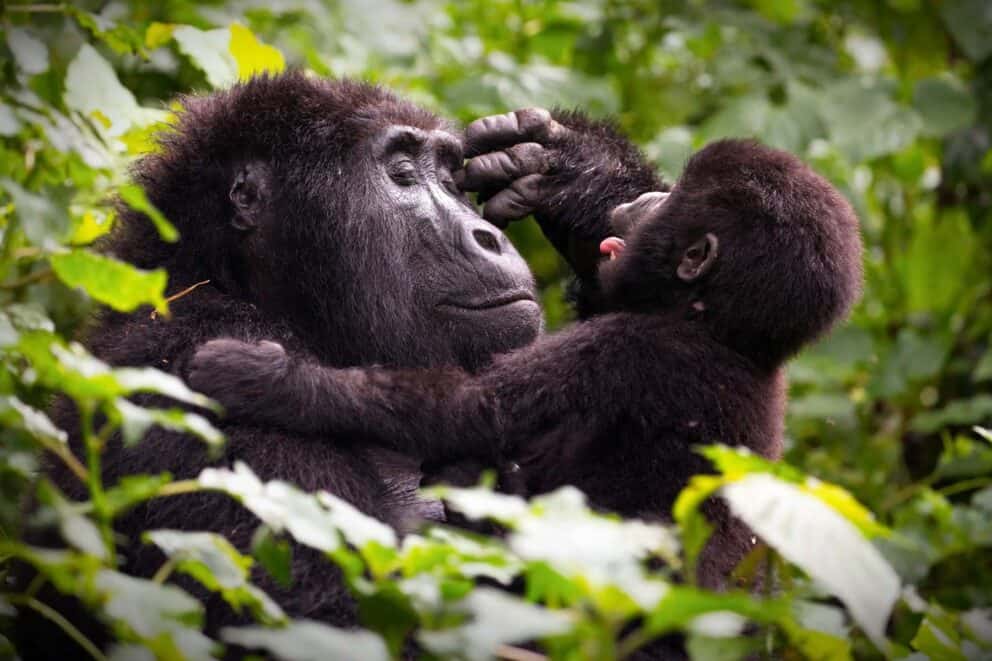
When a habituated gorilla family faces threats – such as injuries from snares, respiratory infections, or territorial fights – wildlife vets (such as the Gorilla Doctors) can safely approach them in the wild to administer life-saving medical care. Unhabituated groups cannot be treated safely without risky dart procedures.
2. Sustainable Gorilla Ecotourism
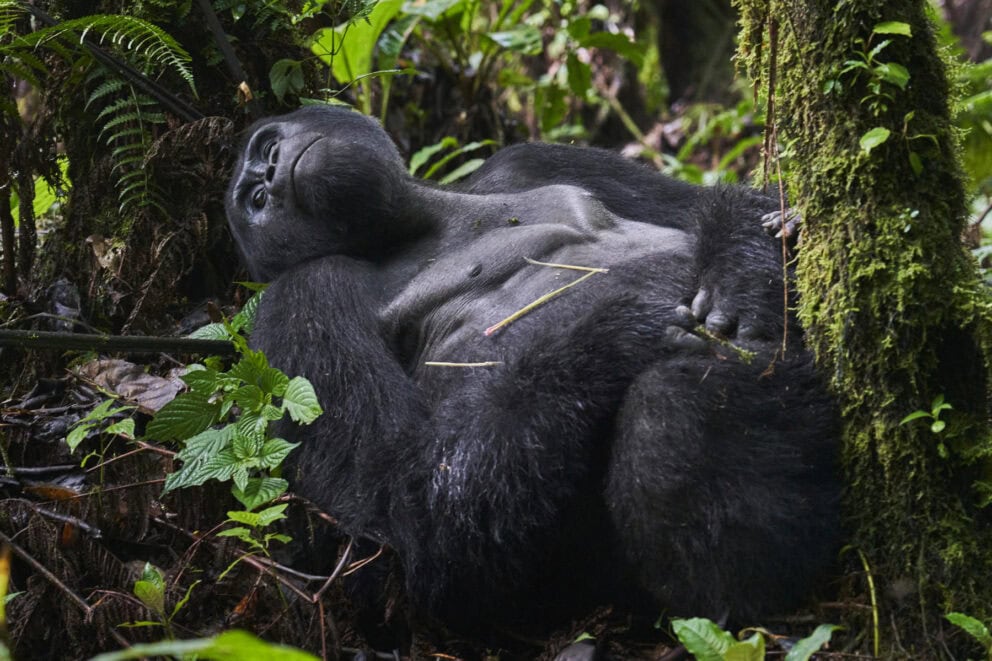
Revenue from tourism keeps gorillas alive in a multitude of ways.
“Habituation directly supports conservation by giving the gorillas economic value in the eyes of local communities and the wider world. Tourism revenue helps fund anti-poaching efforts, research, and park protection.
“Local community members work as trackers and guides; their knowledge of the forest and the gorillas is essential. Ecotourism creates jobs, skills development, and a direct financial incentive for communities to protect the forest rather than hunt in it,” says Anni-Mart.
Trekking permit fees also directly fund day-to-day park protection, anti-poaching units, and ongoing scientific research, ensuring these habitats remain protected.
Gorilla Trekking vs. Gorilla Habituation Experience
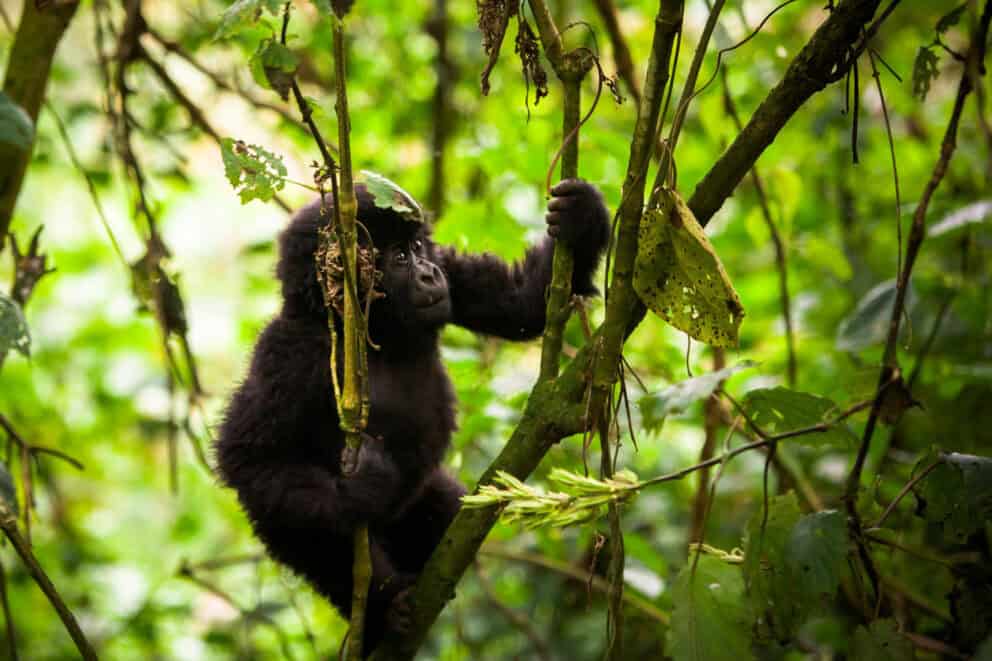
Once a group has been successfully habituated, it moves from a project to a long-term commitment. The group becomes part of ongoing research, monitoring, and tourism. The standard trek experience takes you to meet a fully habituated family. These gorillas are completely comfortable around humans. You’ll enjoy a serene, highly predictable hour watching them feed, play, and groom.
On the other hand, for travellers seeking an even more immersive encounter, you can take your experience even further with a gorilla habituation experience. It offers an active, behind-the-scenes role alongside researchers and trackers, where you play an active part in habituating a gorilla family.
You visit a semi-habituated troop that’s still learning to accept human presence. Spending up to four hours in the forest, you’ll witness the raw, dynamic behaviours of a semi-habituated family, watch how researchers record data, interpret vocal signals, and monitor wild interactions in real time.
The habituation experience is offered in Uganda, in the Rushaga sector of Bwindi Impenetrable National Park.
Feature Standard Gorilla Trekking Gorilla Habituation Experience
Gorilla Group Status Fully habituated (completely relaxed around humans) Semi-habituated (actively undergoing the multi-year habituation process) Time Spent in Encounter Strictly one hour Up to 4 hours Guest Group Size Maximum 8 guests per group Maximum 4 guests per group Accompanying Team Experienced park rangers and trackers Senior trackers, researchers, and conservation scientists Activity Level and Pace Moderate to strenuous forest hike High (extended, dynamic tracking across unpaved terrain)
How the Day Unfolds

Once you’re all settled in and ready, a short drive will take you to the trailhead. From there, the hike lasts anywhere between 30 minutes to six hours or more, depending on where the group spent the night.
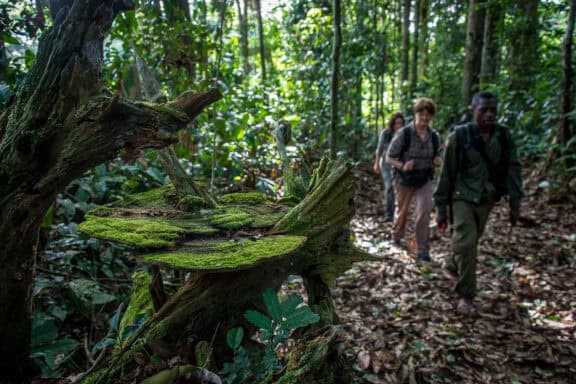
Trackers who left at dawn radio ahead with the gorilla’s location. You walk through farmland first, then into dense forest, with guides cutting through vegetation. The air gets thinner and cooler as you climb.
When you’re close, your guide stops you. You leave your bags and walking sticks behind, and you receive a brief reminder to stay together, keep your voice low, and follow instructions. Then you’ll step quietly into the clearing.
This is the part people remember. The gorillas may be feeding, resting, grooming, or playing. Juveniles often tumble and wrestle, mothers cradle infants, and the silverback may sit watching, enormous and unbothered. Your guide narrates, naming individuals and explaining their relationships. The rules during the hour are the following:
- Keep about seven metres away (the gorillas sometimes ignore this and walk right past you)
- No flash photography, no food, and no pointing or direct staring
- If a gorilla charges or approaches, crouch low and avoid running
- Wear a surgical mask to avoid disease transmission to gorillas
The hour passes quickly, and most people say it felt like ten minutes.
Mountain Gorillas vs. Western Lowland Gorillas: Two Distinct Encounters

While all gorillas share complex social structures and gentle natures, understanding the difference between mountain gorillas and western lowland gorillas helps shape your safari expectations.
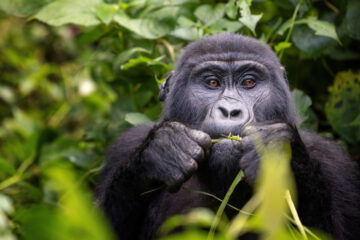
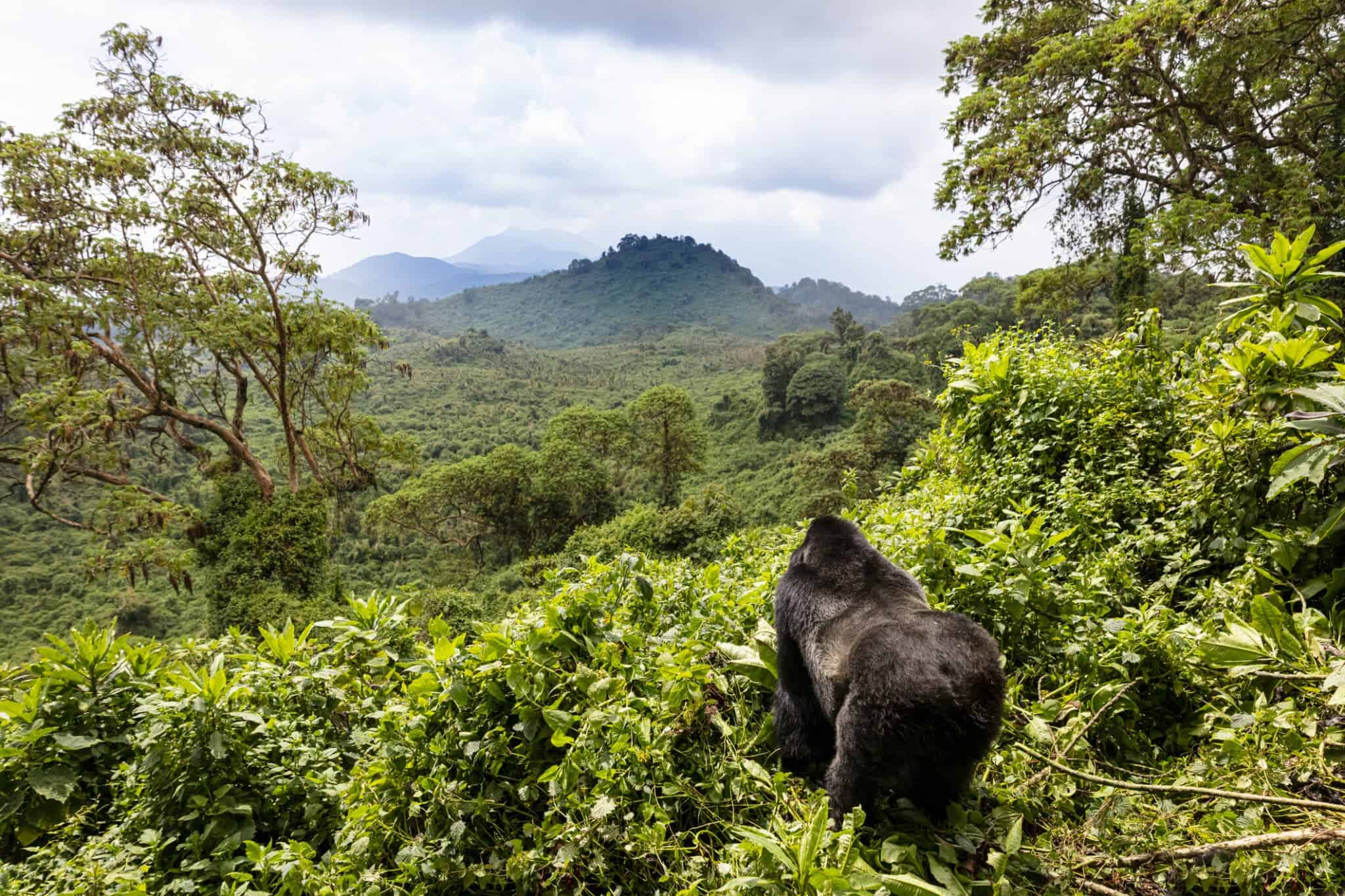
Mountain Gorillas (Uganda and Rwanda): Inhabiting high-altitude misty forests and volcanic slopes, mountain gorillas are darker, larger, and have thicker, longer fur adapted to colder mountain temperatures. Because they live in relatively open bamboo and montane canopies, tracking groups can accommodate up to eight guests per permit.
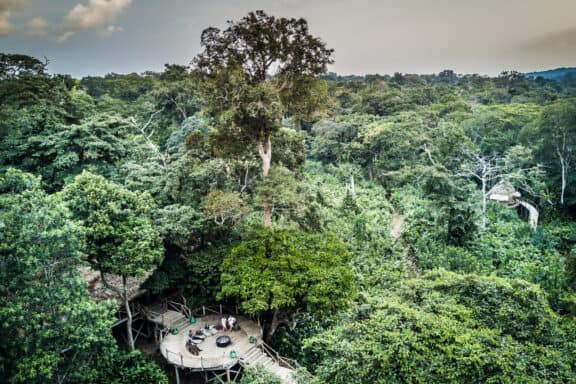
Western Lowland Gorillas (Republic of Congo): Found in the primary rainforests and swamp forests of the Congo Basin, lowland gorillas are slightly smaller, with shorter brown-grey coats and reddish crowns.
Because lowland gorilla troops range across vast territories in thick vegetation, group sizes are capped strictly at four guests per trek to ensure minimal disturbance and an intimate, raw encounter.
“Encountering western lowland gorillas is different from mountain gorilla trekking. The forest is denser, the groups are smaller, and the experience feels more intimate and wild. Sightings are usually closer and quieter, often with more time spent observing natural behaviour,” says Anni-Mart.
Find out what gorilla trekking in the Congo is like in Steve’s traveller story.
Best Places to See Gorillas in the Wild
Gorilla trekking takes place in three primary regions across East and Central Africa, each offering a distinct landscape and trekking style.
Destination Primary Primate Focus Experience Highlights Who It’s For
Bwindi Impenetrable Forest, Uganda Mountain gorillas (standard trekking and habituation) Home to nearly half the world’s mountain gorillas. Features standard trekking across four sectors and official gorilla habituation experiences in the southern Rushaga sector. Travellers seeking deep research involvement and those drawn to the rugged rainforest trekking. Volcanoes National Park, Rwanda Mountain gorillas (standard trekking) Open bamboo forest backdrops set against dramatic Virunga volcanoes. Famous as the region where Dian Fossey conducted her landmark behavioural research, laying the groundwork for modern gorilla conservation. Travellers seeking streamlined infrastructure, dramatic volcanic scenery, and classic gorilla encounters. Odzala-Kokoua National Park, Republic of Congo Western lowland gorillas (standard trekking and research) Dense Congo Basin canopy with intimate, wilder sightings hosted from research-focused lodges like Ngaga Camp. Enforces small group sizes (max 4 guests) Best for seasoned safari travellers looking for remote, off-the-beaten-track wilderness immersion.
Plan Your Gorilla Expedition
Because permit numbers for both standard trekking and habituation experiences are strictly limited to protect gorilla health, these journeys require thoughtful, intentional design well in advance.
At Discover Africa, our guidance is grounded in lived African expertise. Our Africa-based experts have walked these forest paths, built relationships with conservation teams on the ground, and know how to curate an expedition tailored around who you are and how you want to experience Africa.
Ready to step into the conserved wilderness? Speak to an Africa safari expert today to begin planning your tailor-made gorilla safari.

Written by Thaakiera Ackerdien
• Travel Writer
Discover the African Journey that’s Right for You
 Blog List


























Written by Thaakiera Ackerdien
• Travel Writer
Part of the Congo Safari, Rwanda Safari, Uganda Safari & Mountain Gorilla Trekking Collections