

 Email us


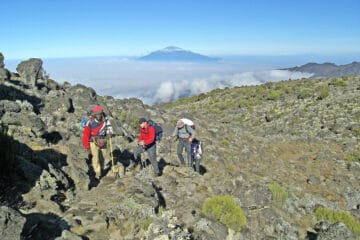
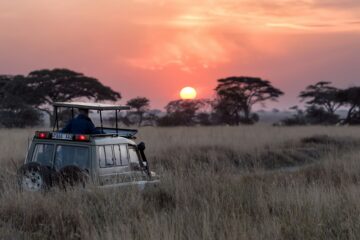
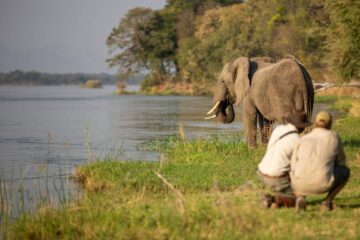
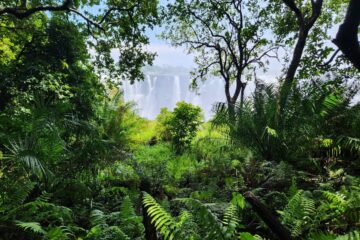
You’ve done the game drives. You’ve sat in a row of seats while a guide whispered about a leopard 200 metres away, and you took a photo. It was lovely. It was also a bit like watching the ocean through a car window. Now, you want to explore on your own two feet.
This safari guide to Zimbabwe is for anyone who wants to be closer to the action, whether that means walking beside a professional guide, gliding down the Zambezi in a canoe, or standing in the spray at Victoria Falls.
We’ve put it together the way we’d tell a friend over dinner: what’s worth your time, what isn’t, and what nobody mentions until you’re standing in the bush wearing the wrong shoes. Which park isn’t Big Five country. Why the Falls never actually run dry.
It’s what we’ve learned from years of sending people here and from going ourselves.
Why Zimbabwe Suits the Way You Travel

Some destinations are a tasting menu. Beautifully plated, perfectly timed – nothing left to chance. Zimbabwe is the kitchen table. You’re in the room where it happens, and occasionally you get flour on your sleeve.
Travel in Zimbabwe asks a little more of you than the polished circuits do. You’ll walk more. You’ll wait more. You’ll hear a branch snap and spend a full minute working out whether it was an elephant or a very large baboon.
If you’ve ever left a game drive wishing you could climb out and follow the tracks yourself, this is the country for your next vacation. You don’t want to be a spectator. You’d rather know your guide’s name, the tree you’re sheltering under, and the bird that’s been shouting at you since 5 am.
Zimbabwe’s safari guiding tradition is built for exactly that. Its professional guide qualification is widely regarded as one of Africa’s most demanding, and you’ll see why the first time your guide reads a set of tracks like the morning paper.
Your First Hour on Foot

It’s 6 am, cold enough to see your breath, and your guide stops mid-sentence. They crouch. Two fingers press into the sand beside a track as wide as a serving platter.
Bull elephant, they say quietly. Came through before dawn. In no hurry.
Nobody hands you a sighting. You follow the track, learn why the grass is bent the way it is, and find out half an hour later that the sand was right. The elephant was exactly where it said he’d be.
That’s the difference. You’re not being told about the bush. You’re learning to read it, beside someone who has spent years speaking the language.
The Guide Is the Destination

Ask anyone who’s walked with a great guide what they remember, and they’ll usually start with a name. Zimbabwe runs on a tiered licensing system for safari guiding; it takes years to climb, and many of the best guides grew up near the places they now walk.
Ask your guide questions and watch them light up. How long have they worked this area? What are they best at: birds, tracks, big cats, trees? They’ll answer with stories that give a whole new dimension to the land you’re walking on.
Comfort matters, and Zimbabwe does it well. But here the camp is your base, not the point. The point is the person beside you at dawn.
Safari Areas in Zimbabwe: Where to Go, and Who Each Suits
Here’s our honest take on the best holiday destinations in Zimbabwe, sorted by temperament rather than star rating.
Mana Pools: For Walking Among Big Game
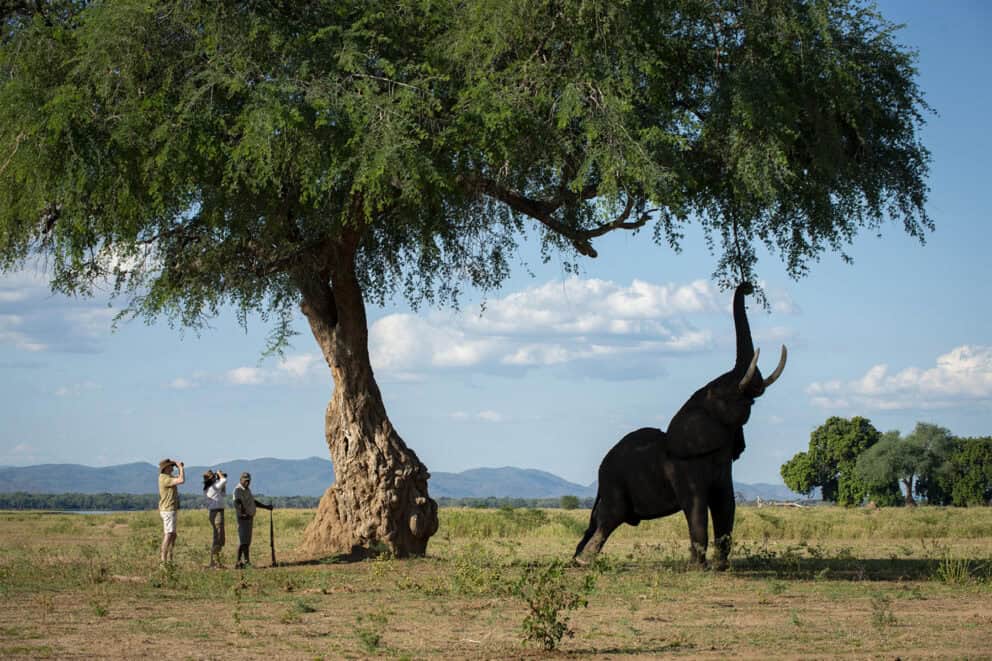
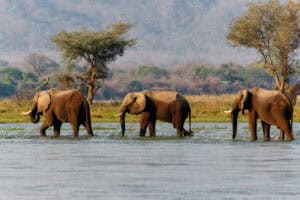
Mana Pools sits on the Zambezi floodplain and is a UNESCO World Heritage Site. It’s one of the few places in Africa where walking among big game is the main event, not a side order. Elephants browse beneath old acacias. In the late dry season, they rear up on their hind legs to reach seed pods. It has to be seen to be believed.
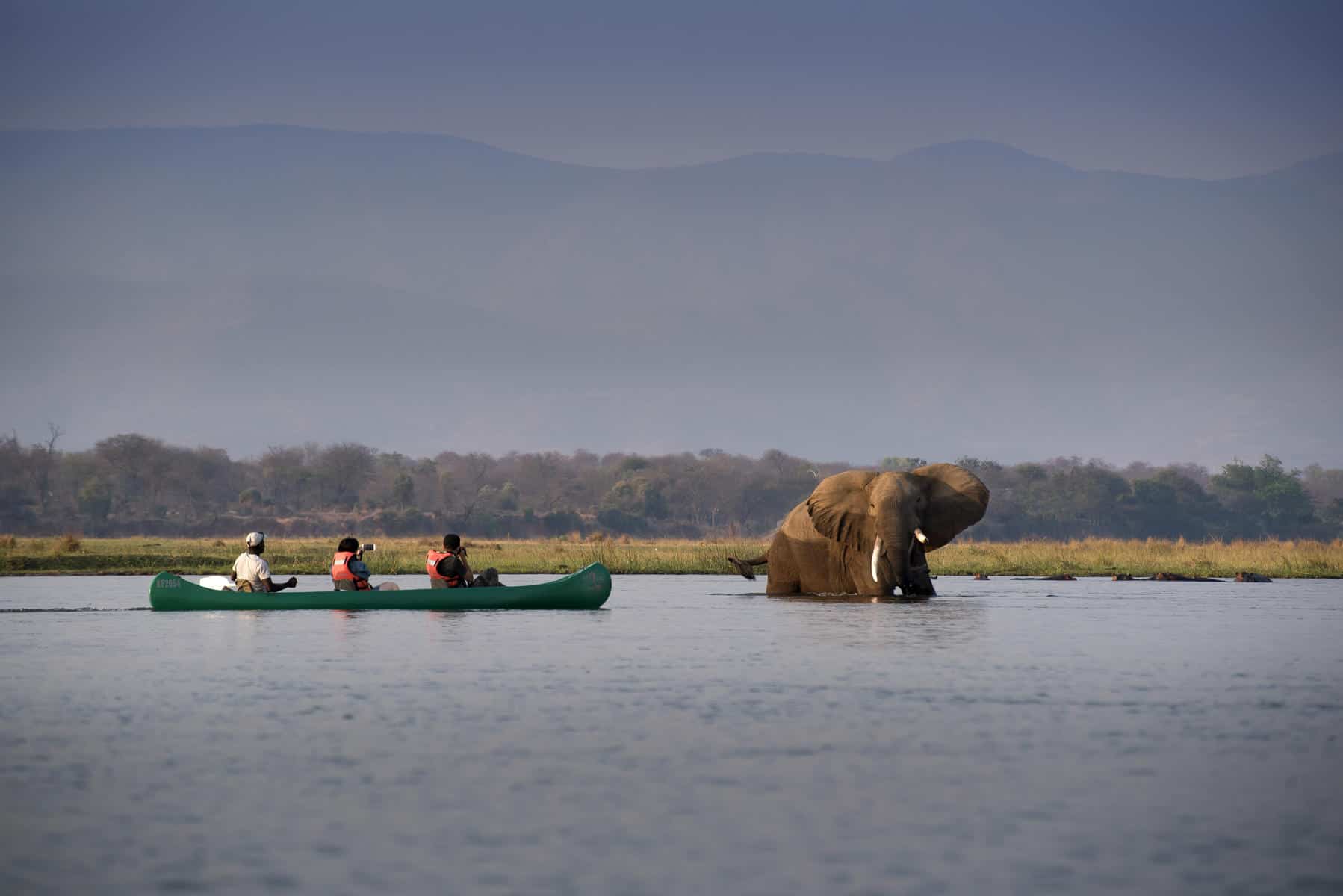
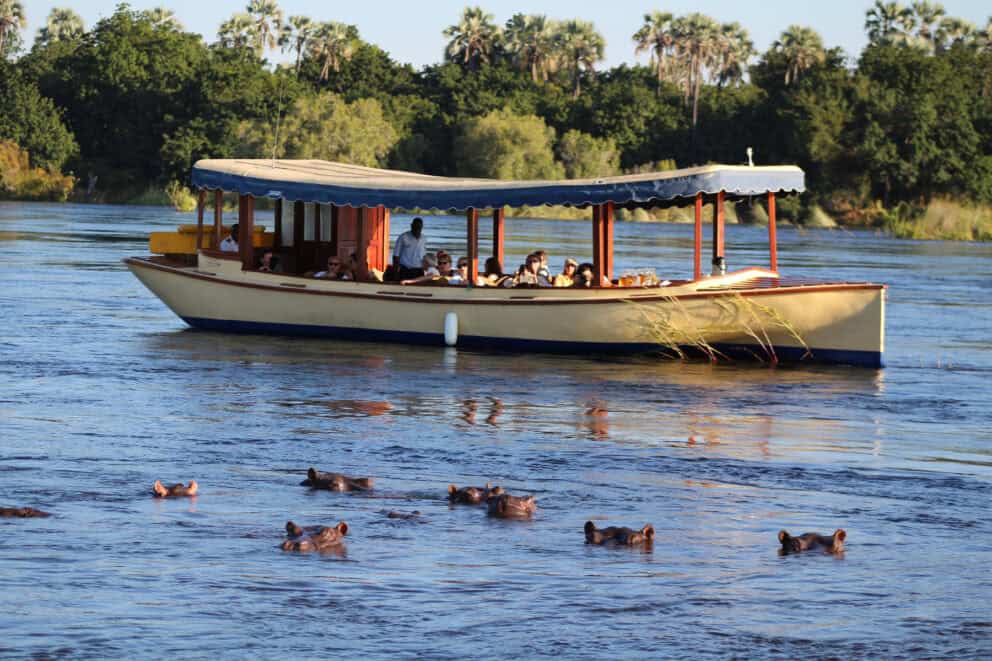
Then there’s the river. Gliding down the Zambezi in a canoe, eye-level with the bank, is one of the great safari experiences. It isn’t a given, though. Whether a camp can paddle depends on water levels and on how many hippos have moved into its stretch of river.
Hippos are territorial, and nobody argues with them. Some camps swap canoes for boat safaris. Your safari expert will match you with a camp that paddles.
See our Mana Pools National Park safari tours for a starting point.
Hwange: For Elephants, and Plenty of Them
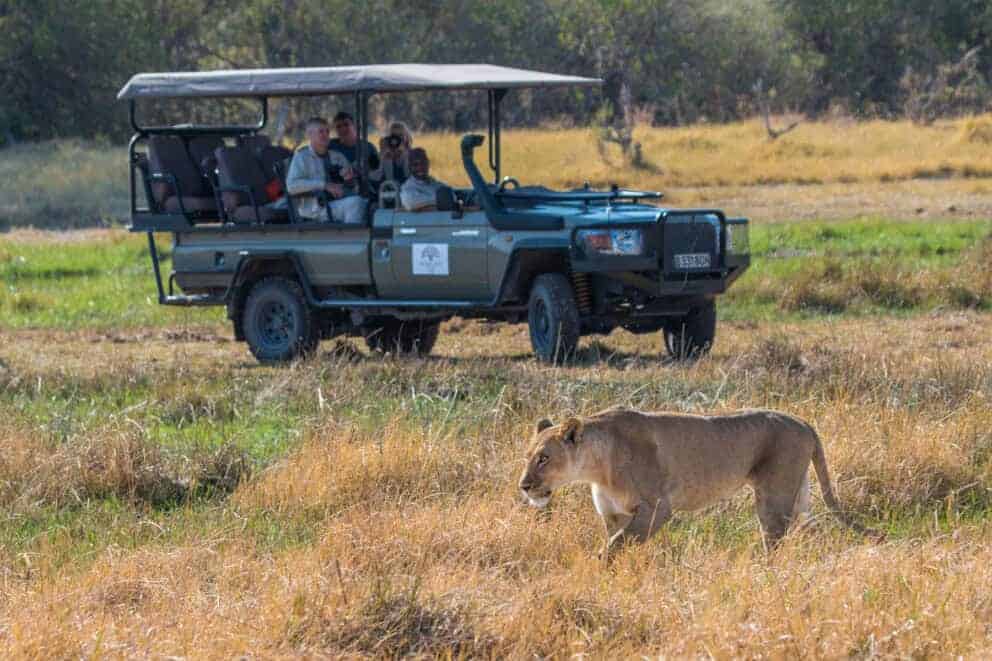
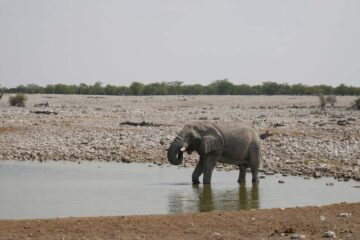
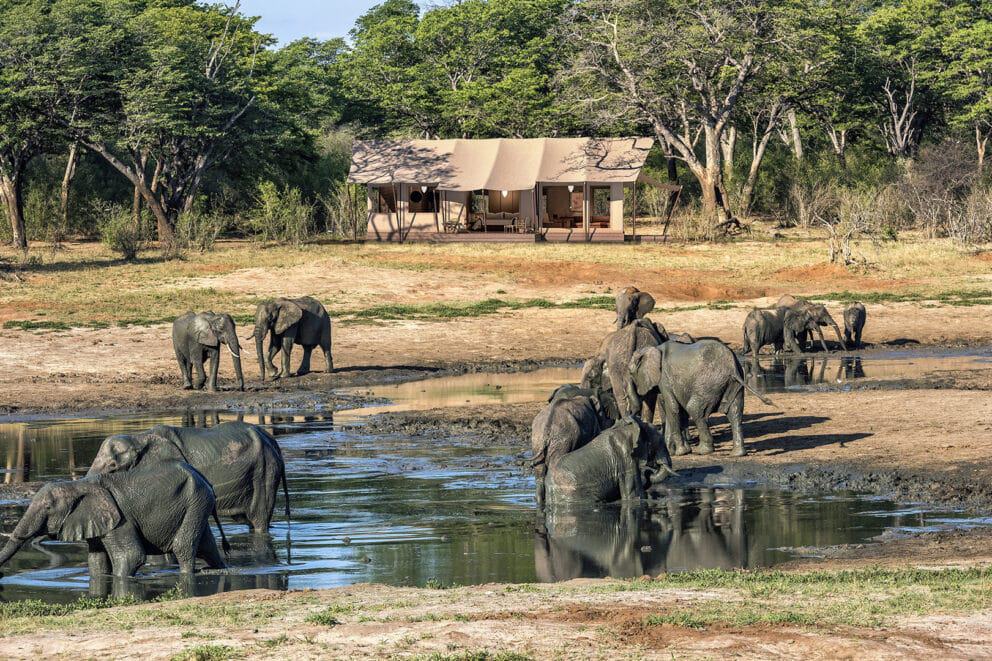
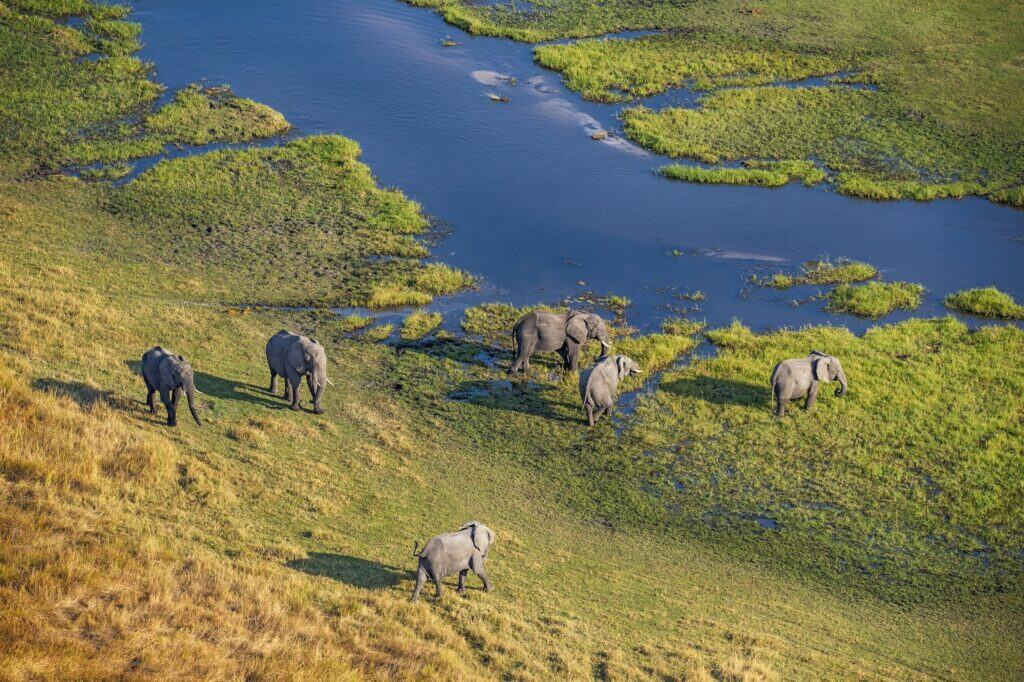
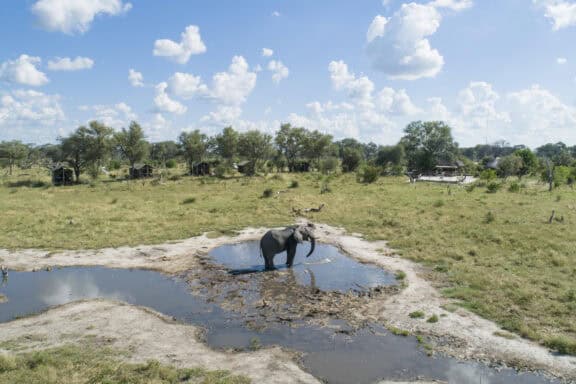
Zimbabwe’s largest national park is home to tens of thousands of elephants. In the dry season they gather at waterholes, many of them pumped to keep the water coming. You can sit in a hide for an hour watching herd dynamics play out like a family wedding: the matriarch in charge, the teenagers misbehaving, someone’s uncle refusing to leave the bar.
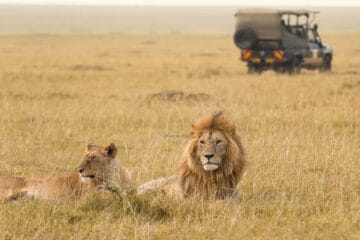
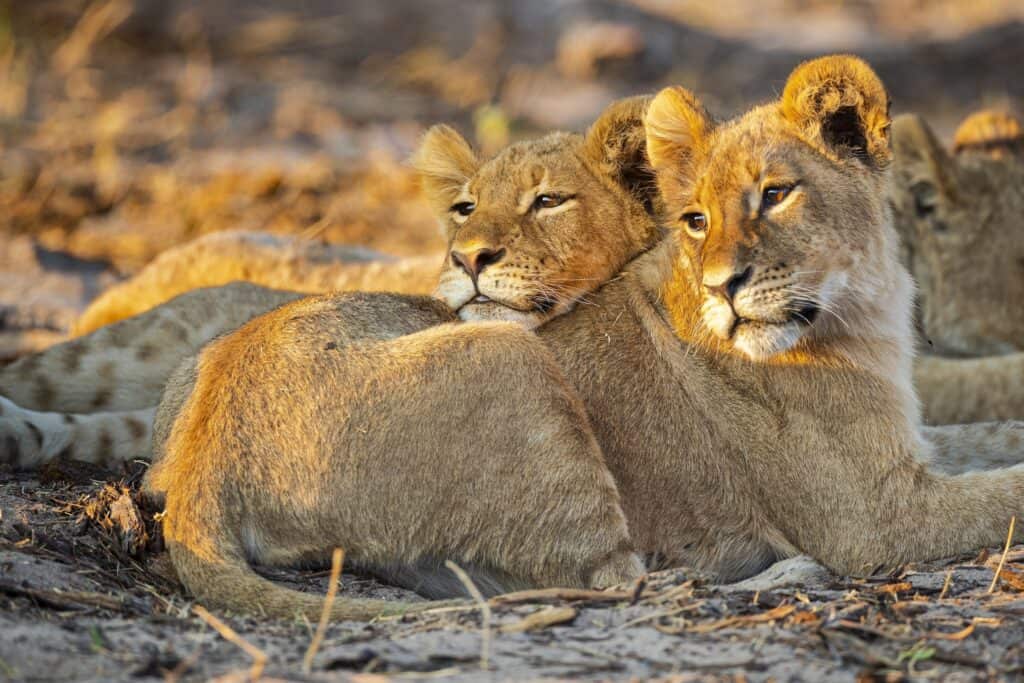
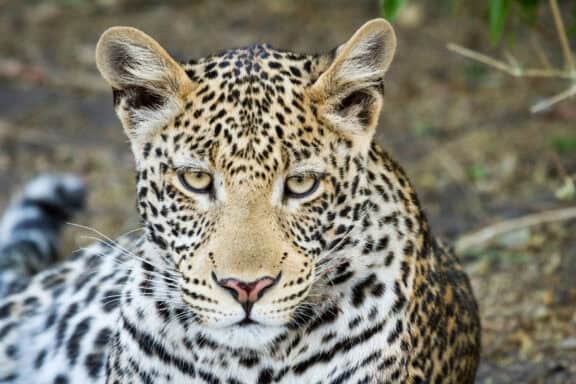
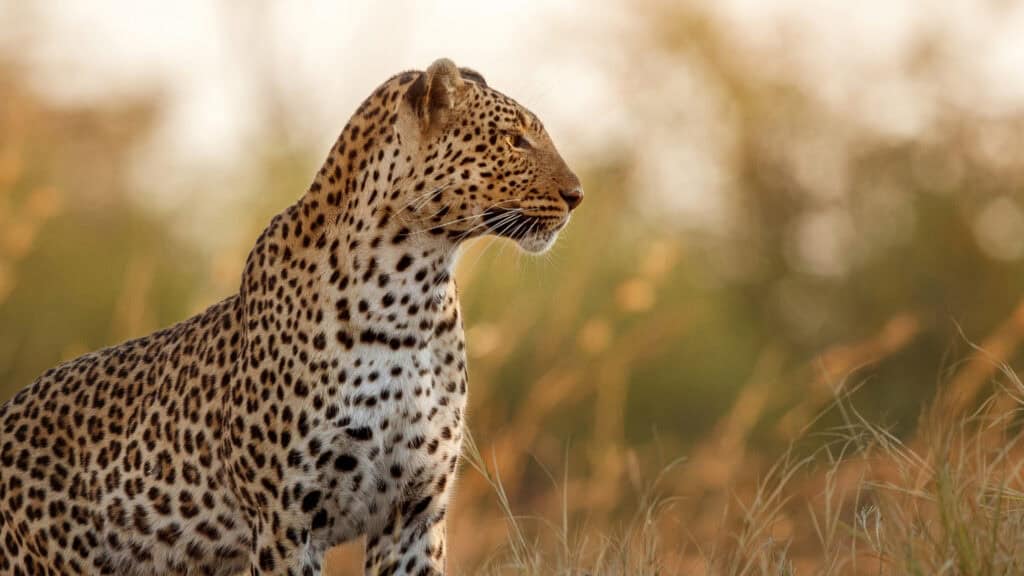
Lions are a strong bet. Wild dogs and sable turn up too. But here’s what the brochures gloss over: Hwange is often sold as a Big Five park, and it isn’t one you can count on. Rhinos are extremely rare, and leopards and cheetahs are a bonus rather than a promise.
Come for elephants, lions, and the sheer theatre of the waterholes. If rhino is on your list, Matobo is the place (more on that below).
Where you stay matters more here than almost anywhere. A camp near a busy waterhole in the dry season can feel like a front-row seat. The same park in the green season, with tall grass and the animals spread across open plains, asks for more patience.
Hwange is also easier to reach than Mana Pools, which makes it a sensible first stop.
Explore our Hwange National Park safari tours for some inspiration.
Matusadona and Lake Kariba: For the View From the Water
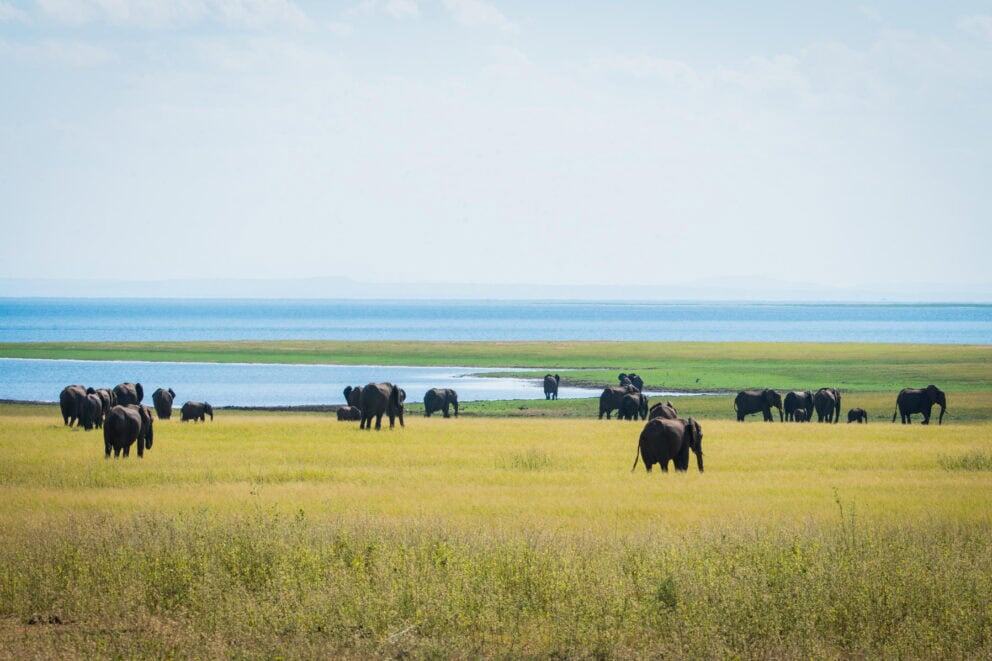
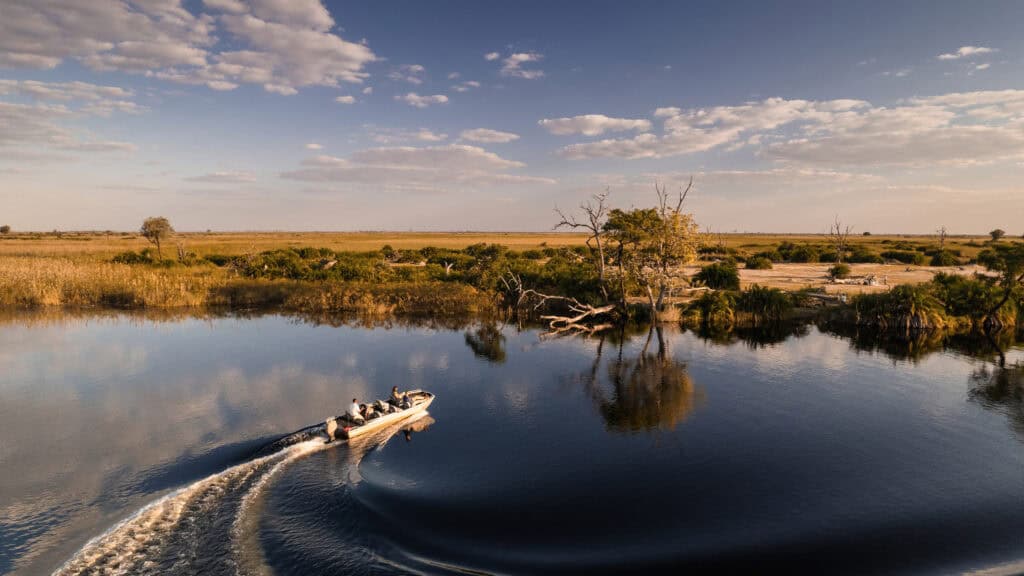
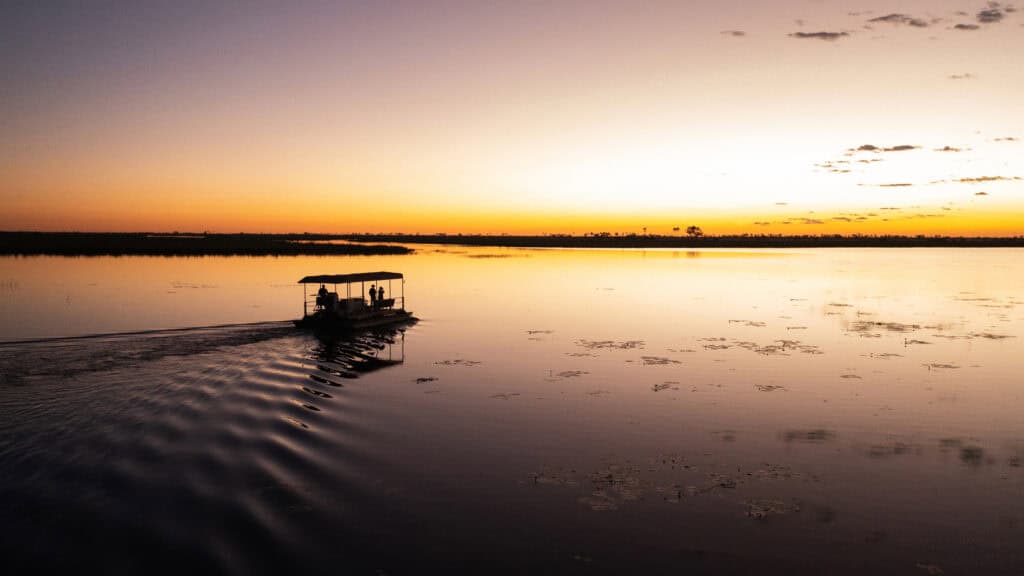
Boat-based safaris on Lake Kariba flip the usual script. You watch the bush from the water. Buffalo graze along the shore, fish eagles call, and a hippo’s grunt carries across flat water at dusk.
Matusadona, on the southern shore, is quieter. The park is in the middle of a comeback under African Parks: wild dogs were reintroduced in February 2026, and black rhinos followed in June. It’s a genuine good-news story, though the rhino are only just settling in, so treat a sighting as a bonus for now.
One thing to know: not every Kariba lodge gets you into the park. Some are on the lakeshore with plenty of boats and fishing but no game drives in Matusadona. Your safari expert will explain the ins and outs of the lodge options.
Matobo Hills: For Rhino on Foot and Rock Art

Granite boulders balanced like a giant’s abandoned game of Jenga. Ancient rock paintings. The chance to track rhinos on foot with rangers. If you want to see a rhino in Zimbabwe, this is the place to do it. Matobo is UNESCO-listed and suits anyone who likes their wildlife with a side of history.
Our tip: Two nights is the sweet spot. Fly into Bulawayo, track the rhino, see the rock art, and move on. It pairs neatly with Hwange, and it’s a good catch-up if the rhino didn’t show up elsewhere.
Victoria Falls and Zambezi National Park: For the Falls, Not the Big Five
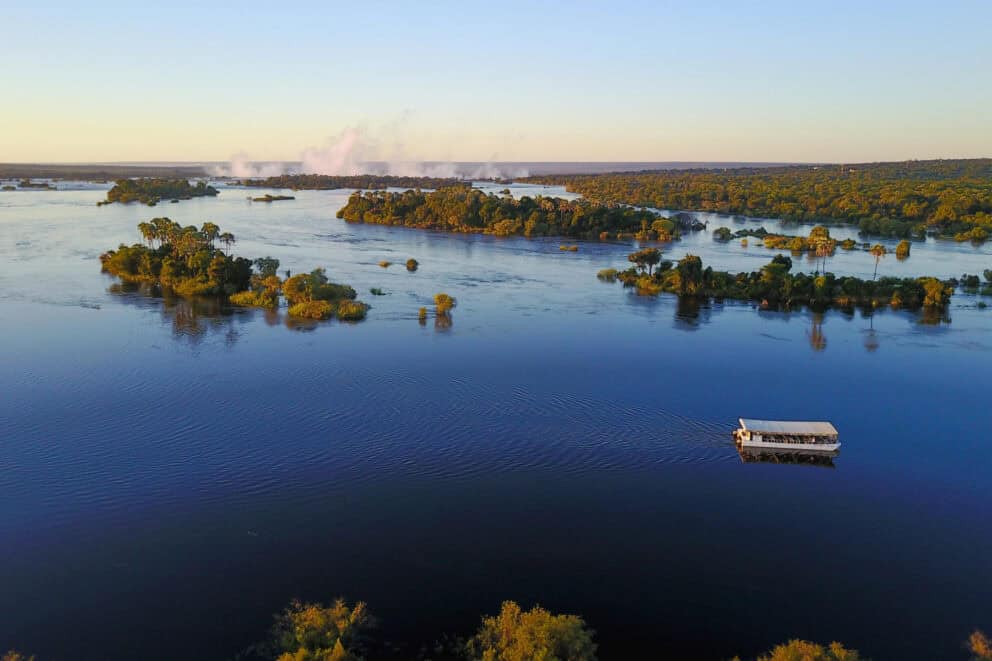
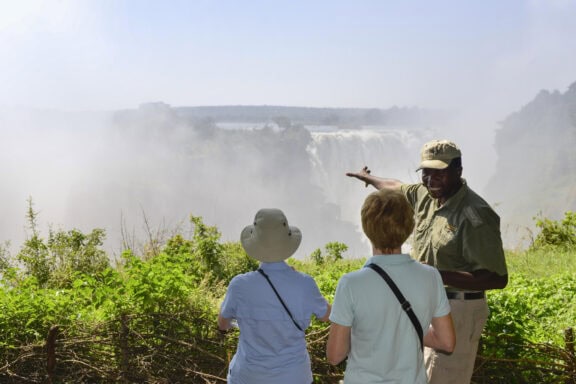
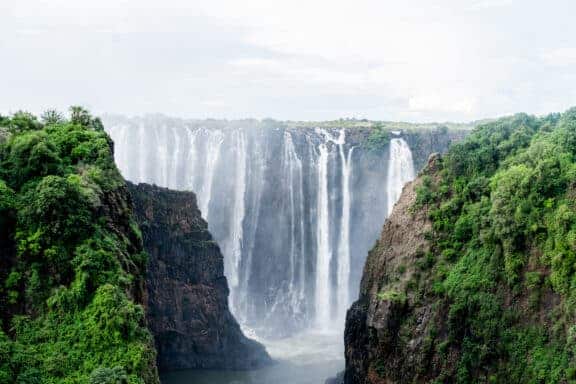
Mosi-oa-Tunya, “the smoke that thunders”, earns its name. Next door, Zambezi National Park runs along the river above the Falls. It’s a pleasant place for an afternoon drive, but it’s not where you come for lions. Think of it as a warm-up act.
The headliner is the waterfall and everything you can do around it: sunset cruises, white-water rafting when the river allows, a bungee jump for anyone with the nerve.
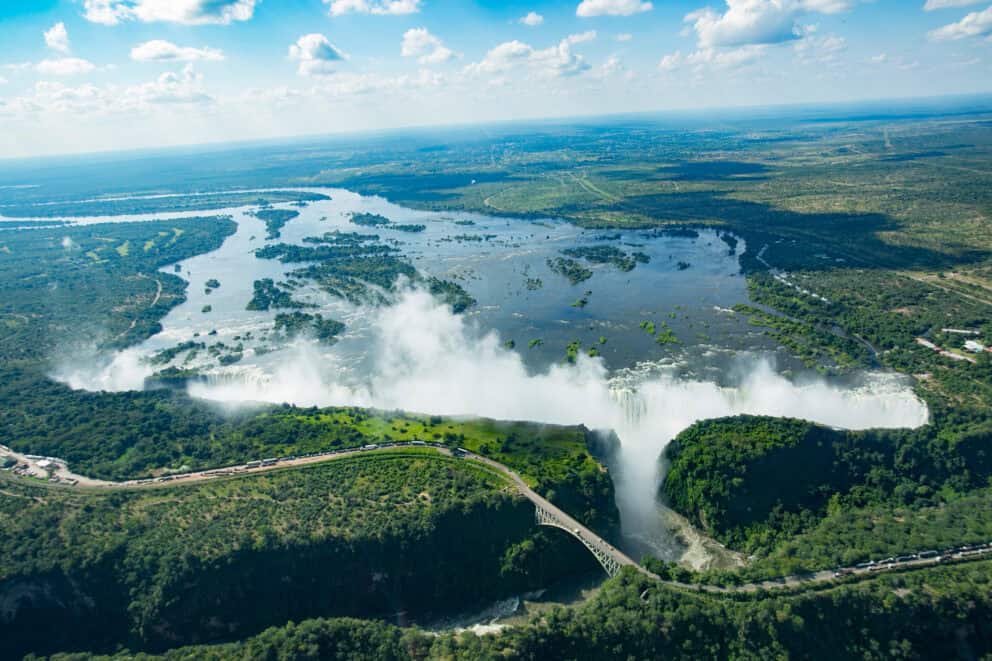
A word on water. You may have seen photos claiming the Falls “run dry”. They don’t. Late in the dry season, parts of the Zambian side can look more like a dripping tap, but the Zimbabwean side keeps flowing. And whichever side you sleep on, a cross-border tour lets you see both.
Our tip: Take a short helicopter flip. Being in the air does what a day of walking the viewpoints can’t. You’ll see the whole zigzag of gorges and exactly where the water is going, which matters most in the lower-water months.
Give it two or three nights. Long enough to see the Falls properly and take the edge off the flights.
Get inspired by our Victoria Falls safari tours.
The Best Time of Year to Travel to Zimbabwe
Short answer: June to October, the dry season. Longer answer: the game and the waterfall peak at different times, so it depends on what you want to see.
December to March: The green season. Hot, humid and often wet. The landscape is lush, birdlife booms, and baby animals are abundant. The game spreads out, some roads turn to mud, and most Mana Pools camps are closed. On the plus side, the Falls are building to their peak – February to May brings the heaviest spray.
April to May: The shoulder. The rains ease, the grass starts to die back, and the Falls are still in full voice. It’s a good compromise if you want a bit of everything. Nights start to get properly cold, though.
June to July: Cool and clear. This is classic safari weather: crisp mornings, bright days, and thinning bush. It’s also cold. Early mornings in Mana Pools can be extremely cold, and most camps are tents or thatch with no heating. Bring a fleece, a windproof jacket, and a beanie for those open-vehicle drives at dawn. You’ll be glad of all three.
August to September: Peak game viewing. Water is scarce, so the animals gather where you can find them, and the predators know it. It’s dusty and warming up. It’s also the most popular window, so book early.
October to November: Hot. Temperatures can reach 40 to 45°C, especially in the Zambezi Valley, and humidity builds towards the first rains. The game viewing around the last waterholes can be spectacular. But many camps don’t have air-conditioning in the rooms, so this is for travellers happy with a fan and a cold shower.
By November the rains arrive, the animals spread out, and Mana Pools camps start closing for the season. The Falls are at their lowest now. Stay on the Zimbabwean side, where the water keeps flowing.
Our rule of thumb: For a first Zimbabwe safari built around walking, aim for June to September. Pack for winter at dawn and summer at lunch.
What to Expect on Foot With Your Safari Guide in Zimbabwe
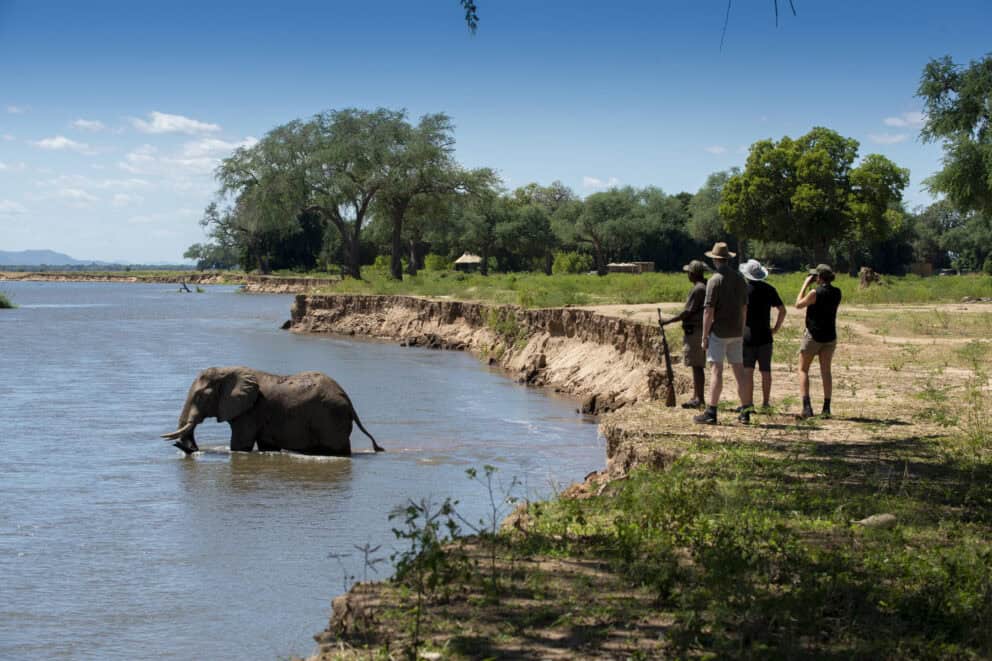
Let’s address the elephant in the room. Yes, it might be standing eighty metres away.
Walking in Zimbabwe is safe because it’s disciplined, not because it’s tame. Your guide carries a rifle and a lifetime of judgement. You walk in single file, you stay quiet, and you do as you’re told. If your guide says stop, you stop. If they point to a tree, that tree becomes your best friend.
You don’t need to be a marathon runner. Most walks are a few hours at a gentle pace in the cool early morning. You do need to be able to stand still for long periods, which is harder than it sounds. Wear neutral colours, closed shoes you’ve already broken in, and leave the perfume at home.
Slow down, and the small things arrive: a dung beetle at work, the smell of wet sand, a squirrel’s alarm call that tells your guide a leopard is near. Vehicles are for distance. Feet are for detail.
Zimbabwe With Children
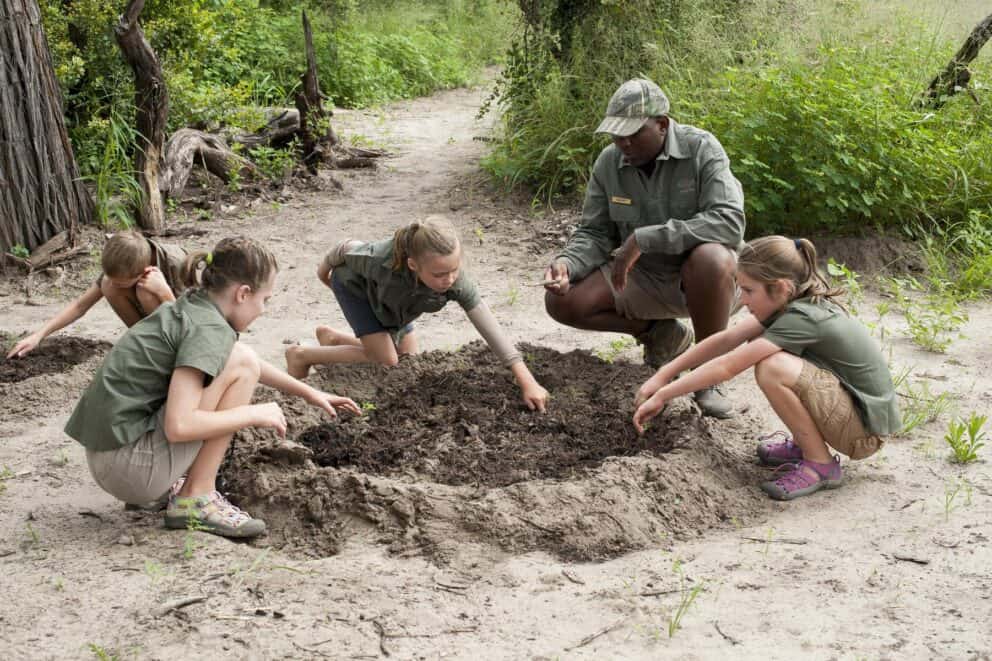
Zimbabwe is quietly one of Africa’s best family safari destinations. The guides are natural storytellers, and a ten-year-old who has just learnt to read an elephant track won’t stop talking about it for a week.
The hospitality is warm, and there’s plenty to do between drives: boats and fishing on Lake Kariba, plus a long list of activities around Victoria Falls that will tire out even the most determined teenager.
Important: Walking, canoeing, and some of the adrenaline activities at the Falls have minimum ages, and some camps don’t take young children at all. Tell us early who’s coming, and we’ll make sure everyone gets to do the things they’re excited about.
Safari Logistics Guide for Zimbabwe: The Practical Bit
This is where trips quietly succeed or fall apart. Here’s what we take care of, so all you have to do is turn up.
Getting there. Most parks are reached by light aircraft from Victoria Falls or Harare, because the roads are long and rough. We book every transfer and send your baggage limits ahead of time, since those small planes need soft bags.
Money. US dollars in small notes are still the easiest option for tips and extras. We tell you what to carry and what’s already covered, so there are no surprises at the camp.
Health. Malaria is present in much of the country, so see a travel doctor well before departure.
Entry. Visa rules depend on your passport, and they do change.
Connection. Remote camps often have limited signal and WiFi – all the better to really appreciate the natural world around you.
Our Zimbabwe Safari Advice
A few sharper edges:
- Don’t pack in too many areas. Two or three camps in ten days beat five in a week. Travel days are where holidays go to die.
- Leave room to wander. A schedule with every hour filled leaves no space for the elephant that turns up at 3 pm.
- Consider a private vehicle. This makes game drives all about what you want to see.
- Bring binoculars you trust. A pair you’ve already learned to focus beats a borrowed one at dawn.
- Build in a buffer the night before international flights. Light aircraft and weather aren’t always on speaking terms.
How We Plan Your Zimbabwe Safari, and Where the Money Goes
It starts with a conversation, not a form. You speak to one of our African safari experts via video call. They work from Cape Town; they’ve been to these places, and they’ll ask about the walking you want to do, the season you can go, and who’s coming. Then they build the trip around what makes sense for your safari dream. Send an enquiry, and you’ll hear back within 24 hours.
Where does the money go? We partner with lodges and camps on the ground that directly support conservation projects and community-led initiatives, so what you spend reaches the land and the people who look after it.
Your Zimbabwe Safari Planning Guide: How We’d Start

Tell us you want to walk and want depth over distance, and this is roughly where we’d begin. Treat it as a first draft for a conversation.
- When: June to September. Cool mornings for walking, and the game gathers along the water.
- Where: Hwange for elephants and long hours at a waterhole, Mana Pools for walking and canoeing on the Zambezi.
- How long: From seven days. Split the time evenly between the two, and add two to three nights at Victoria Falls.
- Who’s coming: Some camps have age limits for children, so tell us early who’s in the group.
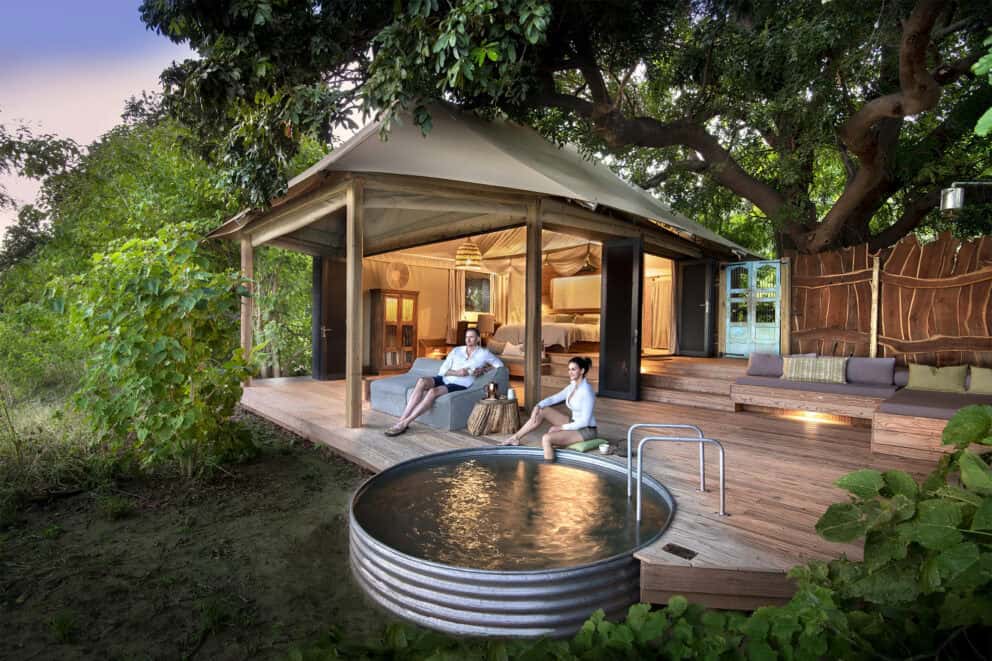
- Comfort: Zimbabwe has canvas camps with bucket showers and lodges with crisp linen and plunge pools. We’ll match the camp to your travel style.
Three Zimbabwe Trips to Start the Conversation

If you’d rather see how this looks on paper, these are routes we plan often. None is a template. Each is a starting point and can be adapted to your preferences.
- Hwange and Mana Pools Luxury Safari Adventure: seven days across elephant country and the Zambezi.
- Zimbabwe Discovery From Vic Falls to Mana Pools: eight days from the Falls, through Hwange, to the river.
- Zimbabwe and Botswana Ultimate Safari: thirteen days across two iconic safari destinations with walking at its heart.
Talk It Through With Someone Who’s Walked It
Zimbabwe rewards curiosity, and any safari guide in Zimbabwe worth walking with will welcome your questions. So will we.
Speak to an Africa safari expert. Bring your half-formed ideas and your hardest questions, and we’ll tell you what we’d do and where we’d think twice.

Written by Yamkela Welaphi
• Travel Writer
Discover the African Journey that’s Right for You
 Blog List


























Written by Yamkela Welaphi
• Travel Writer
Part of the Zimbabwe Safari, African Big Cats Safaris & Walking Safaris Collections