

 Email us




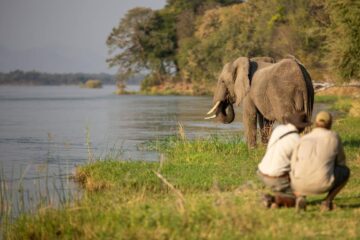
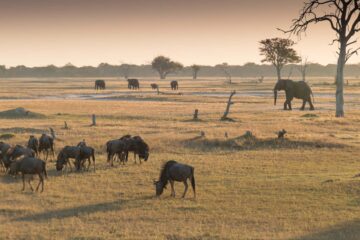
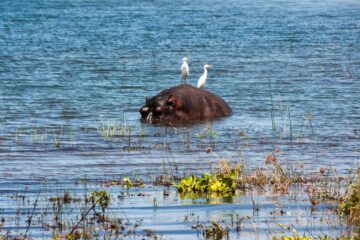
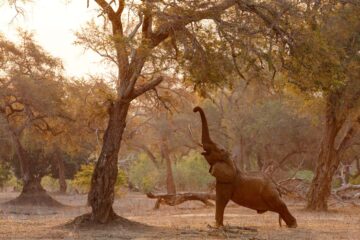



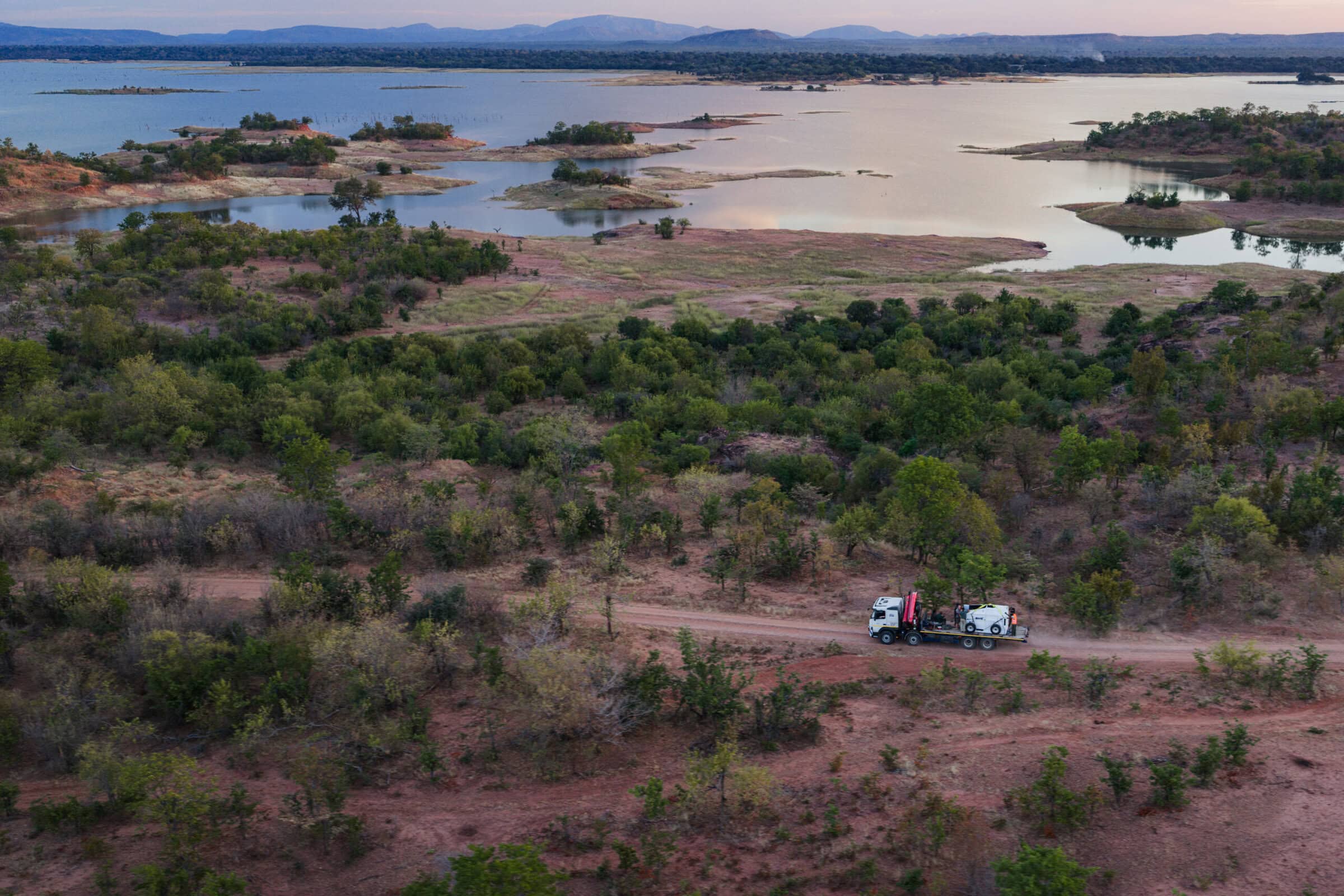
A group of black rhinos has arrived on the shores of Lake Kariba in Zimbabwe. This excellent Matusadona National Park news is a significant conservation milestone, and one that will have a positive impact on this region for decades to come.
Once a stronghold of the black rhino, Matusadona National Park in Zimbabwe was besieged by organised poaching syndicates in the 1980s and 1990s. Before the species was completely wiped out, the Zimbabwe Parks and Wildlife Management Authority (ZimParks) made the decision to remove the remaining black rhinos out of the Sebungwe region, where Matusadona lies, and relocate them to safer, more closely guarded areas.
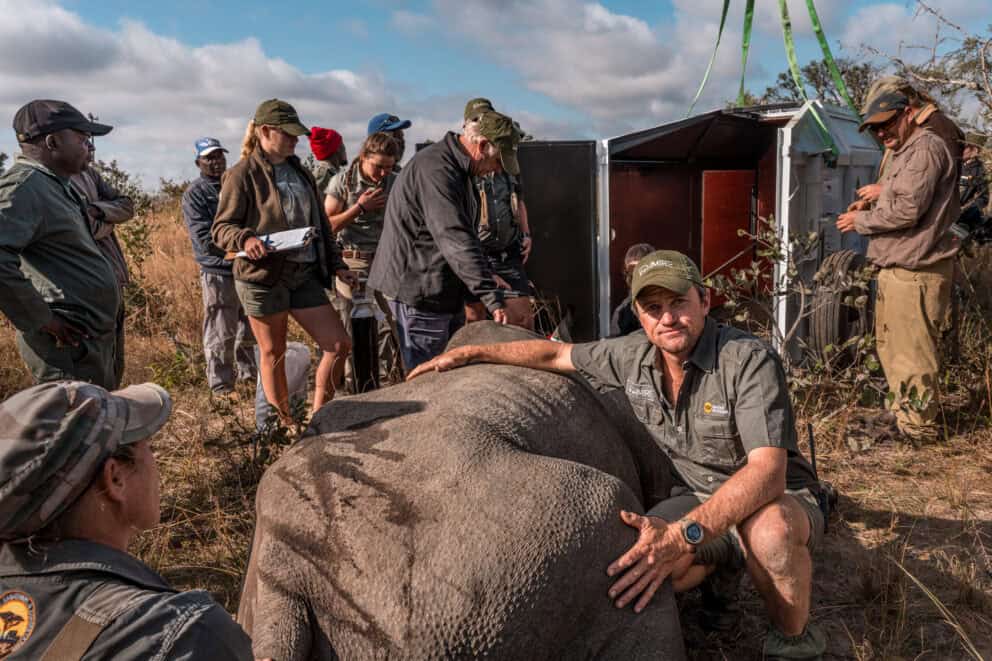
“We went into a project called Operation Stronghold, which was moving out some of these genetics from this area to safeguard them because at that stage, the poaching wave was so hectic that we thought we were going to lose the whole Zambezi Valley genetics altogether.
“It was a massive effort, and it took some really visionary conservationists in ZimParks and other places to actually go and preserve those genetics. These are the same genetics that we’re bringing back now,” explained Mike Pelham, Matusadona National Park manager.
Through Operation Stronghold, thankfully, the genetic lineage of the black rhinos of Matusadona was preserved. And now, the descendants of these relocated rhinos can once again roam the wilderness of the national park.
The Relocation Operation
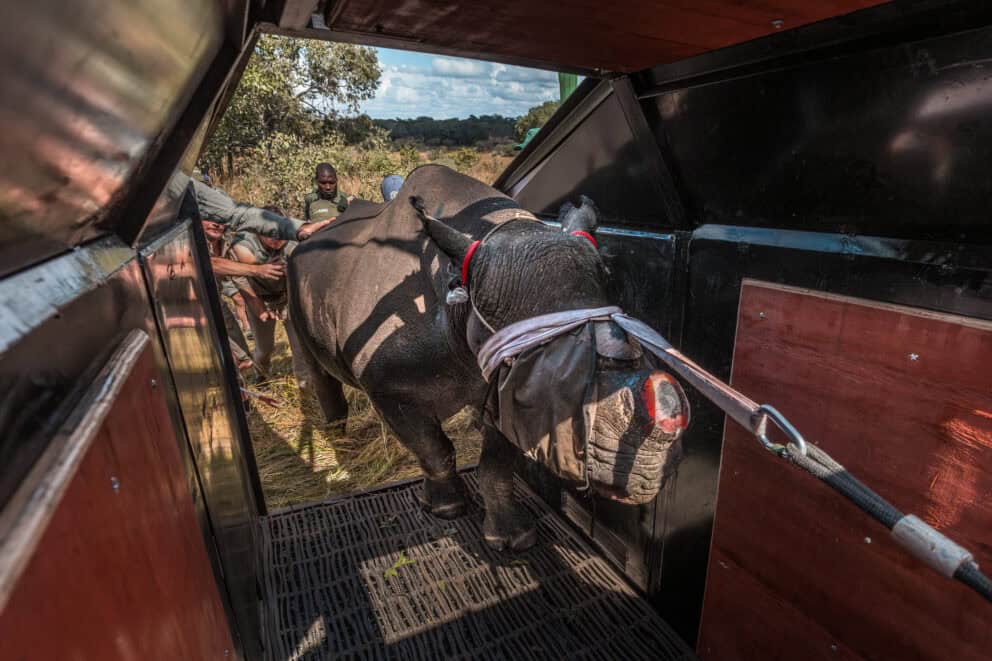
The black rhinos chosen for this relocation resided in Imire Rhino and Wildlife Conservancy, Matobo National Park, and one other undisclosed location. In specially designed crates, they were airlifted to Matusadona National Park, which lies on the shores of Lake Kariba.
This extraordinary operation was made possible thanks to the sustained effort and investment by organisations such as Imire, Dambari Wildlife Trust, and Matobo National Park. The protection of these animals has been central to this feat.
Where are the Rhinos Now?
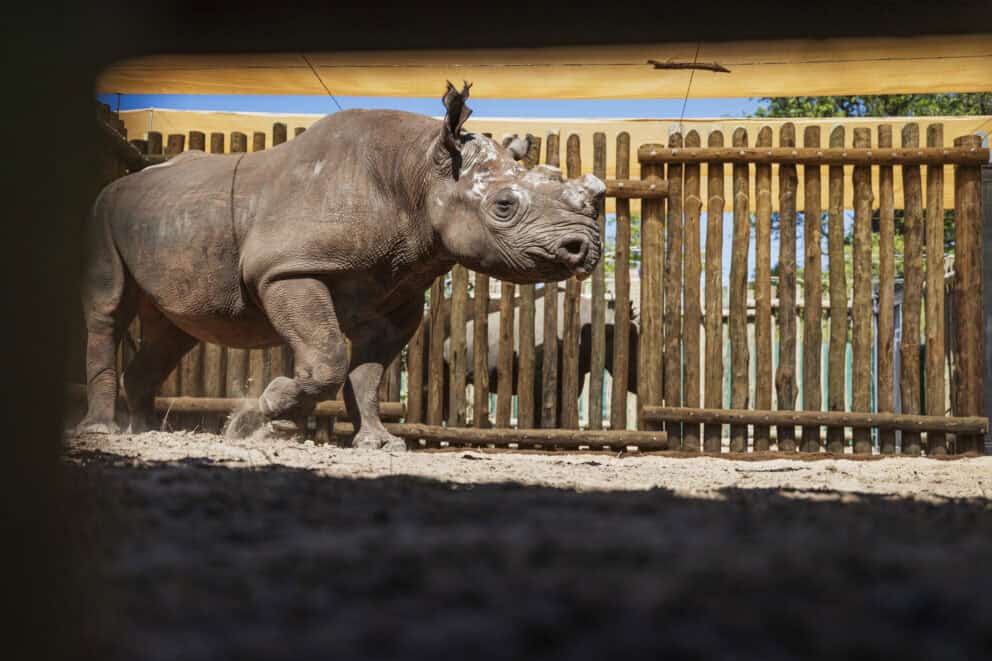
The black rhinos are currently in purpose-built bomas where they’re being closely monitored. They’ll be released in phases into a secure 175-square-kilometre Intensive Protection Zone in the national park to maintain their safety.
Every rhino is fitted with a tracking device so that they can be continually monitored to ensure that intervention can be swift at the first signs of stress or conflict once released.
The Future of the Rhinos of Matusadona
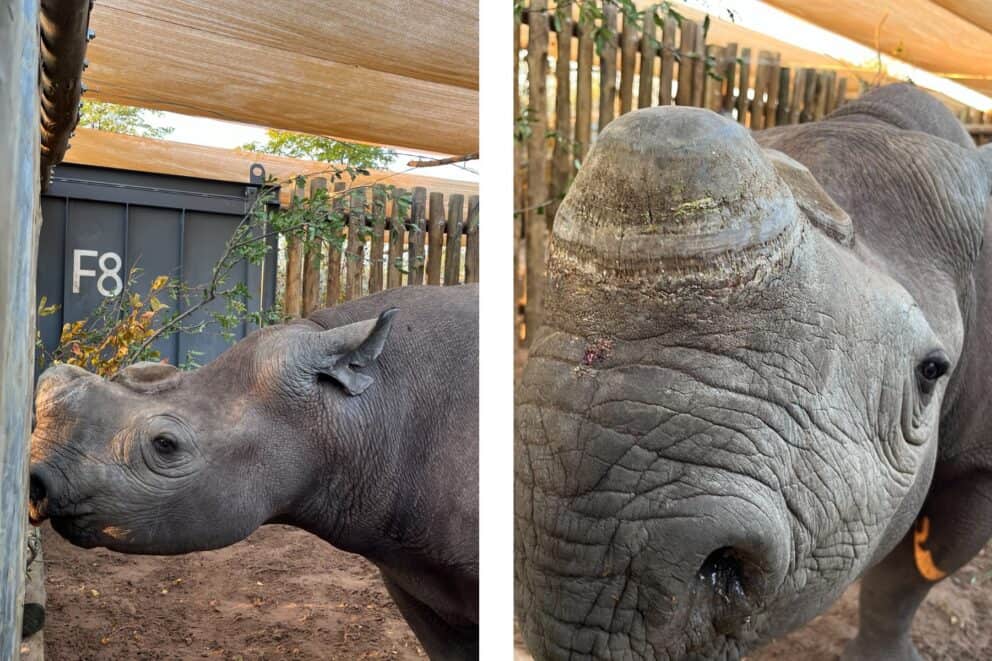
This group of reintroduced black rhinos is a significant part of Zimbabwe’s broader mission. The reintroduction directly supports the country’s National Rhino Strategy by establishing a founder population. This initial group is 17 strong, with Pelham noting that another 20 will be relocated to the park next year. Over the next 15 years, this group should contribute to another metapopulation in the country, reversing the devastating impact of poaching.
A future with rhinos traversing the park is one that is supported by many, especially local communities. The communities of Nyaminyami – who share Matusadona’s borders – have welcomed the reintroduction. Beyond Matusadona National Park, ZimParks, and African Parks, traditional leaders have played an active role throughout the process as strong advocates for the return of the rhino to the landscape.
This support will be vital for the success of this black rhino population.
“…you’ve got a supportive community who feel that these are their rhino coming back home; that makes a massive difference. And then on top of that you build up all your other layers of security and infrastructure and monitoring and all the rest of it,” explained Pelham.
For Pelham, who was at the park in the 1990s and assisted in Operation Stronghold, this return is especially meaningful. “Having witnessed the rhino’s catastrophic decline in Matusadona, it is incredibly emotional to see their return. Matusadona is synonymous with black rhino, and walking through this landscape recently, there has been an overbearing sense that we are missing an icon.
“No words can describe the feeling of seeing these animals arrive back into Matusadona. The entire park team is incredibly grateful to every individual and partner who has helped make this moment a reality.”
How Many Black Rhinos are Left?
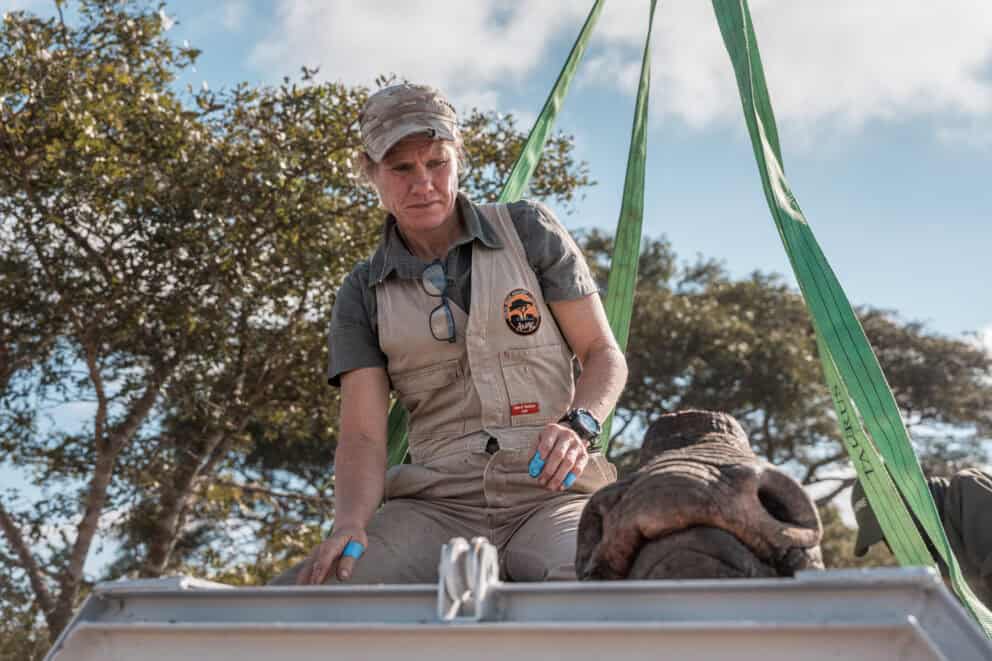
According to the International Rhino Foundation, there are around 6,788 black rhinos in the wild. This is a welcome increase from 6,195 in 2022. The species remains critically endangered, and conservation methods such as the Matusadona relocation are an incredible step forward to seeing this species continue to come back from the brink.
We’re excited to see this population take the next step and firmly entrench themselves in the ecosystem where they belong.

Written by Paula Rabeling
• Travel Writer
Discover the African Journey that’s Right for You
 Blog List





























Written by Paula Rabeling
• Travel Writer
Part of the Zimbabwe Safari Collection