

 Email us




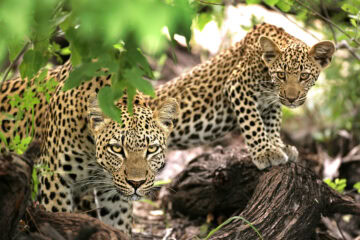
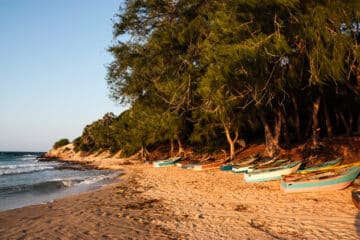
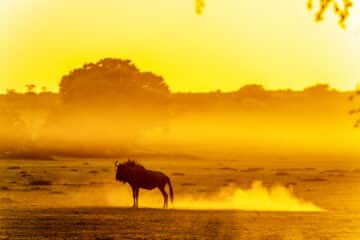
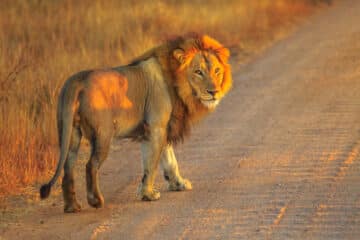

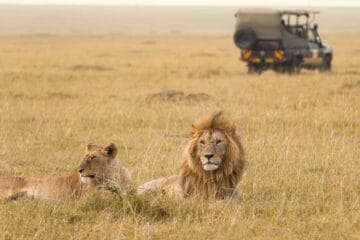
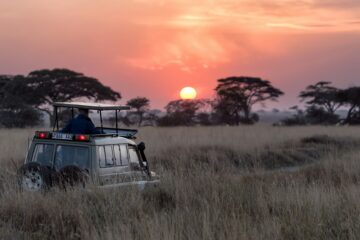
You’ve been running at full capacity for so long that the idea of quietcations almost seems unreachable at this point. The back-to-back calendar. The group chats. The ambient hum of something always waiting for a response. You’re good at this. You’re very good at this. But somewhere underneath all of it, there’s a version of you that’s done.
Not tired-tired. The kind of depleted that a long weekend doesn’t touch.
That’s what’s driving one of the biggest travel trends of 2026: quietcations. According to a Pinterest Travel Report, searches for “quiet places” rose 50% and “calm places” 42% across more than a billion travel-related searches on the platform.
This isn’t a niche wellness experiment anymore. It’s a very large number of people reaching the same quiet conclusion: the most radical thing they can do for themselves right now is to stop.
And when it comes to where to do that stopping? Africa has been ready for this moment for a long time.
What Is a Quietcation, Actually?
A quietcation is a trip built around stillness. No packed itinerary, no curated group dinners, no pressure to post anything. You go somewhere deliberately unhurried, and you give your body the chance to remember what genuine rest feels like.
It suits a very particular kind of traveller: usually someone high-functioning, usually someone who’s brilliant at optimising everything except their own recovery. Someone who books a holiday and somehow comes home needing another one.
This isn’t a retreat in the clinical sense. There’s no shared meditation room, no schedule of workshops, no one guiding you through breathwork over a loudspeaker. It’s quieter and more personal than that. You’re somewhere extraordinary, with enough space and enough time to actually be there.
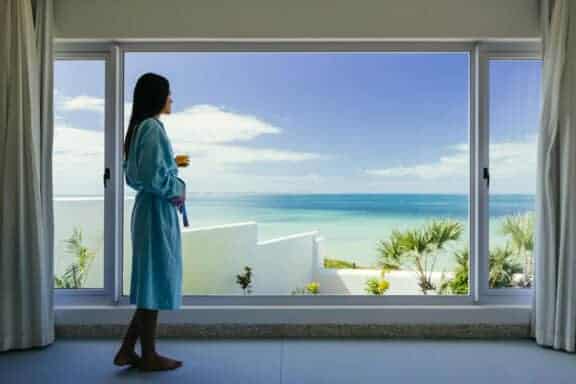
The quietcation traveller has usually already tried the luxury resort and found it relaxing in the way that a nice hotel is restful: comfortable, pleasant, and fundamentally unchanged from normal life. What they’re looking for now is something that does something different… Something that actually turns the noise all the way down.
How the African Bush Does What No Spa Can
There are plenty of quiet places in the world. A farmhouse in Dordogne is quiet. A ryokan in rural Japan is quiet. Both are genuinely lovely. But the African bush offers something those places can’t replicate: a silence that’s alive.
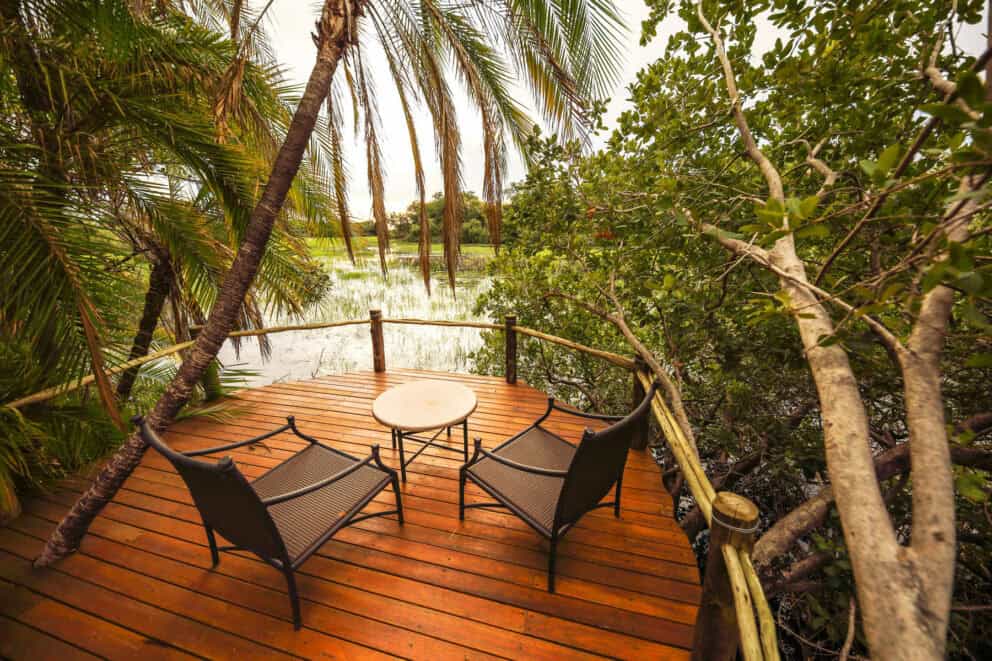
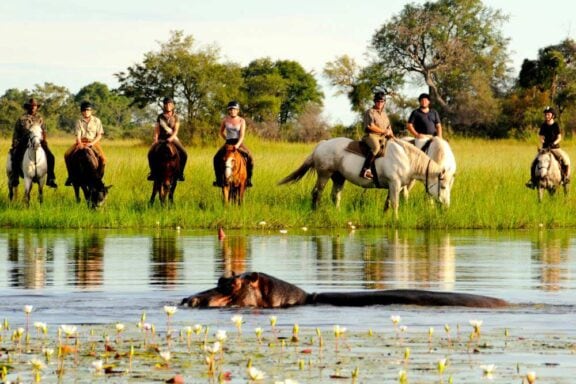
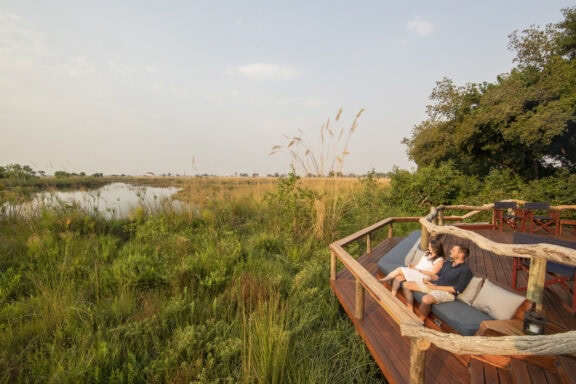
Out there, quiet isn’t the absence of sound. It’s the presence of a completely different kind of sound. The call of a woodland kingfisher in the hour before sunrise. The low rumble of hippos from somewhere below your deck. The particular quality of air at 5 am when the bush is fully awake and you’re the only human in it.
Your nervous system knows the difference, and the science backs it up.
Research published in Environmental Health and Preventive Medicine drawn from multiple controlled studies of forest bathing found that time in natural environments produces measurably lower cortisol levels, reduced blood pressure, and a significant increase in parasympathetic nervous system activity. In other words, your body stops bracing for impact.
A large-scale study led by Dr Mathew White at the University of Exeter, published in Scientific Reports and drawing on data from nearly 20,000 people, found that spending at least two hours a week in nature is associated with significantly better health and psychological well-being and that the benefits held across age, income, occupation, and long-term illness.
The bush accelerates all of that, and then some. Because the bush also removes the triggers entirely. There’s no inbox in the Okavango Delta. No news alert in the Luangwa Valley. Your brain doesn’t have to work to switch off. It just does.
What Quiet Travel in Africa Actually Looks Like
Here’s what it doesn’t look like: lying by a pool for a week feeling vaguely guilty about it.
A quietcation in the African bush is active in the way that matters. Fully present, without performance.
A walking safari is two hours of complete, unforced focus: reading animal tracks pressed into dry sand; watching your guide stop mid-stride and raise a hand before you’ve seen or heard a thing; and learning to slow your breathing to match the pace of the bush around you.
You’re not switching off. You’re switching over to something that actually requires your full attention and discovering, often to your own surprise, that it’s the most rested you’ve felt in years.
The lodges designed for this kind of travel share a few qualities: very few rooms, guides who’ve spent decades in that specific piece of wilderness, no compulsory programme, and an environment so immersive that your phone genuinely stops feeling important. No performing for an audience. No alarm clocks. No optimising.
Just you, somewhere genuinely extraordinary, with nowhere to be.
Quietcation Destinations Worth Planning Your Silence Around
Zambia: Where the Walking Safari Was Born
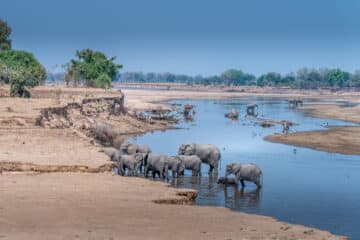
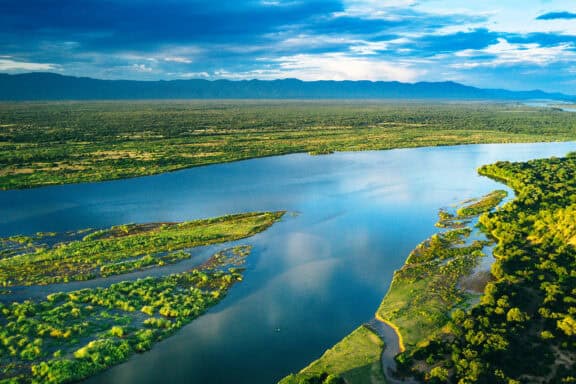
South Luangwa National Park pioneered the walking safari, and it remains one of the most intimate and least crowded destinations on the continent. Vehicles are few; concessions are large; guides are, in many cases, people who grew up in this valley and have been reading it their whole lives.
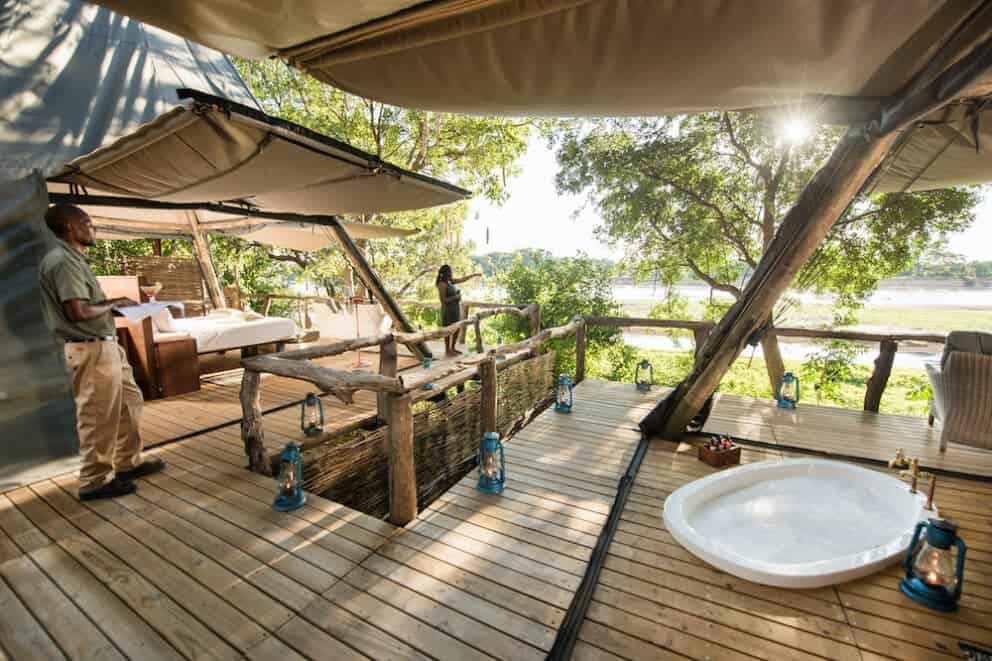
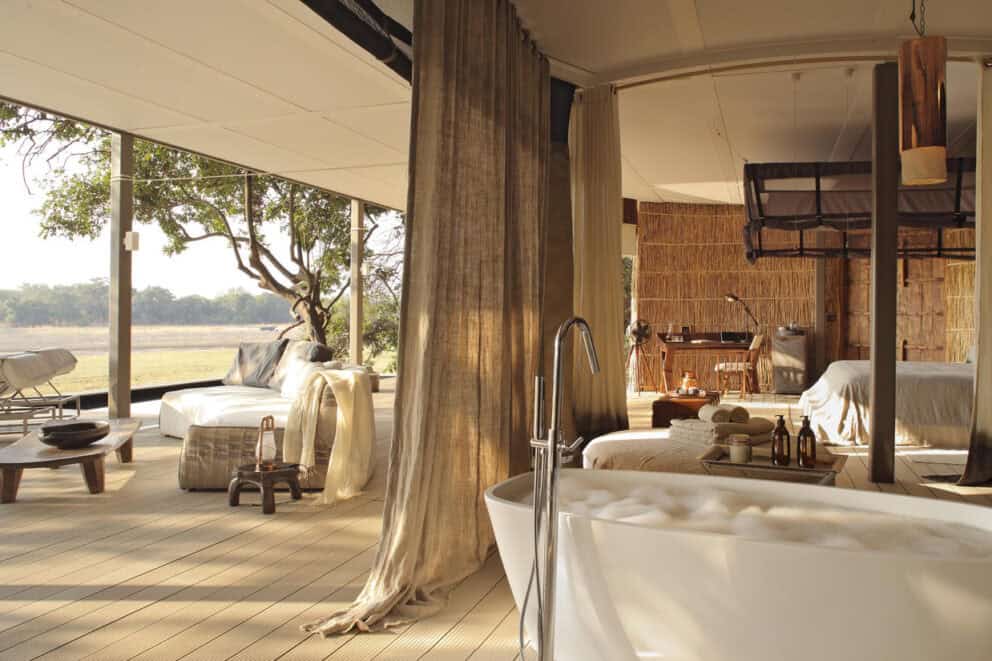
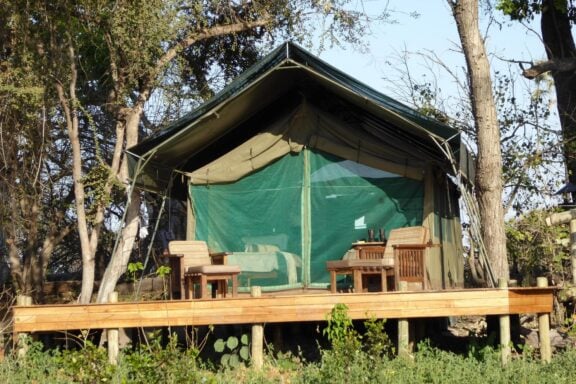
Shawa Luangwa Camp is one of the most considered small camps in Zambia: five luxury tents, each raised above the Luangwa River on wooden stilts with 270-degree views across the water and the park beyond.
What makes it exceptional for quiet travel is this: fully solar-powered electric Land Cruisers. Shawa is a pioneer in South Luangwa for silent safaris. When the engine isn’t competing with the bush, the bush opens up entirely.
You hear dry grass under the wheels, the alarm call of a puku two hundred metres away, and your guide’s voice dropping to a murmur. The whole thing becomes something closer to meditation than a game drive.
At Time + Tide Chinzombo, deeper into the valley, no more than six guests share a vehicle; walking safaris are central to the experience; and the limited Wi-Fi signal is, honestly, one of the better things about it. The Luangwa River frames every meal and every quiet hour spent watching the water change colour.
For a completely different pace, the Lower Zambezi offers canoe safaris that drift you silently through narrow channels at waterline level, close enough to hear a crocodile slide off a sandbank before you see it.
Botswana: The Delta Runs on Water Time
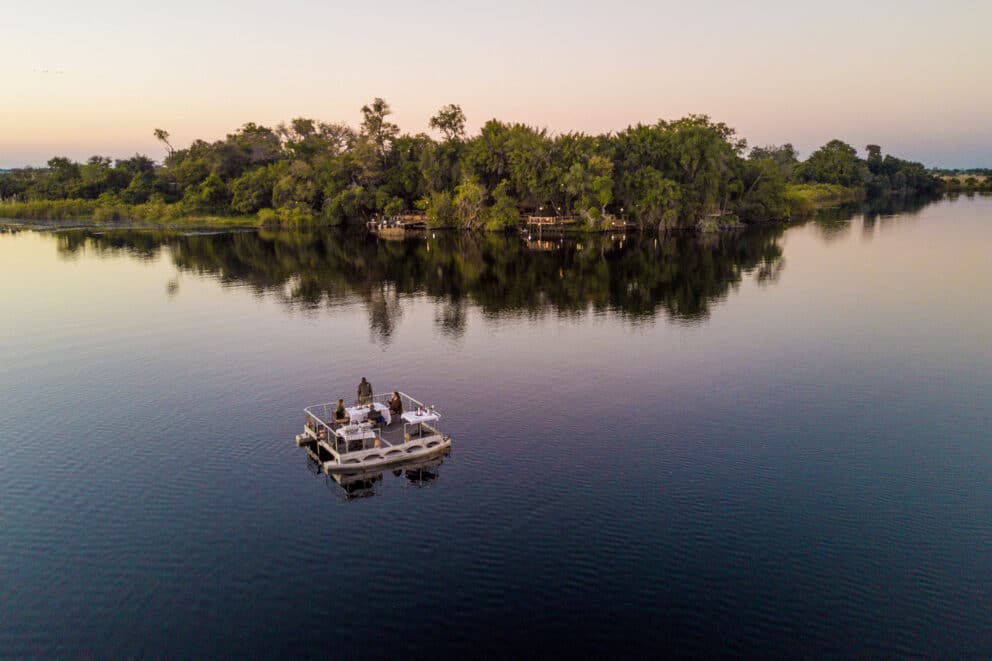
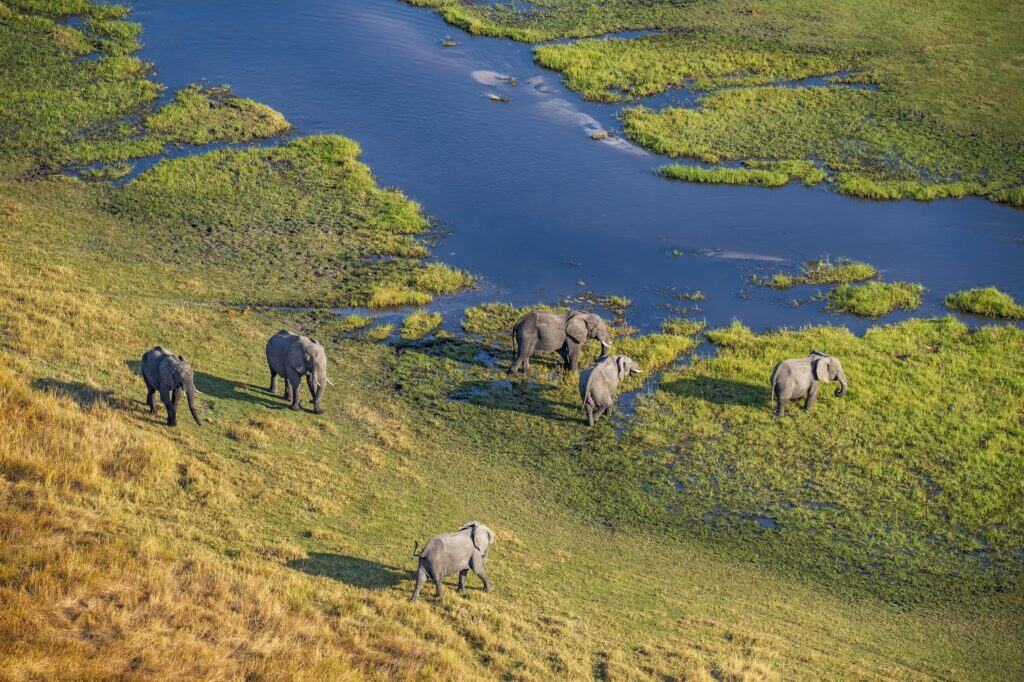
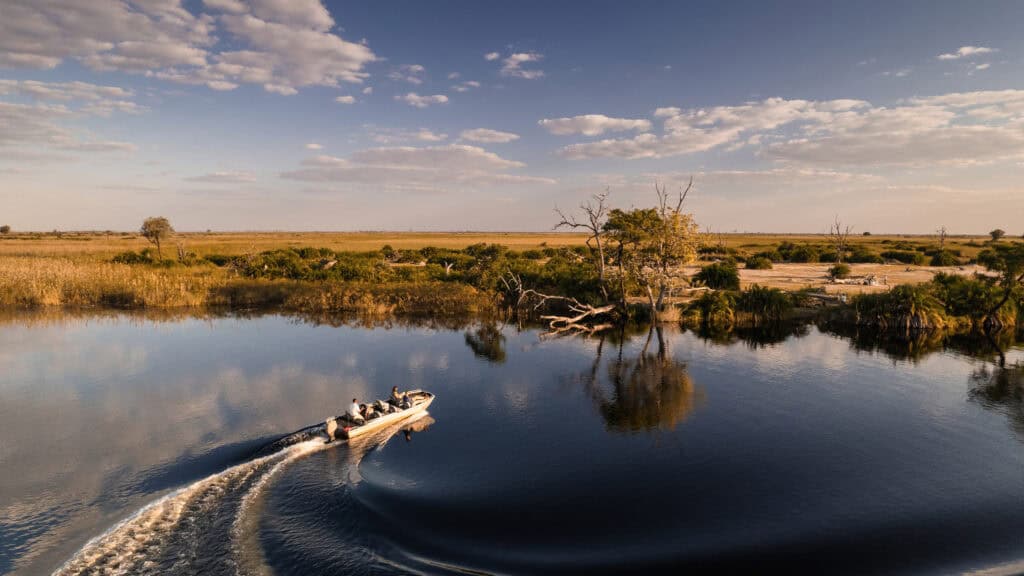
The Okavango Delta operates at a pace that takes about half a day to fully land in your body. Water time is slow, and slow is the point.
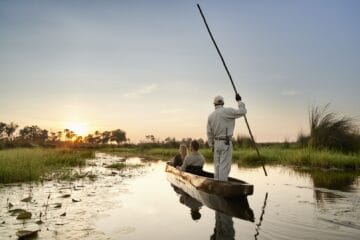
A mokoro is a traditional dugout canoe, poled by a guide through channels barely wider than your shoulders. No engine. No commentary unless you want it.
Just the push of the pole off the riverbed and whatever the Delta decides to offer – a malachite kingfisher landing three metres away, the distant sound of a fish eagle, and a reed frog chorus starting up as the light drops.
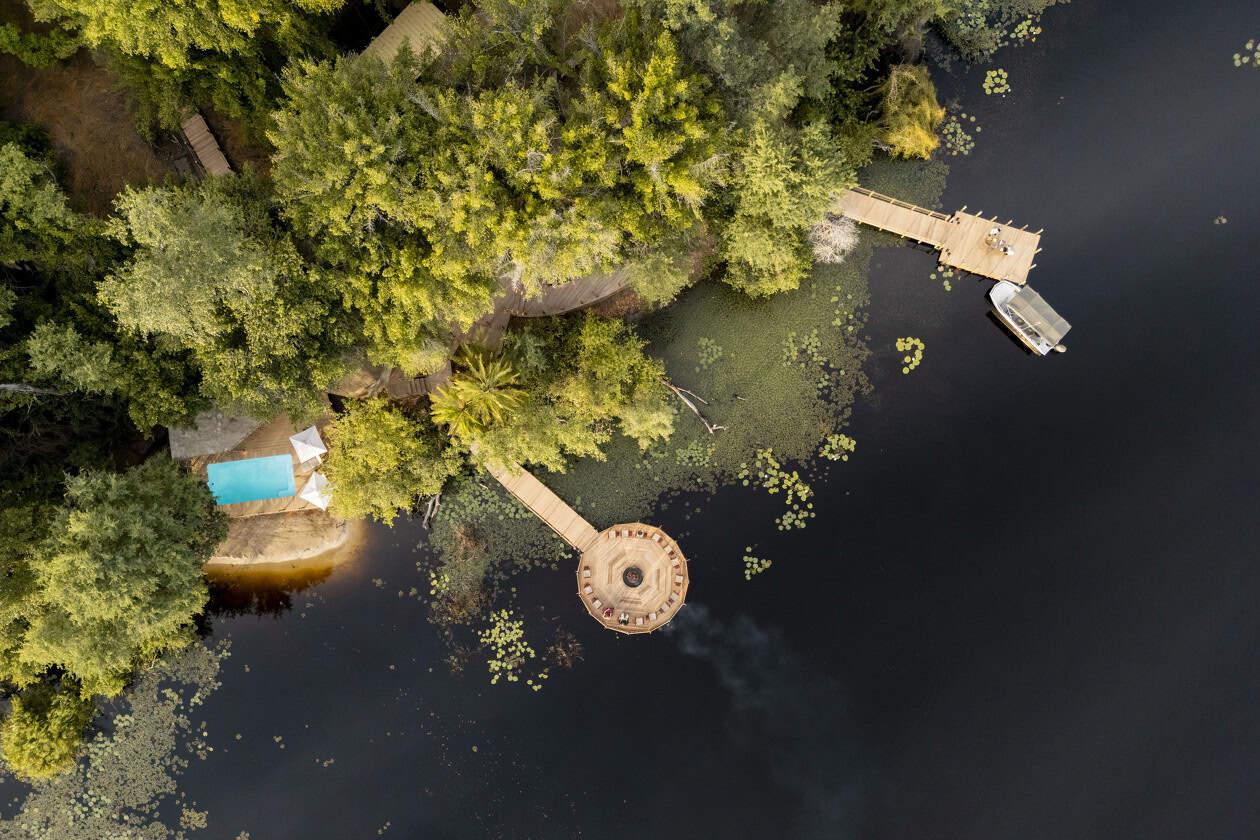
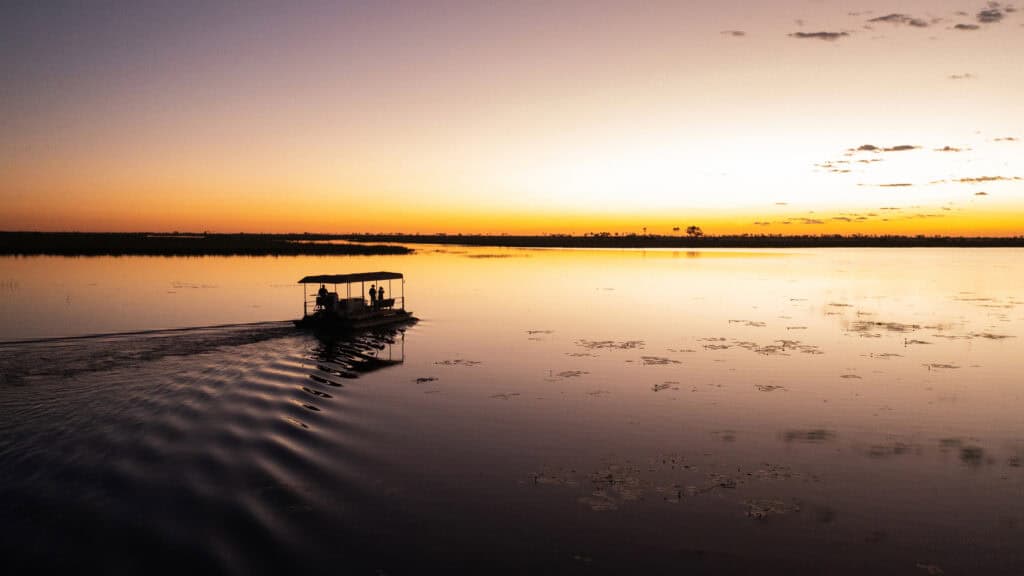
Xugana Island Lodge sits on one of the Delta’s finest permanent water sites and hosts just 22 guests across its lagoon-facing tented suites. Days are built around the water: mokoro drifts; slow boat trips at dusk; and long, starry dinners with the lagoon spread out in front of you. It’s described, accurately, as ideal for the slow safari concept.
For the most extraordinary single night of any quietcation, consider Desert and Delta’s Tsodilo Hills Sleep-Out Camp. From Nxamaseri Island Lodge, you travel by boat along the Nxamaseri Channel, then overland to Tsodilo Hills, a UNESCO World Heritage Site known locally as the Mountains of the Gods, which is rich with San rock art thousands of years old.
You sleep in open, traditionally designed eco-pods under a sky with almost zero light pollution, no walls, no Wi-Fi, and no alarm. You wake when the light tells you to. Guests who’ve done it tend to describe it as one of the few experiences that genuinely defies comparison.
Namibia: Space as Its Own Kind of Luxury
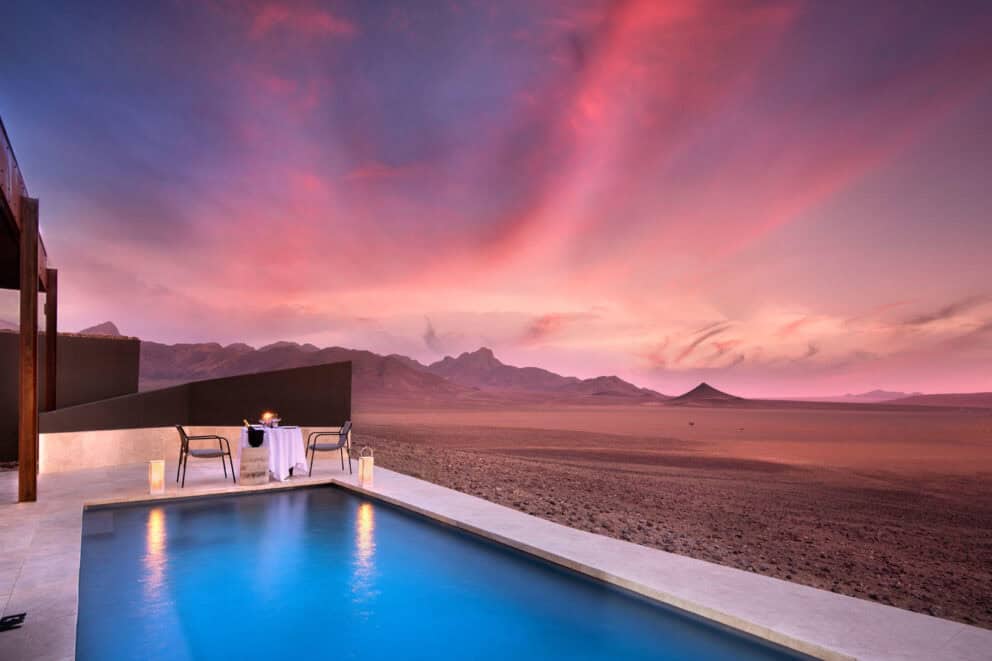
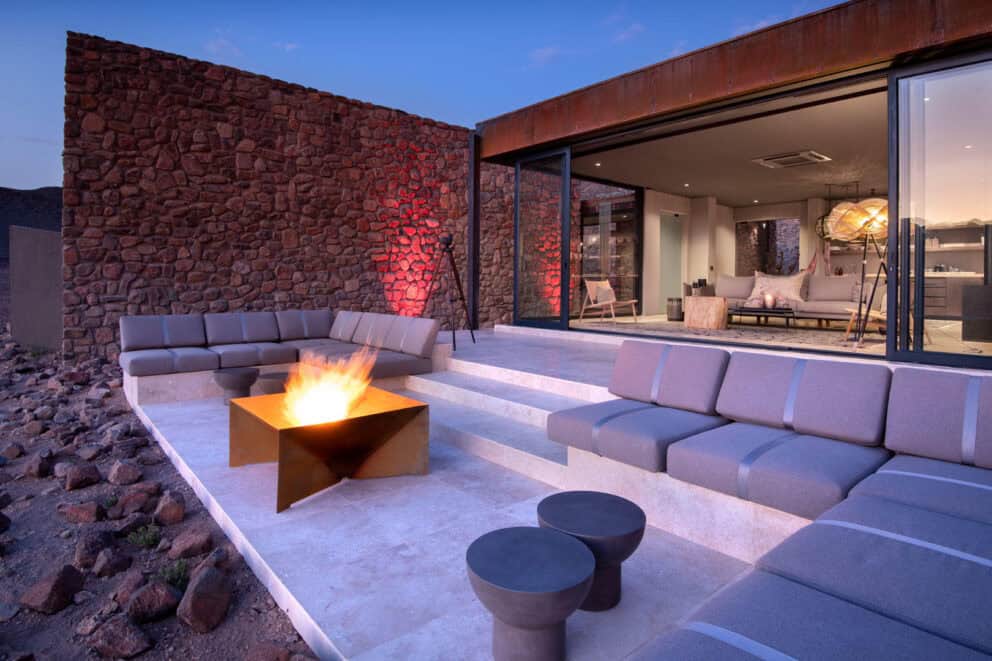
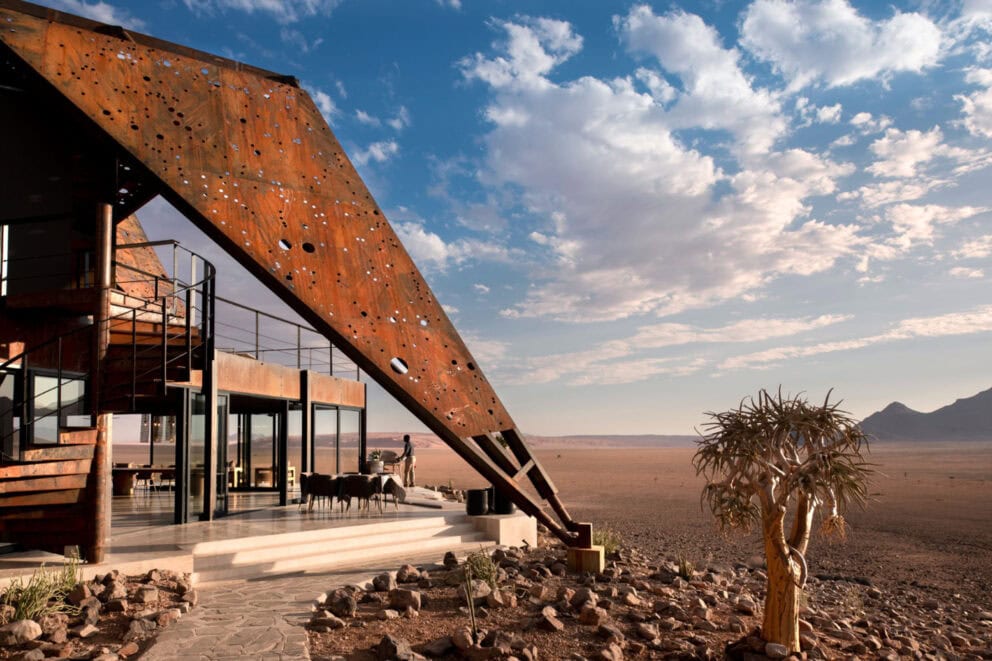
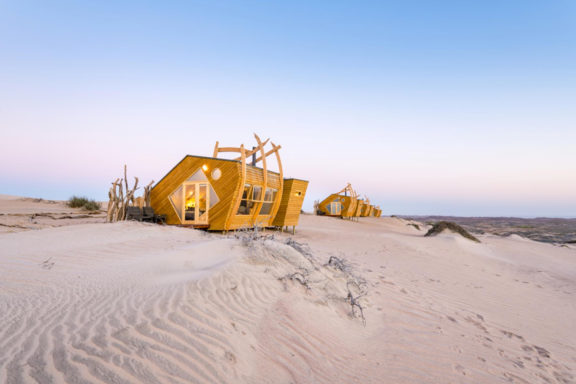
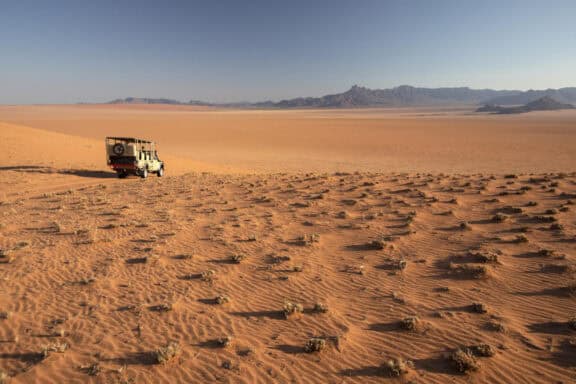
AndBeyond Sossusvlei Desert Lodge has just ten stone and glass suites along the escarpment of the NamibRand Nature Reserve, which borders one of the world’s few certified International Dark Sky Reserves.
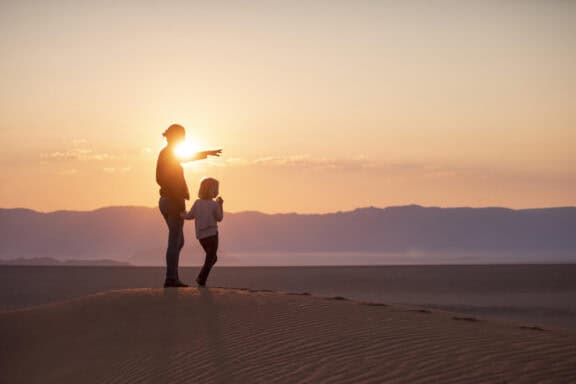
Days here are long and unhurried: the creak of the desert, the light crossing the dunes from amber to rust to near-purple, the complete absence of anything requiring your attention. Nights are extraordinary. This is quiet luxury travel at its most elemental: very few guests, no crowding, and so much uninterrupted space that you slowly, quietly, start to hear yourself think again.
The Sleepout: Possibly the Best Night’s Sleep You’ll Have All Year
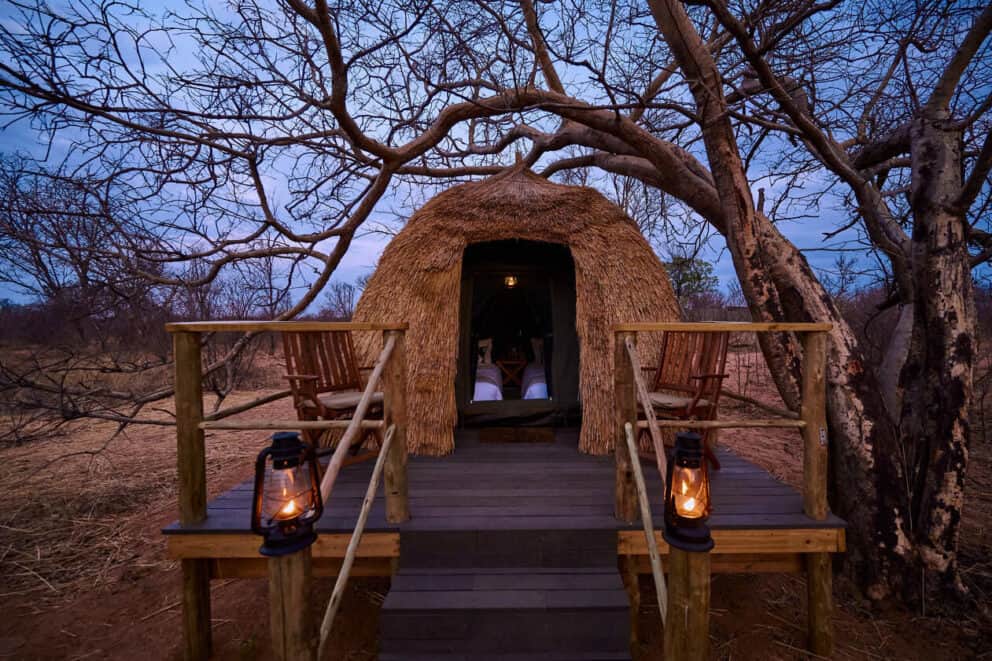
If there’s one experience that distils everything a quietcation is, it’s sleeping outside in the African bush.
Not in a tent. Outside. Under the sky.
The sounds of the African night don’t frighten you; they ground you. The distant whoop of a hyena. The deep booming call of a Pel’s fishing owl. The rustling, low-stakes commentary of the bush doing what it does after dark. Your nervous system, which has been running a low-grade emergency for months, recognises something ancient and safe in it. You don’t fall asleep by forcing it. You fall asleep because your body, for the first time in a long time, lets go.
Several lodges offer this as a core experience. Tsodilo Hills, as above, takes the concept furthest. In Botswana‘s most remote concessions, starbed experiences, where the bed sits open beneath the sky, have become the most talked-about night of any safari itinerary.
There’s something about waking up at 4 am in the African bush, looking up at a sky you’d genuinely forgotten existed, and realising you have absolutely nowhere to be. That, more than anything, is what a quietcation actually feels like.
What to Look For in a Lodge
Not every lodge is built for slow travel. A few things worth having on your list:
Fewer suites: A camp with five to 12 rooms feels entirely different to a larger property. Your guide knows your name before you arrive. Meals are unhurried. Nothing about it feels like a resort.
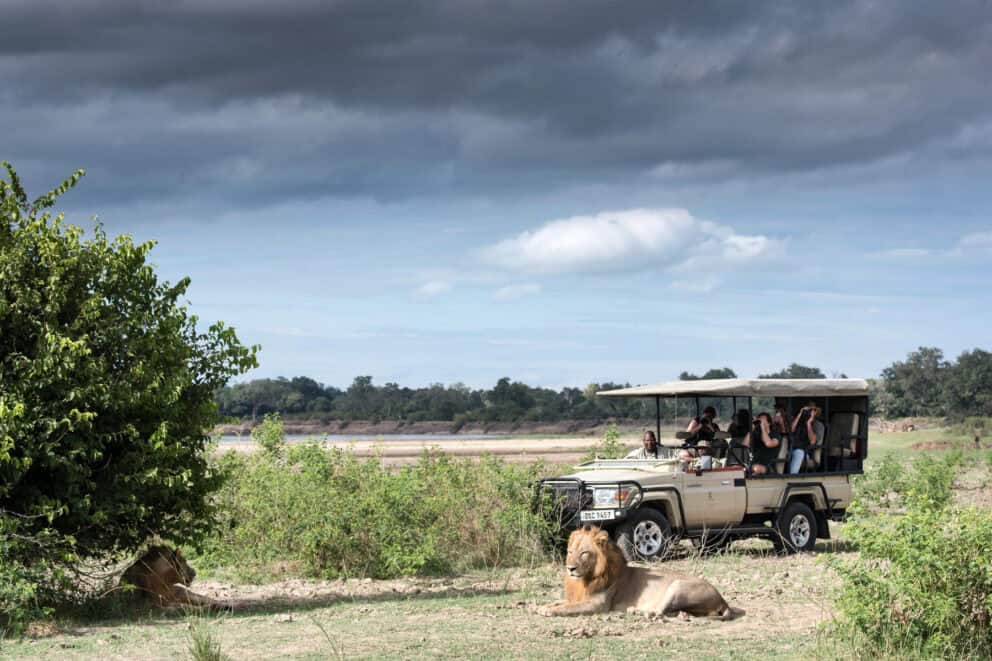
Electric vehicles and boats: The difference between a diesel game drive and a solar-powered e-Cruiser is the difference between watching wildlife and being inside the landscape with it. When the vehicle is quiet, everything else becomes audible.
Walking safaris as the primary activity: Being on foot in the bush demands complete attention and rewards it with a quality of presence most people haven’t felt in years.
Genuine remoteness: Fly-in camps, private concessions, and off-grid properties put physical distance between you and the noise of your ordinary life. The quiet starts in the light aircraft, and it doesn’t lift until you choose to let it.
No pressure on your time: The right lodge treats a full afternoon on your deck as a completely valid itinerary.
The Thing Worth Saying About Quiet Luxury Travel
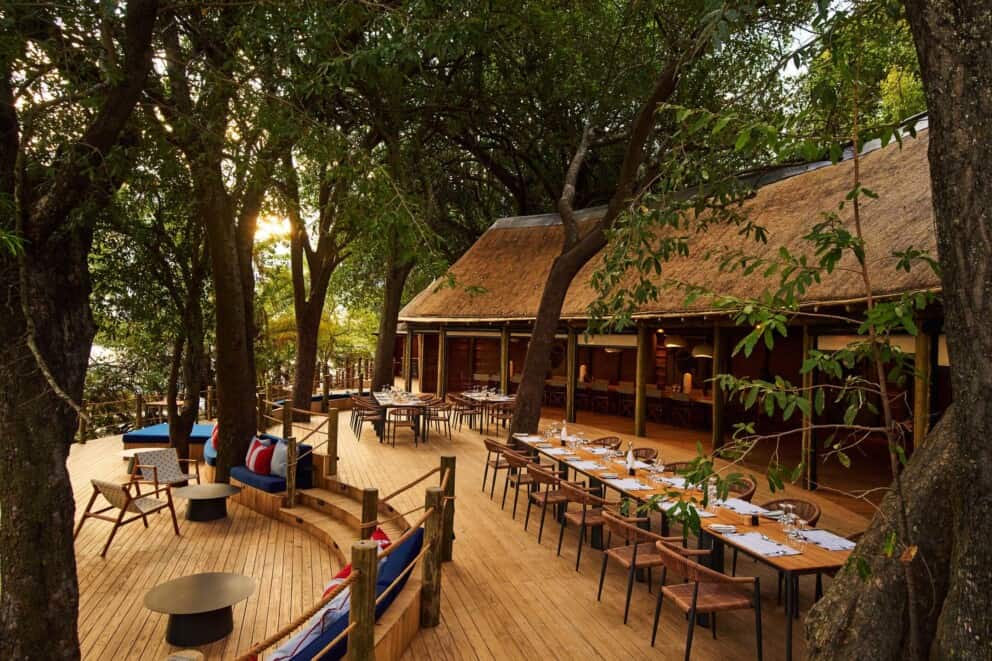
A quietcation isn’t about withdrawing from the world. It’s about returning to yourself.
Africa’s best bush lodges understood this long before the term “quietcation” existed. They were built around small guest numbers, exceptional guiding, and the belief that the most genuinely luxurious thing you can give someone is uninterrupted space to breathe. That philosophy hasn’t changed. It just turns out the rest of the world has finally caught up.
You’ve Read This Far for a Reason
The people who feel the deepest pull toward a quietcation are usually the ones whose nervous systems are begging for a true pause. If you’ve read this to the end, you probably already know that you’re one of them.
Unsure where to start or which destination fits what you’re actually craving? That’s a conversation we’d genuinely enjoy having. We’re based here in Africa; we’ve walked these paths and slept under these skies ourselves.
Written by Yamkela Welaphi
• Travel Writer
Discover the African Journey that’s Right for You
 Blog List























Written by Yamkela Welaphi
• Travel Writer
Part of the Southern Africa Safari & East Africa Safari Collections