

 Email us








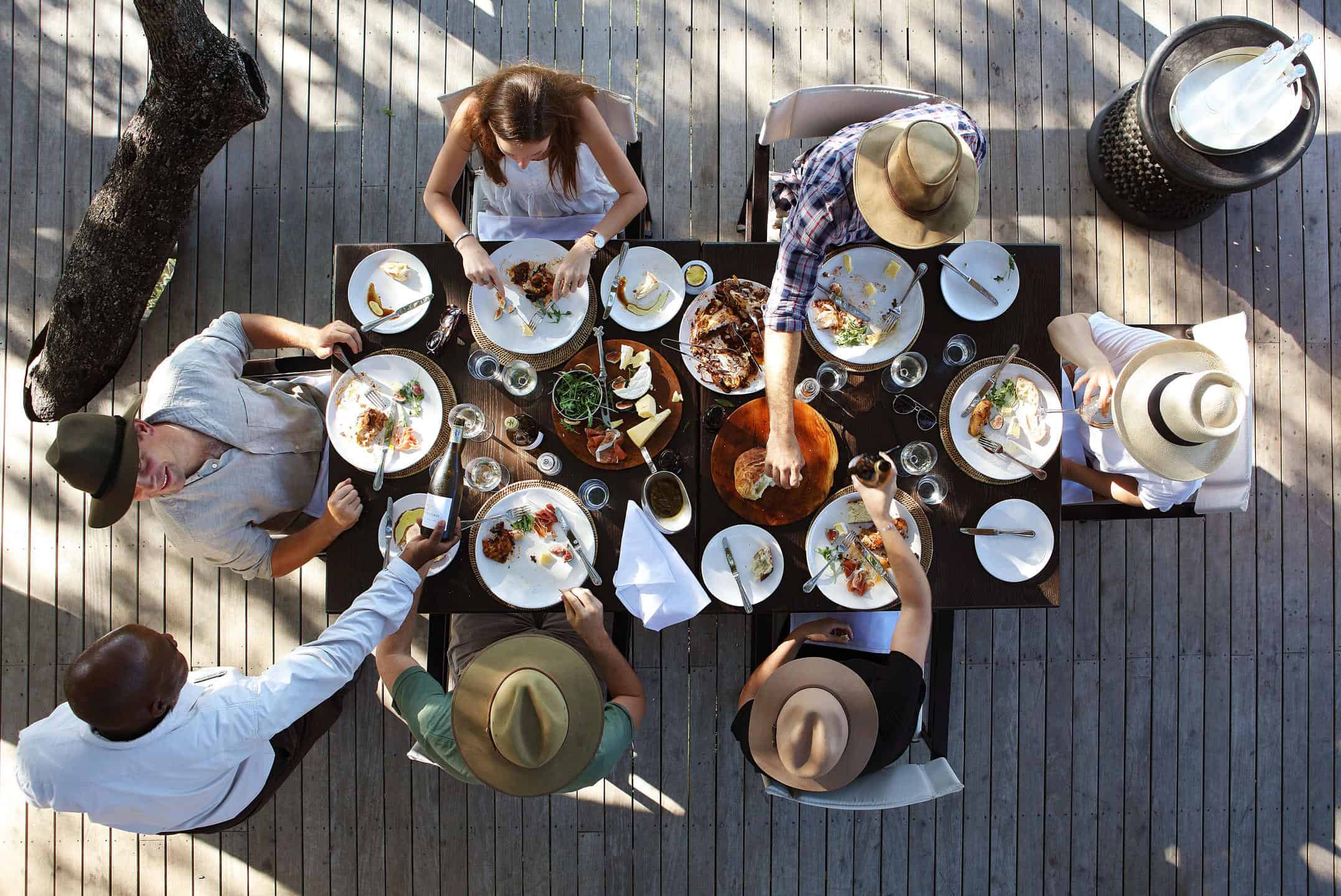
A gourmet safari is not just defined by what appears on the plate but also by how naturally food belongs to its setting.
Across Africa’s leading safari regions, dining is no longer a separate offering; it sits within the experience itself. A culinary journey becomes part of how a lodge is understood – from early returns after time in the field to evenings where firelight, wine, and still air bring the day to a close.
For travellers researching the best African safari lodges for foodies, the decision rarely centres on menus alone. It centres on how each lodge treats food as part of its identity.
On gourmet safaris, it’s not the complexity of the meal that defines it, but the balance between simplicity, setting, and timing. A picnic in the wilderness as the sun sets. An unexpected pairing. Ingredients you’ve never tasted before.
What Defines a Gourmet Safari Experience in Africa?
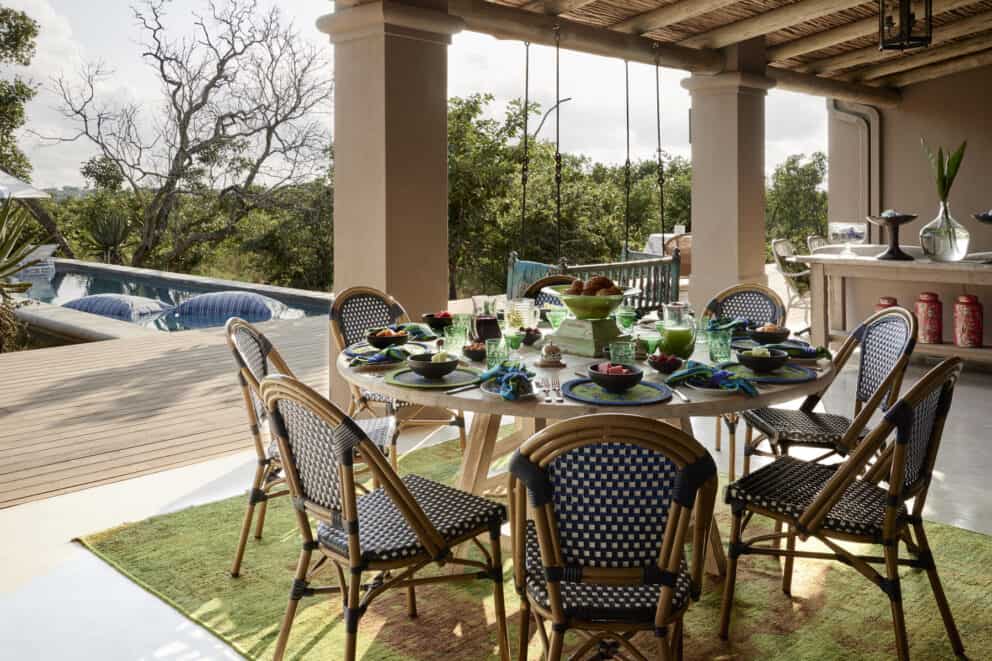
A gourmet safari lodge’s dining experience is built on restraint, timing, and place rather than just display.
Across different regions, the strongest culinary programmes share a similar approach, even when expression differs from lodge to lodge.
Core Elements of a Gourmet Safari
- Seasonal ingredients sourced close to each lodge
- Fire-based cooking and open-air dining settings
- Wine selections from regional estates
- Private dining positioned within natural surroundings
- Chef-led menus guided by guest preference
In South Africa, this often takes the form of structured wine cellars and refined tasting menus. In Tanzania, it may lean more toward open-air dining setups that reflect the scale of the landscape. In both cases, the intention remains the same: food is designed to complement the safari experience.
A culinary safari focuses on clarity rather than complexity. Each dish reflects where it’s prepared, with minimal separation between kitchen and environment.
4 Gourmet Safari Lodges in South Africa
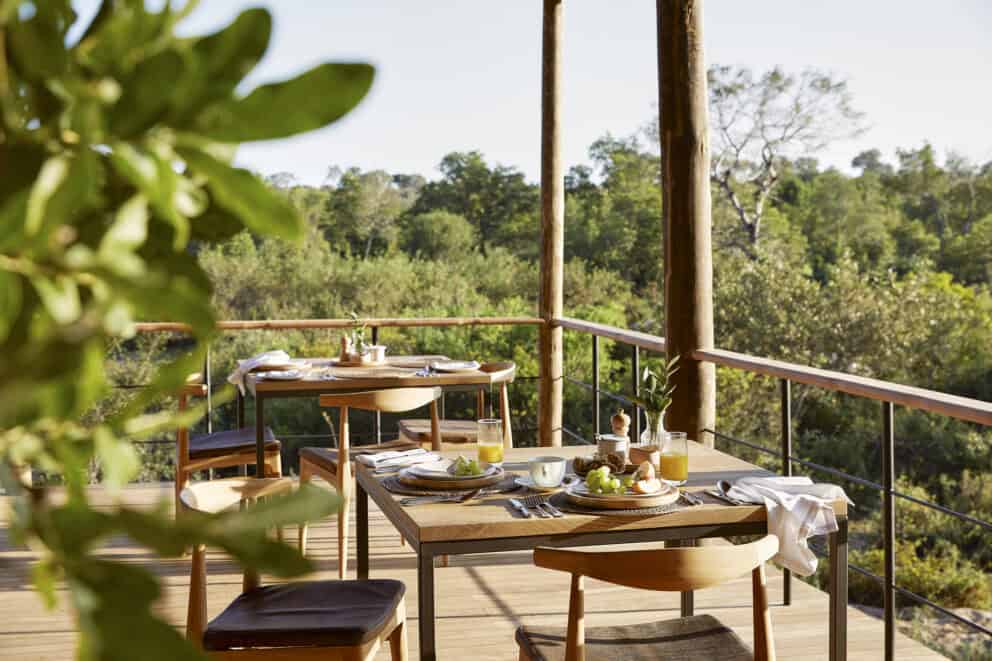
South Africa offers some of the most established luxury safari lodges with gourmet dining experiences, where cuisine is central to the stay rather than a supporting feature.
The region is particularly strong for travellers who value consistency, wine culture, and chef-driven refinement.
1. Singita Sabi Sand and Singita Lebombo, Greater Kruger
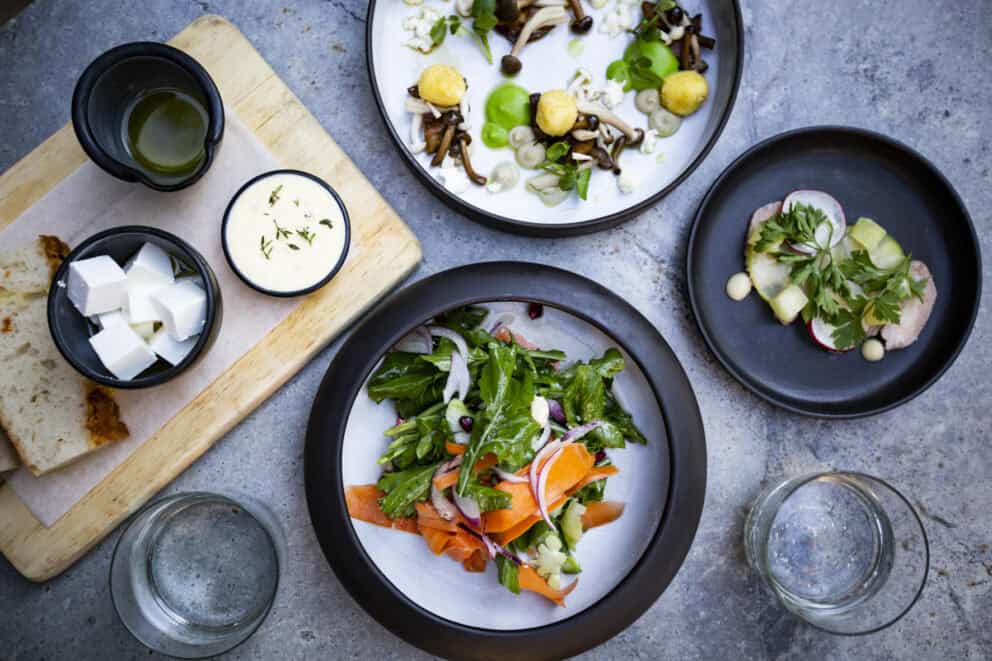
At Singita, a gourmet safari follows the movement of the day.
Breakfast often follows early drives and is served as the landscape settles into morning light. Evenings move into wine-led dining supported by an extensive cellar featuring both South African estates and international selections.
Across both Sabi Sand and Lebombo, dining is closely connected to the landscape. At times, meals are positioned outdoors, ensuring the environment interacts with the table rather than competing with it.
Personalised wine tastings add another layer to the experience, offering guests the opportunity to explore rare vintages and regional producers in a more intimate setting.
This reflects luxury safari lodges’ all-inclusive gourmet dining, where food, wine, and place function as a connected experience rather than separate elements.
2. Royal Malewane, Thornybush
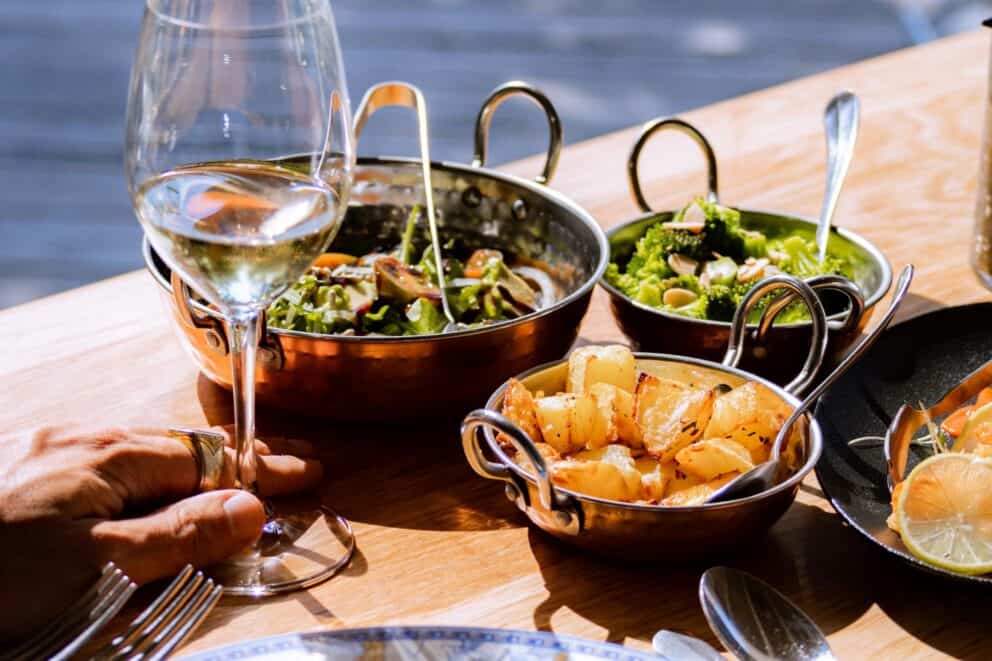
Royal Malewane’s collection of luxury safari lodges and private villas, including Malewane Lodge, Waterside, Farmstead, and Africa House, allows for a highly personalised approach to dining.
Chef-led preparation allows meals to adjust directly to guest preference, creating a dining style that feels responsive rather than fixed.
Bush dinners add another layer to the experience, with tables set beneath open skies and meals served by firelight in the middle of the surrounding bushveld. The setting feels intimate rather than theatrical, allowing food, atmosphere, and environment to work naturally together.
This is one of the clearest examples of chef-run gourmet experiences at a safari lodge, where culinary service becomes highly individual without losing structure. It also places Royal Malewane firmly among the best foodie lodges in South Africa, particularly for travellers who prioritise privacy and tailored dining in a safari setting.
3. Tswalu Kalahari Reserve, Southern Kalahari
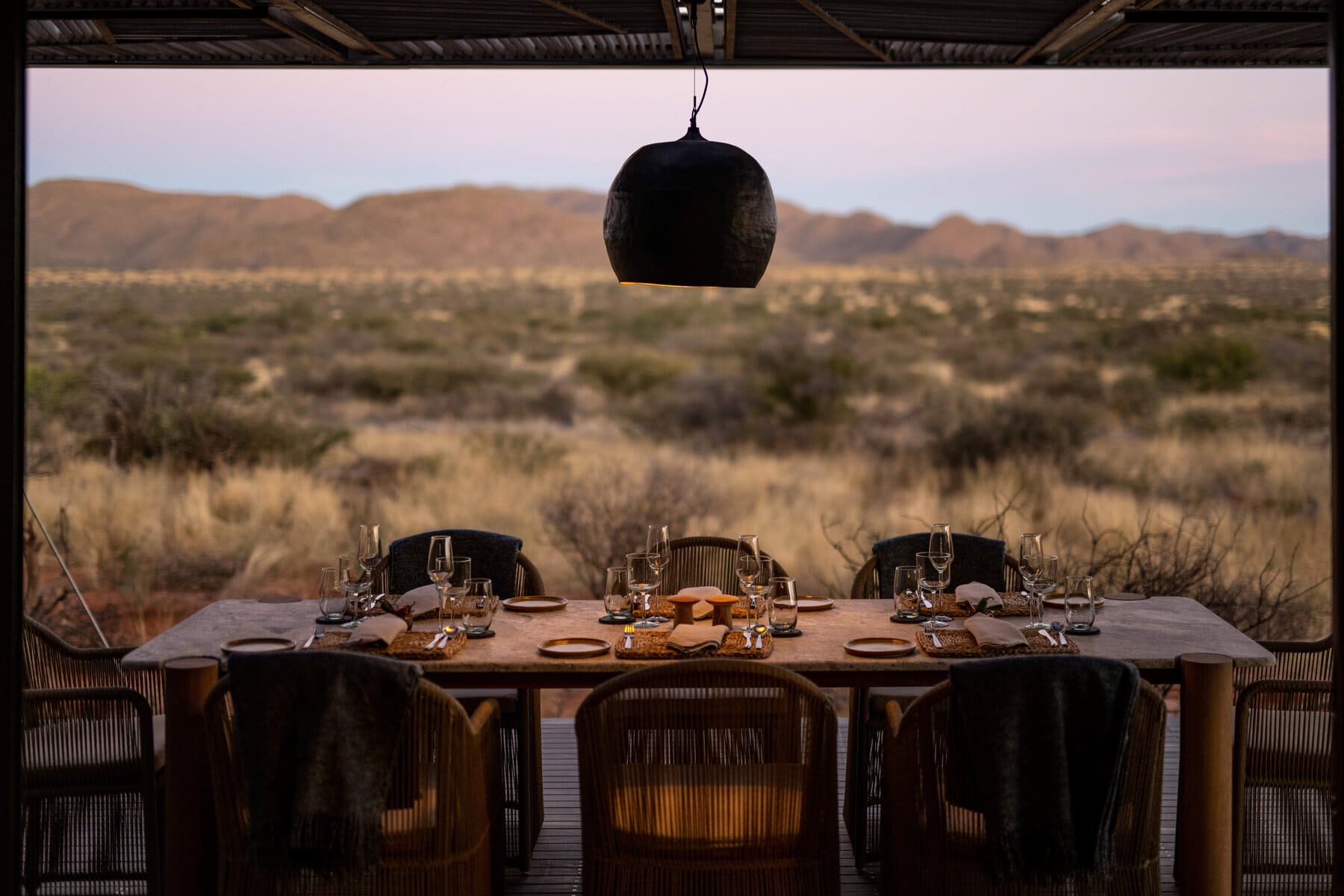
Tswalu presents a more elemental interpretation of a gourmet safari.
Cooking is guided by fire, season, and ingredient origin. Many elements are sourced directly from the lodge garden or nearby environment, reinforcing a close relationship between kitchen and landscape.
Dining here is intentionally restrained, focusing on flavour clarity rather than layered presentation or complex plating.
At Klein JAN, the restaurant led by South Africa’s first Michelin-starred chef, Jan Hendrik van der Westhuizen, luxury safari gourmet dining centres on ingredient integrity and a strong sense of place. The experience draws subtle influence from his acclaimed restaurant in France while remaining deeply connected to the Kalahari environment.
Rather than relying on excess, the focus stays on precision, atmosphere, and the quality of each ingredient served.
4. Londolozi, Sabi Sand
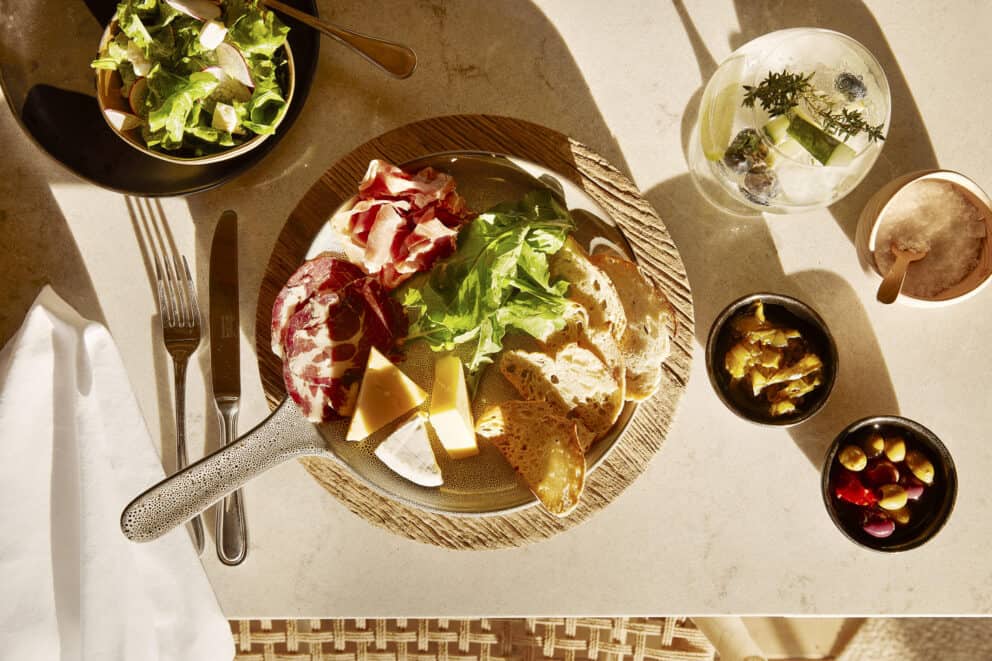
The gourmet safari experience at Londolozi is a relaxed affair – one where dining feels natural rather than overly arranged.
Meals are often served beneath lantern-lit trees or beside the river, with fire-led cooking and seasonal ingredients bringing warmth to the experience without unnecessary formality. Evenings around the boma feel especially memorable, as everything feels comfortably connected to the surroundings.
There is an ease to dining here. Long lunches drift gently into the late afternoon, while dinners become quieter conversations beneath open skies. Meals are often created from Varty family recipes that have been passed down through generations; the Varty family have owned Londolozi for a century.
Londolozi balances strong cuisine with thoughtful settings and a style of hospitality that feels personal without ever becoming performative.
3 Gourmet Safari Lodges in Tanzania
Tanzania introduces scale and openness into the gourmet dining experience, where setting strongly influences dining style.
1. Singita Sasakwa Lodge, Grumeti
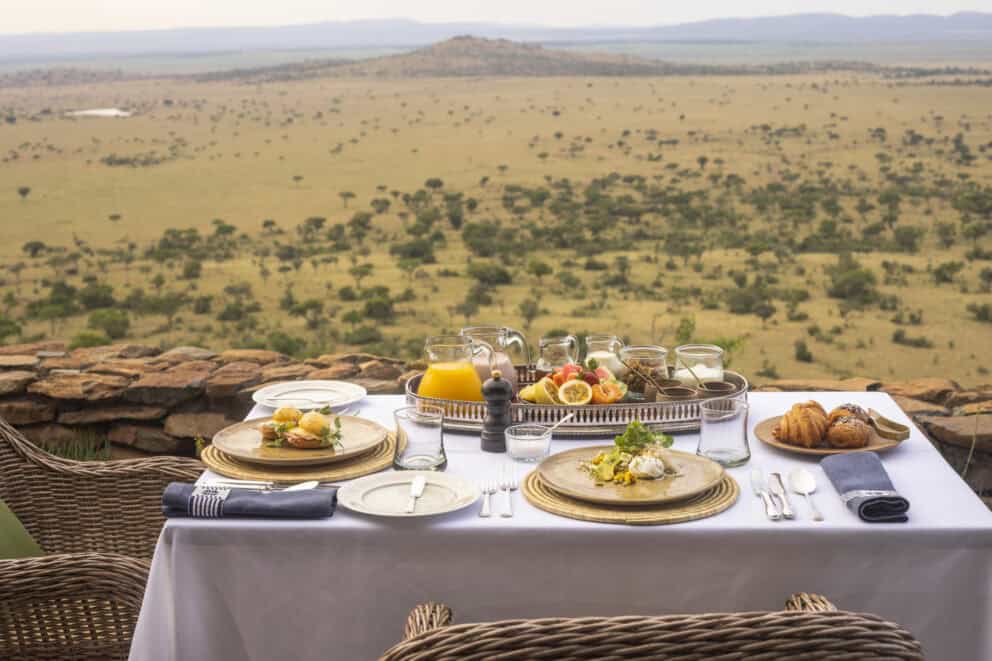
Space, privacy, and an acute attention to setting define the culinary approach at Singita Sasakwa Lodge.
Meals move between candlelit dinners on the veranda, long lunches overlooking the plains, and bush breakfasts set out after early drives. Menus adjust across the stay, with outdoor dining often arranged around weather, timing, and guest preference rather than a fixed routine.
Wine remains central to the experience, with access to Singita’s extensive cellar and personalised tastings that bring added depth to evening dining. A four-course food and wine pairing, enjoyed as the evening settles over the Serengeti plains, becomes as vivid a memory as the wildlife encounters themselves.
At Sasakwa, food never feels separated from where it is served. The setting remains part of the meal from beginning to end.
2. Chem Chem Lodge, Burunge Wildlife Management Area
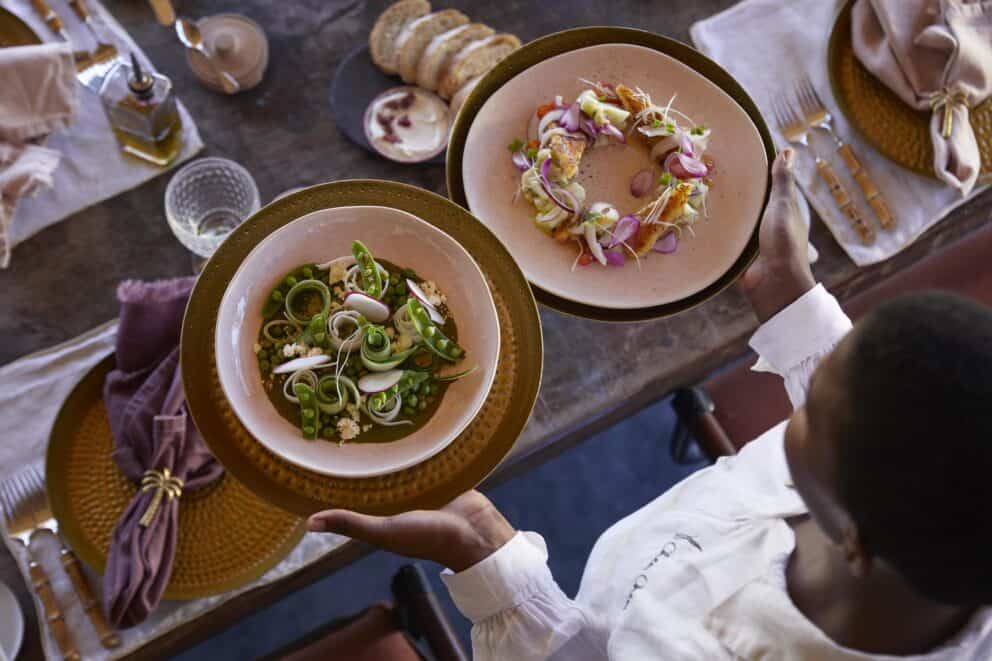
Chem Chem offers a slower, more intimate interpretation of a gourmet safari, where dining often takes place in open-air settings connected closely to the surrounding landscape.
Meals focus on seasonal East African ingredients, with menus guided by freshness and simplicity rather than excessive presentation. Private dining experiences, lantern-lit dinners, and outdoor lunches create a culinary atmosphere that feels personal without becoming overly formal.
Wild Dining at Chem Chem allows you to venture deep into nature for a multi-course meal. Hear the African wilderness around you as seasonal lunch is prepared or the fire is crackling beneath your cooking dinner. No electricity, no WiFi – just full immersion into the experience.
3. &Beyond Grumeti Serengeti River Lodge, Western Serengeti
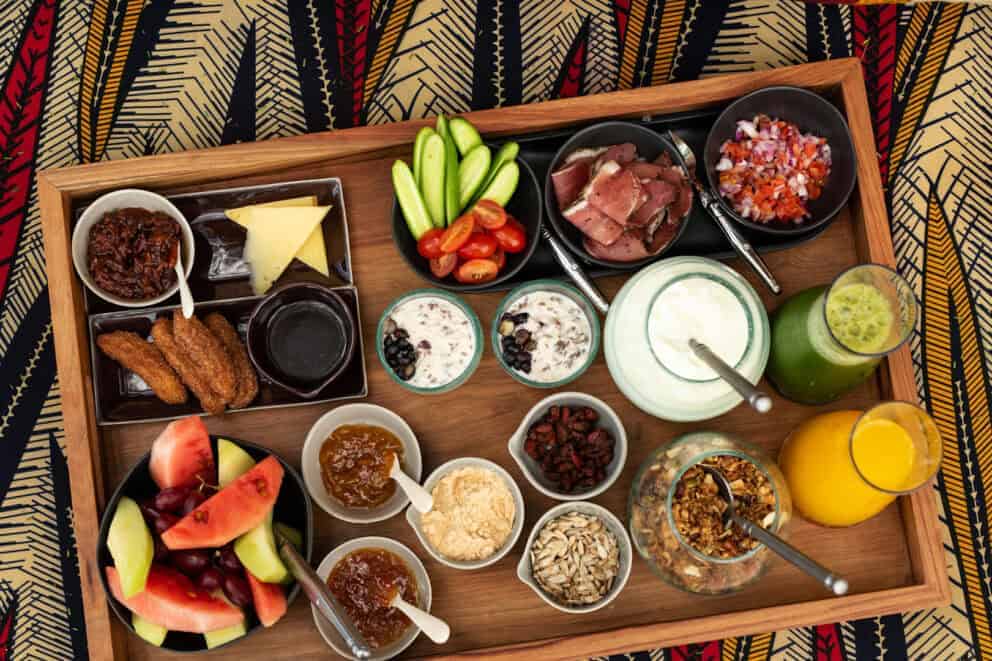
&Beyond Grumeti Serengeti River Lodge treats dining as an interactive, sensory extension of its remote riverside setting.
Positioned along a wild tributary where resident hippos provide a constant acoustic backdrop, the lodge centres its culinary experience around an open, interactive kitchen. Here, the boundaries between chef and guest disappear, inviting travellers to co-create their meals.
Evenings are anchored by the traditional boma, where firelight meets a distinctly regional menu. Alongside artisanal pizzas cooked in wood-fired ovens, the kitchen serves whole baked fish sourced from nearby lakes, offering a rustic yet highly refined taste of the landscape.
A gourmet safari at Grumeti moves beyond the passive waiting of traditional luxury dining; it relies on participation, flame, and the natural rhythm of the water passing just a few feet away.
Culinary Safari Experiences Beyond the Dining Room
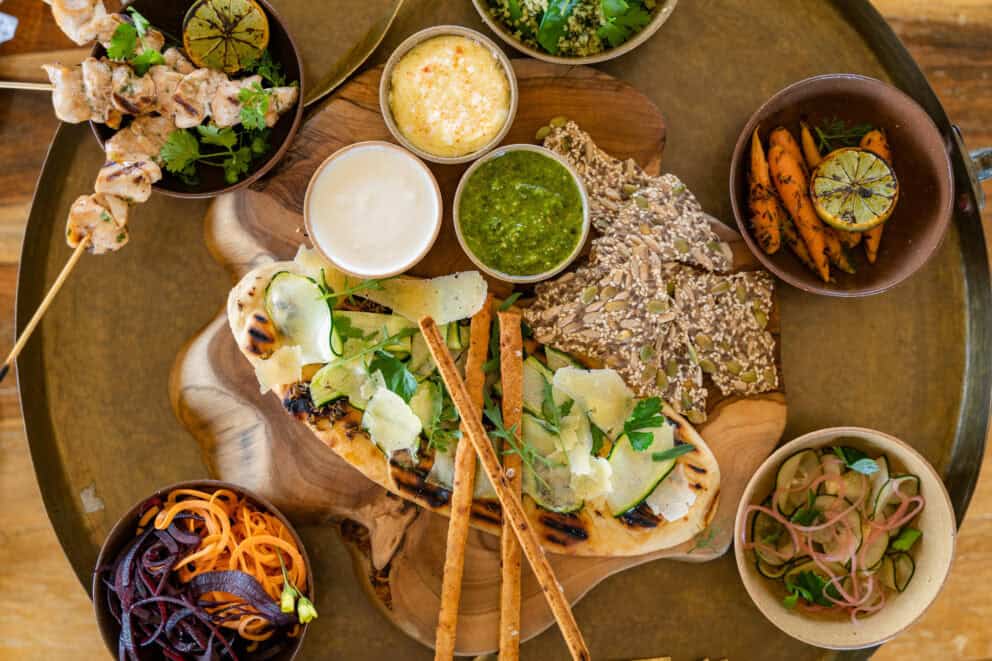
A culinary safari extends beyond structured meals into how each day is experienced across different settings.
The strongest lodge programmes integrate food into daily movement without separating it from the environment or activity.
Gourmet Safari Experiences Can Include:
- Bush breakfasts after early game drives
- Fire-led boma dining under open skies
- Wine tastings focused on regional vineyards
- Chef-led garden visits exploring seasonal produce
- Private dining setups in remote locations
These experiences reflect growing demand for customisable luxury safaris with culinary and wine experiences, where food responds to place rather than schedule.
Across South Africa and Tanzania, these moments often become one of the most memorable parts of a stay, not because they’re elaborate, but because they are precisely placed.
Why Gourmet Safari Lodges Stand Apart
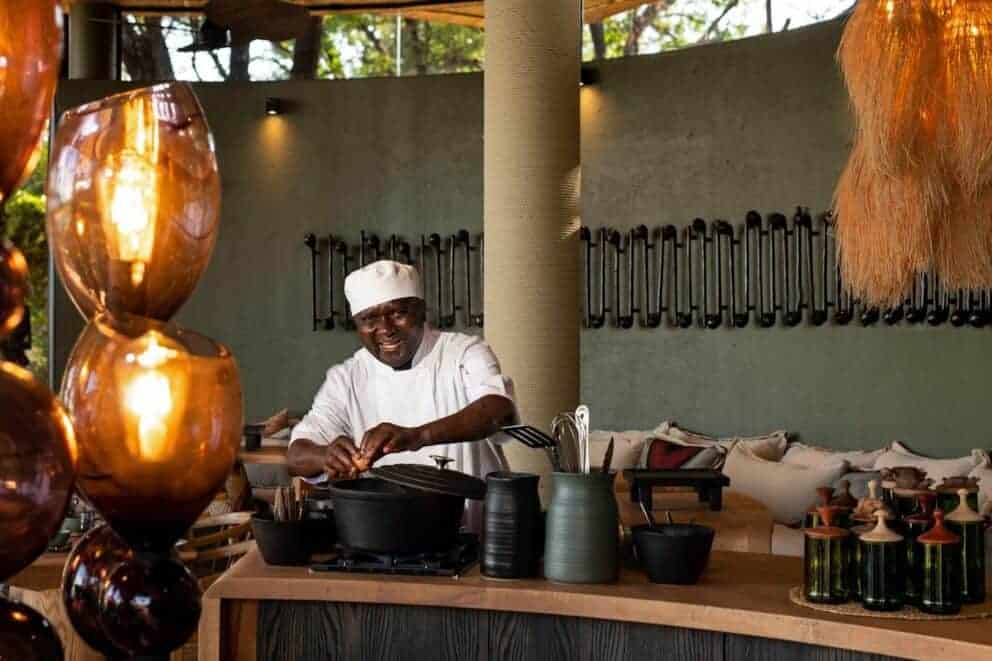
Food isn’t positioned as performance – it’s positioned as part of the place.
Menus reflect the season. Chefs respond to availability. Wine programmes reflect regions. Dining reflects the environment.
This is what separates a culinary safari from standard luxury dining in remote settings.
The strongest lodges understand that food does not need to dominate attention to be meaningful. It only needs to belong where it is served.
Where a Gourmet Safari Remains Present in Memory
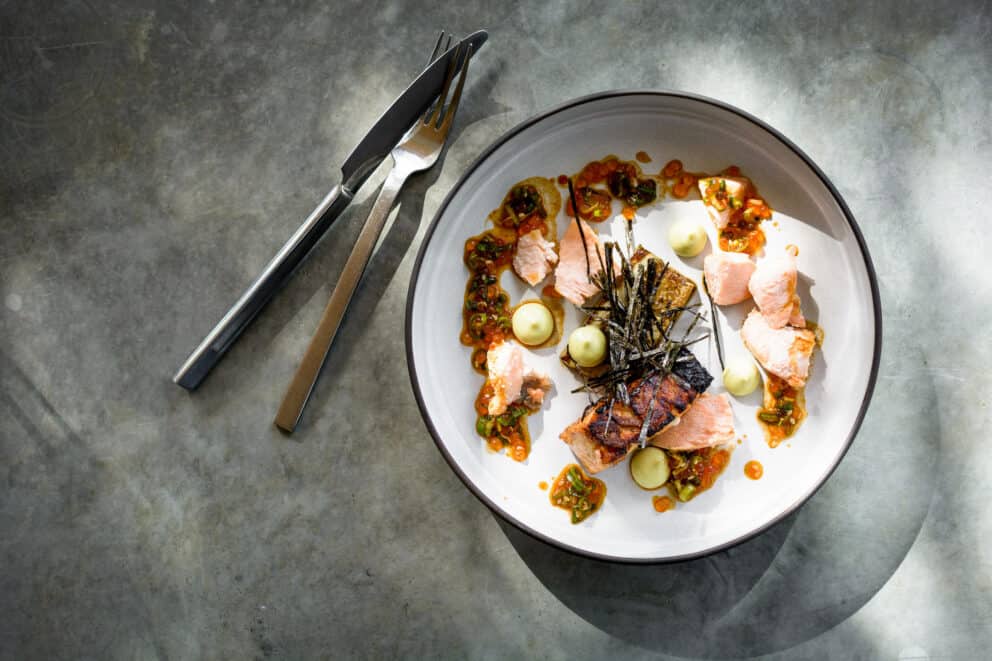
A gourmet safari is rarely recalled as a full sequence. It returns in fragments.
Unique pairings beside open land. A table placed with natural alignment to its surroundings. A meal that reflects its environment.
Across South Africa and Tanzania, each lodge expresses this philosophy in its own way – from the curated wine cellars of Singita and Royal Malewane to the elemental fire of Tswalu, Chem Chem, and &Beyond Grumeti.
If one of these places remains present after reading, we at Discover Africa can help create an itinerary that perfectly reflects your safari dreams.
When you are ready to look closer, we are here.

Written by Yamkela Welaphi
• Travel Writer
Discover the African Journey that’s Right for You
 Blog List




























Written by Yamkela Welaphi
• Travel Writer
Part of the South Africa Safari & Tanzania Safari Collections