

 Email us




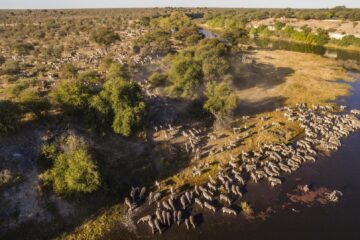
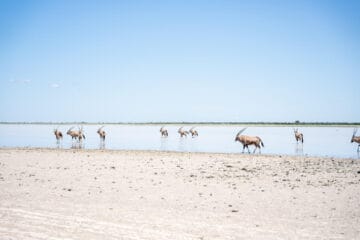

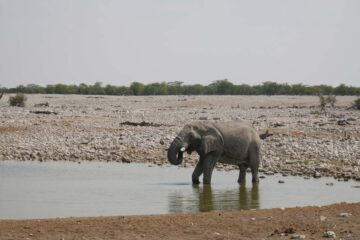
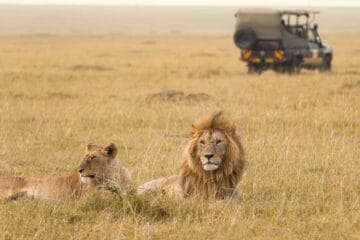
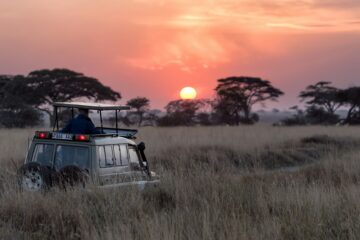
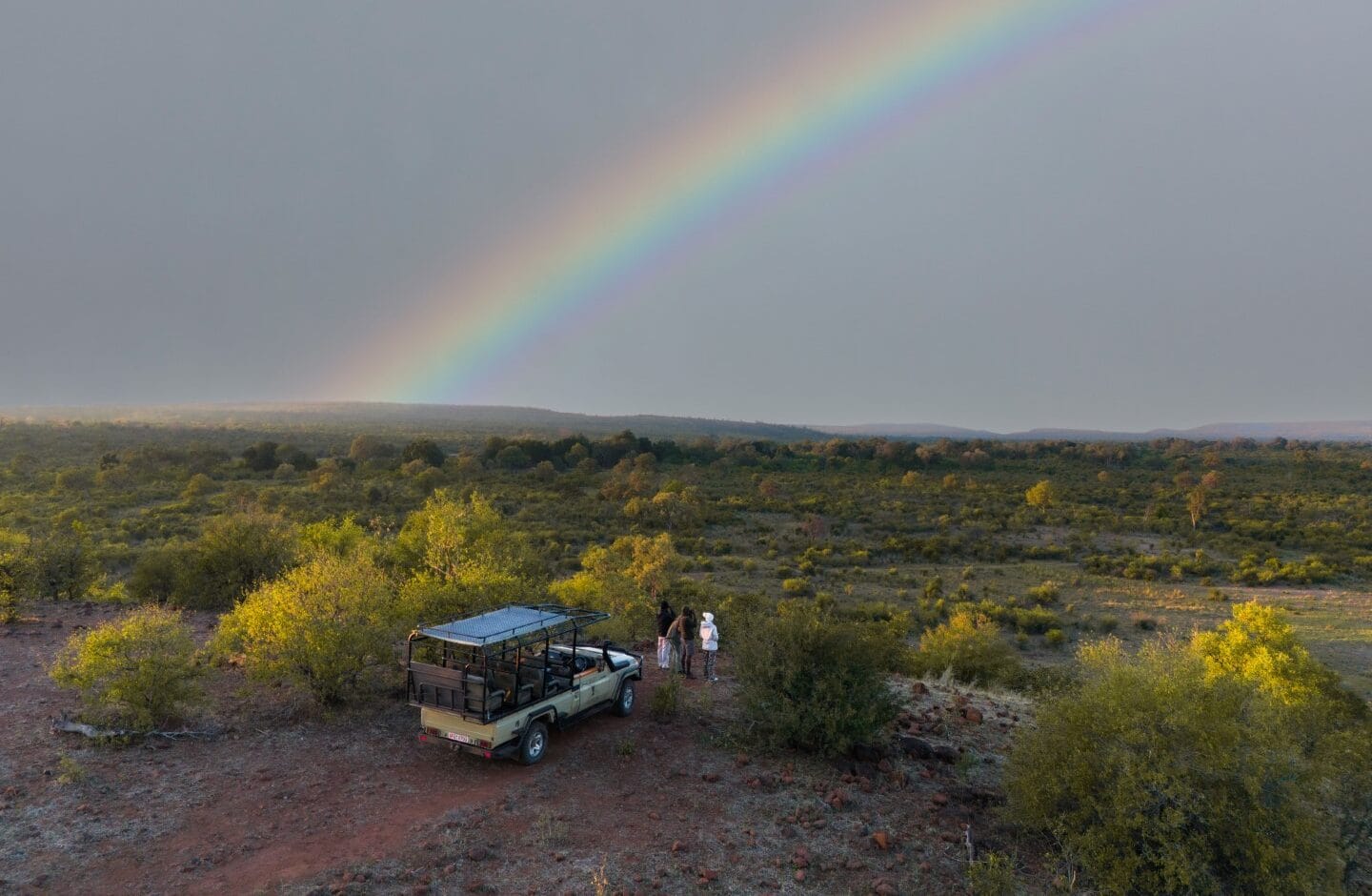
You have two weeks, maybe a little more. You know you want Botswana. Zimbabwe is on the list too. The question is whether trying to fit both into one trip will make the whole thing feel rushed.
It doesn’t have to. A Botswana and Zimbabwe safari works because the two countries give you very different ways to experience southern Africa. Botswana can take you onto the water in the Okavango Delta and into private concessions. Zimbabwe can put you on foot in Hwange, out on a game drive or beside the Zambezi at Victoria Falls.
The trick isn’t seeing everything. It’s choosing the right places, giving each enough time and letting the two countries do what they do best.
Start With Botswana and Water
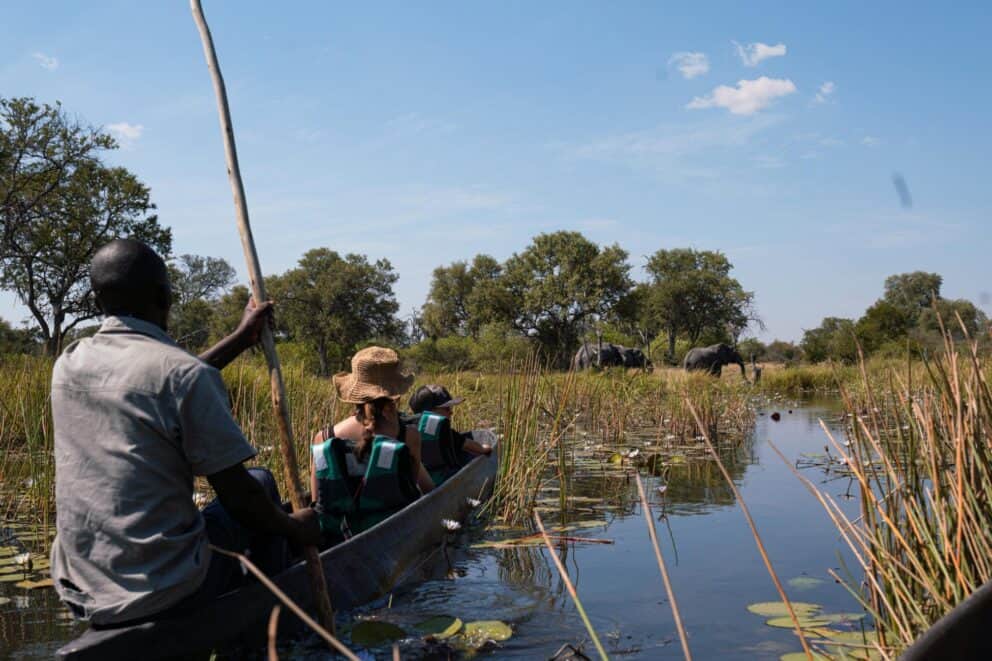
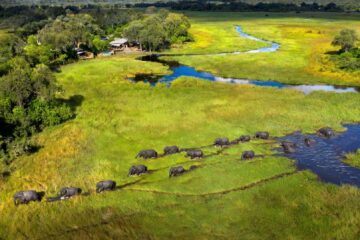
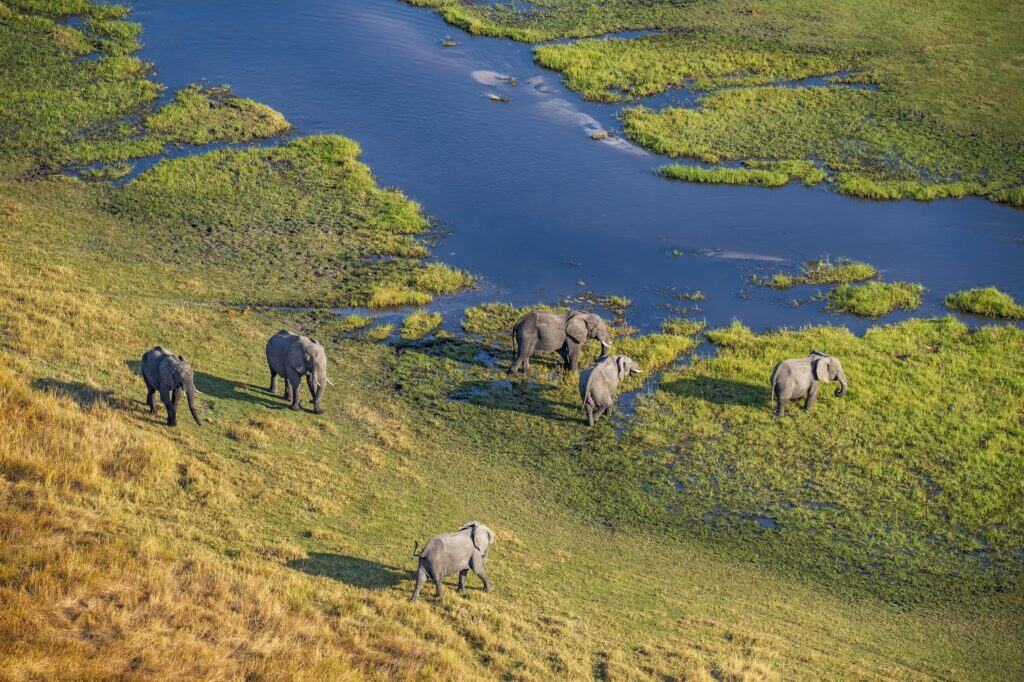
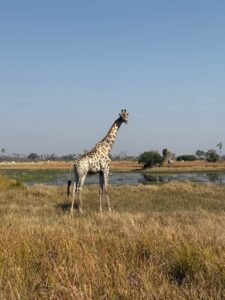
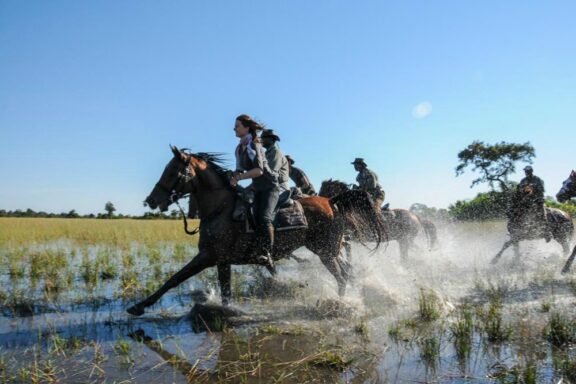
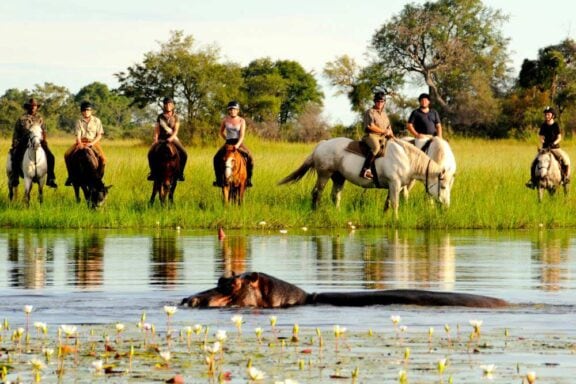
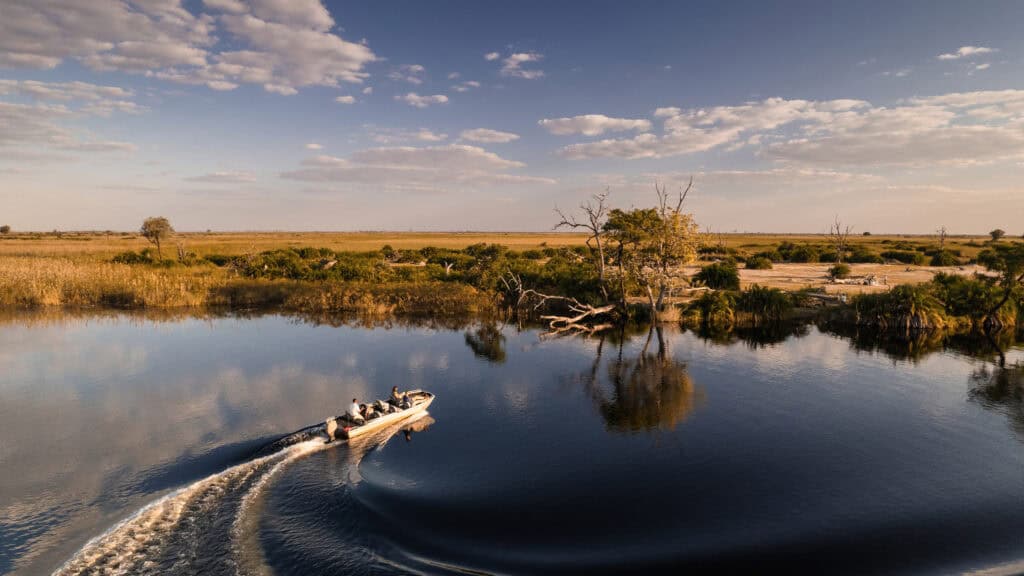
There’s a good reason to begin here. After a light aircraft flight over the Delta, you might arrive at a small camp and find that your day has become pleasingly simple. A morning game drive. A mokoro excursion, if water levels and the area allow it. Lunch back at camp. Another drive later, or perhaps nowhere you need to be at all.
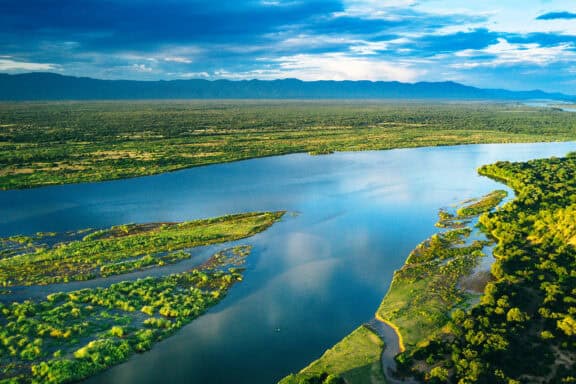
The Okavango Delta floods on its own schedule. Its annual floodwaters come from rainfall in the Angolan highlands, reaching Botswana months later, so the amount of water varies between areas and from season to season. If a mokoro is one of the reasons you want to visit Botswana, that’s worth discussing when you plan your trip. We can look at your dates and the particular area of the Delta rather than treating every Okavango safari as though it offers exactly the same water experience.
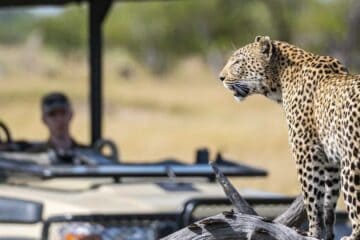
Then there’s the space. Botswana has a relatively low-volume tourism model, with many camps located in private concessions. That can mean fewer vehicles around wildlife sightings and the chance to spend your days without constantly checking the clock. You might head out early, come back for lunch, then decide whether you want another drive or an afternoon by the pool. Nobody’s keeping score.
That’s a good way to start a safari that’s about to change character entirely.
Where Zimbabwe Takes Over
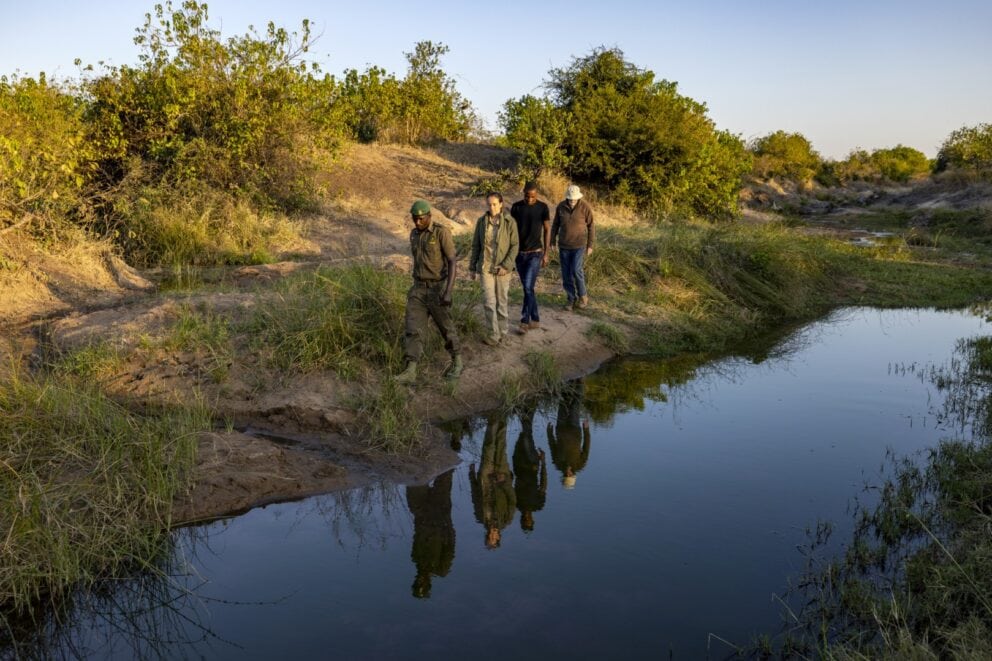
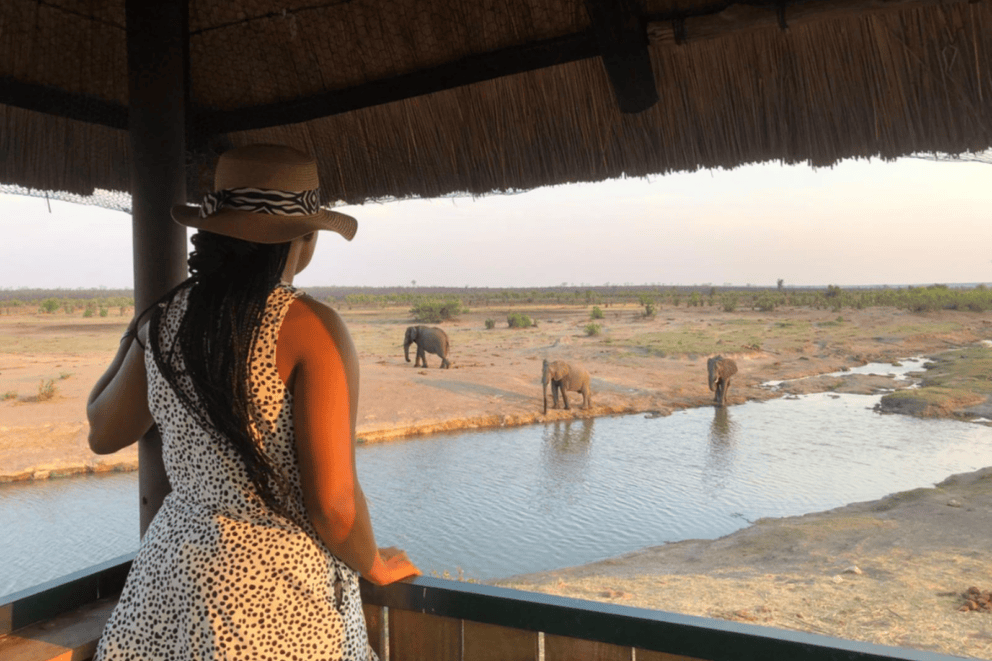
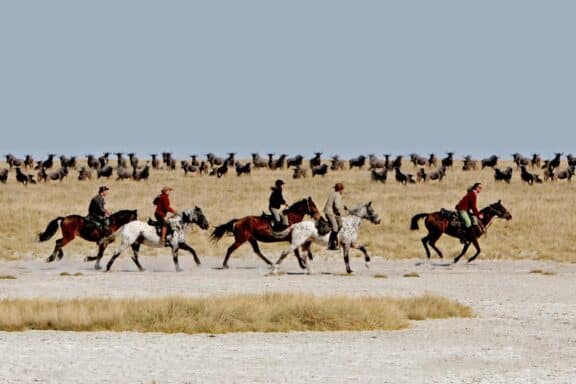
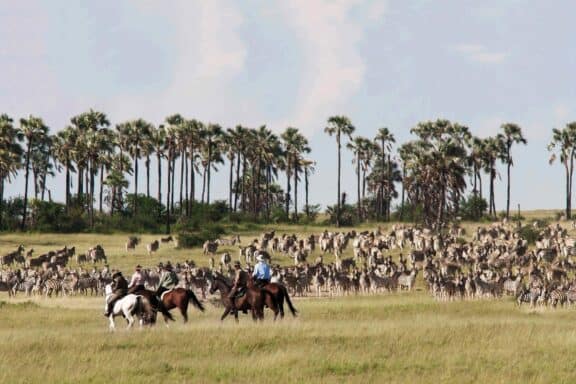
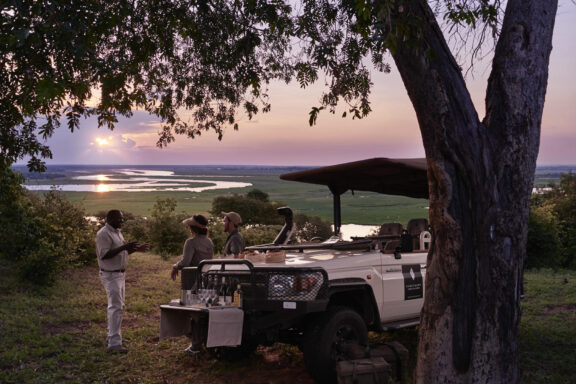
Zimbabwe gives you a different relationship with the bush. Hwange National Park is Zimbabwe’s largest wildlife reserve, with woodland, grassland, pans and waterholes spread across a huge area. During the dry season, reliable water sources become particularly important for wildlife, making them productive places for game viewing.
But if you want to get properly involved in your surroundings, walking is where Zimbabwe really comes into its own. Its professional guide training is properly rigorous, not marketing-rigorous. Guides sit a demanding written exam, then serve an apprenticeship of at least two years under a licensed Professional Guide; in practice, exam prep included, the whole process usually runs closer to four years before anyone’s allowed to walk you through lion country.
It’s one of the toughest guiding qualifications in Africa, and you feel the difference the moment you’re on foot rather than watching from a vehicle.
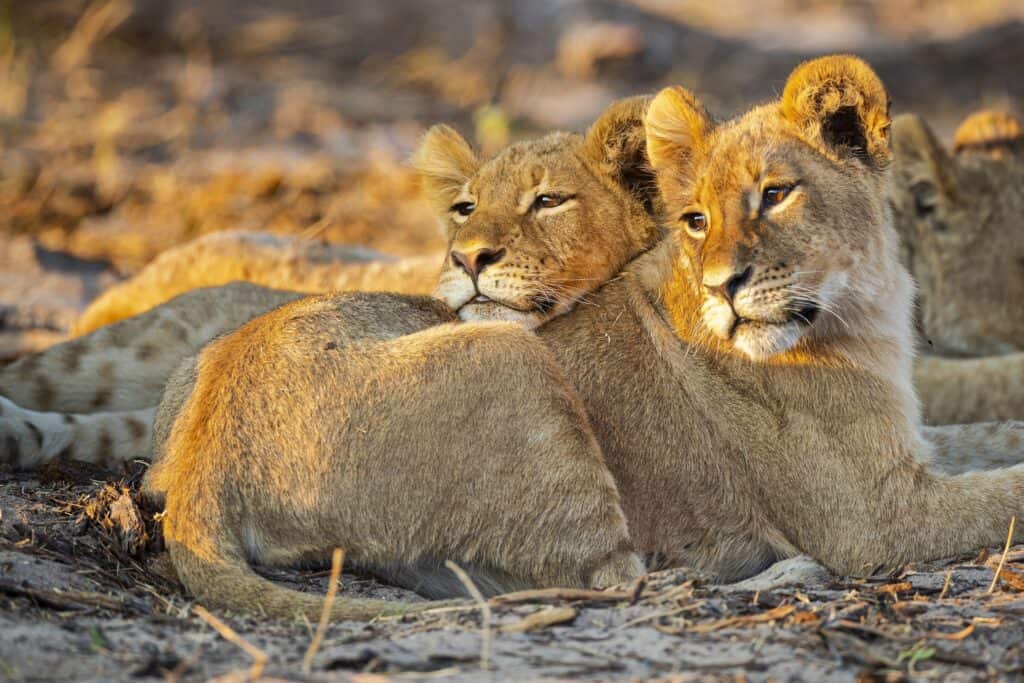
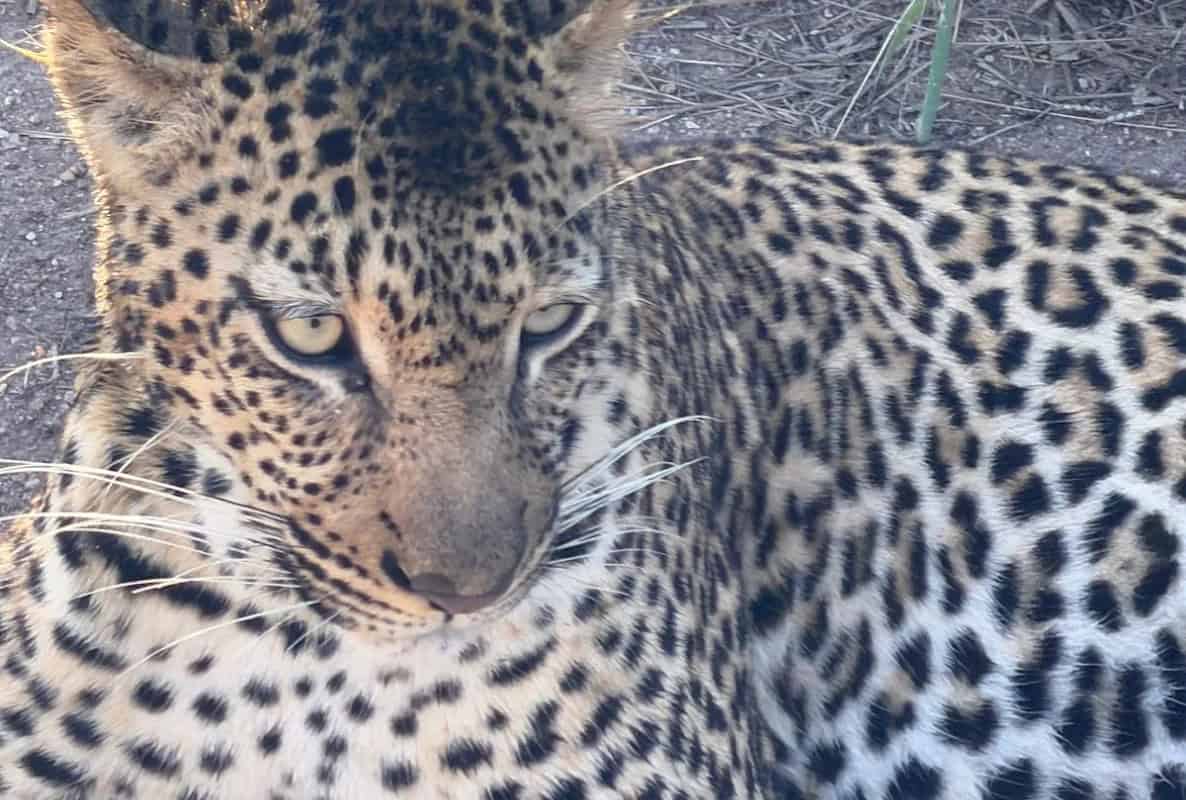
A track in the sand. A broken branch. The direction of the wind. The sudden alarm call of a bird. Your guide isn’t simply pointing out animals. They’re helping you understand what happened here before you arrived and what might happen next. You’re not just sitting back and watching the bush go by. For someone who wants to understand a place rather than simply photograph it, it adds another layer to the safari.
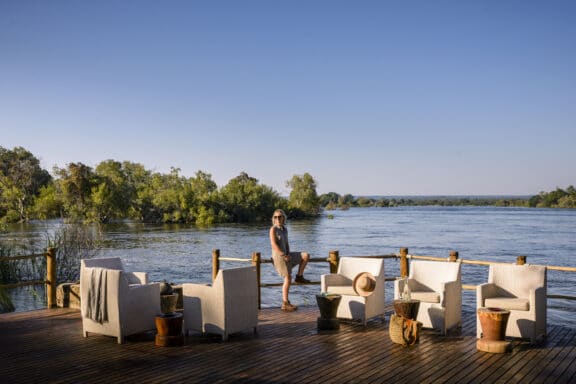
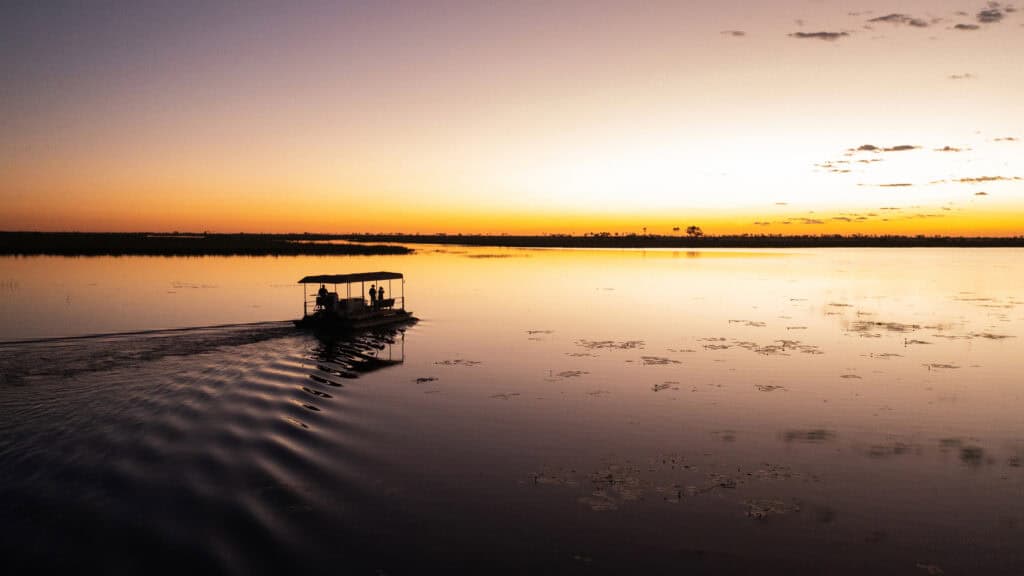
Victoria Falls is a different thing again. After several days in remote camps, the Falls changes the scale of the trip completely. You can walk through the rainforest beside them, take a sunset cruise on the Zambezi or choose one of the more adventurous activities on offer nearby. Or you can simply stand there and watch the Zambezi disappear over the edge.
How to Combine a Botswana and Zimbabwe Safari Without Losing a Day to Logistics
On a map, Botswana and Zimbabwe are neighbours, sharing a fence the way two very different next-door neighbours might. In practice, your itinerary may involve light aircraft, remote airstrips, road transfers and a border crossing. Add luggage allowances and changing flight schedules, and suddenly the simple line between two countries isn’t quite so simple.
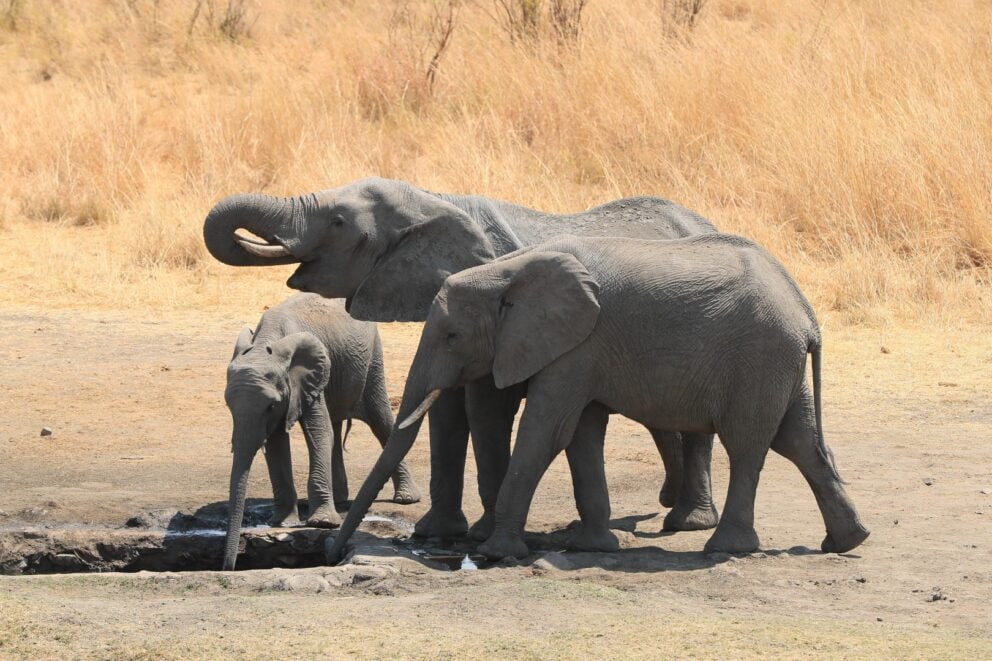
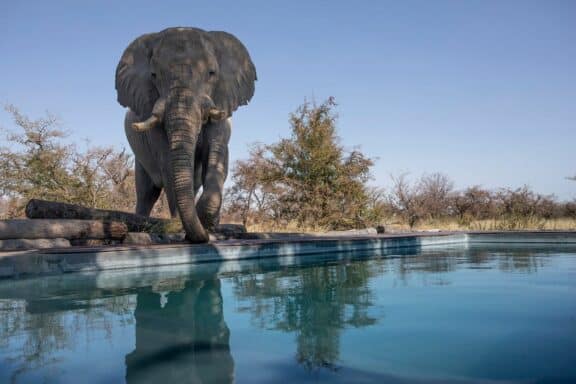
This is where planning the whole trip together makes sense. Entry requirements for Botswana and Zimbabwe depend on your nationality, and the rules aren’t identical. Rather than relying on a generic visa list, we can talk you through the requirements that apply to your passport as part of planning the itinerary. The elephants, it should be said, observe none of this; they wander across the border whenever they please, visa-free and entirely unbothered by immigration law.
The same applies to the route itself. You might fly from a remote Botswana camp towards Kasane before continuing overland to Victoria Falls. Or you may want to include Hwange between Botswana and the Falls.
Hideaways, one of our safari partners, has properties in both countries and currently offers routes that connect Botswana and Zimbabwe. Its portfolio includes Mankwe Tented Retreat, Camp Kuzuma and Mogotlho in Botswana, and Nantwich and Bumbusi in Zimbabwe. That doesn’t mean a Hideaways itinerary is the right answer for everyone. It does show what’s possible when the route is planned as one safari rather than two separate holidays.
We can coordinate the camps, flights and transfers around the experience you actually want, while taking care of the practical connections between them. You get to think about the next camp. We’ll worry about how you get there.
How Long Should You Spend in Each Country?
A week can work if you keep things focused. Botswana and Victoria Falls make a straightforward combination if you want to experience the Delta and finish beside the Zambezi without adding another safari area.
With 10 to 14 nights, you have more room to include Hwange and give each destination enough time to settle in. A starting point could be:
- Three nights in the Okavango Delta, with game drives and, where conditions allow, mokoro excursions.
- Three nights in another Botswana safari area, if you want to experience a different landscape or style of safari.
- Three nights in Hwange, with game drives and walking where offered by your camp.
- Two or three nights at Victoria Falls, giving you enough time to experience the Falls without turning them into a quick stop between flights.
Don’t treat that as a formula, though. If you’ve flown halfway around the world to stay at a small camp in the Okavango, we’d rather give you enough time to enjoy it than squeeze in another property because it happens to fit on the map. Two camps that complement one another can be far more interesting than four that don’t.
Choose Camps That Change What You Can Do
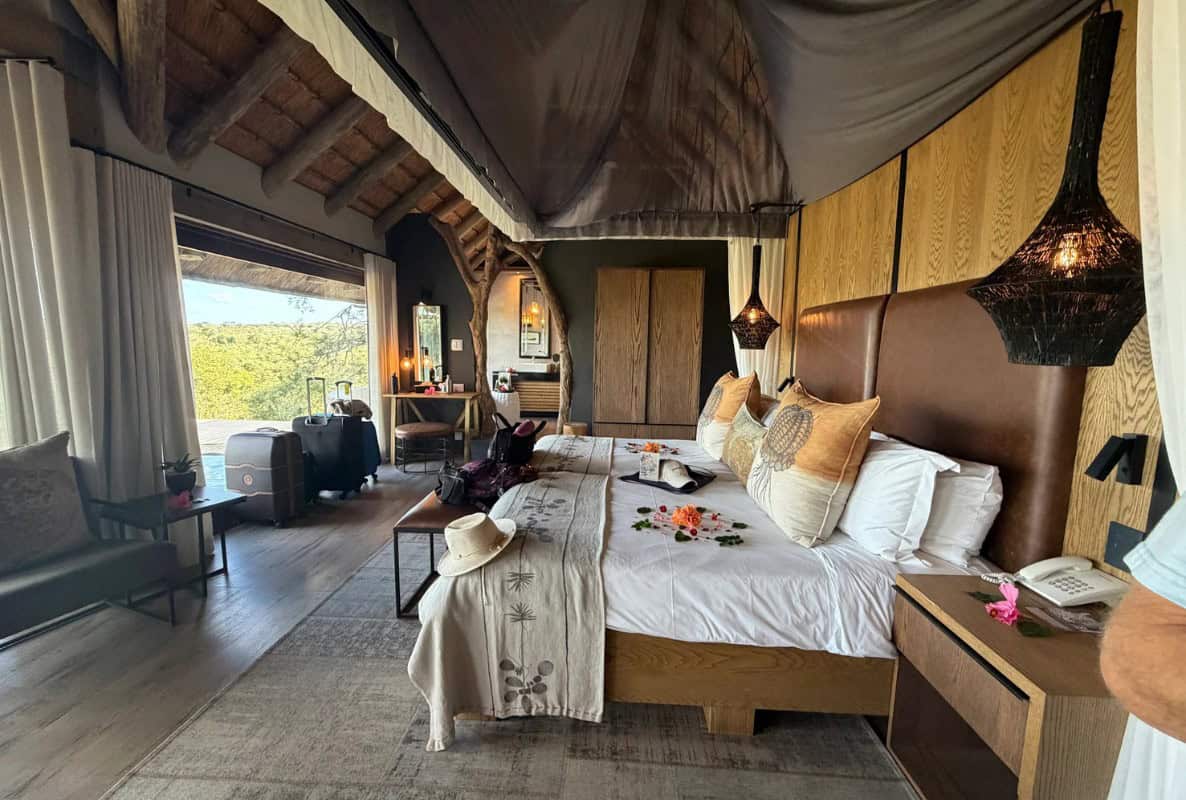
This is where the accommodation matters. Not because you need another beautiful room, but because where you stay changes the experience you have outside it.
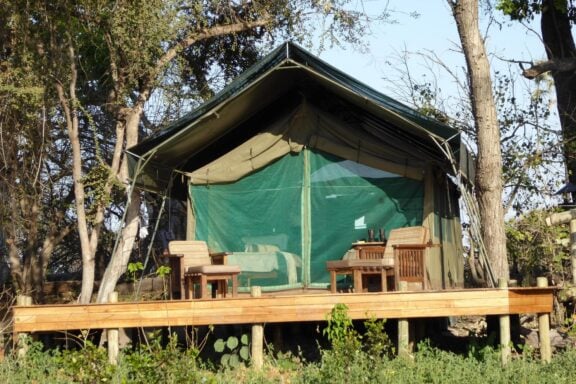
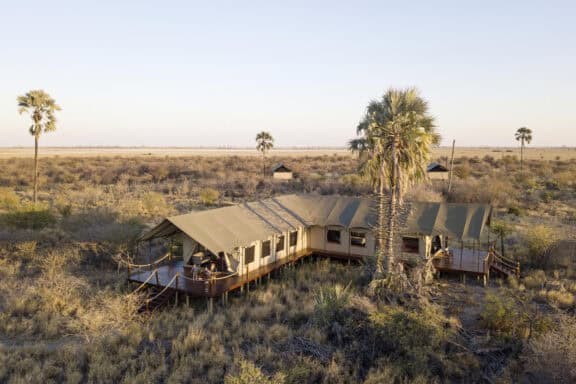
Hideaways Mankwe Tented Retreat is a good example in Botswana. The small camp sits in a private concession near Moremi and offers game drives, walking safaris, birding and mokoro excursions, subject to conditions. It gives you access to the Delta without trying to turn the camp itself into the main event.
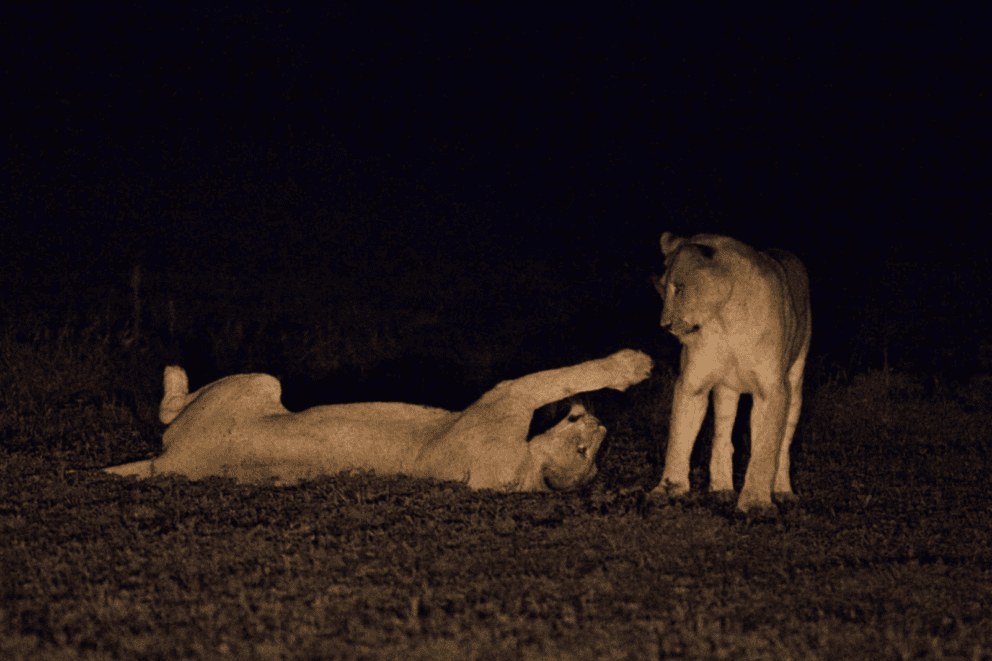
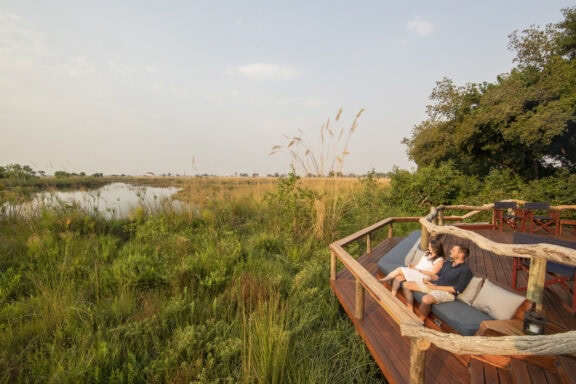
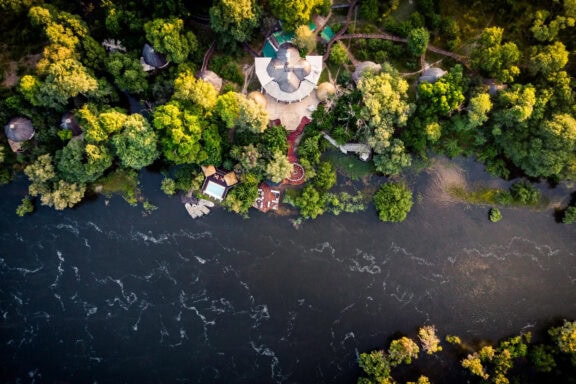
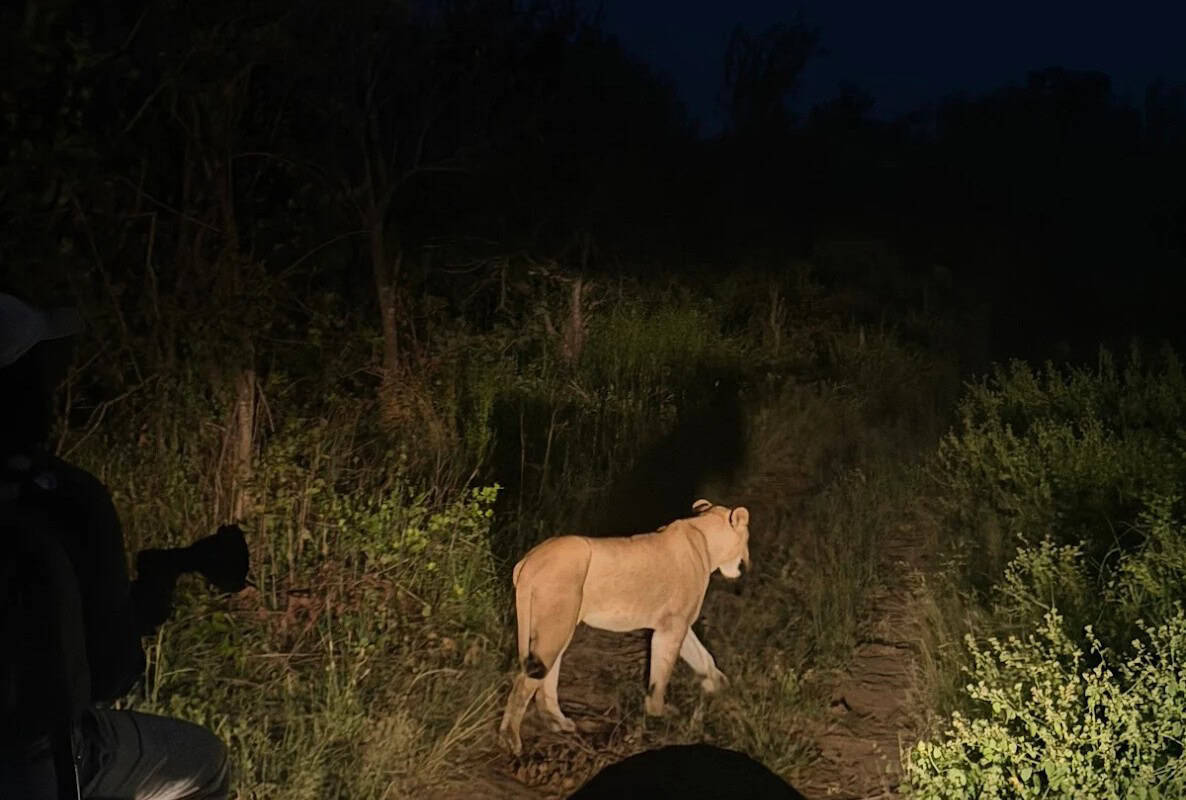
At Hideaways Camp Kuzuma, the setting is different. The seven-suite camp sits in the Kazuma Forest Reserve, within a private traversing concession, with a waterhole visible from the main deck. Activities include game drives, walking safaris, night drives and boat cruises on the Chobe river.
Cross into Zimbabwe, and the picture changes again. Hideaways Nantwich is a small eco-lodge in western Hwange, overlooking a waterhole and offering game drives, walking safaris, night drives and birding.
That gives you three very different reasons to get out of bed: water in Botswana, walking and wildlife in Hwange, and, if you finish at Victoria Falls, the Zambezi River. That’s the sort of contrast we look for when planning multi-country safaris in Africa. Not simply another camp in another country, but a place that gives you something different to do.
When Should You Go?
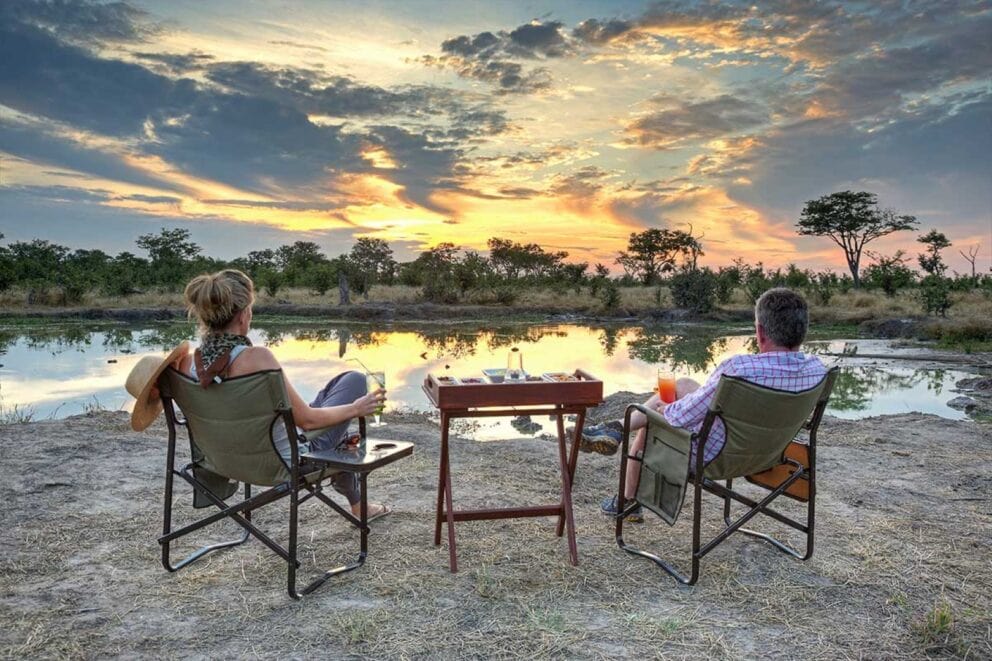
The dry months, broadly June to October, are popular for safari in both Botswana and Zimbabwe. In Hwange, wildlife can become more concentrated around reliable water sources as the dry season progresses. In Botswana, the interesting part is that the country’s dry season overlaps with the Okavango’s annual flood, which arrives from Angola months after the rains fall there. So you can have dry conditions on land while the Delta is carrying plenty of water. That’s one of the reasons Botswana is worth planning around rather than simply booking for a generic “best time.”
If the water matters to you, tell us. If walking in Hwange is the priority, tell us that instead. If Victoria Falls is the part of the trip you’ve wanted to see for years, we can build the safari around it.
November to March brings greener landscapes, summer rainfall and, at some properties, lower-season rates. Conditions vary by area, so we’d look at the specific camps and dates rather than promising one experience across both countries.
The Point of Combining the Two
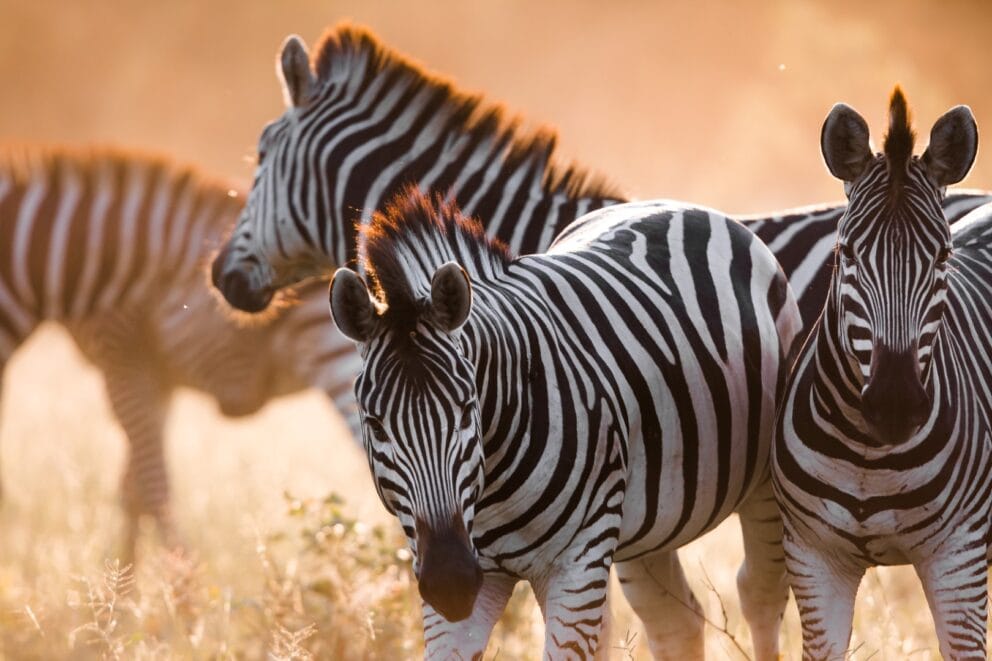
A good multi-country African safari shouldn’t feel like collecting passport stamps. You should feel the difference when you move from one country to the next.
Perhaps you’re drifting through an Okavango channel in a mokoro one day. A few days later, you’re walking through Hwange, stopping with your guide to work out what left a set of tracks in the sand. Then you’re beside the Zambezi at Victoria Falls. Same part of Africa. A completely different way of experiencing it each time.
That’s what makes a Botswana and Zimbabwe safari worth considering. And if you’re someone who wants to do more than sit in a vehicle and photograph whatever happens to cross the road, the combination gives you plenty to work with: water, walking, night drives, remote camps, different habitats, guides who know how to read the landscape. You just need enough time to let each experience breathe.
Let’s Work Out What Belongs on Your Map
You don’t need to arrive knowing which camps you want or how to get from one airstrip to the next. Start with what you actually want from the trip.
More time on the water? Walking in Hwange? A small camp where you can stay for a few days without feeling as though you’re missing something elsewhere? Victoria Falls at the end?
Tell us what matters to you and we’ll work out how to connect the pieces. Our Africa safari experts have first-hand knowledge of the destinations and accommodation we recommend, and we can help you weigh up the details that don’t show up on a map: how long to stay, which camps add something new and where a transfer is worth the extra flight.
That’s how we approach a Botswana and Zimbabwe safari. Not as two countries to tick off, but as two very different ways to experience southern Africa, brought together in one trip.
Explore our Botswana safaris · Explore our Zimbabwe safaris

Written by Yamkela Welaphi
• Travel Writer
Discover the African Journey that’s Right for You
 Blog List





























Written by Yamkela Welaphi
• Travel Writer
Part of the Botswana Safari, Zimbabwe Safari & Big Five Safaris Collections