

 Email us





Bringing multiple generations together for an African adventure is a profound way to bond, but figuring out how to plan a family safari in Africa often brings a unique mix of excitement and anxiety. When you’re balancing the needs of energetic young children, teenagers, and grandparents, the fear of choosing the wrong destination or lodge can feel daunting. You want an experience where logistics feel effortless, safety is absolute, and every family member feels completely included.
A successful African family safari is built around personal fit rather than cookie-cutter templates. By addressing health, timing, travel logistics, and even accommodation layout, you can ensure your family journey flows smoothly from start to finish.
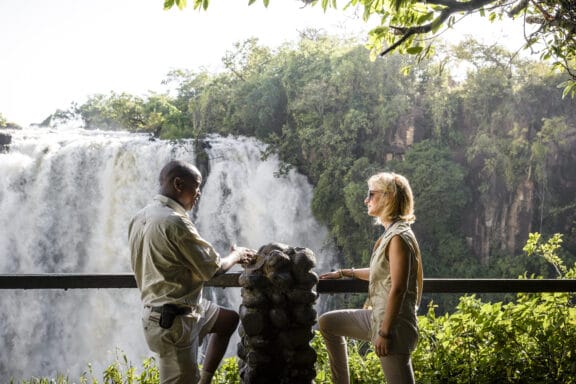
“Our girls saw a village where people live incredible lives with very little. They’ve realised that the world is much larger and more vibrant than our corner of Australia. For my mother and me, the trip held a different kind of closure. To see her at Victoria Falls or watching elephants from her room at Thornybush, it felt like we were finally finishing that chapter for my father. It was emotionally significant, deeply moving, and perfectly easy in all the ways that matter. – Anita & Mark’s Safari Story with Discover Africa
How to Choose a Safe Safari Lodge for Families in Africa
Safety and comfort are the primary concerns when travelling with loved ones. Beyond finding a beautiful location, evaluating how a lodge operates behind the scenes ensures a stress-free environment for all ages.
What to Look for in a Family Lodge
Perimeter Security Fenced vs. unfenced grounds Vehicle Flexibility Private 4x4 vehicles vs. shared drives Room Configurations Interconnecting suites or family villas. Features and layouts for any mobility concerns. Tailored Engagement Child-friendly activities and programmes
Health and Malaria-Free Regions
For families travelling with young children or elderly grandparents, opting for a malaria-free safari destination removes the need for preventative medication. South Africa offers the widest and most accessible selection of malaria-free safari Big Five safari destinations. This includes stunning reserves like Madikwe Game Reserve and Addo Elephant National Park, which offer exceptional Big Five wildlife viewing in non-endemic areas.
Other fantastic malaria-free options include:
- Shamwari Private Game Reserve
- Kwandwe Private Game Reserve
- Tswalu Kalahari Reserve
Fenced vs. Unfenced Lodges:
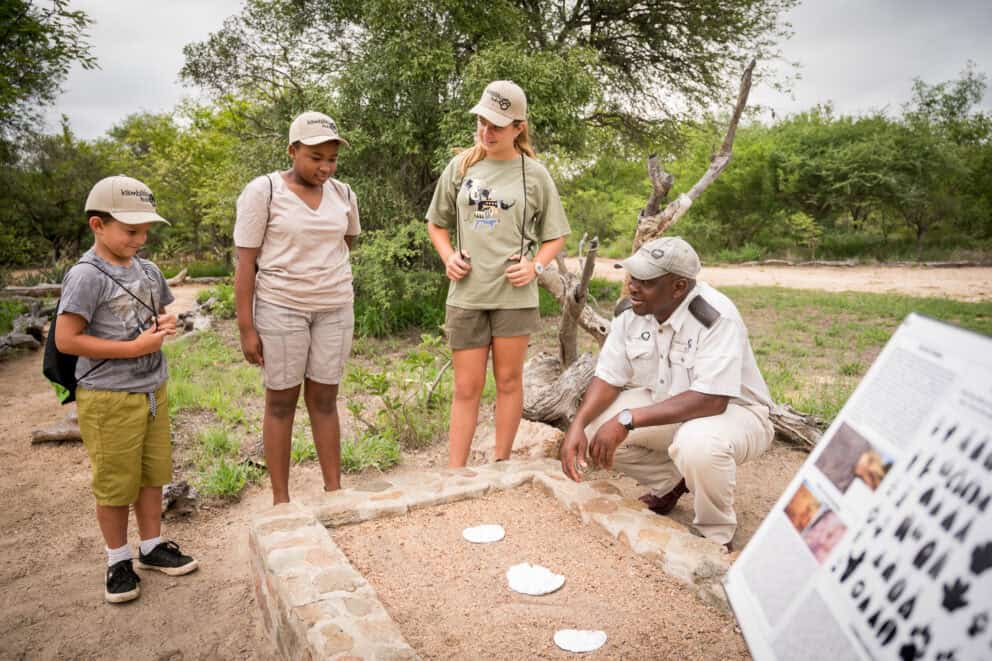
For families travelling with children, choosing a family-friendly lodge is paramount to the success of your trip. And choosing a fenced safari camp offers maximum safety and peace of mind, making it ideal for families with young children who want freedom of movement without constant escorts.
These enclosed camps prevent large predators and big herbivores from entering the grounds of the camp or lodge. In contrast, unfenced lodges permit the natural, unrestricted passage of animals across the grounds, necessitating vigilant and continuous accompaniment for all family members.
Vehicle Policies and Age Limits
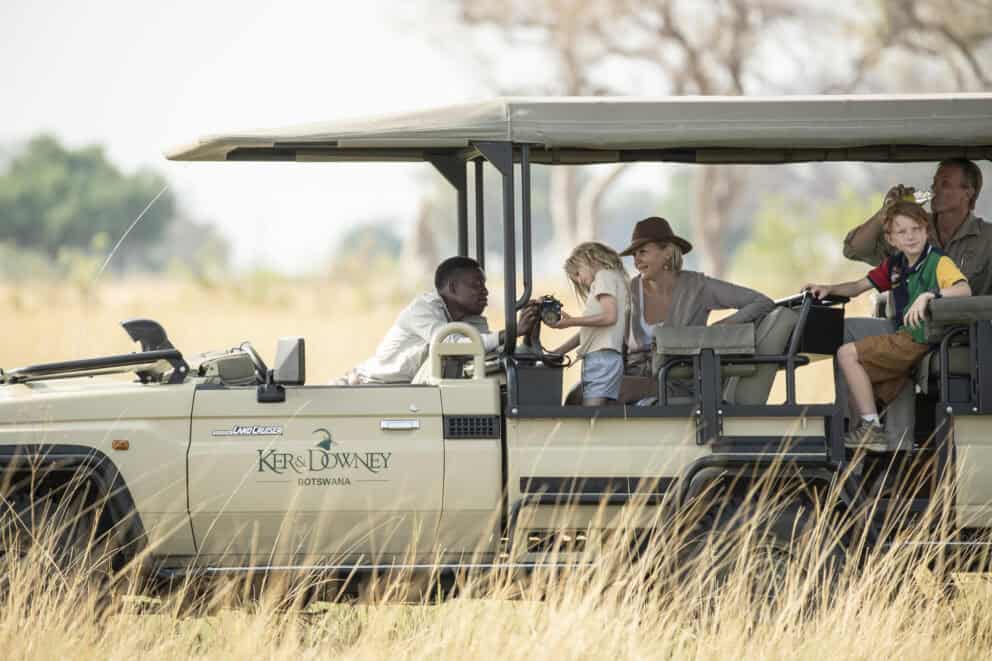
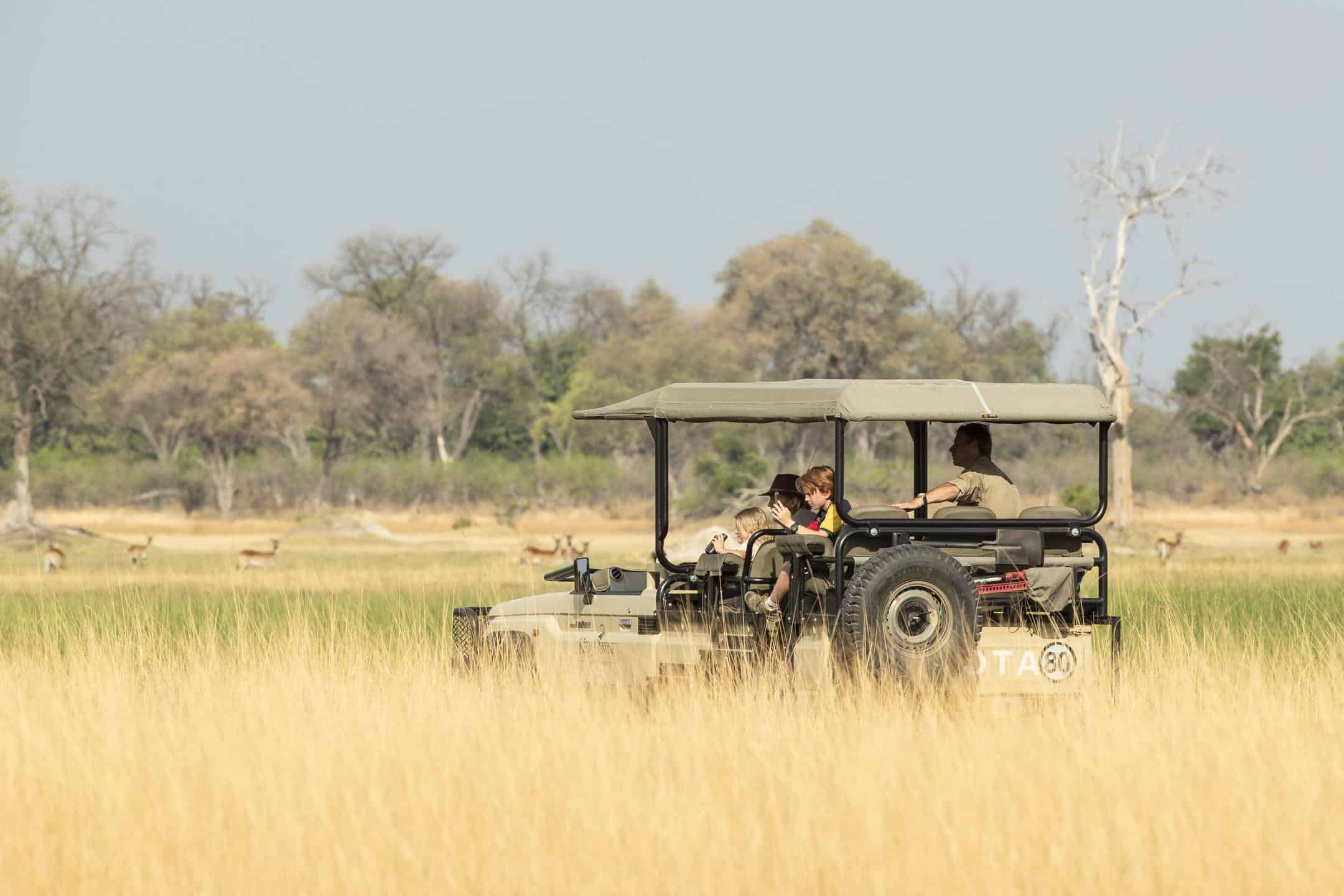
Many standard safari lodges enforce strict minimum age limits (often six or 12 years old) for shared game drives. Choosing a lodge that provides private safari vehicles ensures your guide can tailor drive lengths, take frequent bathroom breaks, and adapt to your family’s daily energy levels.
Dedicated Family Accommodation
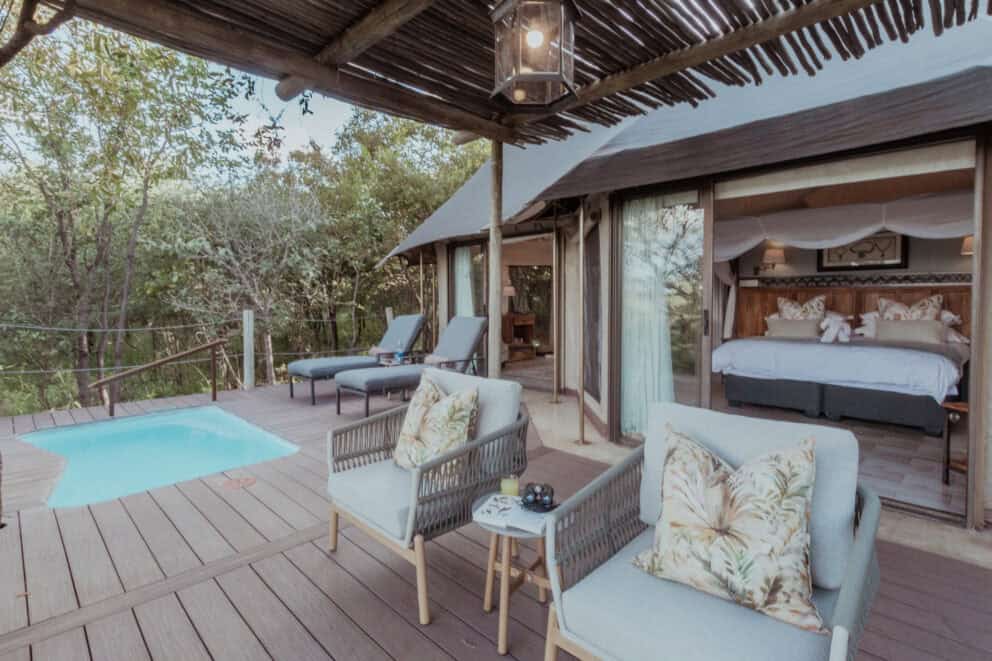
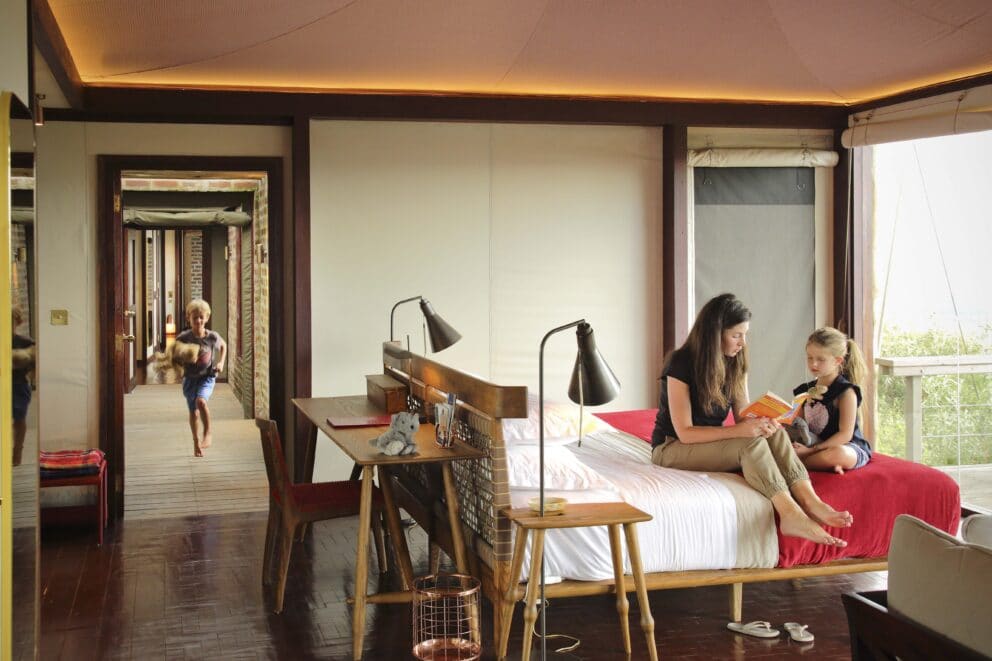
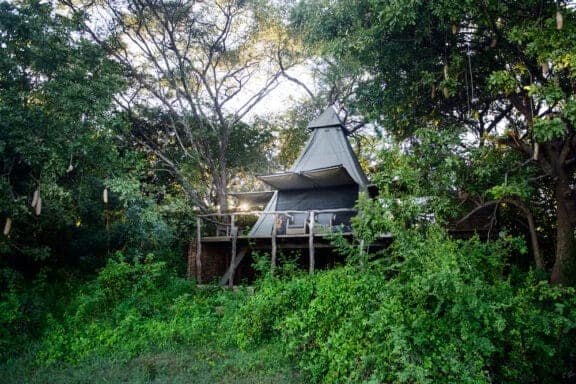
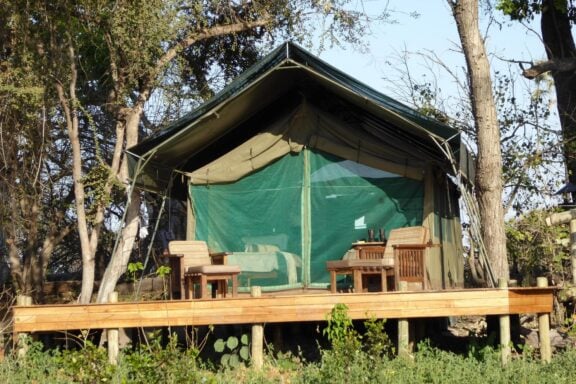
Optimal safari retreats prioritise layout by providing dedicated family villas or interconnecting suites, allowing parents to enjoy privacy while ensuring younger travellers remain secure and accessible within the same unit.
Minimising Travel Friction: Transfers and Route Design

Long, tedious road transfers across rough terrain can quickly exhaust younger children and older family members. Thoughtful route design minimises transit fatigue and preserves energy for wildlife encounters.
- Fly-In Safaris: Utilising direct light-aircraft flights between airstrips reduces full-day road transfers down to short, scenic bush flights.
- Direct Flight Hubs: Selecting reserves easily accessible from major airport hubs (such as Johannesburg, Cape Town, or Nairobi) keeps international connections straightforward.
- Pacing the Itinerary: Avoid changing lodges every two nights. Staying three to four nights in a single location allows every generation to unpack, settle in, and adapt to the safari rhythm.
Best Time of Year to Book a Family Safari Vacation for Wildlife Viewing
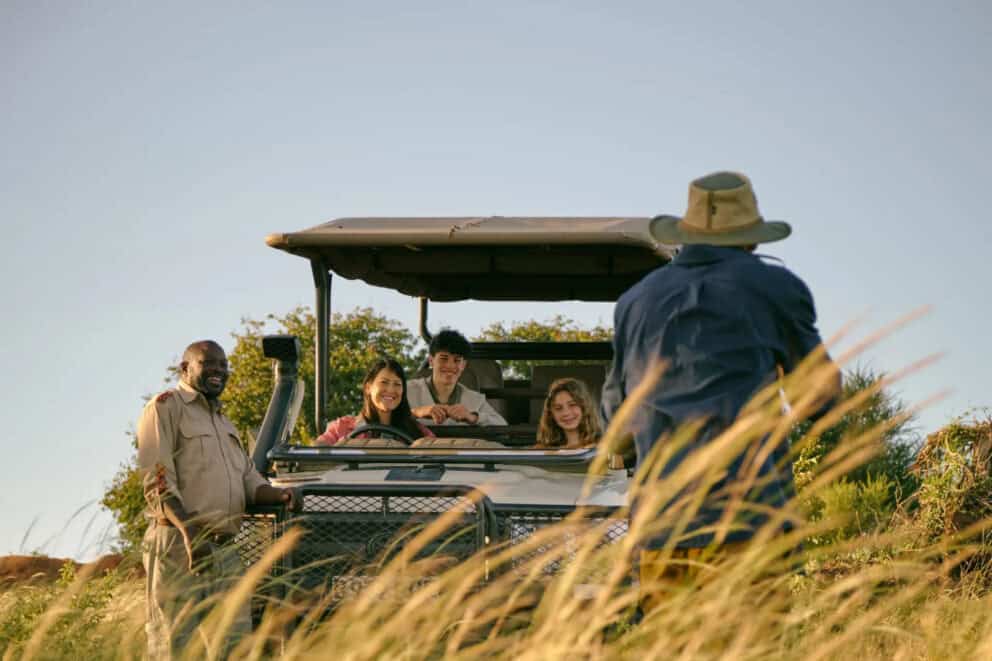
Aligning regional wildlife seasons with international school holiday calendars requires advance preparation. Booking nine to 12 months early secures multi-room suites and private vehicles during peak travel windows.
Season Regional Focus Highlights for Families
June – August (Mid-Year Holidays) Greater Kruger, Botswana, Kenya, Tanzania Clear weather, lower malaria risk in dry seasons, and prime wildlife viewing around waterholes. December – January (Festive Season) South Africa (Cape & Eastern Cape) Warm coastal weather combined with malaria-free safari reserves. March – April (Easter Holidays) Victoria Falls, Greater Kruger Moderate climate, dramatic water flow at Victoria Falls, lush landscapes.
Best Time to Visit Southern Africa
In general, the dry season is the best for wildlife viewing. The vegetation is sparse, and dwindling water sources make wildlife easier to spot as they congregate around the remaining waterholes. In southern Africa (South Africa, Zambia, Zimbabwe, Botswana, and Malawi) weather is generally pleasant during this time (May to October), with little to no rain and clear skies. However, mornings on safari can get quite cold, no matter the season, so be sure to pack an extra jacket and a beanie for morning game drives.
Note: If you’re planning on adding a stop in Cape Town, this period is the wettest of the year. In general, September to October is the perfect spot for a Cape Town add-on.
However, the green/wet season can also be excellent for families if you plan carefully. Whether it’s the right fit for you depends on your family and what they would like to experience. Safari lodges drop their rates significantly during these months. Because travelling as a family of four or five is expensive, the green season can make a luxury, all-inclusive private lodge much more accessible. There are also fewer crowds during this season and lots of baby animals, which can be highly engaging for children.
If your kids are aspiring birdwatchers, the green season is the time to go, as many migratory birds arrive as the bush thickens – increasing the availability of food.
Best Time to Visit East Africa
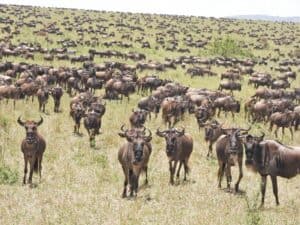
Unlike southern Africa, which has a clear dry winter season, East Africa (Kenya, Tanzania, Uganda, and Rwanda) sits on the equator and experiences two separate dry seasons and two rainy seasons. The dry seasons are between December and February and June and October and see thinner vegetation and better wildlife sightings.
For families travelling with older kids, balancing active adventures with immersive wildlife encounters is key; learn more in our detailed look at planning an African safari with teenagers.
What Are the Essential Items to Pack for a Family Safari in Africa?
Travellers should note that light-aircraft transfers between wilderness airstrips impose rigorous weight restrictions, typically mandating soft-sided luggage within a 15kg to 20kg range per individual. Prioritising versatile, layered attire is essential for maintaining comfort as bush temperatures fluctuate throughout the day.
- Layered Clothing in Neutral Tones: Early morning game drives are crisp, while afternoons grow warm. Pack fleece layers, windbreakers, and light cotton tops in khaki, beige, and green shades.
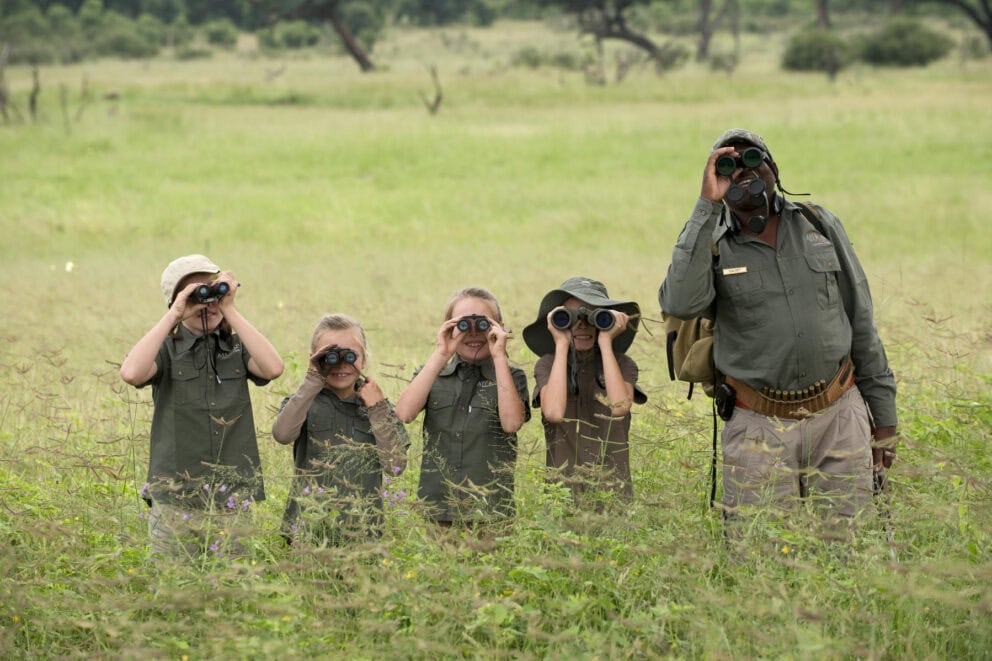
- Personal Gear for Children: Equip kids with their own compact binoculars and travel journals to keep them actively engaged during game drives.
- Health Essentials: Include high-SPF sunscreen, child-friendly insect repellent, motion sickness medication, and any necessary prescription treatments.
Evaluating Luxury Family Safaris: Beyond the Generic Claims
When evaluating luxury family safaris, look for properties that demonstrate flexible hospitality tailored to multi-generational groups. True family care goes beyond offering a children’s menu.
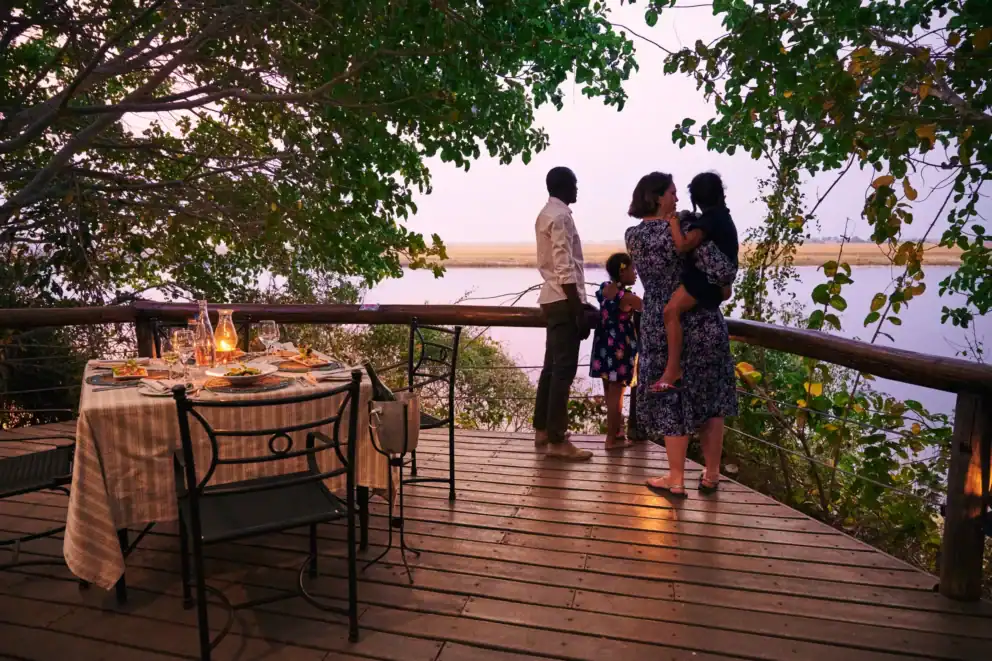
- Flexible Dining Schedules: Lodges should offer early dinner options for younger children or private in-suite family dining, allowing parents to enjoy relaxed meals without stress.
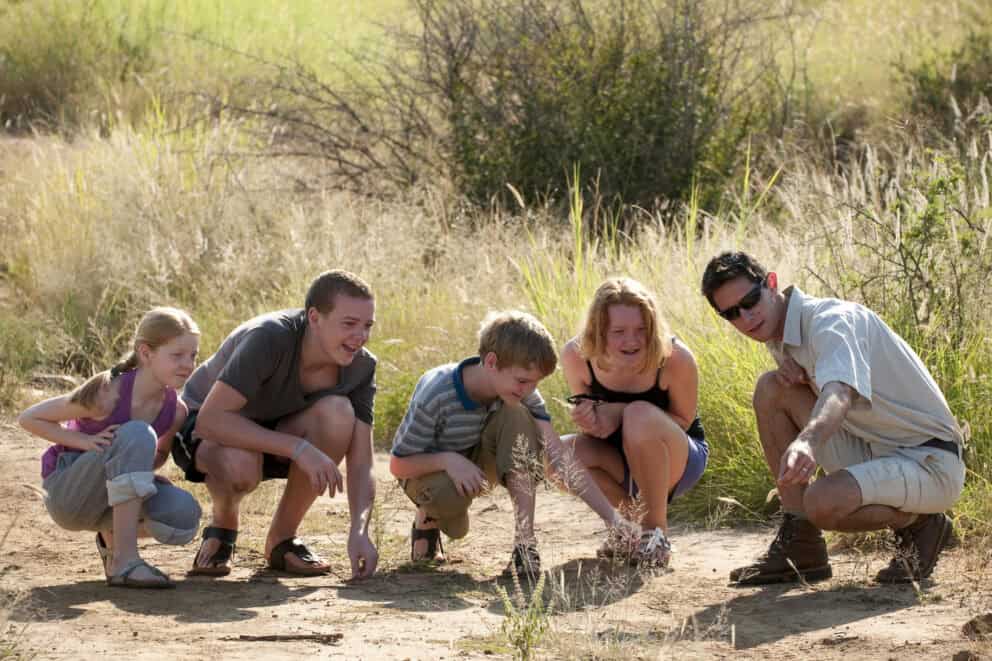
- Tailored Bushcraft Programmes: High-quality lodges feature junior ranger programmes, tracking lessons, and artistic activities led by experienced guides.
- Private vehicles
- Dedicated Staffing: Having private chefs and dedicated house hosts ensures all dietary preferences and schedule adjustments are handled seamlessly. This is all possible when you book a private villa, which functions like a full vacation home, with the added benefit of luxury services.
To review handpicked accommodations meeting these criteria, explore our curated selection of the best luxury safari lodges for families with small children.
Thoughtful Planning Guided by African Expertise
An all-inclusive family African safari requires combining first-hand destination knowledge with an understanding of how your family travels. Working with Discover Africa safari experts based in Africa ensures every transfer, accommodation choice, and safari activity is selected with care, giving your family the space to focus on what matters most: making memories together.

Written by Thaakiera Ackerdien
• Travel Writer
Discover the African Journey that’s Right for You
 Blog List




























Written by Thaakiera Ackerdien
• Travel Writer
Part of the Southern Africa Safari, East Africa Safari & Family Safaris in Africa, Thoughtfully Designed for Every Generation Collections