

 Email us





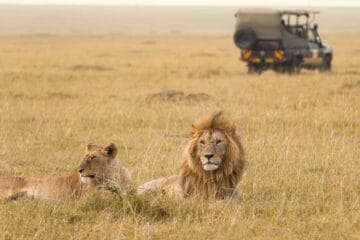
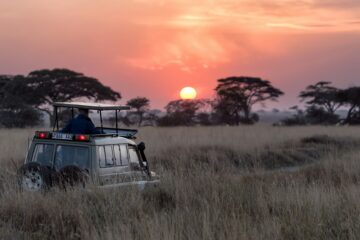
Walking safaris in Africa offer something a game drive simply can’t: the chance to feel like part of the landscape rather than an observer moving through it. There’s a moment when the vehicle sounds fade and the only thing left is your own breathing, the crunch of dry grass underfoot, and the hum of the bush waking up around you. It’s disorienting at first. Then it’s addictive.
If you’ve ever wondered what it’s really like to swap the Land Cruiser for your own two feet, this one’s for you.
Who are Walking Safaris For?
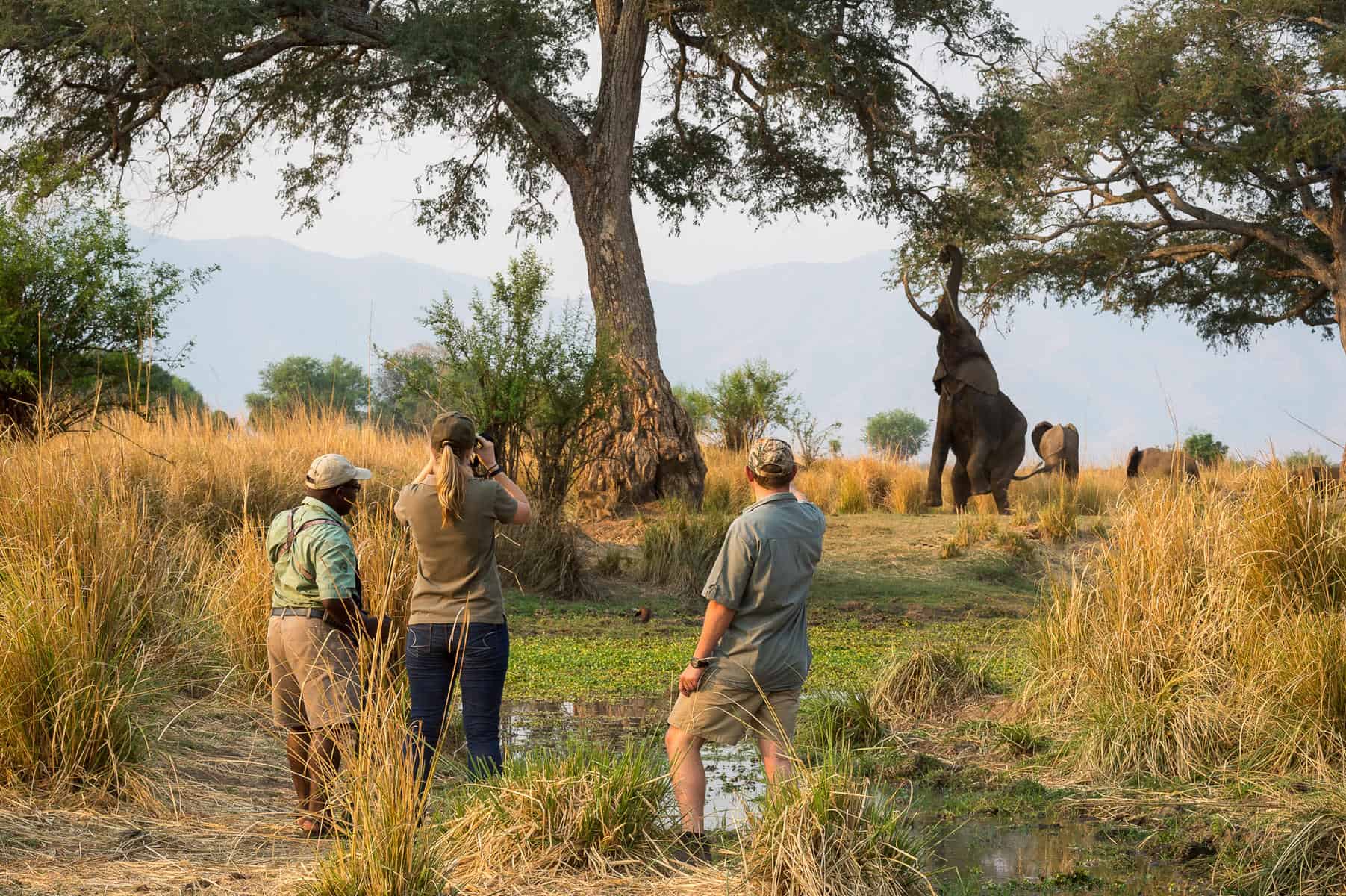
A walking safari isn’t for everyone. It’s built for travellers who want to feel something rather than just see it, who are drawn to movement, to discovery, and to the quiet thrill of being genuinely present in wild places.
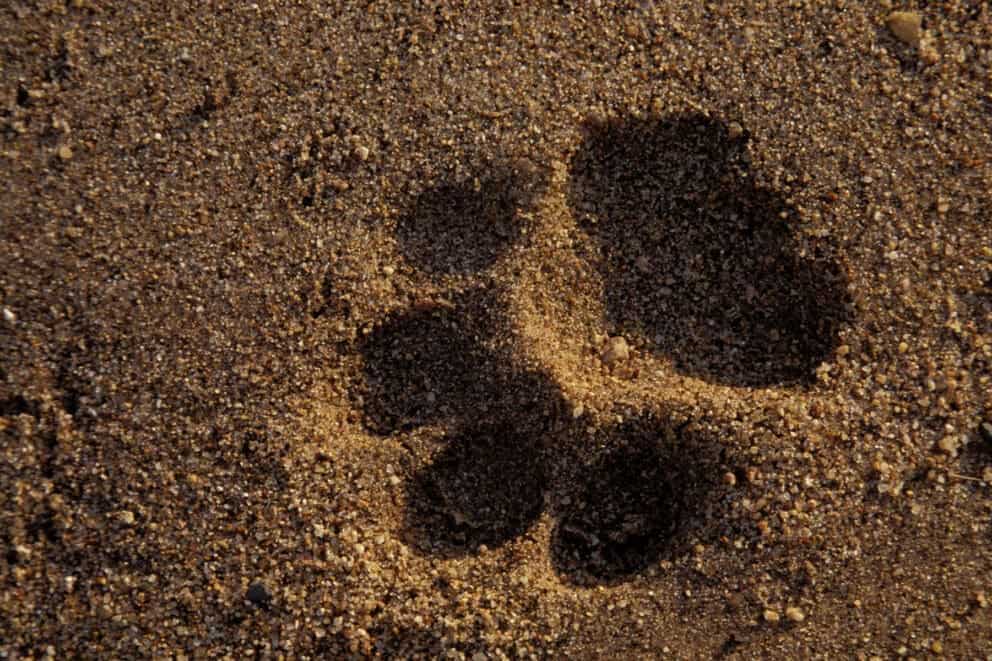
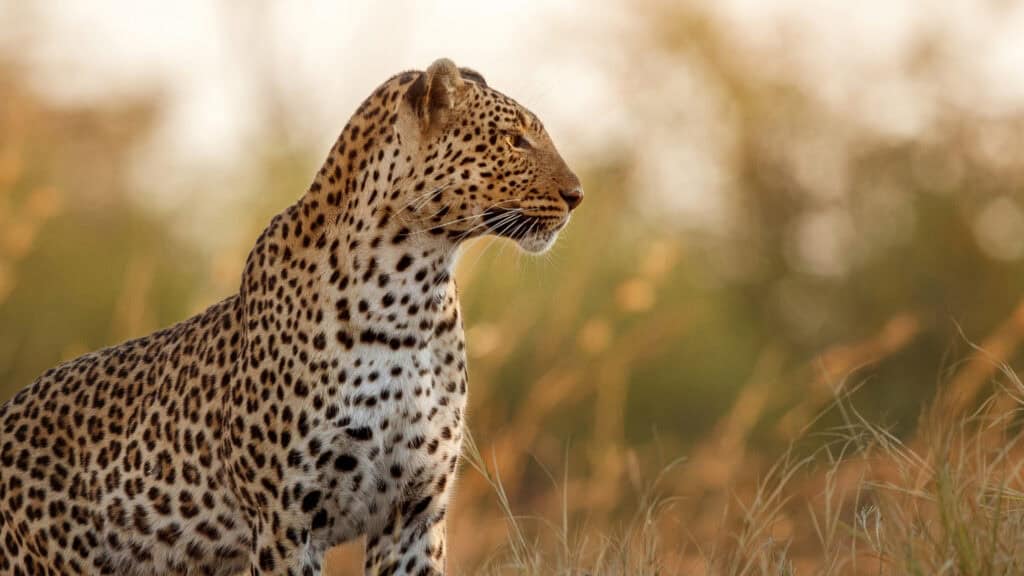
If you’ve ever wished a safari could slow down enough for you to notice the small things – a leopard’s pug marks pressed into red sand, the smell of wild sage crushed underfoot, the alarm call of a francolin rippling through the bush – this is the experience that delivers it.
It suits travellers who see a journey as something to be earned a little. There’s no glass, no metal, no engine between you and the wilderness. Just you, your guide, and the African bush on its own terms.
Why Choose Walking Safaris in Africa Over Driving?
A vehicle covers ground quickly and gets you close to sightings with ease. Walking does something different: it slows everything down and sharpens every sense.
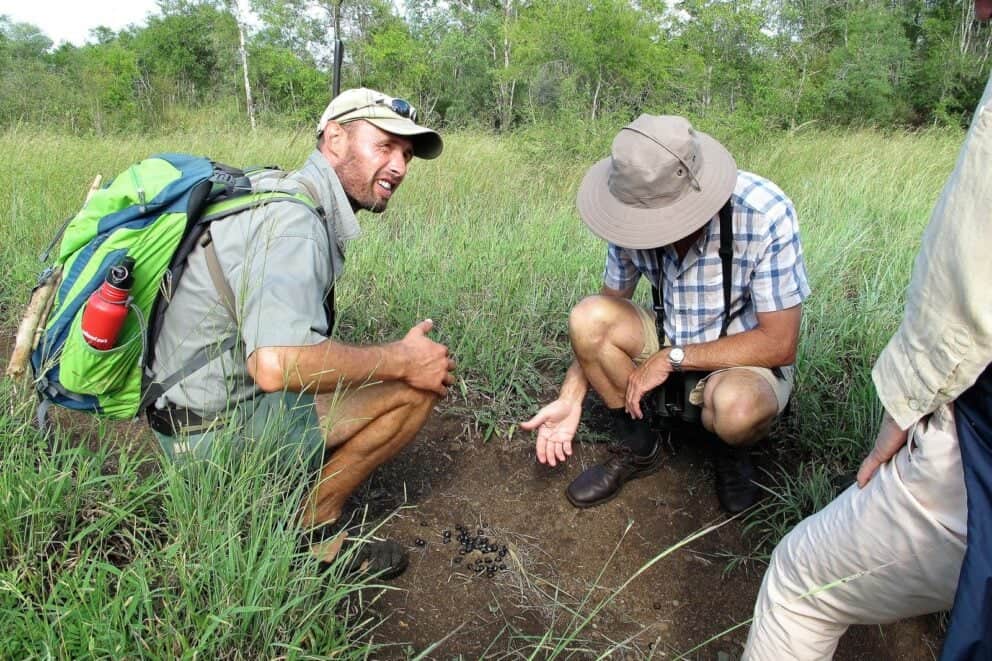
On foot, you notice the things vehicles often drive past – the shape of a track, the direction a herd moved in, the tension in the air before a sighting even happens. Your guide reads the bush like a language, pointing out signs most of us would never think to look for: fresh dung that tells you an elephant passed an hour ago, a scuffed patch of earth from where a lion rested, the chaos that erupts over the bush when a predator is nearby. Baboons scream, and birds signal a warning cry to those near.
It’s a completely different kind of attentiveness. On a walking safari, you become a part of the bush, not just an observer.
What Actually Happens on a Walking Safari
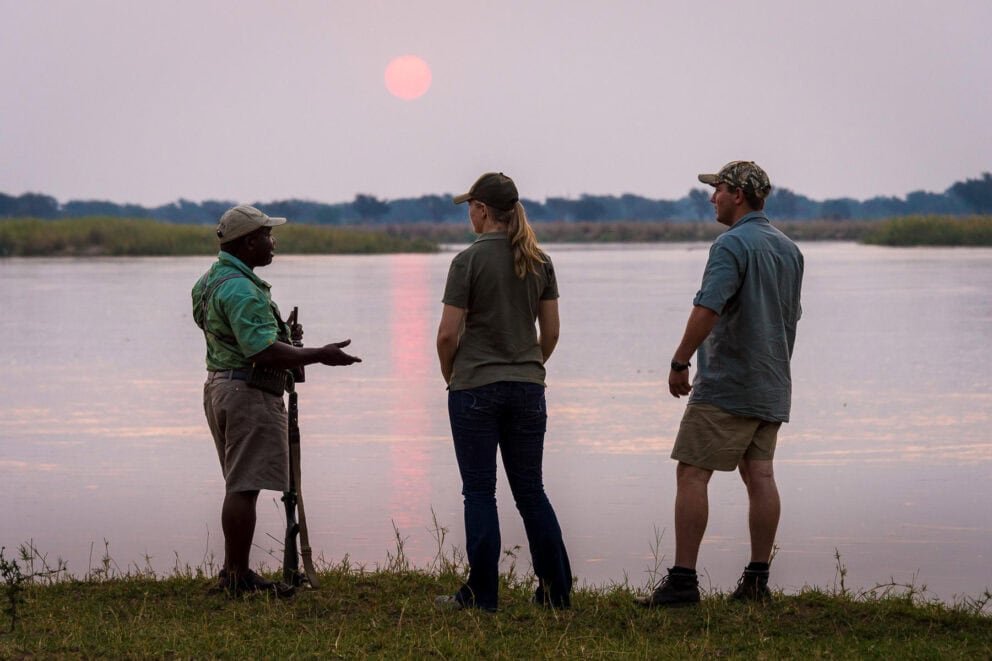
If you’re picturing an all-day trek through dense bush, put that image aside. Most walking safaris in Africa are far more accessible than people expect, and there’s genuine variety in how they’re structured, which is part of what makes them so appealing to different kinds of travellers.
There are short morning walks that typically run one to three hours, often departing from camp at first light while the air is still cool and animals are most active. These are ideal for travellers who want a taste of the walking experience alongside more traditional game drives.
Walking safaris can also go even longer – up to four or five hours – for those who wish for a deeper immersion.
You’ll walk at a gentle, unhurried pace, stopping often to observe and learn from your guide. Every minute detail contains a story. From the very earth you’re walking through to the trees that dot the landscape. A walking safari rewards patience far more than it rewards fitness.
Are Walking Safaris Safe?
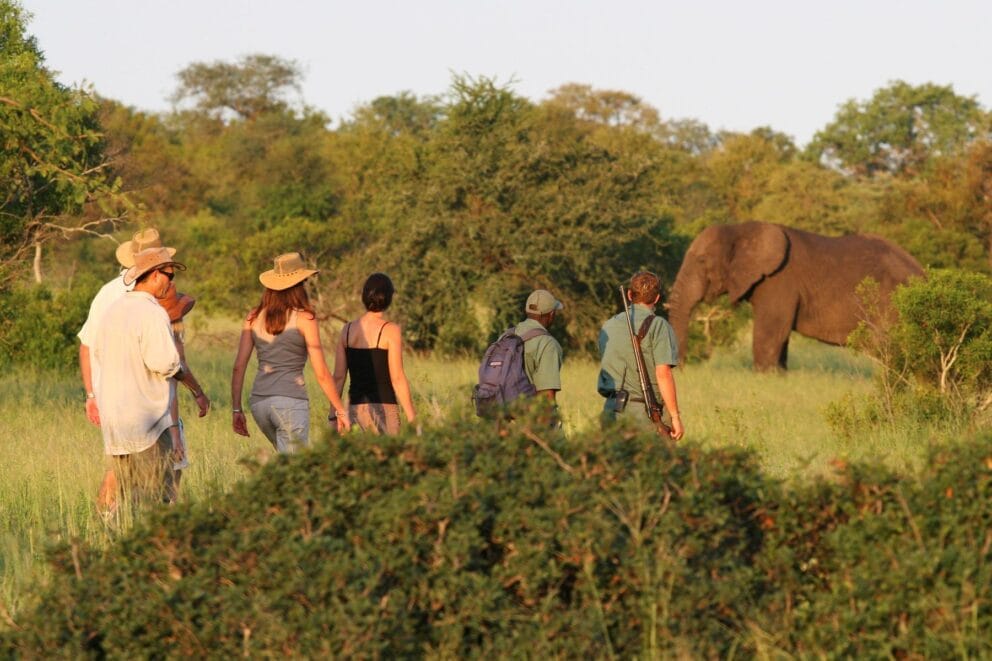
This is, understandably, the question most people ask first. The honest answer: walking safaris are built around safety as a foundation, not an afterthought.
You’ll always be led by a professional, highly trained, armed guide. These guides undergo rigorous, extensive training in animal behaviour, tracking, and bush safety, and many have spent years, sometimes decades, walking these exact landscapes.
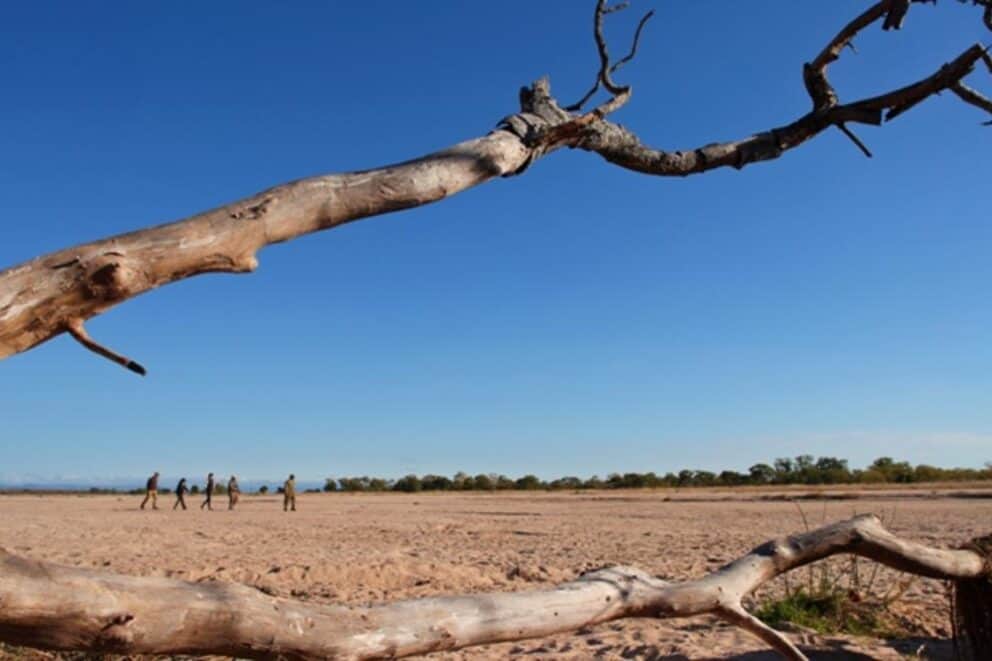
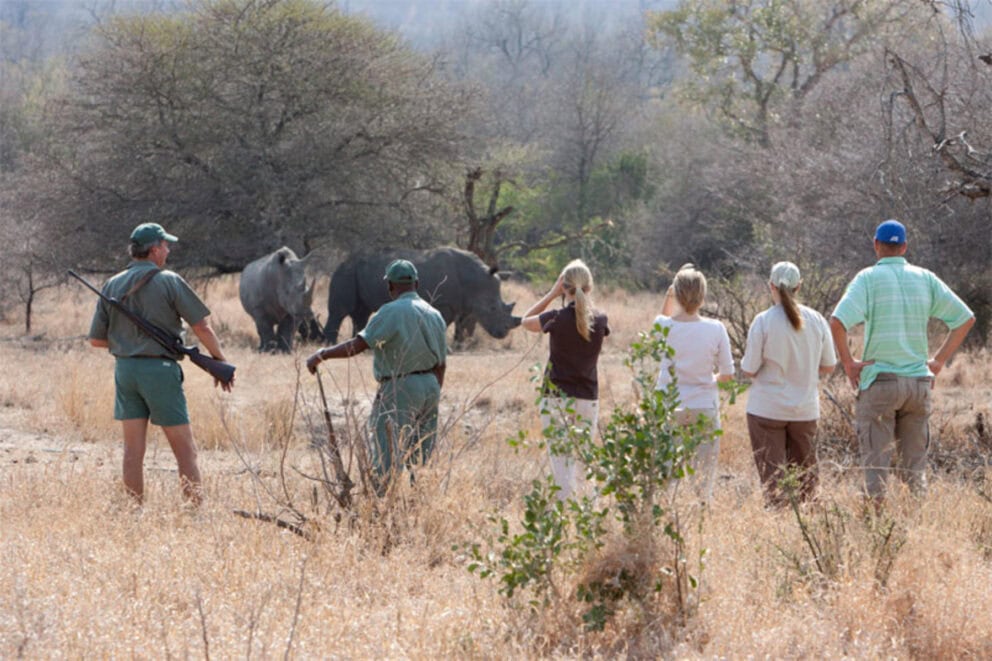
Before you set off, you’ll receive a full safety briefing covering how to behave around wildlife, how to walk as a group (usually in single file, with your guide in front), and what to do if you encounter an animal at close range.
Groups are kept deliberately small, usually no more than six to eight, which keeps the experience calm, quiet, and easy to manage safely. Encounters are approached with distance and respect rather than proximity for its own sake – your guide’s priority is always a safe, considered experience, not simply getting close for the sake of it.
It’s worth remembering that a walking safari isn’t about seeking out danger. It’s about moving thoughtfully through a wild environment with someone who understands it intimately. That expertise is what makes it feel exhilarating rather than reckless.
What You’ll Actually Experience
Ask anyone who’s done one, and they’ll tell you it’s less about what you see and more about how you feel. There’s a heightened awareness that comes with walking – your senses seem to switch on in a way they don’t when you’re inside a vehicle.
You’ll notice details a drive-by sighting could miss entirely: the intricate architecture of a termite mound, the specific rhythm of birdsong that changes as the bush wakes, and the sheer scale of an elephant when there’s nothing between you and it but open air.
Guides often pause to point out smaller, easily overlooked details – a dung beetle rolling its find across the path, the tracks of a genet from the night before, the impressions of a lion track in the earth, and hippo highways through the grass – building a fuller picture of an ecosystem that’s very much alive around you, even when the big sightings are quiet.
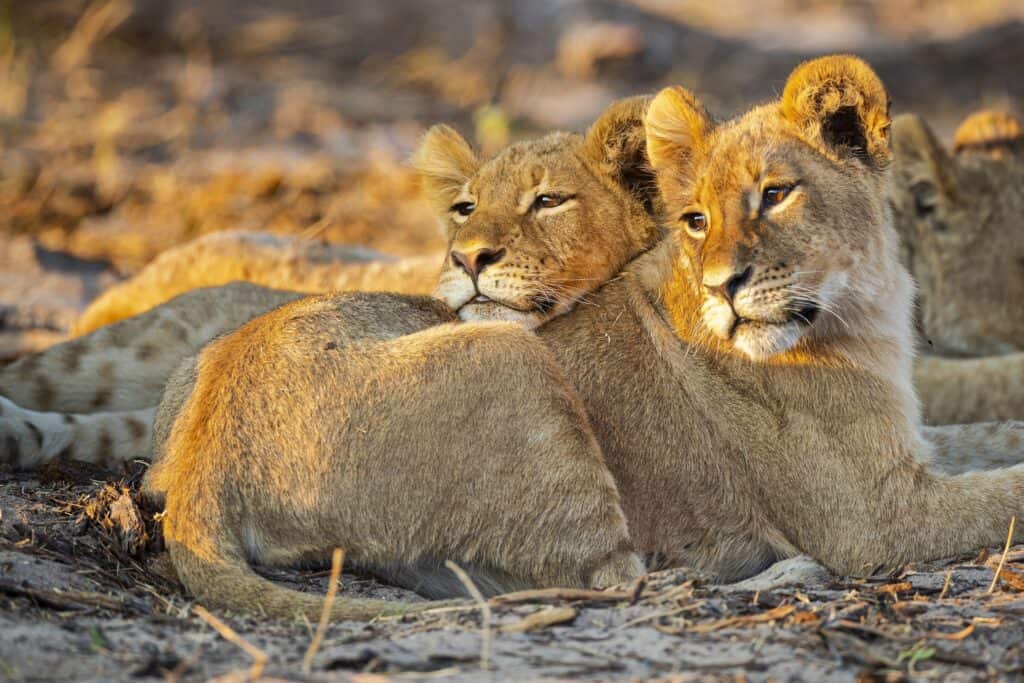
“Suddenly, our guide froze. He had found a fresh lion print in the dry riverbed. Seconds later, a low, piercing roar vibrated right through the air, sounding dangerously close. Much to my anxious delight, we moved towards the sound. My adrenaline began to surge and my heart pounded. Pushing through the bush, we saw him, a massive male lion tucked beneath a large shrub, his magnificent tawny mane glistening brilliantly beneath the dappled shade. He flicked his tail, seemingly oblivious to our presence, and calmly stood up and walked away.” – Thaakiera Ackerdien’s Zambia and Zimbabwe Traveller Story
That’s really the heart of it: a walking safari changes your relationship with the landscape. You stop observing Africa and start moving through it.
The Best Places for Walking Safaris
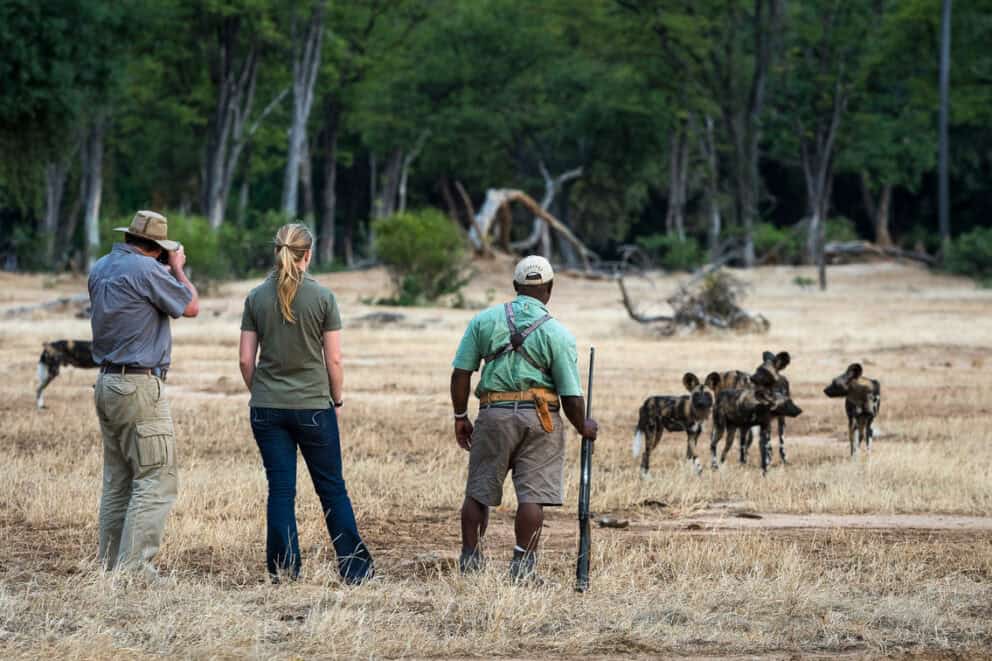
Some destinations lend themselves to walking safaris more than others, largely thanks to terrain, wildlife density, and local guiding traditions. Zambia’s South Luangwa is widely considered the birthplace of the modern walking safari and remains one of the best places to experience one.
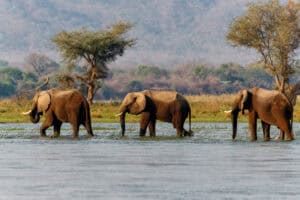
Historical camps like Time + Tide Nsolo specialise in offering authentic walking safari experiences. Although, because of its position over a riverbed, you don’t need to venture far for wildlife sightings – in fact, simply sitting on the deck can bring sightings of warthogs, vervet monkeys, and elephants.
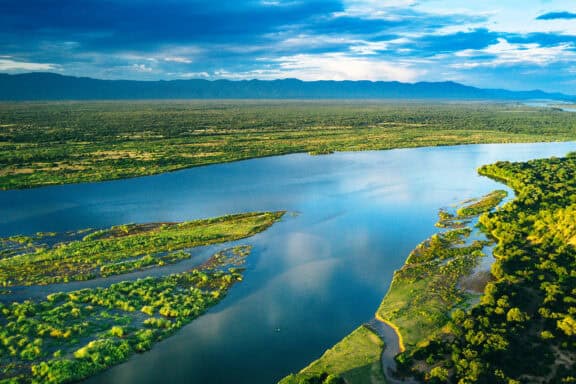
Zimbabwe’s Mana Pools is often cited as the golden standard for walking safaris and is considered another incredible place to go. The terrain is wide and spacious, and the guides are some of the best in the world.
Ruckomechi Camp embodies this experience completely, offering a mix of classic walking safaris, canoeing, and game drives on a private concession shaded by mahogany and albida trees overlooking the Zambezi. Wildlife here gather along the river, especially during the dry season, so there’ll be plenty to see on a walk.
In Kruger’s private concessions, walking safaris allow you to explore Big Five territory on foot. Plains Camp @ Rhino Walking Safaris operates within a private 12,000-hectare concession inside Kruger National Park, where expert armed guides lead you on an exceptionally immersive bush experience.
Ready to Experience Africa on Foot?
A walking safari isn’t about replacing the traditional game drive. It’s about adding another dimension to your journey – one built on patience, presence, and a genuine connection with the wild.
If that sounds like the kind of safari moment you’ve been searching for, our Africa-based safari experts have walked these trails themselves and can help design a journey shaped around exactly how immersive you want it to be.
Speak to a safari expert to start planning your walking safari in Africa.

Written by Thaakiera Ackerdien
• Travel Writer
Discover the African Journey that’s Right for You
 Blog List




























Written by Thaakiera Ackerdien
• Travel Writer
Part of the South Africa Safari, Zambia Safari, Zimbabwe Safari & Walking Safaris Collections