

 Email us







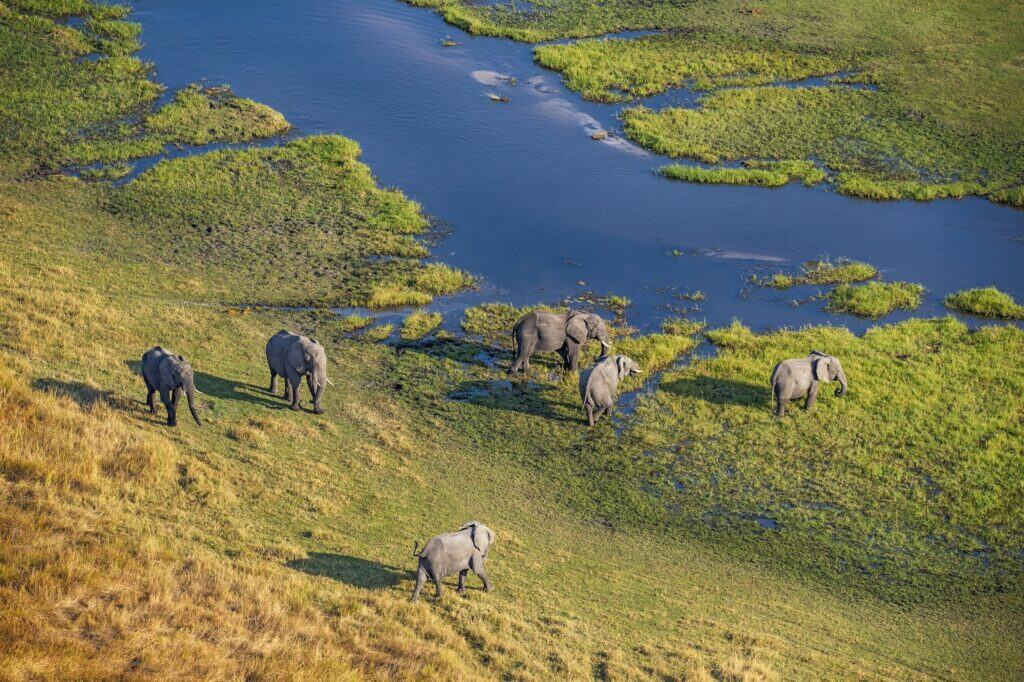
For many travellers, an African safari begins with a dream of the iconic large mammals: lions moving across open plains, herds of elephants gathering at a waterhole, or a solitary leopard draped over a marula branch. But as you step into Africa’s conserved wildernesses, another world unfolds around you. A world measured in brilliant flashes of crimson and cobalt, intricate nest architectures, and a soundtrack that changes hour by hour, perfect for beginners interested in birding.
From the outside, birding may seem quite intimidating, given that there are over 2,700 bird species in Africa alone, a whole community of twitchers, specialised lingo, and the pressure of getting the best gear. But it’s actually one of the most accessible hobbies to get into, and you can even continue to pursue it long after you’ve returned home from your birdwatching trip.
Getting into birdwatching isn’t about memorising Latin names or collecting endless checklists. For the traveller who seeks authentic connection, birding is simply learning to slow down and listen to the landscape. It adds an enriching, multi-layered narrative to every game drive and nature walk, revealing how each species – large or small – contributes to Africa’s thriving ecosystems.
Whether you’re stepping into a safari vehicle for the first time or returning to experience the continent through a new lens, this guide to birding for beginners offers practical tips, thoughtfully selected regions, and Africa-based expert advice to help you begin your journey.
Why Birding Transforms Your Safari Experience
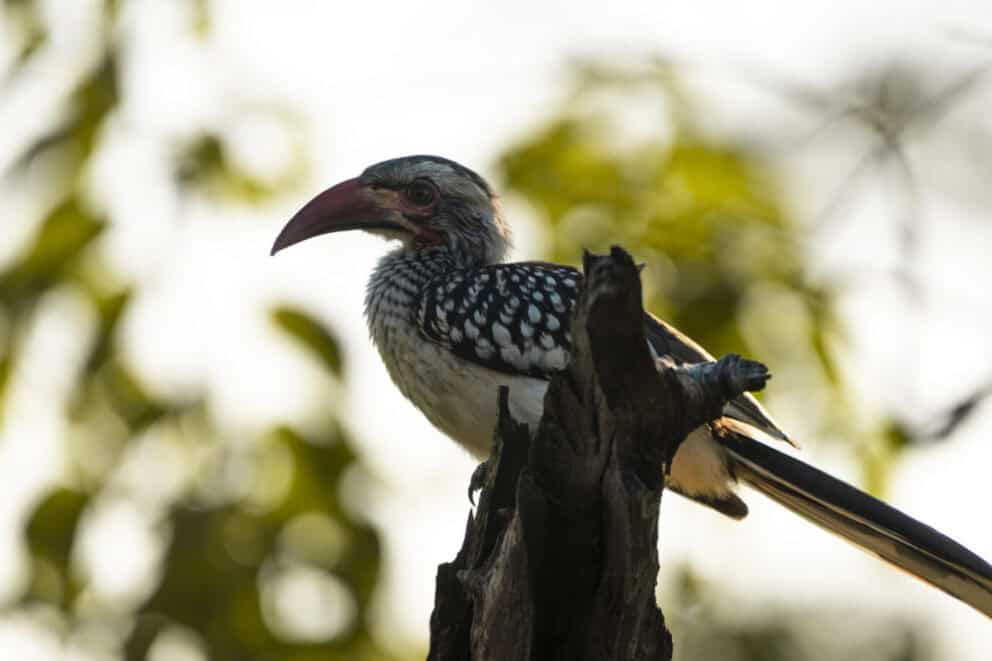
When you begin noticing birds on safari, the quiet moments between major wildlife sightings suddenly become the highlight of your morning.
Modern life moves fast, but nature operates on a different rhythm. Birding invites you to travel at half-speed, pause, and absorb the subtle movements of the bush. Bird behaviour tells a story. A sudden burst of warning calls from a fork-tailed drongo might reveal a hidden African rock python or a leopard resting in the shade.
Africa is home to over 2,000 bird species, many of which are endemic to specific habitats. They’re also far more frequently sighted than big game, meaning you’ll constantly see birds throughout your journey, from the moment you land until the time you depart, and for the rest of your life wherever you go, there will never be enough birds to see.
Basic Birding Terminology and Lingo
Every passion comes with its own rich vocabulary. Learning a few common birding terms will help you feel more comfortable and allow you to communicate easily with your fellow birders and safari guide when pointing out a sighting.
Here are a few essential terms:
- Lifer: A species seen and identified in the wild for the very first time in your life. Adding a “lifer” to your “life list” is one of the most rewarding parts of birding. It’s like catching Pokemon in real life!
- Life List: A running record kept by a birder of every distinct bird species they have observed and identified in the wild during their lifetime.
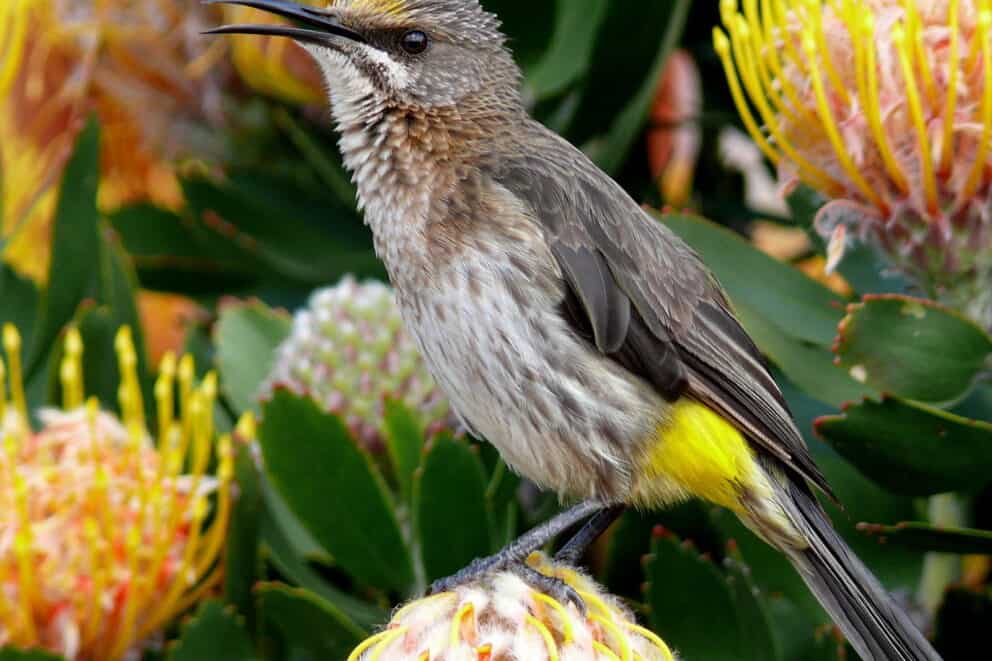
- Endemic: A species native and restricted to a specific geographic region or habitat – such as the Cape sugarbird found only in the fynbos kingdom of South Africa’s Western Cape.
- Pelagic: Referring to birds that spend the vast majority of their lives at sea on open ocean waters (like albatrosses, petrels, and shearwaters), returning to land only to nest.
- LBJ (“Little Brown Job”): An affectionate term used by birders for the dozens of small, brownish warblers, larks, and cisticolas that can be notoriously tricky for beginners to differentiate. (Don’t worry – your local guide will help you decipher them!).
- Mega (or Mega-tick): An exceptionally rare, unusual, or out-of-range bird sighting for a specific region, such as Pel’s fishing owl, a notoriously rare sight.
3 Practical Birding Tips for Beginners
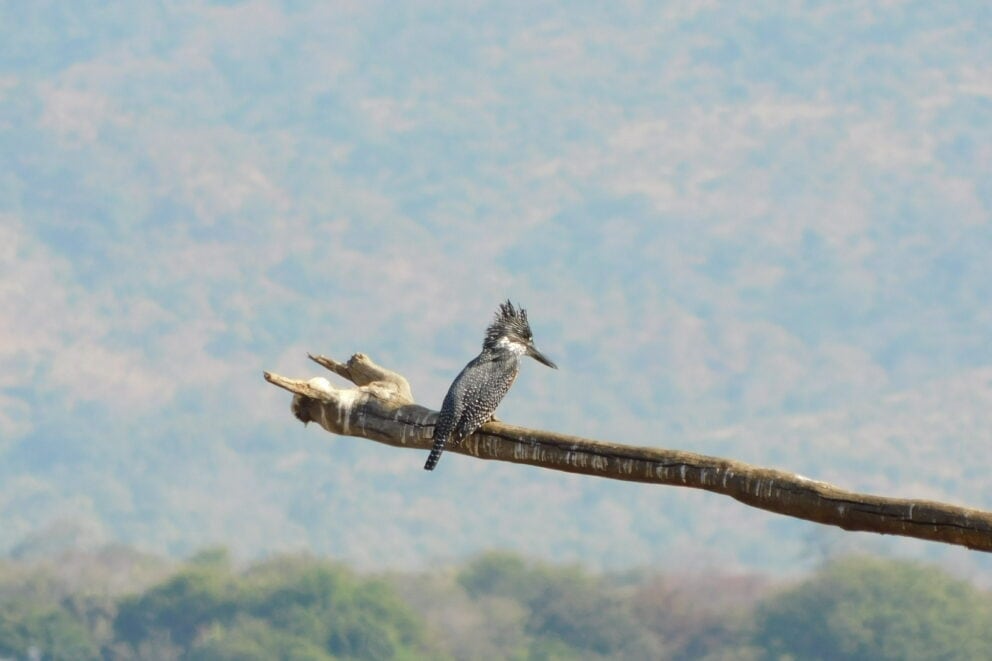
Starting a new hobby in a continent as biodiverse as Africa can feel overwhelming, but a few simple techniques will build your confidence quickly. Birdwatching is a simple art that requires very little initial gear. Focus on observation and patience.
1. Focus on “GISS” (General Impression of Size and Shape)
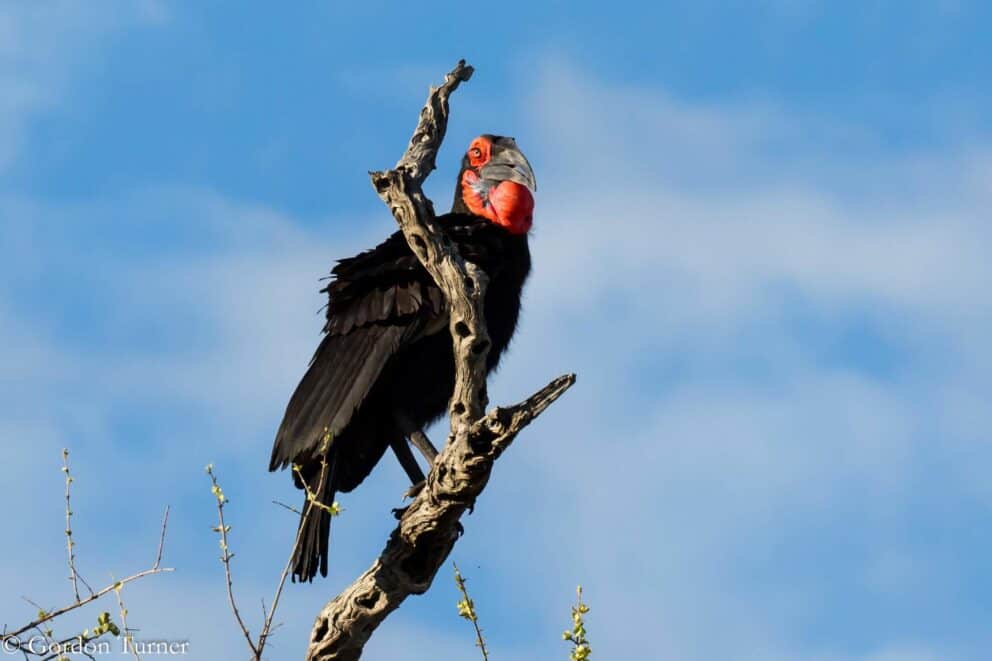
Instead of trying to identify exact feather patterns right away, start with the overall shape and size. Is the bird the size of a sunbird, a pigeon, or a stork? Is its tail long or short? What colour is its plumage? What sounds does it make? Observing overall proportions helps narrow down bird families in seconds.
How to Identify Birds
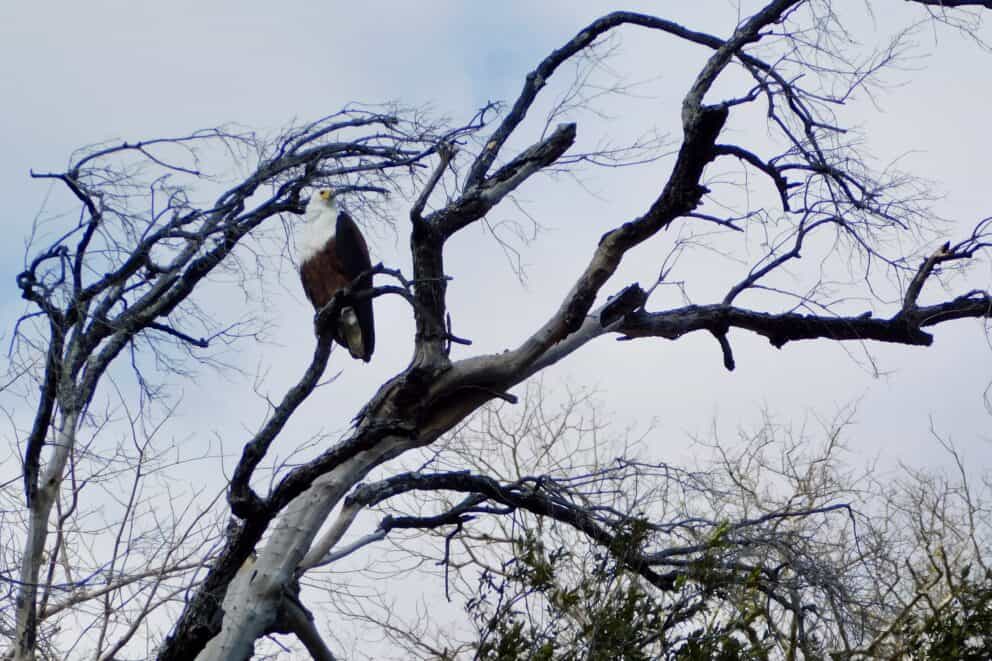
Once you’ve got the “GISS” out of the way, compare it to species you already know. Instead of just looking at the overall colour, look for specific “field marks”. Check for ringed lines around the eyes, distinct stripes on the wings (wing bars), or a patch of colour on the rump or crown.
Note what the bird is doing. Is it feeding on the ground, climbing up a tree trunk vertically, or soaring high in the air without flapping? Does it flick its tail constantly? Once you’ve nailed all of this, narrow your options down to location. Many birding apps, such as Merlin Bird ID, already do this work for you, letting you know what birds will likely be in your area.
2. Spot, Observe, Then Edge Closer
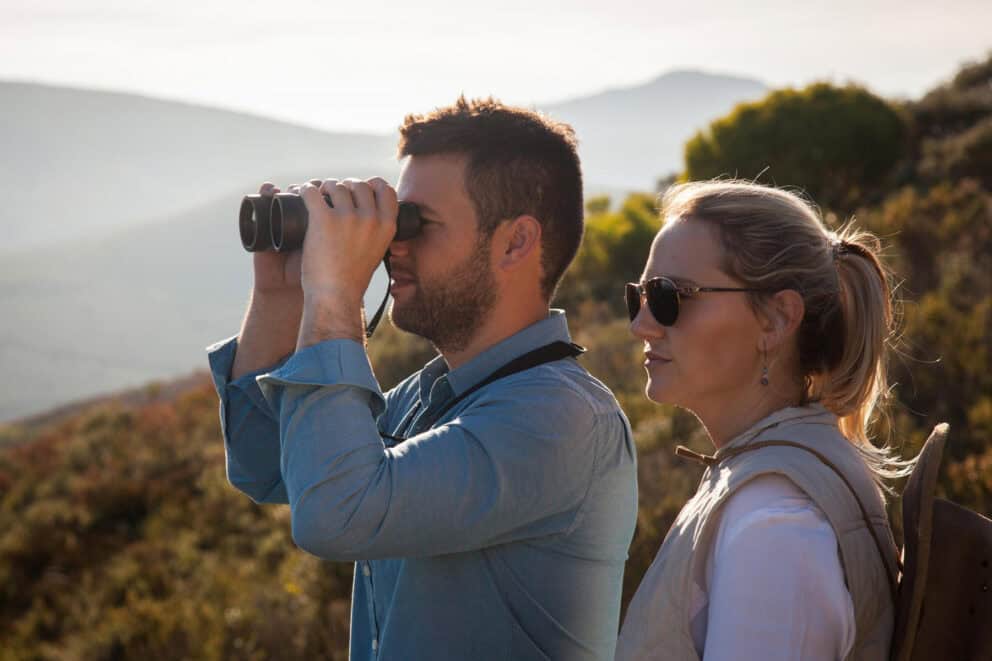
A common mistake on a first birding trip is trying to move closer as soon as a bird is spotted. Once you’ve taken in the initial details, edge forward slowly while keeping your eyes on the canopy or bush.
- Listen before you look: Birds are almost always heard before they’re seen. Listen for their general location.
- Keep the sun at your back: If possible, keep the sun behind you; shadows turn every bird into a dark silhouette, erasing their colour and patterns.
- Look with your eyes first: If you use binoculars, find the bird with your naked eye first, keep your gaze locked on it, and then bring the binoculars up to your face.
3. Leverage Local Knowledge and Digital Tools
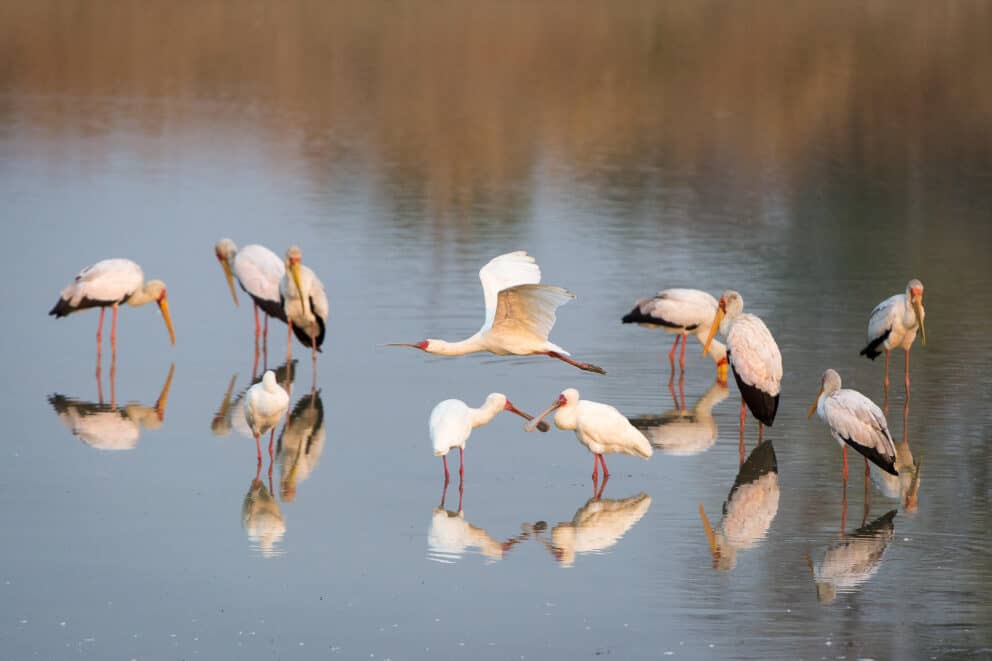
Pairing a quality pair of binoculars (an 8×42 or 10×42 configuration works best for safari conditions) with a regional birding app – such as Merlin Bird ID or Sasol eBirds – gives you instant access to calls and field marks. Most importantly, rely on your safari guide. Local guides have lived and worked in these landscapes for years; their ability to spot hidden species and share local folklore brings every sighting to life.
If you prefer a traditional approach and don’t want a digital version of your life list, a notebook and pen are just as effective. Writing down the date, location, and a brief description of a bird helps cement the memory much better than just looking at it.
Top Destinations for Birdwatching Vacations
When designing birdwatching trips for beginners, location and pacing are key. The best destinations combine rich birdlife with exceptional general game viewing, allowing you to enjoy a complete wilderness experience without feeling rushed.
Destination Primary Habitat Beginner Birding Highlights Why It Works
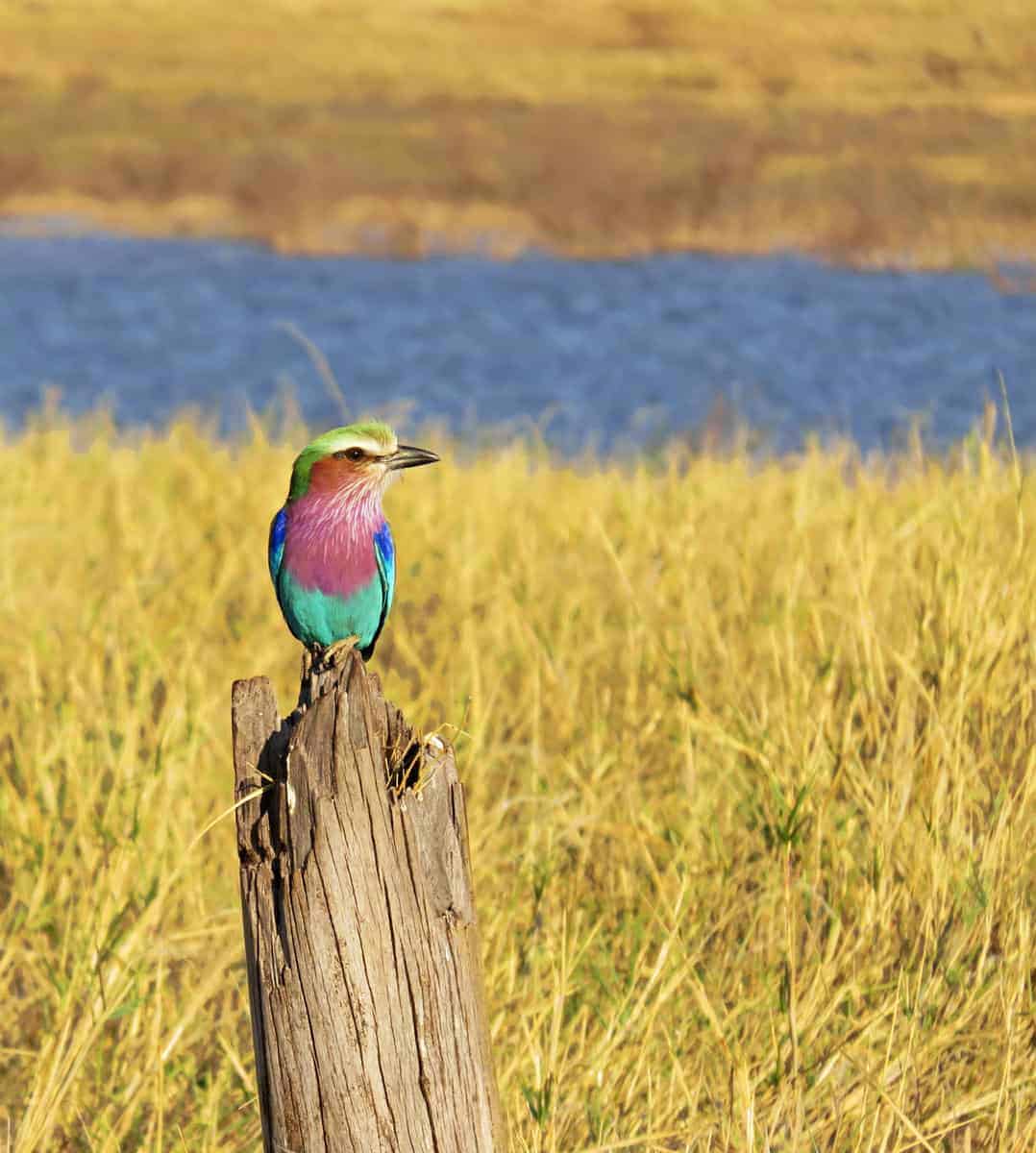
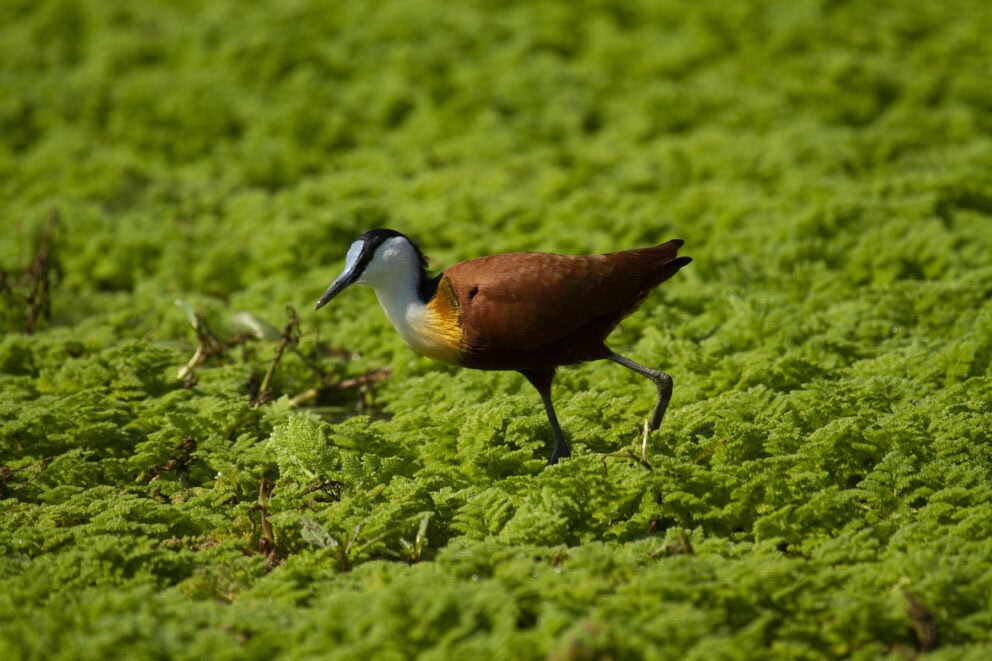
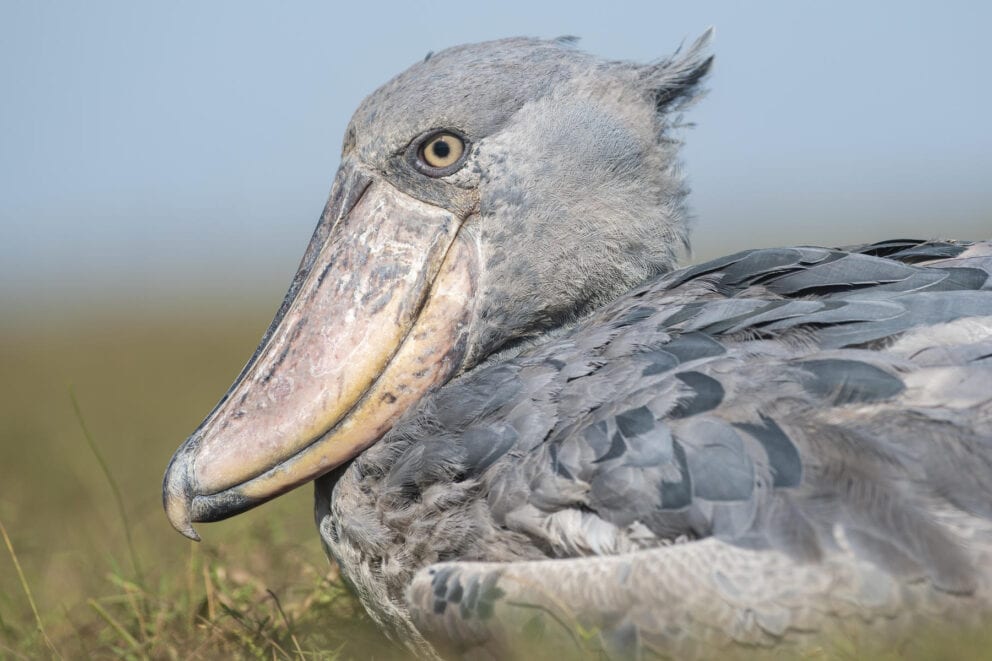
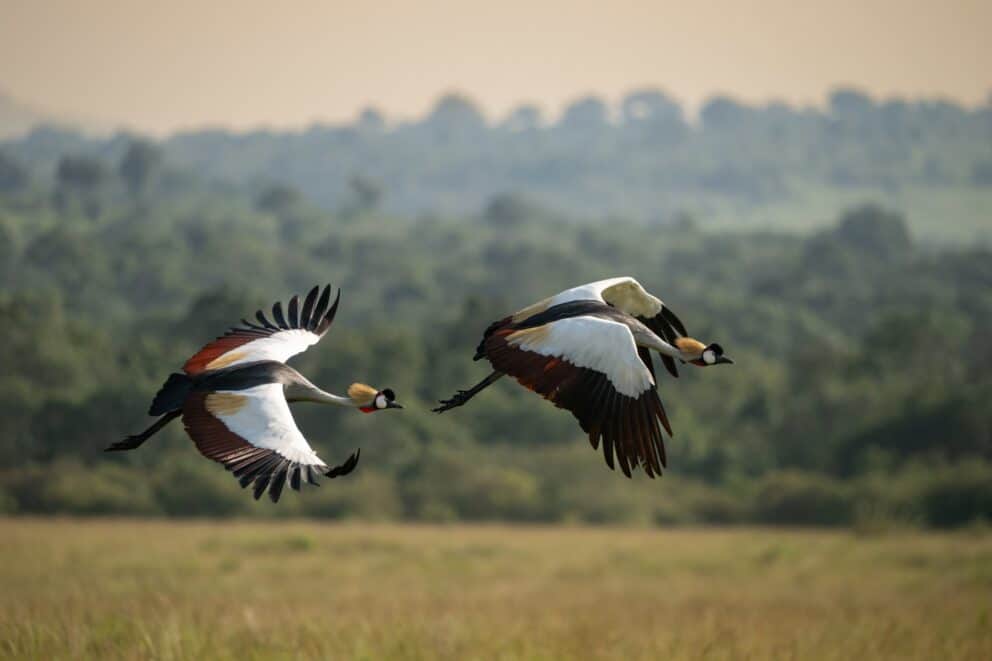
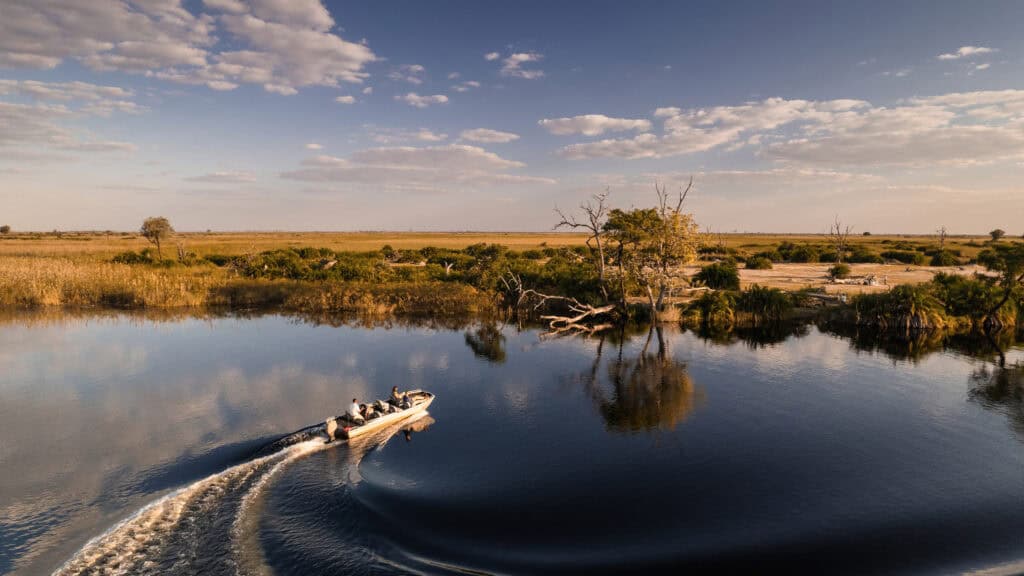
Greater Kruger (South Africa) Savannah woodland & riverine forest Lilac-breasted rollers, kingfishers, hornbills, raptors Excellent road networks, world-class guides, and dense concentrations of both mammals and birdlife. Okavango Delta (Botswana) Seasonal floodplains, lagoons & papyrus channels African jacanas, malachite kingfishers, African skimmers, fish eagles Water-based safaris in silent mokoros (dugout canoes) offer intimate, close-range bird sightings. South Luangwa and Lower Zambezi (Zambia) Riverine lagoons, miombo woodland & floodplain banks Carmine bee-eaters, African skimmers, Pel’s fishing owl, Lilian’s lovebirds Renowned for walking safaris and riverboat cruises that allow beginner birders to observe wildlife at a gentle, unhurried pace. Mana Pools and Hwange (Zimbabwe) Zambezi floodplains, mopane woodland & seasonal waterholes Southern carmine bee-eaters, crowned cranes, African finfoot, martial eagles Unique safari activities – like canoeing along river channels and sitting in photographic hides – provide immersive, close-up viewings. Bwindi & Queen Elizabeth NP (Uganda) Albertine Rift montane forests & open savannah Shoebill, great blue turaco, and rift endemics Exceptional species density that easily pairs with primate tracking for a diverse itinerary. Western Cape & Garden Route (South Africa) Fynbos, coastal wetlands & oceans Cape sugarbirds, African penguins, orange-breasted sunbirds Mild conditions, accessible reserves, and specialised endemic species not found anywhere else on earth.
Designing an Intentional Birding Itinerary
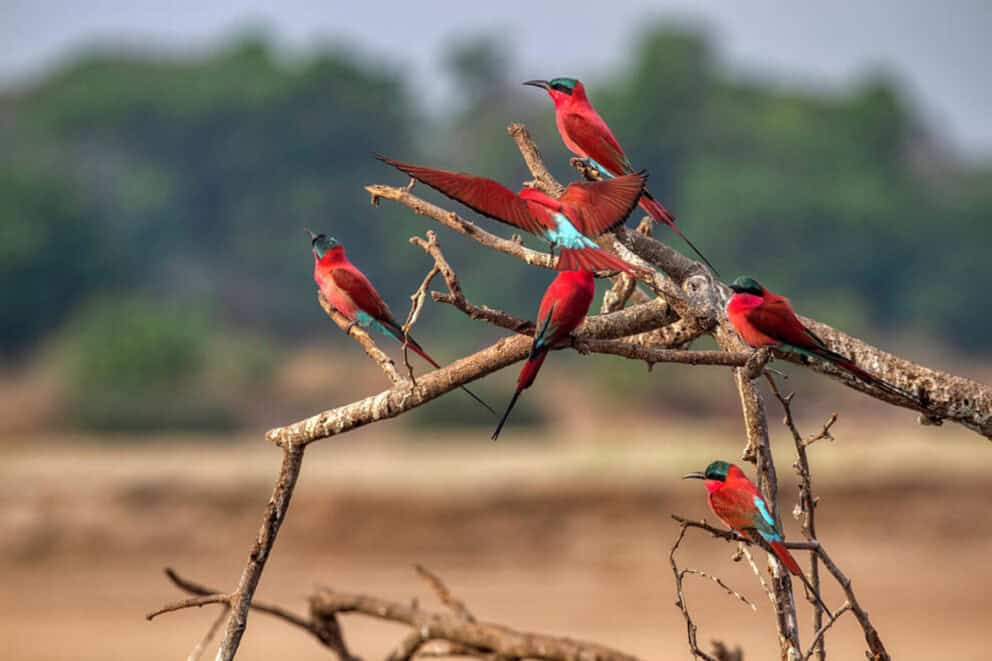
A successful birding trip isn’t about rushing from one park to another to maximise a species tally. It’s about thoughtful journey design that balances time in the vehicle with quiet moments in bird hides, guided bush walks, and peaceful water safaris.
Choosing the Right Lodges
We work with carefully selected lodges that prioritise holistic safari experiences. Look for properties that offer:
- Private vehicle options so you can spend as much time as you like admiring a single nesting site.
- On-site bird hides overlooking waterholes or rivers, giving you a front-row seat to avian activity during midday hours.
- Specialist guides who hold a genuine passion for ornithology and local ecology.
Understanding the Seasons
Birdwatching in Africa is rewarding year-round, but timing impacts what you’ll see:
- The Green Season (November to April): Migratory birds arrive from Europe and Asia, filling the bush with vibrant breeding plumage and active nesting displays.
- The Dry Season (May to October): Foliage thins out and water sources concentrate around rivers and waterholes, making resident woodland birds and raptors much easier to spot.
Start Planning Your Safari with Africa-Based Experts
Taking your first steps into birdwatching opens up a lifetime of discovery across Africa’s wild spaces. Every habitat tells its own story through the movement and calls of its wildlife, and navigating these nuances is far easier with trusted guidance.
At Discover Africa, our team lives and works on the continent. We understand that every traveller comes with unique expectations, paces, and interests. By taking the time to understand who you are and what you hope to feel, we craft tailor-made safaris designed intentionally around you.
Ready to explore? Talk to an Africa safari expert today to begin designing a journey that brings the African wilderness to life.

Written by Thaakiera Ackerdien
• Travel Writer

Discover the African Journey that’s Right for You
 Blog List
































Written by Thaakiera Ackerdien
• Travel Writer
Part of the Southern Africa Safari, Uganda Safari & Birding Safaris Collections