

 Email us




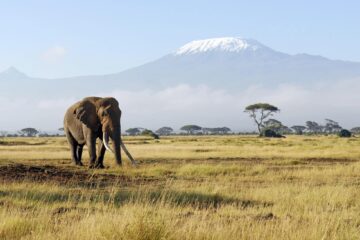
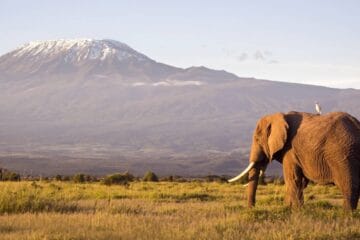

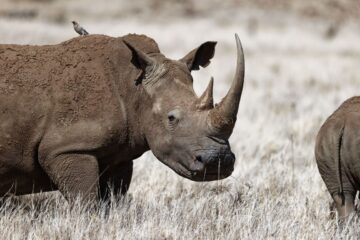
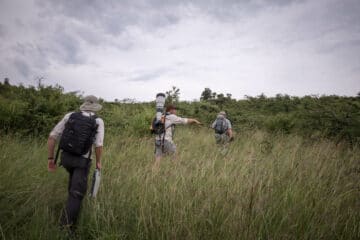
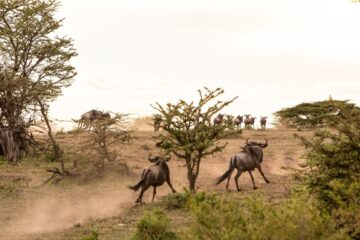

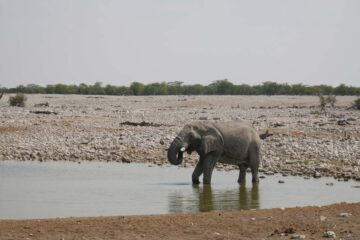
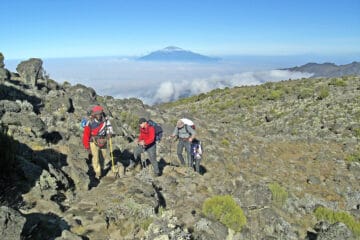
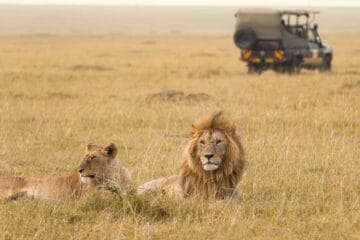
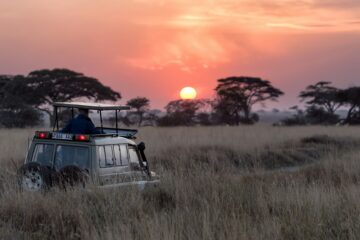
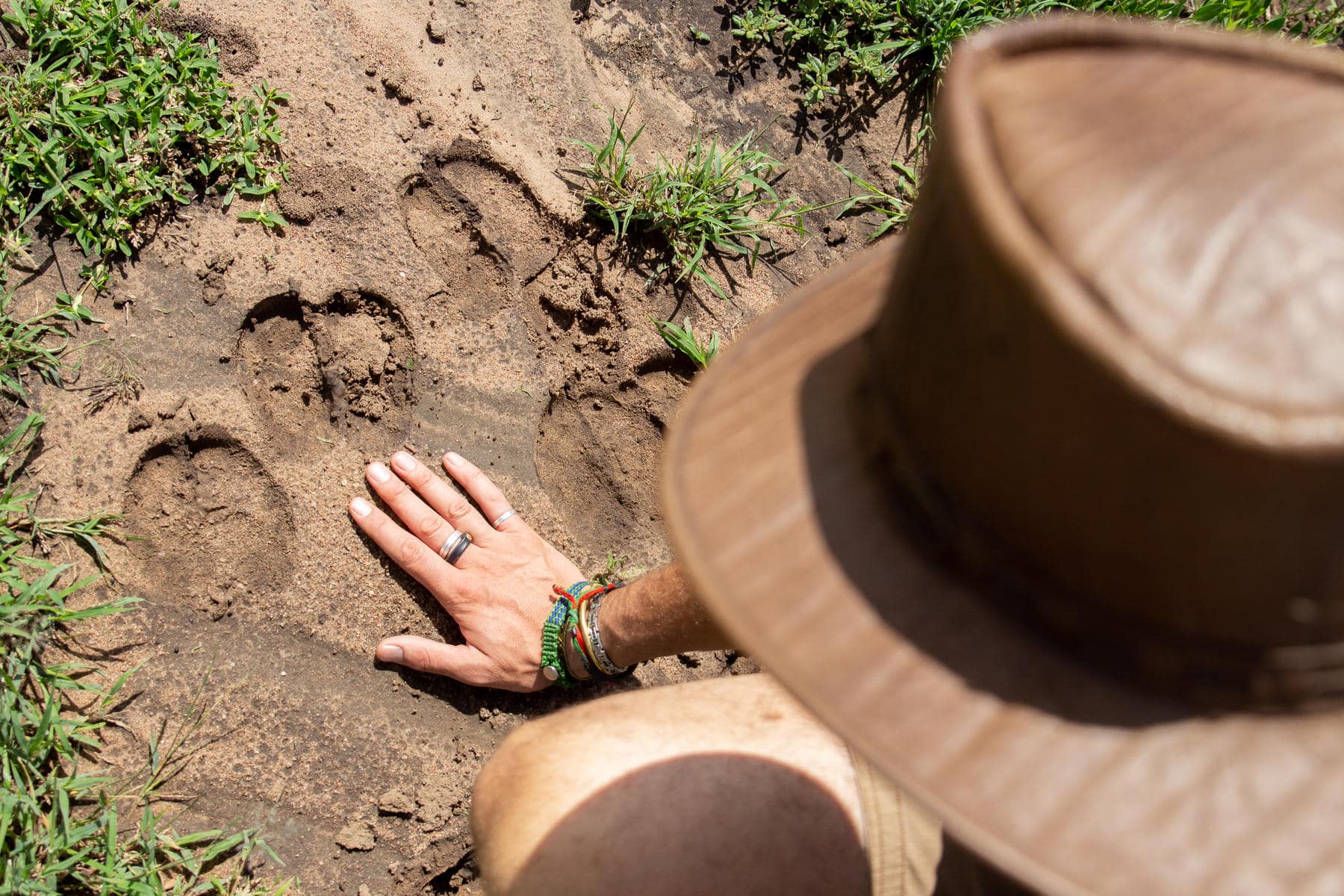
Behind the unforgettable encounter of Africa’s wild front and iconic scenery lies a quiet, essential truth: the future of Africa’s wild spaces depends deeply on how we choose to travel. When thoughtfully designed, travel becomes a force for good, and for travellers seeking meaningful experiences, a safari is no longer just about observing wildlife. It’s about participating in its protection. Safari and conservation go hand in hand.
So, what is a conservation safari, and how does your presence in the wilderness actively safeguard species and uplift local communities? Let’s explore how sustainable safari tourism works on the ground – and how pioneering stays are setting a new standard for ethical safari travel.
What is a Safari and Conservation Journey?
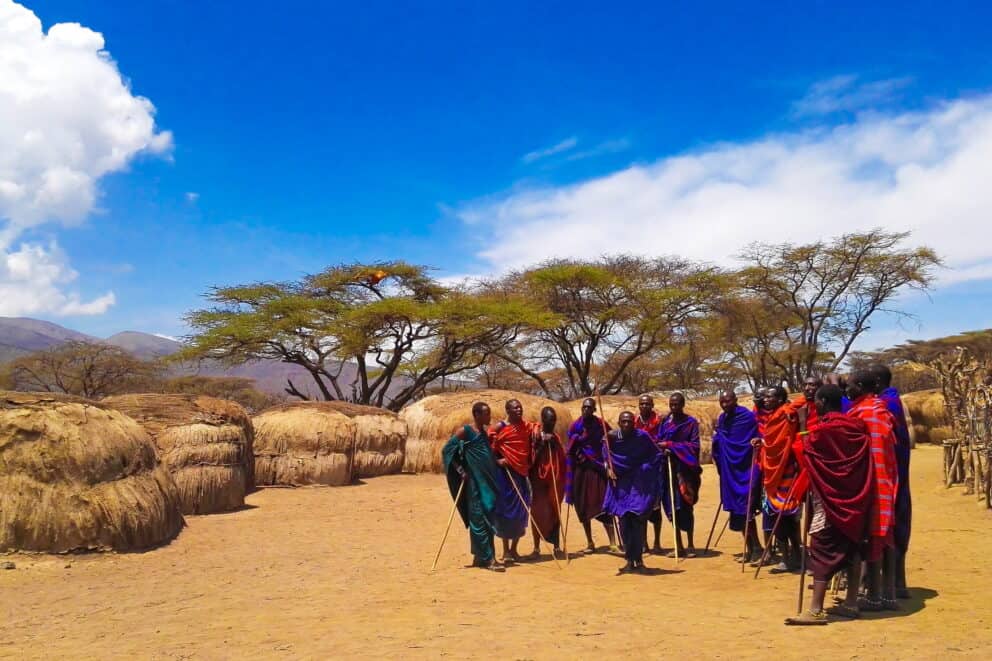
At its core, a conservation safari in Africa bridges the gap between travel, wildlife protection, and community development. Rather than operating in isolation, eco-conscious safari operators design experiences that directly generate funding and incentive for habitat preservation. It isn’t a separate category with its own vehicles and lodges. It’s a way of choosing where you stay, who guides you, and how you spend your days.
Choosing an ethical wildlife tour operator ensures that you contribute towards ecotourism:
- Habitat preservation: Protecting critical migration corridors and delicate ecosystems from deforestation or agricultural expansion.
- Anti-poaching efforts: Funding dedicated ranger patrols, wildlife tracking technology, and veterinary interventions.
- Community empowerment: Creating sustainable livelihoods, educational opportunities, and healthcare initiatives for indigenous communities living alongside wildlife.
- The footprint is light: Lodges use renewable energy, reduce plastic, and are designed to fit the landscape.
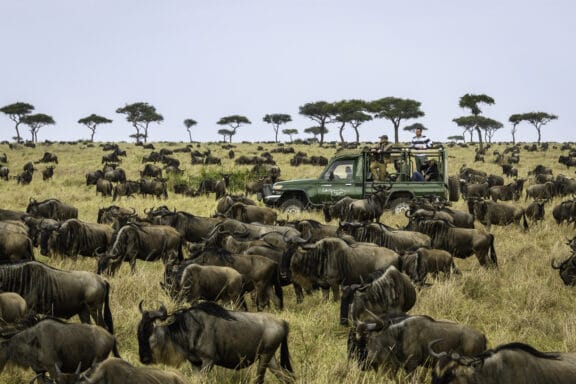
- The pace is unhurried: Longer stays and fewer vehicles mean less pressure on wildlife and a richer experience for you.
Without ethical travel, many protected areas would lack the financial support required to defend against habitat loss and poaching. By visiting these regions, travellers make wild spaces economically viable and valuable to local communities.
How Safaris Support Conservation
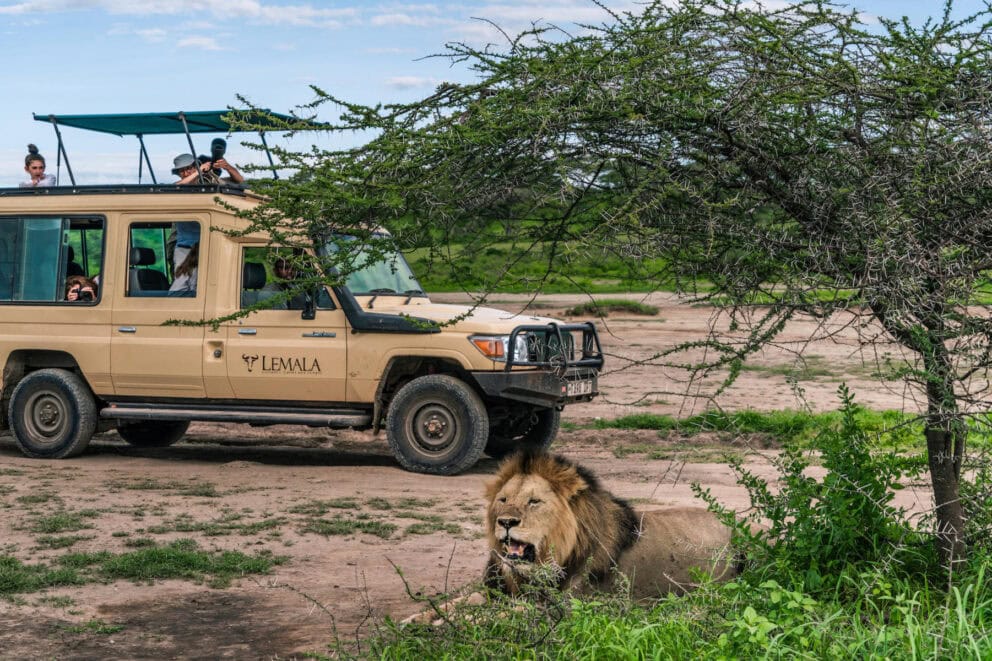
Wildlife needs space, and space needs a reason to exist. In many parts of Africa, tourism is one of the strongest reasons to keep land wild. Park entry fees and conservation levies go directly to the authorities who manage protected areas, supporting anti-poaching, habitat management, and scientific research.
Pointing to Lemala Osonjoi’s direct contribution of over $702,000 to the Ngorongoro Conservation Area Authority (NCAA), James Haigh, Head of Sales & Marketing at Lemala Camps & Lodges, highlights this crucial economic link:
“Tourism revenue is directly connected to the continued protection of the destination. Conservation, wildlife management, habitat protection, and community development are not separate from tourism – they are fundamental to its long-term sustainability.”
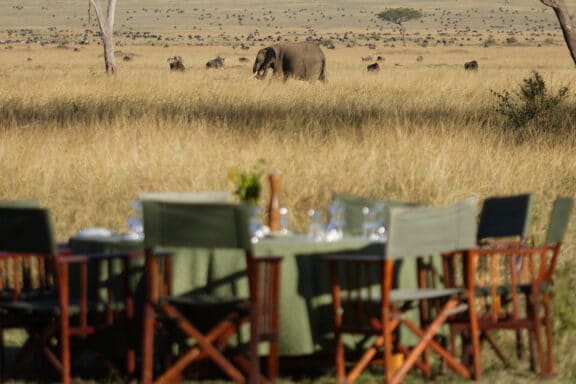
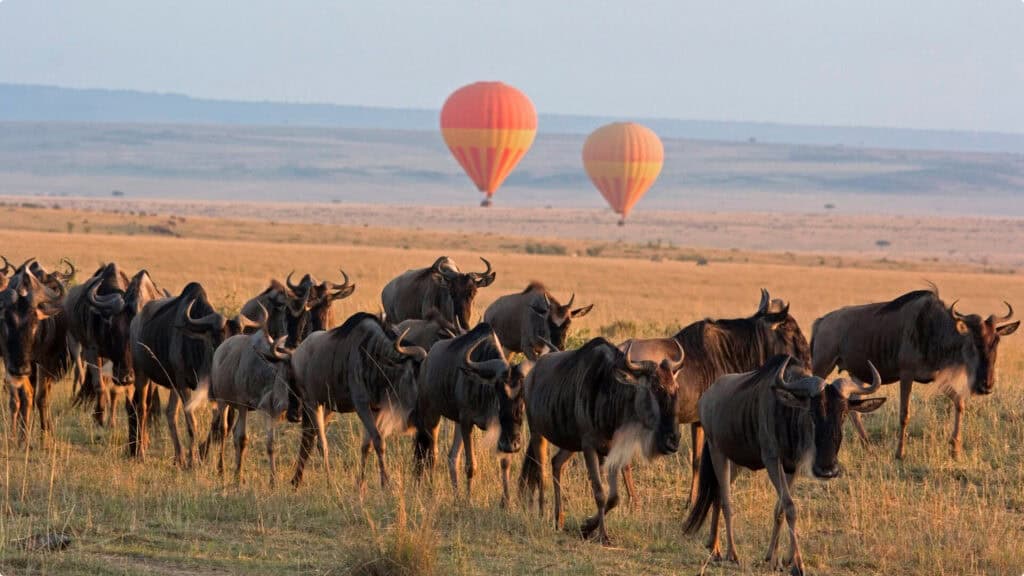
In Kenya’s Masai Mara, for example, Maasai landowners lease their land for wildlife use and receive regular payments in return. As a result, the land stays open for elephants, lions, and other wildlife to move through. Wildlife becomes an asset instead of a competitor for land.
On the other hand, rangers, trackers, and camp teams all rely on tourism. A community with a stable income from wildlife has a strong reason to protect it. None of this happens automatically, though. Money only helps where it reaches the right places.
How Safaris Help Local Communities and Wildlife
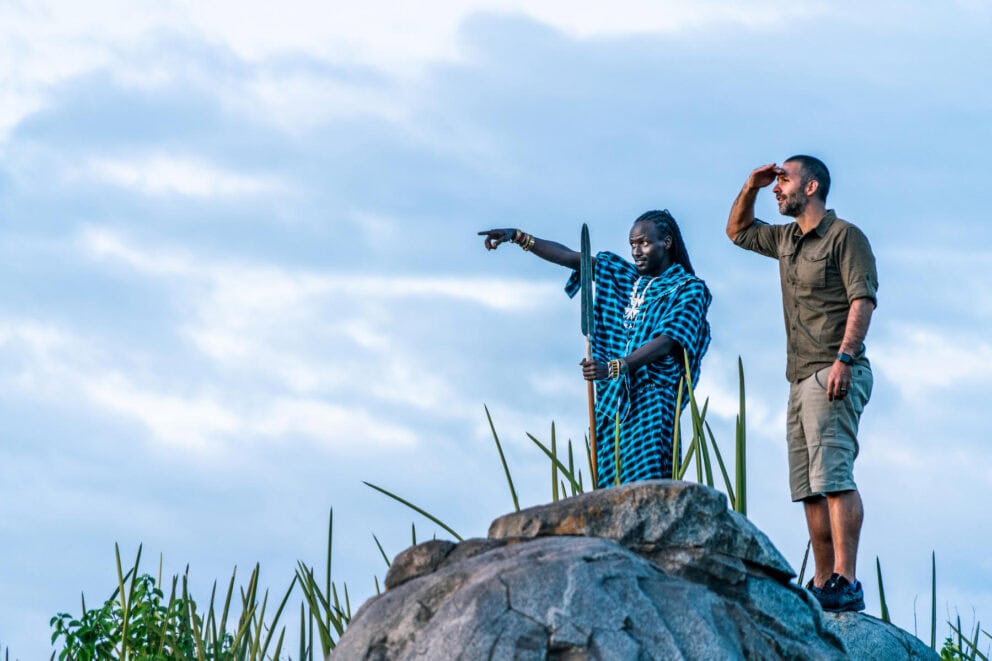
The relationship between wildlife and local communities is the bedrock of sustainable tourism. Conservation lasts when the people living beside wildlife benefit from protecting it. The best safari lodges and camps understand this and build it into daily operations.
Good community partnerships tend to look like this:
1. Local Hiring and Training
Sustainable safari tourism creates stable employment in remote, rural areas where economic opportunities are often limited. Locals from neighbouring areas fill real roles with career paths, not just entry-level jobs.
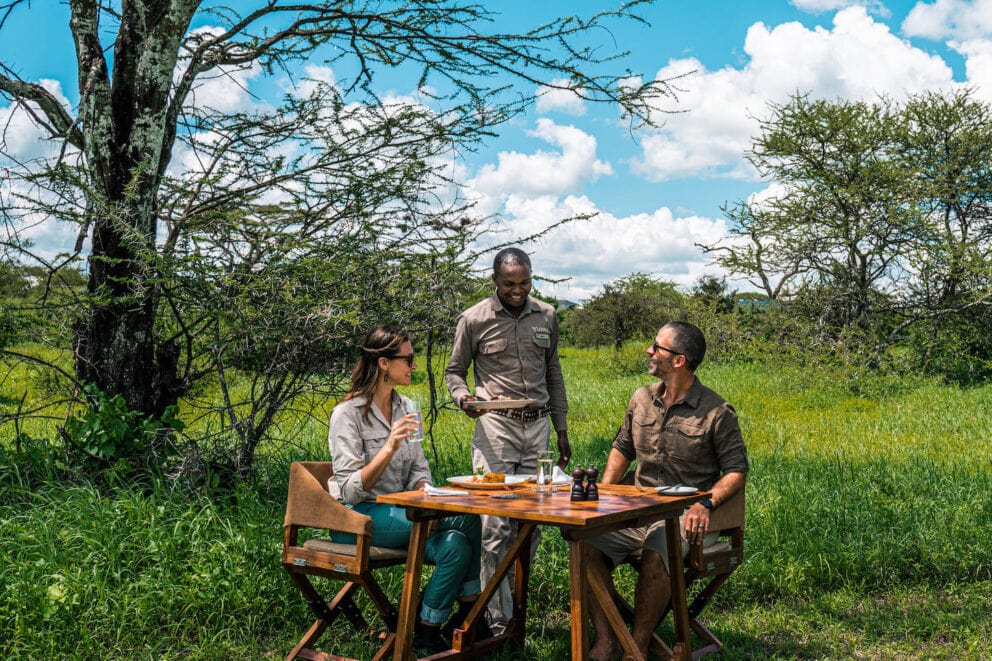
From guides and chefs to hospitality teams and land management crews, safari lodges invest heavily in local hiring and skills training. Local guides and naturalists lead your experiences, so you learn about a place from the people who know it best.
2. Infrastructure, Health, and Education
A significant portion of park entry fees, bed-night levies, and lodge profits are reinvested into local infrastructure. This funding provides clean water sources, constructs classrooms, supports clinics, and funds scholarship programmes for local youth. When communities see tangible benefits from wildlife tourism, conservation becomes a shared, valued effort.
3. Cultural Preservation and Respect
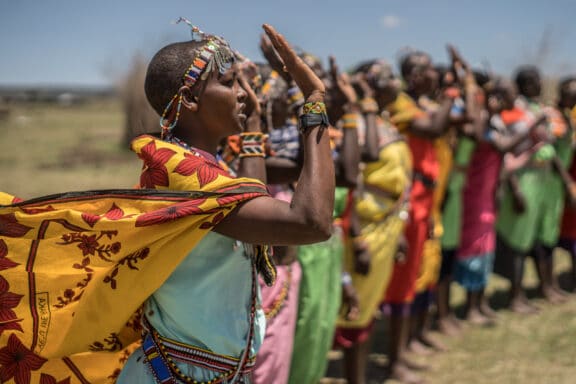
Ethical travel honours local heritage truthfully. Rather than treating cultural visits as staged performances, responsible operators facilitate authentic, community-led interactions that respect traditions, preserve indigenous knowledge, and ensure fair compensation for local hosts.
Case Study in Regenerative Travel: Lemala Osonjoi Lodge
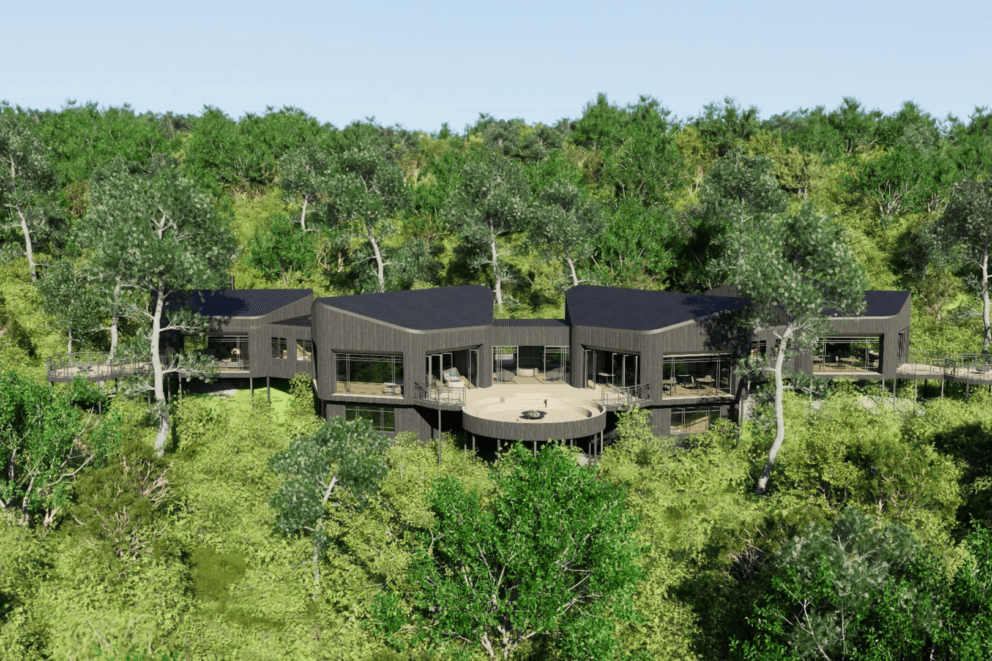
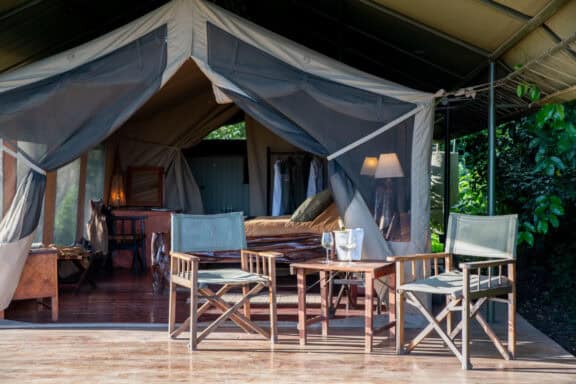
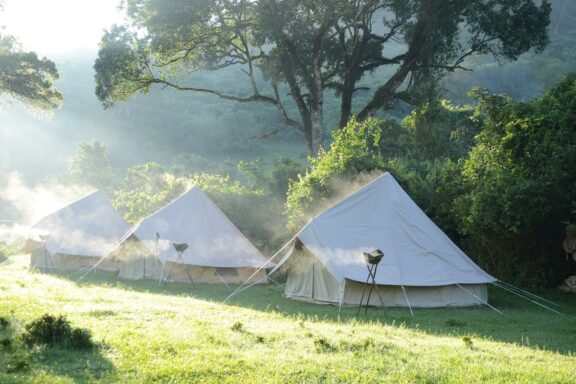
To see how conservation safari principles operate in practice, look no further than the eastern rim of Tanzania’s iconic Ngorongoro Crater. Here, Lemala Osonjoi Lodge recently celebrated its first full year of operations, demonstrating how a lighter footprint and community investment can coexist with exceptional guest comfort.
The lodge is named after the osonjoi tree, which has both symbolic and medicinal importance for the Maasai. That choice of name reflects how the lodge was conceived: alongside the people who know this landscape best.
A Thoughtful Footprint on the Ngorongoro Rim
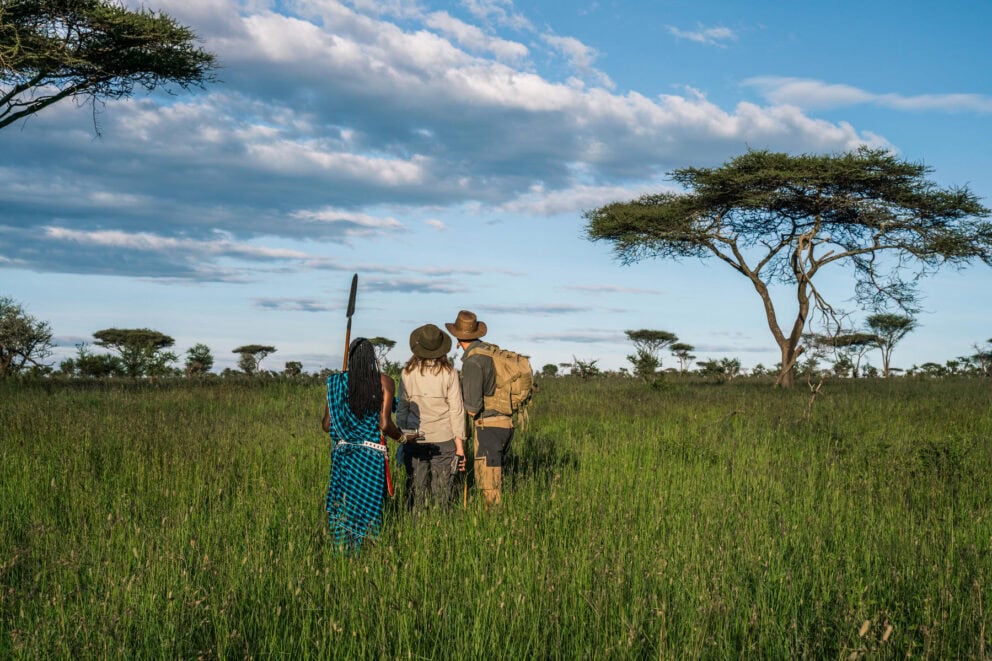
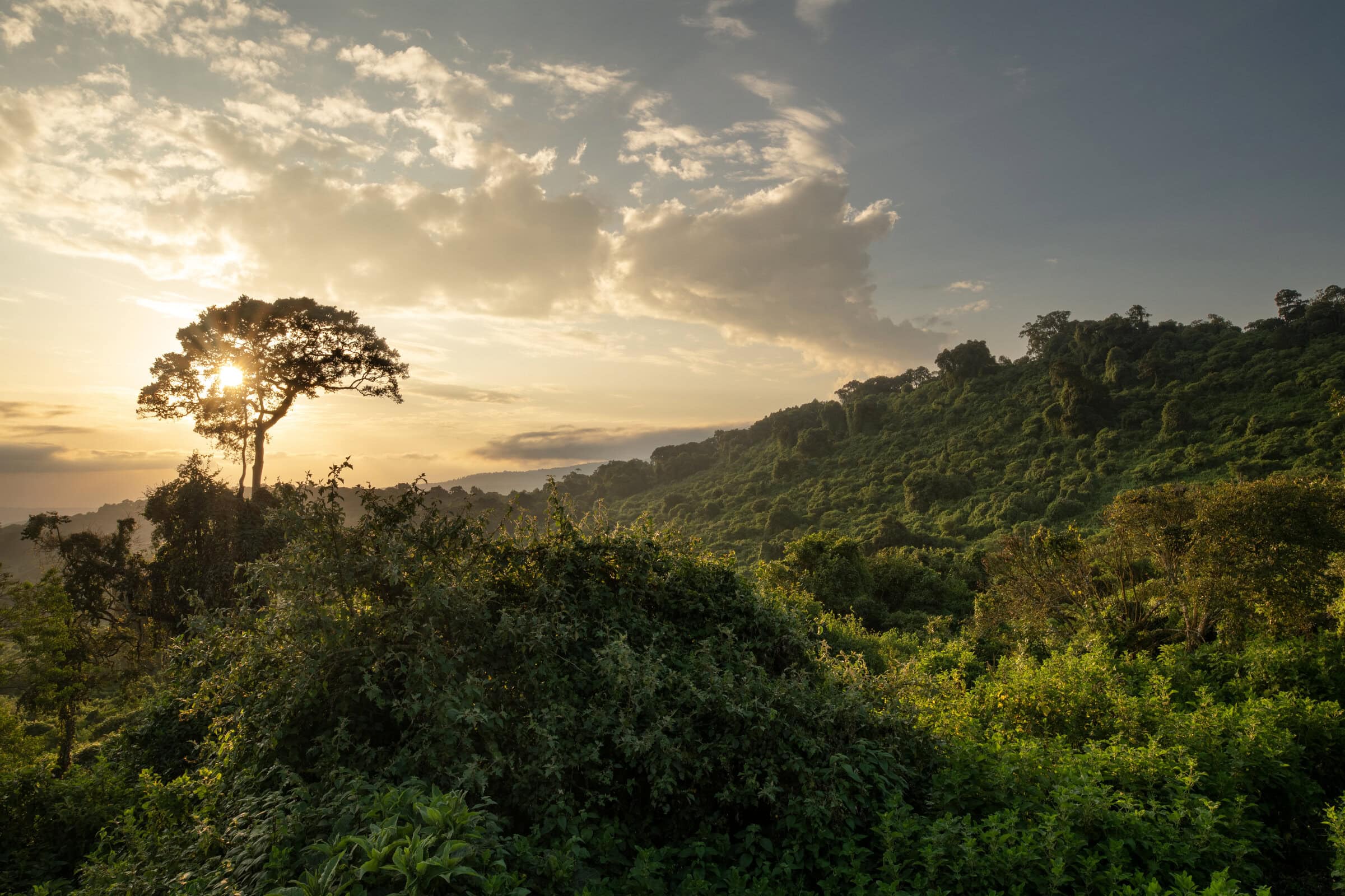
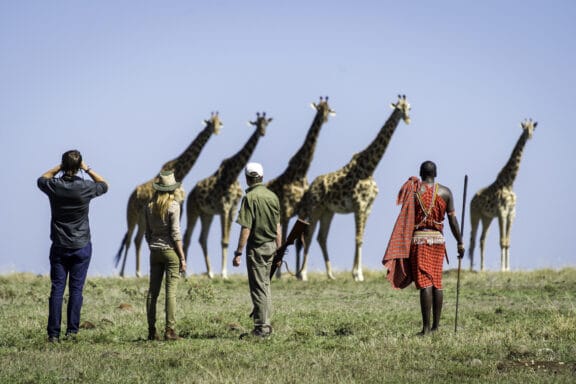
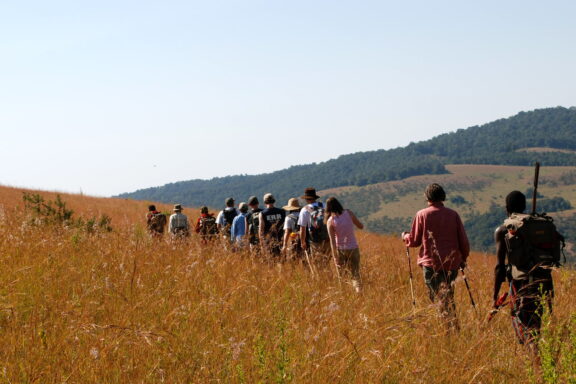
Positioned 2,500 metres above sea level near the quiet Lemala Gate, Osonjoi was intentionally designed to encourage slower, deeper travel. By offering highland nature walks, cultural experiences with Maasai hosts, and immersive wilderness activities beyond standard game drives, the lodge helps disperse visitor activity across the wider ecosystem, reducing pressure on the crater floor.
As James explains, this location represents a shift in guest expectations:
“Osonjoi offers a fundamentally different way to experience Ngorongoro. Its position on the eastern rim allows guests to spend meaningful time experiencing the highlands rather than making every experience dependent on driving down to the crater floor… Luxury is increasingly being defined not simply by comfort or exclusivity, but by time, space, access, and meaningful experiences. A game drive remains an important part of the East African safari experience, but it doesn’t have to be the entire experience.”
Operating entirely off-grid, Osonjoi uses a high-voltage solar system that saved over 132,000 kg of CO₂ emissions in its first period of operation compared to conventional diesel generators. Furthermore, through partnership with Okota Waste Management in Arusha, the lodge recycles or diverts an average of 88% of its waste away from landfills each month.
Direct Conservation Funding
During its first 12 months, Lemala Osonjoi Lodge contributed US $702,962 in crater fees, conservation fees, and bed-night levies directly to the Ngorongoro Conservation Area Authority (NCAA). These funds directly support:
- Essential wildlife and habitat protection initiatives.
- Infrastructure maintenance and scientific research.
- Local community support programmes within the conservation area.
Empowering Neighbouring Communities
Beyond environmental measures, Osonjoi places community partnership at the centre of its operations:
- Education Support: Following severe droughts impacting local livestock, the lodge provided essential school supplies to 25 students from Irkeepusi and supplies food provisions (beans and maize) to Loresho and Irkeepusi Primary Schools to support learning during the school day.
- Girl-Child Empowerment: To combat school absenteeism, Lemala has distributed more than 1,000 reusable sanitary pads across local communities, clinics, and secondary schools.
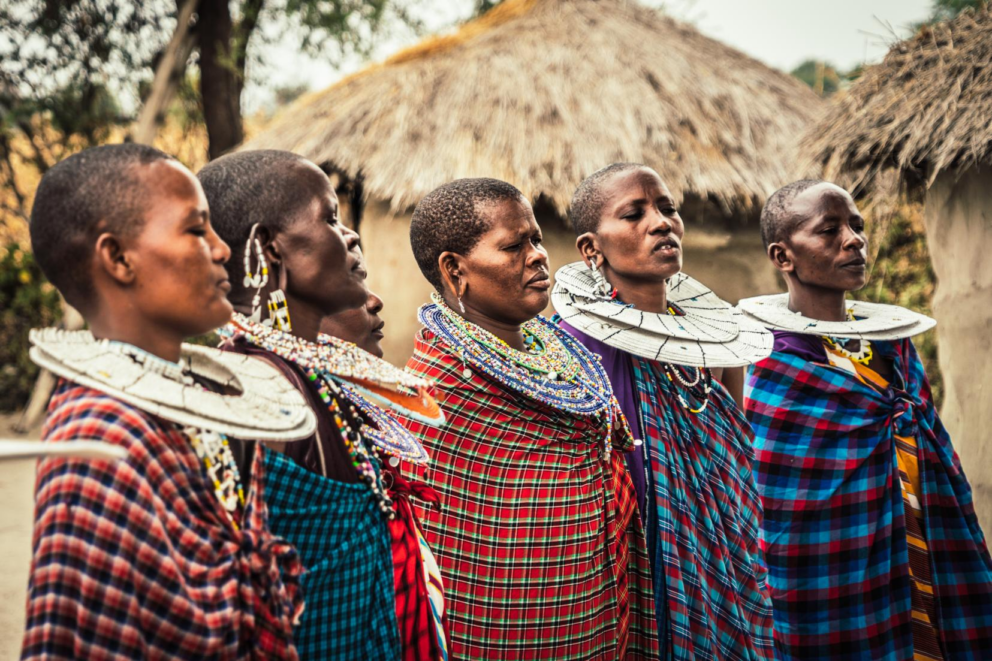
- Livelihood Creation: Osonjoi supports the Irkeepusi Women’s Group by showcasing their handmade beaded jewellery in the lodge curio shop. This initiative generated over US $1,500 in direct revenue during its first year while helping the group formally register as an independent, tax-compliant business.
Talking about how community partnerships shape Lemala’s operational philosophy, James emphasises that respectful cultural encounters require local agency:
“It starts with recognising that a cultural experience should not be treated as a performance created for visitors. The people and communities involved need to have agency in how their culture is represented and shared. Our approach is based on deep relationships, local participation, and respect. The objective is not simply for a guest to have an interesting experience, but for the interaction to foster understanding, dignity, and tangible local benefit.”
The Honest Side: Where Safaris Can Go Wrong
It would be easy to say every safari helps, but that wouldn’t be quite honest, and travellers deserve an honest view.
Tourism can cause harm. Too many vehicles around a single sighting may stress animals and damage their habitat. Lodges built without local involvement take benefits away from local communities. And, if we’re being really honest, some operators use the language of conservation without doing too much behind it.
They are why slower, better-planned journeys matter. A traveller who stays three nights in one area, with a small group and a trained local guide, has a very different impact from one who rushes through five parks in a week. The first traveller sees more and adds less pressure – to themselves and the environment.
Ethical safari travel isn’t about being perfect. It’s about asking better questions and choosing partners who can actually answer them.
Plan Your Purpose-Driven Safari with Local Expertise
A safari and conservation journey has the power to change how you see the world while simultaneously protecting the wild places and communities that make it so extraordinary. By choosing journeys designed with care, purpose, and local expertise, your travel leaves a lasting, positive footprint.
Whether you wish to experience the peaceful morning light descending into the Ngorongoro Crater from Lemala Osonjoi or explore the expansive plains of the Serengeti, our Africa-based safari experts are here to design a journey tailored around you.

Written by Thaakiera Ackerdien
• Travel Writer
Discover the African Journey that’s Right for You
 Blog List






















Written by Thaakiera Ackerdien
• Travel Writer
Part of the Kenya Safari, Tanzania Safari & Positive Impact Safaris Collections