

 Email us





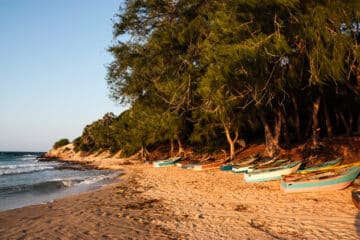
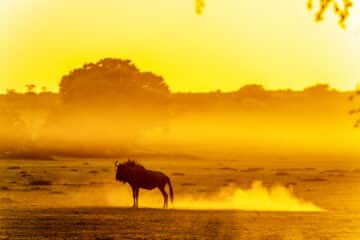
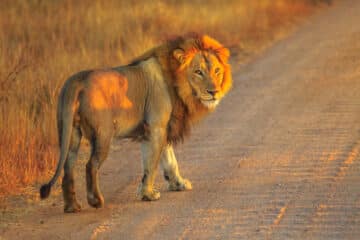
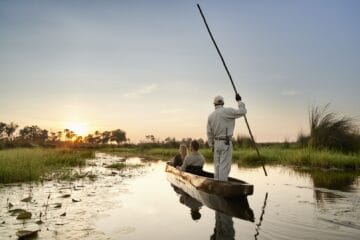
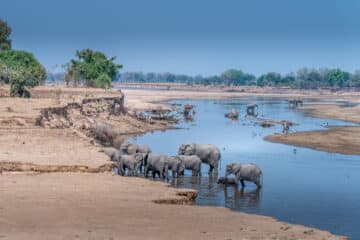

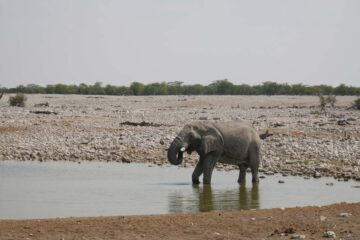
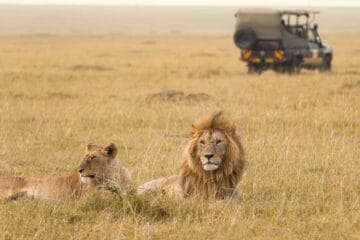
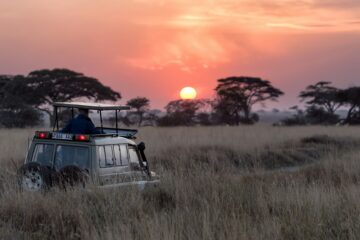
There’s a moment that happens on almost every trip through Africa that changes how you see travel. Maybe it’s sitting with a Maasai elder as he explains why his community protects a stretch of wilderness rather than farms it. Maybe it’s watching a ranger track a leopard by reading broken grass stems. Maybe it’s realising that the fee for your safari permit is what pays for the anti-poaching unit patrolling that same reserve tonight.
These moments only exist because someone, somewhere, made a deliberate choice about how tourism should work.
Every year on 27 September, the world marks World Tourism Day – a date set by the UN World Tourism Organisation to highlight tourism’s role in social, cultural, political, and economic life. There’s also a harder question to ask underneath that: is travel actually doing the good it could be doing?
For travellers who want their journeys to mean something beyond the photographs, that question is worth sitting with.
What Is Responsible Tourism, Really?
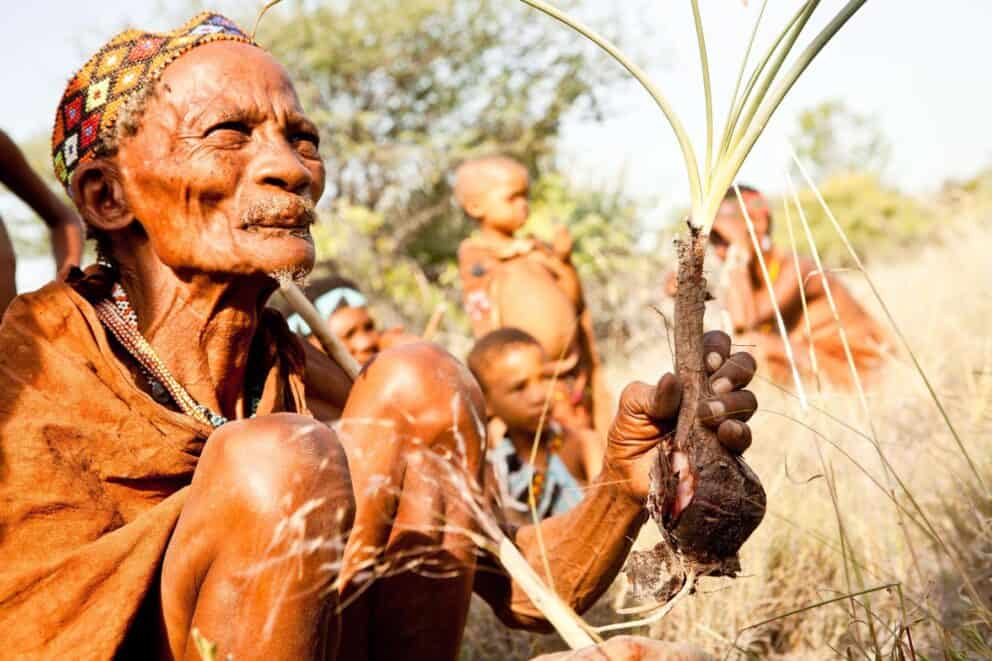
The phrase gets used loosely, so it helps to be precise. Responsible tourism is travel that takes accountability for its impact – on the environment, on wildlife, and on the people who call a destination home. It’s less a marketing label and more a set of choices: who benefits from your visit, what gets protected because you came, and what gets left better than you found it.
This is different from simply “eco-friendly” travel, which often focuses narrowly on environmental footprint. Responsible tourism is broader. It asks whether local communities have a genuine stake in tourism revenue, whether wildlife is protected rather than exploited for entertainment, and whether cultural heritage is represented with honesty instead of performance.
Sustainable tourism is a close cousin of the term, and the two are often used interchangeably. If there’s a distinction, it’s this: sustainability describes the long-term goal – an industry that can keep operating without depleting the places it depends on. Responsible tourism describes the everyday behaviour, by operators and travellers alike, that gets us there.
Why Responsible Tourism Matters Right Now
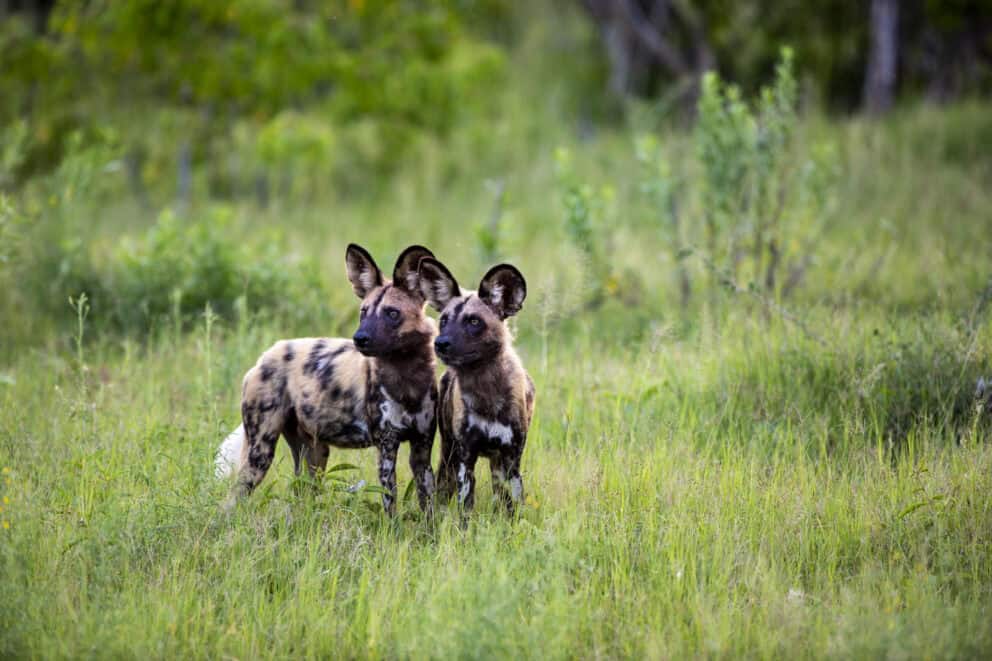
Africa’s wild spaces aren’t simply scenery. Their ecosystems are under real pressure – from land conversion, climate change, and the sheer economic temptation to use land for something other than conservation.
Tourism, done well, is one of the strongest arguments for keeping that land wild. When a community earns more from a living elephant than from land cleared for agriculture, conservation stops being an abstract ideal and becomes an economic reality. The reverse is also true. Tourism done carelessly can strip resources, disrupt wildlife behaviour, and reduce centuries-old cultures to props for photographs.
The difference between these two outcomes usually comes down to a handful of decisions made long before a traveller ever boards a flight. Decisions about which lodges to work with, which communities to partner with, and which experiences actually deserve a place on an itinerary.
What Responsible Tourism Looks Like in Practice
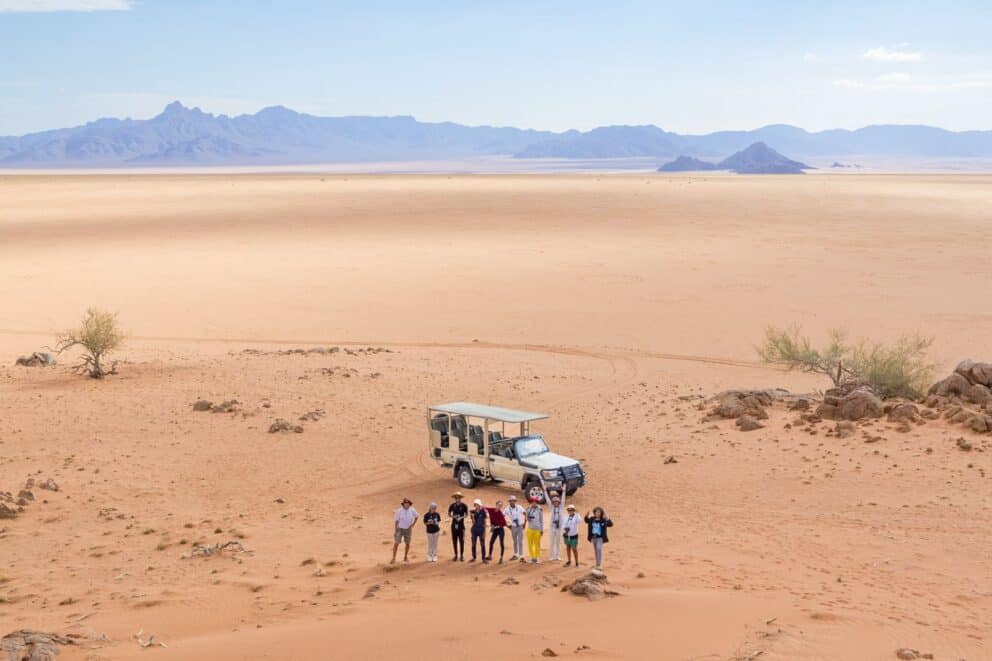
It helps to see the principle in action. A few examples show how it plays out on the ground:
Community-based tourism: In places like Namibia‘s communal conservancies, local communities manage wildlife areas themselves and share directly in tourism revenue. The incentive to protect wildlife sits with the people living alongside it, not with a distant authority.
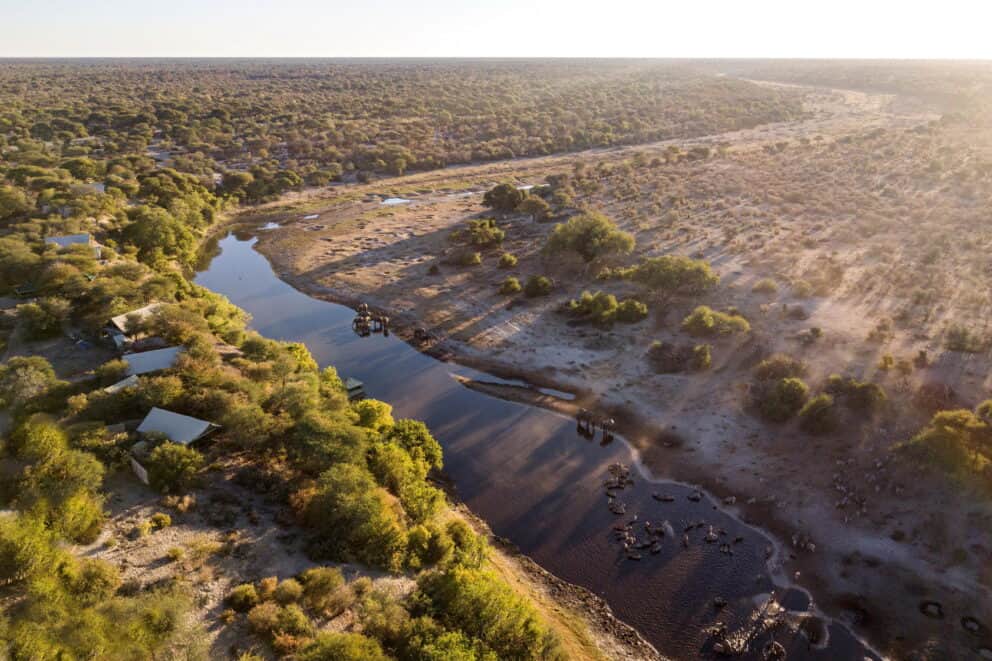
Conservation-linked lodges: Many camps across East and southern Africa direct a portion of every stay toward anti-poaching patrols, local community development, habitat restoration, or wildlife research. Your bed levy becomes a local’s salary or a collared lion’s tracking device.
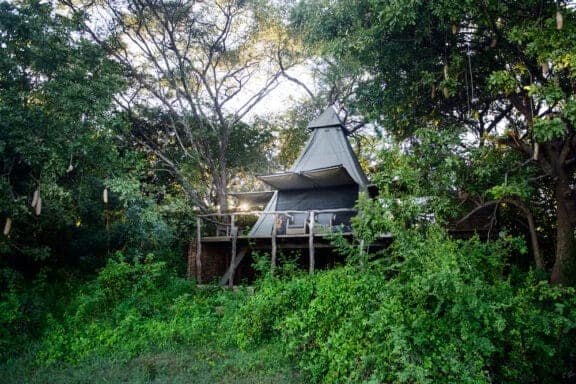
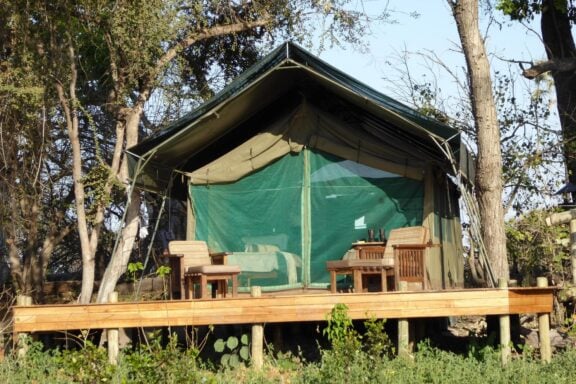
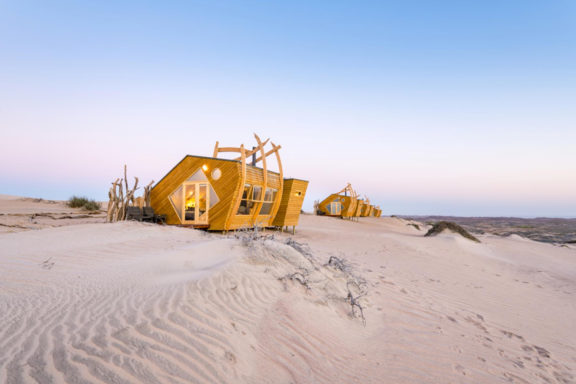
Low-impact camp design: Solar power, water recycling, and limited-footprint construction reduce the physical mark a camp leaves on fragile ecosystems, particularly in environments where resources are scarce.
Fair, local employment: Guides, trackers, and lodge staff drawn from surrounding communities keep tourism income circulating locally, rather than flowing out to distant shareholders.
Youth education and skills development: Some of the most powerful responsible tourism work happens entirely off the safari vehicle. It happens in programmes that connect young people from communities bordering protected areas to the wildlife heritage on their doorstep. Wild Shots Outreach is one of the clearest examples of this at work.
Spotlight: Wild Shots Outreach
Founded in 2015 in South Africa‘s Greater Kruger area, Wild Shots Outreach (WSO) tackles a problem that rarely makes it into safari brochures: unfortunately, the majority of young people growing up a few kilometres from national parks have never even set foot in a wilderness area or seen the wildlife their region is famous for. That disconnect matters. It’s difficult to protect what you have never had the chance to know.
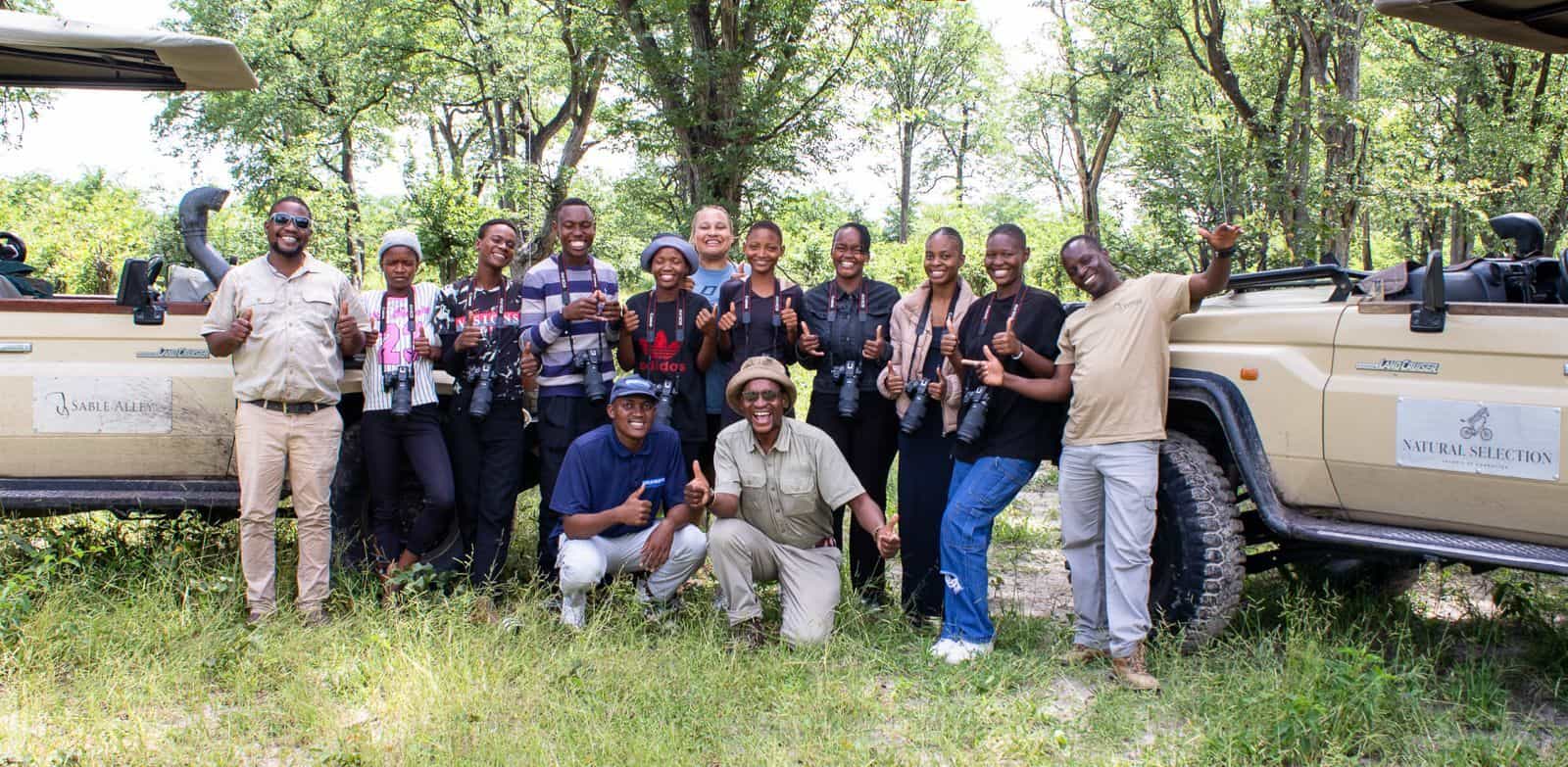
The organisation’s response is to teach wildlife photography – not as a hobby, but as a bridge. Participants, many of them unemployed youth or high school students, are taken into the bush, trained in photographic skills, and given a genuine, first-hand introduction to the ecosystems on their doorstep. A bursary programme then supports the most committed students into further training, study, or employment in conservation and tourism.
None of this happens in isolation. WSO runs its workshops in partnership with a number of lodges and camps across the region, who provide the access, accommodation, and guiding that make an immersive bush experience possible for participants who have often never set foot in a game vehicle before.
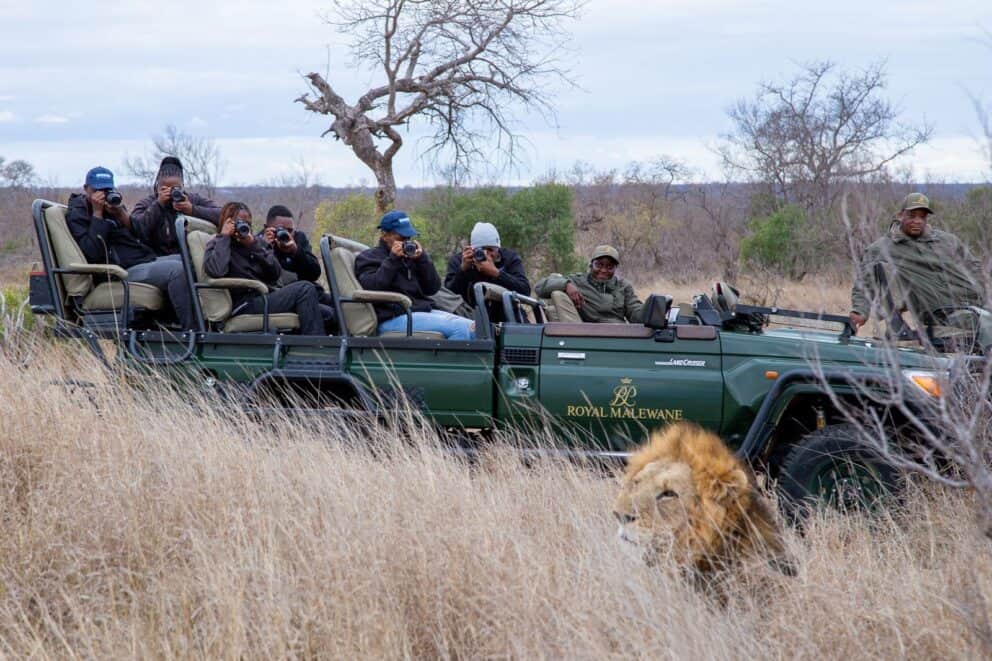
Royal Malewane, for instance, hosts an annual course through its Conservation and Research Centre, giving eight local high-school graduates a five-day, fully immersive programme that combines game drives, professional photography training, and exposure to conservation careers.
Natural Selection has partnered with Wild Shots Outreach at several of its Botswana properties, including Sable Alley, Planet Baobab, Jack’s Camp, and Meno A Kwena. These workshops, for most participants, mark the first time they’ve ever been on a game drive or photographed a wild animal.
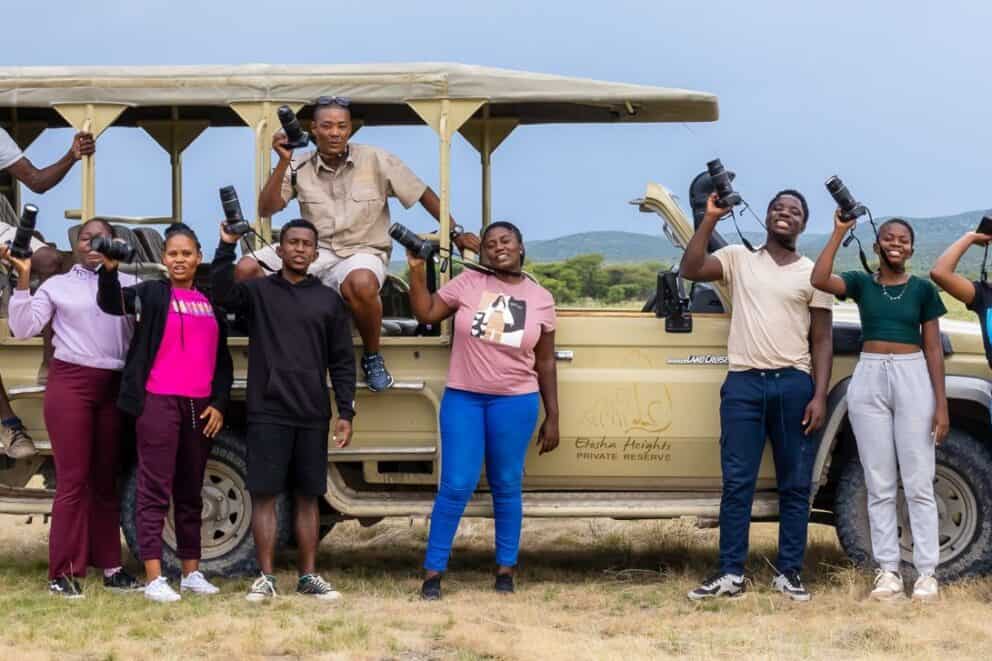
Other supporters, from camera manufacturers to specialist photography tour operators, contribute equipment, funding, and expanded reach into Kenya, Namibia, and Botswana.
“Every year we also work with the Natural Selection (NS) portfolio of lodges in Botswana and Namibia… It’s a win-win partnership. The young people get the opportunity to experience their natural heritage, build self-esteem, learn new transferable digital skills, experience the hospitality industry, and understand the economic value of wildlife tourism.
“NS builds positive relationships with the local communities (who often own the concession leases), and WSO helps identify talent for potential future NS employment. Plus, of course, NS gets great images documenting their engagement with the local communities,” says Harriet Nimmo, Communications Director at Wild Shots Outreach.
The results speak for themselves. Nearly 2,000 young people have taken part in Wild Shots Outreach workshops, with over 200 courses run and more than 60 bursaries awarded. Roughly 90% of bursary students have gone on to find employment or start their own businesses, and over half of all participants have been young women.
A three-year University of Johannesburg PhD study into the programme’s impact described it as a bridge between exclusion and inclusion, noting the sense of pride, purpose, and responsibility it instilled in participants.
For a traveller who wants their journey to leave a mark beyond their own memories, organisations like this illustrate what responsible tourism actually funds when it’s working. Not just protected land, but a generation of young Africans with a genuine stake in protecting it.
How to Be a Responsible Traveller
Responsibility in travel isn’t only an operator’s job. A traveller has real influence too, mostly through the choices made before departure and the habits carried during the trip.
Ask before you book: Where does the money go? Does the lodge partner with the surrounding community or conservancy? This should be easily answered and not with vague language about “giving back”.
Choose depth over volume: Fewer stops and longer stays tend to leave a lighter footprint than a rushed circuit of destinations, while also producing a far more meaningful trip.
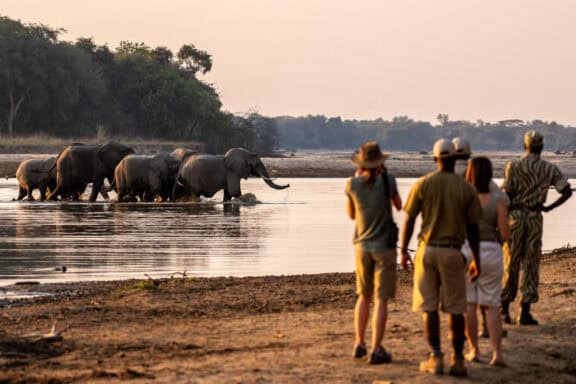
Respect wildlife distance and behaviour: A responsible guide will never push a vehicle closer than a wild animal is comfortable with, even if it means a less “perfect” photograph.
Engage with culture as a guest, not an observer: Ask questions. Listen more than you photograph. Support artisans, guides, and local initiatives directly.
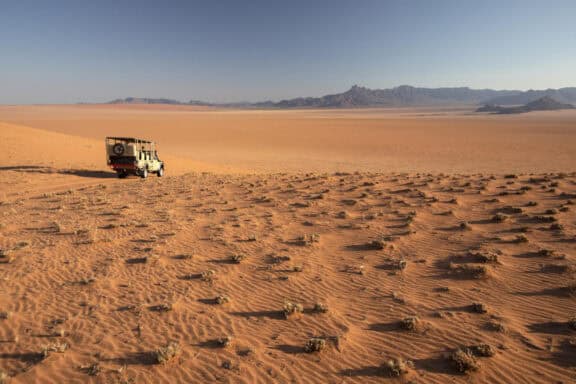
Mind your resource use: Water is precious in many of the landscapes safaris pass through. Small habits – shorter showers, reusing towels, packing out what you pack in – matter more in a desert camp than they might at home.
Travel That Leaves Something Behind
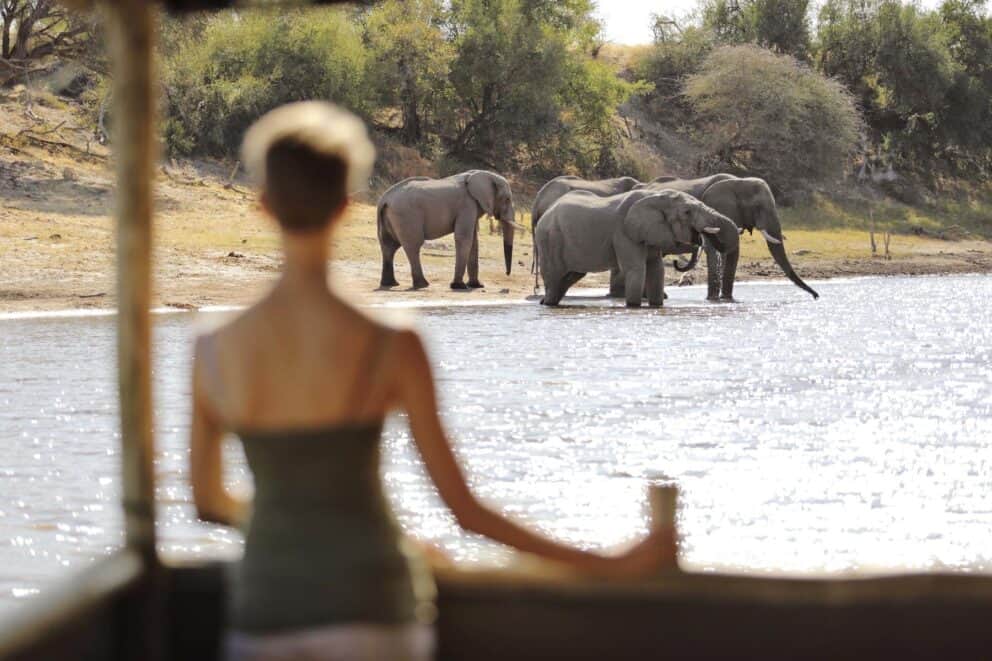
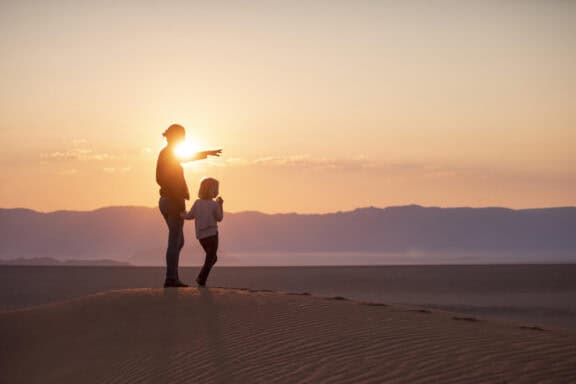
For many travellers, especially as we reflect on World Tourism Day, the destination was never really the point; the connection was. The conversation with a tracker who’s spent 30 years reading the same stretch of bush. The night around a fire hearing a story that’s been told the same way for generations. The quiet understanding that your presence, done right, helped fund the very wilderness you came to witness – and, sometimes, the young person learning to see it through a lens for the first time.
At Discover Africa, every itinerary is built by people who live and work across the continent, with relationships in the communities and conservancies you may visit. We choose camps and partners because of how they treat the land and the people around them, not only because of thread counts.
That’s not a claim we expect anyone to take on faith. It’s something you can ask us about directly, itinerary by itinerary, which conservancy your camp supports, which community runs your cultural visit, and where your permit fees actually go.
If a journey gives back as much as it gives you, that sounds like the kind of travel worth planning, and we’d love to help you shape it. Talk to a safari expert about building a trip rooted in the places and people it visits.

Written by Thaakiera Ackerdien
• Travel Writer
Discover the African Journey that’s Right for You
 Blog List























Written by Thaakiera Ackerdien
• Travel Writer
Part of the Southern Africa Safari, Kenya Safari & Positive Impact Safaris Collections