

 Email us




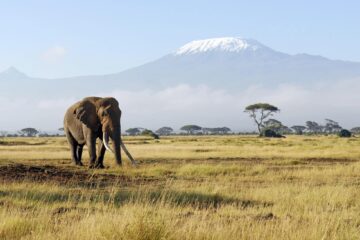
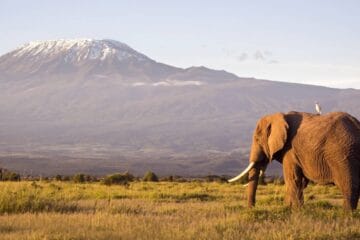
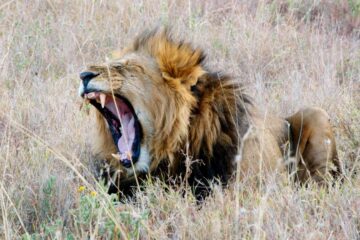
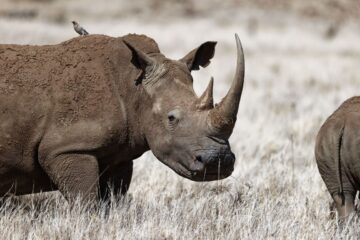
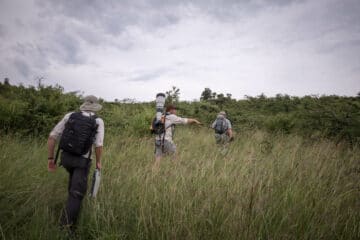
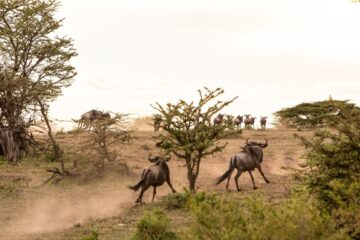

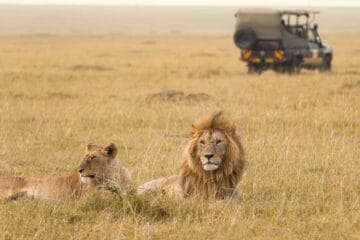
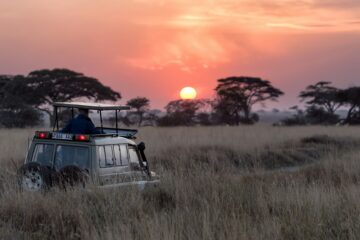
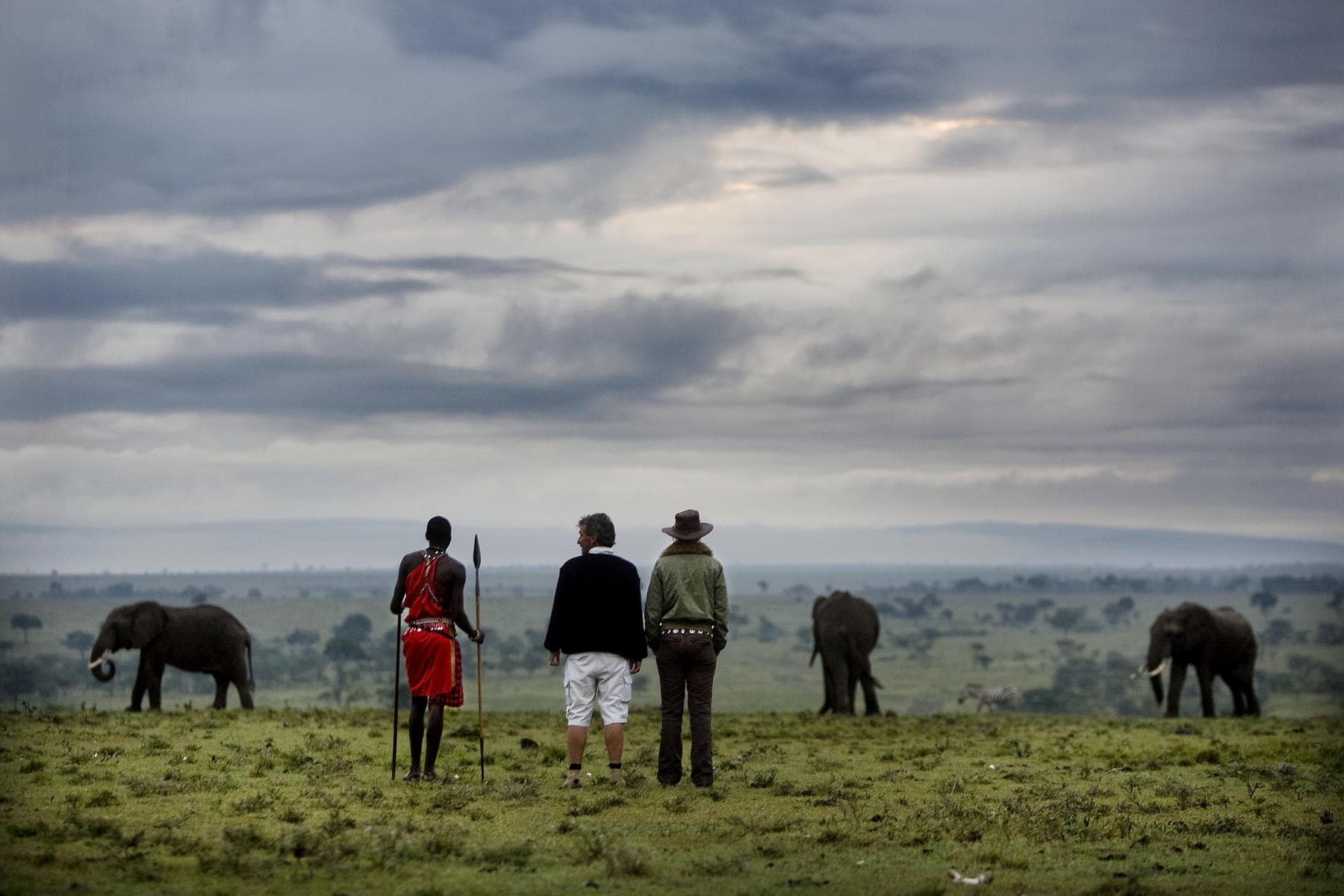
You can spend days watching wildlife without giving much thought to who protects it.
Then, somewhere along the way, the conversation changes.
Your guide mentions that the land beneath your vehicle belongs to families who have lived here for generations. Later, over dinner, someone explains that your stay helps keep this landscape open instead of being divided for other land uses. Suddenly, the lion you watched that morning isn’t the whole story.
That’s the point where community and conservation start to mean something more.
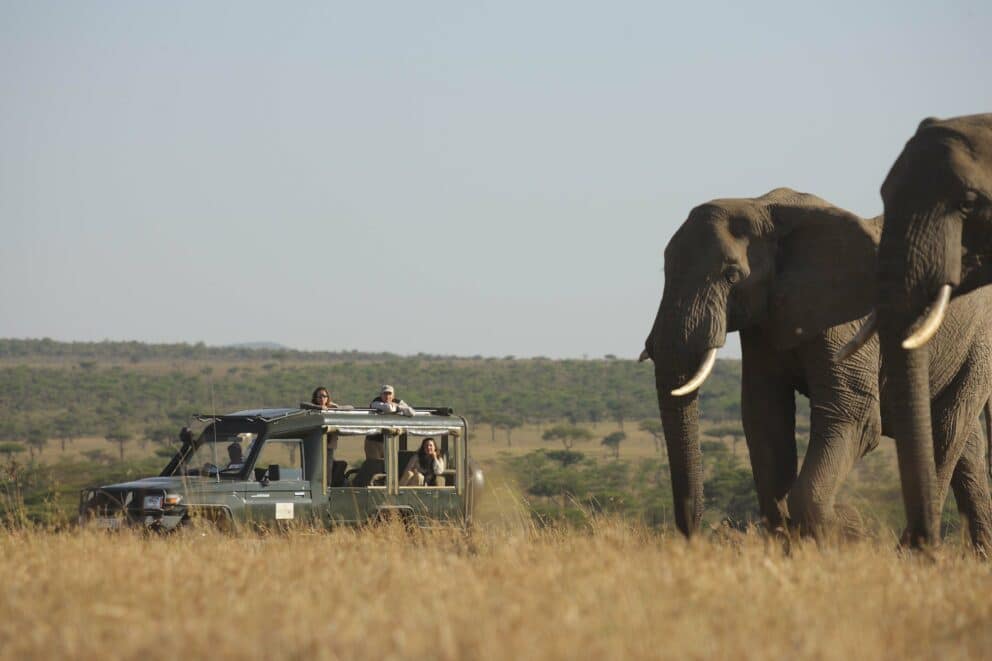
It isn’t an extra layer added to a safari. In many of Africa’s most remarkable conservancies, it’s the reason those places still exist. Wildlife, tourism, and local communities depend on one another; when that balance works, everyone benefits.
It’s easy to think conservation begins with wildlife. More often, it begins with people making difficult decisions about the future of the places they call home.
Across Africa, communities are proving that protecting wildlife and building sustainable livelihoods can go hand in hand. Tourism creates employment, supports local businesses, funds schools and healthcare, and helps keep migration routes open.
In return, visitors enjoy an African conservation experience that reveals something many surface-level safaris never do: the people behind the wildlife.
More Than a Protected Area
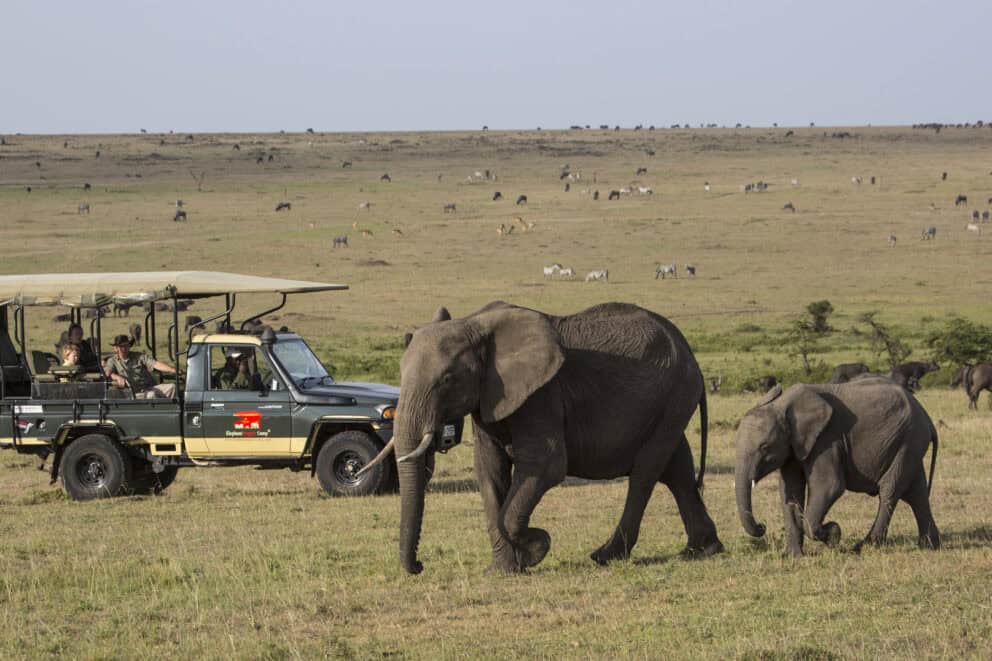
Before talking about our favourite conservancies, it’s worth clearing up one common misconception.
A conservancy isn’t simply another name for a national park.
National parks are managed by government authorities. Community conservancies are built on partnerships between local landowners, conservation organisations, and responsible tourism operators. Instead of removing people from the landscape, these models recognise that wildlife and communities can thrive together when everyone benefits.
It’s one of the greatest benefits of community-based conservation.
Wildlife doesn’t recognise boundaries on a map. Elephants wander beyond protected areas in search of food and water. Lions follow prey across open plains. If neighbouring communities have little reason to protect these landscapes, conservation becomes much harder.
That’s why community-based conservation projects have become such an important part of wider conservation efforts in Africa.
The rewards reach much further than wildlife.
Young people can build careers close to home. Local suppliers provide camps with fresh produce. Skilled artisans find new markets for their work. Guides share stories that come from growing up in these places rather than reading about them in a field guide.
It’s often those conversations people remember most.
Why the Maasai Mara Became a Conservation Success Story
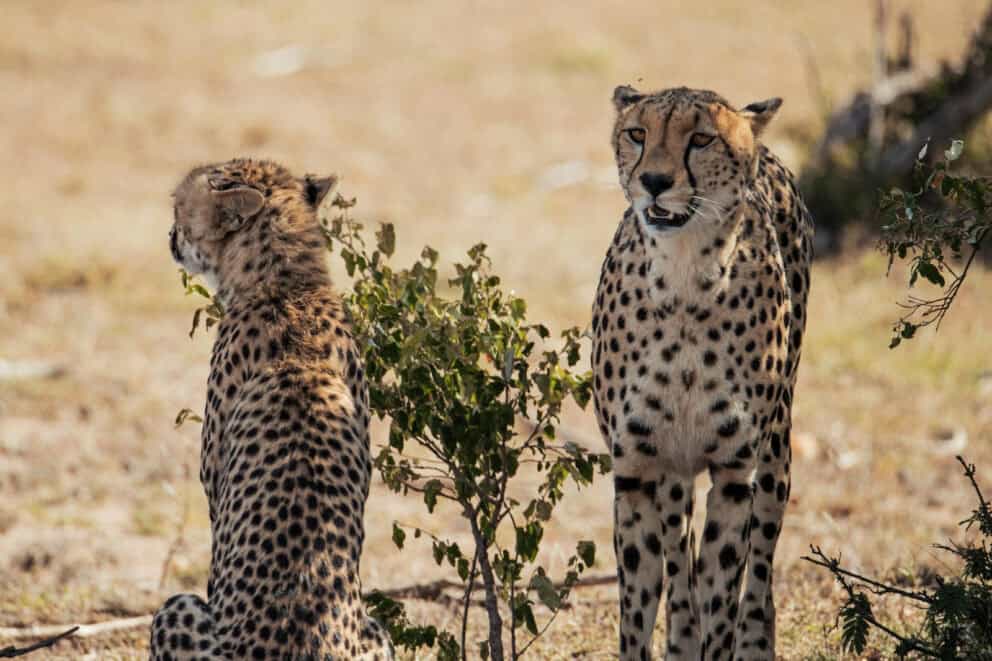
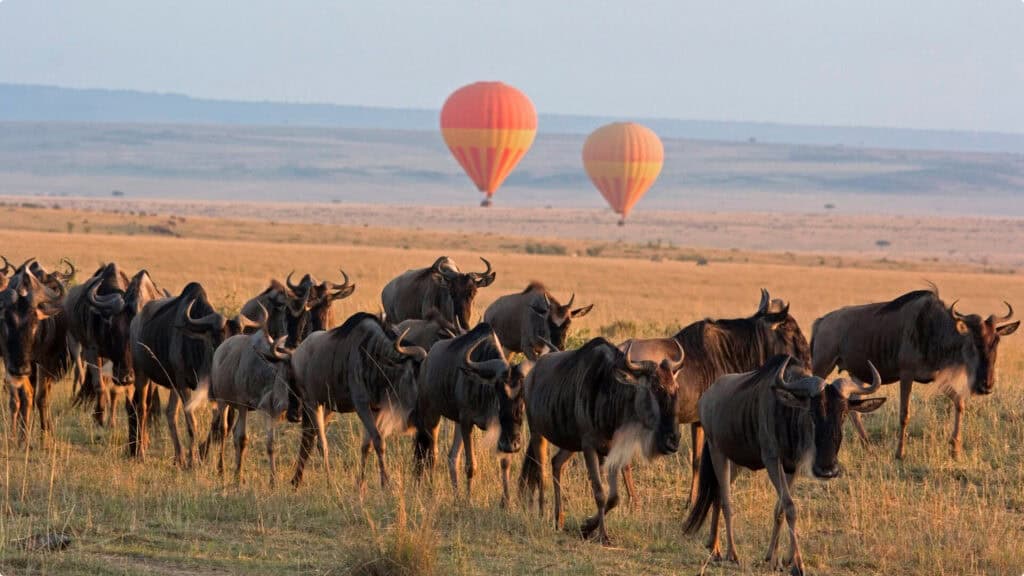
Mention the Maasai Mara and most people picture endless grasslands, dramatic river crossings, and exceptional wildlife.
What many don’t realise is that some of the area’s greatest conservation success stories exist beyond the boundaries of the national reserve itself.
The conservancies surrounding the Maasai Mara have become a benchmark for community and conservation, creating a model where Maasai landowners lease their land for wildlife conservation while continuing to benefit from it.
Tourism provides a reliable source of income, wildlife retains the space it needs to move freely, and visitors enjoy a more exclusive safari with fewer camps and carefully managed vehicle numbers.
It’s a model that has inspired conservation initiatives elsewhere in Africa, yet it still feels remarkably simple.
Protecting wildlife. Supporting communities. Creating a safari experience that’s better for everyone involved.
Mara North Conservancy: Space to Slow Down
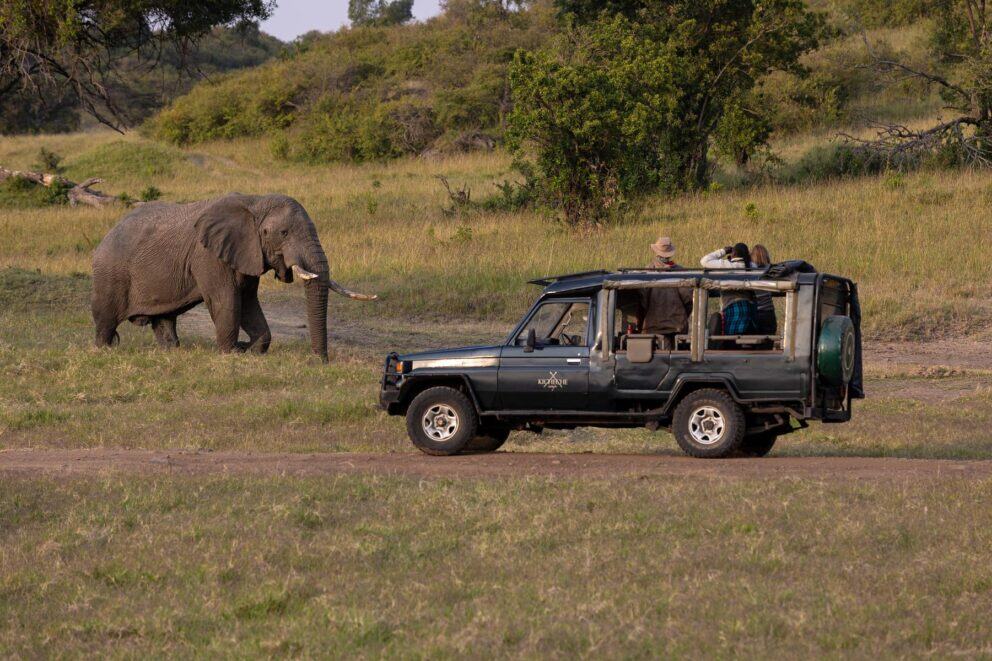
One of the first things people notice in Mara North Conservancy isn’t what they see.
It’s what they don’t.
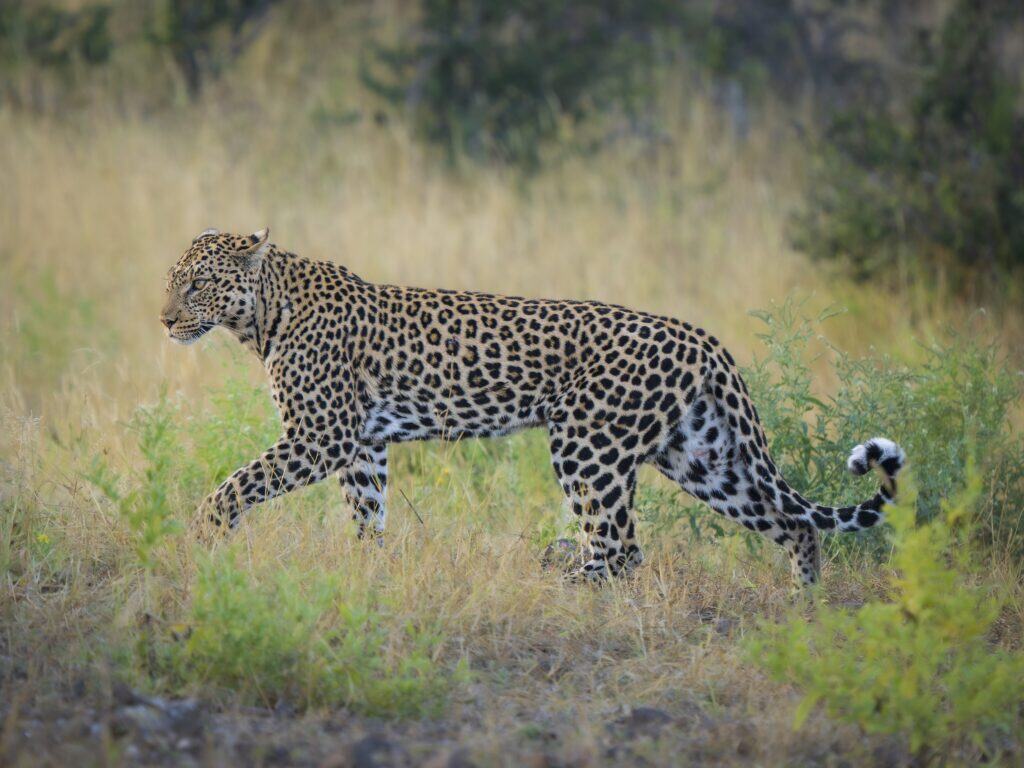
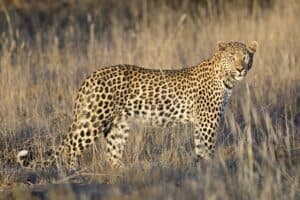
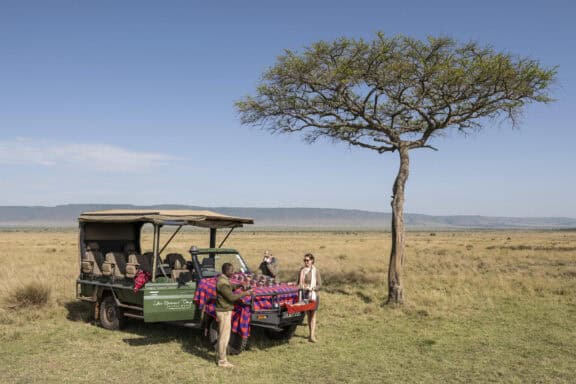
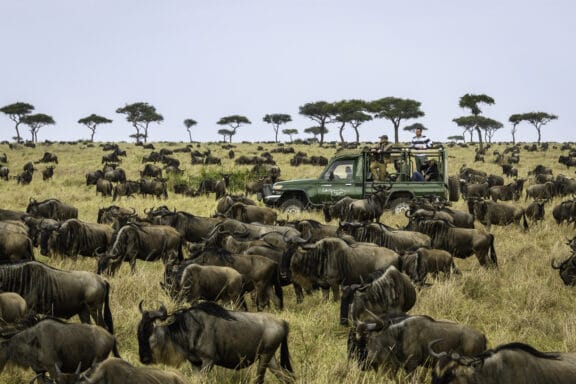
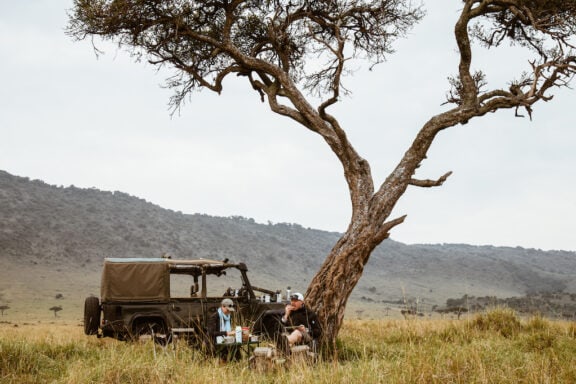
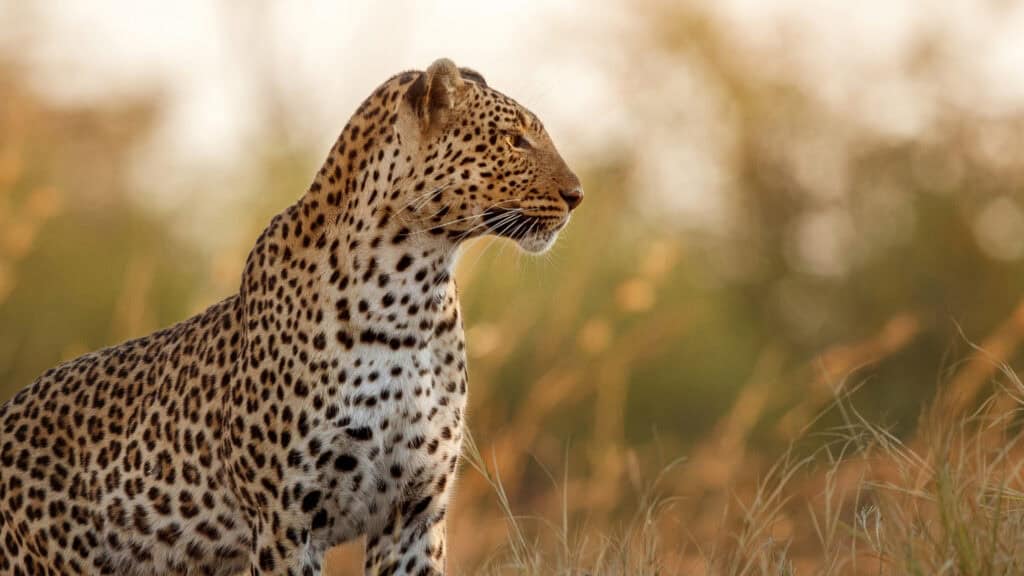
There are no long lines of vehicles waiting for a leopard to wake from its afternoon nap. Guides don’t feel pressured to move on after a few minutes because another convoy has arrived. Time feels generous here, allowing sightings to unfold naturally and conversations to continue without constantly watching the clock.
That experience is no accident.
Mara North Conservancy limits the number of camps operating within its boundaries, helping to protect both the wildlife and the quality of each safari. Lions, elephants, leopards, cheetahs, giraffes, and countless plains game roam freely between the conservancy and the Maasai Mara National Reserve, while tourism income supports Maasai landowners who have chosen conservation over other forms of land use.
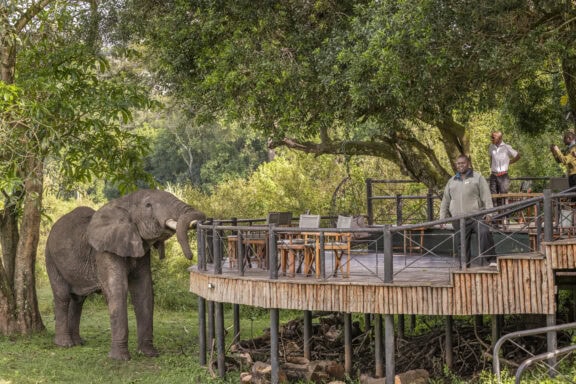
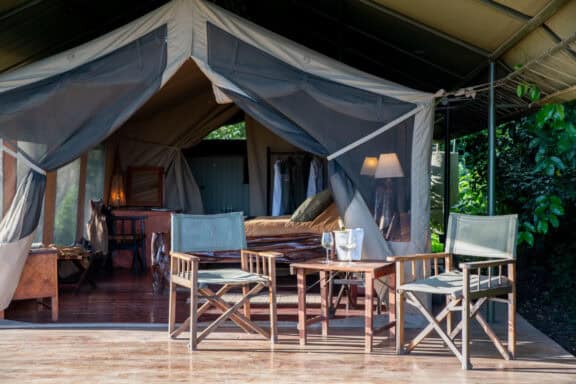
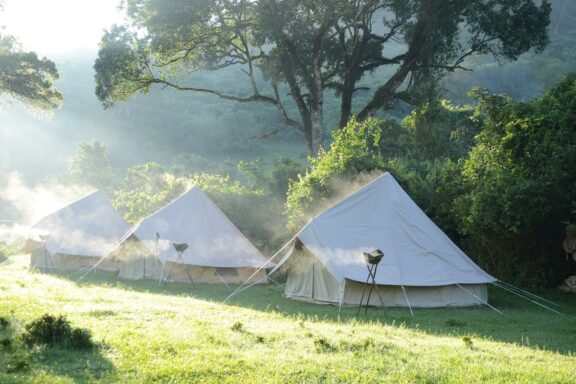
Several camps within the conservancy reflect that same philosophy. Elephant Pepper Camp, Karen Blixen Camp, and Kicheche Mara Camp all place guests in the heart of this remarkable ecosystem while supporting a conservation model that continues to benefit both wildlife and local communities.
Naboisho Conservancy: A Different Future for the Mara
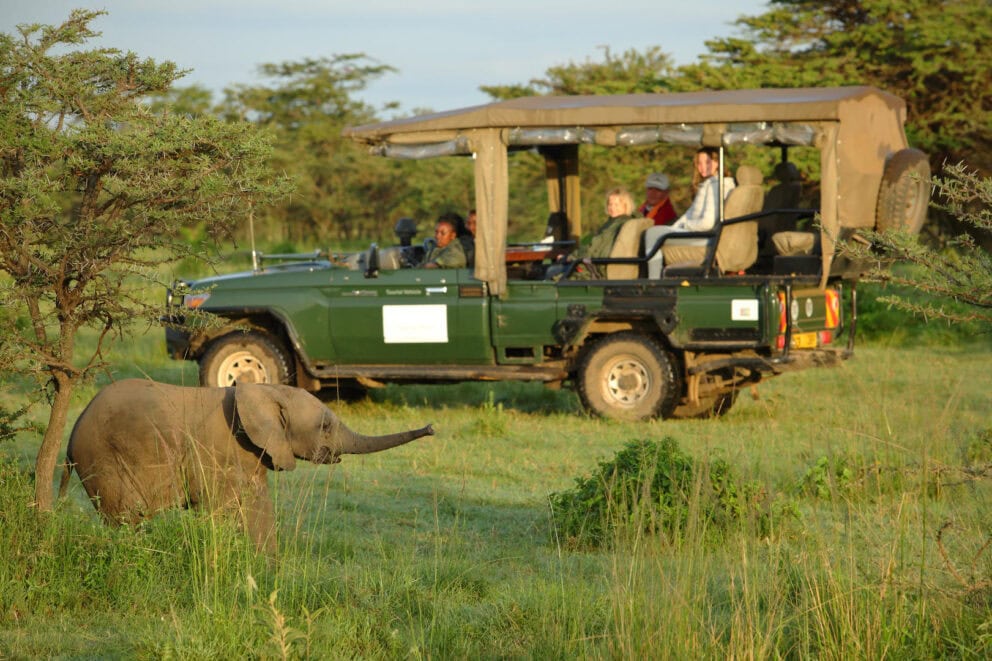
Some conservation stories begin with governments. This one began with a community.
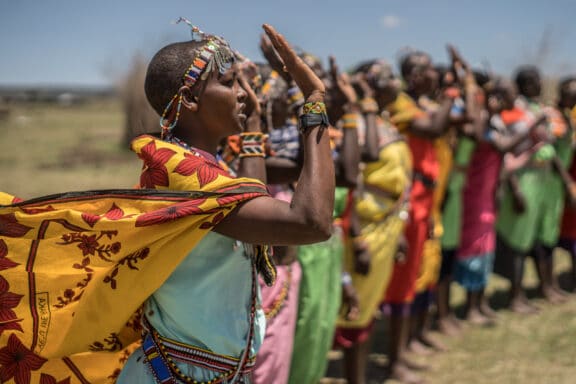
Naboisho Conservancy was created when hundreds of Maasai landowners came together with conservation partners to protect their land while creating new economic opportunities through tourism. Today, it’s recognised as one of Kenya’s outstanding examples of community engagement in conservation, proving that wildlife protection and community wellbeing don’t have to compete.
Spend time here and you’ll quickly notice the difference.
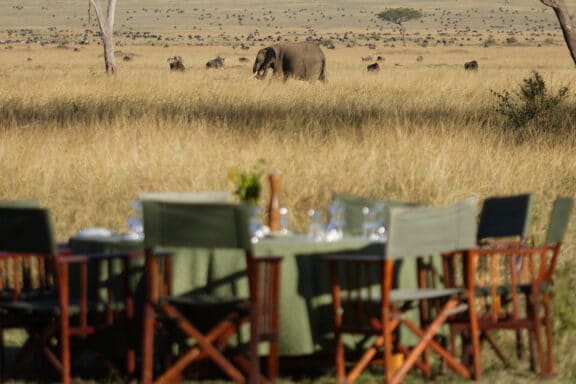
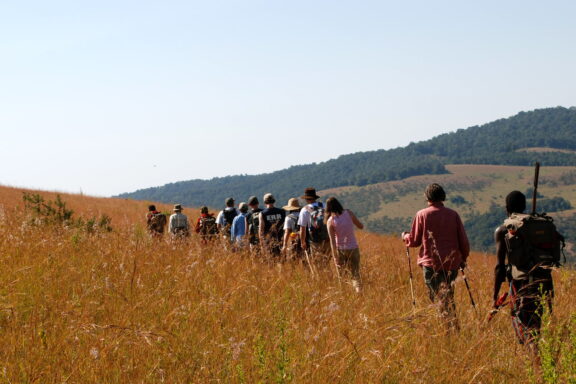
Game drives feel unhurried, guides know the landscape intimately, and wildlife sightings often happen without another vehicle in sight. It’s a place where lions, elephants, giraffes, and cheetahs thrive, but it’s also a place where the people behind the conservation story are impossible to overlook.
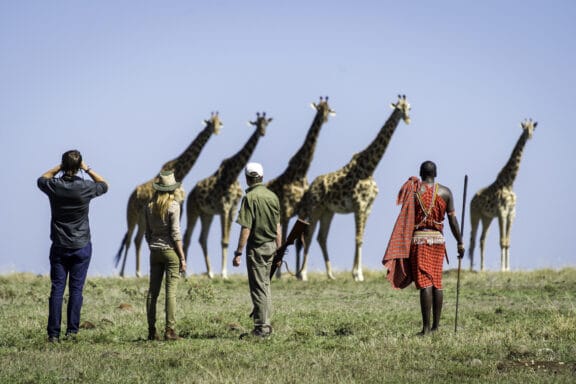
Many guides grew up nearby. They’ll happily explain how grazing practices, seasonal rains, and wildlife movements are connected, or share stories passed down through generations of Maasai families. Those conversations add context to every sighting, turning a game drive into something far richer than a wildlife checklist.
Camps such as Hemingways Ol Seki Mara, Encounter Mara Camp, and Kicheche Valley Camp give guests the opportunity to experience this conservation model first-hand while enjoying some of Kenya’s finest guiding.
The wildlife may bring people here. The people are often what shifts people’s perspectives.
Olare Motorogi Conservancy: Where Every Sighting Feels More Personal
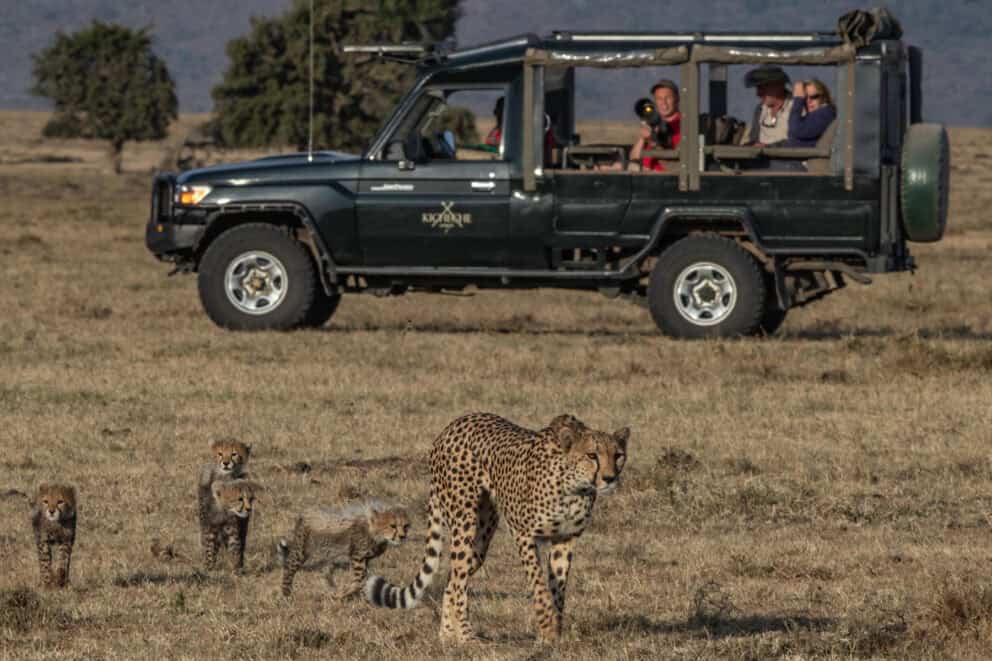
Some safari moments are unforgettable because of the wildlife. Others stay in your mind because nobody interrupted them.
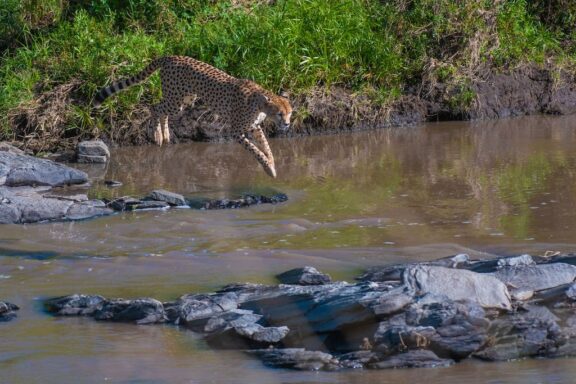
Bordering the Maasai Mara National Reserve, Olare Motorogi Conservancy (formed by the partnership of the Olare Orok and Motorogi ecosystems) has earned a reputation for exceptional predator sightings, particularly lions, leopards, and cheetahs. Yet ask guests what stood out most, and many mention something else entirely. There was time.
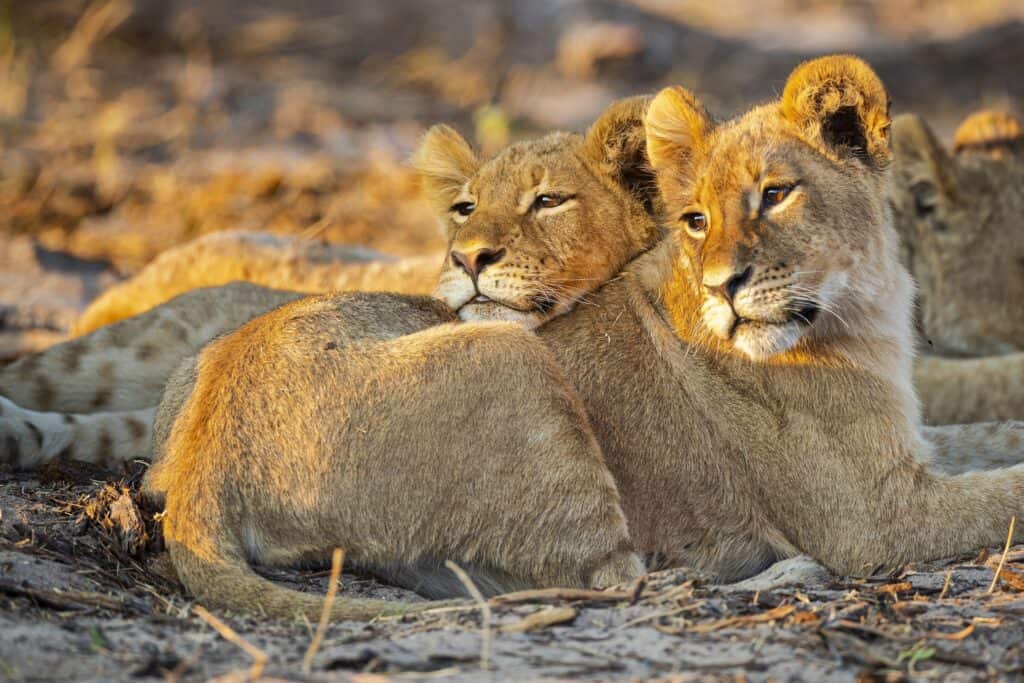
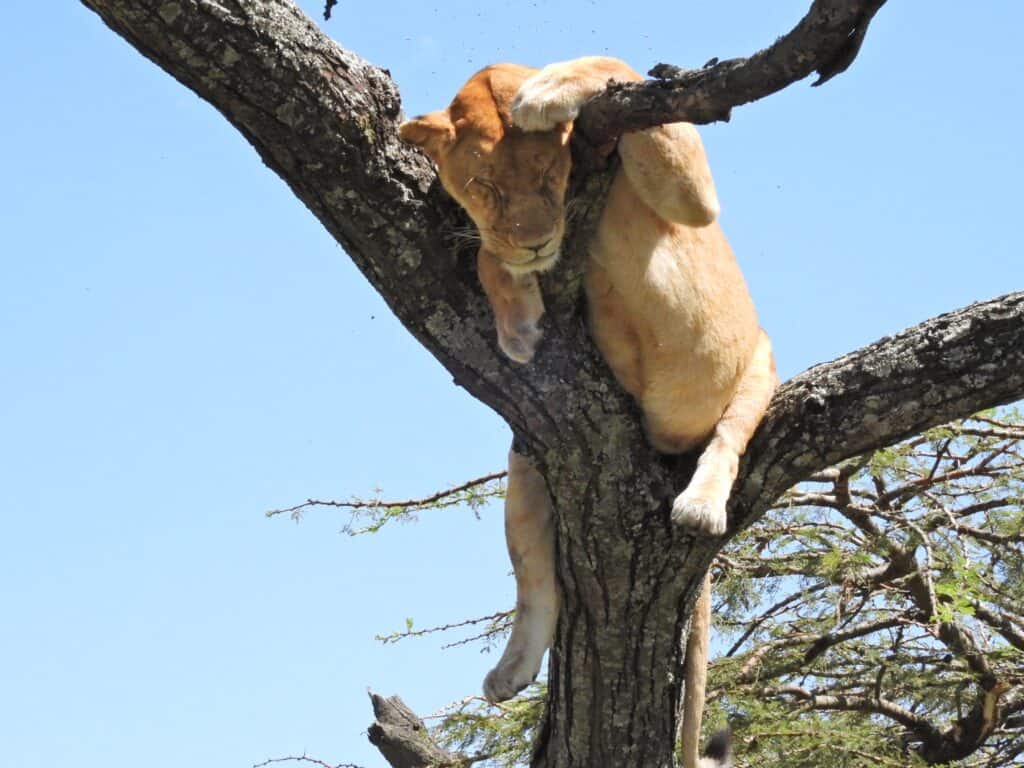
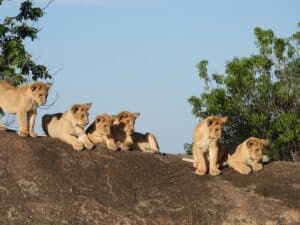
Time to watch a lioness calling her cubs from the long grass. Time to notice how a herd of elephants quietly reshaped the landscape as they fed. Time to ask questions, linger a little longer, and simply enjoy being there.
That’s one of the advantages of a conservancy where visitor numbers are carefully managed. The experience feels more personal, while the landscape remains healthier for wildlife.
Like the neighbouring Mara conservancies, Olare Motorogi demonstrates what can happen when tourism creates long-term value for local communities. Lease agreements with Maasai landowners help keep these grasslands open, protecting vital habitats while creating a reliable source of income.
It’s a model that continues to strengthen both wildlife conservation and local livelihoods.
Guests staying at Kicheche Bush Camp experience that balance from the moment they arrive. Excellent guiding, thoughtful hospitality, and a genuine connection to the conservancy all come together in one remarkable corner of Kenya.
Torra Conservancy, Namibia: A Different Kind of a Success Story
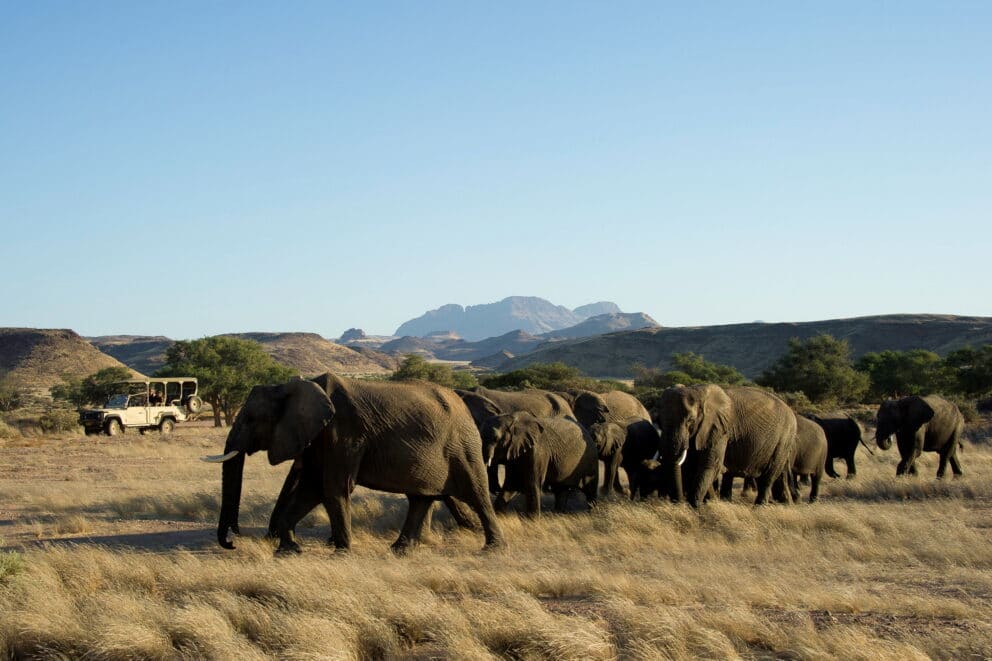
Community conservation doesn’t look the same everywhere.
Leave the grasslands of Kenya behind and travel to north-western Namibia, and the landscape changes completely.
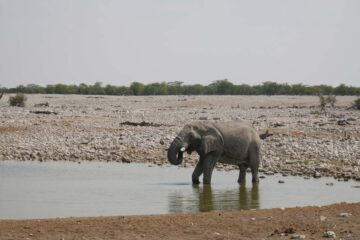
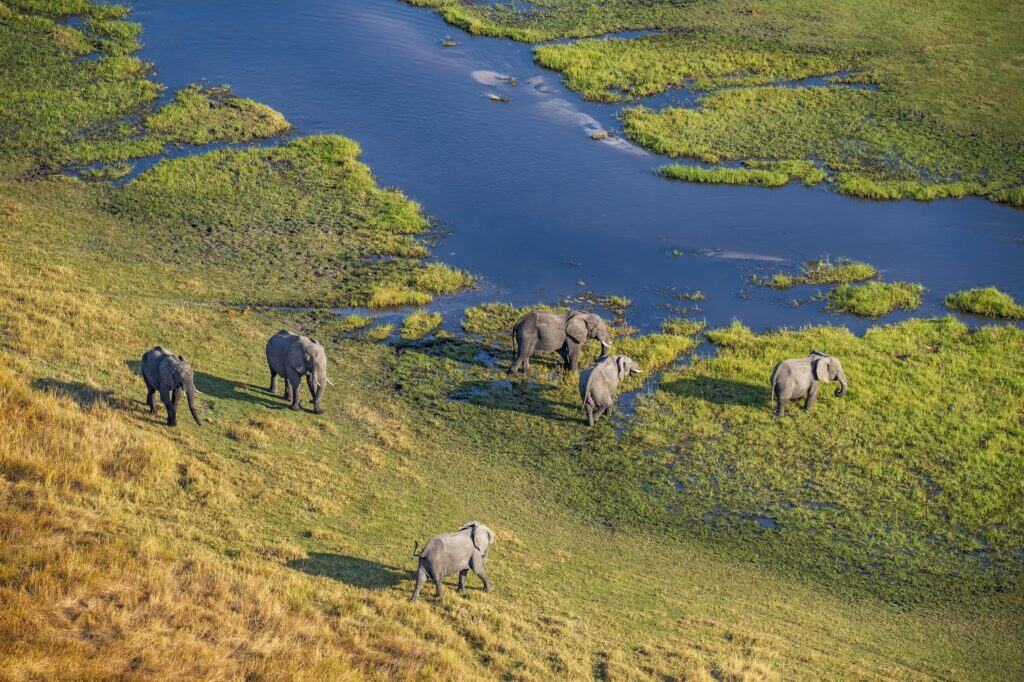
Dry riverbeds replace sweeping plains. Rocky mountains rise above the desert, while elephants have adapted to survive in one of Africa’s harshest environments.
Torra Conservancy is one of Namibia’s best-known communal conservancies, and for good reason: it was the first in the country to achieve complete financial independence through sustainable tourism.
Before community conservation took hold, wildlife numbers in this region had fallen dramatically. Today, desert-adapted elephants roam the valleys once again, black rhinos are protected, and lions have gradually returned to parts of their historic range.
That recovery wasn’t driven by fences or stricter rules alone.
It happened because local communities became active partners in conservation, sharing in the benefits created through responsible tourism.
It’s one of Africa’s most successful examples of an African conservation experience built around collaboration rather than exclusion.
Damaraland Camp, developed in partnership with Torra Conservancy, reflects that same philosophy. Staying here isn’t only about exploring one of Namibia’s most extraordinary landscapes; it’s also an opportunity to see how tourism can support wildlife while creating meaningful opportunities for the people who call this region home.
It’s a reminder that every landscape has its own conservation story. The most successful ones are rarely written by wildlife alone.
Why Community and Conservation Matter
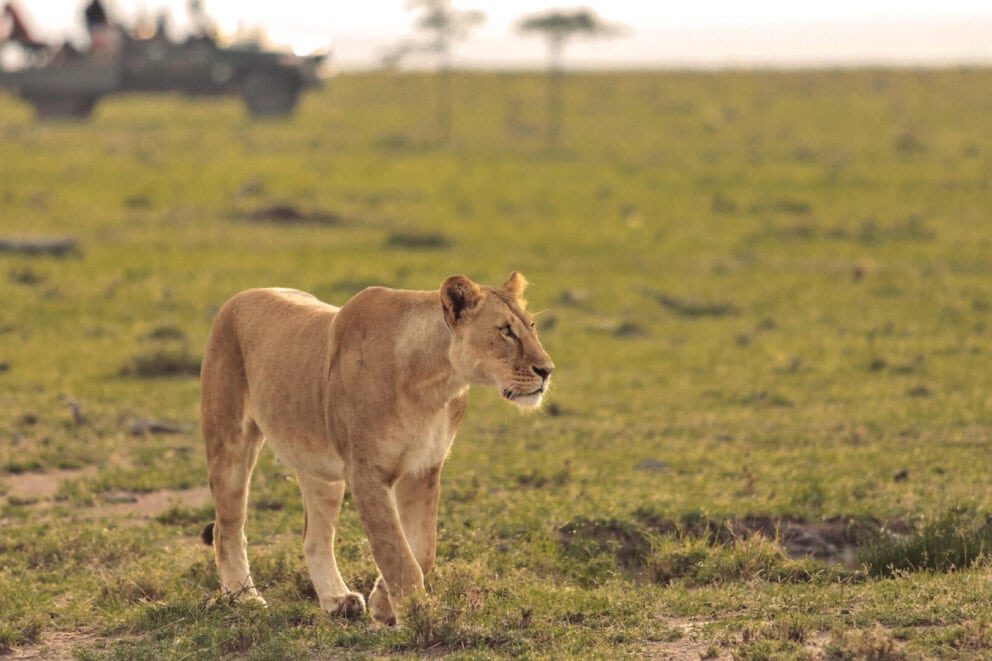
It’s easy to think of conservation as something that happens behind the scenes. Scientists collecting data. Rangers patrolling protected areas. Researchers monitoring wildlife.
All of that matters. Yet community-led conservancies tell a broader story.
They remind us that protecting wildlife has always depended on people making thoughtful decisions about the land they know best. When communities have a genuine stake in conservation, wildlife gains more than protection; it gains space to move, healthier habitats, and a future that’s shared rather than contested.
That’s why community and conservation continue to reshape the safari experience across Africa.
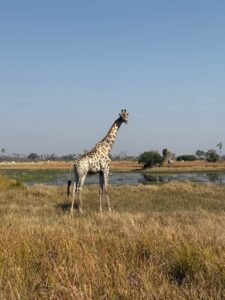
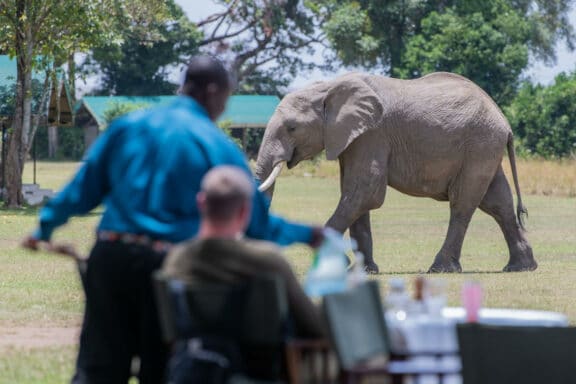
You still come for the wildlife, of course. A lion crossing the track at sunrise. A herd of elephants gathering beside a waterhole. The unmistakable silhouette of a giraffe against the evening sky.
Those moments never lose their magic. What changes is everything around them.
You notice the guide sharing stories from his childhood in the Mara. The community-owned enterprise supplying fresh produce to camp. The young ranger whose career exists because tourism created an opportunity close to home.
Those conversations become part of the safari, too. Perhaps that’s the greatest success of community and conservation.
It reminds us that extraordinary wildlife doesn’t exist in isolation. Behind every thriving conservancy are people who have chosen to protect the landscapes they know best, creating a future where wildlife and communities continue to thrive together.
If that sounds like the kind of safari you’re looking for, speak with one of our Africa safari experts. They know these conservancies well and can recommend camps that reflect the experiences you value most: outstanding guiding, meaningful conservations, and spending time in places where your stay contributes to something far bigger than the safari itself.

Written by Yamkela Welaphi
• Travel Writer
Discover the African Journey that’s Right for You
 Blog List


























Written by Yamkela Welaphi
• Travel Writer
Part of the Kenya Safari, Namibia Safari & Positive Impact Safaris Collections