Email us












Migration Safaris



Written by Paula Rabeling
• Travel Writer
Verified by Matthys Van Aswegen
• Africa Safari Expert
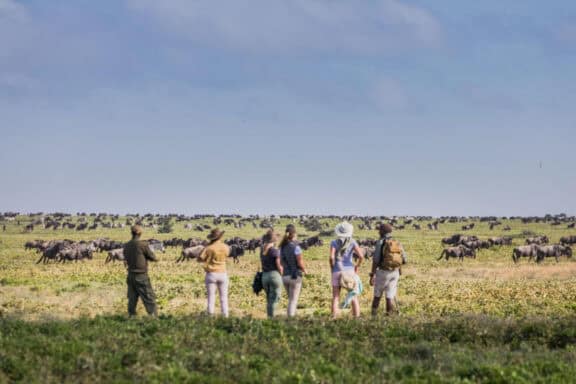
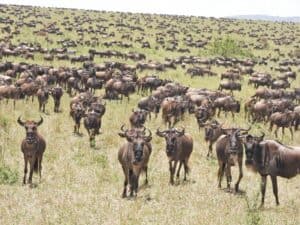
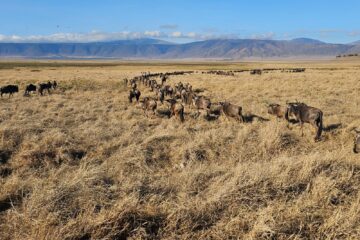
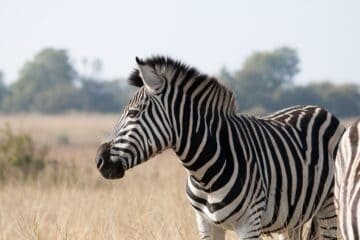
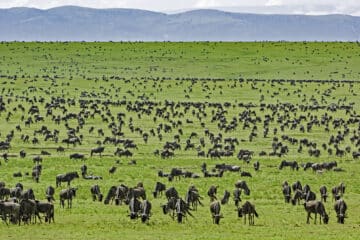
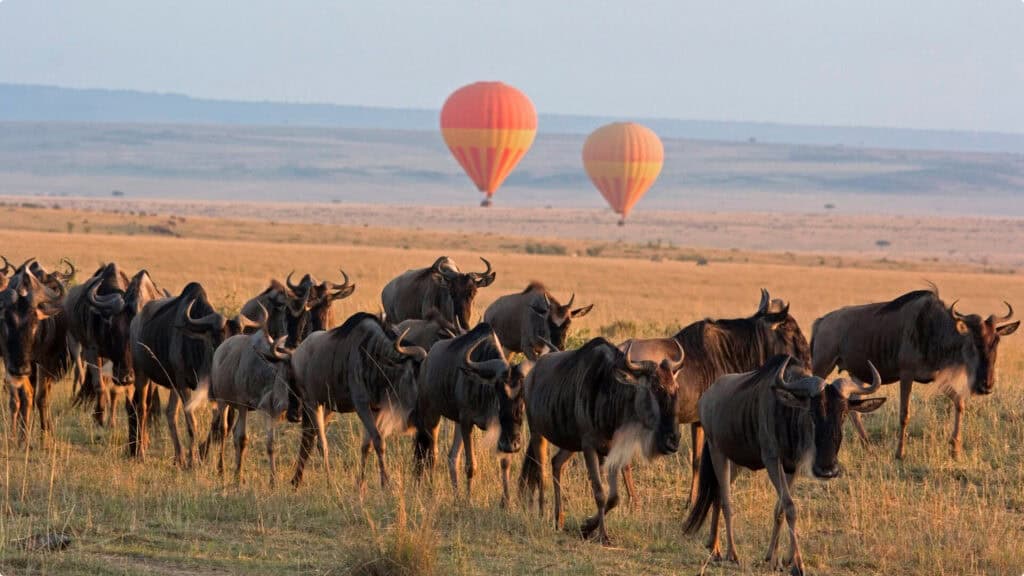
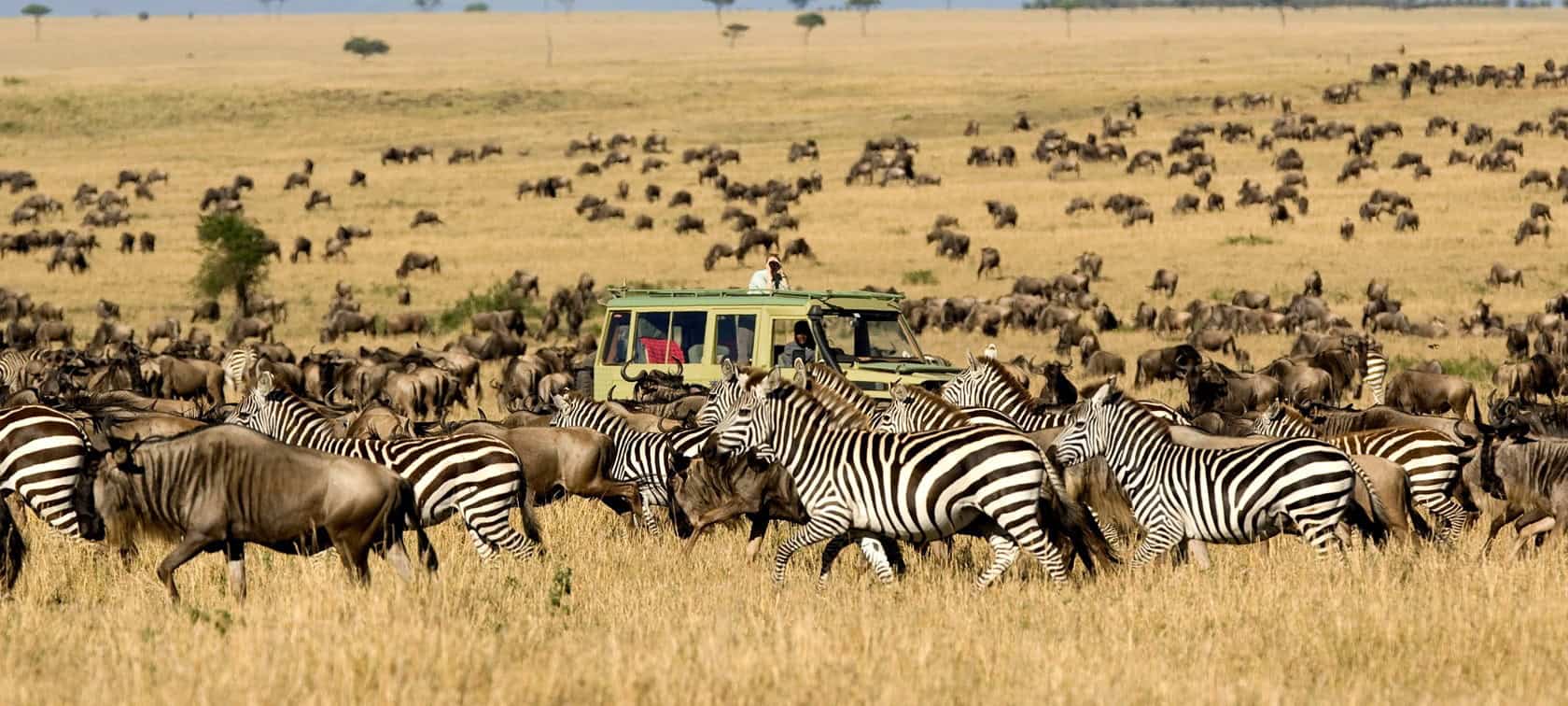
Each year, over a million blue wildebeest and zebra thunder across the Serengeti plains and Masai Mara, driven by rain and ancient instinct in one of nature’s greatest spectacles, East Africa’s Great Migration. It’s an epic, ceaseless movement driven by instinct and rain. For travellers seeking a deep connection with wild landscapes, witnessing this movement is one of nature’s most awe-inspiring experiences.
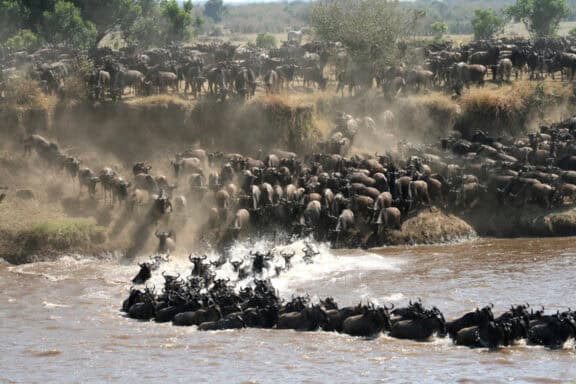
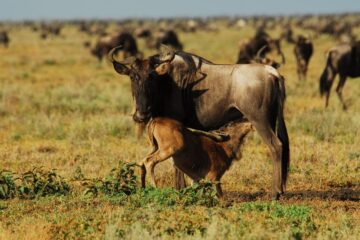
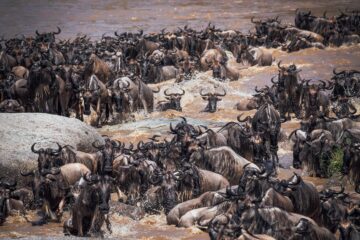
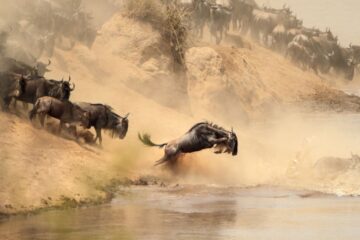
A well-crafted Great Migration safari gives you front-row access to this drama as the herds follow their well-trodden path around the Serengeti and Mara Triangle, following that familiar cycle of birth, life, and death. Your place is in the heart of the action, from the epic thrill of river crossings to the quiet reflection of calving season, where thousands of wildebeest are born a day, signalling a season of renewal across the plains.
Guided by our Africa-based experts who know these lands firsthand, every detail is thoughtfully planned so you’re in the right place at the right moment – with complete peace of mind.
Why Timing and Location Matter
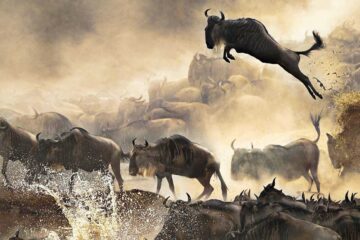
The migration never stops, but where and when you go shapes what you’ll witness. From July to September, you should be in the northern Serengeti to see the perilous Mara River crossings, where giant crocodiles wait below and lions stalk the banks.
The main herds often push north into Kenya’s rolling Masai Mara grasslands from August through October (sometimes early November), though the movement is fluid, with groups constantly crossing the Mara River back and forth.
Alternatively, consider the calving season (January to March) in the southern Serengeti and Ndutu region, a time of new life and intense predator action.
Serengeti vs. Masai Mara: Your Perfect View
Both destinations promise extraordinary wildlife, yet each tells its own story.
Serengeti encompasses the vast majority of the migration’s annual cycle. Its massive size allows you to follow the herds year-round, offering a deeply remote feel, greater opportunity for solitude, and access to all stages, from calving in the south to the perilous river crossings in the north.
Masai Mara delivers incredibly dense wildlife viewing and excellent predator sightings, making for thrilling, action-packed game drives in its lush landscapes.
What to Expect on a Great Migration Safari
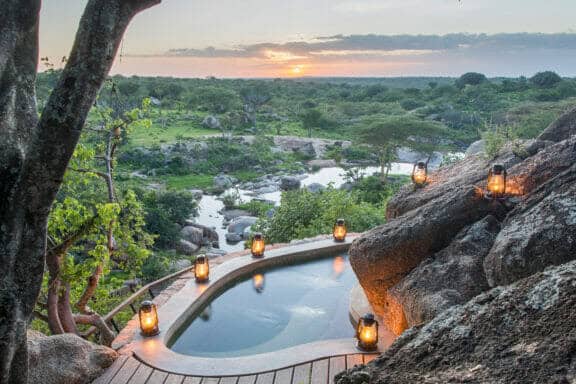
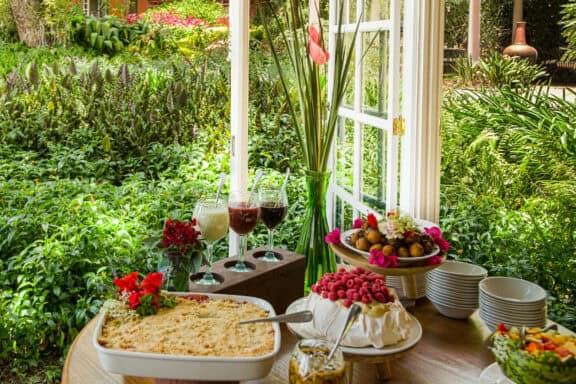
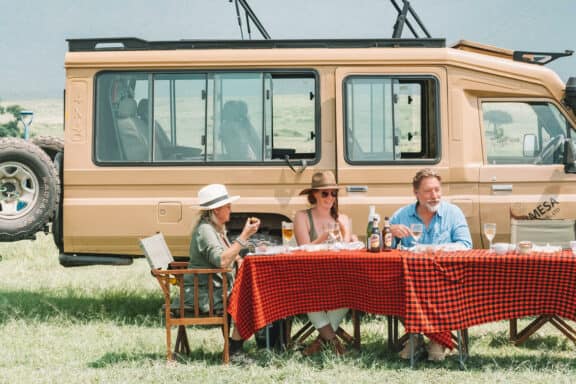
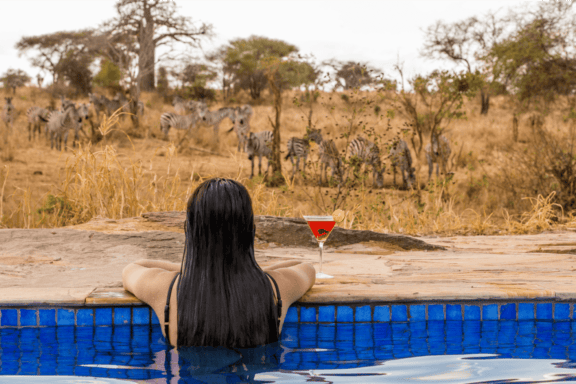
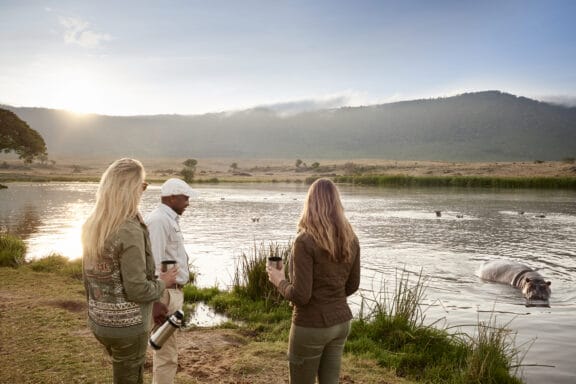
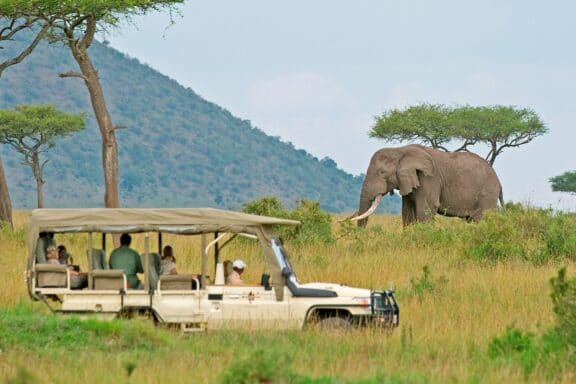
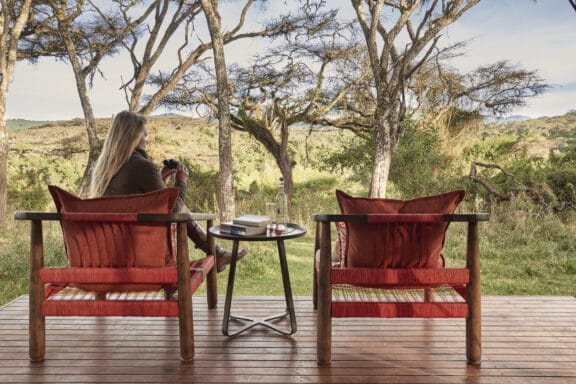
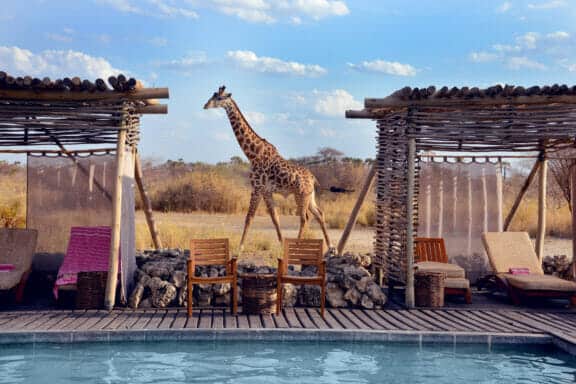
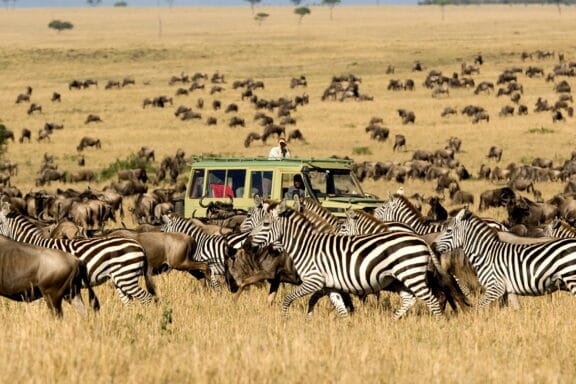
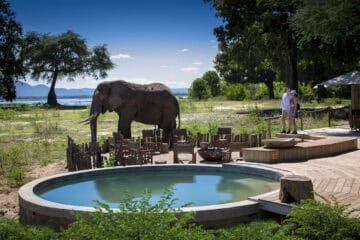
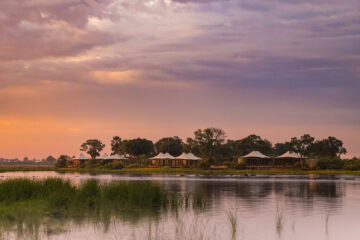
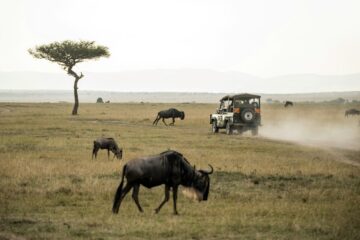
Your days are dictated by the rhythm of the wild, starting with sunrise drives with an expert guide, tracking the mega-herds. Afterwards, you return to the relaxed luxury of your tented camp or lodge.
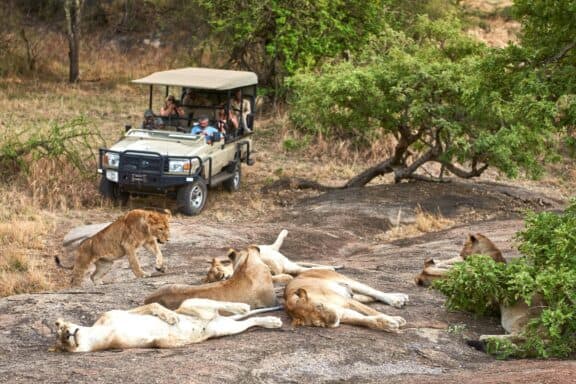
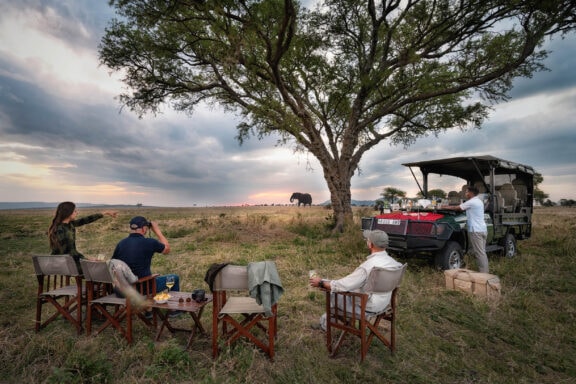
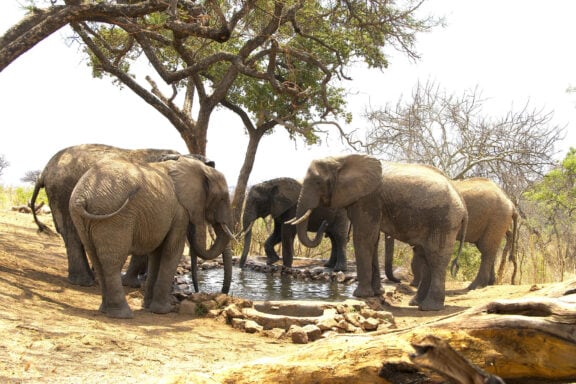
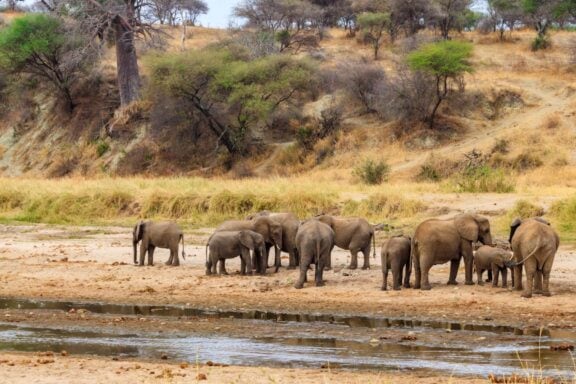
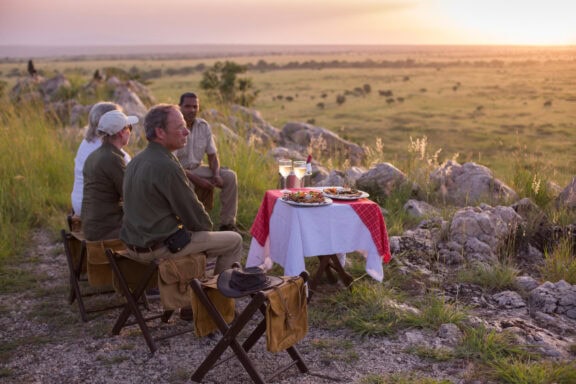
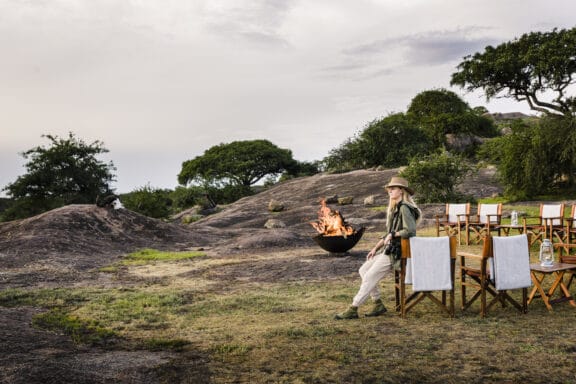
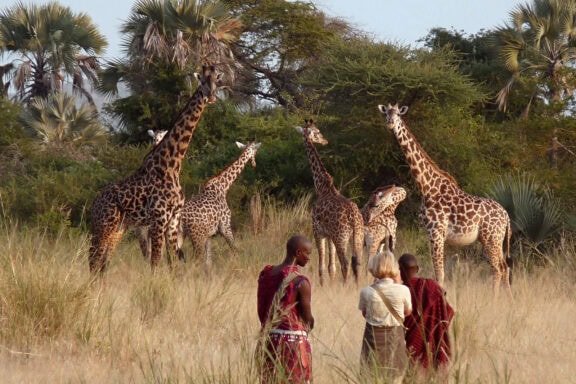
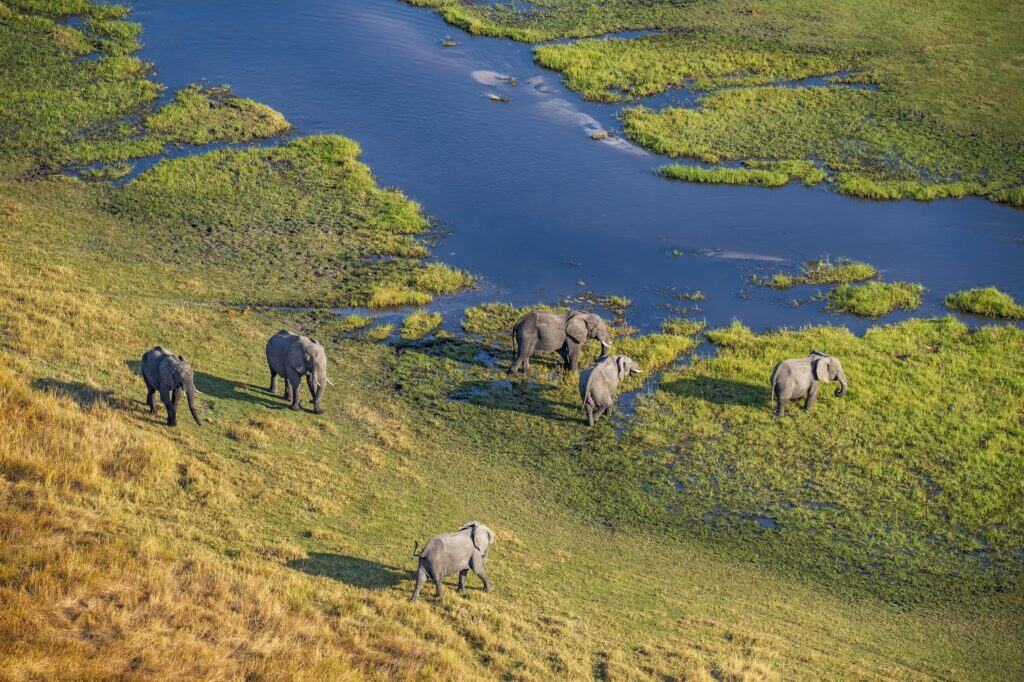
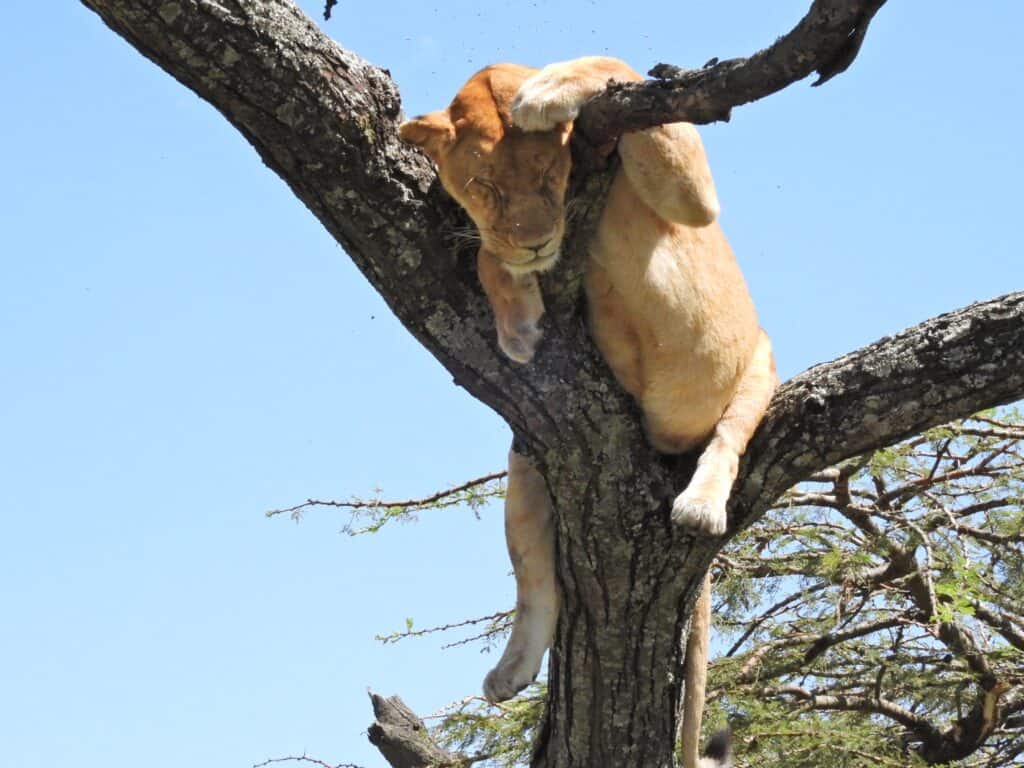
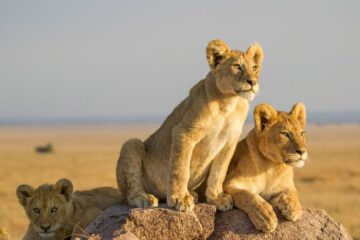
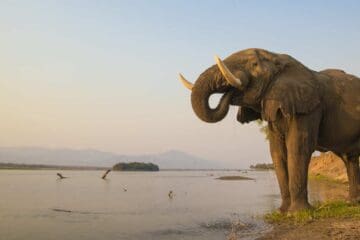
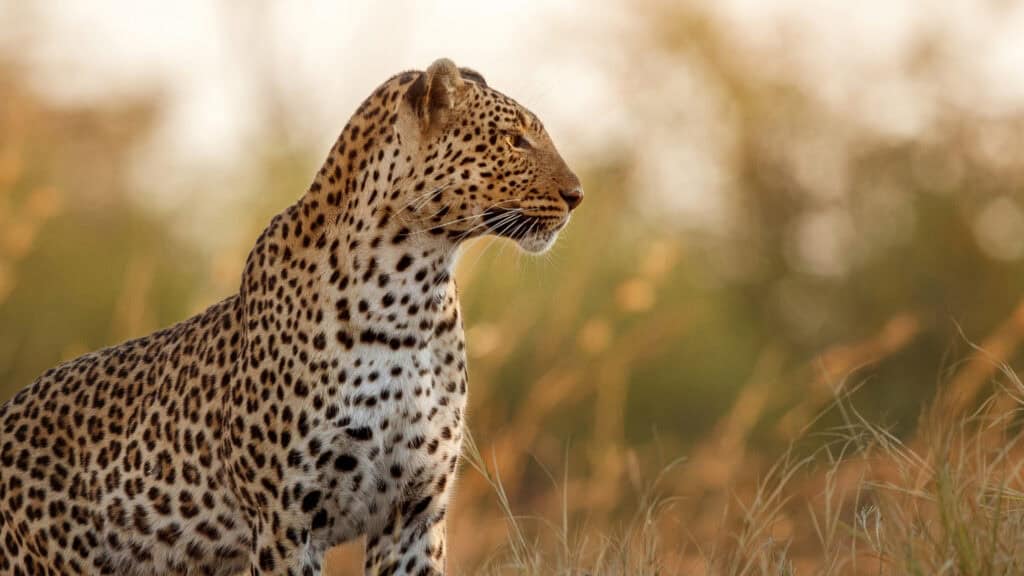
You’ll see wildebeest, of course, as well as zebras, gazelles, lions, cheetahs, elephants, and hundreds of bird species. Evenings are for storytelling by the fire, dining under the stars, and the stillness of the African night.
Planning Your Custom Migration Journey
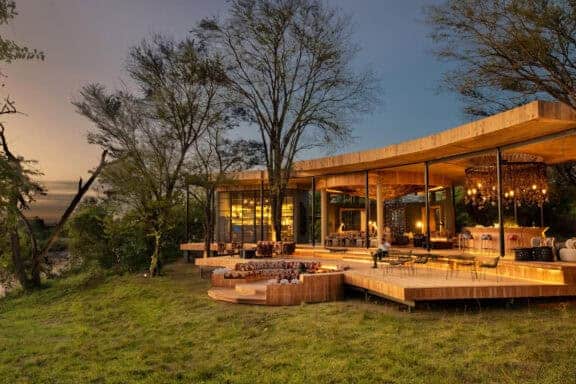
Our bespoke wildebeest migration safari packages are curated to match your travel style. Whether you prefer the authentic adventure of mobile camps that follow the herds, or the settled luxury of an exclusive lodge overlooking the Mara River, we’ve got your perfect itinerary.
We’ll help you choose the best time, location, and experience for your Tanzania or Kenya Great Migration safari adventure. When you book one of our exclusive Great Migration safari packages, you’re securing a world-class, private journey tailored just for you.
Good To Know
When is the best time to see the Great Migration?
The best time depends on what you want to witness. Mara River crossings typically occur from July to September (earlier crossings of the Grumeti River occur around June to July). The calving season runs from January to March.
Where is the Great Migration?
The migration moves continually through Tanzania’s Serengeti and Kenya’s Masai Mara national parks, following rainfall and fresh grazing across both countries.
What animals can I see during a Great Migration safari?
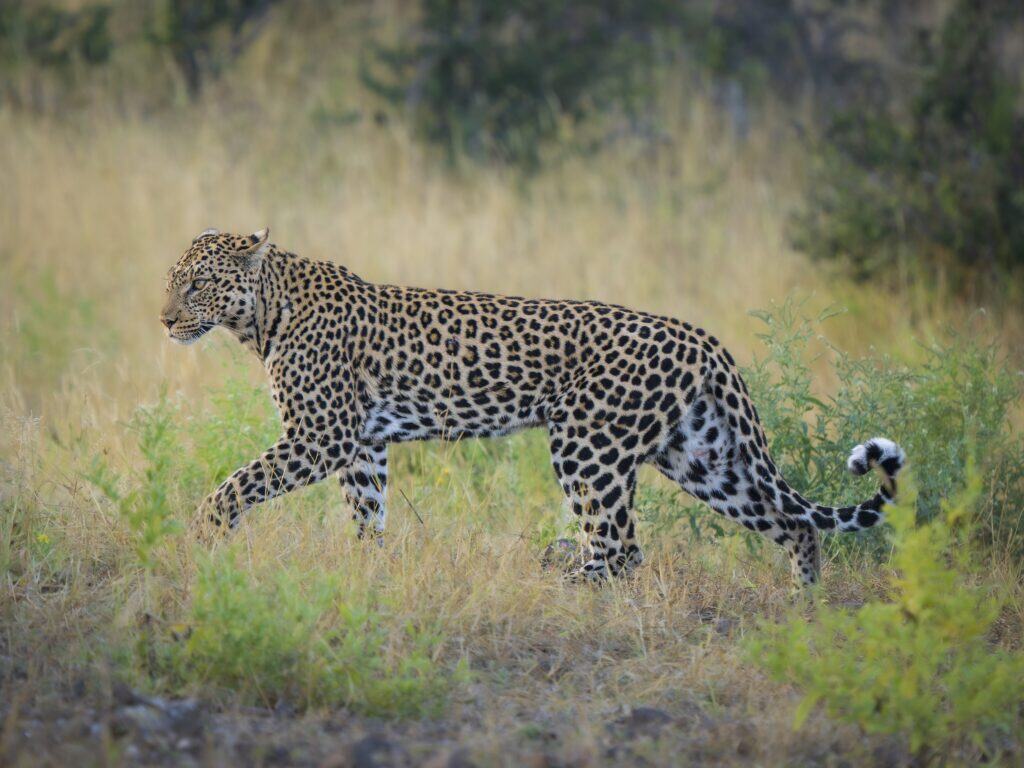
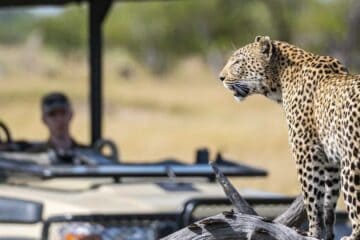
You’ll see wildebeest, of course, as well as zebras, gazelles, lions, leopards, cheetahs, elephants, and a spectacular variety of birdlife.
How long should I plan for a Great Migration safari?
Wildebeest migration safari packages can be anywhere from four days to focus on the river crossings in the Masai Mara to 12 days travelling between Kenya and Tanzania. Ultimately the length of your safari depends on you and what you want to experience. You’re ready to witness this once-in-a-lifetime event; let’s start designing your private journey.