

 Email us




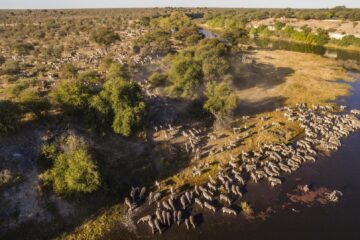
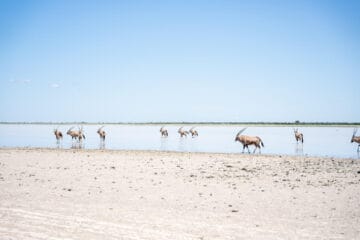

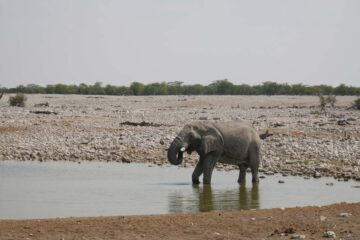
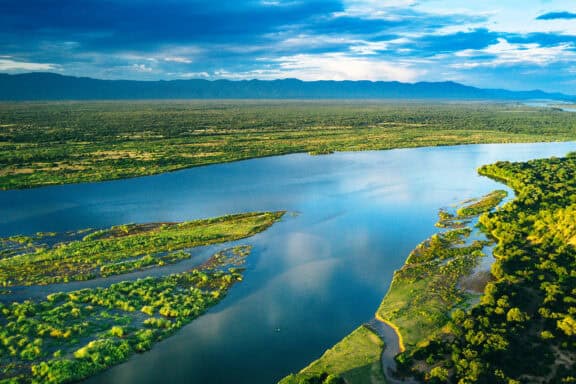
When most people picture an African adventure, they imagine the dry season: dusty, sun-baked plains where animals cluster desperately around drying waterholes in a harsh game of survival. The experience is painted in golden brown, dusty orange, and yellow. But there’s another side to the continent – a deeply emotional and vibrant transformation that only a few travellers take the time to witness: the green season.
Embarking on a green season safari unlocks Africa’s best-kept secret. When the first rains touch the scorched earth, they turn a harsh, dying landscape into a breathtaking, sensory explosion of life.
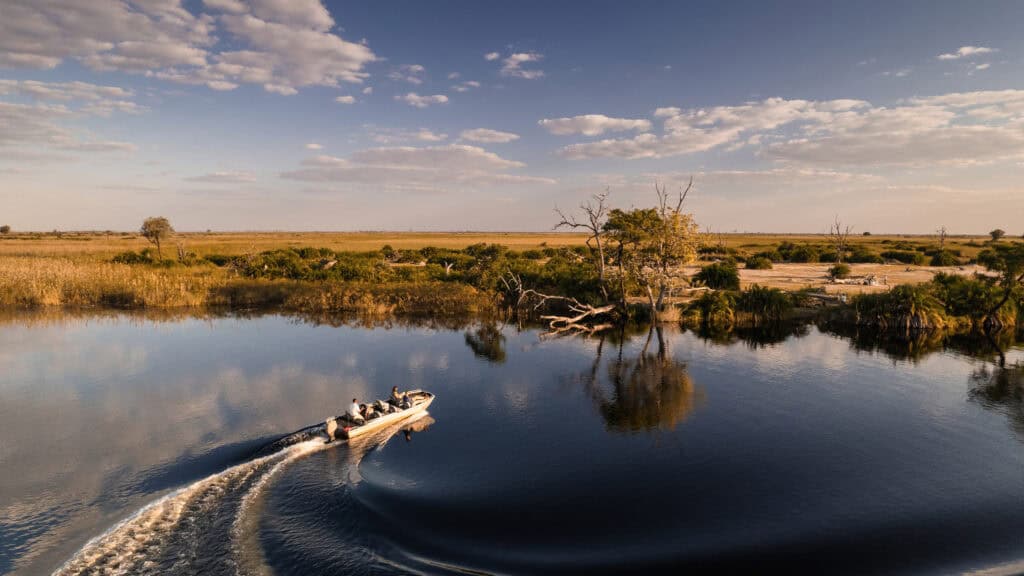
For the purpose-driven traveller seeking genuine connection and exclusivity, this period offers the ultimate luxury: a private wilderness. Gone is the busy conveyor belt of safari vehicles that you often find during the peak dry months. Instead, the atmosphere shifts to a deeply personal, slow-paced sanctuary.
Here, luxury is measured in silence, solitude, and the privilege of having spectacular predator sightings entirely to yourself. It appeals perfectly to the traveller who wants to experience the bush in its most authentic, undisturbed state.
What Does ‘Green Season’ Mean in Safari?
To truly understand what the green season means in safari, we have to reframe how we view the rain. Instead of positioning the rain as a downside to tolerate just because travel rates are cheaper, we must view the rain as the hero of the story.
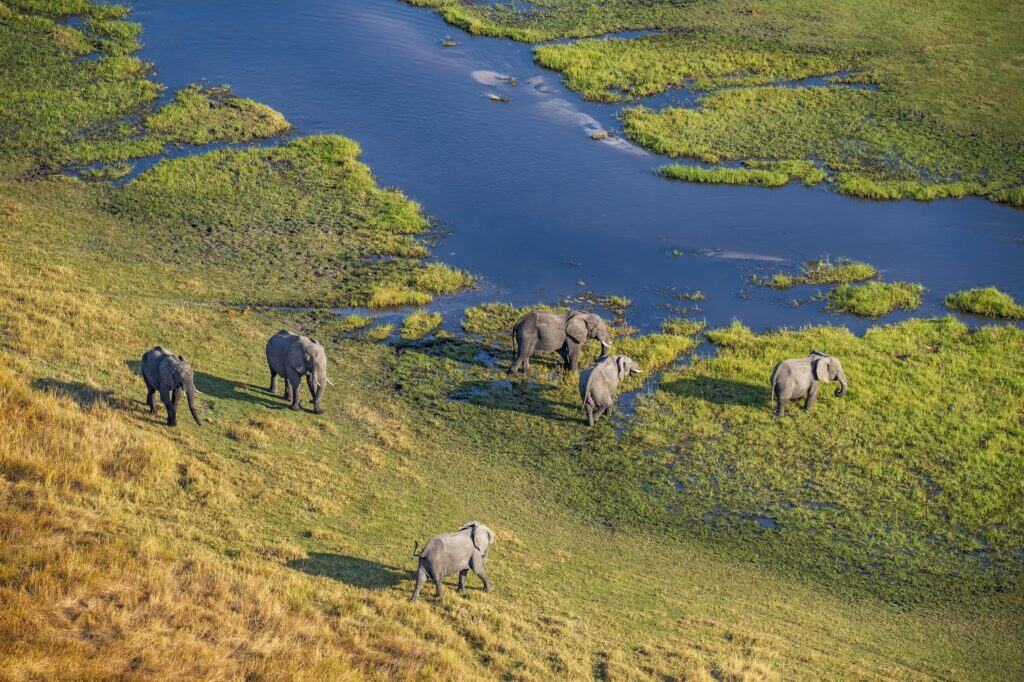
When comparing a safari in the dry season vs the wet season, the differences are profound. The dry season is fundamentally about survival, while the green season is a breathtaking celebration of life, birth, and abundance. The torrential downpours are usually short and dramatic, quickly giving way to sunshine that transforms the arid landscape into a vibrant, exclusive oasis teeming with life.
When is the Green Season?
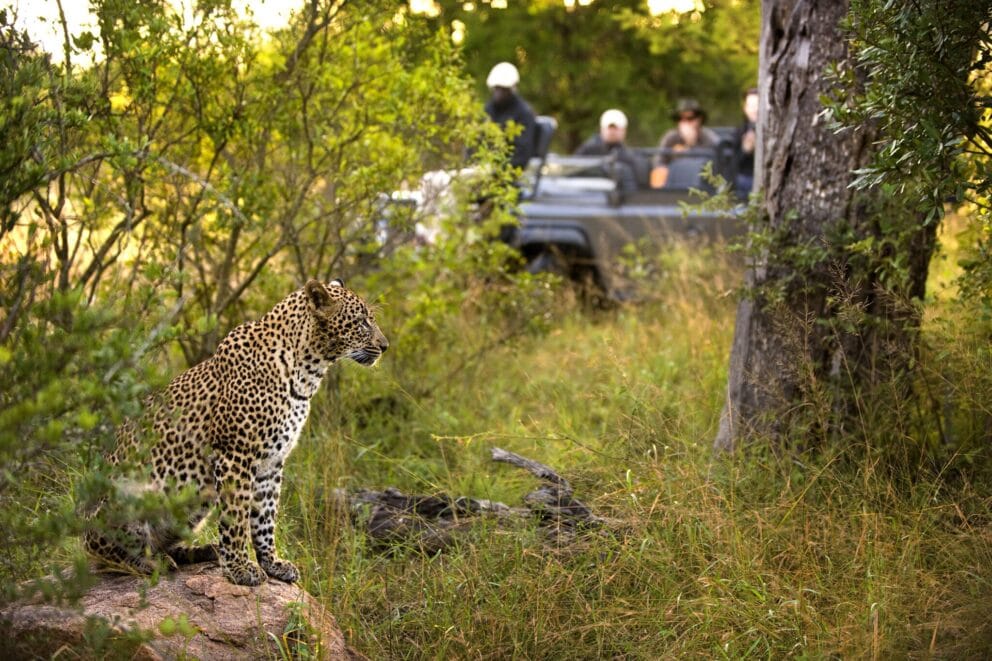
Knowing exactly when the green season is depends largely on your chosen region. The timing of the rains varies significantly between regions, triggering unique migrations, births, and landscape transformations across the bush.
To help you find the perfect window for your journey, this country-by-country breakdown details when the green season occurs and the distinct experiences it offers:
Destination Green Season Window The Experience
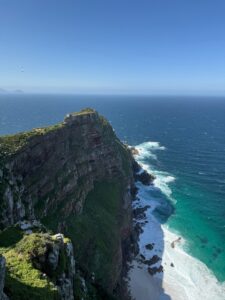
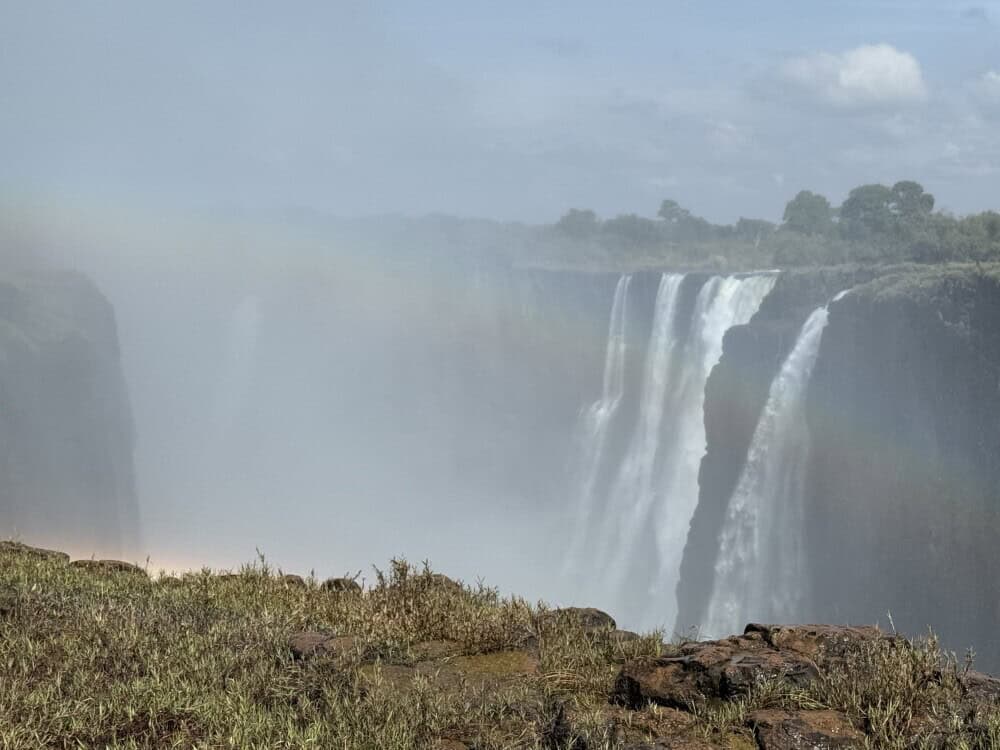
Botswana November to April Witness the incredible Nxai Pan zebra migration as the dry earth transforms into lush, verdant grasslands ideal for animal births. South Africa (Kruger region) December to March Experience highly rewarding, budget-friendly game viewing in Kruger National Park, featuring fast-paced predator action within an uncrowded bush. South Africa (Cape region) May to September Unlike the rest of the country, the Cape experiences a winter green season. While not a traditional big-game bush safari, it offers a magnificent marine and scenic safari. Discover roaring waterfalls, mist-shrouded mountains, and vibrant fynbos, all paired with crowd-free wine estate experiences and the arrival of migratory southern right whales along the coast. Zimbabwe December to March Enjoy quiet safari exclusivity, perfectly paired with a visit to Victoria Falls as the water levels rise to their most thunderous capacity. Kenya Short Rains: November – December Long Rains: March – May Experience a green-season safari adventure in Kenya, where sweeping savannahs are wonderfully uncrowded and bursting with vibrant new life. Tanzania November to May Follow the rains to the southern Serengeti in January to March as hundreds of thousands of wildebeest birth their calves, drawing intense predator activity. Zambia December to April Journey deep into remote wilderness areas to witness the continent's second-largest wildebeest migration in complete, untamed isolation.
Lighting, Landscapes, and Crystal-Clear Air
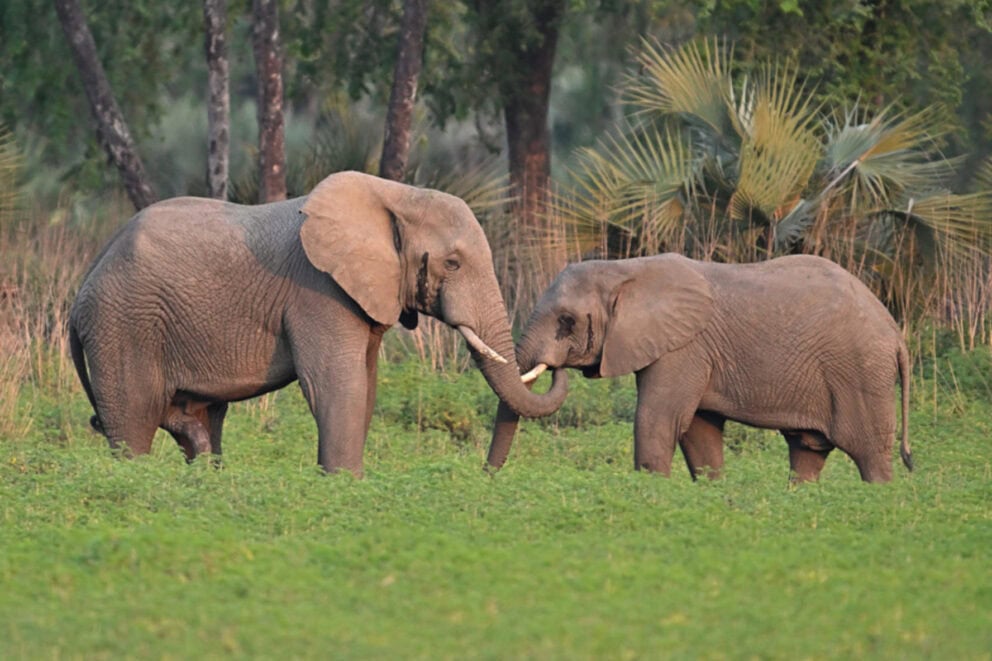
One of the most remarkable benefits of travelling at this time is the sheer sensory overload. The heavy rains wash away months of accumulated dry-season dust, resulting in crystal-clear air quality.
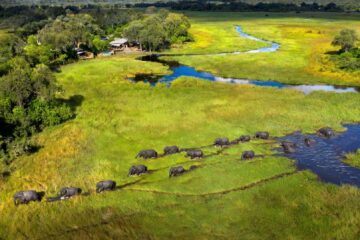
For avid photographers and nature lovers, the landscape created by the rains becomes a breathtaking canvas. The vibrant green grass contrasts sharply with the rich, red earth, all set against dramatic dark-cloud backdrops.
When the sun breaks through these stormy skies, it creates the most spectacular golden hour lighting imaginable – an absolute dream for capturing vivid, high-contrast wildlife photography.
Fast-Paced Predator Action
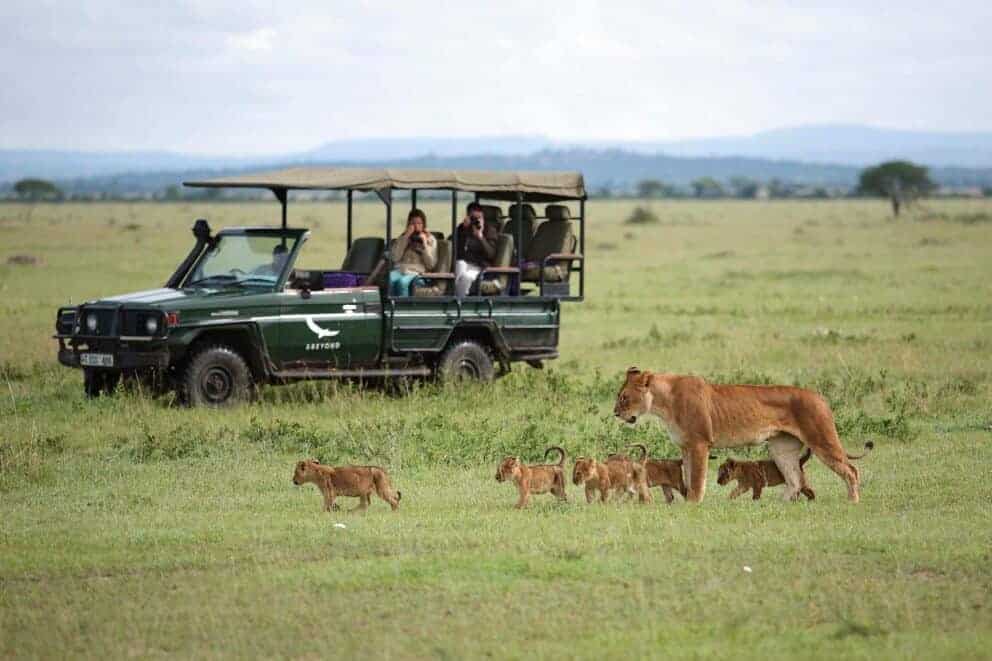
The green season brings a synchronised explosion of life across the savannah. As herbivores take advantage of the fresh, nutrient-rich grazing, it triggers a massive wave of animal births.
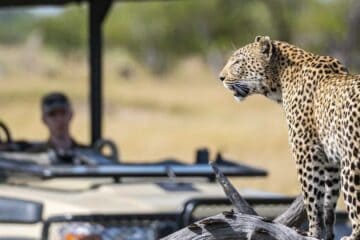
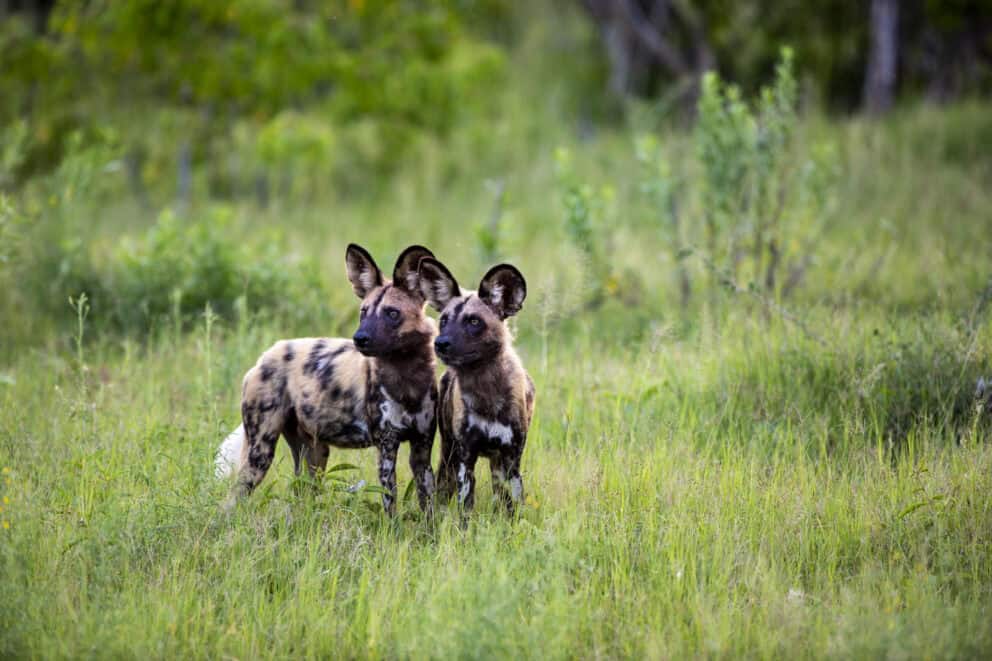
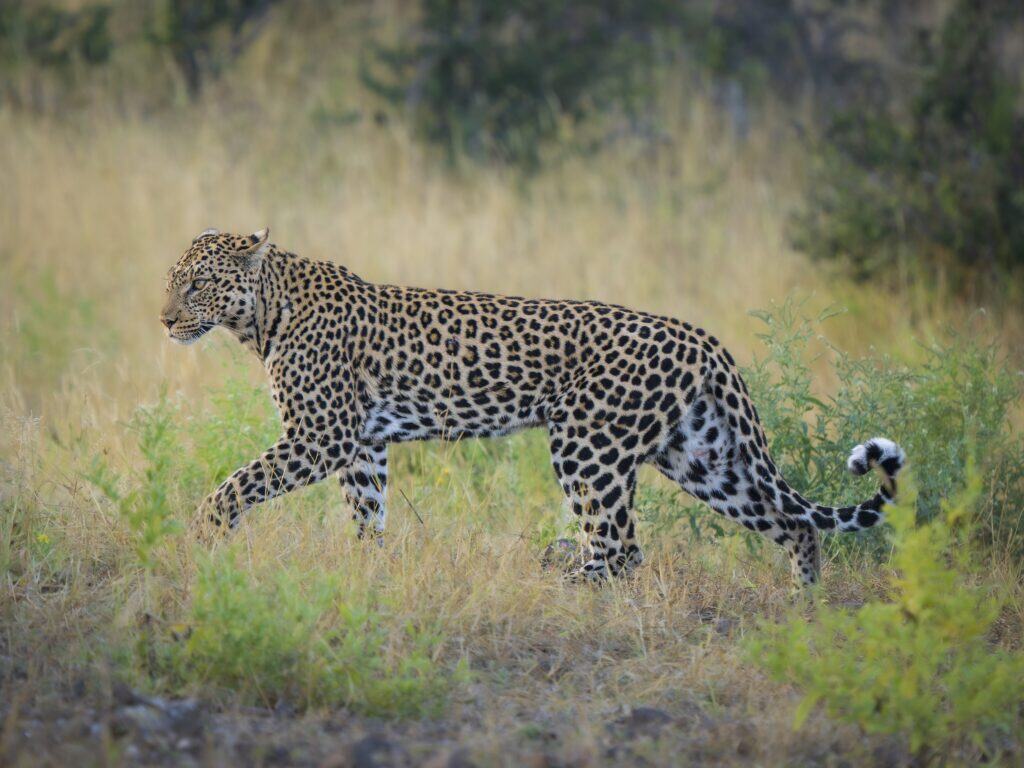
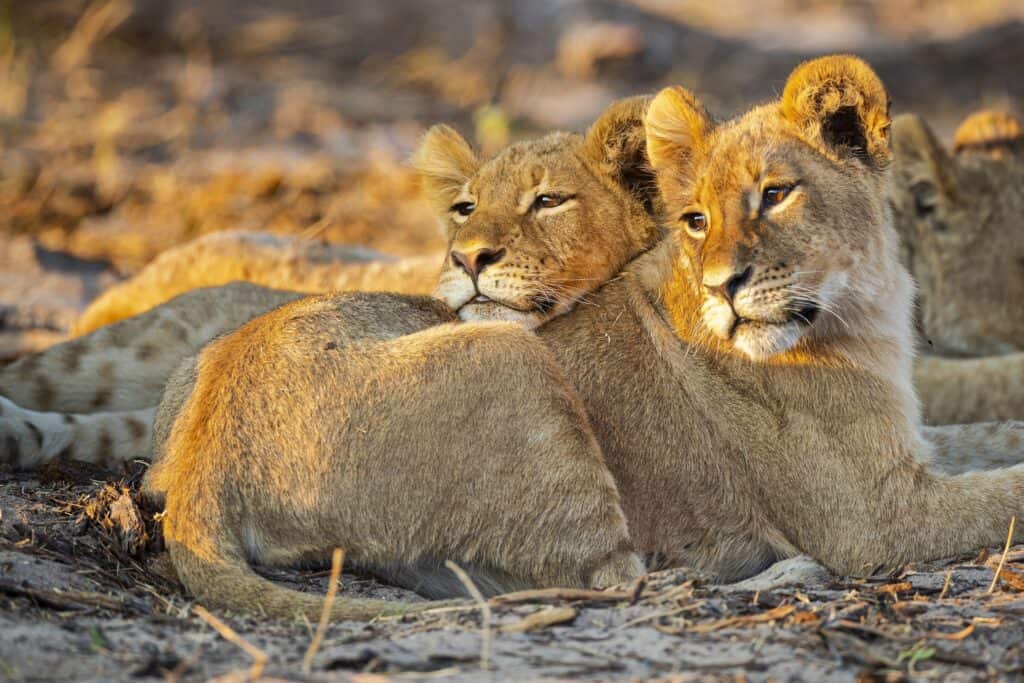
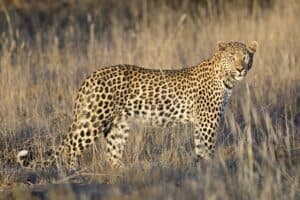
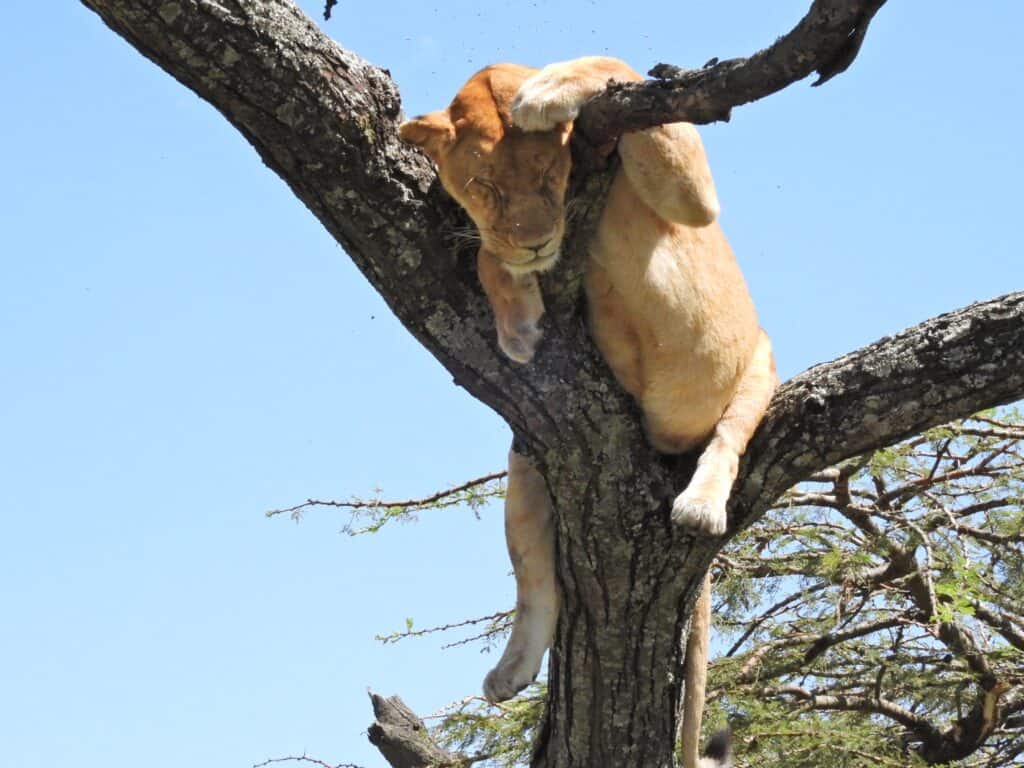
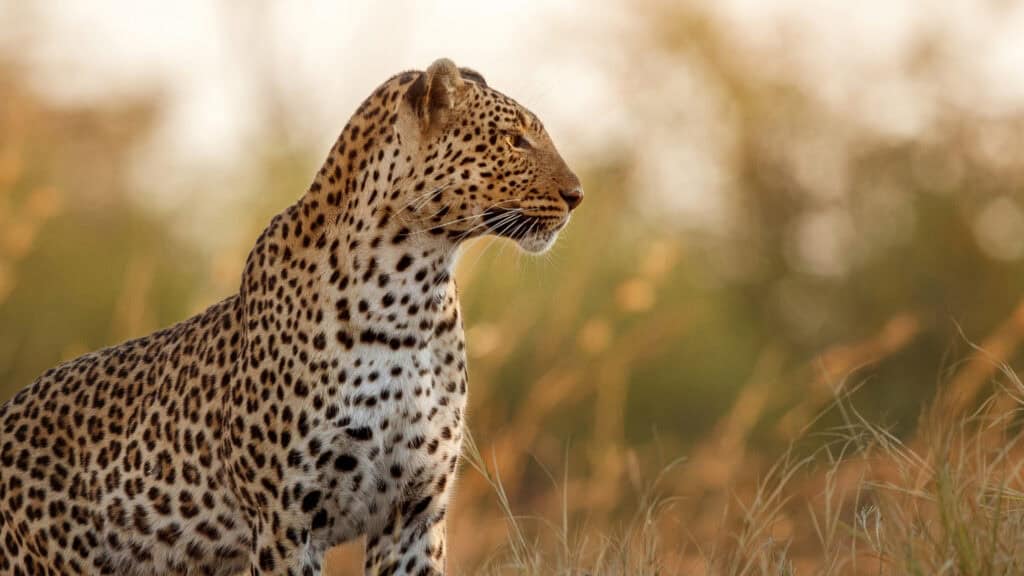
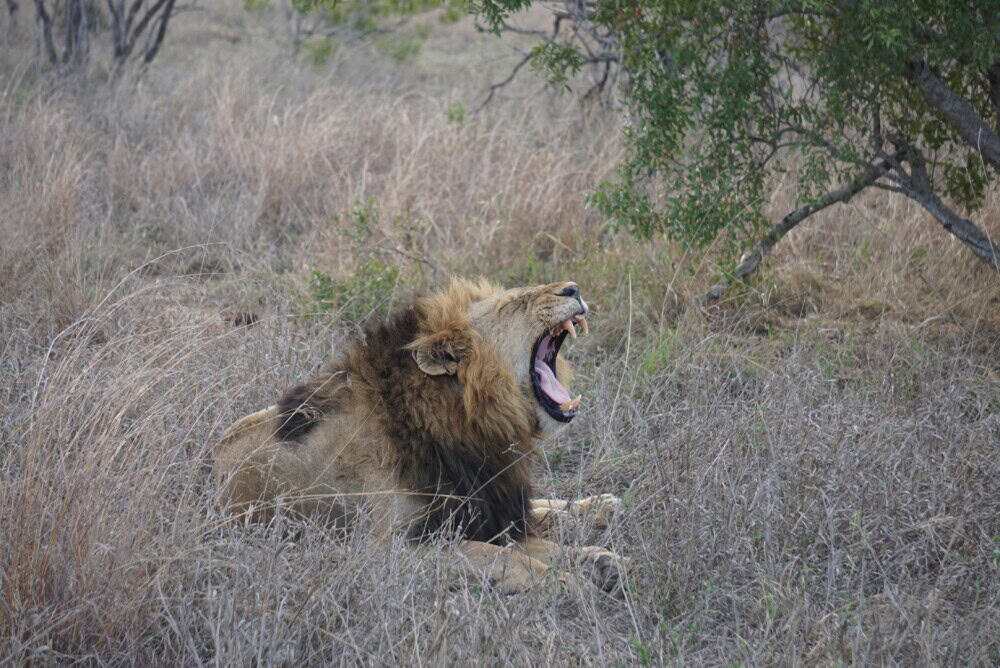
This sudden abundance of vulnerable newborn prey leads to spectacular, fast-paced predator activity. Big cats like lions, leopards, and cheetahs, as well as packs of wild dogs, are highly active as they take advantage of the plentiful food source. And, because there are fewer crowds and vehicles in the parks, you often get to witness these intense, primal moments of the food chain in complete isolation.
The Birding Phenomenon
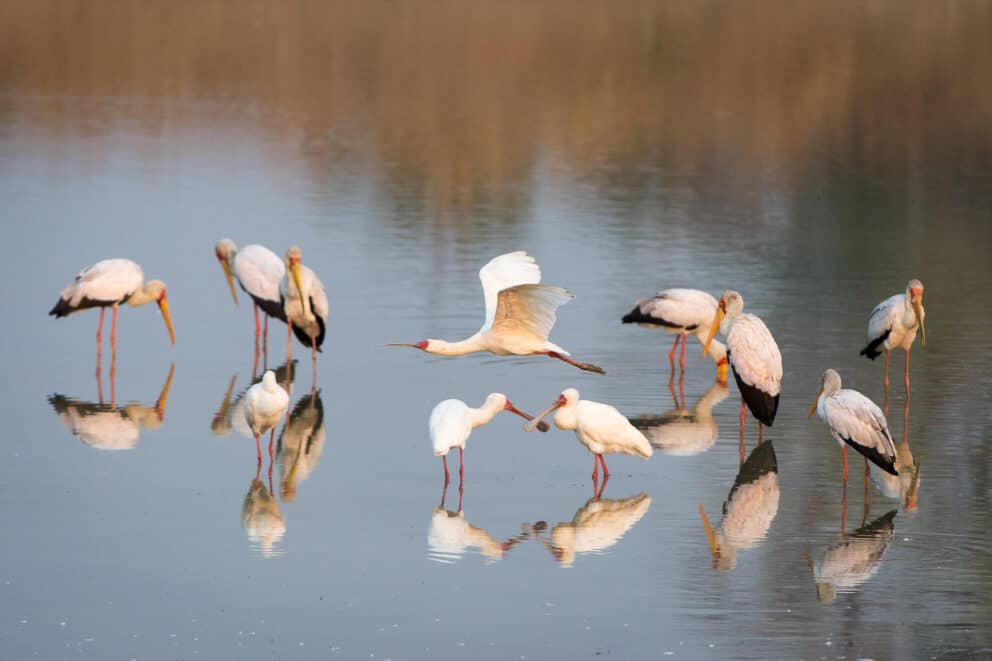
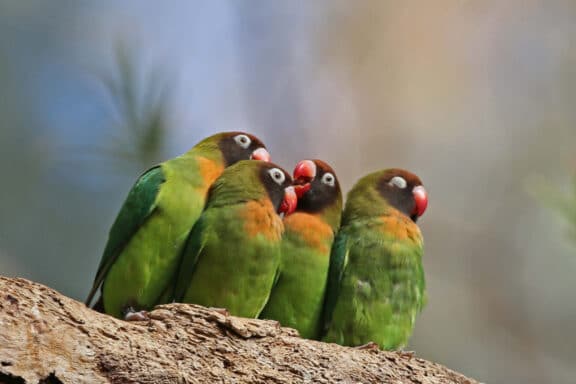
During the wetter months, the standard list of safari activities transforms into a unique selling point. The green season welcomes thousands of migratory birds travelling thousands of miles from all over the globe. The rain creates an abundance of food that draws them in, transforming the bushveld into a lush, insect-rich haven.
These arrivals turn the African bush into a colourful, acoustic paradise with residents donning their full, vibrant breeding plumage. The air is filled with the calls of woodland kingfishers, cuckoos, and colourful bee-eaters.
According to data from BirdLife International, these specific migratory flyways are essential to global biodiversity, turning Africa’s seasonal wetlands into temporary homes for some of the world’s most spectacular avian species. Even if you don’t consider yourself a birder, the sheer volume of colour and song during this season is impossible to ignore.
Some key species to look out for include:
- East Africa: European and carmine bee-eaters, woodland kingfishers, and a spectacular influx of Eurasian rollers and cuckoos.
- Southern Africa: Amur falcon, African pitta, the pennant-winged nightjar, lilac-breasted rollers, and the striking violet-backed starling.
Top Destinations for an Unforgettable Green Season Safari
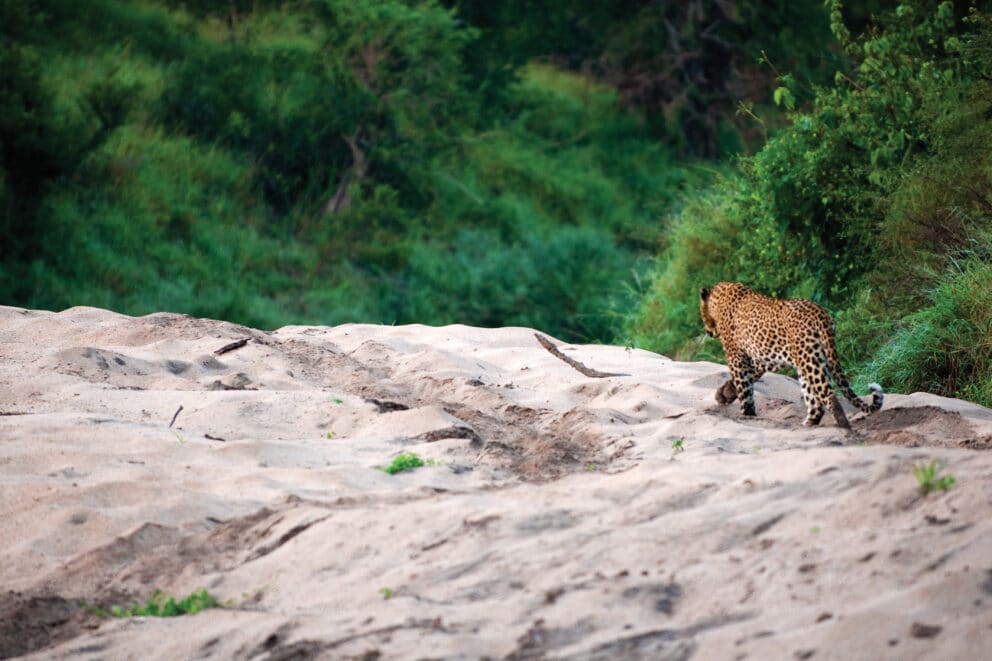
If you’re ready to embrace the magic of the rains, here are some of the most spectacular destinations to consider:
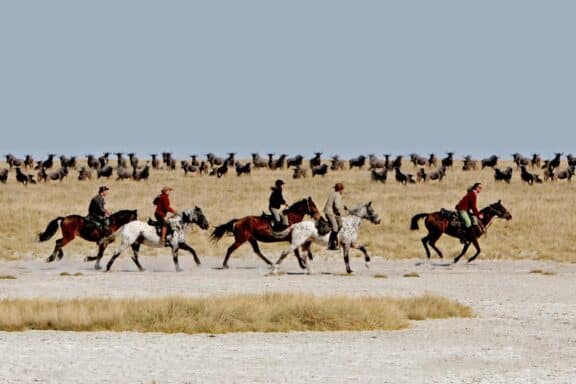
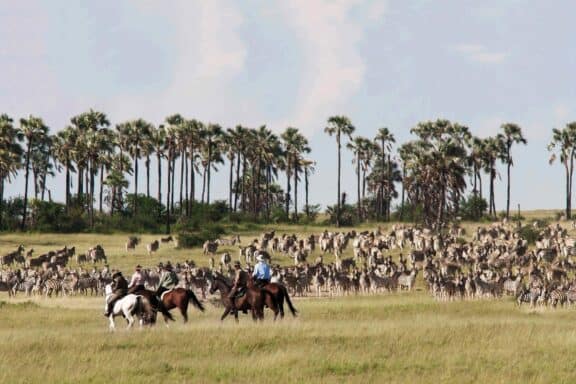
- Botswana: A Botswana green-season safari is unmatched. Witness the incredible Nxai Pan zebra migration, where thousands of stripes move across the revitalised, lush grasslands in search of fresh grazing.
- South Africa: For travellers wanting to see big cats in action, the Kruger National Park offers thrilling, fast-paced predator action within the thick, verdant bush.
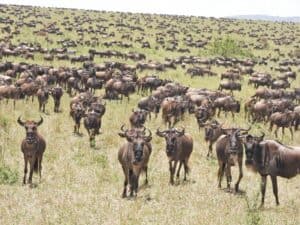
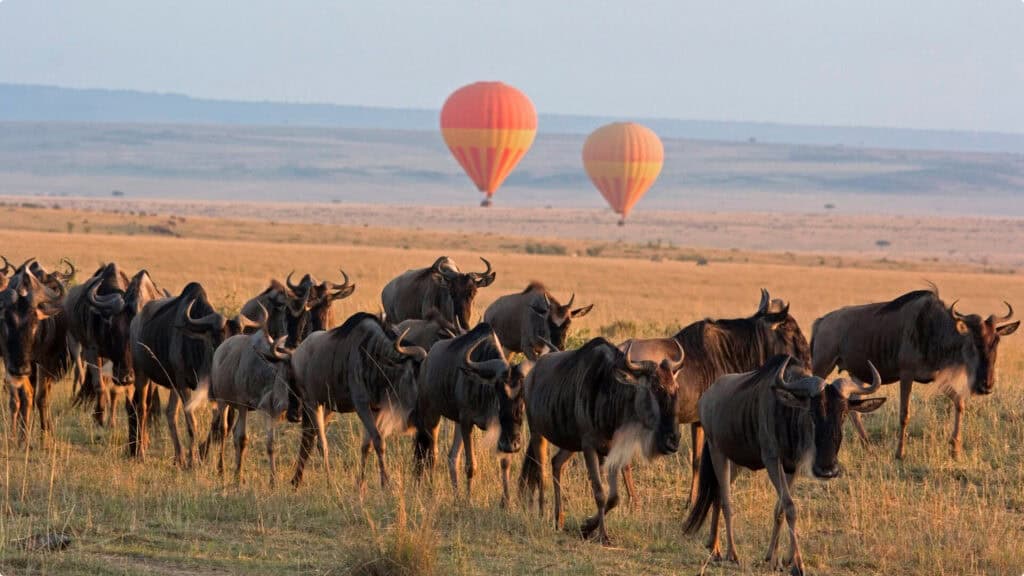
- Tanzania: The southern plains of the Serengeti become the stage for the Great Migration‘s calving season. Over a few short weeks, hundreds of thousands of wildebeest calves are born, naturally drawing in massive numbers of opportunistic predators.
- Zambia: Venture into the remote Liuwa Plain to witness the continent’s second-largest wildebeest migration – an incredible, exclusive spectacle that few travellers ever get to see.
- Kenya: Experience a green-season safari in Kenya, where the sweeping savannahs are wonderfully uncrowded, beautifully lush, and bursting with vibrant new life and birdsong.
The Hidden Perks
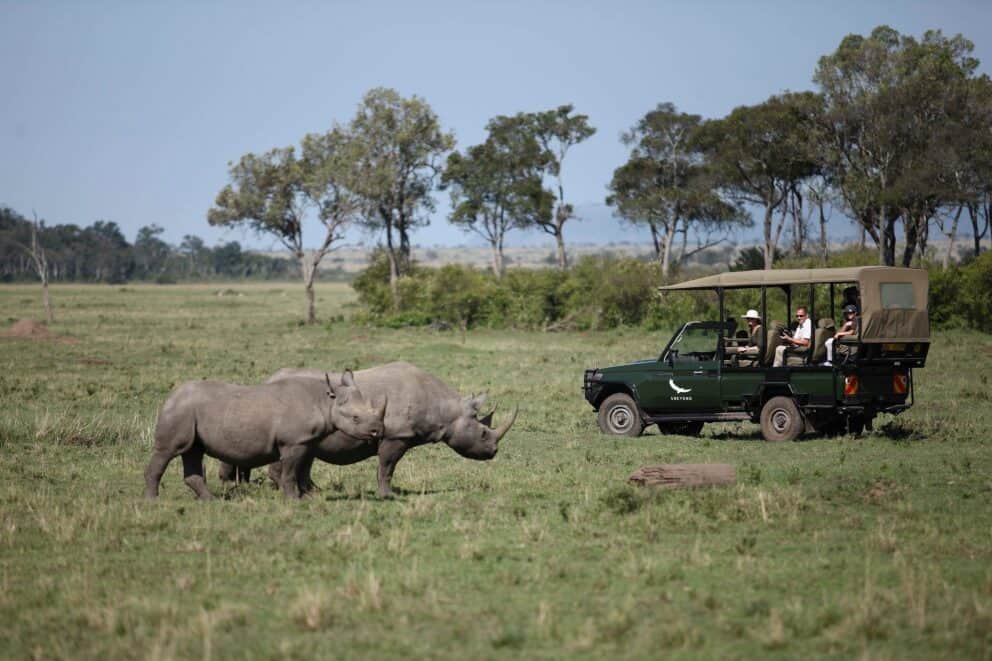
While many travel agents focus heavily on the financial savings and discounted lodge rates, the true low-season safari benefits extend well beyond your wallet.
Fewer crowds mean you can enjoy the parks and reserves without the usual traffic jams around major sightings. You’ll also have a front-row view of the wilderness at its most active, vibrant, and private.
For the traveller wanting to connect deeply with nature, there is nothing quite like having an entire sweeping landscape all to yourself.
Sustaining Conservation Efforts Year-Round
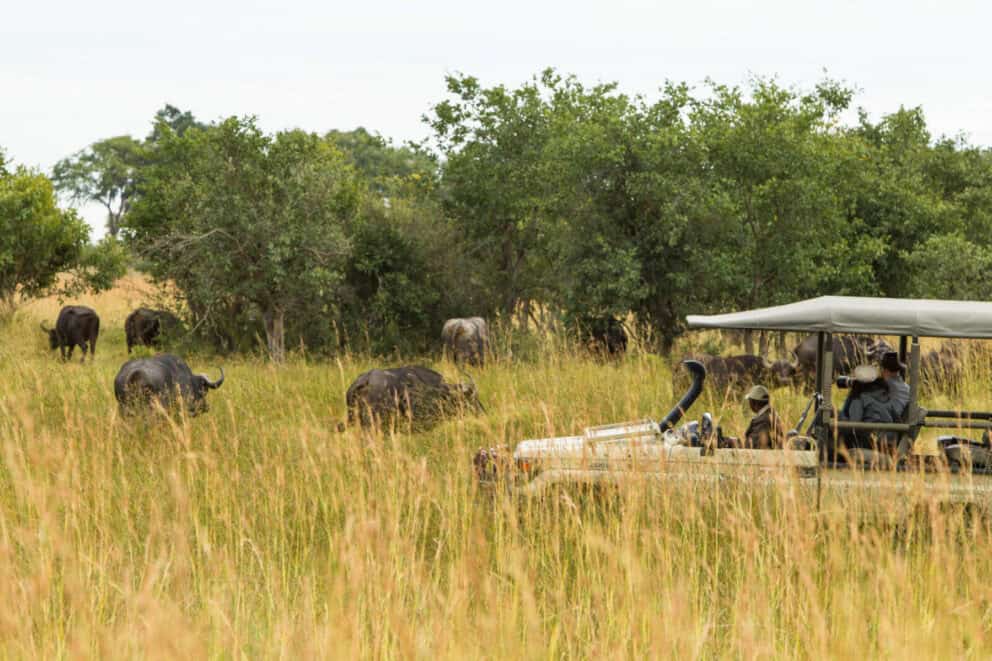
A crucial, yet rarely discussed, benefit of travelling during the off-peak months is the profound impact your presence has on local ecosystems. Wildlife conservation, anti-poaching units, and community-led initiatives operate 365 days a year – not just during the busy, dry season.
By visiting during the green season, your tourism dollars provide essential, consistent funding that supports these vital operations when they need it most. This steady stream of income helps rangers protect the vulnerable newborns born during the rainy months and ensures that local communities continue to see the tangible, year-round benefits of eco-tourism.
If you want to make a positive difference, travelling in the green season turns a beautiful holiday into a meaningful, sustainable contribution to Africa’s ecological future.
Organisations like the African Wildlife Foundation emphasise that consistent, year-round ecotourism is one of the most effective tools for funding long-term habitat protection and community empowerment.
Ready to Experience the Magic?
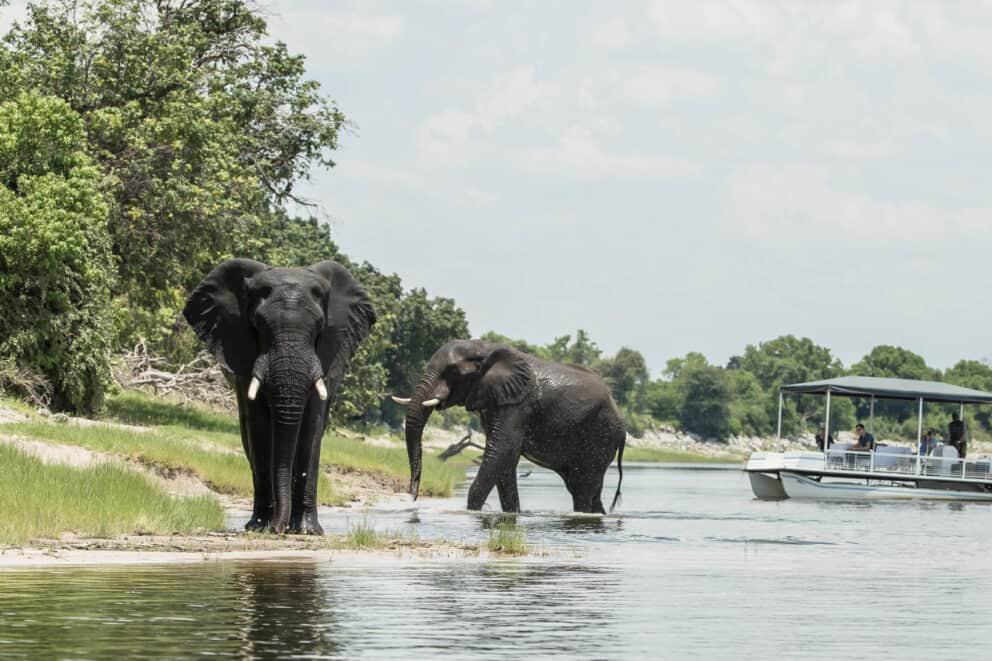
The green season is far more than an affordable alternative to the dry season. It offers an unhurried, meaningful connection to the land, giving you an appreciation for where the wild things come from.
Don’t just dream of the wild; immerse yourself in it. Let our safari experts design a spectacular green season safari that aligns with the adventure you seek. Start planning today and secure a front-row seat to Africa’s most exclusive spectacle.

Written by Thaakiera Ackerdien
• Travel Writer
Discover the African Journey that’s Right for You
 Blog List






 30 Jan 2024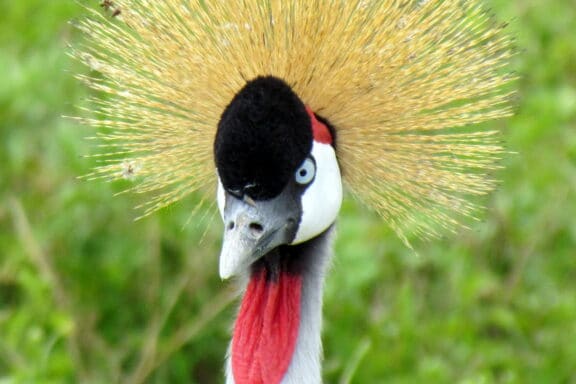




















Written by Thaakiera Ackerdien
• Travel Writer
Part of the Botswana Safari, South Africa Safari, Tanzania Safari, Kenya Safari, Zambia Safari, Birding Safaris, Great Migration Safaris & Big Five Safaris Collections