

 Email us




One of the questions we hear most often is ‘When is the best time for a Big Five safari?’
While the short answer is July and August, the more useful answer depends on where you’re going, what you most want to see, and how you want the whole thing to feel.
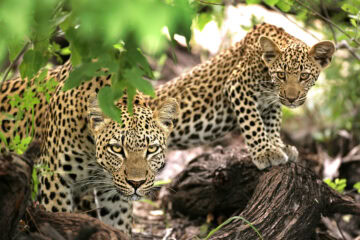
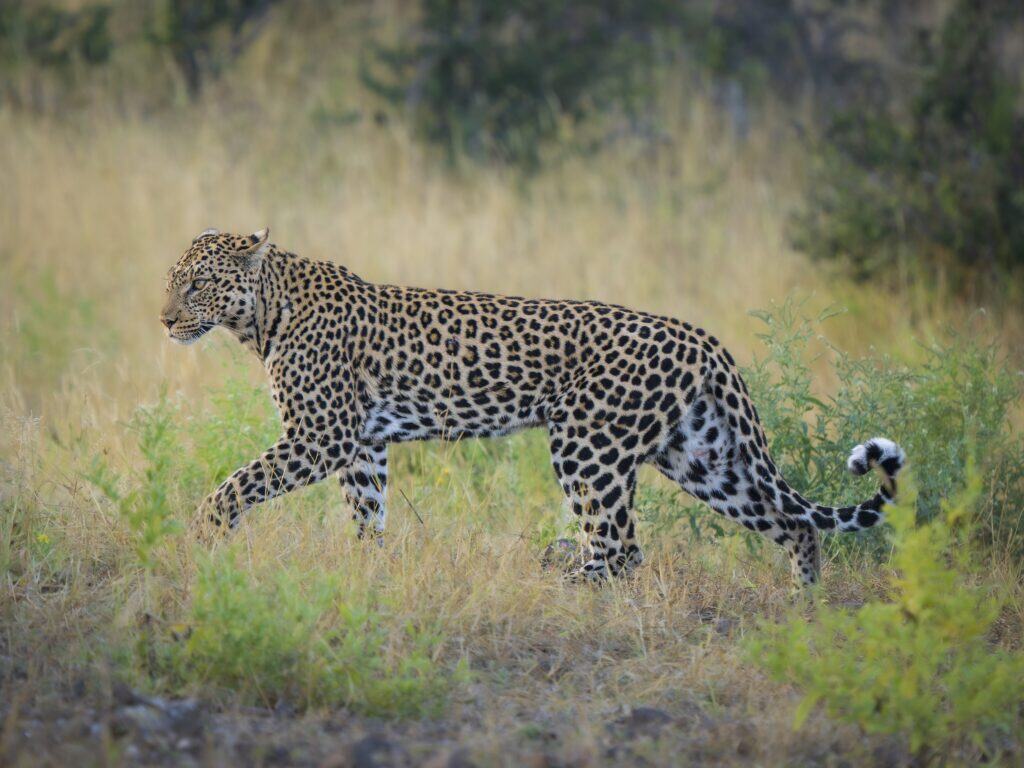
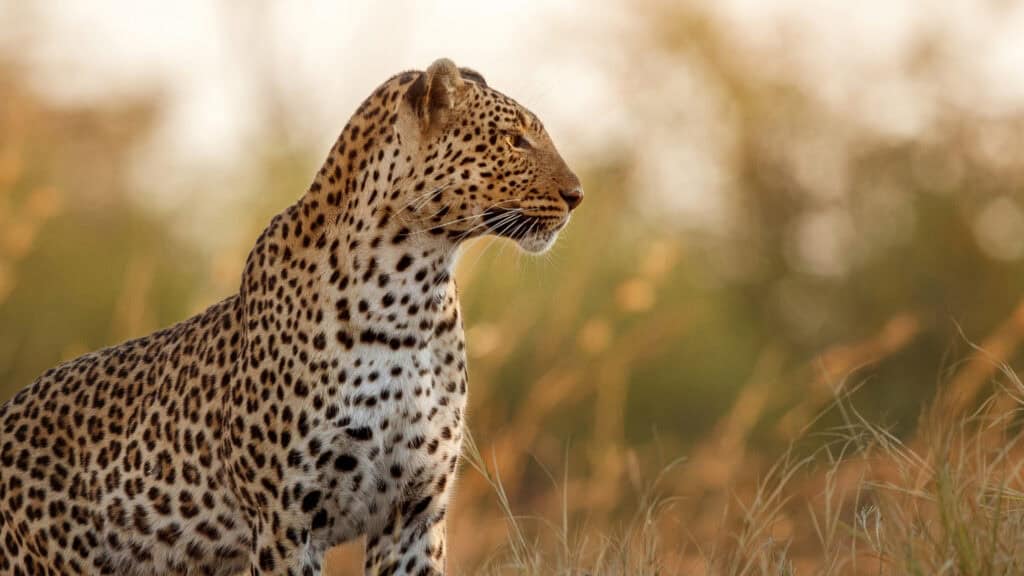
You’re out before sunrise, the air sharp and still, and your guide slows the vehicle beside a set of fresh tracks pressed into the sand. A minute passes. Then a leopard steps out from the bush, holds your gaze for a moment, and disappears. Your heart is still going ten minutes later.
Nothing is guaranteed on safari. That’s part of what keeps people coming back.
But timing changes what’s possible. The best time for a Big Five safari is shaped by how easily wildlife is found and what unfolds in front of you on any given morning. Understanding the seasons is one of the simplest ways to shift the odds of seeing the Big Five safari animals: lion, leopard, elephant, rhino, and Cape buffalo.
Why Timing Matters on a Big Five Safari
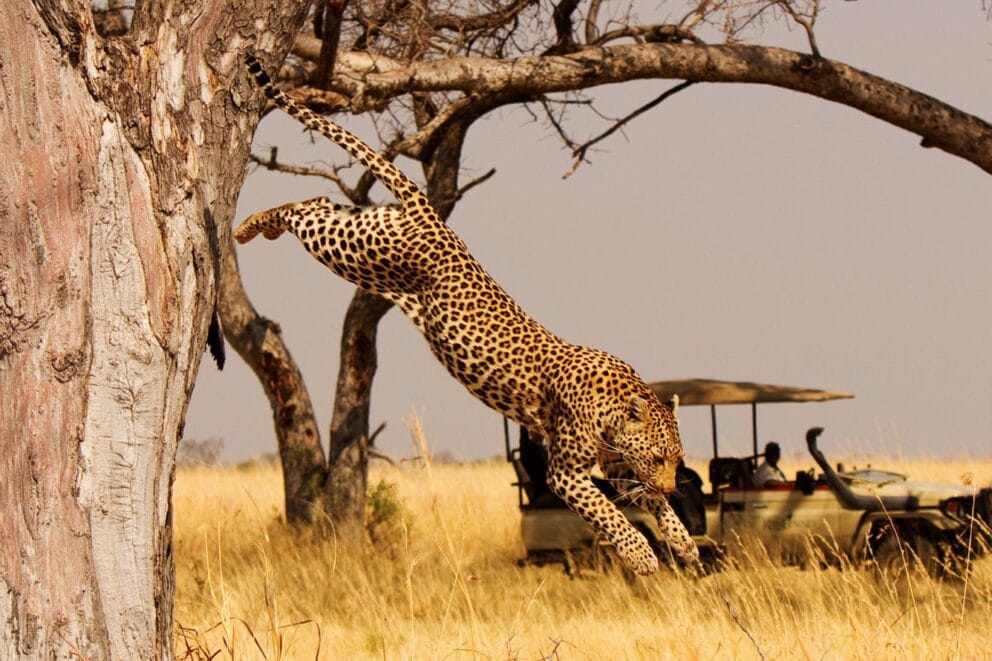
During the wetter months, water is plentiful and wildlife spreads widely. Animals don’t need to travel far to find what they need, so your guide does. As the dry season takes hold, smaller pans disappear and seasonal streams slow to nothing. All that wildlife has to go somewhere, and it goes to the permanent rivers and waterholes.
This shift marks the best time for Big Five safari adventures. For your guide, that changes everything. Instead of covering huge distances looking for wildlife, you drive to some of the few remaining water sources. Your guide knows which waterhole the elephants have been using and which riverbank the lions drank from at dawn. The vegetation thins at the same time: leaves drop, long grass flattens, and animals that were invisible in a dense canopy in March are suddenly findable in a bare acacia in August.
“July and August are generally considered the best months for a Big Five safari in Africa.”Expert Insight


Africa’s weather patterns vary considerably by region, though, which is why the ideal time of year for a Big Five safari in East Africa is a different question from the ideal time of year for a Big Five safari in southern Africa.
What is the Ideal Time of Year for a Big Five Safari in Southern Africa?
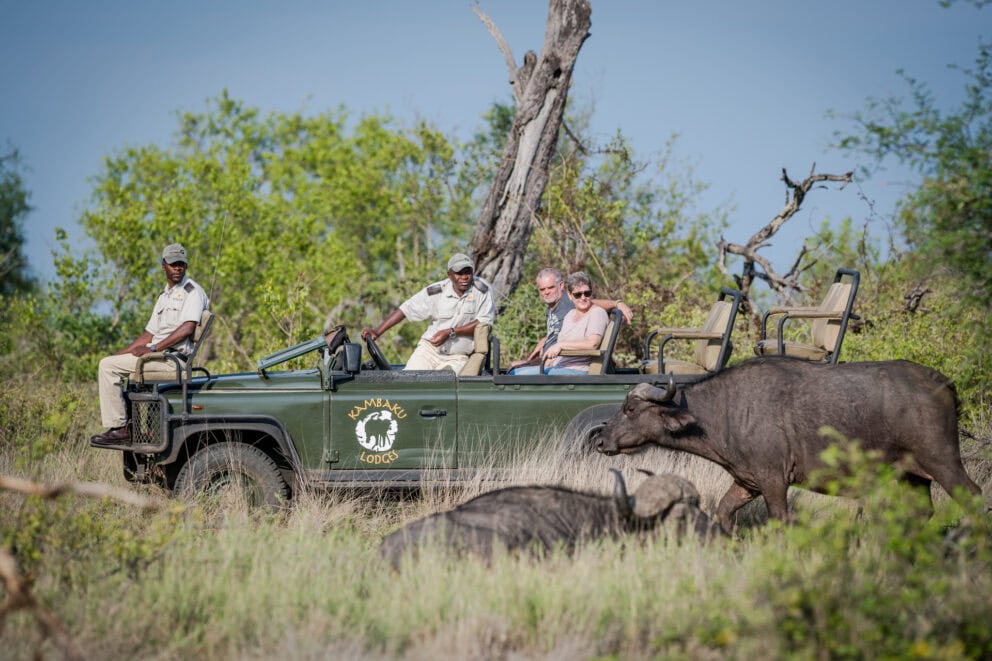
South Africa, Botswana, Zimbabwe, and Zambia all run on a winter dry season, falling roughly between May and October. Worth knowing if you’re planning from the northern hemisphere: winter in Africa is your summer at home.
“The weather is ideal; it's the peak of the dry season, so wildlife is easier to spot and track as animals congregate around available water. These months also coincide with northern hemisphere school holidays, which makes them the busiest time for a safari.”Expert Insight
If quieter camps and fewer vehicles matter to you, the shoulder months are worth a look:
“Many guests choose to travel in April to June, or September to October, to avoid the crowds but still have good game viewing and moderate weather.”Expert Insight
May and June: Good Sightings Before the Peak
The bush is thinning, temperatures are comfortable, and camps are noticeably quieter. For families travelling outside school holidays or anyone who values a bit more space on safari, these months often hit the sweet spot.
July and August: Peak Big Five Safari Season
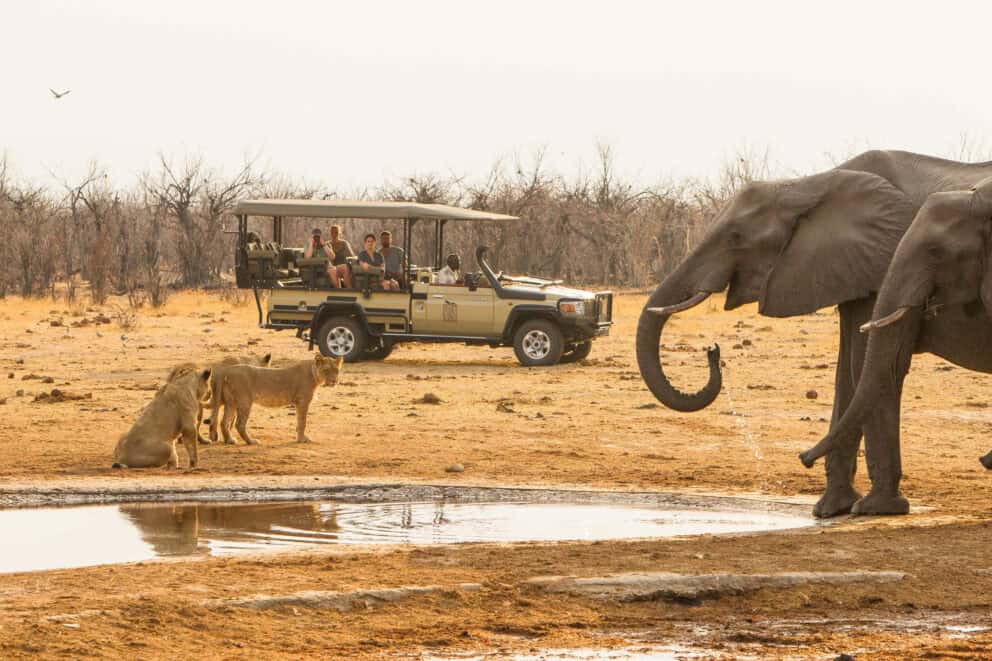
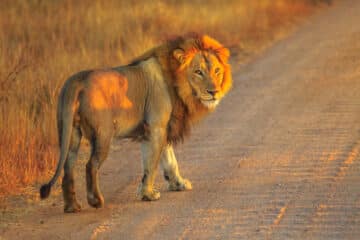
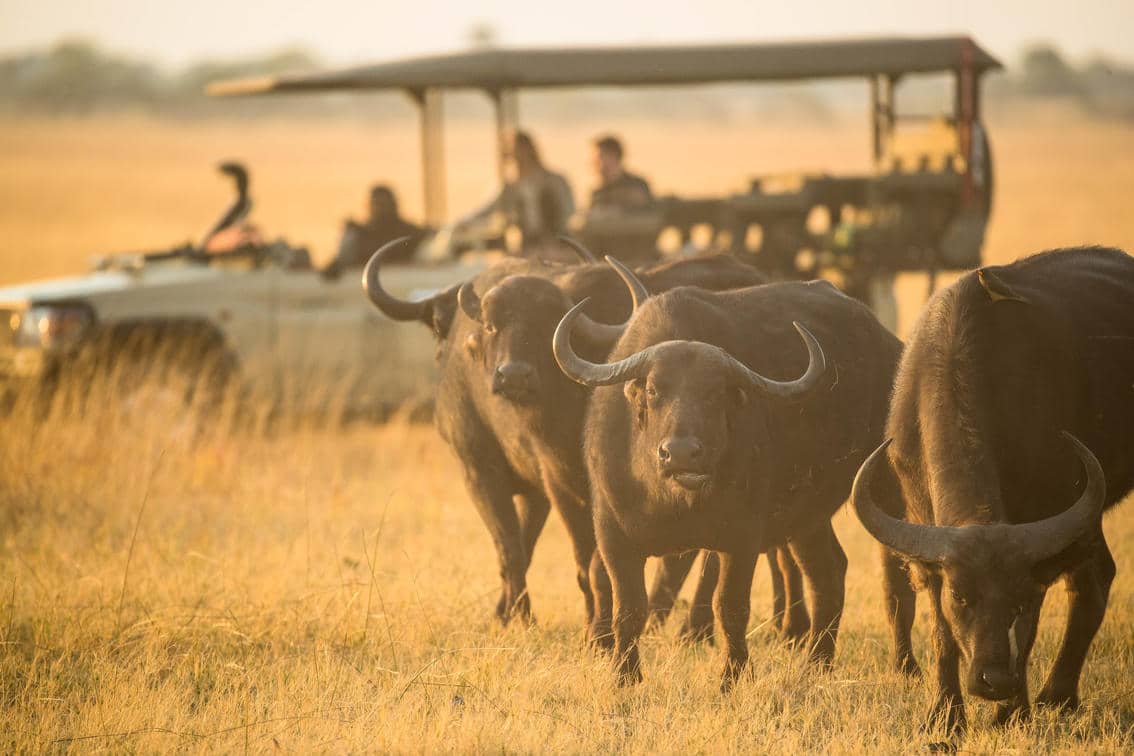
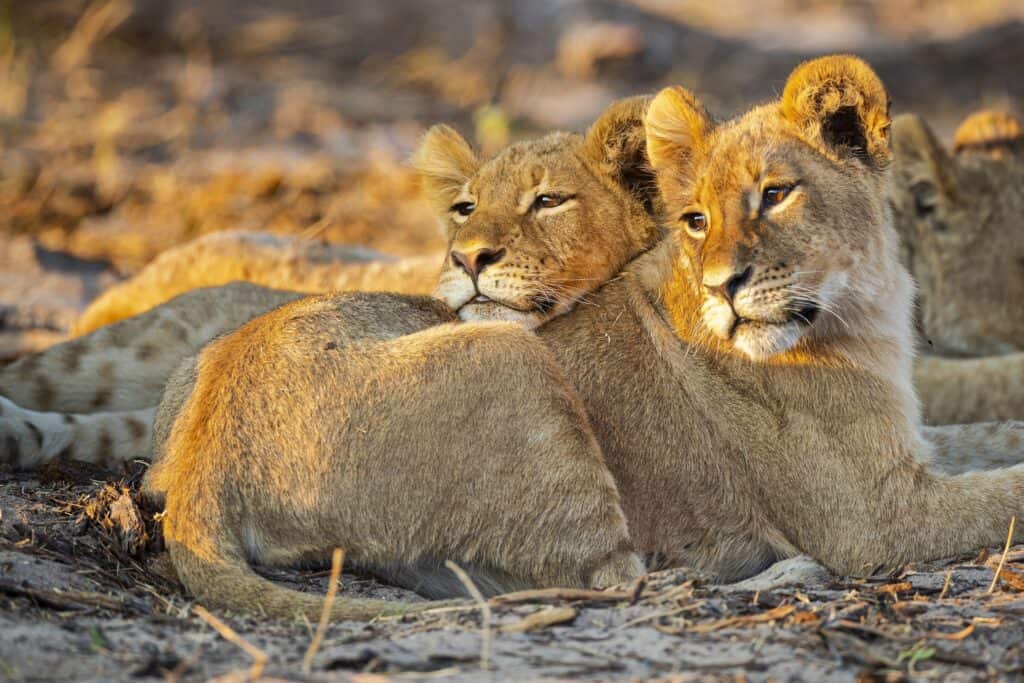
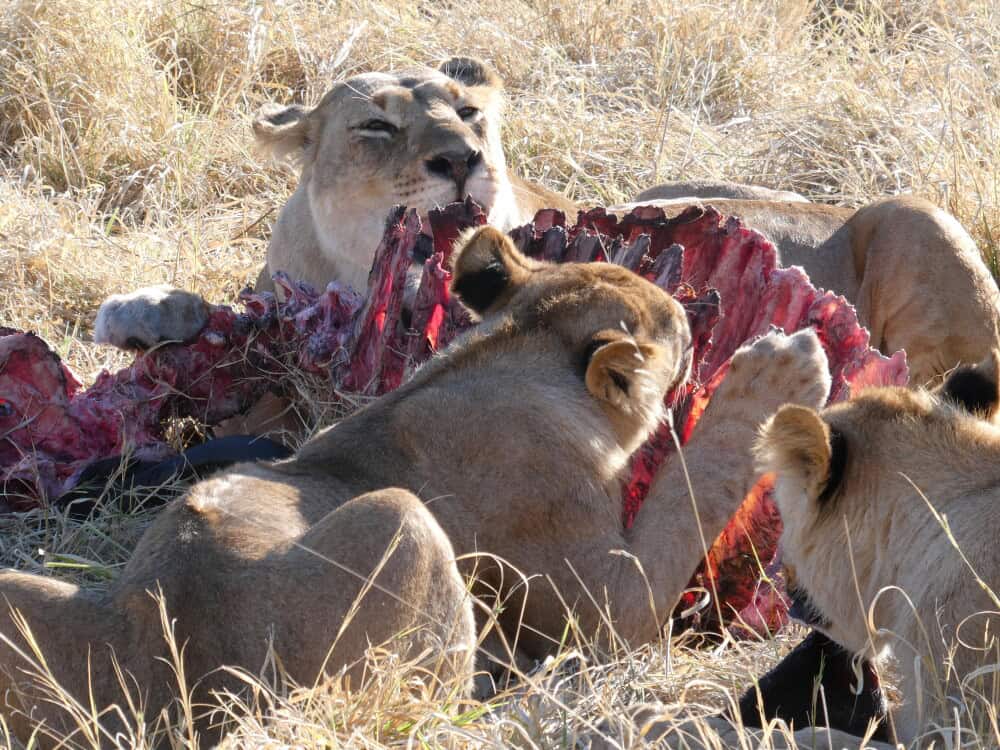
A lion pride sprawled in a dry riverbed. Buffalo drifting through golden grass at first light. A rhino stepping clear of the bush as your vehicle rounds a bend. These are the conditions most people picture when they imagine an African adventure, making this the best time for Big Five safari sightings, as July and August deliver them most reliably.
September and October: Strong Sightings, Fewer Crowds Wildlife viewing remains excellent through October; visitor numbers begin to ease. For those who want the sightings without the peak-season company, these months are well worth considering.
Important to note: October is often the hottest month of the year in many safari destinations, including Botswana and Zambia. The dry season has dried out the land just before the rains increase.
Where to Go for the Big Five in Southern Africa
South Africa: Kruger and Sabi Sand
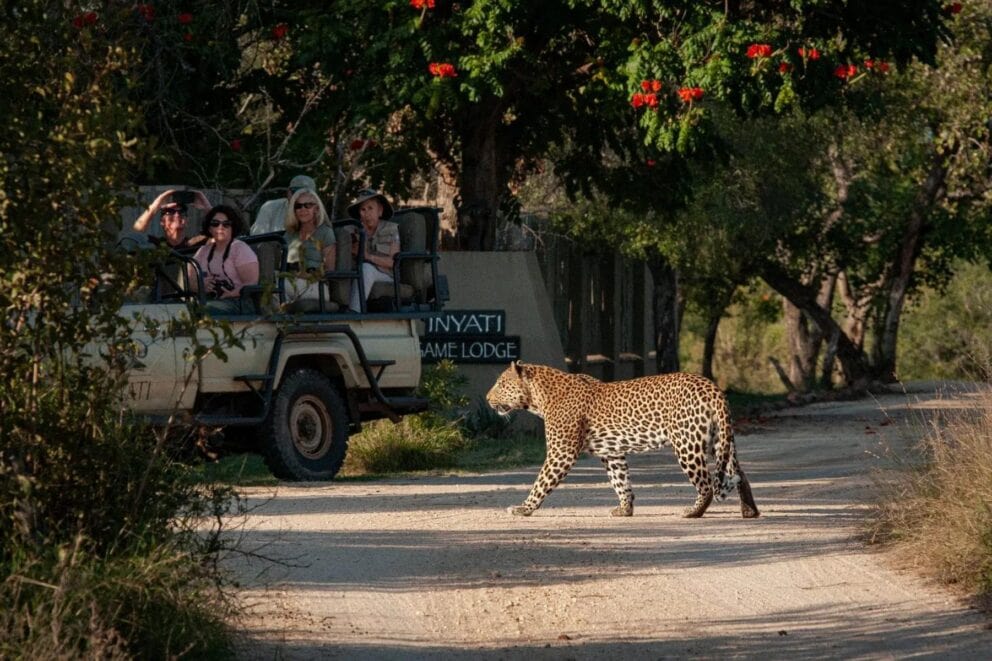
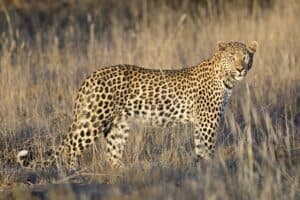
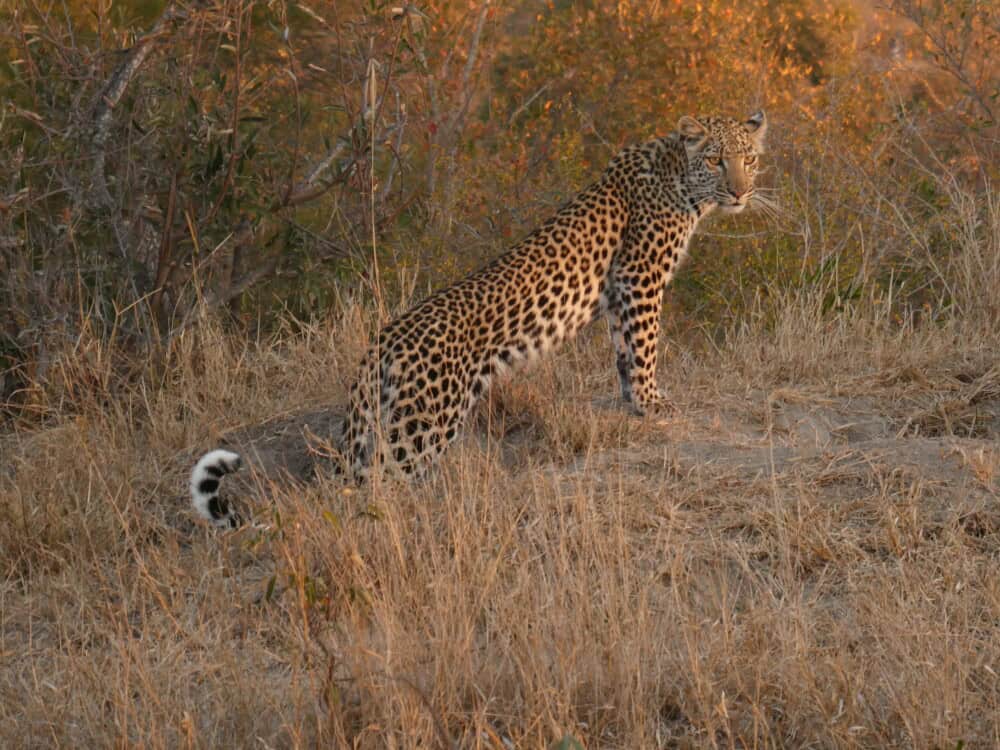
From June, flattened grass makes lions far easier to locate in Kruger. Leopards appear in the knobthorn acacias along the dry riverbeds, resting in bare branches that would have hidden them completely a month earlier.
Just outside, the Sabi Sand Game Reserve shares an open boundary with Kruger: far fewer vehicles, far more land per guest, and lodges that have known the same leopard families for generations. On a three-night stay, most guests see all members of the Big Five.
Botswana: Chobe and the Okavango Delta
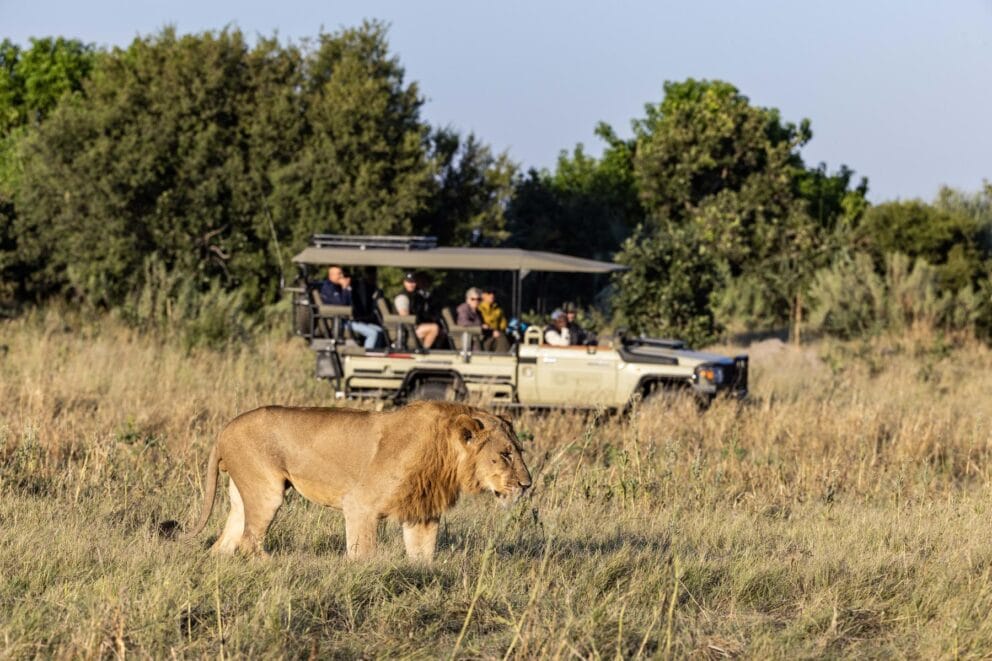
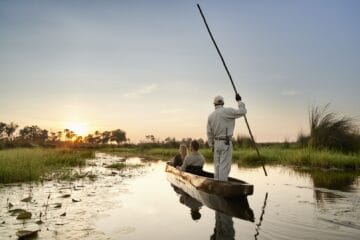
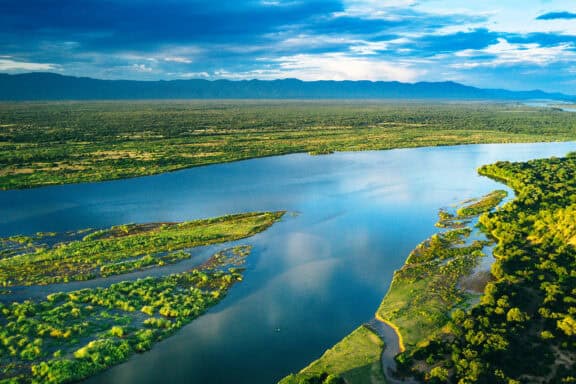
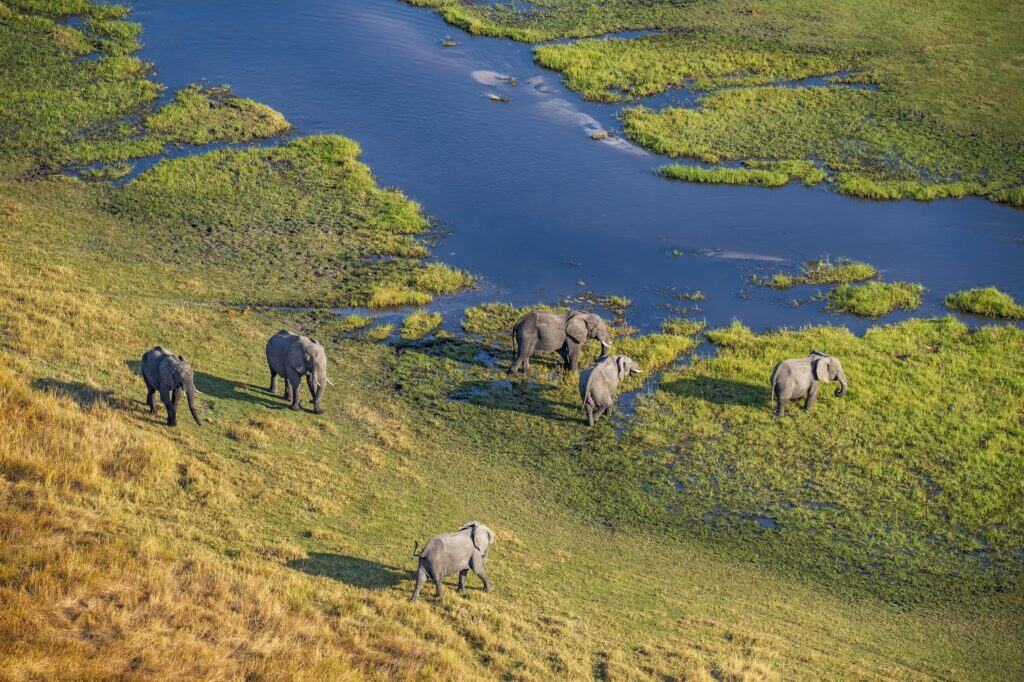
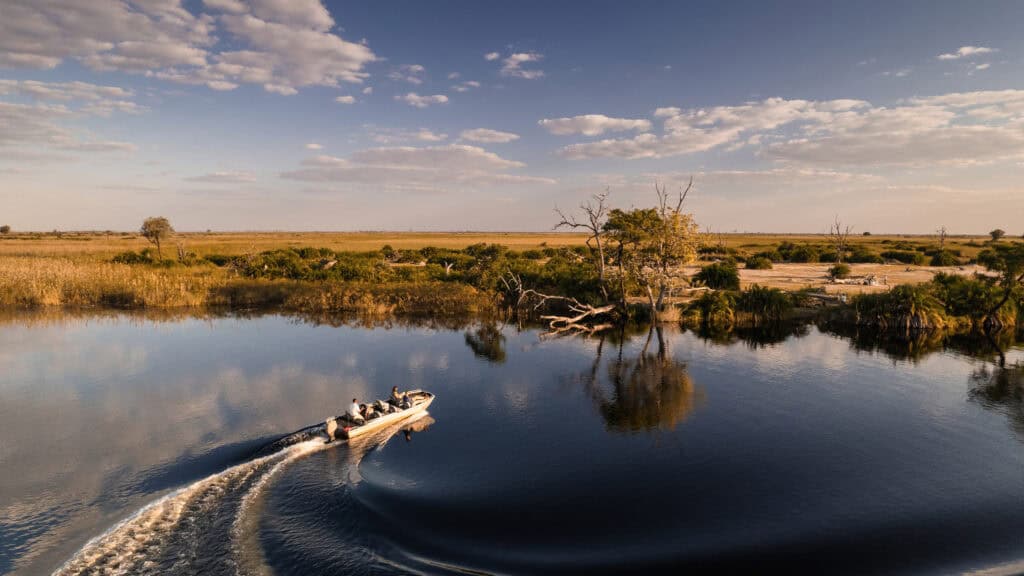
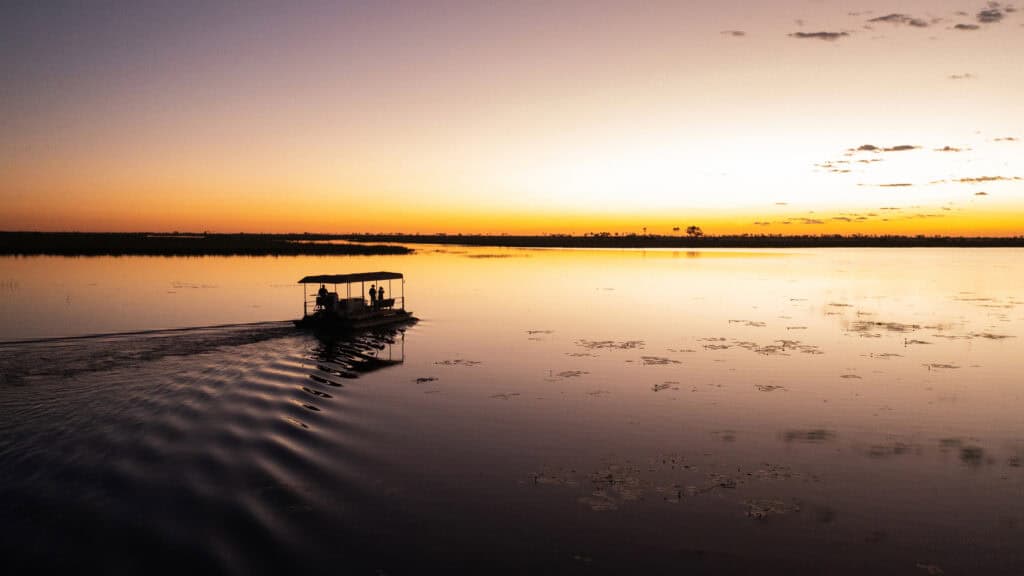
The Okavango floods between June and August, its water arriving from Angola’s highlands. Along with game drives, mokoro and motorboat excursions can be part of your itinerary to explore channels and palm-lined floodplains.
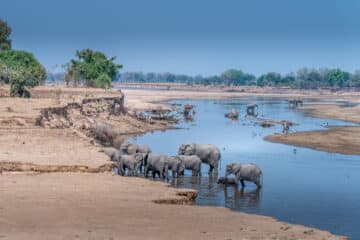
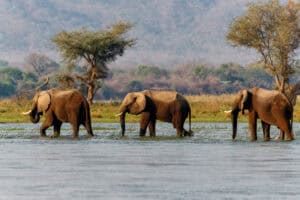
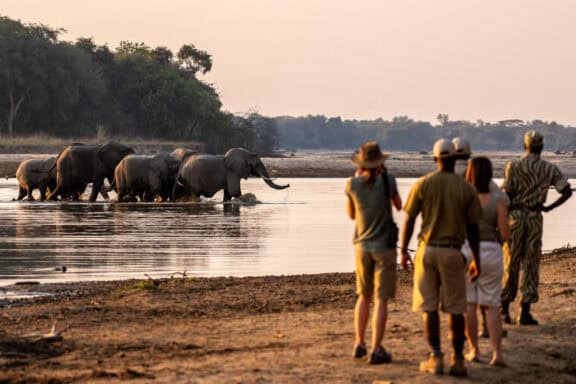
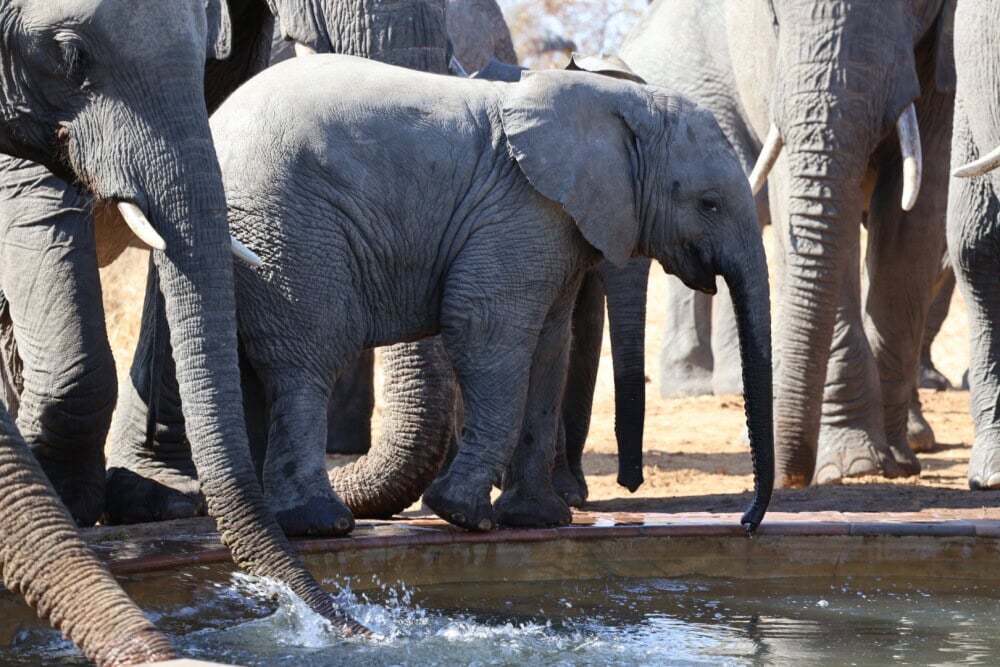
At Chobe, hundreds of elephants gather along the river in the dry months: calves splashing through the shallows, bulls jostling for space. Watching it from a boat at eye level is something that stays with you.
Members of the Big Five in Botswana: Four of the Big Five can be seen in Chobe and the Okavango, with rhinos being difficult to find.
Zimbabwe: Hwange and Mana Pools
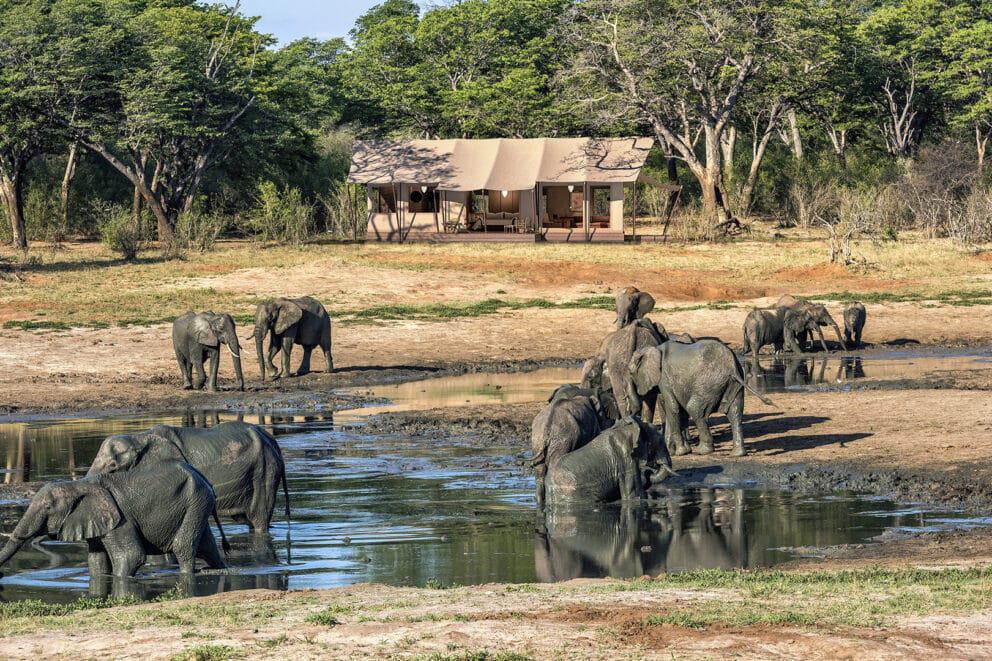
Hwange builds through August and September, its waterholes drawing elephants, lions, and buffalo in serious numbers. Mana Pools, on the Zambezi floodplain, is prime walking safari territory – there’s nothing quite as humbling as being on your own two feet with an elephant mere metres away.
Members of the Big Five in Zimbabwe: The elusive leopard is rare and can be difficult to find in Hwange, while Mana Pools does have a healthy population. There are no rhinos in Mana Pools, and they’re very rare in Hwange.
What is the Ideal Time of Year for a Big Five Safari in East Africa?
Kenya and Tanzania don’t run on one dry season; they run on two. The long dry season is July to October; the short one is January and February, which gives you more flexibility than most people realise.
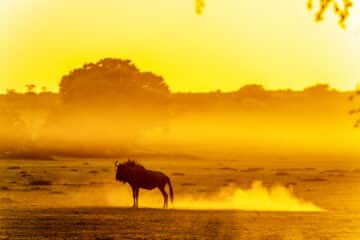
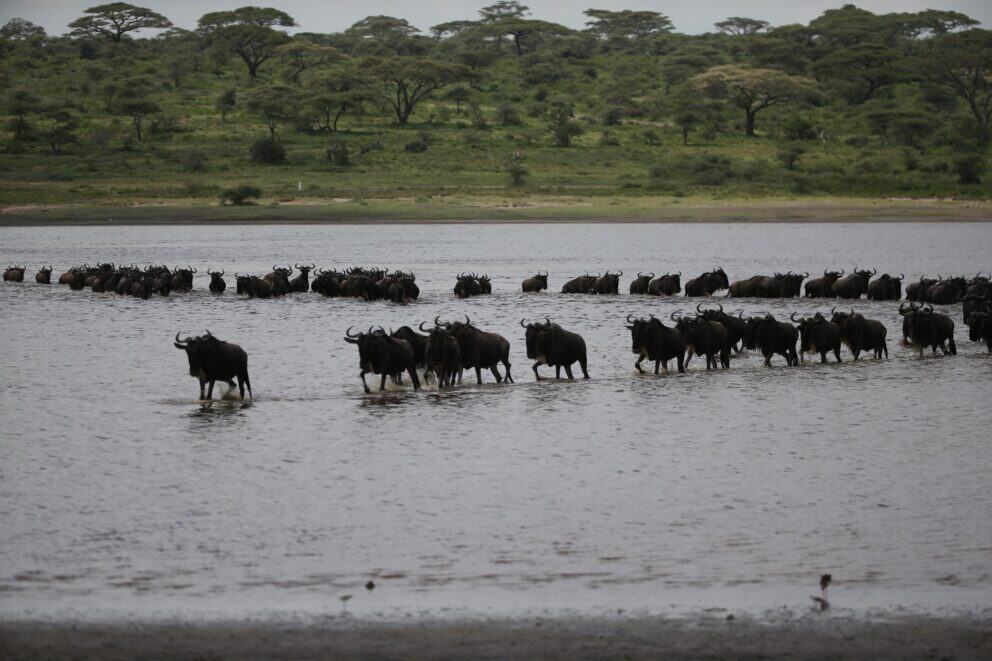
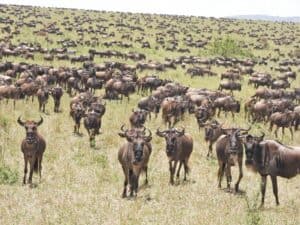
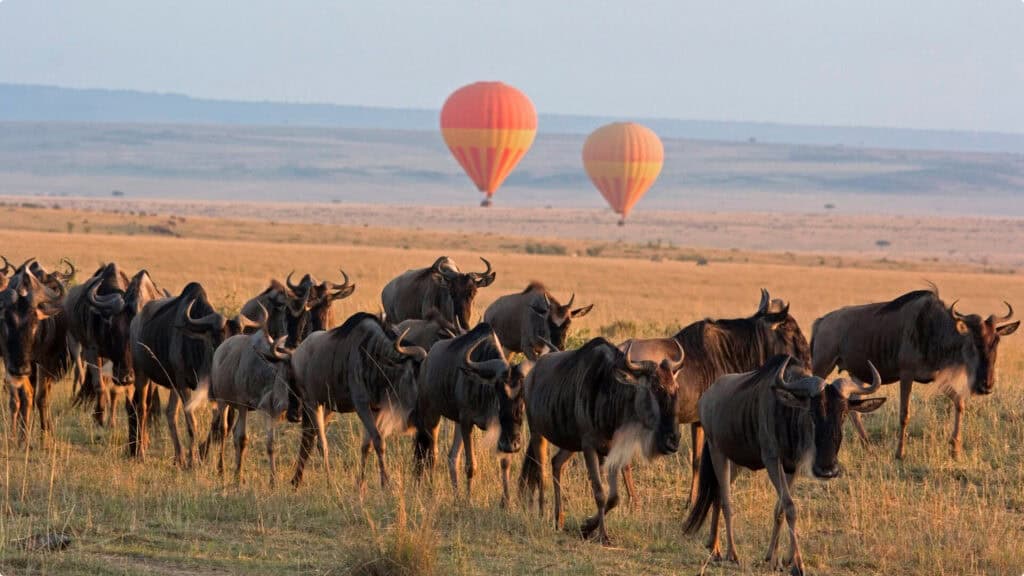
In Kenya‘s Masai Mara, August to October coincides with the Great Migration: millions of wildebeest and zebra move across the Mara River into the park with the predators of the region in close proximity. Lions hunt openly while leopards work the croton thickets along the river.
January and February are quieter and often underrated. The southern Serengeti in Tanzania sees the calving season, with baby wildebeest attracting big cats.
The Serengeti’s northern herds and river crossings peak between July and October. The Ngorongoro Crater holds a reliable resident population of all five species. And Tarangire in September is worth planning around: elephant families converge on the Tarangire River in groups of 40 to 50, moving slowly through the baobab woodland as if they have all the time in the world.
“Nothing is ever guaranteed on game drives, but the dry season gives you the best chance of very successful wildlife viewing.”Expert Insight
How Each of the Big Five is Affected by Season
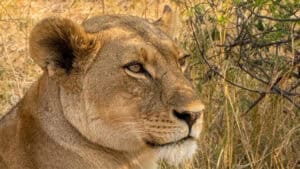
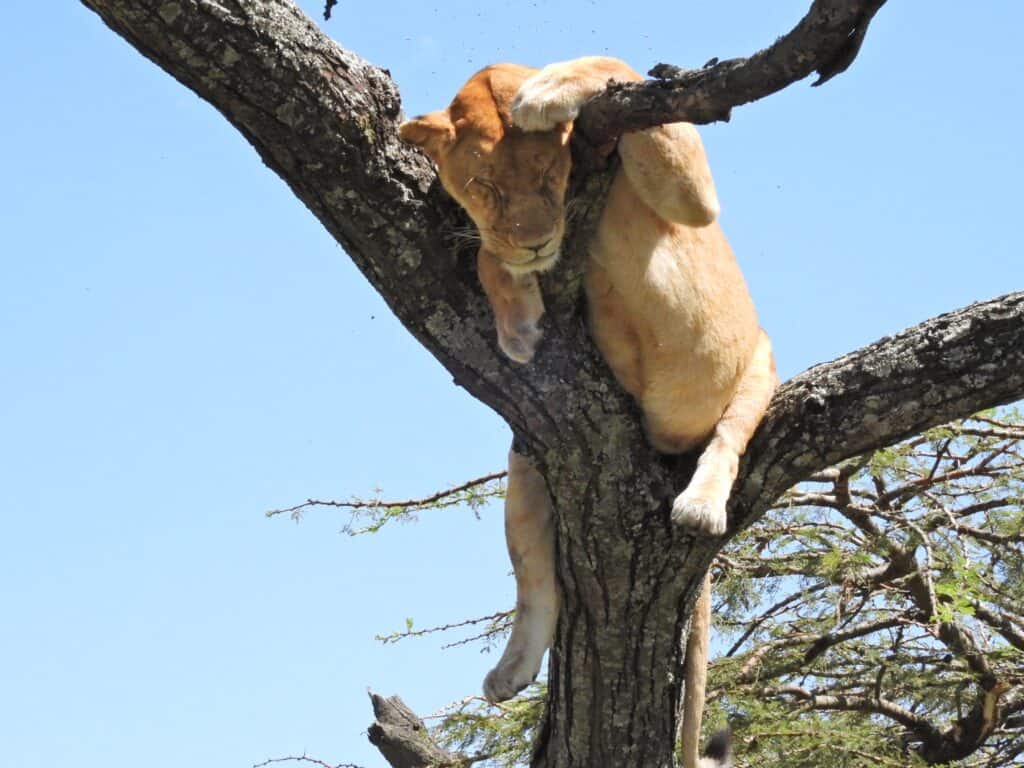
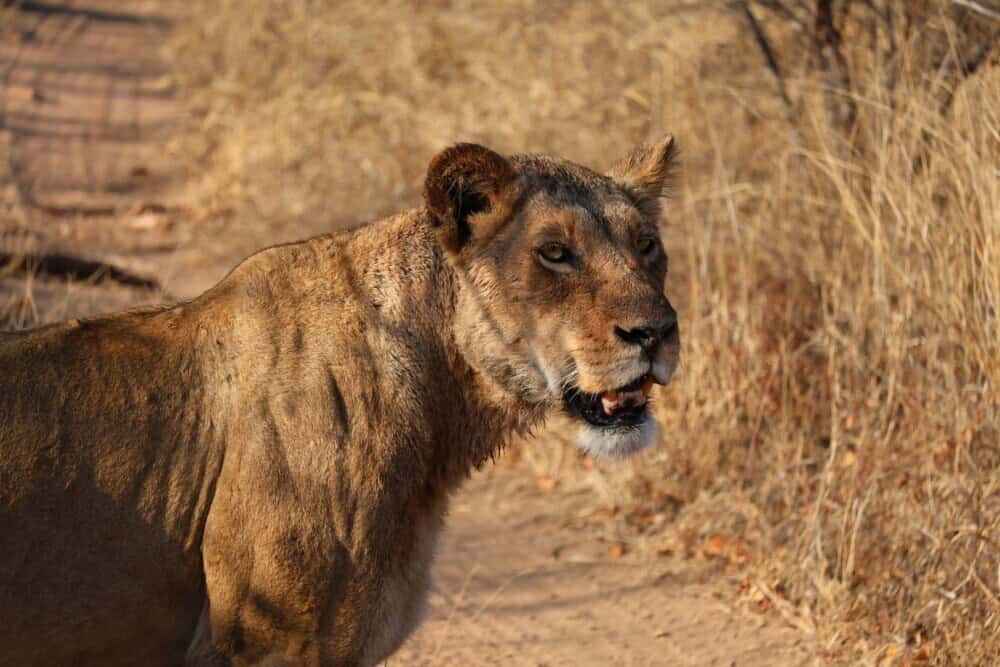
Lion: Shorter grass means you spot prides at greater distances; prey gathering at water makes their movements more predictable.
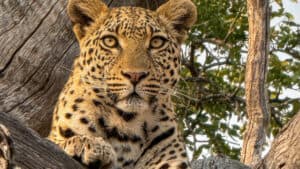
Leopard: The single biggest beneficiary of bare trees. Obvious in a leafless acacia in June; almost invisible in the same tree in December.
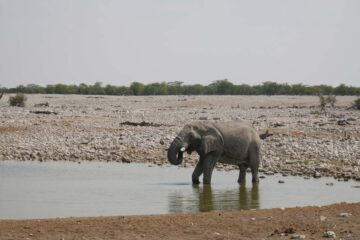
Elephant: Chobe in July, Hwange in August, Tarangire in September. Gatherings on a scale that takes a few moments to absorb.
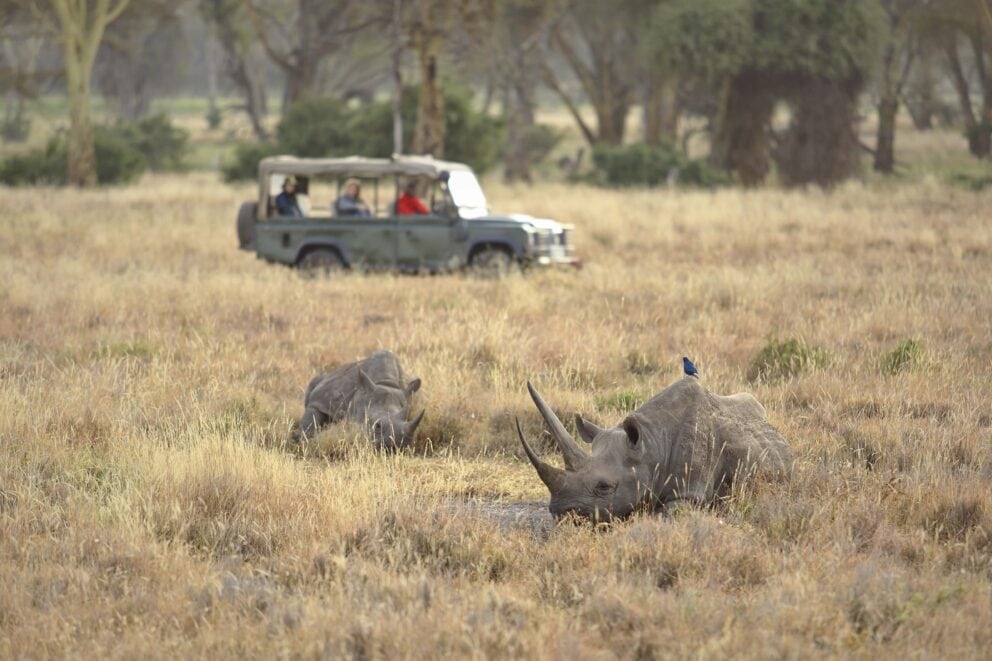
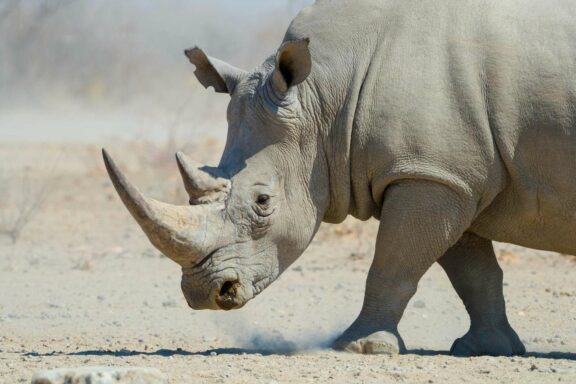
Rhino: Present year-round, far easier to find in short-grass conditions. Both species – black rhinos and white rhinos – take patience and a guide who really knows the territory.
Cape buffalo: Form large herds around waterholes in the dry season; scatter widely when the rains return.
Does Destination Matter as Much as Timing?
Some people have a few nights and want to make them count. Others want a week in the wild. Neither is wrong, and both lead somewhere worth going.
“If time is limited and seeing all of the Big Five is the priority, a private game reserve like Sabi Sand is often the right call; it's possible to encounter all five species in just two or three game drives. In destinations like Tanzania or parts of Botswana, wildlife viewing can be just as rewarding, but the landscapes are larger and you need more time to track the animals properly.”Expert Insight
If you’re still figuring out what feels right for you, we’d love to hear what you’re imagining. Take a look at our Big Five safari tours, and we can take it from there.

Written by Yamkela Welaphi
• Travel Writer
Discover the African Journey that’s Right for You
 Blog List




























Written by Yamkela Welaphi
• Travel Writer
Part of the Southern Africa Safari, East Africa Safari & Big Five Safaris Collections