Email us















Taking regular breaks from work can make employees more productive, but it’s not always as easy as setting your Slack status to “OOO”. As flexibility, remote work, and digital tools continue to reshape our lives, the workday starts to look different. After-hours emails and overtime are becoming more common for many Americans, but it’s leading to a shift in how they prioritise the time off they do get.
Our safari experts often ask travellers why they want to go to Africa and besides the Big Five and the landscapes, the answer is often the need to step away from their tech-busy lives. They want a proper break. We were curious about this recurring theme and decided to do some research on the matter.
To understand how people are navigating this new “always-on” reality, Discover Africa surveyed 1,000 working U.S. adults about their habits, challenges, and priorities around disconnecting from work. This sample included full-time, part-time, and freelance workers, and was stratified and segmented by age, gender, and household income. From after-hours productivity to what it truly takes to unplug, the findings reveal a workforce that is actively redefining what balance looks like today.
From most people working after they’ve clocked out and constant connectivity leading to stress to what it takes to truly unplug, these are the hard numbers:
Key Takeaways
- 87% of working U.S. adults report working outside standard hours, with 38% spending more than one extra hour per day and 16% spending more than three hours on work-related tasks beyond their regular schedule.
- 38% report stress or anxiety from constant connectivity, while 37% report burnout, and 35% report feeling overwhelmed by staying connected to work and digital communication.
- 42% of working U.S. adults say they would spend at least $500 to fully disconnect for 5 to 7 days. 25% would spend $1,000 or more, including 12% who would spend $1,000 to $2,500 and another 13% who would spend more than $2,500.
- 27% say being surrounded by nature or wildlife is essential to fully unplug from work, rising to 32% among Gen Z.
- 25% say internet access would be the hardest thing to give up for one week, while 20% say work communication, and 20% say contact with friends or family.
- 32% say taking time off feels like the safest option to avoid personal or professional burnout, while 31% say staying constantly connected, and 23% say pushing through burnout feels safest in their current situation.
- 39% say not having access to internet or Wi-Fi is required to fully disconnect, while 34% say no cell service, and 31% say no work email or messaging.
- 29% report being supported by their employer when taking time off, while 34% report no clear response, and 21% report returning to heavier workloads after time away.
How “Always-On” Culture Is Reshaping Daily Life
We live in the era of the infinite workday. Smartphones and remote work allow employees to stay clocked in even after they leave the office. Many Americans are using this flexibility to their advantage, crafting a schedule that allows them to do their best work at any time of day.
Almost half (47%) of workers continue to work after leaving the office, with 31% working for one to three hours and 16% working for three hours or more. Only 13% of workers totally avoid work outside of their standard hours. This rose to 21% among baby boomers, showing the older generation’s commitment to clocking out.
Conversely, Gen Z was most likely to work overtime, with 50% of Zoomers working an hour or more after standard hours. Younger workers are grinding away to secure a good professional reputation so they can take more time off in their later career.
This always-on dynamic doesn’t work for everybody, but it gives some workers a chance to recalibrate how connectivity fits into the workday. While 38% of workers report feeling stressed or anxious and 37% say they feel mentally exhausted from constant connectivity, a meaningful share are adapting in ways that work for them.
In fact, many feel that after-hours availability has been a positive force in their life. Almost one in five (16%) said it makes them feel more productive and motivated, and 18% feel more informed or in control. Another 21% feel neutral or unaffected, suggesting that not all after-hours engagement is inherently negative.
People don’t want a one-size-fits-all solution. They want the freedom to work when it’s most convenient for them.
What Keeps Americans Plugged In
For many Americans, taking time off is daunting. Though they want to disconnect, they fear they’ll do so at the cost of their responsibilities. Here’s what our research sample is most stressed out about ‘switching off’ from:
When asked what would be hardest to give up for a full week, 52% were most stressed about the lack of work-related online activity. Over half weren’t keen on losing the internet for personal use. About 30% of respondents expressed a need for human connection.
Social media companies are known to deliberately make their apps addictive. According to Demand Sage, the average American loses 14 hours a week to social media. That’s an extra day per week – precious time could be taken back with the openness to switch off. That said, there is also a distinct human need to be “on” that can’t be overlooked in this age.
Despite the reported stress with disconnecting, 32% said they take time off even if it risks how they’re perceived at work. Sadly, 54% reported staying connected to protect their professional reputation, with 23% reporting that they push through burnout. This finding reinforces the clear need for accessible time off.
The truth is, people want to disconnect – but not entirely. Americans (and humans in general) want the freedom to take time off and check out of their responsibilities. However, they still want to be able to use the internet in their spare time (just not for work).
Americans are looking for ways to shake up their routines without completely disconnecting and upending their lives.
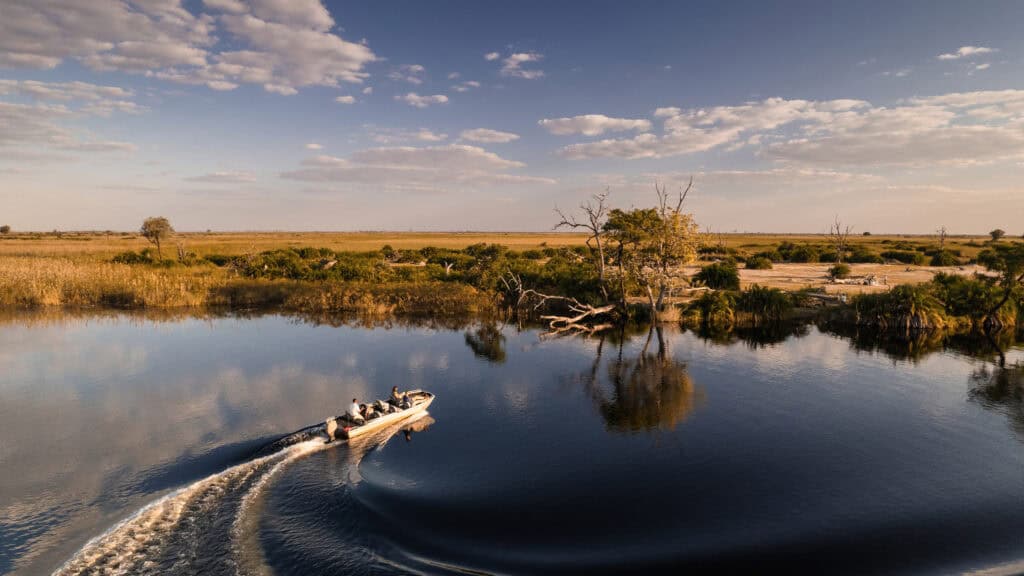
And, even the most remote destinations are picking up on this trend. Far-flung destinations in the middle of the African bush give guests the chance to disconnect and be in nature, going on game drives and walking safaris. Then, once the thrill of spotting the Big Five is over and they’re back at the lodge, there’s WiFi to check in with friends, family, and what’s going on back at home.
What Happens When Employees Try to Unplug
Taking time off isn’t always as simple as requesting a few days away. Many workers must weigh their personal needs against workplace expectations, financial realities, and how their absence might be perceived. Still, as more companies adopt flexible, people-first approaches, employees are starting to rethink what time off can look like and what it takes to truly disconnect.
Many workers see disconnection as important, even if it’s not always easy to achieve. About 21% said completely unplugging is essential for their mental health, even if it comes with risks, while 19% said it’s possible when supported by the right employer. Others are still navigating barriers – 15% said they can’t afford the time or cost, and 7% feel it’s more accessible to those with greater resources. At the same time, a smaller but notable group is rethinking the concept altogether, with 10% saying anyone can disconnect if they prioritise it, and another 9% saying they don’t feel the need to fully unplug right now.
When it comes to actually stepping away, experiences vary widely. About 19% of workers said they’ve been able to disconnect for a full week or more without consequences in the past year, while others find shorter breaks more realistic, like a few hours (14%), up to a full day (13%), or one to two days (19%). At the same time, 9% said they haven’t been able to disconnect at all without consequences, showing that while progress exists, access to meaningful time off isn’t consistent across the board.
Workplace response plays a major role in shaping those experiences. Almost a third (29%) said they feel supported and encouraged to take time off, and another 34% said there’s no clear reaction either way. When challenges do arise – like returning to a heavier workload (21%) or feeling subtle pressure after time away (18%) – workers are finding new ways to navigate them. Almost one in five (19%) take time off despite the risks, proving that many Americans prioritise their well-being above work.
What People Need to Fully Disconnect
So how do Americans define “disconnection”? For many, it means more than just leaving the office. Truly disconnecting from the world means forgoing certain things that keep us connected, but the connection achieved to oneself and family while experiencing the African wilderness is profound.
Disconnecting isn’t just about stepping away from work – it’s about removing the systems that keep people tethered to it. In fact, 39% said no internet or Wi-Fi is necessary for true disconnection, while 34% said they need no cell service at all. Work-specific access matters too, with 31% saying no work email or messaging, and 30% saying being unreachable by an employer is essential for relaxing.
Another 27% said they wait to relax until they know their finances can take the strain. This rose to 31% among Gen Z, the most of any generation, and nearly double the 16% of baby boomers who felt the same. These constraints leave some to stay connected all the time, even if they want to unplug.
Beyond technology, people also point to environmental and personal factors that help them unplug. About 27% said being surrounded by nature or wildlife is important, while 24% said physical distance from cities or crowds makes a difference. Gen Z was the most outdoorsy generation, with 32% prioritising nature time and 30% needing to be physically distant from cities or crowds. This shows that the digital generation is putting down their screens and seeking real-life experiences.
What Workers Will Pay to Truly Unplug
Americans are increasingly willing to invest in meaningful time away from work, and many see disconnecting as more than just a break. For a growing number of workers, it’s an opportunity to recharge, explore the world, and prioritise experiences that leave a lasting impact. We asked respondents how much they would spend to fully unplug for a week, and the results show that many are eager to make room in their budgets for memorable escapes.
While 26% say they don’t currently plan to spend money specifically on disconnecting, and another 19% would keep their budget under $250, this reflects how accessible rest and relaxation can be. Many workers are finding creative ways to step away from their routines without needing extravagant spending, proving that the desire to recharge exists at every budget level.
A large share of respondents are also willing to invest more into immersive travel and restorative experiences. Sixteen percent would spend between $250 and $500, while another 17% are comfortable budgeting up to $1,000 for a week of uninterrupted downtime. These travellers value the opportunity to experience somewhere new, enjoy meaningful moments with loved ones, and return feeling refreshed and re-energised.
At the higher end, enthusiasm for transformational travel becomes even clearer. Twelve percent say they would spend between $1,000 and $2,500, while another 13% would go beyond that – including 5% willing to spend more than $5,000 for the right experience. For these Americans, disconnecting is not simply about taking time off. It’s about investing in unforgettable adventures, once-in-a-lifetime memories, and destinations that feel worlds away from everyday life.
Rethinking Downtime in a Constantly Connected World
The data makes one thing clear: disconnection looks different for everyone.
Workers care more about having control over their time, and employers are beginning to respond, whether through more supportive policies or simply fewer barriers to taking time off. As time goes on, the employees who prioritise rest will become leaders who encourage people to take care of themselves. This trend could change workplace cultures all over the U.S.
The goal is to disconnect more intentionally. Because when we make true disconnection and natural immersion a priority, all aspects of our lives reap the benefits.
Methodology
This research is based on a 2026 national online survey of 1,000 U.S. adults conducted via Pollfish. Respondents were currently employed or had been employed within the past 12 months, including full-time, part-time, freelance, gig, and self-employed workers. The sample was stratified and segmented by age, gender, and household income. Percentages may not total 100% due to rounding, and multiple-response questions may exceed 100%.
About Discover Africa
Discover Africa is a leading safari specialist that helps travelers design tailor-made African safari experiences across Southern and East Africa. The company works with vetted lodges and expert guides to create immersive, restorative journeys in some of the world’s most breathtaking natural environments. In a world where disconnecting has become increasingly difficult, Discover Africa’s travel experiences offer travelers the rare opportunity to step away from constant connectivity and fully recharge.
Fair Use Statement
The information and data presented in this article may be used for non-commercial purposes only; if shared, proper attribution with a link back to Discover Africa must be provided.

Discover the African Journey that’s Right for You
 Blog List