

 Email us






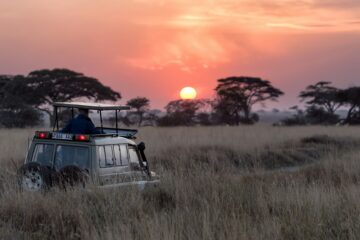
There is a moment on a safari when the rumble of the diesel engine dies, the dust settles, and you step out of the vehicle. Your boots meet the soil. Suddenly, the protective barrier between you and the wild vanishes. Your senses skyrocket. The rustle of dry grass isn’t just background noise anymore; it’s a conversation – one you can have in the top walking safari destinations in southern Africa.
For those who want to feel completely alive, tested, and immersed in the bush, an African walking safari is not just an activity – it’s an unforgettable story you have to earn.
What is an African Walking Safari Really Like?
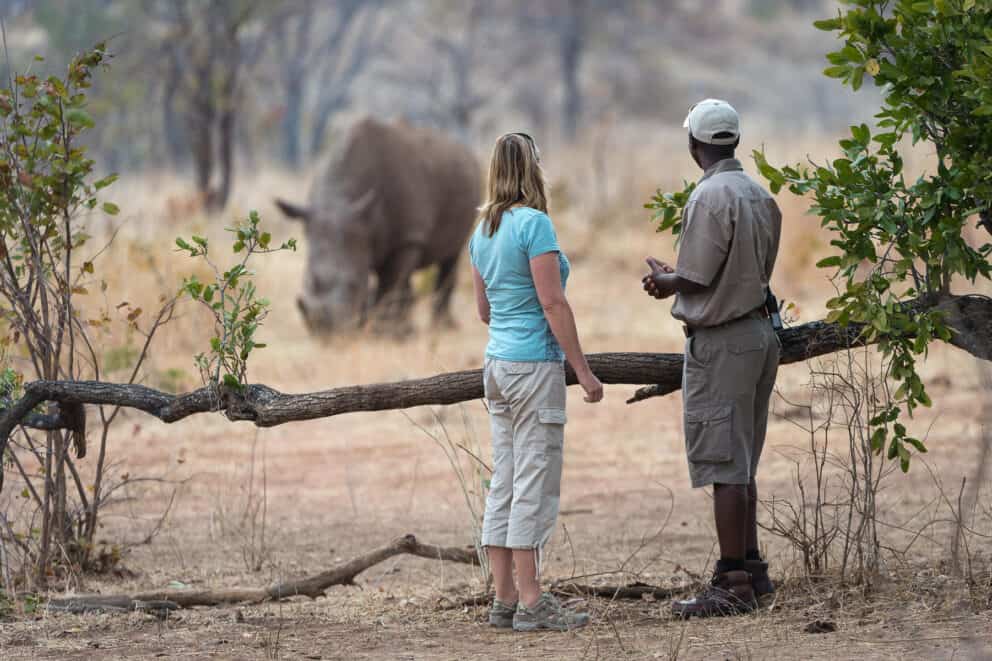
On adventure walking safaris, you aren’t a passive observer watching a scene through a window or camera lens. You’re an active participant in the ecosystem.
The Anatomy of a Walk
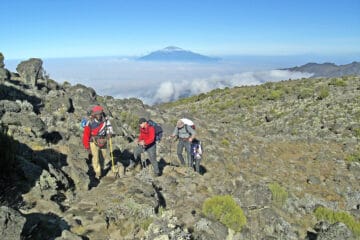
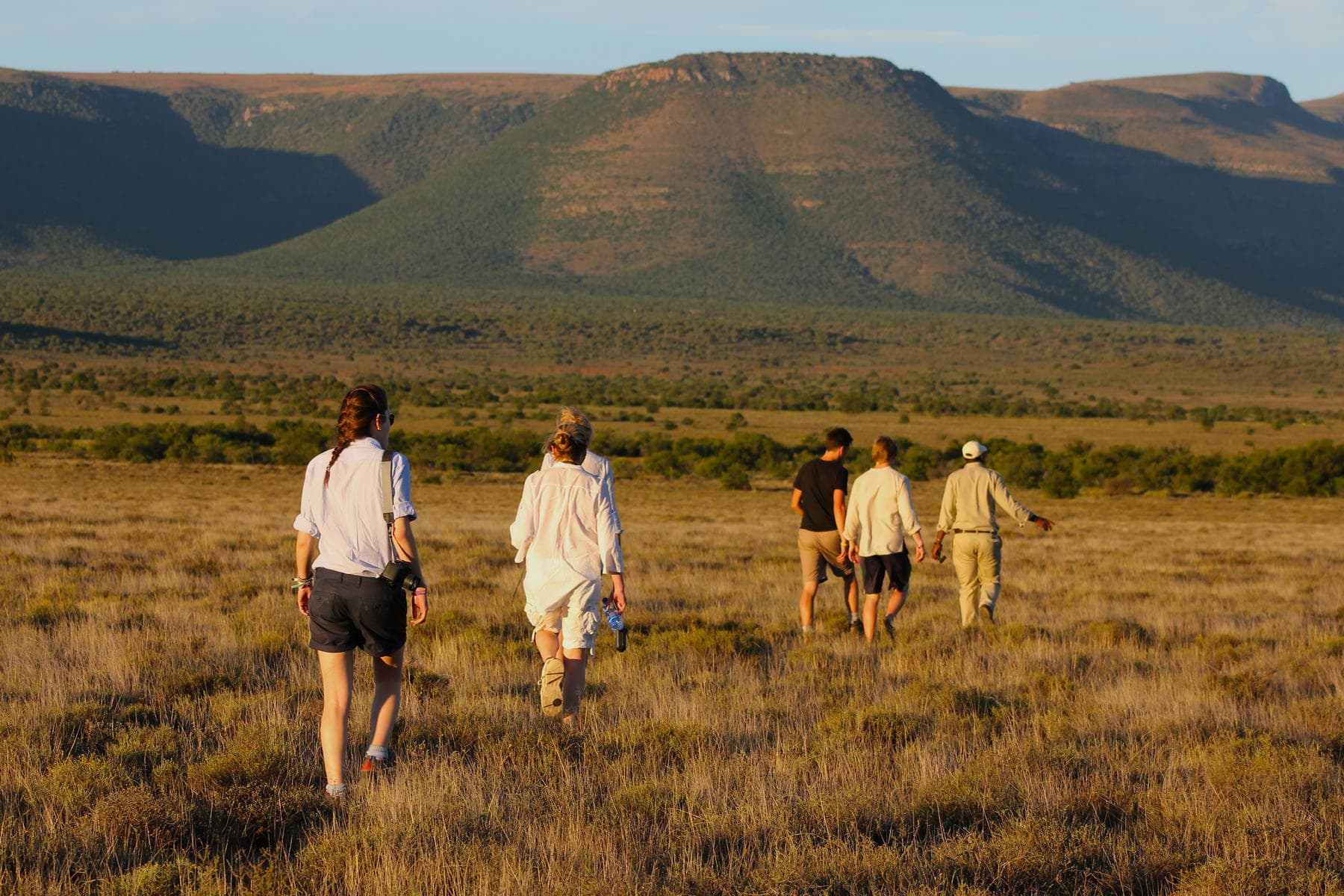
Your day begins before dawn. Over a steaming cup of coffee to help heighten your senses, your guide briefs you on the morning’s route as well as safety guidelines. You set off in a single-file line, as silently as your boots allow, as the first rays of sunlight pierce through the acacia trees, painting the grass in rays of amber.
Silence is your companion; it allows you to hear the distant warning call of a kudu or the low rumble of a lion’s growl in the distance.
Instead of rushing toward a lion sighting, you stop to examine a set of fresh tracks in the sand. Your guide explains how to tell which direction it was travelling and how long ago it passed by. They tell you which way it was heading, and you follow in earnest. Perhaps you’re a bit nervous about seeing a lion or an elephant on foot, but the calm and patient demeanour of your guide reassures you. If they’re not panicking, you shouldn’t panic.
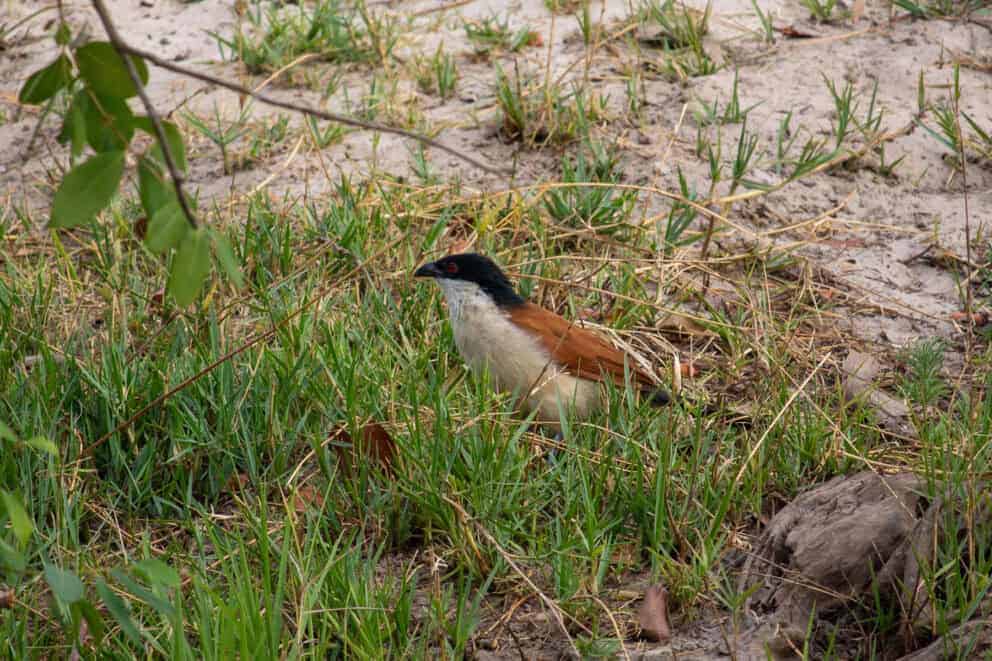
You’re never alone in the bush. All around you, each little mound of sand and every crack or rustle in the trees signals life. Common southern red-billed hornbills fly past, and baboons and playful vervet monkeys dart out of your path into the bush.
You might see hippo trails – something you never thought of – and learn that hippos usually come out of the water at night, leaving a trail behind them, complete with sprayed dung on ground-dwelling plants.
The medicinal uses and cultural significance of the local flora come into the conversation, as well as the complex architecture of a termite mound. Africa’s native plants and insects are just as fascinating as the big game. It’s a sensory awakening where you feel the heat rising with the morning sun, smell the wild sage, feel your boots crunch over dry twigs and leaves, and truly connect with the soul of the land.
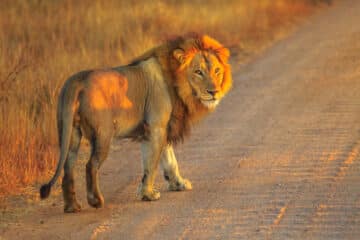
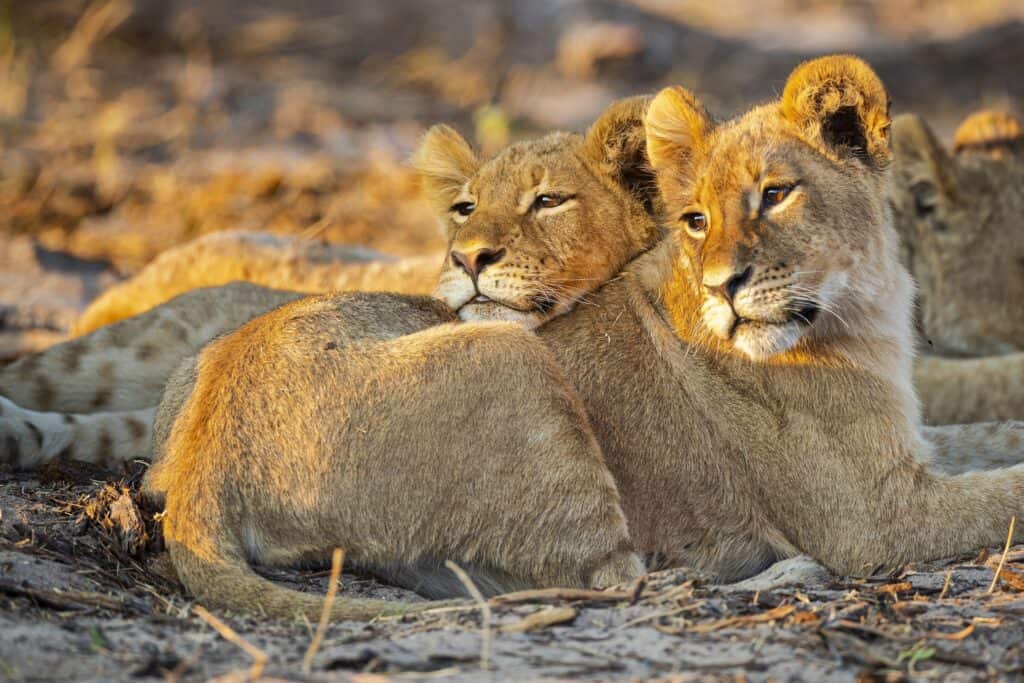
Your guide points out a lion in the distance, and you strain your eyes against your binos to catch a glimpse. You hear him then, a roar so loud it echoes through the bush, causing panic in nearby baboons, who scream a warning cry to all around. Just as suddenly as he appears, he’s gone.
After a couple of hours in the bush, you head back to camp and reflect on all that you saw. The lion tracks, the termite mounds, and the massive fig trees. You’re warmly welcomed back with a steaming cup of coffee and a fry-up breakfast, the perfect end to a wonderful morning.
Are Walking Safaris Safe?
It’s the first question almost everyone asks: are walking safaris safe? The short answer is yes. While you walk in areas inhabited by wild animals, these excursions are highly managed and deeply disciplined.
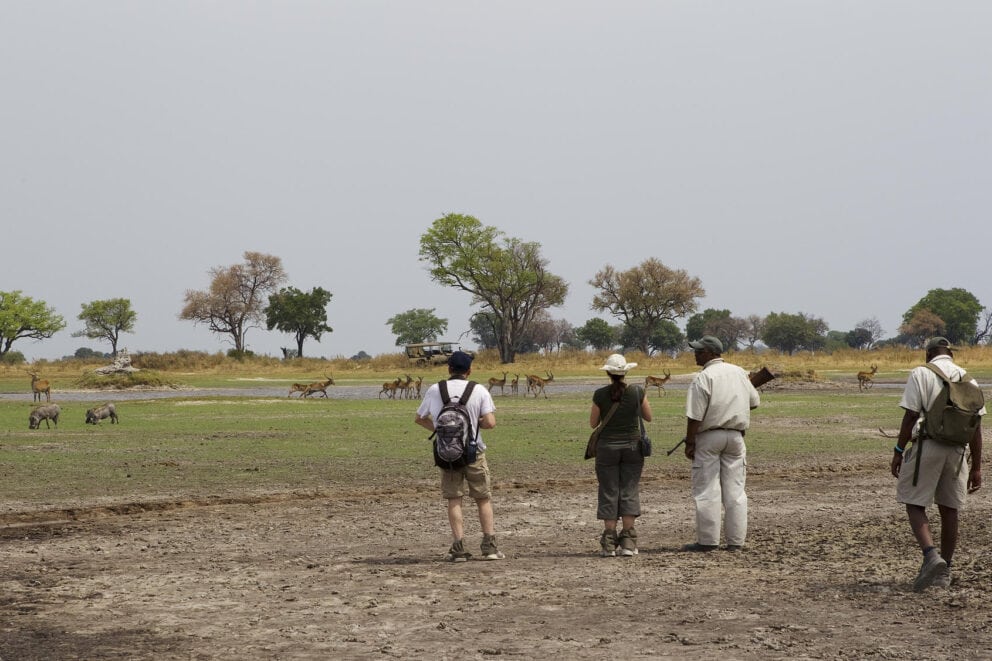
Walking safaris are strictly conducted with the safety of guests as the first priority. Your guide will carry a rifle (only to be used in the unlikely event of a dangerous encounter) and will always lead the group. This ensures your safety, undisturbed wildlife behaviour, and strict adherence to safety protocols. You should always follow the instructions of your guide and stay with the group.
Here is why you can step out with confidence:
- Expert Trail Guides: Guides undergo rigorous, specialised training. They’re masters of animal behaviour and can read the body language of elephants or lions long before a situation becomes critical.
- Armed Protection: Walks are accompanied by a fully qualified, armed lead guide.
- Strict Etiquette: You’ll walk in a single file, stay downwind of wildlife, and follow precise behavioural commands given by your guide. Animals generally prefer to avoid conflict.
For a deeper dive into how to prepare, check out our guide on how to stay safe on foot with essential safety tips for walking safaris.
The Best Walking Safari Destinations in Southern Africa
Southern Africa boasts some of the most diverse, untamed landscapes on the planet. From the rugged, crocodile-lined banks of the Zambezi to the grasslands of Kruger. Here are the ultimate destinations where you can lace up your boots and dive headfirst into the wild.
1. Zambia: South Luangwa National Park
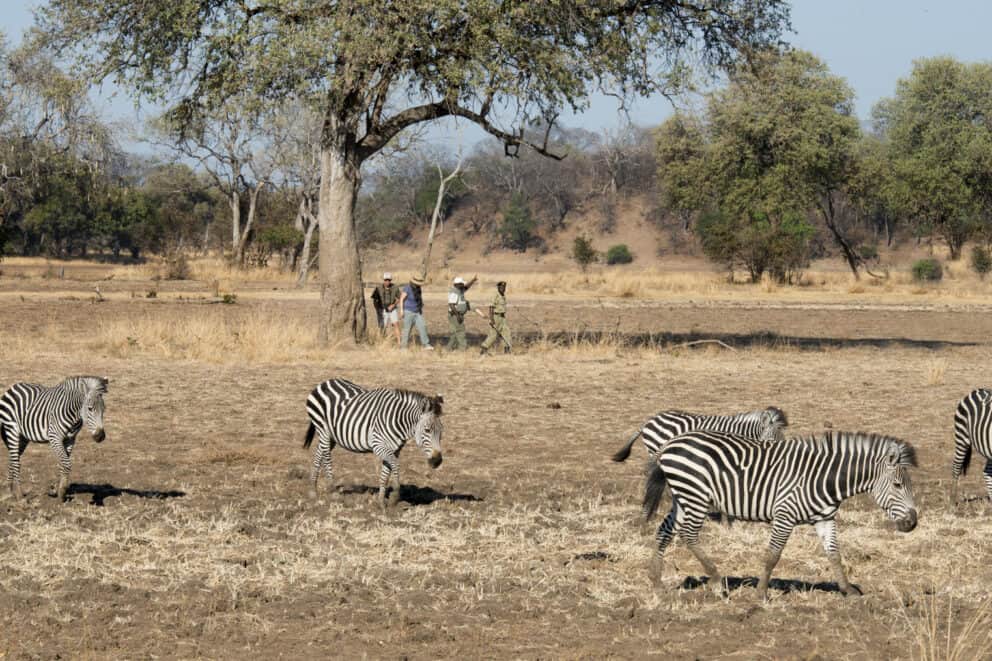
You cannot talk about an African walking safari without bowing to the undisputed birthplace of the craft. It was here in South Luangwa during the 1950s that legendary conservationist Norman Carr pioneered the entire concept, proving that the ultimate way to experience the wild is with your own boots on the ground.
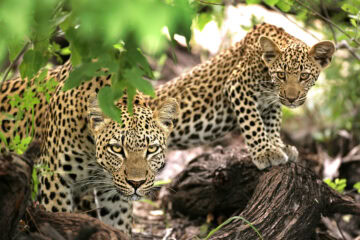
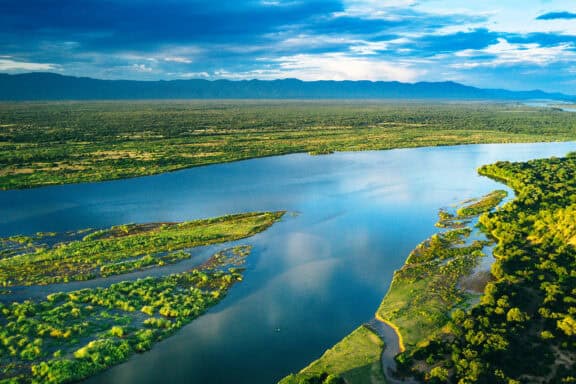
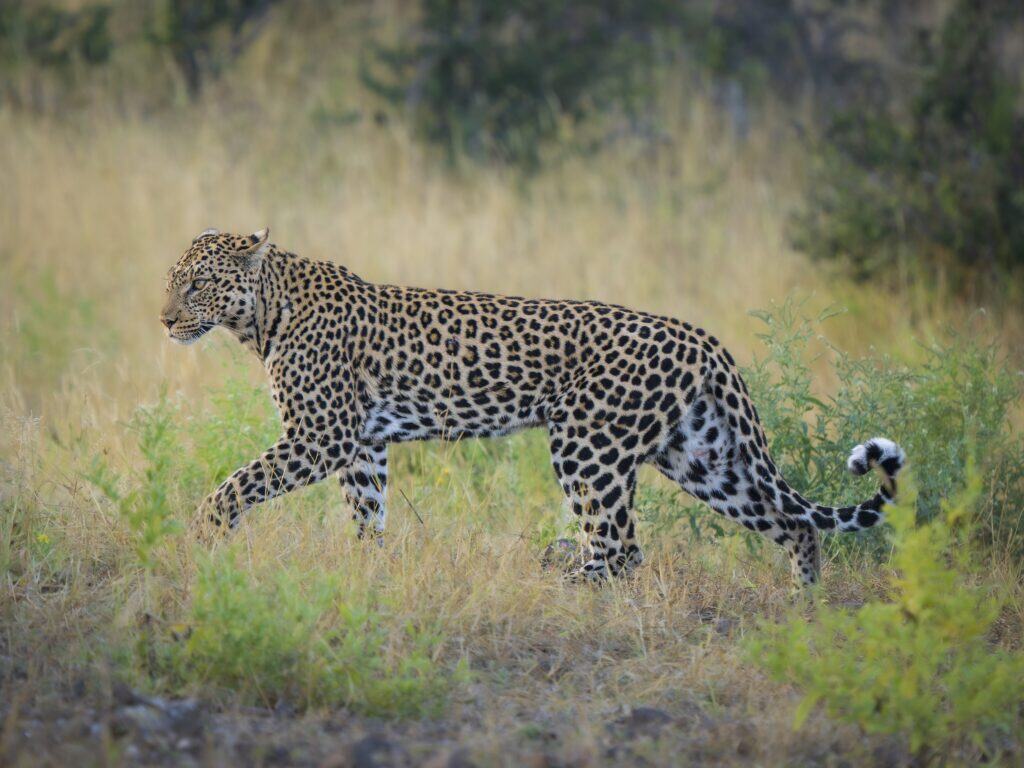
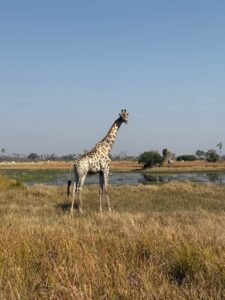
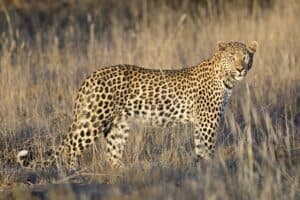
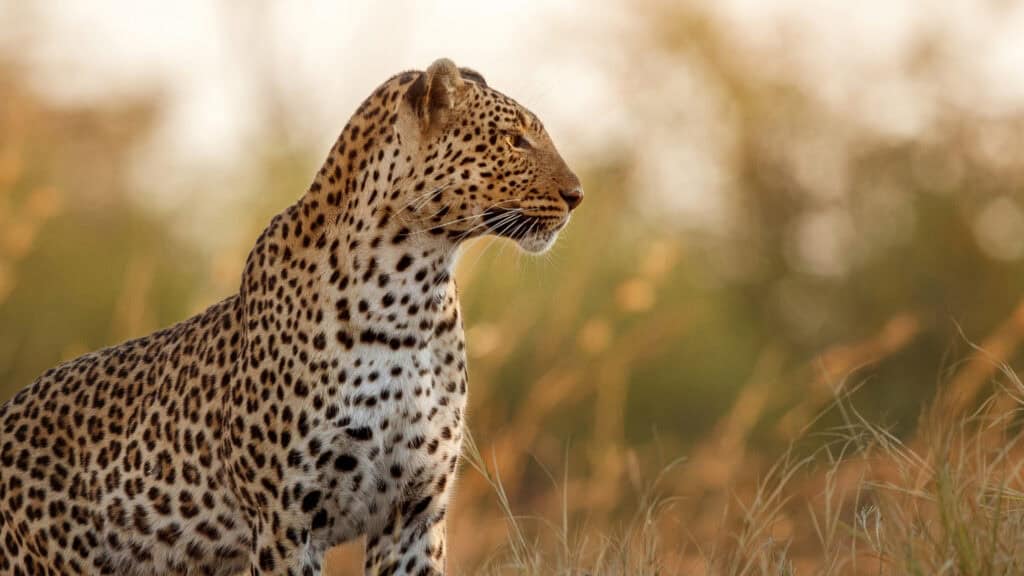
South Luangwa is colloquially known as the “Valley of the Leopard” due to its remarkably high density of these elusive big cats. Moving through the park’s mature ebony groves and along seasonal sand rivers, you will track endemic species found nowhere else on earth, such as Thornicroft’s giraffe.
What makes a Zambia walking safari particularly appealing is its network of remote, seasonal bush camps. Many operators also offer multi-day, camp-to-camp foot safaris where you walk through the wild during the day and arrive at a new, rustic-luxury outpost by dusk.
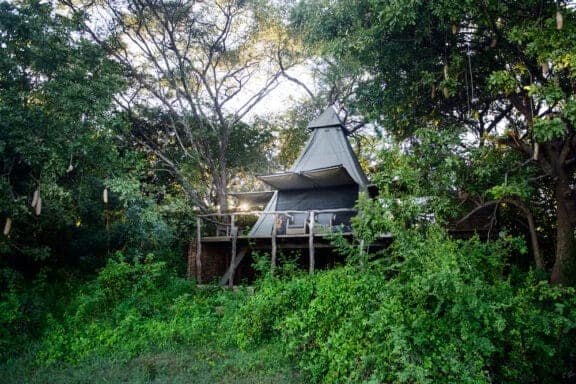
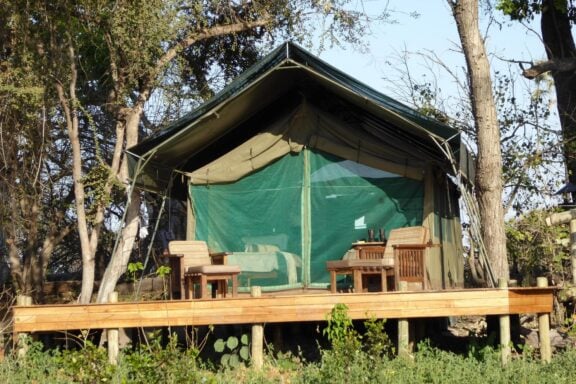
- Top Lodge: Puku Ridge tented camp blends immersive guiding with pristine luxury over wild floodplains.
2. Botswana: The Okavango Delta and The Kalahari
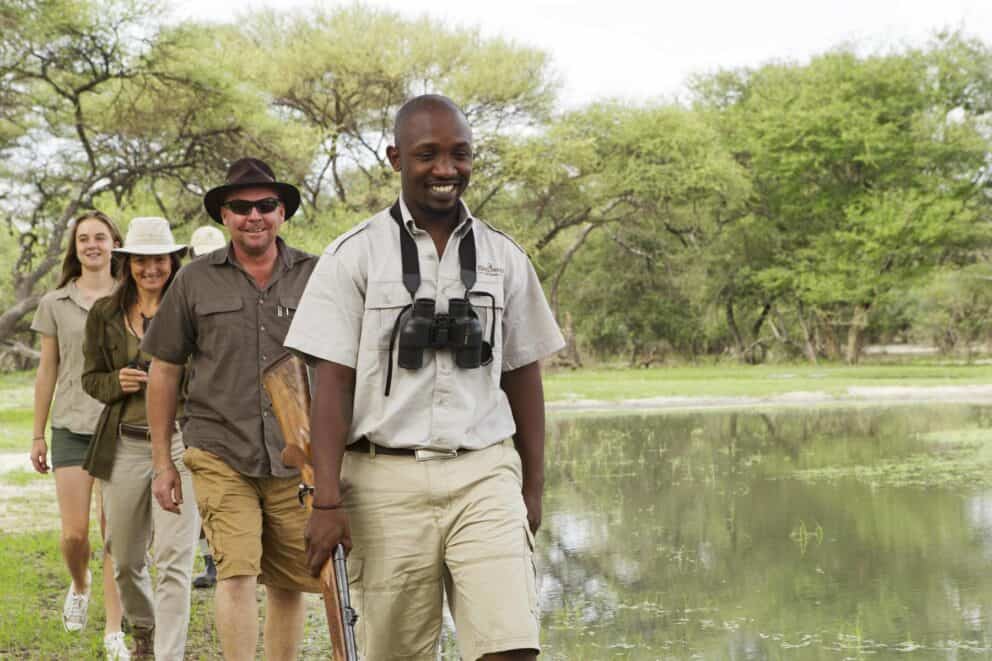
When it comes to a walking safari, Botswana offers two beautifully contrasting worlds for the purpose-driven traveller in search of genuine natural depth.
The Okavango Delta:
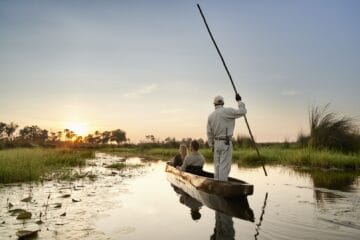
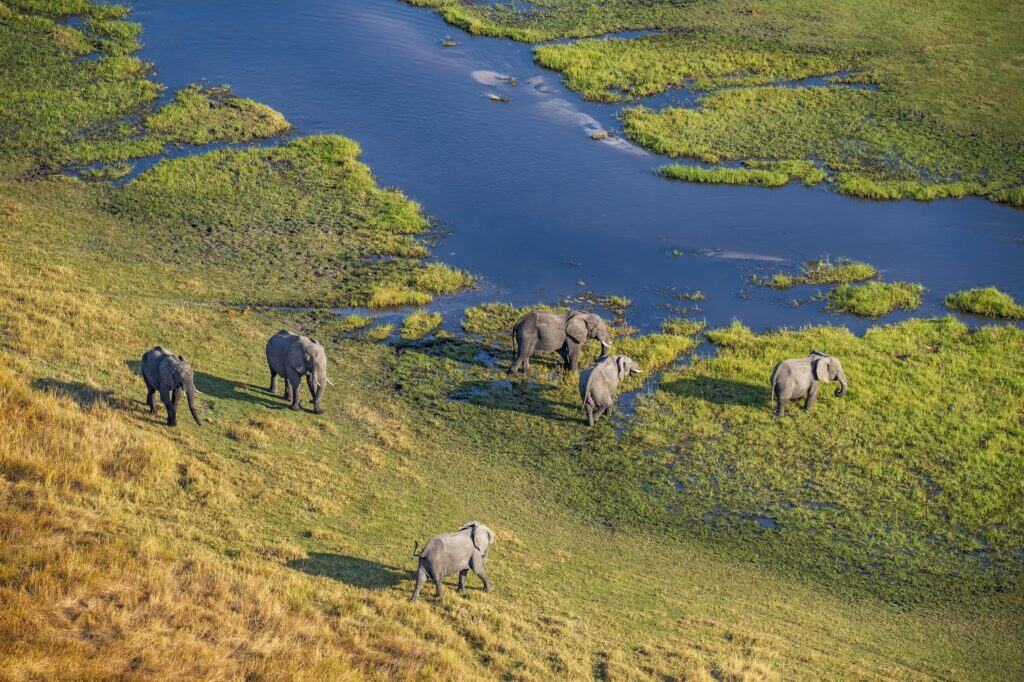
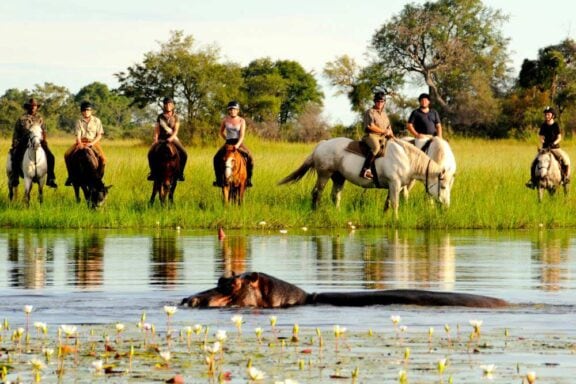
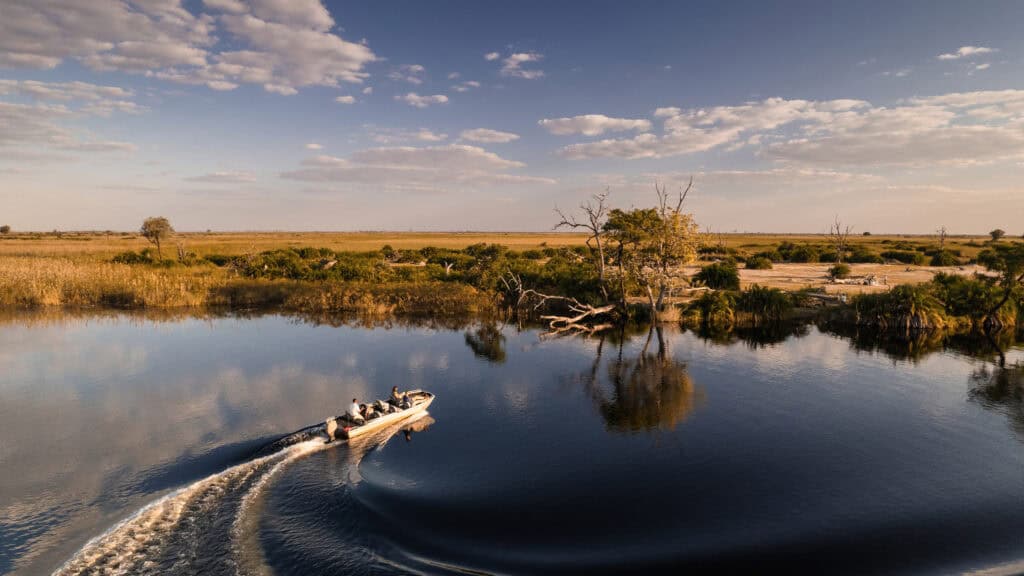
While navigating the maze of channels by mokoro (a traditional dugout canoe) is the main pull of the Okavango Delta, the islands are perfect for a foot safari. Track a herd of bachelor elephants and watch red lechwe splash through the wetlands. The islands are hushed, save for the calls of birds nearby, waddling through the wetlands and soaring high above.
Walking safaris here are generally limited to private wildlife concessions and not national parks.
The Kalahari Desert
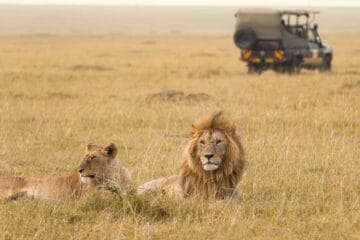
For a truly immersive cultural and physical experience, head into the ancestral lands of the San. Tracking cheetahs or black-maned lions across the shimmering salt pans alongside guides who hold thousands of years of survival knowledge is entirely transformative.
- Top Lodge: Look for lodges offering walking safaris in southern Africa, such as Shinde Footsteps, a rustic, authentic camp dedicated to walking.
3. Zimbabwe and Zambia: Victoria Falls
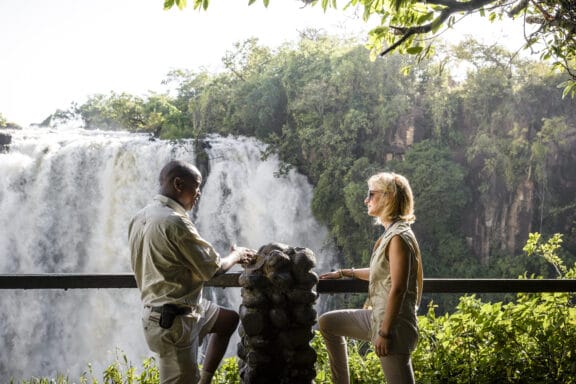
Most travellers know Mosi-oa-Tunya (The Smoke That Thunders) for its massive sheet of falling water. However, there are also walking safaris that add to the adventure of a Victoria Falls tour.
Rhino Tracking on Foot
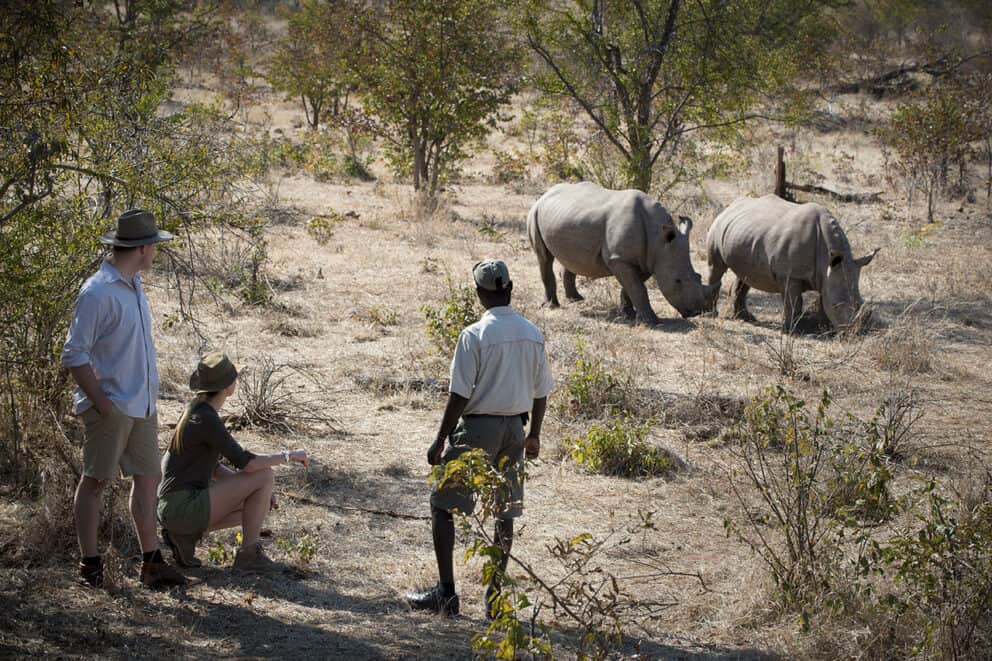
Just upstream from the Falls in Zambia’s Mosi-oa-Tunya National Park, you have the incredibly rare opportunity to track highly protected white rhinos on foot. Walking within metres of these prehistoric giants while hearing their snorting and huffing is a bucket-list memory.
Zambezi National Park (Zimbabwe)
Most traditional walking safaris are conducted here within the private wildlife reserves. You’ll be accompanied by armed, professional guides. Zambezi National Park is just a few minutes from Victoria Falls town, with the walking safaris usually being a combination of a walk and drive.
- Top Lodges: Thorntree River Lodge or Toka Leya Camp offers exceptional luxury combined with immediate access to private walking concessions along the Zambezi River.
4. South Africa: Greater Kruger Private Reserves and the Karoo
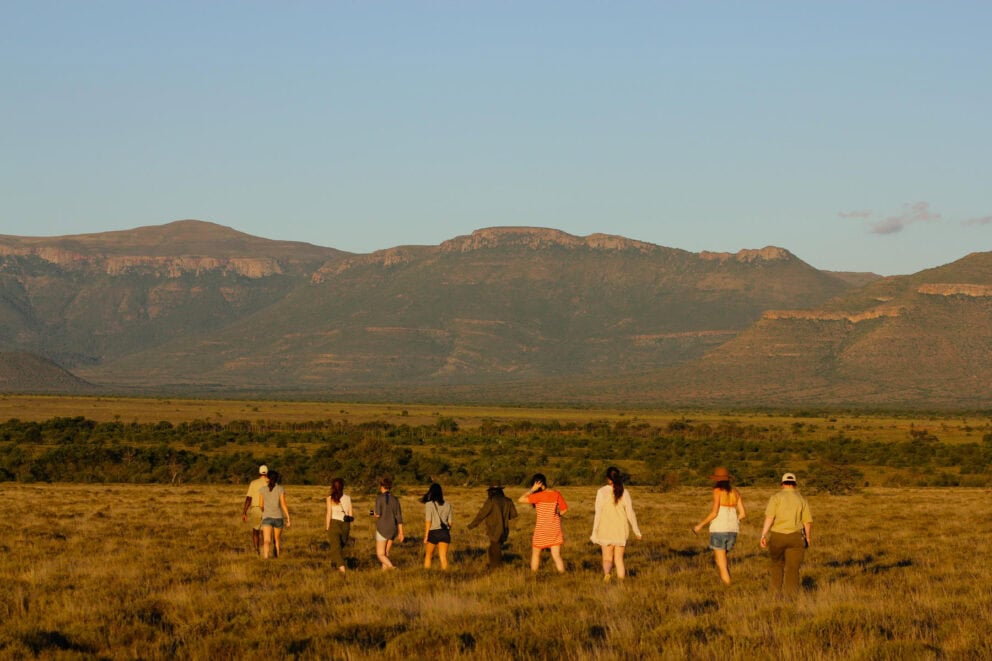
In reserves like Timbavati and Klaserie, the lack of fences between the private reserves and Kruger National Park allows wildlife to roam freely. Walking safaris here mainly focus on tracking, ecology, and smaller wildlife and typically last between two and three hours.
For a big cat experience, consider cheetah tracking in Samara Karoo Reserve. Although wild, these cheetahs are habituated enough to be approached on foot, making it a must-do for wildlife photographers. It allows for incredibly intimate sightings.
You’ll walk with your expert guide and learn the story of the bush. Everything, from the cultural significance of marula trees to the intricate hierarchies of baboon troops. And because these are private concessions, guides can track off-trail on foot, giving you a unique view of wild Africa.
- Top Lodges: Plains Camp at Rhino Walking Safaris in a private Kruger concession is legendary, offering luxury canvas tents and the option to sleep out under the stars on raised wooden platforms. Karoo Lodge at Samara in the Samara Karoo Reserve is also renowned for its cheetah-tracking walking safaris.
5. Zimbabwe: Mana Pools National Park
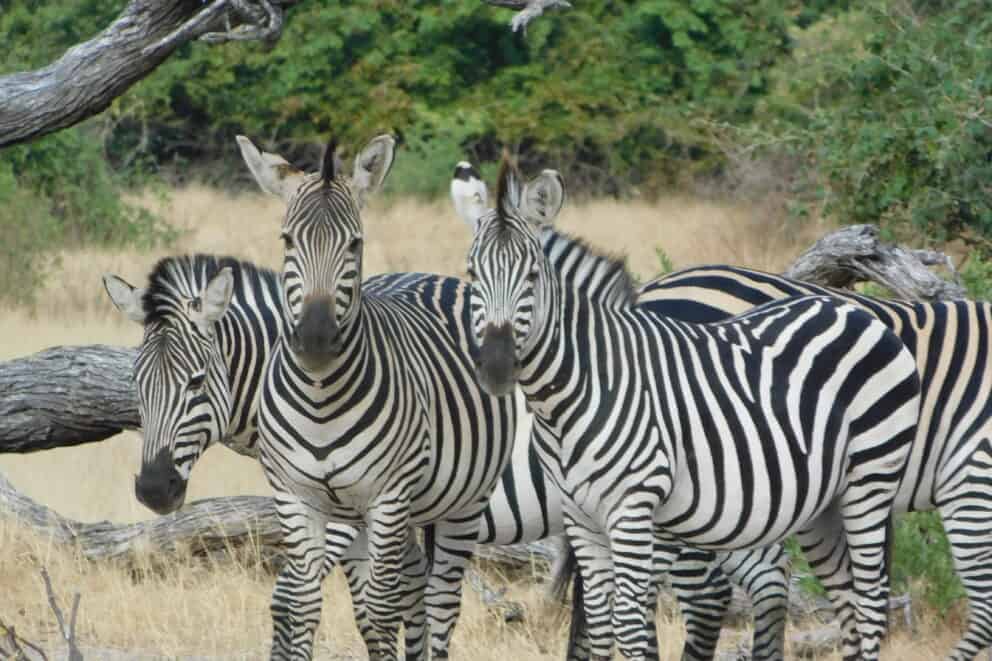
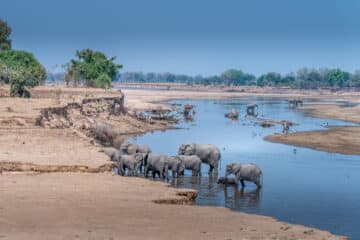
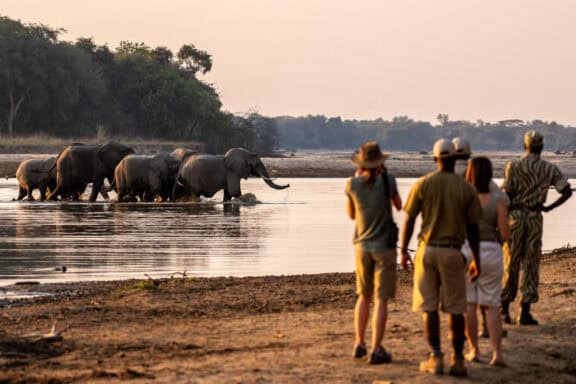
If you want the gold standard of walking safaris, Zimbabwe’s Mana Pools National Park is often considered the place to go. The terrain there is wide-open, dominated by beautiful albida trees, allowing for incredible visibility.
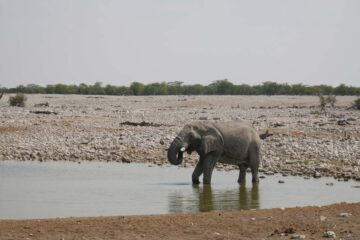
The animals in Mana Pools are also incredibly relaxed around humans on foot, having been habituated since the 1960s. Zimbabwe also boasts some of Africa’s finest safari guides, ensuring you’ll have some highly skilled interpretations of the bush. You can get remarkably close to the park’s famous elephant bulls, like Boswell, an elephant renowned for standing up on his hind legs to reach the high branches of winterthorn trees.
On a Mana Pools walking safari, you might leave your camp at dawn, heading out in search of a glowing sunrise, and come across some of Africa’s most incredible sights. Tracking lions on foot, hearing the birds sing as the sun rises above the trees, and painting the grass in shades of liquid gold. Your guide walks ahead, pointing out every tree, every trail and pile of dung. Everything here has a story waiting to be told.
- Top Lodge: Mana River Camp is a great option for walking, as it’s located along the river, allowing for ample wildlife sightings at dawn.
Ready to Set Foot in the Wild?
You don’t just want to collect passport stamps; you want to collect moments that alter how you see the world. A walking safari in southern Africa offers a wealth of these moments.
The wild heart of southern Africa is waiting. Are you ready to take the first step? Contact one of our safari experts today to tailor your walking journey.

Written by Thaakiera Ackerdien
• Travel Writer
Discover the African Journey that’s Right for You
 Blog List




























Written by Thaakiera Ackerdien
• Travel Writer
Part of the Southern Africa Safari & Walking Safaris Collections