

What are you looking for?

Hello traveller!

It's in Cape Town now.

We're sorry. Our safari planners aren't available now. Our office hours are 08:00 - 19:00 (GMT+2).

Call us to speak to an experienced safari planner.


Alternatively, we recommend...

travel-form-icon

Complete our travel enquiry form to connect with a safari planner

ENQUIRE TODAY
Email us
(optional)

The Wildebeest Migration in July

What to Expect in July?

A deep grunt resonates across the still dawn, drawing you from slumber. You can feel the excitement in the air.

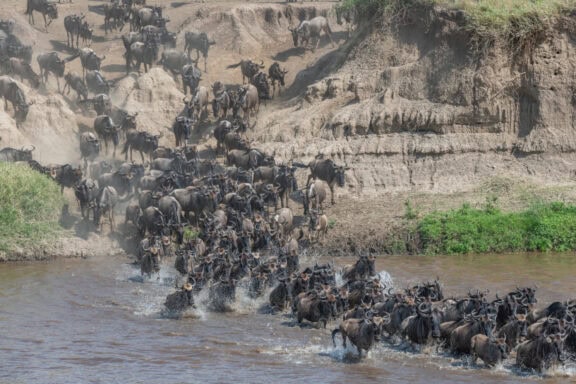
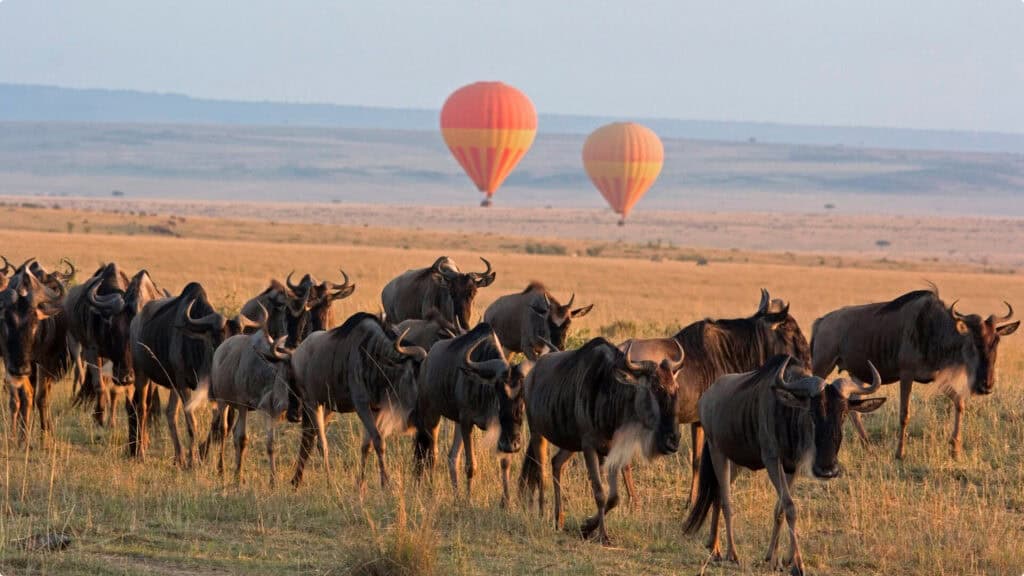
The ground rumbles and the dust rises. It’s time, and the wildebeest are on the move, going northwards to the sweet grass of the Masai Mara. Today, perhaps, the river crossings begin.

It’s mistakenly thought that the Wildebeest Migration in East Africa, one of Africa’s greatest migrations, only takes place between July and October. But really, the animals are constantly moving in a massive clockwise direction across the Serengeti-Mara ecosystem.

The river crossings are the most popular for their visceral power and occur during safari’s high season (June to October).

It’s impossible to predict exactly when the animals will move or when the rivers will be crossed. Only the rains know. The wildebeest watch for the ancient signs only they can read, while you watch them.

What to Expect On A Great Migration Safari In July

  • Wildebeest migration movement: In pursuit of water and greener grass, herds of wildebeest began to migrate with greater urgency.
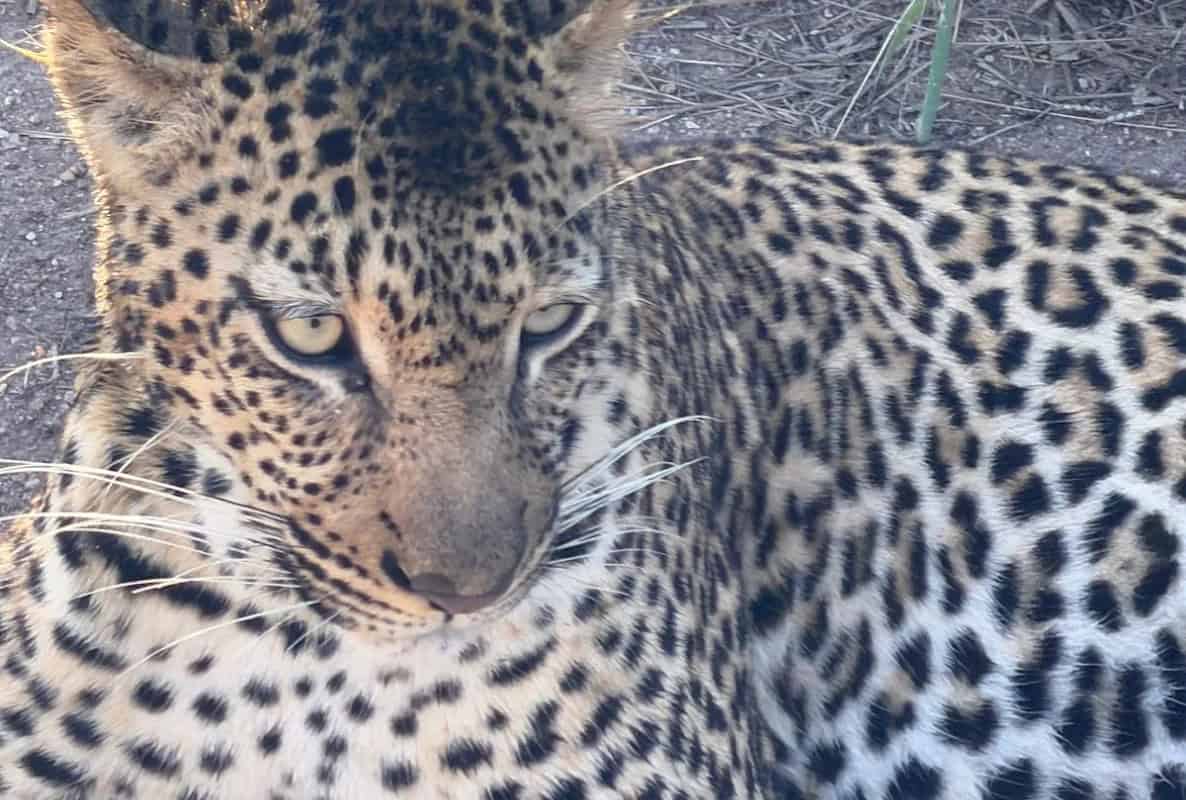
  • Predatory encounters: Expect predatory encounters, such as with crocodiles. Lions, leopards, and hyenas follow the herds closely – riverbanks become prime hunting grounds.
  • River crossings: Wildebeest herds primarily face the mighty Mara River in the northern Serengeti.
  • Accommodation: Stay in northern Serengeti. It’s a popular time to visit and there are a limited number of rooms, so we strongly recommend that you book a year in advance to avoid disappointment.
  • Crowds and logistics: July is peak season. Flights between the Serengeti and Mara make travel seamless, while private mobile camps offer front-row access to the migration.

Weather In July

July is dry and clear, with daytime highs around 25°C (77°F) and cooler mornings of 14°C (57°F). Expect crisp air, blue skies, and excellent light for photography.

What Is The Great Migration?

East Africa’s Great Migration is a non-stop, year-round movement of more than one million animals (mostly wildebeest, but also zebras and antelopes, followed by predators) across the Serengeti-Mara ecosystem of Tanzania and Kenya.

It’s triggered by the rains, prompting the animals to follow their ancient route in search of fresh grazing and water.

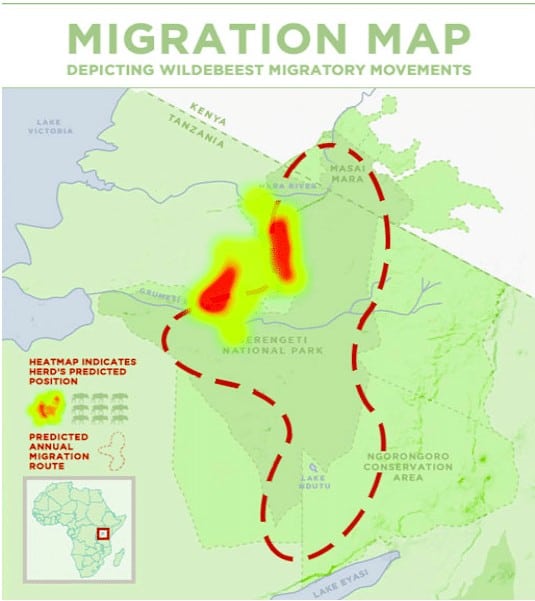
It’s an epic journey of about 1,800 km, across the Masai Mara plains in Kenya, south into Tanzania’s Serengeti and the edge of the Ngorongoro Crater, before circling up and back again in a clockwise direction.

Why July Is One of the Best Times to See The Great Migration

If you’re wondering about the best time to see the Great Migration, July stands out. It combines perfect safari weather with one of Africa’s most iconic wildlife spectacles.

For photographers and first-time visitors alike, this month delivers unforgettable drama – crossings, chases, and vast landscapes bathed in golden light.

It’s one of the most dramatic months of the Great Migration. The herds are moving north from Tanzania’s western Serengeti toward Kenya’s Masai Mara. It’s the dry season here, and water sources are shrinking fast.

Wildebeest, zebras, and gazelles move instinctively towards the promise of greener pastures, setting the stage for some of the most intense wildlife encounters on Earth.

Where The Herds Are In July

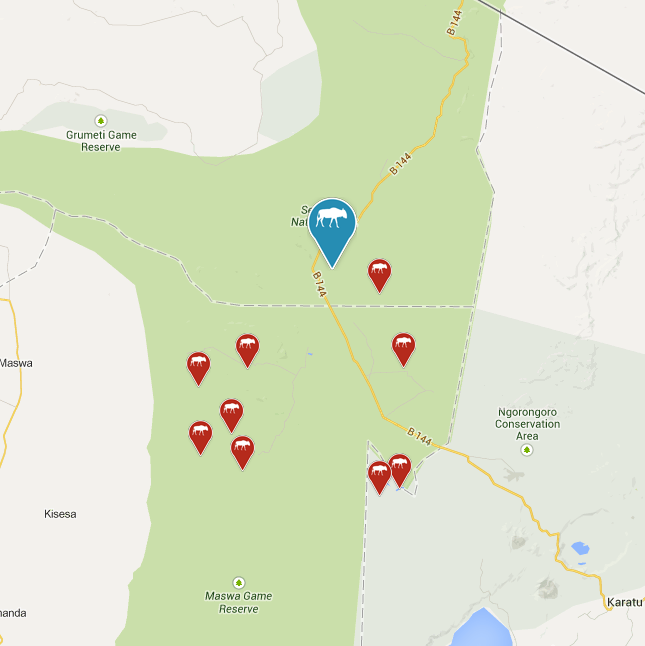
By early July, the wildebeest herds are spread across the Grumeti Reserve and northern Serengeti. As they push north, the pace quickens, dust rising beneath their hooves, predators waiting at every turn.

This is when the first river crossings begin. The Grumeti River still holds some water, while the Mara River in the north becomes the ultimate obstacle. The sight of thousands of wildebeest plunging into crocodile-filled waters is both breathtaking and humbling, raw and powerful.

Quick Guide

Where are the wildebeest in July?

In July, the herds primarily face the mighty Mara River in the northern Serengeti. While the Grumeti River crossing (further south) typically happens in June, some herds may still be seen near its banks early in July.

Is July a good time to visit Africa for the Great Migration?

Yes. July is one of the best times to see the Great Migration, offering thrilling river crossings, excellent weather, and clear game-viewing conditions.

What is the weather like in the Serengeti in July?

Expect cool, dry mornings around 13°C and pleasant afternoons reaching 25°C. Rain is rare, making it ideal for safari drives and photography.

How far in advance should I book for July safaris?

Because July is peak season, lodges near the Grumeti and northern Serengeti fill up months in advance. We recommend securing your safari a year in advance.

Can I combine the Serengeti and Masai Mara in one trip?

Absolutely. Many travellers choose to experience both regions, following the migration across borders.

Planning Your Journey

If you’re researching the best time to visit Africa for migration, July is ideal for northern Tanzania and southern Kenya. You can combine a Serengeti migration safari with time in the Masai Mara for the full experience.

Our Africa-based safari experts can design a bespoke itinerary around river crossings, private camps, and expert guiding, ensuring you witness the migration at its most powerful.

Inspired to start planning your July Great Migration safari? Browse our tours or let our Africa safari experts craft an itinerary just for you.


Ready to plan a tailor-made safari in Best Time to See the Great Migration?

Enquire now and a Travel Expert will get back to you within 24 hours.

Start planning

When is the best month to view the Great Migration?

Migration in January

  • Weather: A hot and humid summer month with average temperatures ranging from 15°C (59°F) to 28°C (82.4°F).
  • Wildebeest Migration Movement: Between Lobo and Naabi Hill, wildebeest herds converge on the Serengeti’s eastern edge in January. The herds are on the move in search of good grasses for their young.
  • Predatory encounters: Because it is calving season, big cats visit in January.
  • Accommodation options: Depending on the conditions, it is recommended that you stay in the city centre and only travel north or south from there.

Read More

Migration in February

  • Weather: Maximum temperatures of 28°C (82.4°F) and minimum temperatures of 15°C (59°F) characterize this month’s weather.
  • Great Migration Movement: For the past ten to twelve years, wildebeest herds have been settling in and around Lakes Ndutu and Masek. This meadow is lush in February, making it an ideal location for wildebeests to give birth to their young.
  • Predatory encounters: As lions and leopards move into the area to hunt on young and vulnerable calves, predatory confrontations are quite frequent.
  • Accomodation options: For a migration safari to the Serengeti in February, you may reserve your Ndutu accommodation well in advance and have peace of mind.

Read More

Migration in March

  • Weather: In Tanzania’s Serengeti National Park, the first month of fall, March, remains warm, with average temperatures ranging from 28°C (82.4°F) to 15°C (59°F). March has a reputation for being a rainy month. The meadows are lush and fruitful, providing vital nourishment for the large herds of wildebeest.
  • Wildebeest Migration: The Serengeti’s Ndutu and Kusini Maswa districts are home to the Serengeti’s wildebeest herds. They move slowly, while numerous newborn calves are fed.
  • Predatory encounters: Predators see calves as easy prey since there are so many of them. There will be a lot of lions and leopards to see.
  • Accommodation options: We recommend spending March in the Ndutu area. Mobile camps in Kusini and Maswa operate during the month of March, providing wonderful possibilities to be close to the herd during your Serengeti migration safari.

Read More

Migration in April

  • Weather: The Serengeti is damp in April, but you’ll adore it. Bring a raincoat and your sense of humour. April showers are nothing to be concerned about. The rain falls mainly in the evenings, and the days are mostly sunny.
  • Wildebeest Migration: Because it is the most consistent, April is one of the finest months to watch the herds. When newborn calves and foals reach the age of mobility, they begin to move.
  • Predatory encounters: The populations of lions and big cats in these areas are thought to be steady. Expect a lot of physical interaction between the hunter and the prey.
  • Accommodation options: The migration is best seen in April in the Simba kopjes districts of Moru and Kusini.

Read More

Migration in May

  • Weather: In Serengeti National Park, Tanzania, April is a moderate fall month, with typical highs of 26°C (78.8°F) and lows of 16°C (60.8°F). May is the wettest month in the Serengeti. Roads can be dangerous and challenging to manoeuvre.
  • Migratory Movements: As the calves’ legs become fully functioning in May, the herds take up the pace.
  • Encounters with predators: Crocodiles of the Grumeti genus.
  • Accommodation options: Staying in the Moru region is recommended, however, Serengeti migration safari arrangements should be arranged as soon as feasible.

Read More

Migration in June

  • Weather: Temperatures at Serengeti National Park range from 13°C (55.4°F) to 25°C (77°F) in June, the first month of the winter. In June, the rainy season comes to an end. The fields are lushly green and densely forested.
  • Wildebeest Migration: Wildebeest populations travel over great distances. It could take up to three hours to cover the distance between the leading and trailing herds.
  • Predatory interactions: Each migrating animal must first navigate a crocodile-infested river, the first of many dangerous river encounters.
  • River crossings: The Grumeti River crossing season runs from June to August, depending on the river’s water level. The river is rarely full enough to make dramatic crossings like those seen on the Mara River in July and August.

Read More

Migration in July

  • Weather: July is another nice winter month in Tanzania’s Serengeti National Park, with average temperatures ranging from 13°C (55.4°F) to 25°C (77°F).
  • Wildebeest Migration: In pursuit of water and greener grass, herds of wildebeests began to migrate quicker.
  • Predatory Encounters: Expect predatory encounters, such as with crocodiles.
  • River crossings: The Grumeti and Mara Rivers are both crossed.
  • Accommodation options: If you want to see early river crossings, the Grumeti River is a fantastic site to come to in July. However, due to the limited number of rooms available, we strongly recommend that you book as soon as possible to avoid disappointment.

Read More

Migration in August

  • Weather: August is the hottest month of the year in Serengeti National Park, with average temperatures ranging from 14°C (57.2°F) to 26°C (78.8°F). August is a hot and humid month when the dry season comes into high gear.
  • Migratory Movements: Wildebeest herds will continue their search for lusher, greener vegetation, attempting to cross the Mara River’s treacherous, crocodile-infested waters.
  • Predator encounters: Crocodiles are among the predators encountered.
  • River crossings: If you want to see river crossings, August is the best month to go. The animals will cross a foreign border between Tanzania’s Serengeti and Kenya’s Masai Mara.
  • Accommodation options: Book early on both sides of the Mara River. The Olakira Camp, Sayari Mara, and Mara River mobile camps offer a once-in-a-lifetime migratory safari.

Read More

Migration in September

  • Weather and wildlife:September offers more hot and dry weather, as the dry season continues in the Serengeti and Masai Mara.Most of the wildebeest have crossed the Mara River, and the majority of the herds will be in the Greater Masai Mara area, eating the lush green grass resources before venturing north towards the private conservancies (Mara North, Olare Orok).
  • Where to stay in September:Similar to August, September is an easy month to predict where the herds will be. You can still stay in the Serengeti early in the month, but its safer to stay on the Masai Mara side to view the last of the Mara River crossings. The Olakira Camp or the Mara River mobile camps are unrivalled migration safari options.

Read More

Migration in October

  • Weather and wildlife:October will be milder, as the dry season approaches its climax. You might even experience early rain in the Masai Mara and the Serengeti.The wildebeest herds are in the Masai Mara, but will start to slowly move back into the Serengeti moving through Loliondo in the east.
  • Where to stay in October:Its best to stay in the Masai Mara to have the best opportunity to see the wildebeest herds. Nomad’s Lamai and Lemala’s Kuria Hills are good migration safari destinations.

Read More

Migration in November

  • Weather and wildlifeNovember brings cooler weather, as the early rains start to fall in the Serengeti.The wildebeest herds are now in the Serengeti, stationed in the Lobo, Mbuze Mawe and Seronera Valley areas where water is abundant.
  • Where to stay in NovemberThe south-eastern Masai Mara itself, combined with north-eastern Serengeti is where you need to be. Sala’s Camp & the Lobo mobile camps are two authentic migration safari accommodations.

Read More

Migration in December

  • Weather and wildlife: Expect wet weather in December, as the short rains begin to fall in the Central Serengeti.The wildebeest herds will move quicker now, as far south as possible, towards the Southern Plains which they usually reach within a couple of days.
  • Where to stay in December: If there’s been lots of rain in the northern Serengeti, then South of Lobo is the ideal place to see the wildebeest herds. Kleins Camp, Migration Camp and the Lobo Mobile Camps are all great migration safari accommodation choices in December.

Read More

Why Book with us?

Our safari experts are with you at every step of your journey.

Personalised Advice

Best Price Assurance

Responsible Safaris

24/7 Support

Planning a trip to see the wildebeest migration, but not sure when or where to go?


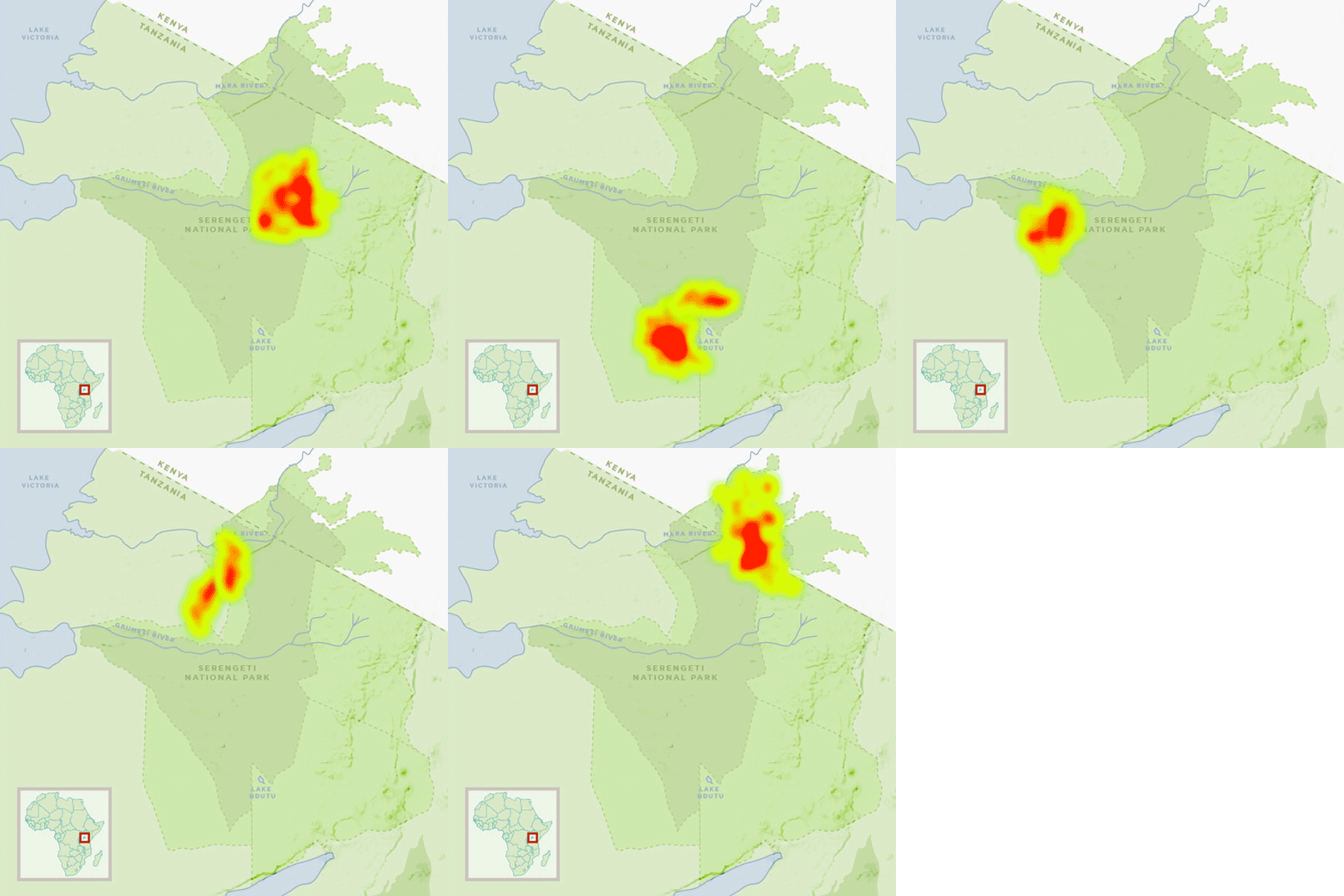
Find out where the herd will be, and what to expect each month of the year, using our migration map with monthly predictions.


Our experts predict how the wildebeest migration will move based on previous years migratory patterns and real time updates received from pilots, rangers and safari guides in the Serengeti.


View Migration Map and Monthly Prediction

Find out where the wildebeest migration is right now with HerdTracker


HerdTracker is a real time Google map showing weekly updates of the wildebeest migration's precise location.


The updates are accurate, sourced weekly from pilots who fly over the Serengeti, safari guides on the ground, Tanzania National Parks Authority rangers and lodges in the Masai Mara in Kenya.


Learn More About Herdtracker

What Our Guests Have to Say?

Read recent reviews from travellers who have planned and booked their trips with us
Our safari trip to South Africa was nothing short of spectacular!
We would definitely book with Susan and Discover Africa again.
Dev helped us plan a dream vacation to South Africa and Zimbabwe

13 Day African Safari Review

Sally, United States
28 Aug 2025
Amazing Operator!

Okavango, Moremi and Chobe Safari Review

Laura, Brazil
16 Jun 2025
Botswana - MY HOME AWAY FROM HOME

Best of Botswana 2025 Review

Jeanine, United States
10 May 2025
Absolute best experience

Ready to plan your tailor-made safari?

807 Reviews - 5/5 Stars

Craft your journey with the expertise of our dedicated Africa Safari Experts

Start Planning