

 Email us





Cape Town is an undeniable highlight on any South African journey; however, that journey is incomplete without experiencing the quiet majesty of the bush. So, how can you combine the two? And can you go on a safari near Cape Town?
While you can visit a game reserve in South Africa near Cape Town, a safari and city adventure are easy to combine even when the wilderness portion of your trip is a flight away.
Guided by Africa-based experts who know these landscapes firsthand, this guide will help you navigate your options – ensuring your transition from city to safari feels intentional, seamless, and undeniably yours.
Choosing Your Journey: Safari Distance and Logistics
Selecting the ideal safari destination from Cape Town depends on how you prefer to travel, your available time, and the specific wildlife experience you envision.
Drive-In Private Game Reserves Near Cape Town
If your preference is to stay within a short driving distance without adding flight legs to your trip, the Western Cape features family-friendly and malaria-free private game reserves that deliver immediate immersion in pristine, conserved wilderness.
Sanbona Wildlife Reserve (3.5 Hours Drive from Cape Town)
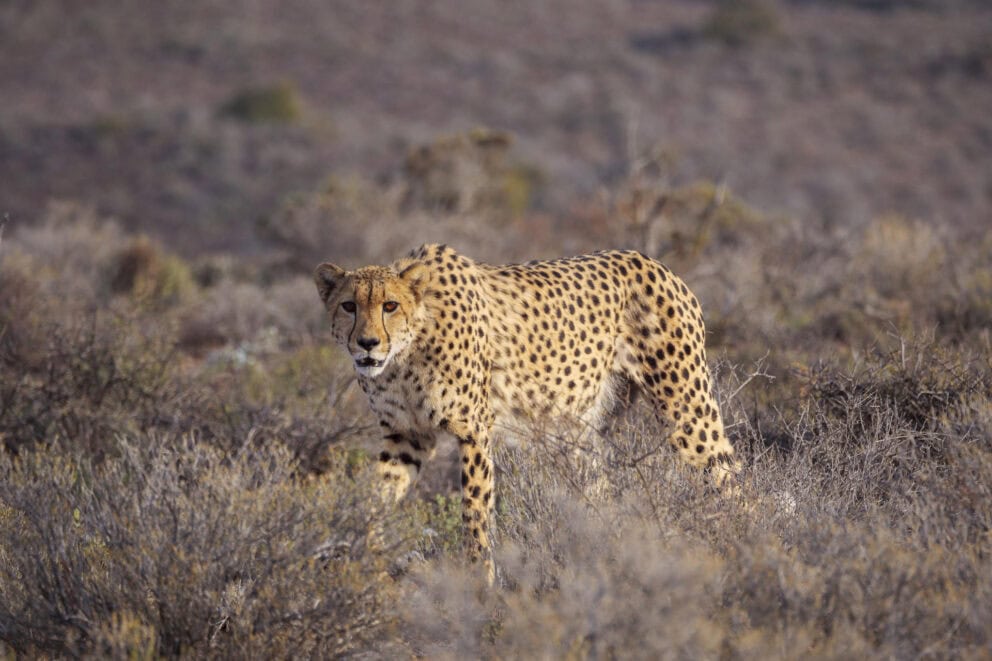
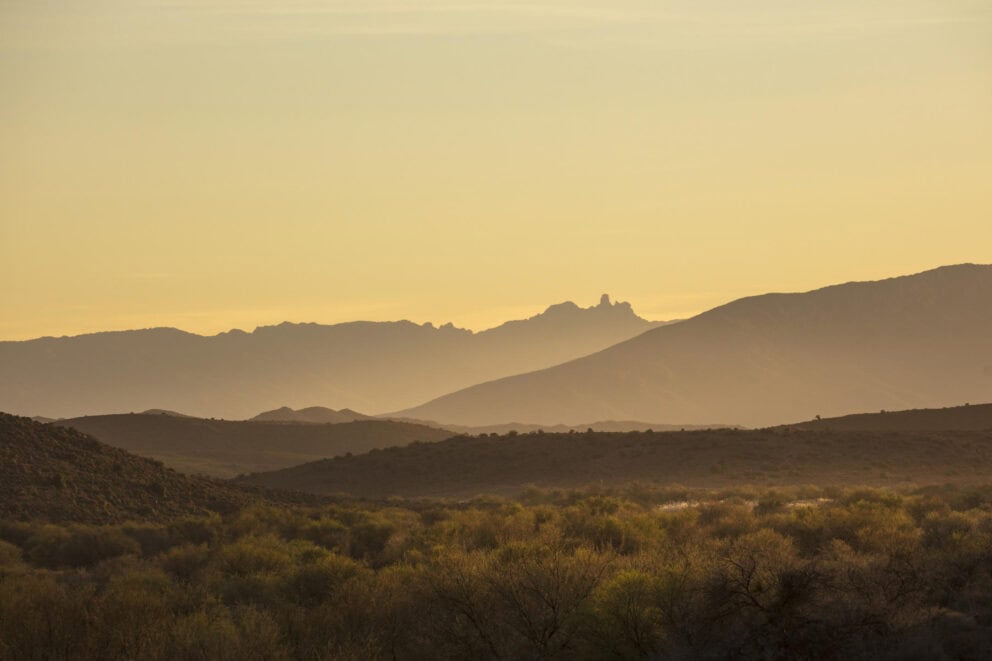
At the foot of the Warmwaterberg Mountains in the Little Karoo, Sanbona Wildlife Reserve spans 62,000 hectares of vast semi-desert plains. Offering dedicated luxury suites and family-focused lodges with tailored child-friendly activity programmes, Sanbona provides space to pause and reconnect in complete tranquillity.
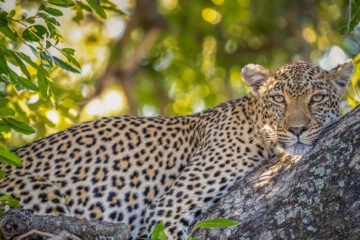
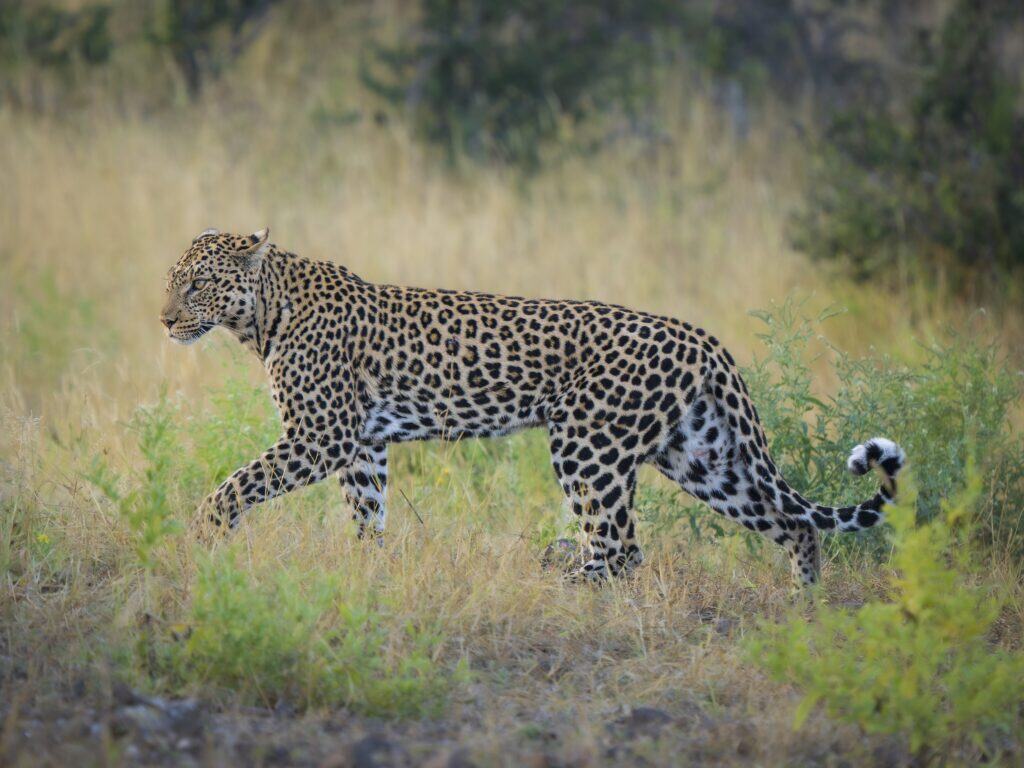
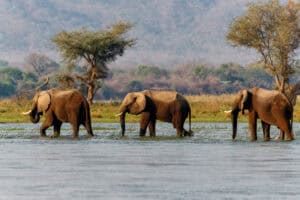
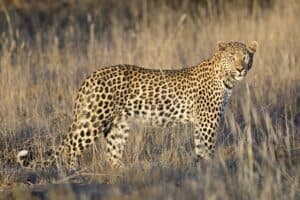
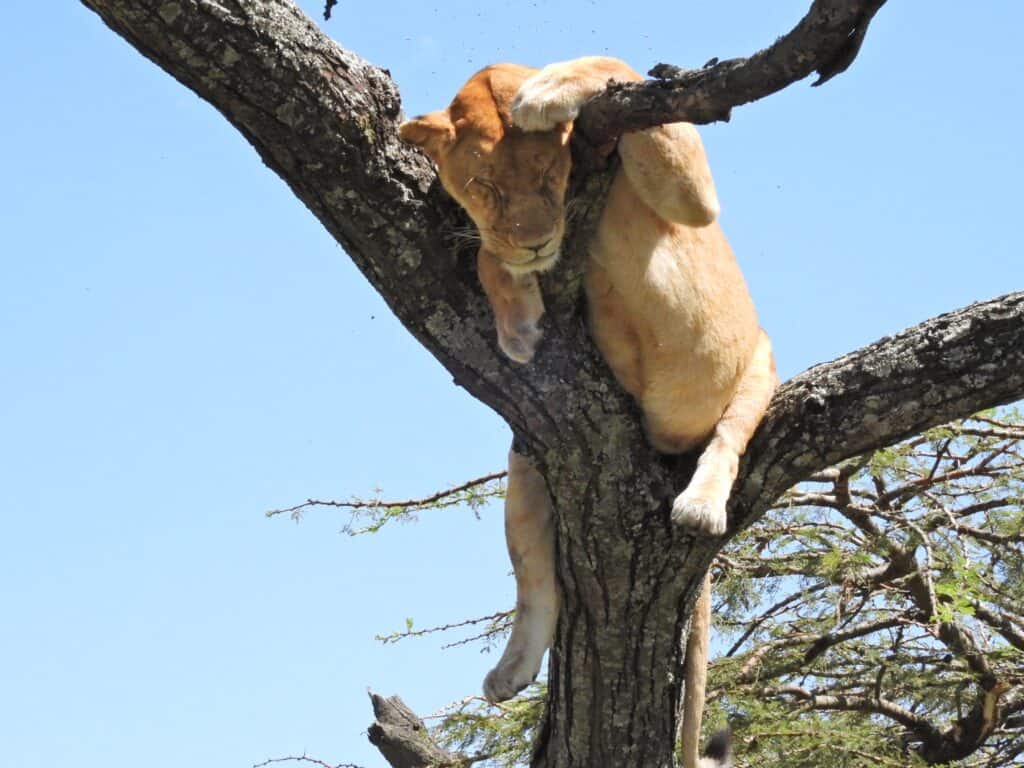
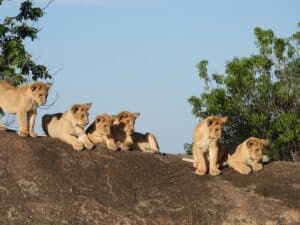
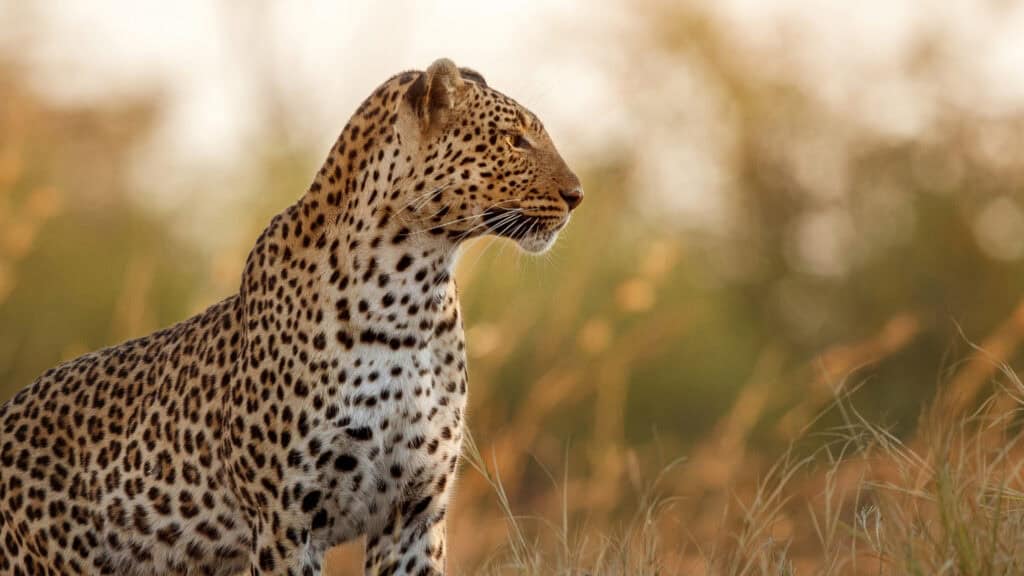
Despite its proximity to the city, the reserve is home to the Big Five (although leopards are a tough sighting) and other wildlife like cheetahs, Cape mountain zebras, and giraffes, complete with over 200 bird species.
Gondwana Game Reserve (4 Hours Drive from Cape Town)
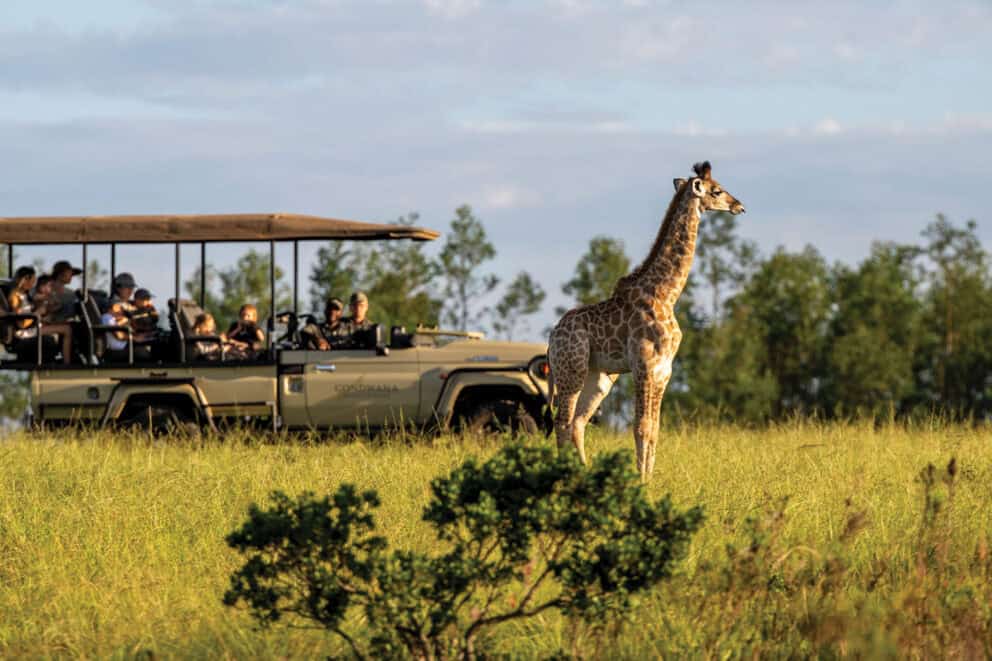
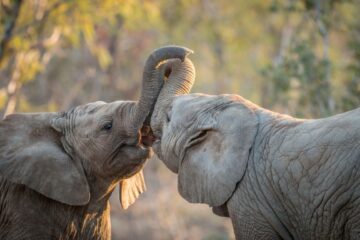
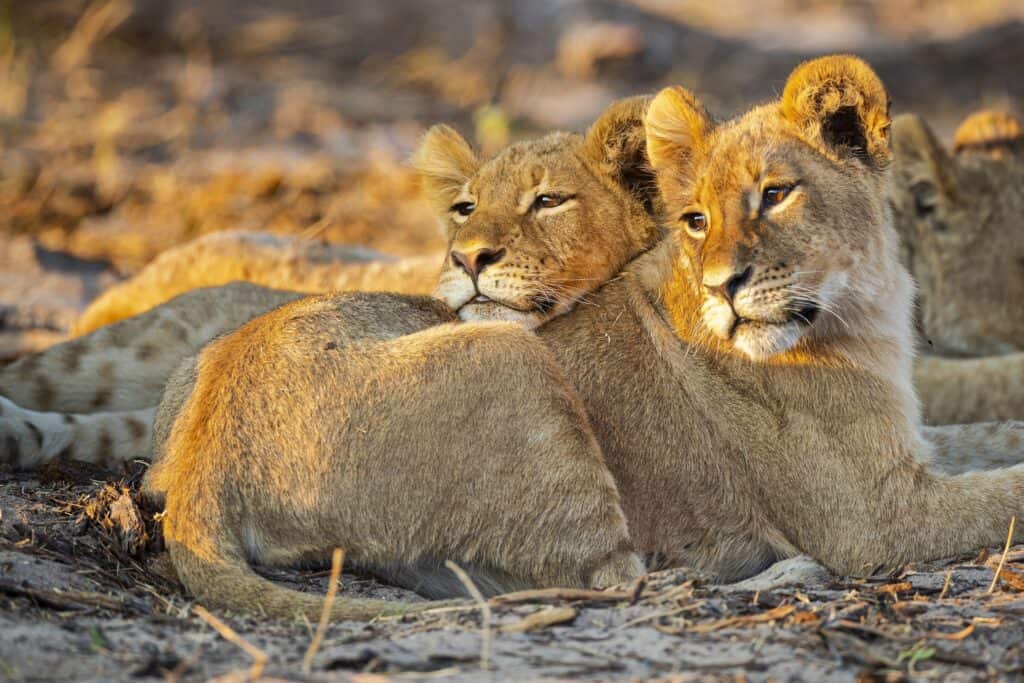
Set against the Langeberg and Outeniqua Mountains near Mossel Bay, the 11,000-hectare, malaria-free Gondwana Game Reserve is one of the few places where the Big Five roam through fynbos. Gondwana sits on the famous Garden Route, where elephants, lions, and giraffes wander through fields of proteas – a unique site.
Fly-In Safaris
Direct air connections make combining Cape Town with South Africa’s premier private conservancies further up in the country effortless. After a short flight to a provincial hub, light aircraft transfers can take you almost to the doorstep of your lodge.
You won’t need to worry about a thing; our Africa-based experts handle all the complex logistics, ensuring you’re well looked after from the moment you arrive.
“Usually, vacations mean hours of meticulous planning on my part, worrying over logistics, reading endless reviews, and managing the stress of the unknown. For this trip, our safari expert handled everything from scratch… I didn’t have to do a single bit of research.” – Heili, Discover Africa traveller, who explored Cape Town before heading to Timbavati in the Greater Kruger.
Greater Kruger Reserves
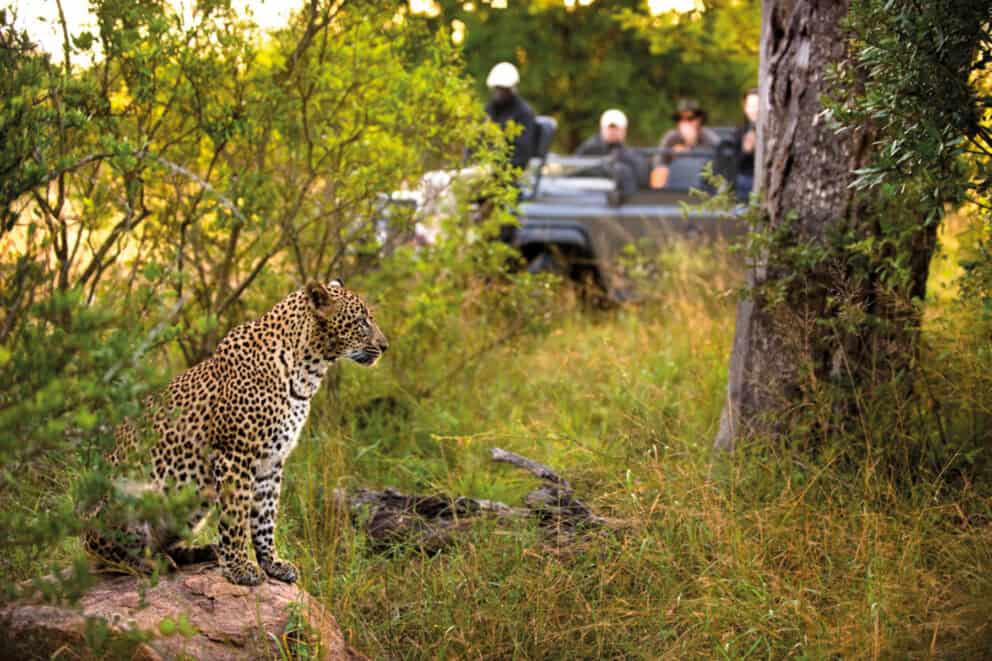
For travellers whose dream includes iconic savannah landscapes and world-renowned predator tracking, South Africa’s premier private conservancies are just a short direct flight (or two) from Cape Town.
Daily direct commercial flights and private air charters connect Cape Town International directly to regional hubs such as Skukuza Airport, Hoedspruit Eastgate Airport, and Kruger Mpumalanga International Airport. From there, bush shuttle flights (such as FedAir) connect directly to private lodge airstrips within the surrounding reserves. You can transition seamlessly from morning coffee on the V&A Waterfront to an afternoon game drive in South Africa’s top wildlife regions in the Greater Kruger:
- Sabi Sand Game Reserve: Celebrated worldwide for its intimate leopard sightings and exceptional luxury lodges, Sabi Sand is served directly by lodge-specific airstrips (such as Arathusa, Londolozi, Ulusaba, and Singita airstrips via FedAir shuttle flights).
- Timbavati Game Reserve: Offering low-density ecotourism, vast conservancies, and authentic tracking experiences. Timbavati is easily accessed via private lodge airstrips (such as Rockfig or Thabamati Airstrip) or nearby Hoedspruit Eastgate Airport.
Eastern Cape Reserves
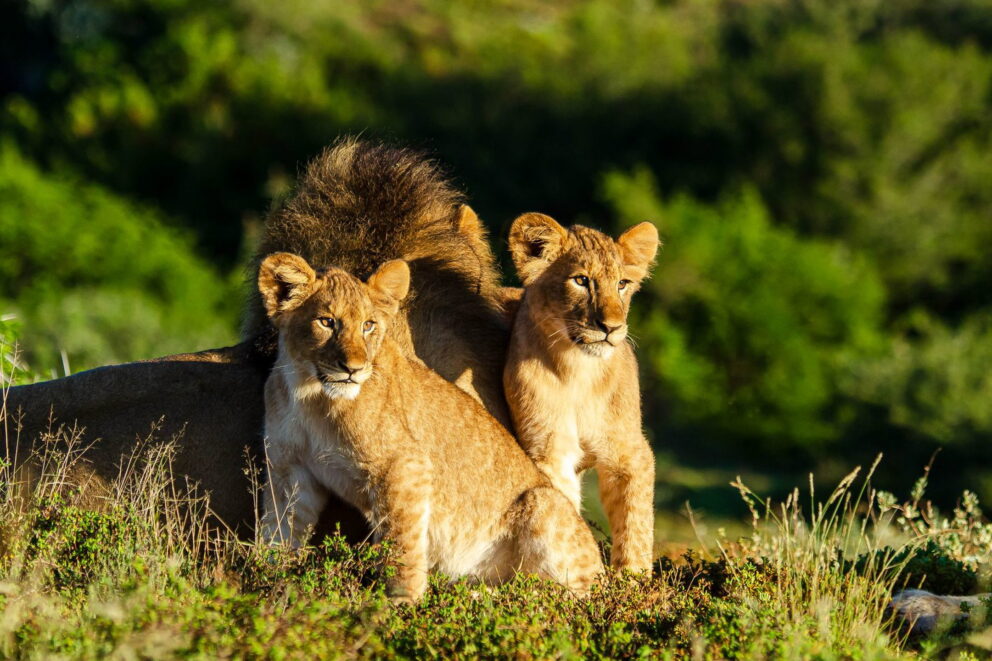
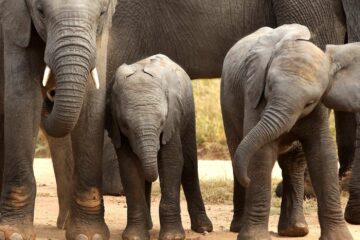
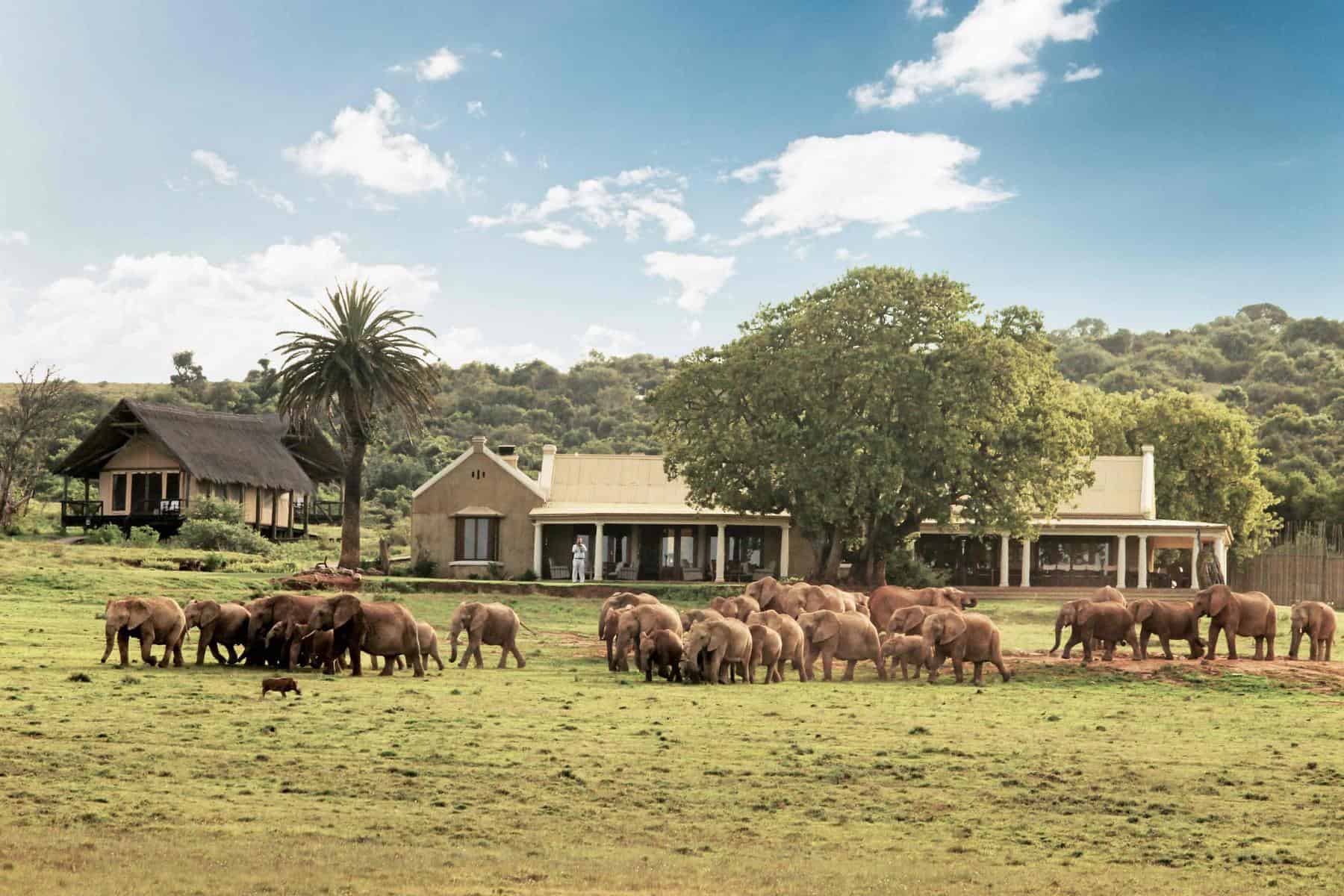
For travellers seeking a malaria-free alternative to the Greater Kruger, the Eastern Cape delivers. Premier reserves such as Shamwari Private Game Reserve, Kwandwe Private Game Reserve, and Addo Elephant National Park offer Big Five viewing across vast, wild landscapes.
A direct flight from Cape Town to Gqeberha’s Chief Dawid Stuurman International Airport takes around an hour and a half, after which a private transfer takes you straight to your lodge. Breakfast in Cape Town, afternoon game drive in the Eastern Cape.
When to Go: Seasons and Health Considerations
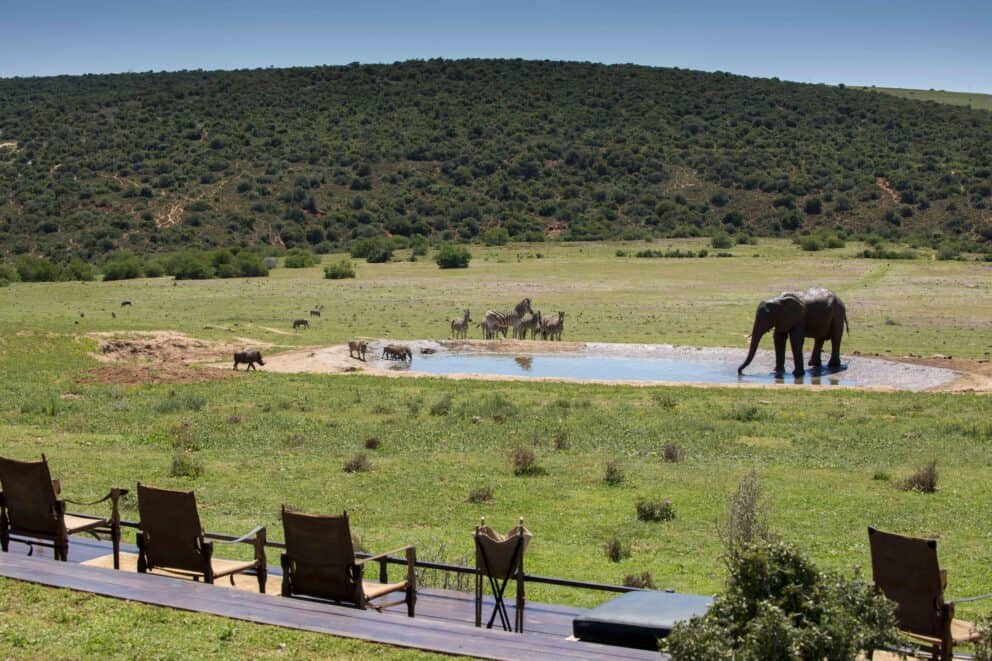
South Africa’s seasons are the reverse of the northern hemisphere’s: summer runs from December to February, autumn from March to May, winter from June to August and spring from September to November.
Cape Town has a Mediterranean climate, with hot, dry summers and cool, wet winters – the reverse of most of the country, including the Greater Kruger, where rain falls in summer and winters are dry.
Western Cape Reserves
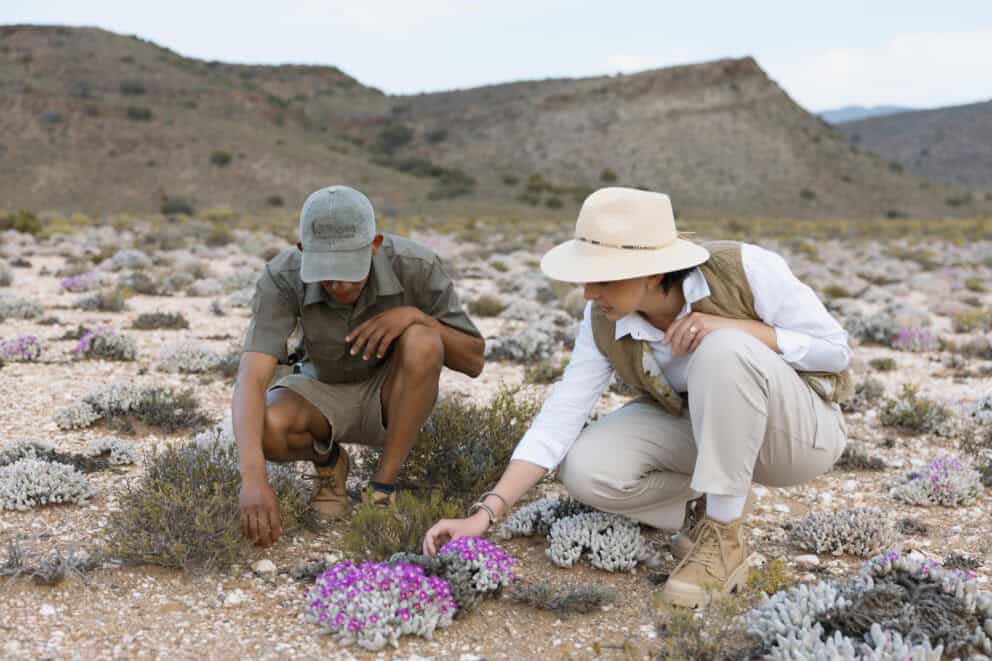
Sanbona and Gondwana can be visited year-round, but they feel quite different by season. Sanbona sits in the semi-arid Little Karoo, where summer days can be scorching and winter nights bitterly cold, so pack accordingly.
Gondwana, on the Garden Route, is milder, with rain spread throughout the year. Early spring (September to October) brings comfortable temperatures to both, along with wildflowers and fynbos in bloom.
Greater Kruger and Eastern Cape
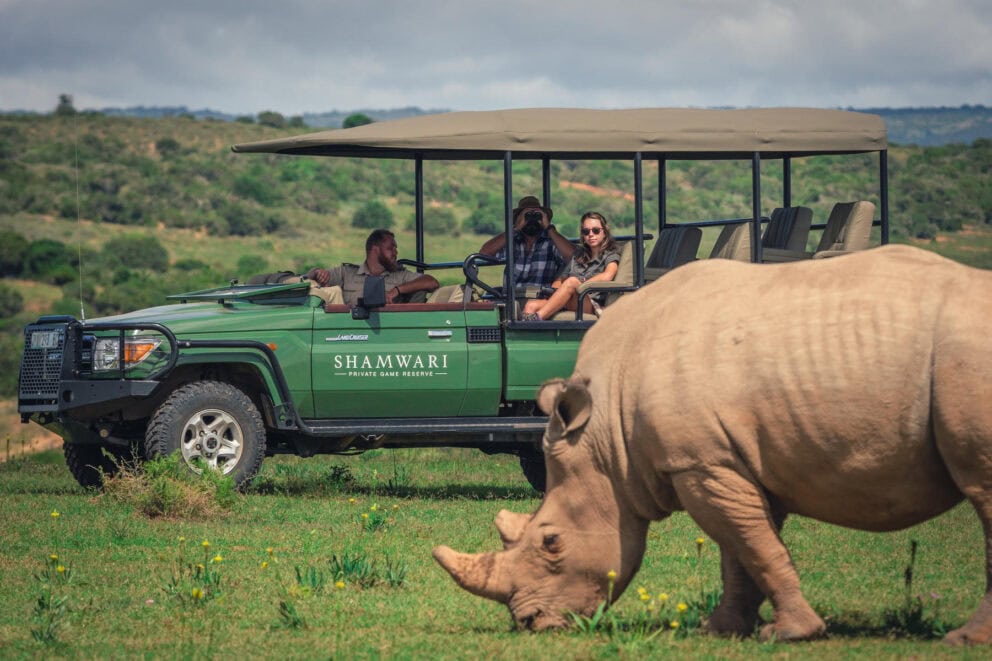
When combining either region with Cape Town, the shoulder seasons are the sweet spot.
Early spring (September to October) is the golden window. Cape Town is warming up with long, sunny days. In the Greater Kruger, the dry season is drawing to a close, so the bush is thin and animals gather around the remaining waterholes, which makes them far easier to spot. Just be prepared for heat in October, when the Lowveld can be scorching by midday – early-morning and late-afternoon drives are the highlight of the day.
Late autumn (April to May) offers fewer crowds and better value. Cape Town’s summer softens into crisp, clear days, while Kruger’s summer rains taper off and safari conditions improve.
Outside these windows, combining Kruger with Cape Town is a trade-off. In winter (June to August), Kruger offers some of its best game viewing, but Cape Town is at its wettest, and dawn drives in an open vehicle are chilly. In summer (December to February), Cape Town is at its best, while Kruger is hot, lush, and green, with newborn animals, migratory birds, and afternoon thunderstorms. Game is harder to spot in the dense bush, but some lodges offer lower green-season rates.
The Eastern Cape, on the other hand, is a reliable safari destination year-round, so when pairing it with Cape Town, it’s the city’s weather that decides your timing.
Malaria: An Important Difference
The reserves in the Western and Eastern Cape are malaria-free, so no preventative medication is needed. That makes them an easy choice for families with young children or older travellers. The Greater Kruger is a malaria area, with the highest risk during the rainy summer months. If it’s on your itinerary, speak to a travel clinic before you go.
Read More: Top Destinations for a Malaria-Free Safari in South Africa
Start Planning Your Custom South African Journey
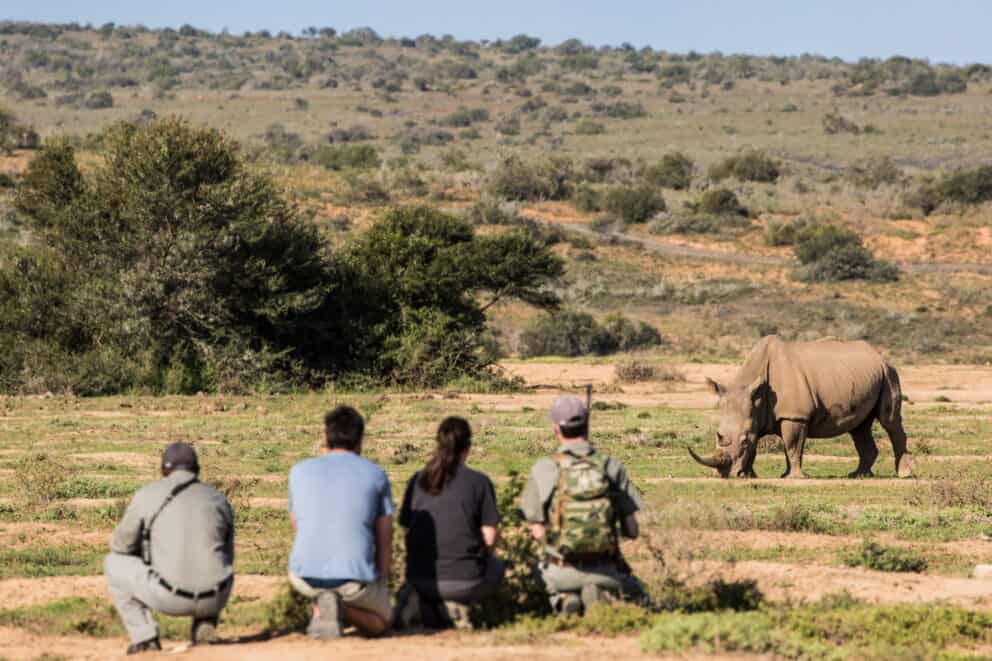
Combining the coastal beauty of Cape Town with the calm, raw elegance of an African safari offers a perfectly balanced journey. Whether you envision a relaxing road trip through malaria-free reserves or a fly-in safari to a secluded lodge, every detail can be tailored around your exact preferences.
Not sure whether the game reserves near Cape Town are for you or a fly-in safari fits your schedule? Speak with a specialist to discuss your travel style, timing, and preferences, and let us design a journey tailored around you.

Written by Thaakiera Ackerdien
• Travel Writer
Discover the African Journey that’s Right for You
 Blog List





























Written by Thaakiera Ackerdien
• Travel Writer
Part of the South Africa Safari Collection