

 Email us





Navigating ethical animal sanctuaries across Africa shouldn’t feel like a guessing game. Knowing how to choose responsible wildlife tourism destinations gives you total peace of mind, ensuring your journey creates an authentic connection with nature while actively contributing to true wildlife preservation.
Perhaps you see yourself in this position, tracking wild herds alongside researchers or volunteering at an ethical wildlife reserve. But as travellers who care deeply about the places and creatures we visit, a crucial question often lingers beneath that wonder: Are we supporting genuine conservation or merely a staged spectacle?
Here is how to look past the marketing, spot genuine green flags, and visit ethical animal sanctuaries in Africa that truly protect the wild.
Red Flags vs. Green Flags: What Makes an Animal Sanctuary Ethical?
When reviewing your itinerary, it helps to know what a true refuge looks like. True ethical sanctuaries prioritise animal welfare, species preservation, and habitat protection above photo opportunities or visitor entertainment.
Green Flags (The Sign of a True Sanctuary)
- Hands-Off Policy: Animals are allowed to be animals. Unless specialised veterinary care or infant hand-rearing is required, human interaction is kept to an absolute minimum to preserve wild behaviours.
- Focus on Rehabilitation and Release: The primary goal is always to return animals to their natural habitat whenever possible.
- Permanent Refuge for the Unreleasable: For animals that are too habituated, injured, or traumatised to survive in the wild, the sanctuary provides a spacious, natural forever home without breeding them for commercial gain.
- Accreditations and Transparent Governance: Look for affiliations with recognised global bodies such as the Pan African Sanctuary Alliance (PASA) or the Global Federation of Animal Sanctuaries (GFAS).
- Community-Centred Conservation: True sanctuaries work alongside local communities, providing education, local employment, and sustainable development.
Red Flags (When to Walk Away)
- Direct Interaction for Visitors: Walking with lions, cub-petting, riding elephants, or posing for selfies with wild animals.
- Continuous Breeding of Captive Wildlife: If a facility constantly has newborn big cat cubs or young primates available for guest interactions, it’s operating a commercial breeding programme, not a sanctuary.
- Guaranteed Performance or Tricks: Wildlife forced to perform tricks, show unnatural behaviours, or follow strict routine shows for crowds.
- Unclear Sourcing: The facility cannot clearly explain where its animals came from or where they go when they grow up.
How to Spot Greenwashing in Wildlife Tourism
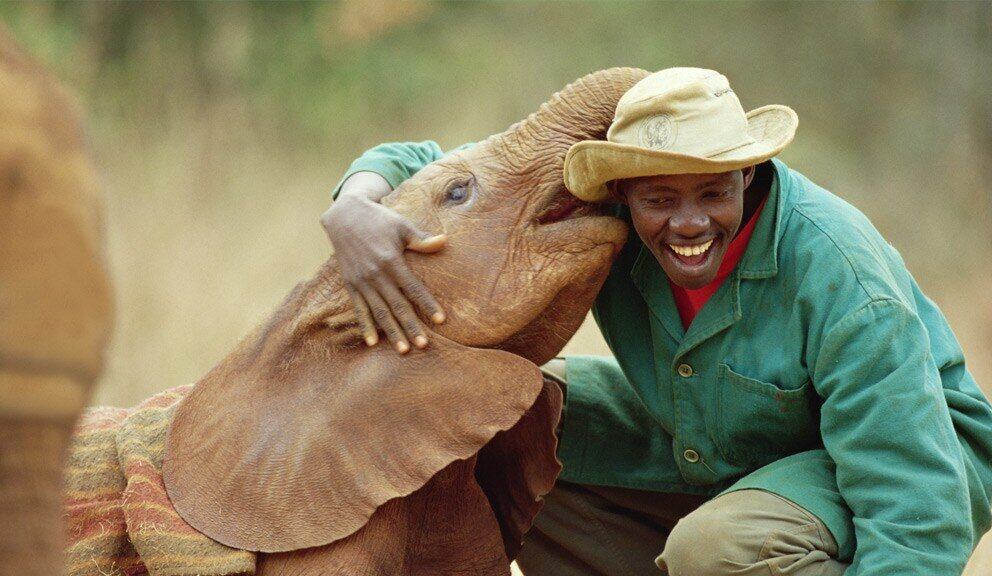
“Greenwashing” happens when commercial wildlife operations use eco-friendly buzzwords like rescue, sanctuary, conservation, or rehabilitation to disguise profit-driven tourist traps.
To spot greenwashing, look beyond the home page claims and pay attention to operational details.
Follow the Lifecycle
If a facility lets you hold a lion cub, ask what happens to that lion when it grows too large and dangerous to handle. Reputable sanctuaries do not breed predators for photo ops or let you interact with them, nor do they sell adult animals into trophy hunting markets.
- Ethical: Hands-off policy with zero direct touch, hugging, riding, or feeding of wild animals.
- Fake: Allows selfies, cub petting, walking with lions, or bathing/riding elephants.
Evaluate the Visitor Experience
Ask yourself, is this activity designed for the animal’s well-being or the tourist’s pleasure? If an animal is kept in a small enclosure near high-foot-traffic areas purely so guests can get close-up photos, it’s a commercial exhibit, not a sanctuary.
- Ethical: Large, naturalistic spaces where animals can hide, forage, and exhibit species-specific behaviours.
- Fake: Barred cages, concrete floors, cramped spaces, or animals showing distress behaviours, such as pacing.
Check the Accreditations
Don’t rely solely on an establishment’s word. Look for third-party endorsements from reputable global bodies, including PASA, GFAS, or established national wildlife authorities.
- Ethical: Clear financial transparency, limited visiting hours, and official accreditation (such as from the Global Federation of Animal Sanctuaries).
- Fake: For-profit models, constant daily visitor traffic, and a focus on entertainment rather than rescue and rehabilitation.
Four Ethical Animal Sanctuaries to Visit in Africa
If you’re evaluating your African travel itinerary and looking to add on a sanctuary visit, these standout establishments offer inspiring, transparent, and deeply meaningful wildlife encounters.
1. Shamwari Born Free Big Cat Sanctuary (South Africa)
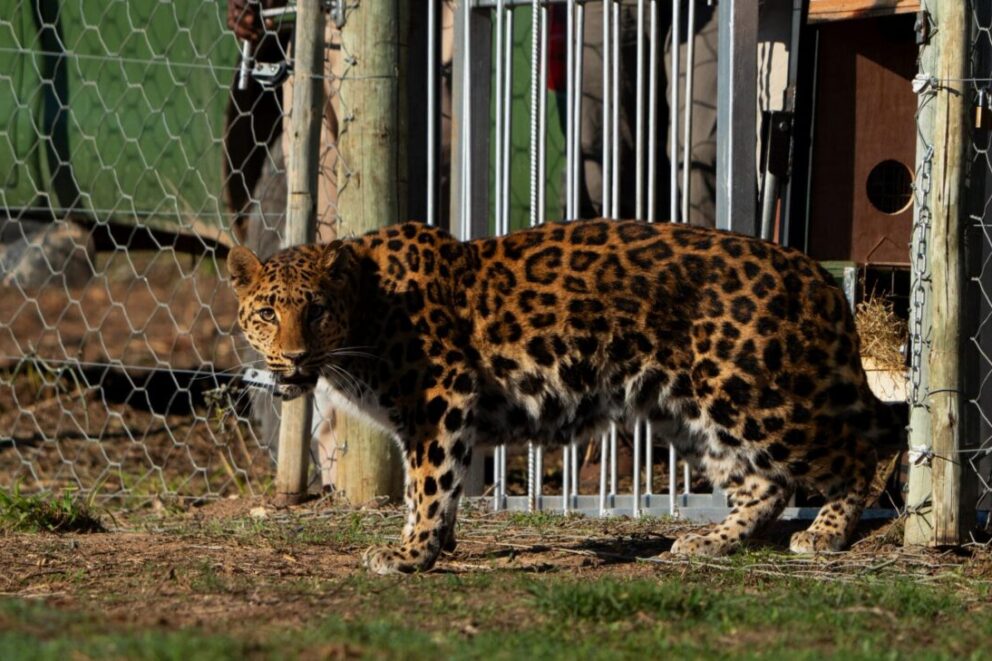
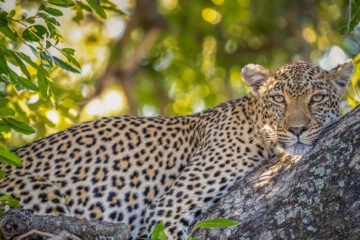
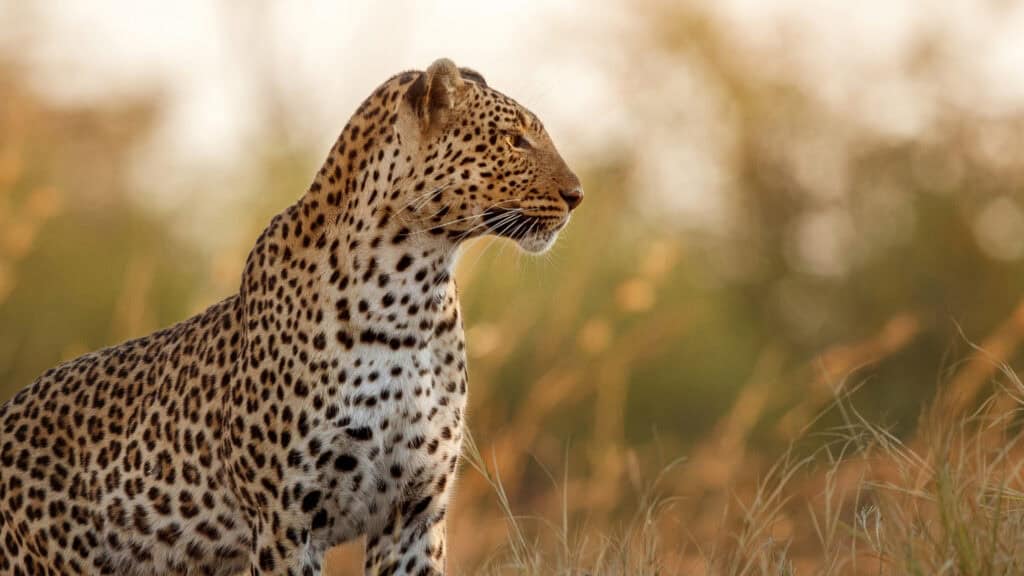
Located within the Shamwari Private Game Reserve in South Africa’s Eastern Cape, the Born Free Foundation has been operating in the area since 1996, rescuing lions and leopards from zoos, circuses, the illegal wildlife trade and other captive facilities. The sanctuary provides a safe home and a fresh start for these big cats, many of whom suffer from behavioural issues and health conditions as a result of years in captivity. Thus, many are unable to return to the wild.
Visitors on safari in Shamwari can take guided, educational tours of the sanctuaries. You’ll hear individual rescue stories while viewing these beautiful big cats in expansive, natural bush enclosures that honour their dignity. You can even volunteer at the sanctuaries, where you’ll take part in various activities based on the reserve’s needs. This could include complex monitoring projects or simple gardening and maintenance.
2. Sheldrick Wildlife Trust (Kenya)
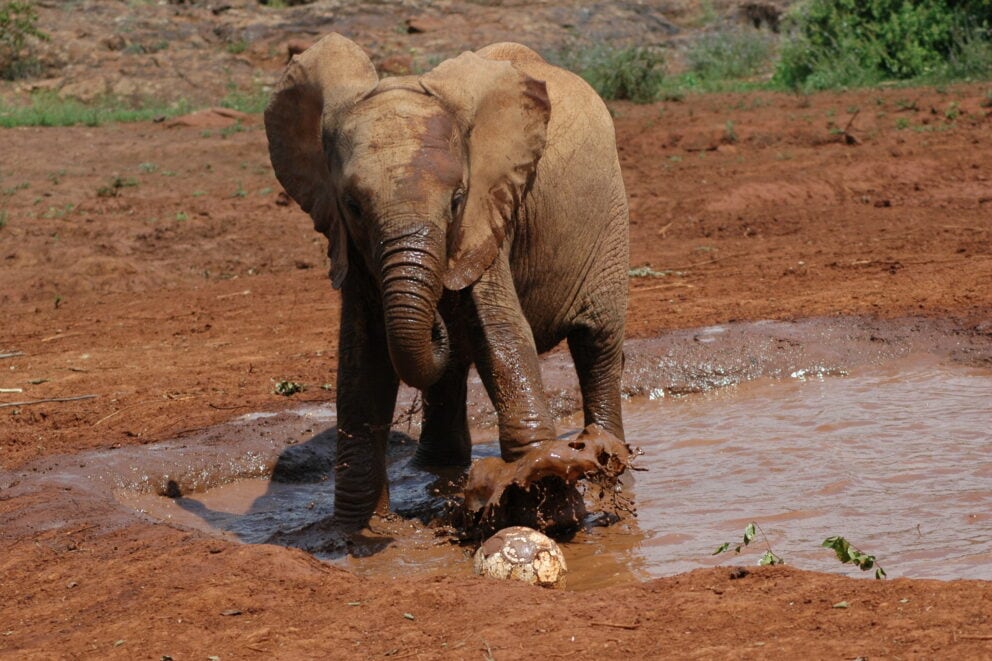
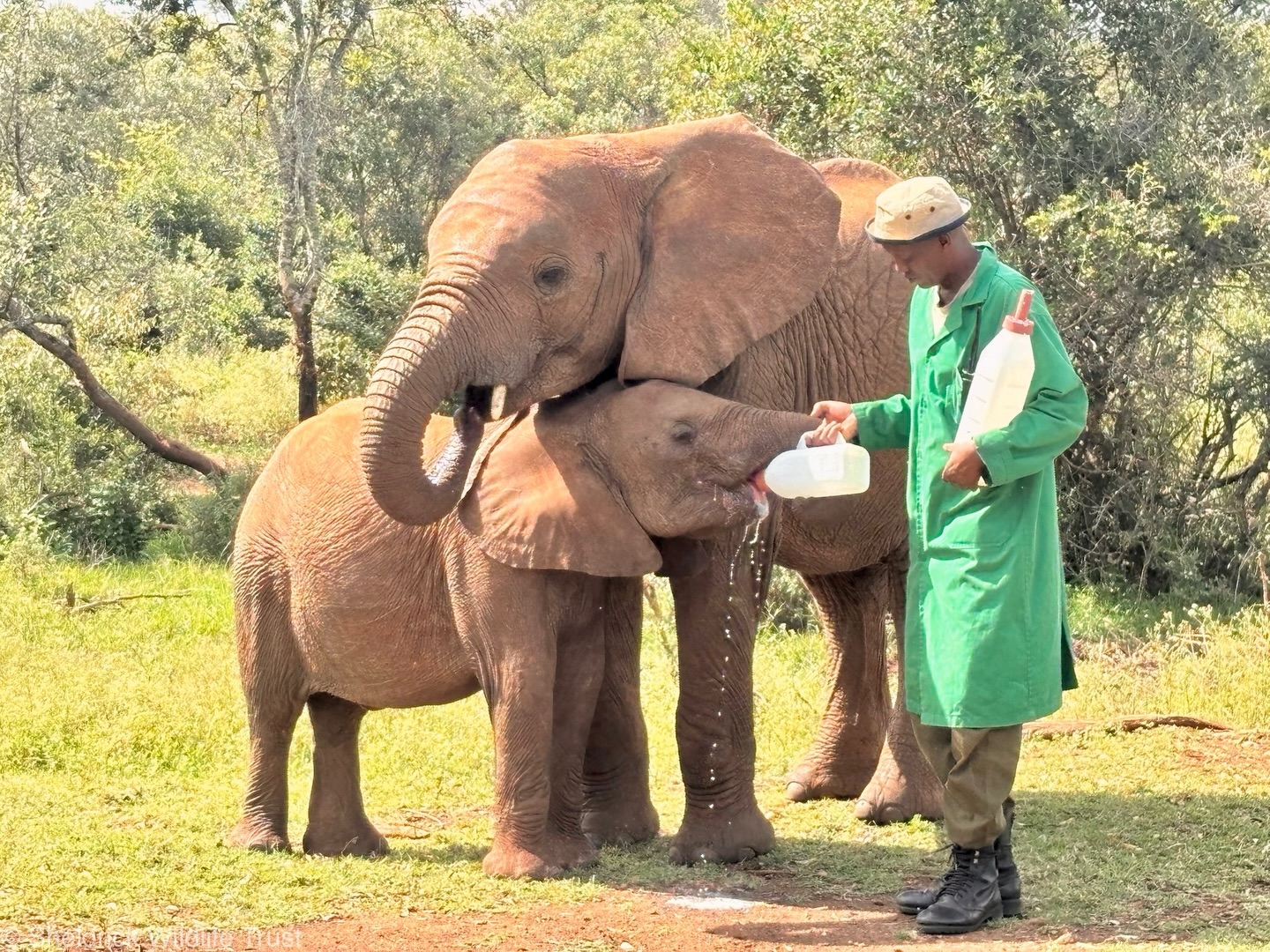
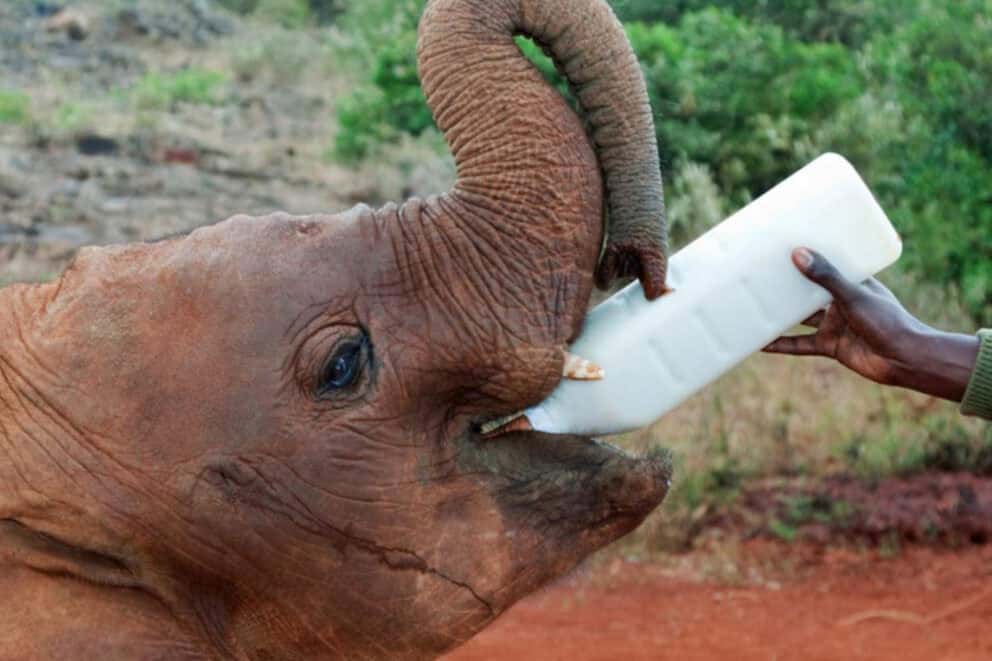
Situated on the edge of Kenya’s Nairobi National Park, the Sheldrick Wildlife Trust operates one of Africa’s oldest wildlife sanctuaries and one of the world’s most successful orphan elephant rescue and rehabilitation programmes.
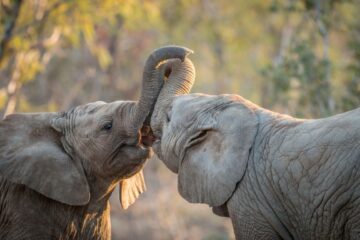
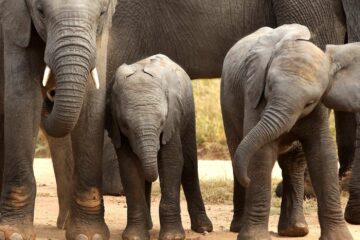
Their mission is simple: to rescue orphaned baby elephants – who are often the victims of poaching and human-wildlife conflict. They’re rescued, raised, and rehabilitated into the wild herds in Tsavo East National Park over the course of several years. During a strictly controlled one-hour daily visiting window, guests can watch the young elephants enjoy their midday mud bath and milk-feeding while keepers explain their individual rehabilitation journeys. Visiting hours are strictly enforced (11 AM to 12 PM daily), and bookings need to be made well in advance.
Although you cannot volunteer at the orphanage itself, you can instead opt to “adopt” a baby elephant or rhino. For as little as US$50 a year, your adoption will directly support the rescued animals, helping the Trust raise orphaned baby elephants and ensuring their families will always have a protected home.
3. Drakenstein Lion Park (South Africa)
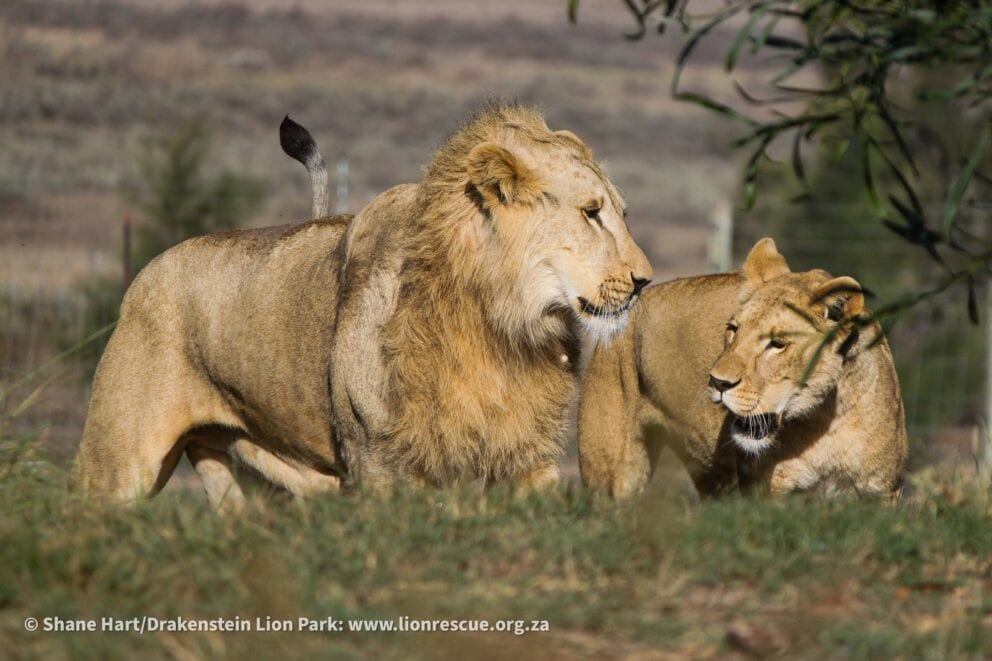
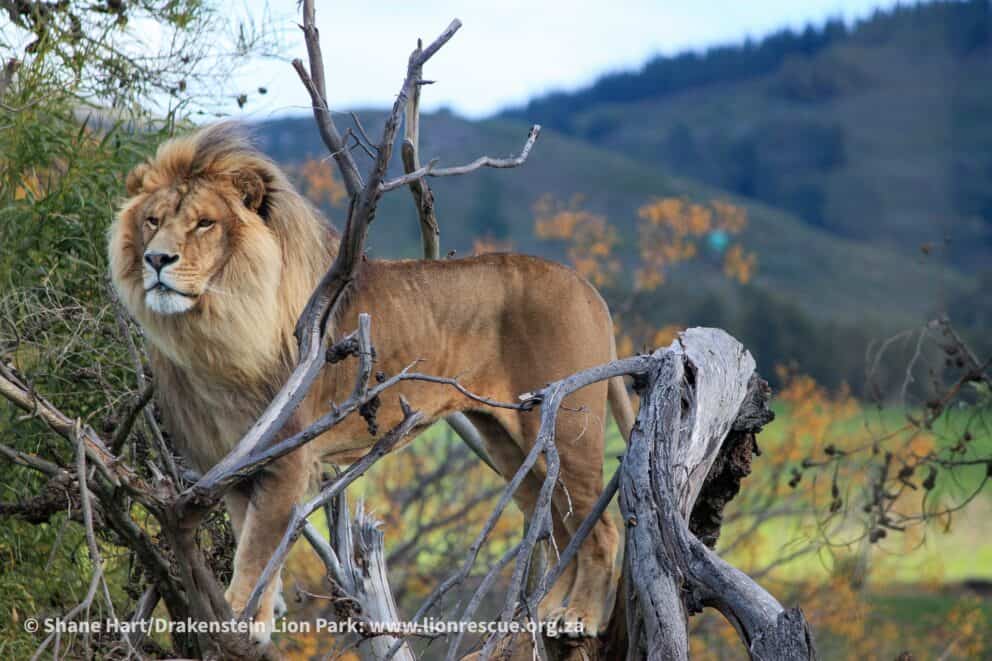
Situated just a short drive from Cape Town in the scenic Cape Winelands near Paarl, Drakenstein Lion Park has dedicated itself to providing a true, lifetime sanctuary for captive-born big cats.
Established in 1998, it is the longest-running South African-owned big cat sanctuary. With its 60 sprawling acres, Drakenstein is the definition of a true big cat sanctuary. There’s no breeding, trade, or visitor-animal interaction allowed. Many of the animals here were rescued from commercial breeding facilities, circuses, and abusive private captivity and thus cannot be released into the wild. Instead, they are allowed to roam and live out their days in the sunny hills of the Cape Winelands.
Guests can take a quiet, self-guided or educational tour along natural enclosures, learning about the realities of captive big cat exploitation without disturbing the residents.
4. Jane Goodall Institute: Chimp Eden (South Africa)
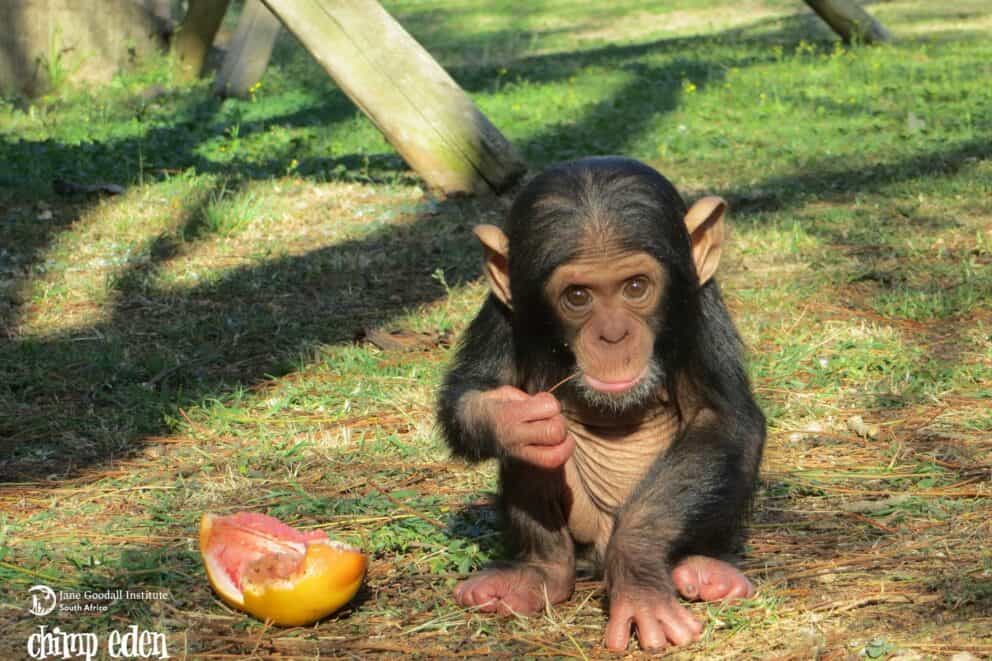
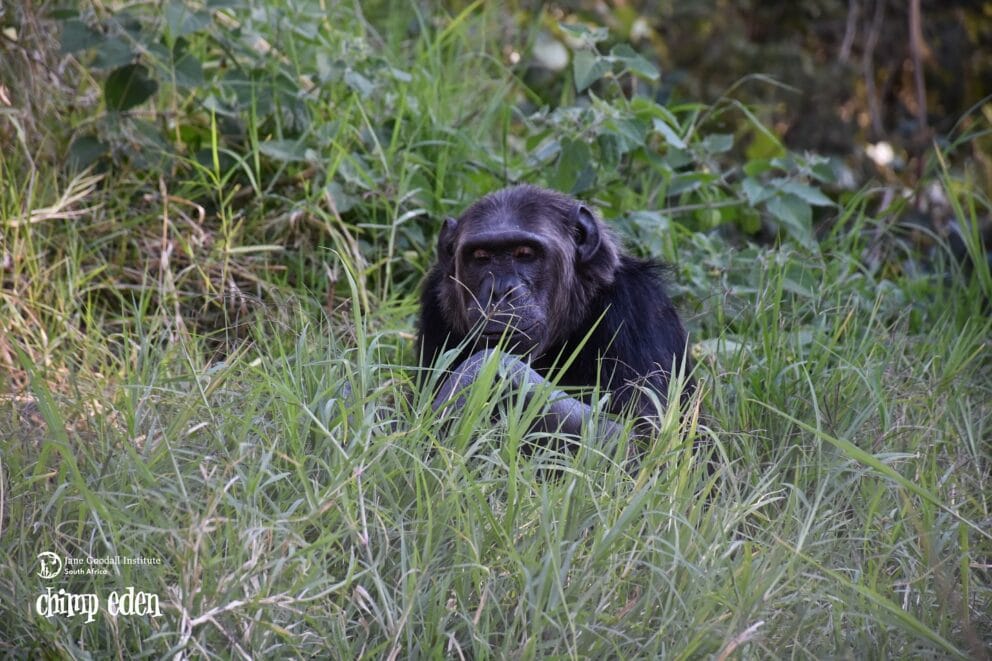
Founded by legendary primatologist Dr Jane Goodall, the institute operates a world-class chimpanzee sanctuary dedicated to chimpanzee care and conservation. Situated within the 1,000-hectare Umhloti Nature Reserve, just 15 km/9 mi from Nelspruit, Chimp Eden is home to chimps who have been misplaced from their natural habitats in Africa.
The goal of the sanctuary is to rescue chimps who have survived the bush meat trade, been orphaned, traded in the illegal pet trade, or been rescued from circuses, beach resorts, and nightclubs.
The chimps here are the lucky ones, spending their days in a risk-free, semi-wild environment and recovering from the trauma they have experienced. Guests can take guided educational tours to view chimpanzees from elevated platforms across large, forested foraging enclosures, gaining profound insights into primate social structures and behaviour.
Meaningful Ways You Can Support Ethical Sanctuaries
Even after your journey ends, you can remain an active part of the solution:
- Foster or Symbolically Adopt an Animal: Many sanctuaries, including the Sheldrick Wildlife Trust and JGI Chimp Eden, allow you to foster an orphan. You’ll receive regular updates on their progress and release journey.
- Practice Responsible Social Media: Avoid sharing photos of people touching wild animals or posing with captive predators. Instead, post photos that highlight animal welfare and share educational facts about conservation.
- Support Local Community Initiatives: True wildlife protection relies on thriving human communities. Support sanctuary gift shops, local artisan crafts, and community outreach projects connected to these conservation sites.
Your Journey, Their Future
Choosing an ethical sanctuary is about more than just a great photo; it’s about ensuring that your visit contributes to a future where Africa’s wildlife can thrive. By looking for the green flags and supporting transparent, rehabilitation-focused initiatives, you become a vital link in the conservation chain.
Ready to explore Africa’s most inspiring wild spaces responsibly? Contact a safari expert today to start planning a meaningful journey that prioritises animal welfare and authentic conservation.

Written by Thaakiera Ackerdien
• Travel Writer
Discover the African Journey that’s Right for You
 Blog List



























Written by Thaakiera Ackerdien
• Travel Writer
Part of the South Africa Safari & Kenya Safari Collections