Email us




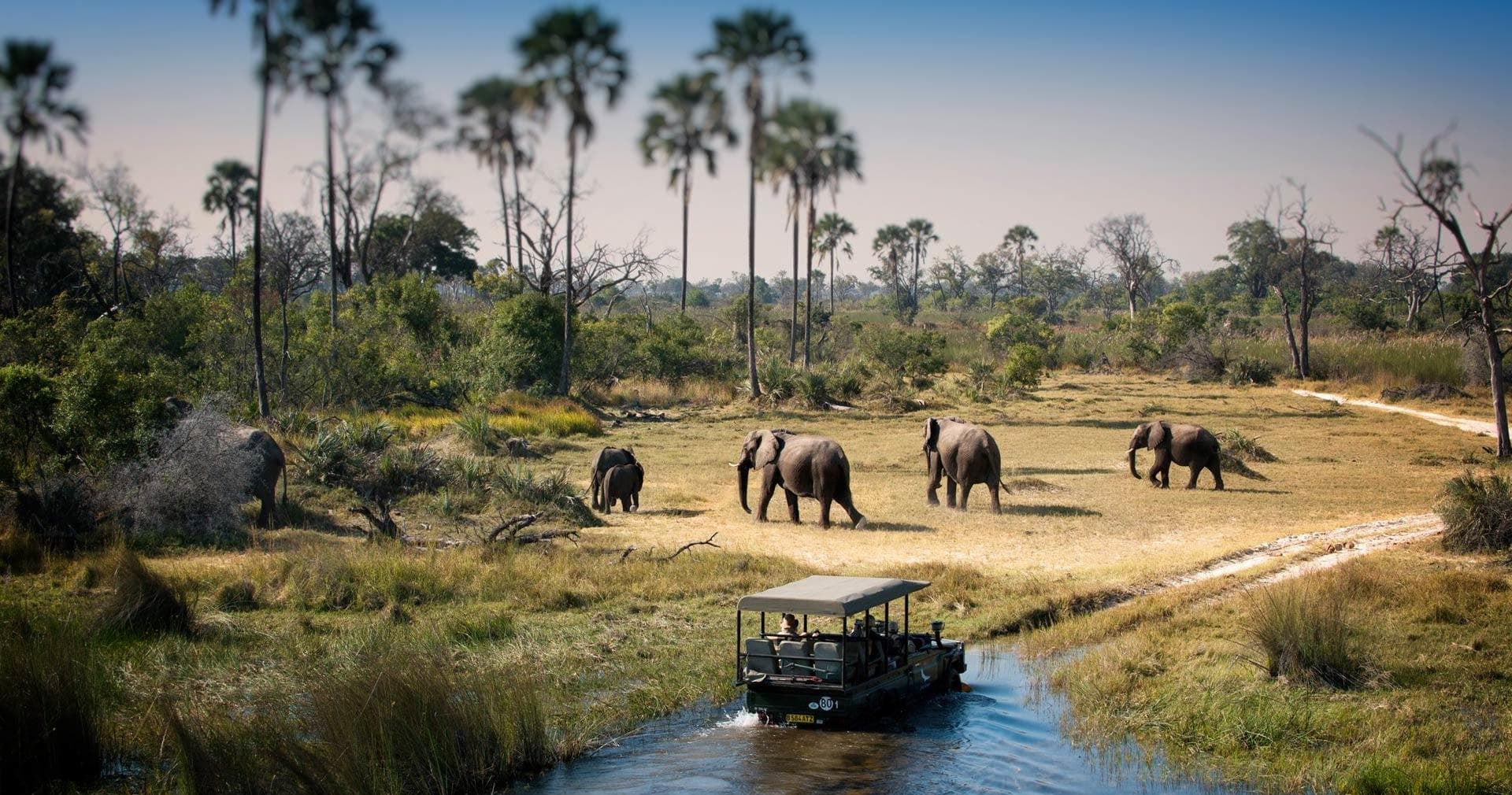



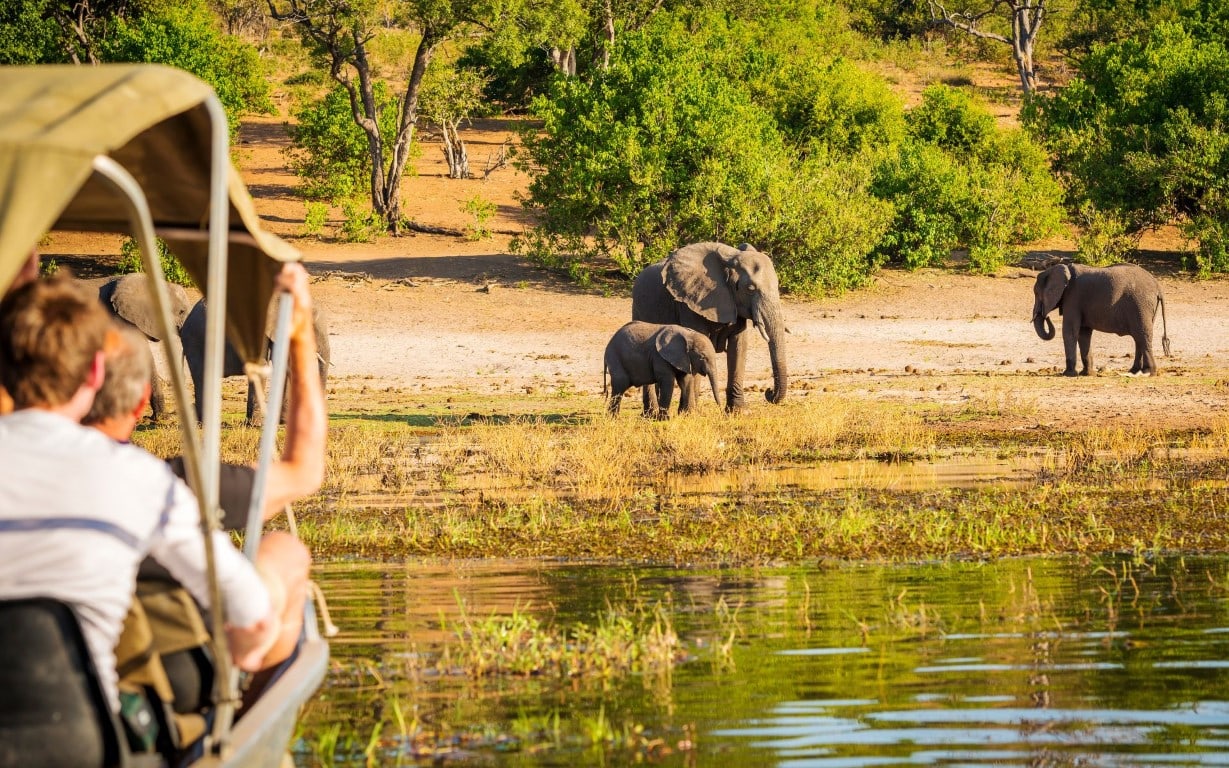
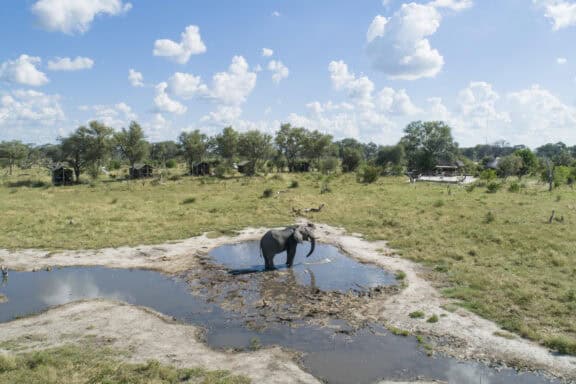
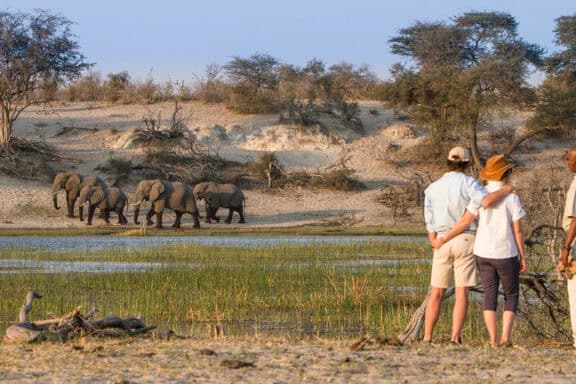
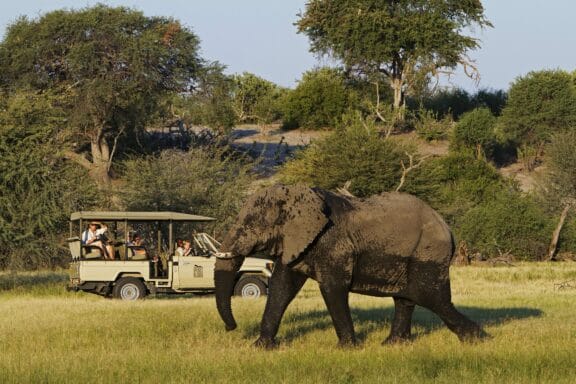
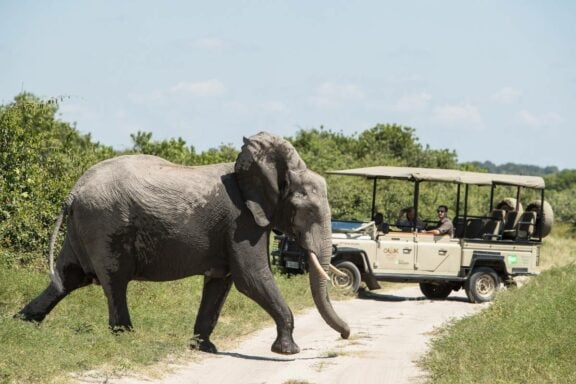
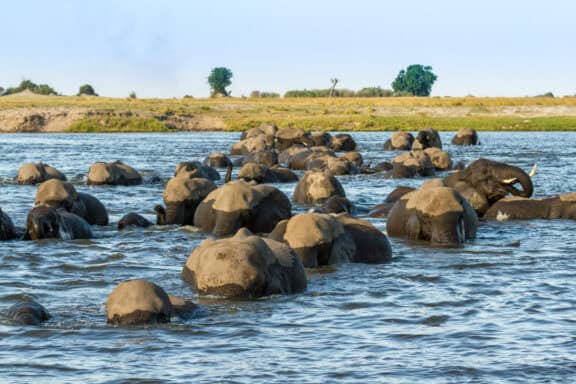
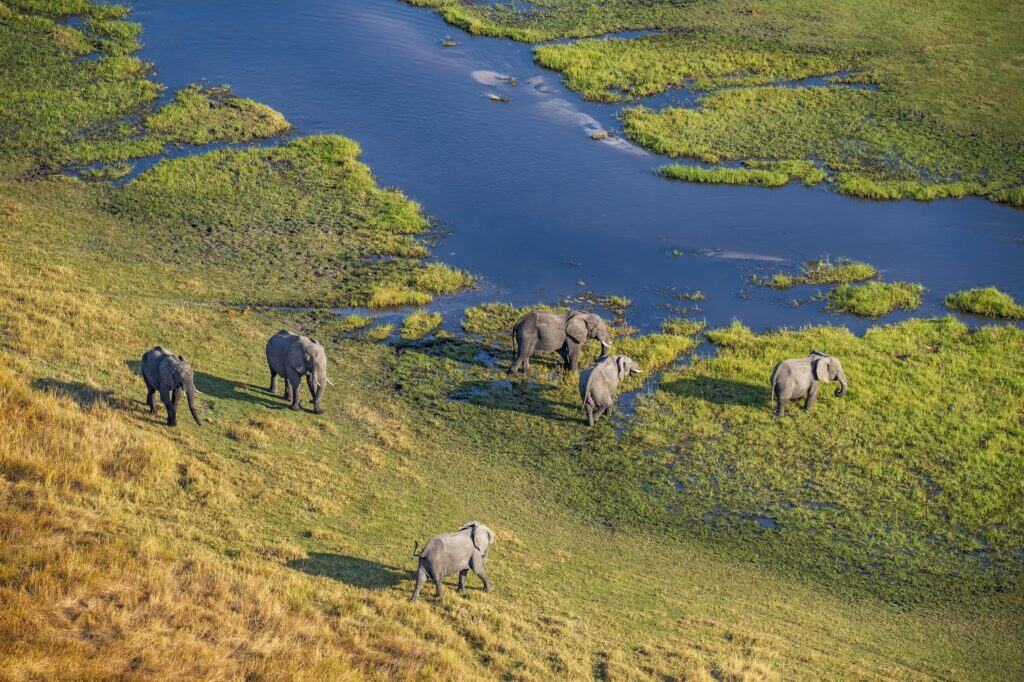
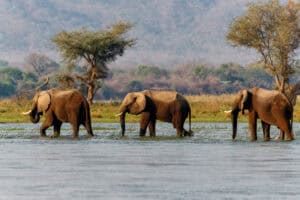
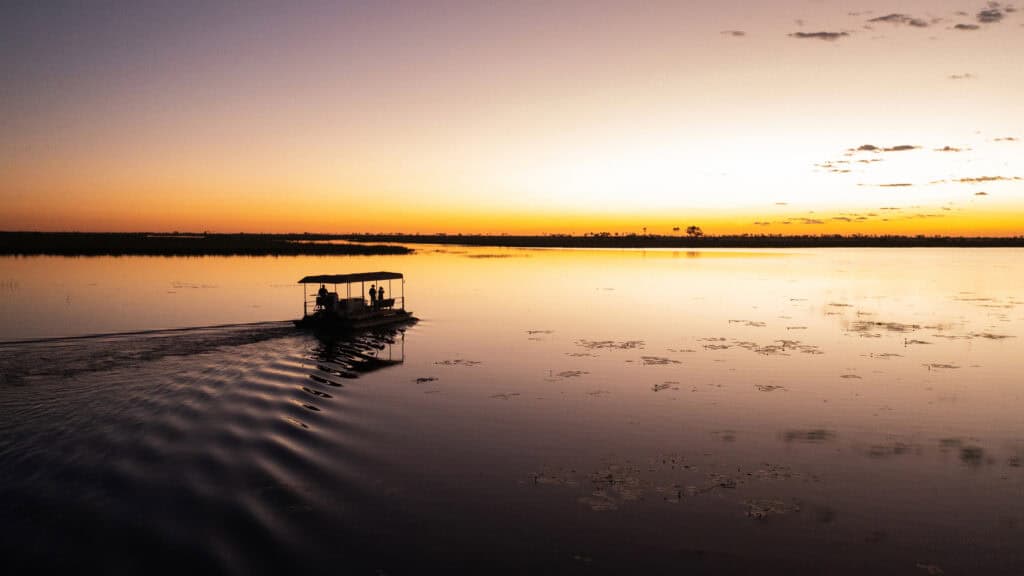
When the sun dips below the horizon, the Chobe River glows in shades of gold and crimson, reflecting the silhouettes of elephants gathered along the banks. Nowhere else in Africa can you witness such vast herds. Home to the core of Africa’s largest elephant population – estimated at over 120,000 across the greater regional ecosystem – Chobe sees thousands of these giants congregate along its riverbanks during the dry season.
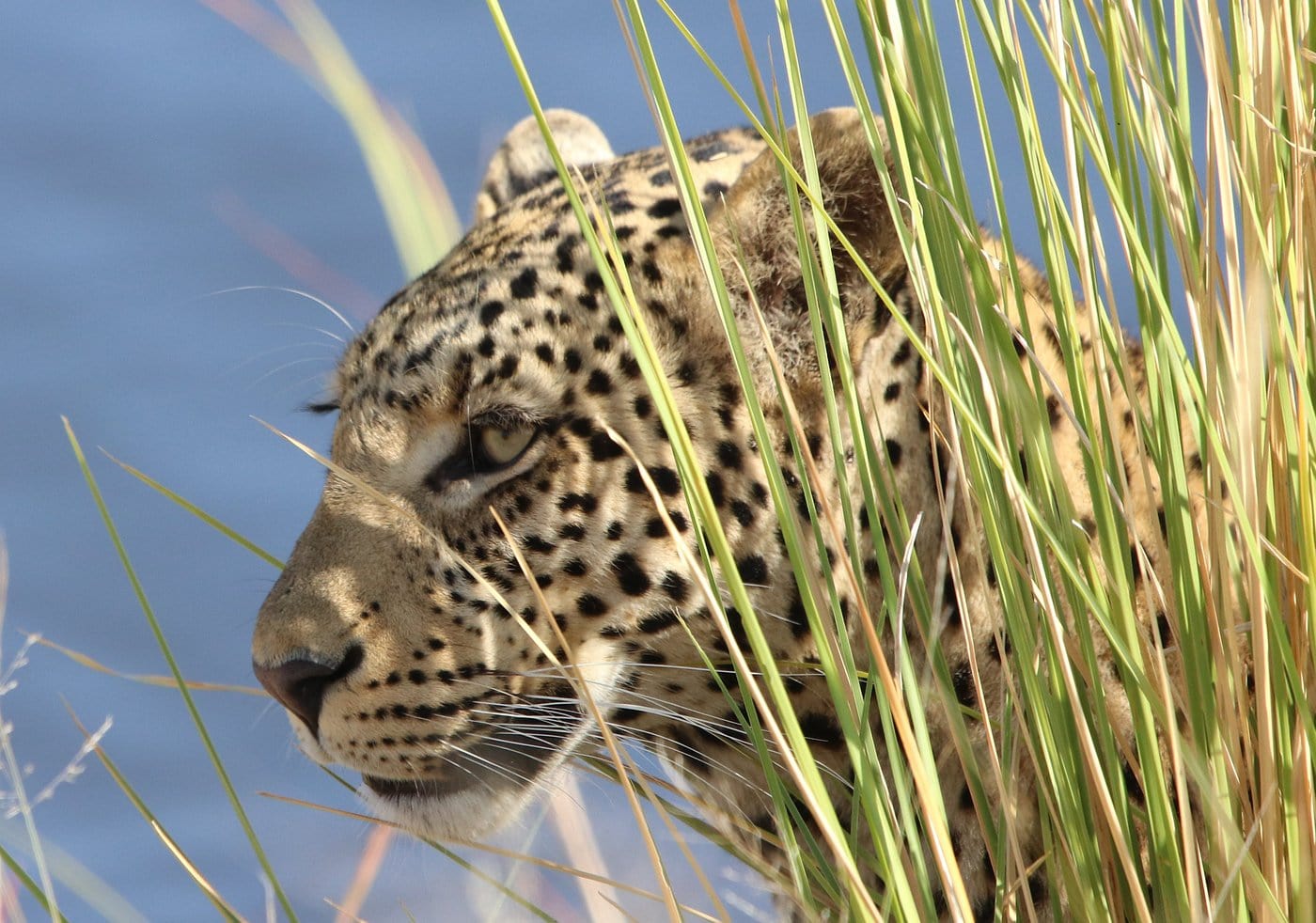
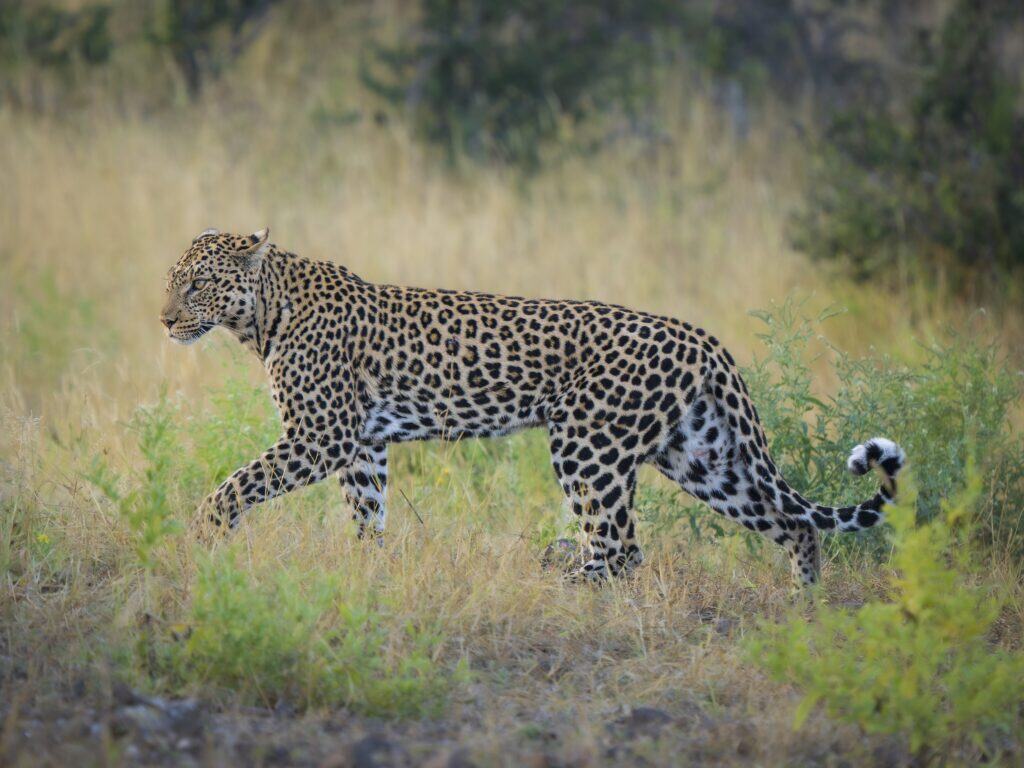
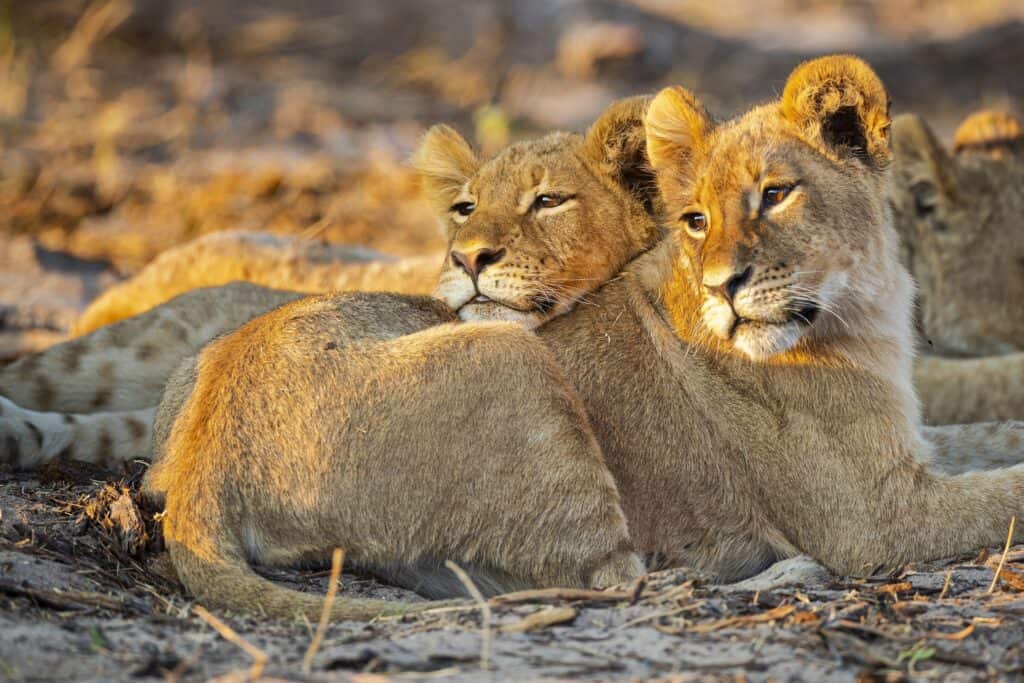
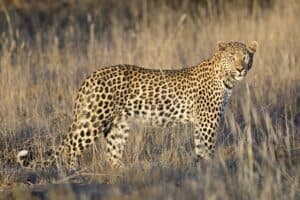
A Chobe River safari offers a front-row seat to the rhythm of the wild, where crocodiles slide silently beneath the surface and fish eagles call from the treetops. On land, lions prowl the floodplains and leopards slink through the shadows. A Chobe National Park safari will introduce you to a place of abundance, where the river breathes life into the wilderness.
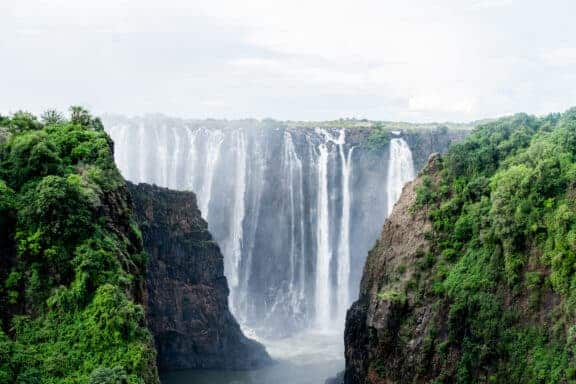
Chobe is a year-round safari paradise, while the nearby Okavango Delta is a wonder in its own right. A Chobe National Park safari in Botswana offers spectacular safari opportunities and easy access to the majestic Victoria Falls.
Where Is Chobe National Park?
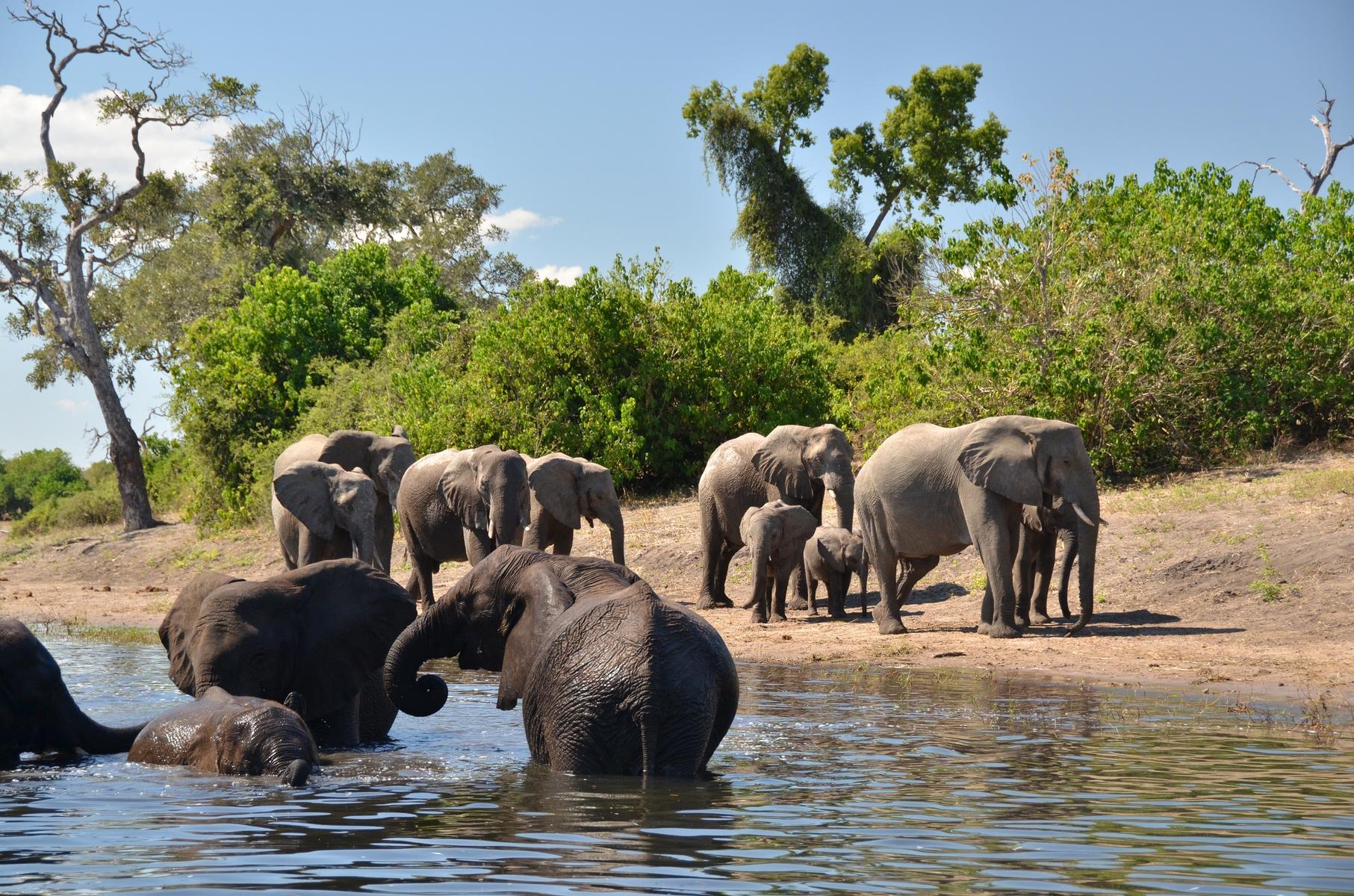
Chobe National Park, established in 1967, is a crown jewel of Botswana’s wilderness, spanning about 11,700 square kilometres (4,517 square miles) of diverse ecosystems. Located in northern Botswana and bordering Namibia along the Chobe River, it’s globally renowned as the Elephant Capital of Africa.
The region is home to the highest concentration of these giants on Earth, which migrate from neighbouring countries to seek refuge along Chobe’s life-sustaining waterways during the dry season.
A Luxury Chobe Holiday
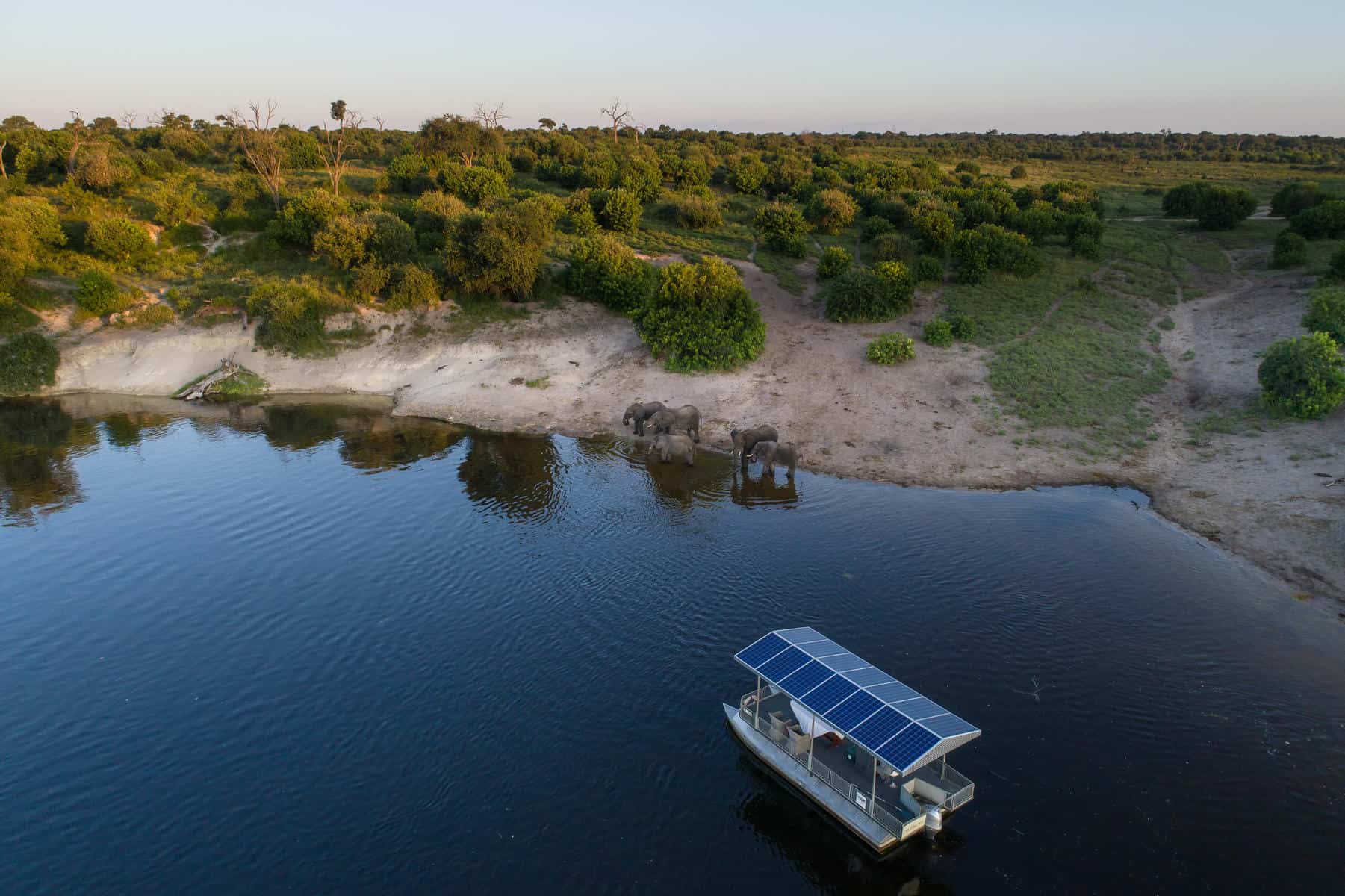
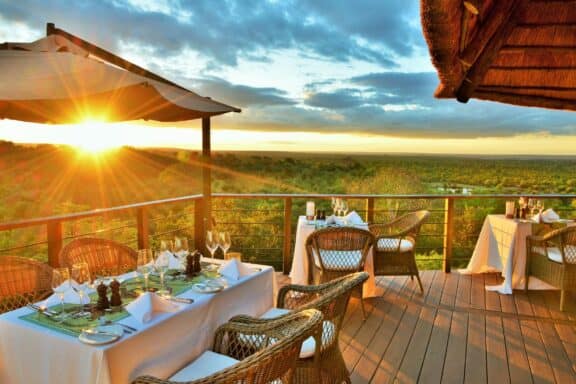
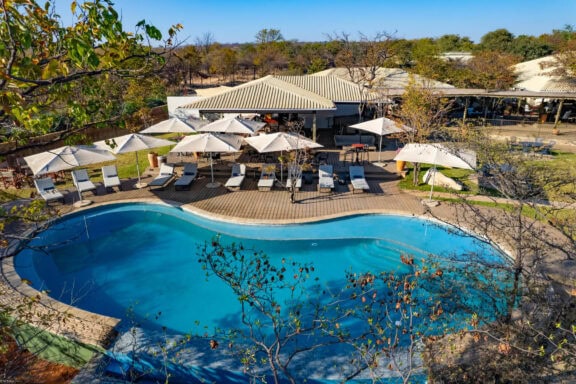
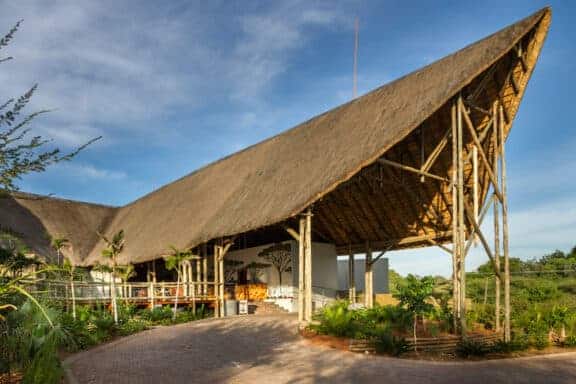
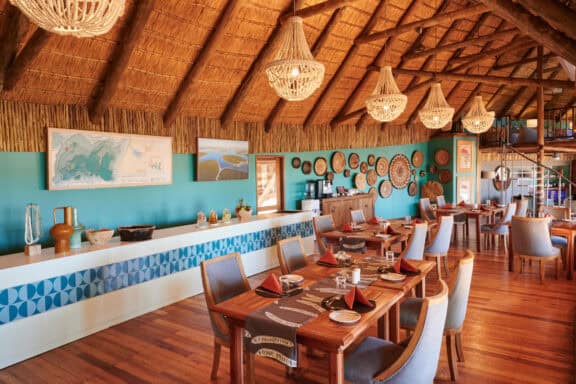
Chobe National Park has safari accommodations that rival the best on the continent. Some may choose accommodations according to their key interests, such as summer migrant bird species or certain predators.
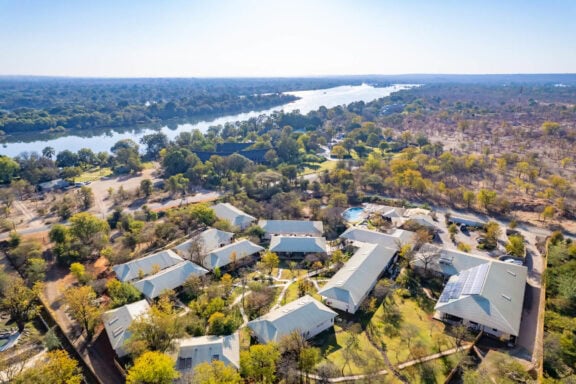
Chobe Riverfront has suitable suites and lodges, though it depends on whether you’ve come to Botswana to avoid the crowds. In the high season, this entire area becomes very busy. But it offers the thrill of river cruises and seeing enormous herds of elephants and buffalo. There are also excellent birding safari opportunities and fishing.
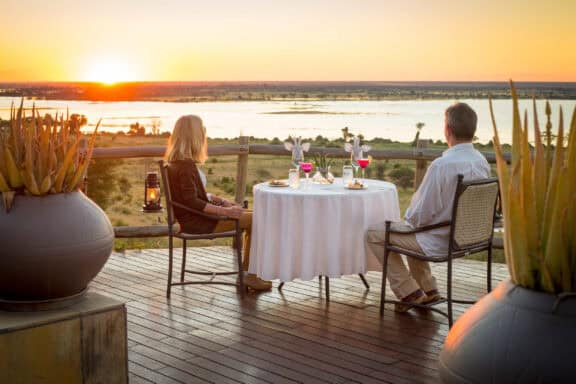
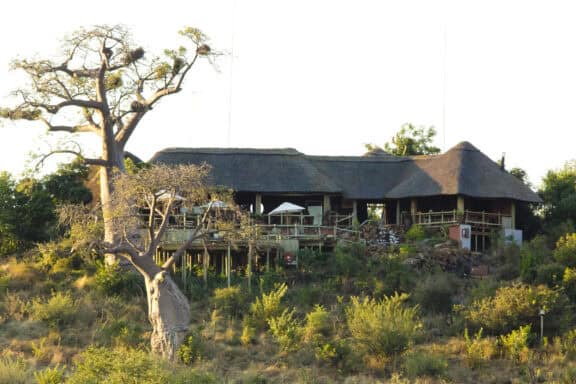
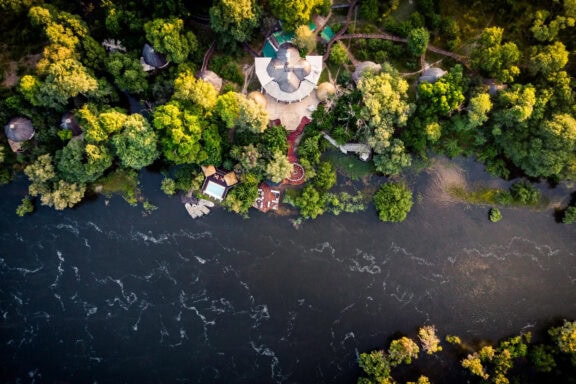
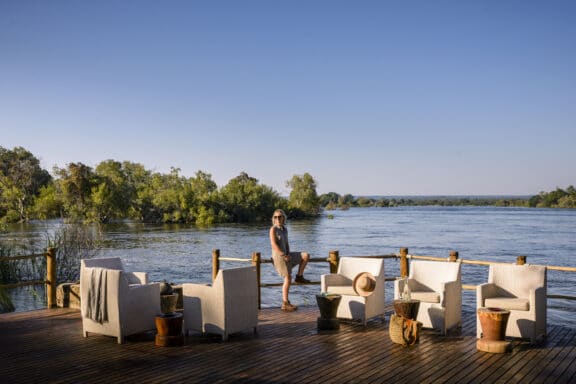
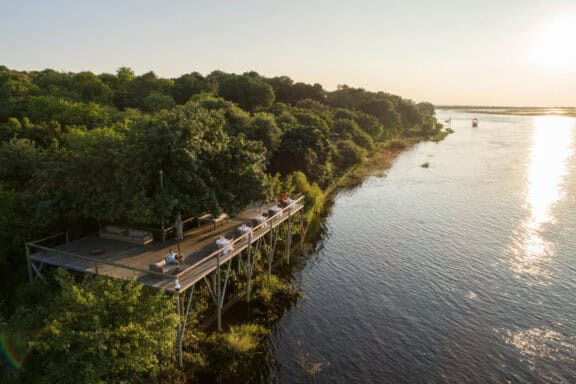
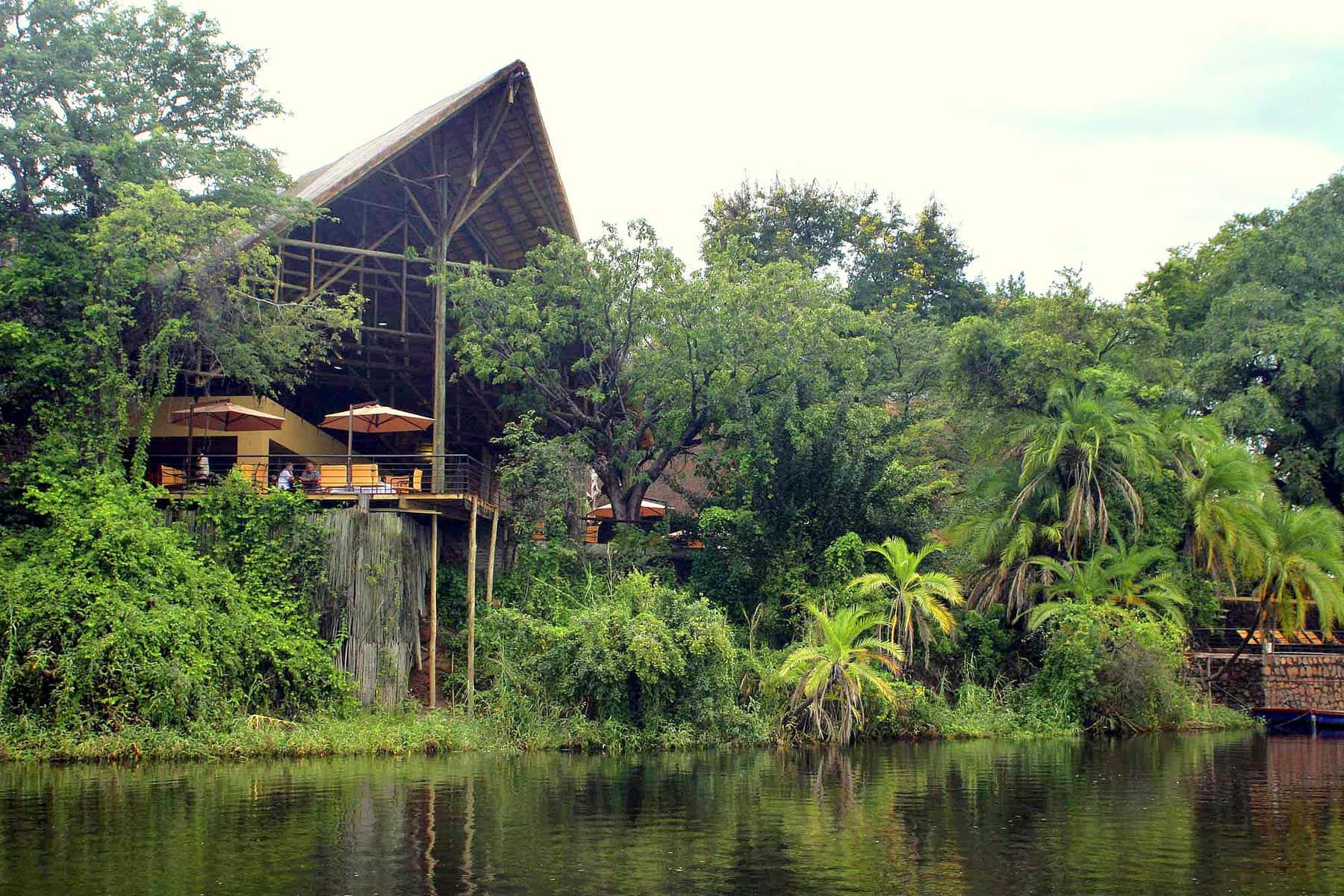
A true pioneer, Chobe Game Lodge is the oldest five-star lodge in the region. It’s also the only permanent lodge on the riverbank in the national park, which means you avoid the early morning gate queues and are on the park’s roads and river before any day-trippers arrive.
It was also the first in the area to launch a fleet of silent, solar-powered boats and vehicles, and today your safari is 100% powered by the sun. And then there are the Chobe Angels – Chobe Game Lodge has Africa’s first and only all-female team of guides and trackers.
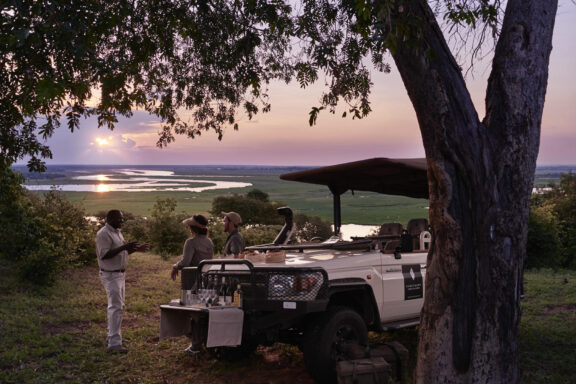
For a more intimate stay with ample space, head into the surrounding wilderness and stay under canvas at a camp in one of the private concessions. Flying is the quickest and easiest way to get around (and scenic planes fly low). Charter flights from Kasane or Maun are easily arranged.
The Chobe Riverfront: Floodplains Breathe Life Into the Ecosystem
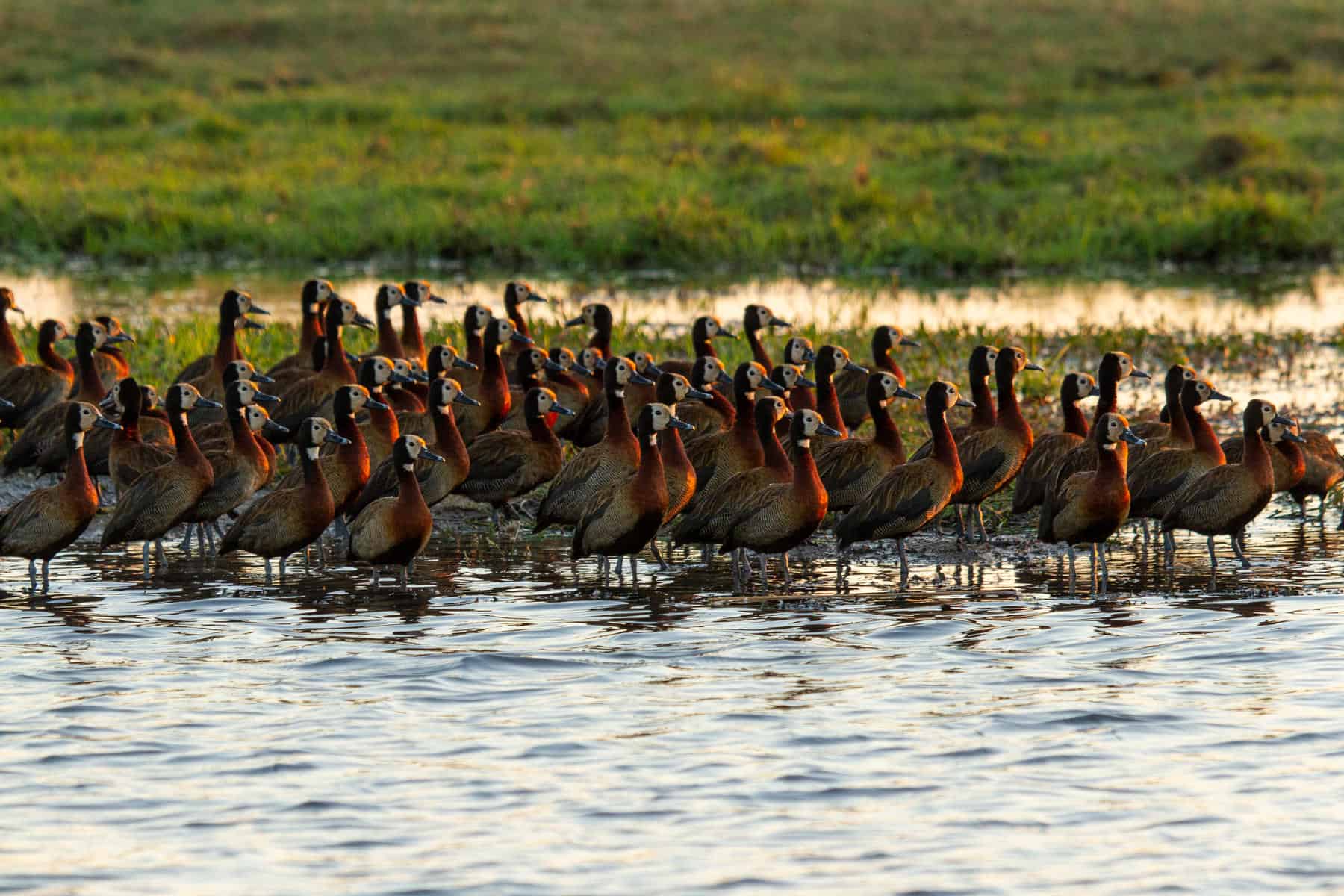
The most accessible and popular region is the Chobe Riverfront, or Serondela area, where the river itself winks through fringes of jackalberry and ana trees. The Serondela area forms the northern boundary of the Chobe National Park. Its lush plains and dense teak forests attract massive herds of buffalo, predators, and hundreds of bird species.
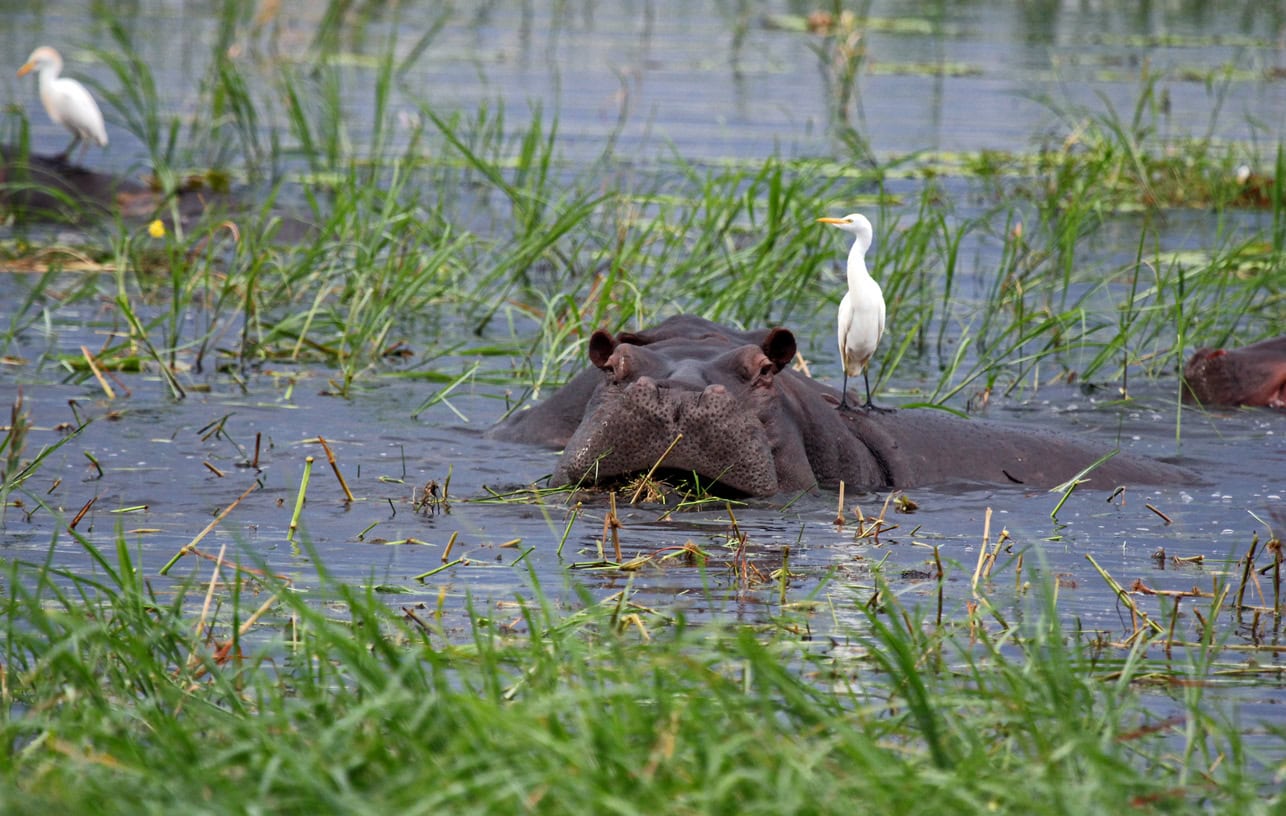
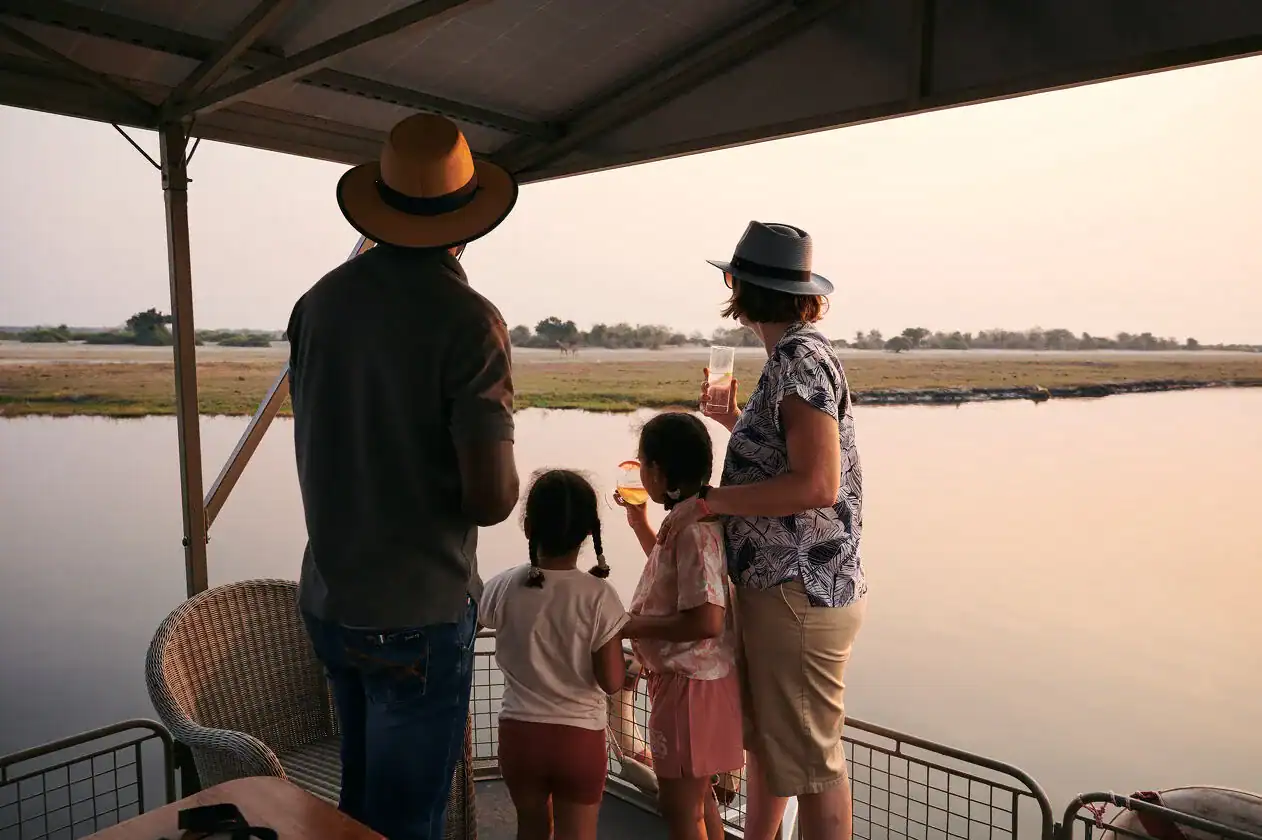
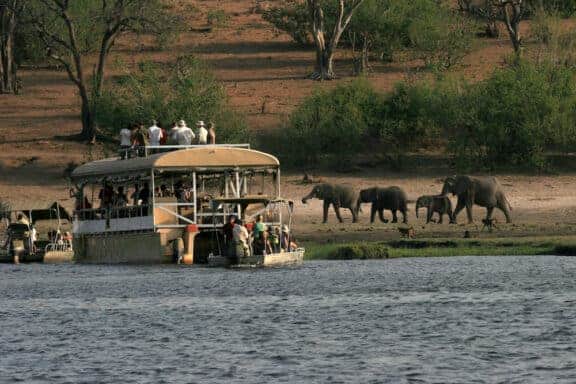
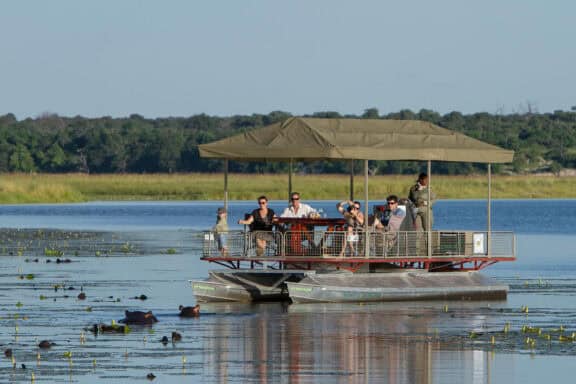
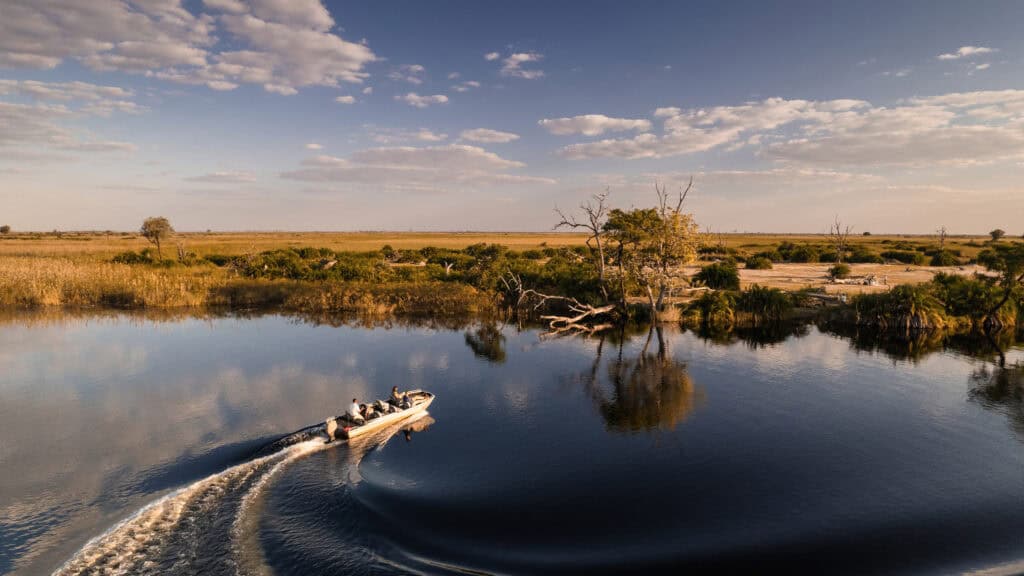
It’s famous for its boat safaris, offering a front-row seat to the rhythm of the wild. From your boat, you’ll see hundreds of elephants gathering on the riverbank, hippos yawning lazily, and crocodiles sliding quietly into the water, barely causing a ripple.
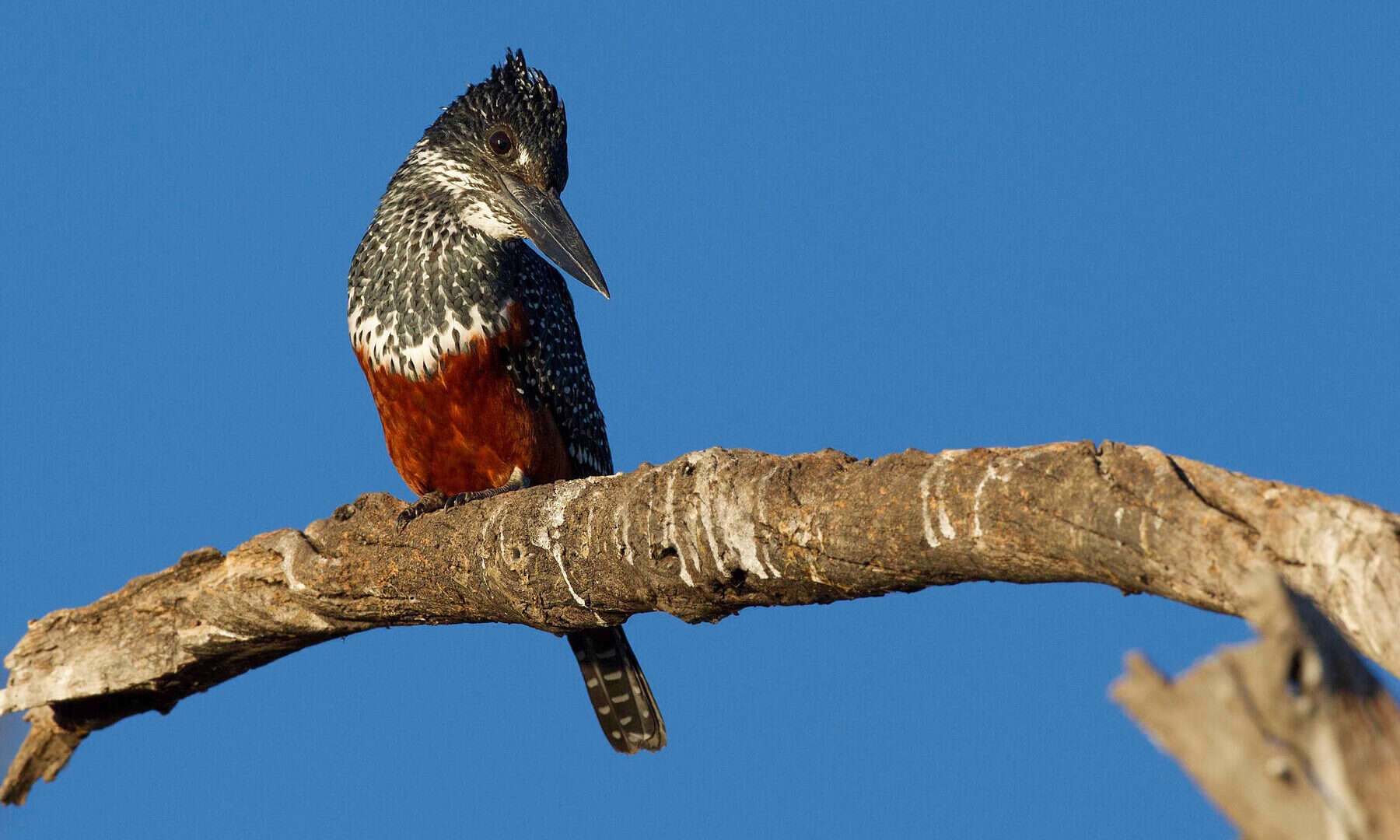
Because of its accessibility, the riverfront can become very busy during the high season, with safari vehicles often sharing sightings. But the trade-off is the sheer density of wildlife, including buffalo, zebra, and wildebeest, all trailed by predators such as lions and leopards. The skies are equally vibrant, with more than 450 bird species recorded, including the famous fish eagle with its haunting cry, the soundtrack to a perfect Chobe National Park safari.
Savuti: The Wild Heart
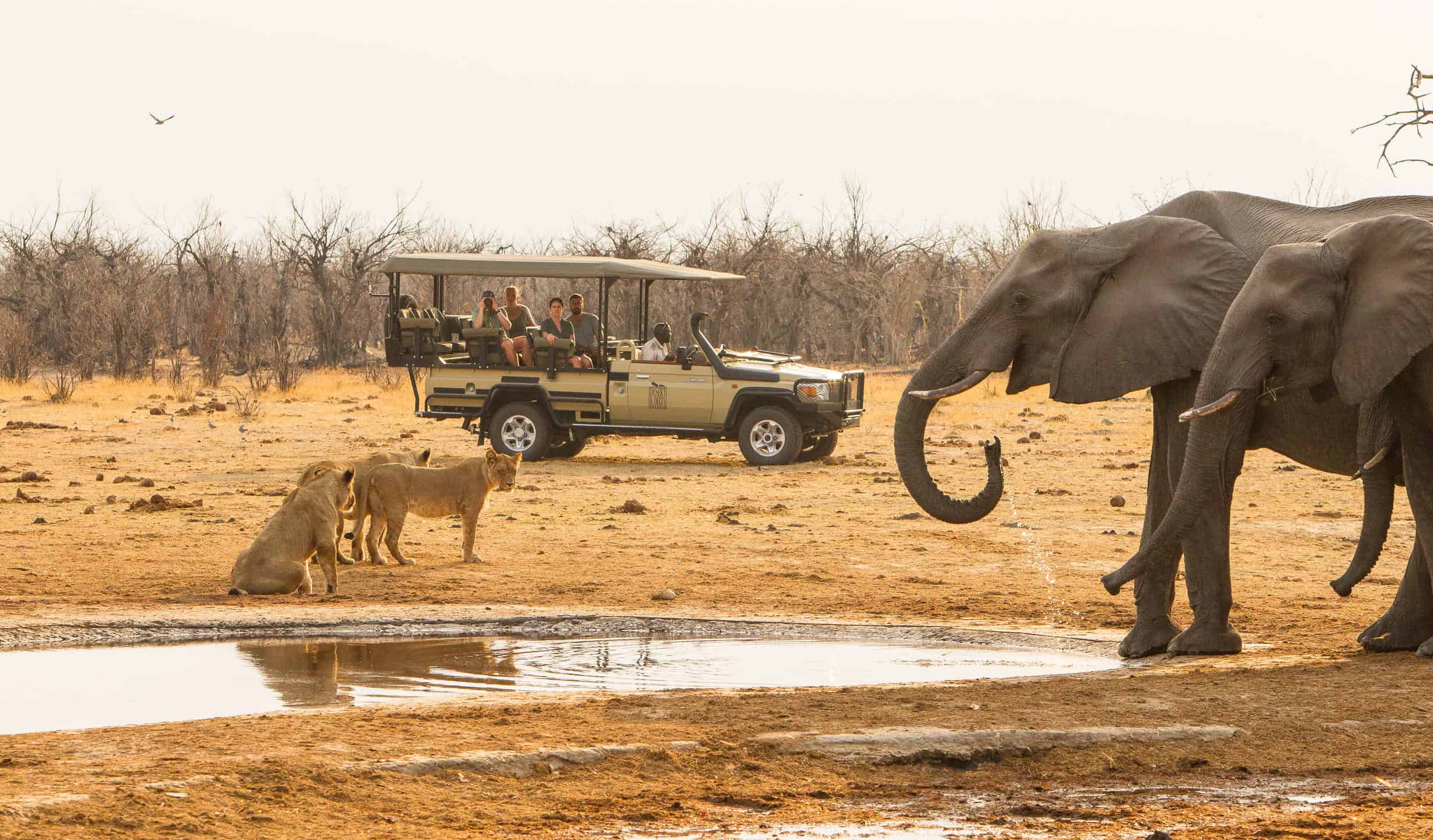
Deeper within the park lies Savuti (or Savute), a region that offers a starkly different experience from the lush riverfront. Savuti is famed for its mysterious, unpredictable channel, which can remain dry for years before inexplicably flowing again, to create temporary wetlands.
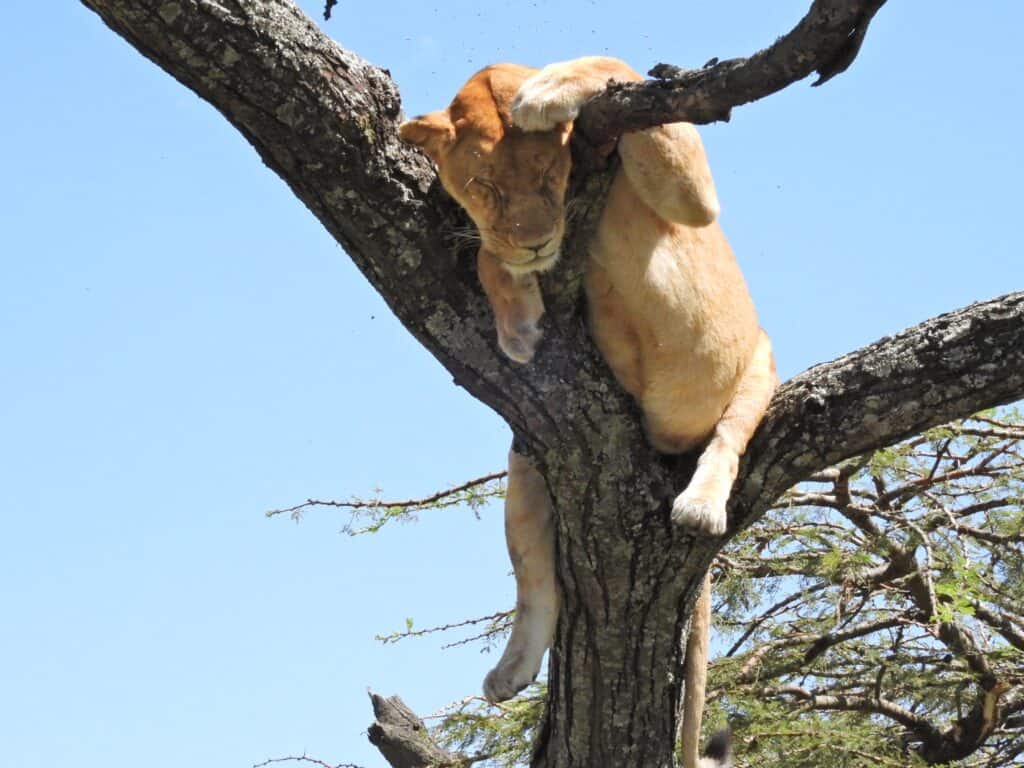
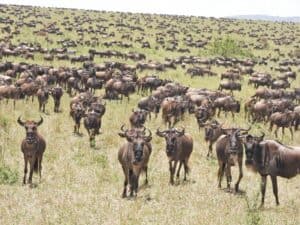
It’s a remote, wildlife-rich region in the southwestern section of Botswana’s Chobe National Park. With its wide-open grasslands and dramatic predator-prey interactions, Savuti is considered one of Africa’s premier big-game destinations. The arid landscape is home to elephant-hunting lions and is a major corridor for the annual zebra migration.
Savuti is a bucket-list destination to see predators in action; during the dry season, animals congregate around permanent waterholes, providing exceptional opportunities to see lions, leopards, cheetahs, and wild dogs.
There is also San rock art hidden among the rocky hills (kopjes) of Savuti, giving you a deep sense of the land’s history.
Little-visited Nogatsaa, to the south of the Chobe River, boasts a cluster of clay pans, valuable drinking holes that last well into the dry season.
Linyanti and Private Concessions
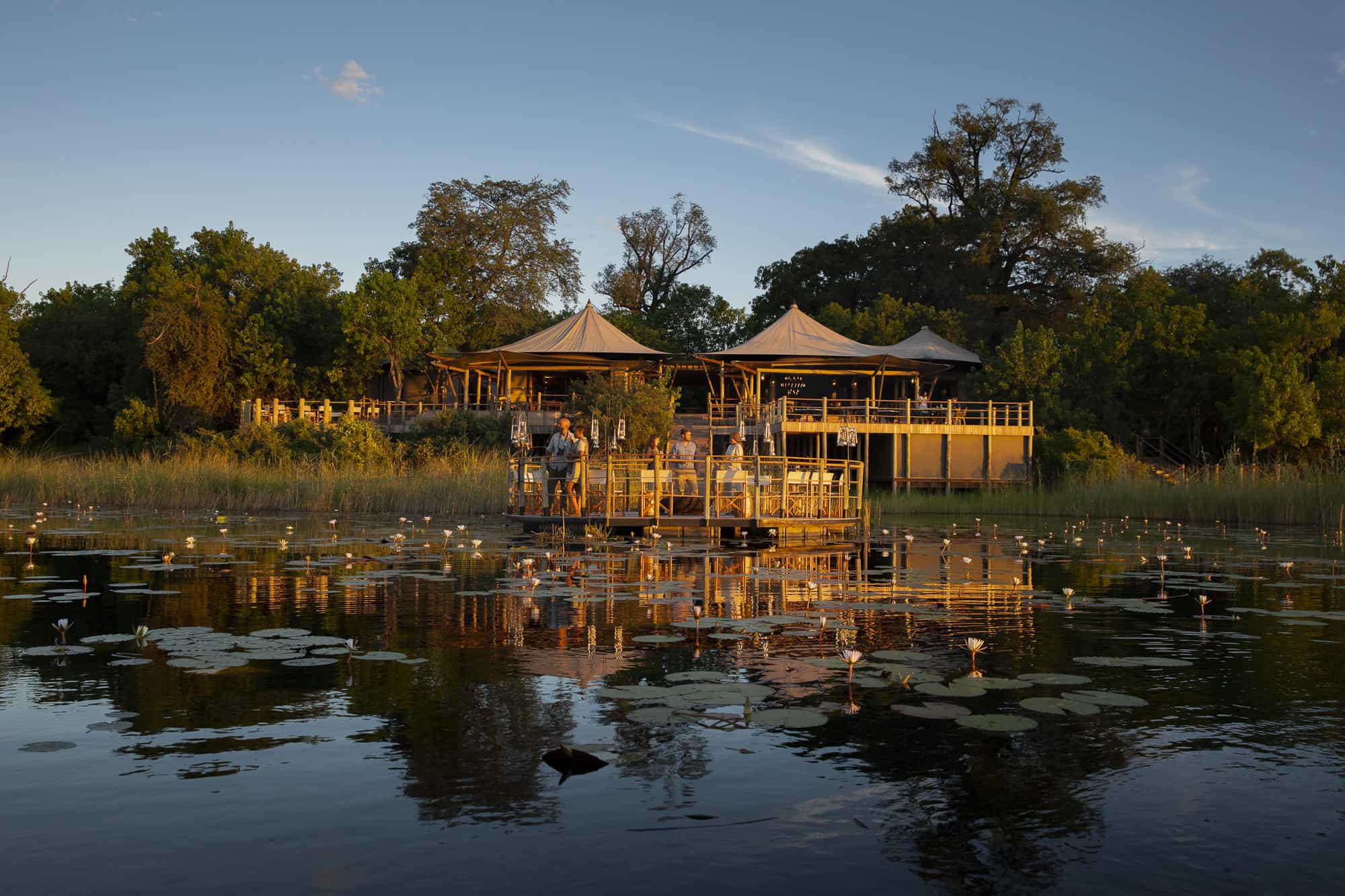
In the remote northwest corner of the park – sandwiched between the Okavango Delta and the Chobe River – is the Linyanti region, a pristine wedge of floodplains and woodlands rich in biodiversity. Linyanti is particularly famous for its population of African wild dogs and water-loving antelope like the red lechwe and sitatunga.
Dominated by riverine forests, wide floodplains, lagoons, and the meandering Linyanti Marsh system, it’s home to one of the world’s largest concentrations of elephant bulls. Private concessions in Linyanti allow after-dark spotlighting, where you can spot nocturnal species. Depending on water levels, seasonal boating and catch-and-release fishing are offered along the lagoons.
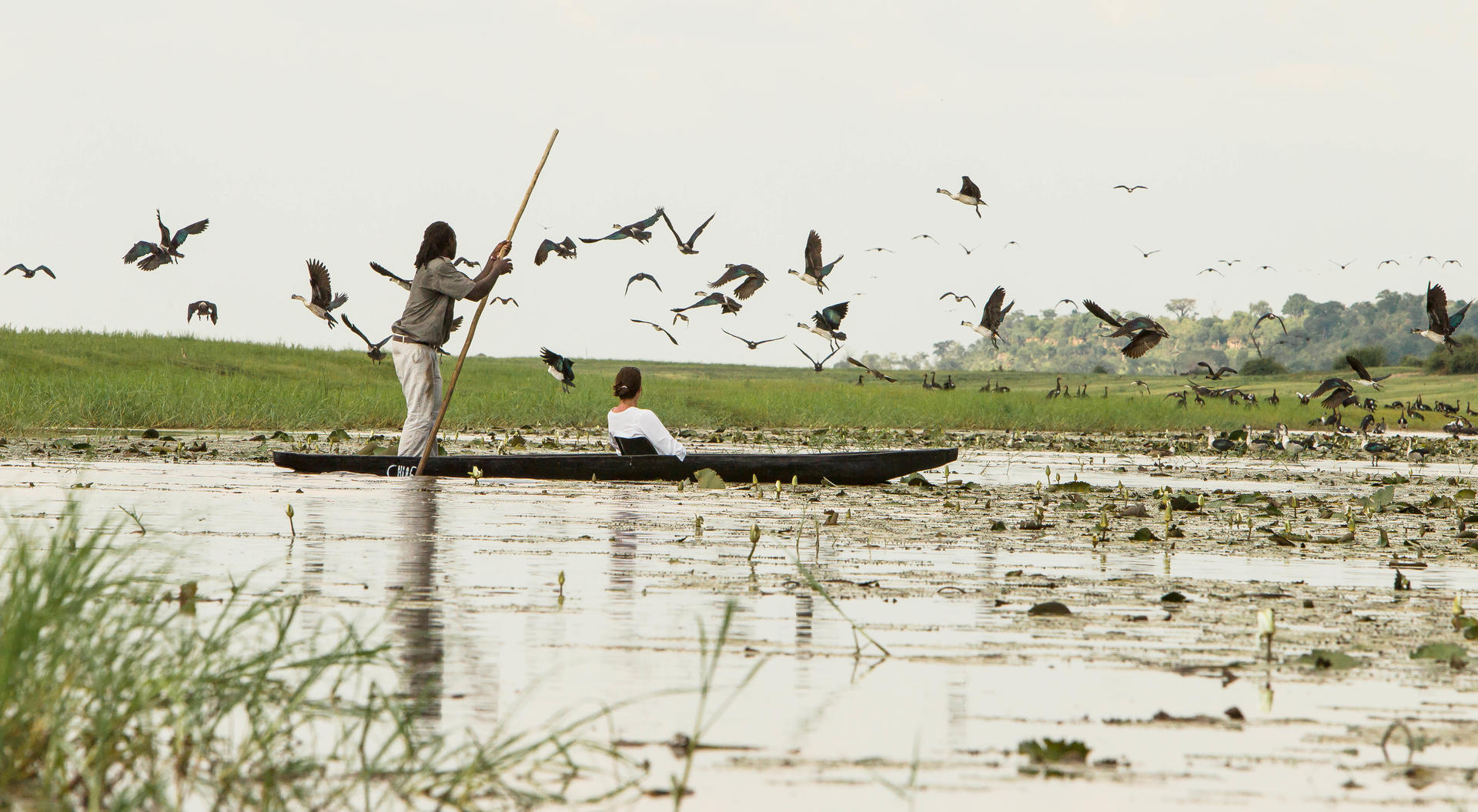
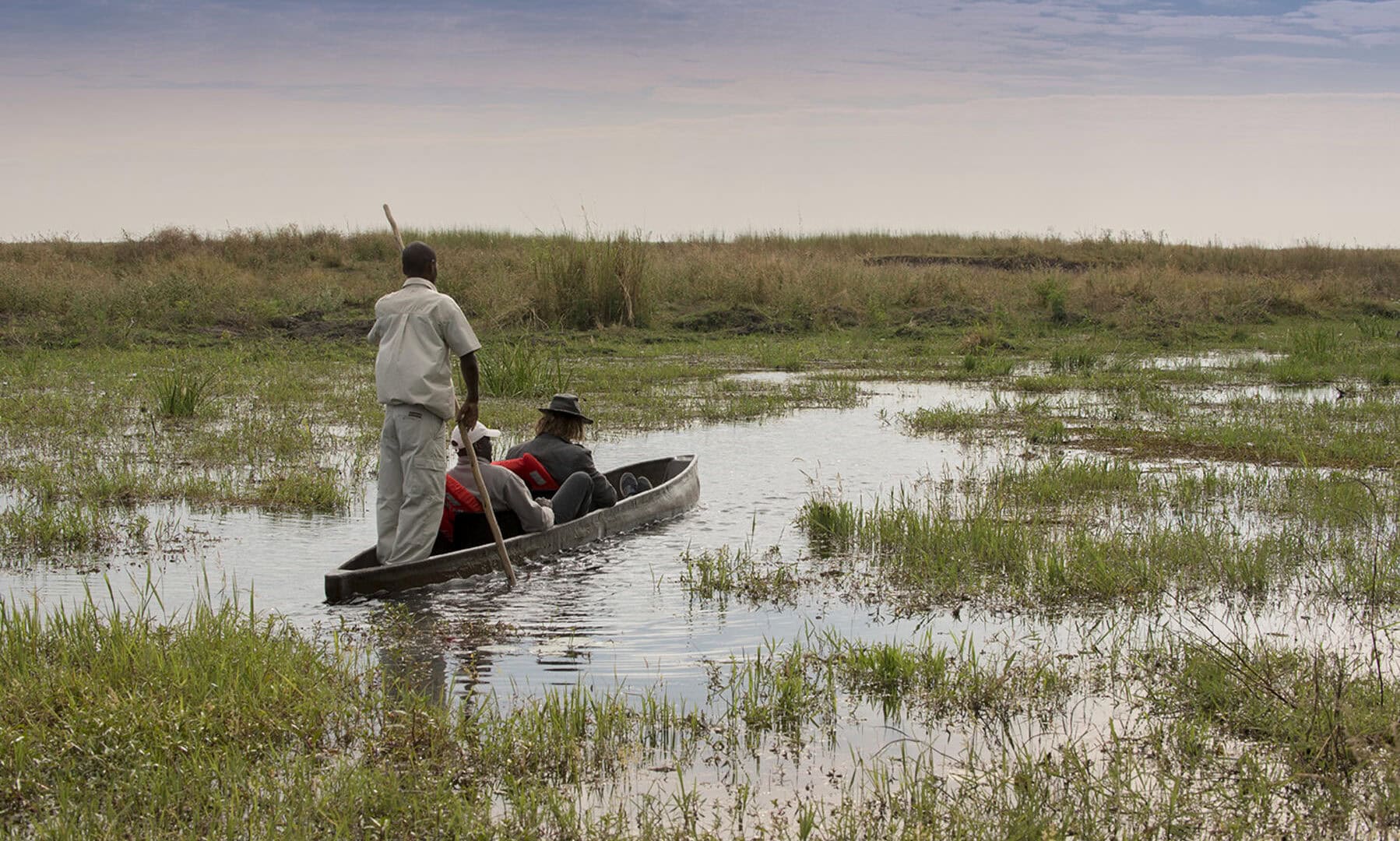
For travellers seeking exclusivity and intimacy, the private concessions adjacent to Chobe, such as Selinda, are ideal. Unlike the national park, these private areas can offer night drive safaris and guided walking safaris, adding a deeper dimension to the experience. In Selinda, you can go on mokoro (dugout canoe) paddling adventures, depending on water levels.
Wildlife and Specialised Safaris
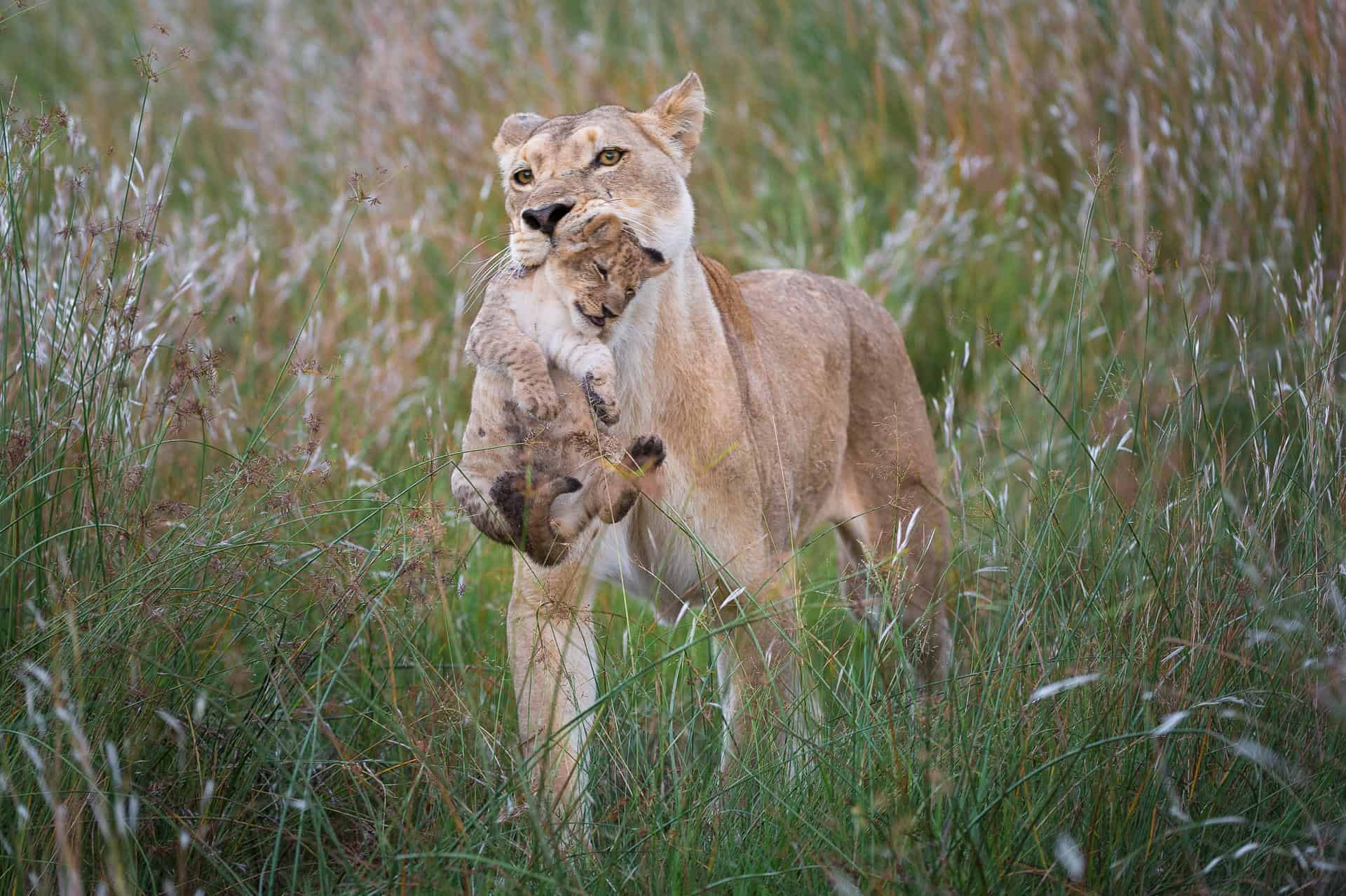
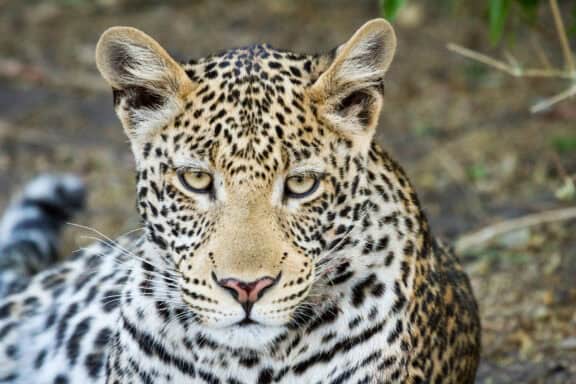
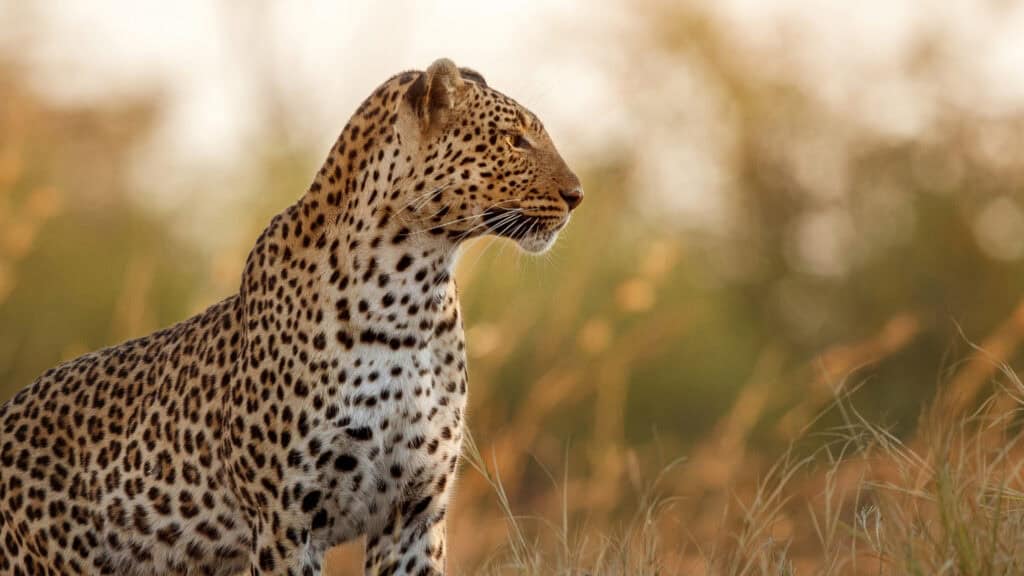
Chobe hosts four of the Big Five – elephants, buffaloes, lions, and leopards. Beyond the famous giants, the park is home to unusual locals such as puku, a rare wetland antelope whose males whistle to defend their territory, and secretary birds, a long-legged raptor that dispatches snakes with a powerful kick. Herds of buffalo roam the land.
Specialised safaris for various interests are possible:
- Birding: there are more than 450 species, and expert guides can help twitchers find elusive summer migrants.
- Photography: top-tier guides are able to help you get the perfect shot in high-action areas.
- Fishing: the Chobe River is a premier destination for tiger fishing.
When’s the Best Time to Visit Chobe National Park?
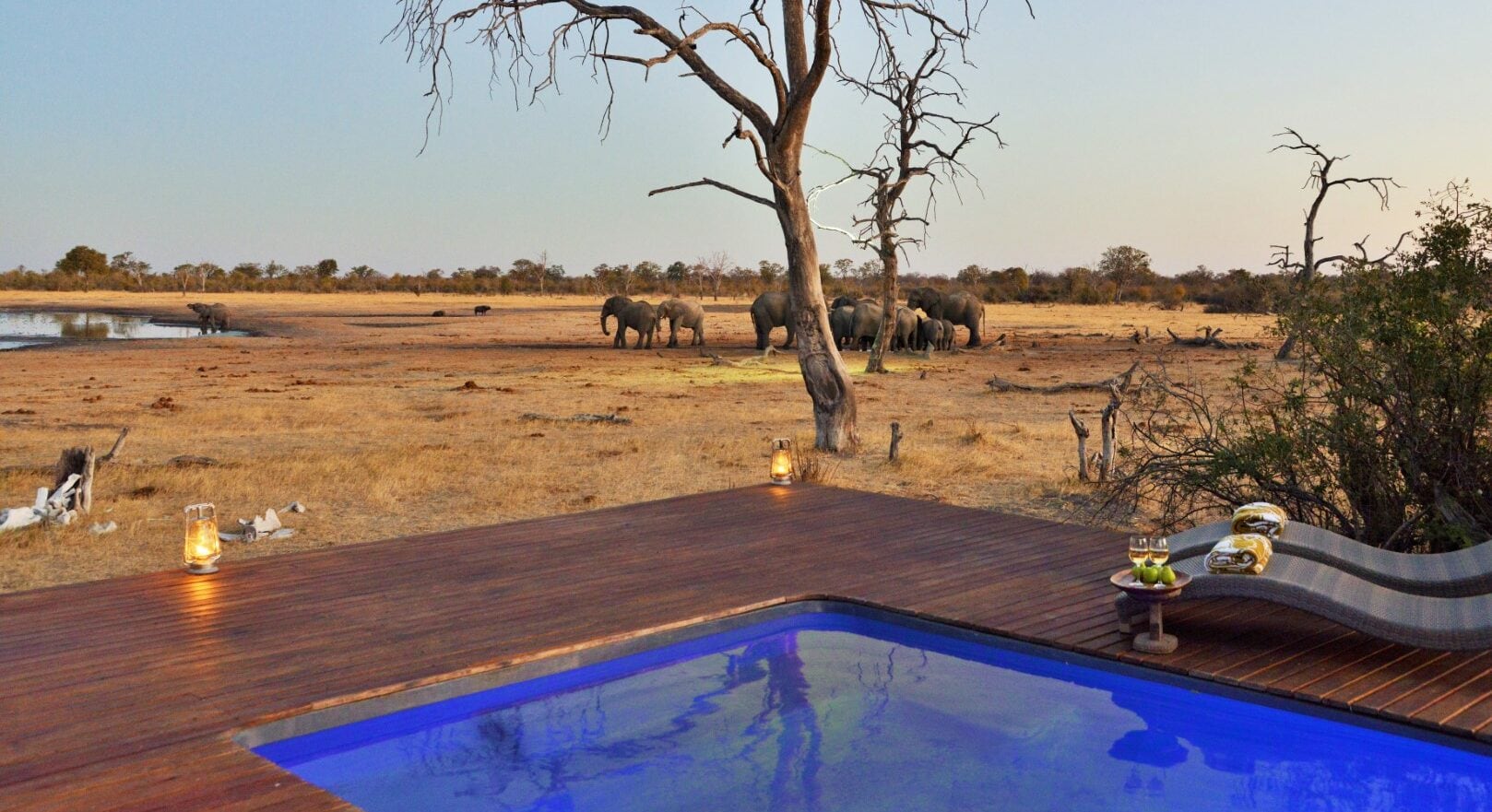
Although Chobe National Park can be visited throughout the year, May to October is excellent for game viewing, especially around waterfronts. The weather during this time is dry, forcing animals to gather around the main rivers and waterholes.
November to December sees herbivore migrations between the Chobe River and Savute Marsh. During the rainy season, the park bursts with life as baby animals make their appearance.
Practical Advice for Travellers
Travellers can fly into Kasane International Airport in the Chobe region of Botswana. You can then fly into the Savuti area from Kasane.
Flying is the most efficient and scenic way to navigate Chobe, with charter flights easily arranged from Kasane or Maun. Accommodation ranges from commercial resort-style lodges such as Chobe Safari Lodge to world-class camps with brands like Great Plains, &Beyond, and Wilderness.
Botswana is not a primary shopping destination, but visitors on a Chobe National Park safari should look for the region’s speciality: intricate baskets handwoven from mokolwane palm fibres. These world-class crafts feature traditional patterns with names such as Flight of the Swallows and Knees of the Tortoise, all woven by the Wayei and Hambukushu women.
Whether you’re drawn by the magic of a sunset river cruise or the raw adventure of a Savuti predator encounter, Chobe National Park is a place of abundance, where every pink-tinged dawn is an invitation to adventure.