

 Email us




Planning a family safari across two or more countries can feel exciting, right up until you start comparing flights, transfers, camps, and school holiday dates. Which places pair well? Will everyone cope with the travel in between? And is a second country worth the effort?
A well-planned multi-country African safari answers those questions before you commit. You get different landscapes and wildlife without a family worn out by moving every other day.
Organising a family holiday often falls to one person. You might be comparing camps after the children are in bed, wondering how a toddler and a grandparent will both enjoy the same itinerary. We’ve spent years on the ground in southern Africa, and we can help take some of that weight off.
Best Country Combinations for a First-Time Multi-Country Safari
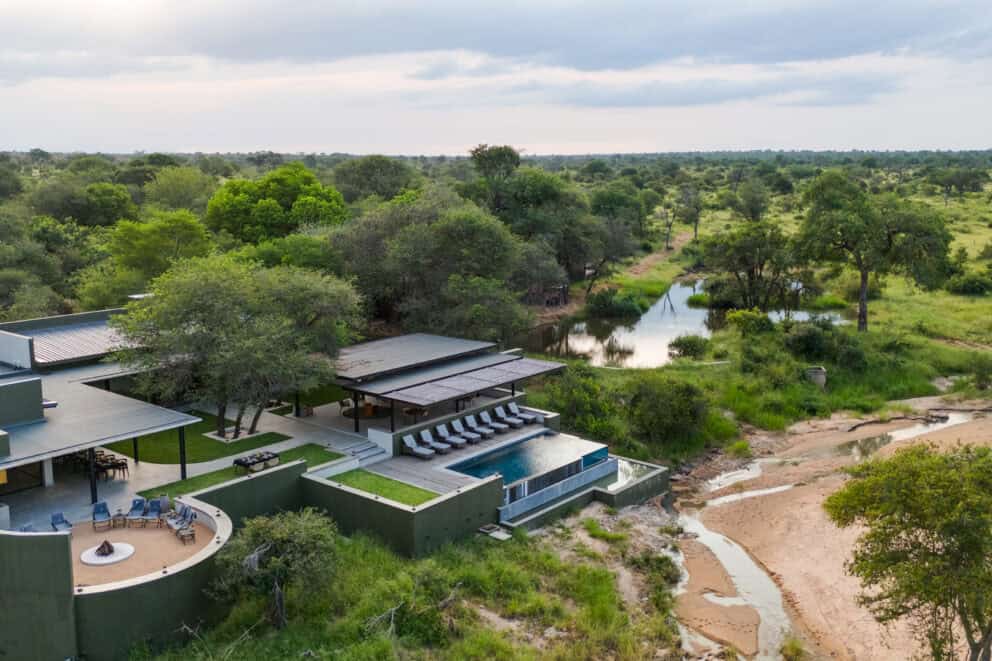
The right pairing depends on what you and your family want to experience: elephants at the water’s edge, big cats hunting through the bushveld, or a bush-and-beach breakaway.
If you’re considering combining safari countries in Africa for your next family vacation, these pairings work well.
1. Chobe National Park to Victoria Falls: Botswana and Zimbabwe
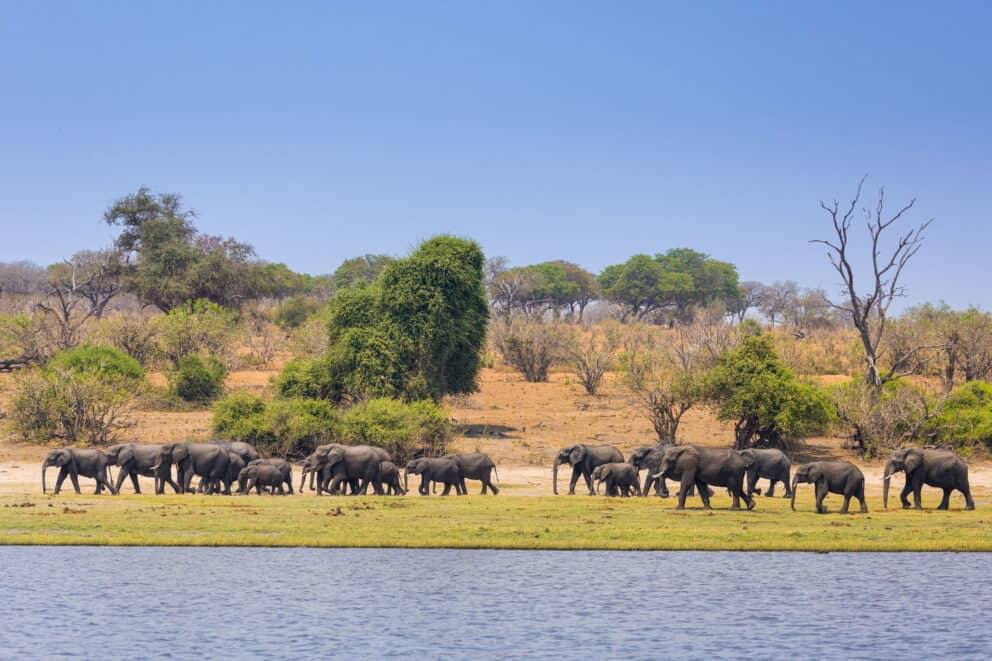
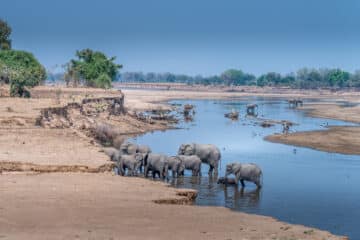
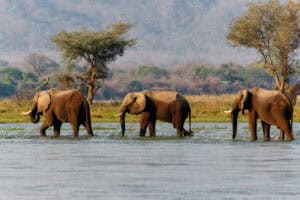
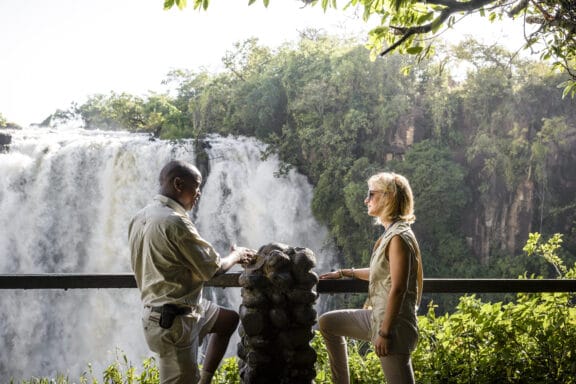
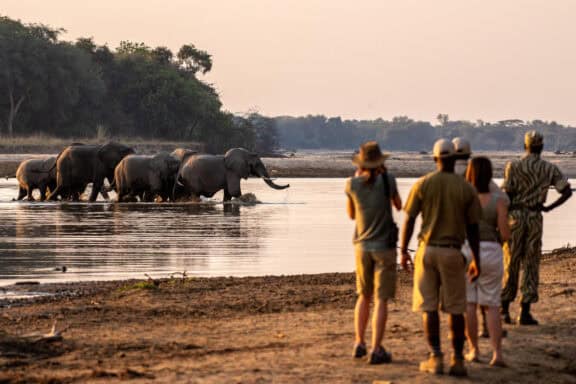
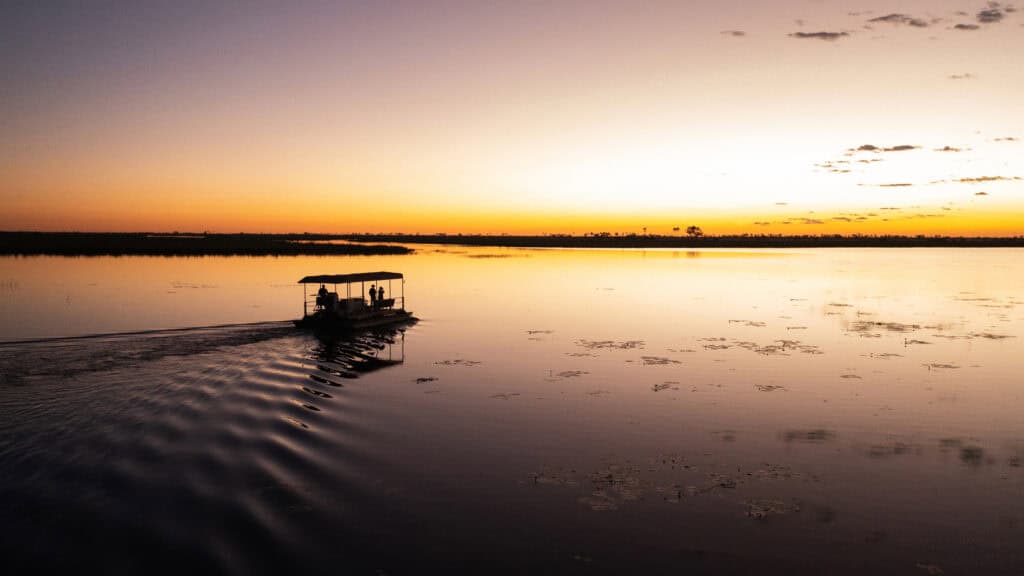
This is a gentle place to begin. In Chobe, you watch elephants cross the river from a boat in the late afternoon, then trade the bush for the spray and thunder of Victoria Falls. Kasane functions as a seamless transit hub, with Chobe lodges and the Falls connecting easily by road.
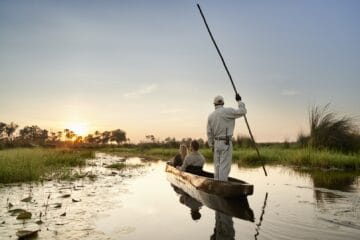
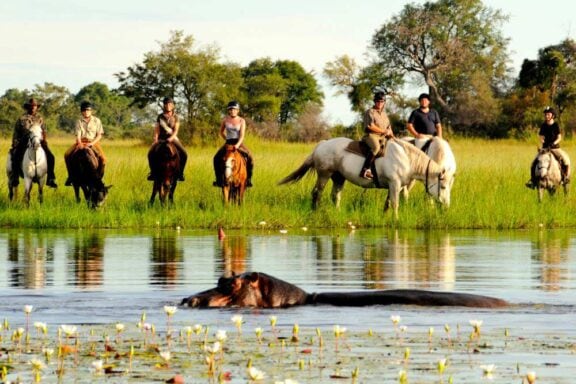
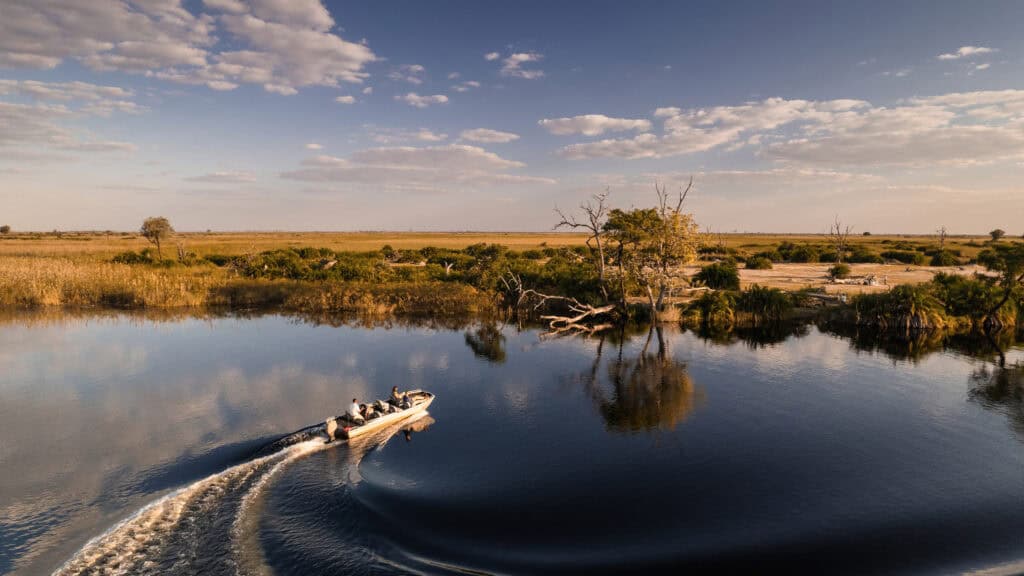
With more time, Hwange in Zimbabwe or the Okavango Delta in Botswana adds another layer. Camps in the Okavango Delta run motorboat and traditional dugout canoe excursions depending on water levels.
Reaching the Delta usually means a light aircraft flight, so luggage limits and connections need to fit the plan. For a shorter trip, keeping the itinerary to Chobe and the Falls avoids unnecessary transit.
Itinerary inspiration: This five-day safari takes you to Victoria Falls to not only see the magnificent world wonder for yourself but also to enjoy a sundowner cruise on the Zambezi. Next, you’ll cross the Kazungula border and head to Chobe National Park (which takes about two and a half hours).
The Best Time to Combine Chobe and Victoria Falls

Victoria Falls is at full flow from March to May, after the summer rains. At that point the spray is so dense you’ll be soaked, and you may struggle to see much of the Falls at all.
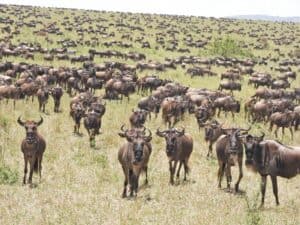
Chobe is best from June to October. As the bush dries out, elephants and buffalo crowd the riverfront to drink.
June to August gets both at their best: strong flow at the Falls, good game viewing on the river, and mild days that suit children. By September and October the game is at its densest, but Chobe gets very hot and the Falls thin out. The Zambian side can dry to a trickle, so plan to view from Zimbabwe.
Tip: Want the Big Five? Swap out Chobe for the Greater Kruger in South Africa. A Kruger and Vic Falls itinerary is a perfect pairing, as there are direct flights between Kruger Mpumalanga International Airport and Victoria Falls International Airport.
2. Cape Town to the Okavango Delta: South Africa and Botswana
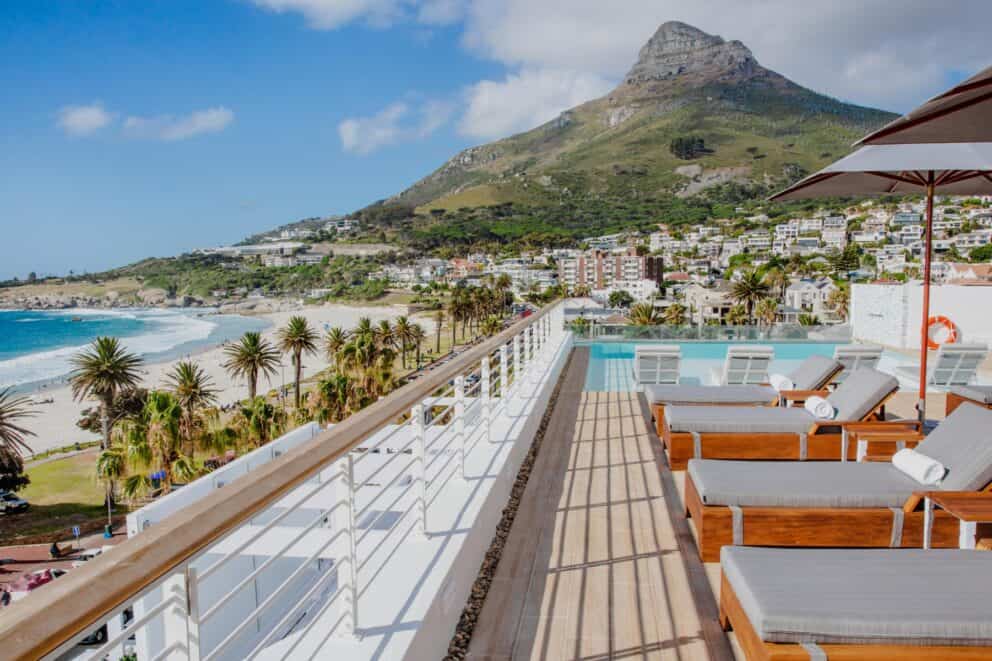
If you want your Africa adventure to combine city exploration with time in the wilderness, Cape Town and the Okavango Delta could be your ultimate pairing. The key is Maun, the gateway to the Okavango Delta. A direct flight from Cape Town takes about two and a half hours, so you can avoid routing through Johannesburg.
The flight usually lands early enough to connect to a light aircraft the same afternoon, so you can be at your Delta camp in time for sundowners. Confirm the schedule when you book, because a missed connection in Maun costs you a night in town rather than in the bush.
Start or finish in Cape Town depending on your family. Starting there gives everyone a few days to get over jet lag before the 5:30 am wake-up calls for game drives begin. Finishing there gives you a comfortable buffer before your long-haul flight home, since Cape Town has far more international connections than Maun.
Tip: Routing through Johannesburg could bring another wilderness experience into your itinerary. This 11-day South Africa and Botswana itinerary starts in Cape Town before heading to the Greater Kruger for a Big Five safari. The final stop is the Okavango Delta to explore this watery paradise.
The Best Time to Combine Cape Town and the Okavango Delta

The Delta runs on its own clock. Its floodwaters start arriving in May after the summer rains in Angola. July and August are the prime months for mokoro excursions and for wildlife concentrated on the islands.
Unfortunately, that’s also Cape Town’s cold, wet winter. September is the sweet spot: water is still in the Delta, and Cape Town is warming into spring. In October the Delta gets hotter and water levels begin to drop.
3. Kruger to the Mozambican Coast: South Africa and Mozambique
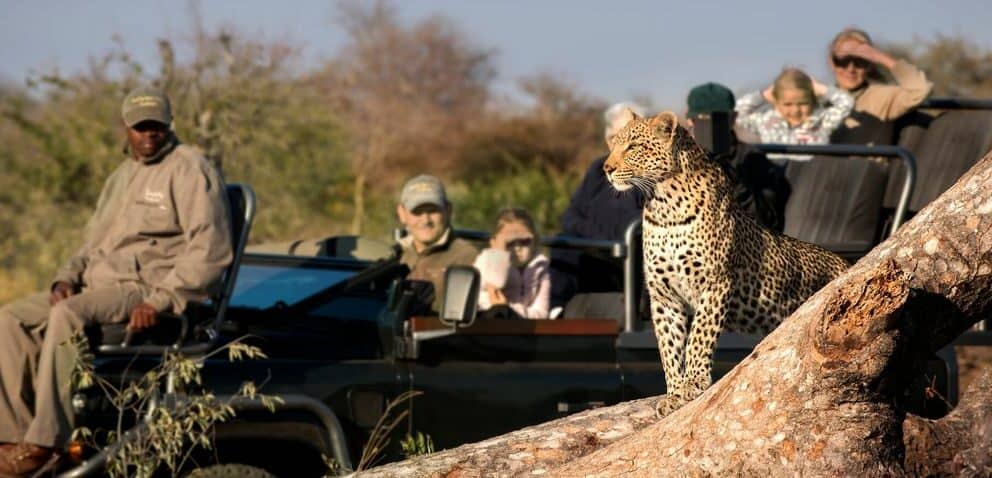
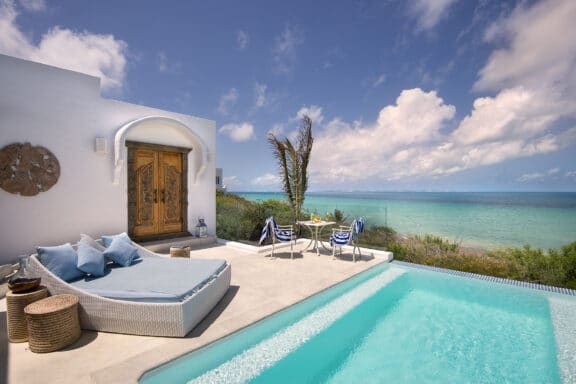
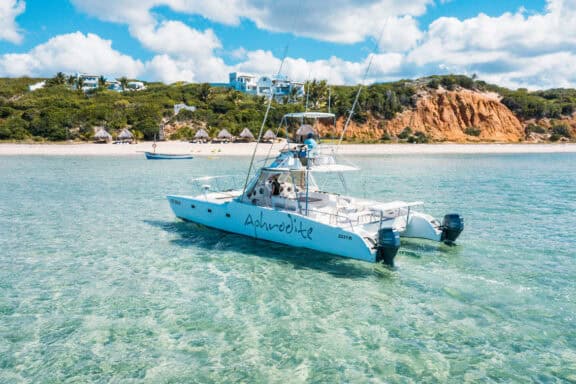
Kruger and Mozambique is a classic bush-and-beach combination. A few days of early game drives in the Greater Kruger, followed by lazy days by the Indian Ocean, is about as good as family pacing gets. Everyone copes with the 5:30 am wake-ups, knowing a beach is waiting.
Getting from Kruger to Vilanculos (the gateway to the Bazaruto Archipelago) is simple with direct flights (depending on the time of the year) between Kruger Mpumalanga International Airport and Vilankulo Airport. If you’re travelling outside of peak season, you’ll have an overnight in Johannesburg before heading to Mozambique.
Tip: Give Kruger at least three nights so you have two full days in the bush. Then let the beach run longer: four or five nights on the coast is what turns this into a holiday rather than a short tour.
The Best Time to Combine Kruger and Mozambique
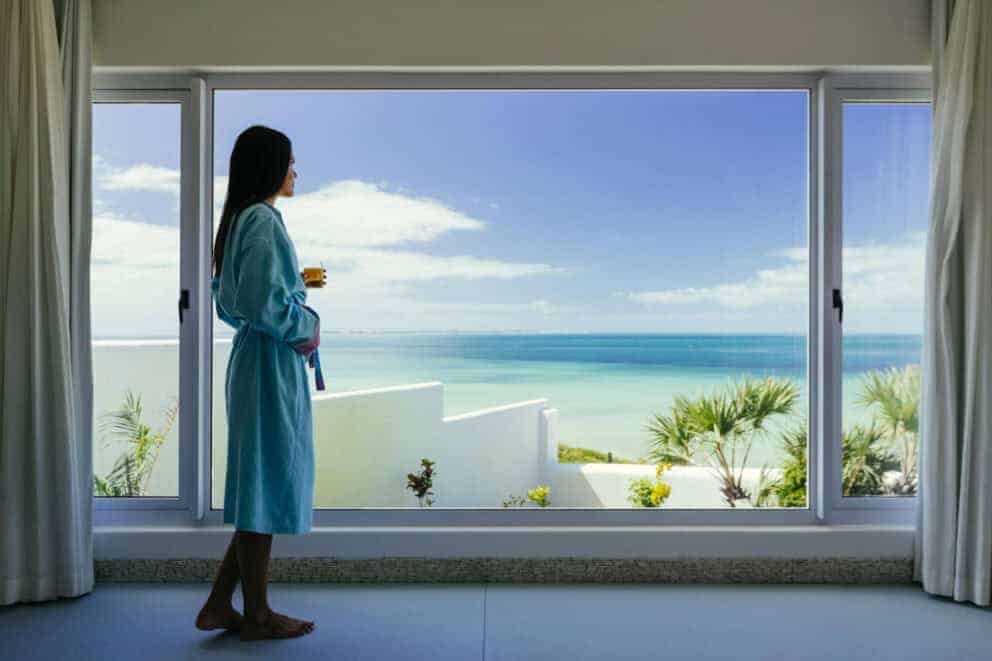
May to October is the strongest window for both. Kruger’s dry winter thins the bush and draws animals to water sources, making for easier sightings. Mozambique’s coast is sunny, dry, and comfortably warm rather than sticky humid.
September and October are the ideal window. Game viewing in Kruger peaks before the rains, and humpback whales are often still passing the southern coast on their migration.
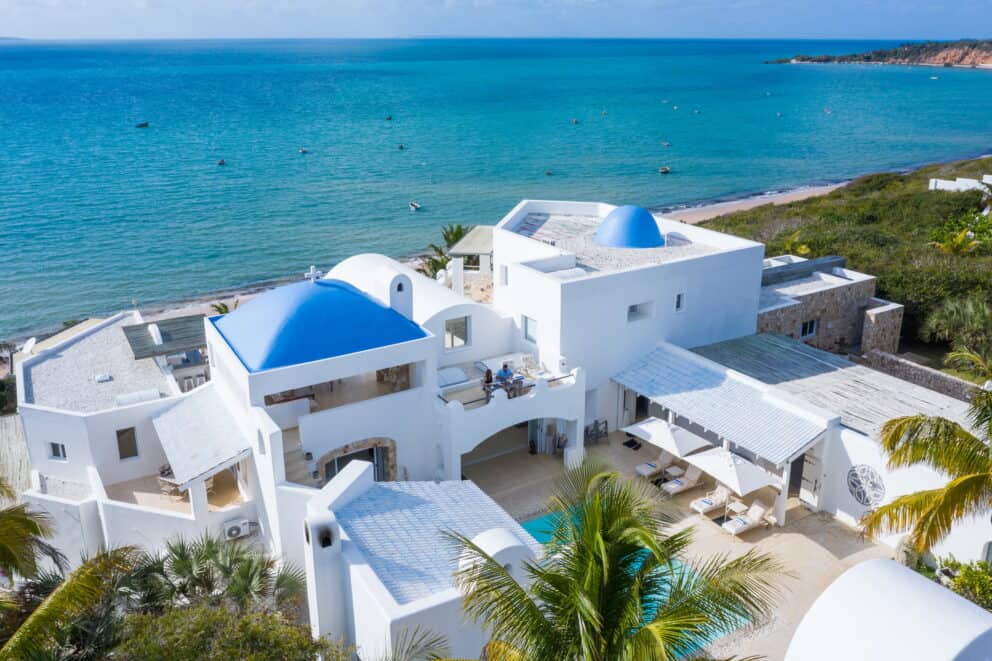
Inspiration for Your Journey: This bush and beach safari is the perfect way to explore Kruger’s wilderness within a private game reserve before being welcomed to a beach paradise in Mozambique.
Practical Logistics for a Multi-Country African Safari

Executing a multi-country African safari requires paying close attention to luggage rules, entry paperwork, and health precautions well before departure.
Luggage Restrictions on Bush Flights
Light aircraft connecting remote camps enforce strict baggage rules. Passengers are typically limited to 15 kg to 20 kg (33 lbs to 44 lbs) total per person, including hand luggage.
Bags must be soft-sided duffels without rigid frames or wheels so handlers can fit them into small aircraft luggage pods. Most bush camps provide daily laundry services to make packing light straightforward.
Good to know: Light aircraft going into game reserves and national parks can do multiple stops on a journey. So, you may experience a couple of takeoffs and landings before you arrive at your stop.
Entry Visas and Border Clearances

- The KAZA UNIVISA: This joint visa covers travel between Zimbabwe and Zambia for eligible nationalities, allowing visits to both sides of Victoria Falls. It also permits day trips into Botswana through the Kazungula border post without requiring a new visa upon return.
- eVisas: Countries, such as Mozambique, require travellers to get an eVisa before arriving
- Child Travel Documentation: South Africa and Botswana strictly enforce regulations when travelling with children. Parents travelling with children under 18 must carry unabridged birth certificates showing details of both parents, alongside notarised consent affidavits if a minor travels with only one parent or guardian.
Don’t worry, your Discover Africa safari expert will guide you through exactly what you can expect from your transit for your specific itinerary, as well as any documentation you need to bring along.
Health and Camp Policies
Botswana, Mozambique, Victoria Falls, and Kruger sit in malaria-risk zones, making a visit to a travel health clinic essential before starting your adventure. Additionally, many private lodges set minimum age requirements for children and specific age limits for activities like walking safaris and canoe excursions.
When you plan your safari with a Discover Africa expert, you’ll be advised on the right camps for your family and for what type of safari you want to experience.
Recommended Duration: How Long Do You Need?

Ten to 14 nights is a practical baseline for a multi-country safari that gives you a proper break and allows you to really explore, though flight schedules and your family’s preferred pace will shape the final numbers. Always count international arrival and departure days first.
After a long-haul flight, an overnight stay near your arrival airport before flying into a remote camp keeps everyone rested. At the end of the trip, building in a comfortable buffer prevents tight connections before your long flight home.
A sample ten-night flow for a Botswana and Zimbabwe journey might look like this:
- Two nights at Victoria Falls
- Three nights along the Chobe Riverfront
- Three nights in the Okavango Delta
- Two nights of buffer and transit around international flights
This structure is a flexible guideline rather than a rigid template. A family with younger children might skip light aircraft transfers and spend four nights in Chobe, while a family with teenagers might add a camp in Hwange National Park.
Multi-Country Safari Experiences: What’s Worth Paying For?
A higher price point doesn’t automatically guarantee a better family safari. What matters is spending where it directly improves comfort, flexibility, and shared moments.
Private Vehicles: Securing a private game drive vehicle gives your family total control over your schedule. If younger children get tired or cold after two hours on a drive, you can return to camp immediately without affecting other guests.
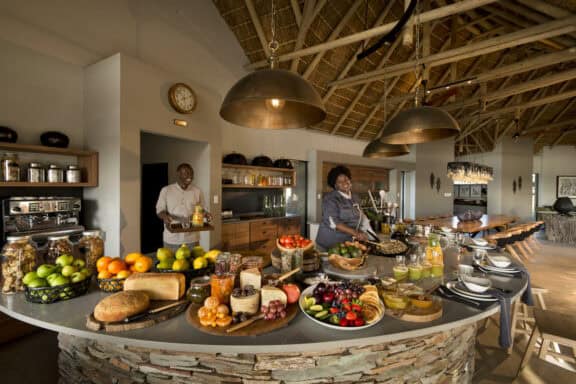
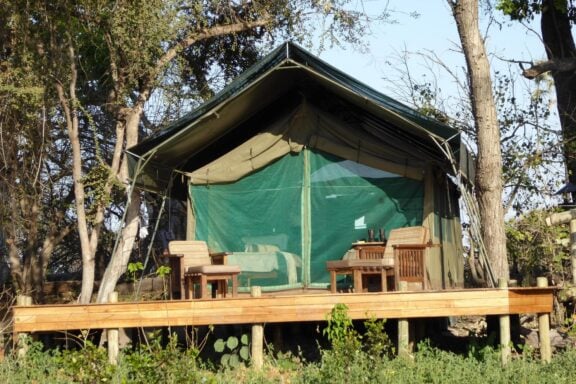
Exclusive-Use Stays: Family suites, private villas, or exclusive-use camps provide communal living spaces where everyone can gather, along with dedicated staff to cater to your family’s meal preferences and daily routines.
Pacing Over Extra Destinations: Allocating budget toward an extra night at a well-positioned camp can add more value and relaxation than opting for extra regional flights to squeeze in a third or fourth country.
“would rather advise my clients to spend longer in fewer places than rush from one lodge or country to the next. Some of the best safari moments happen when you slow down.”Expert Insight


Plan Your Multi-Country Safari With Us
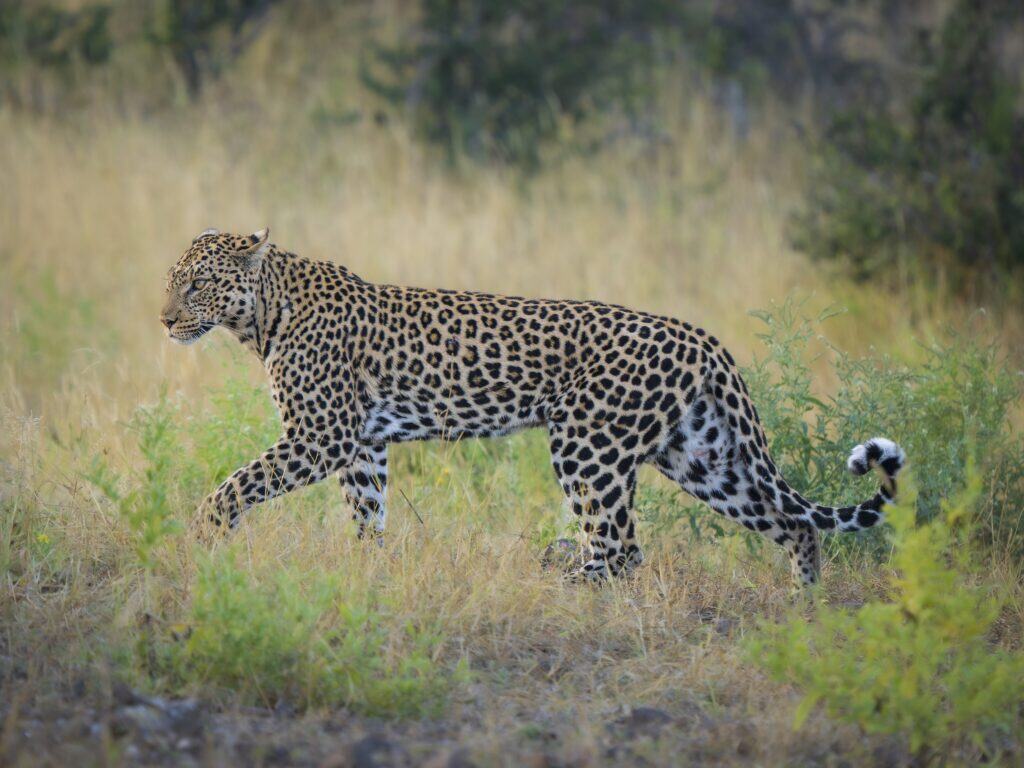
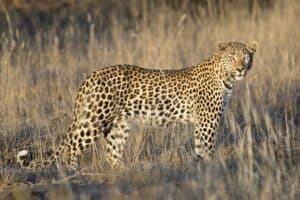
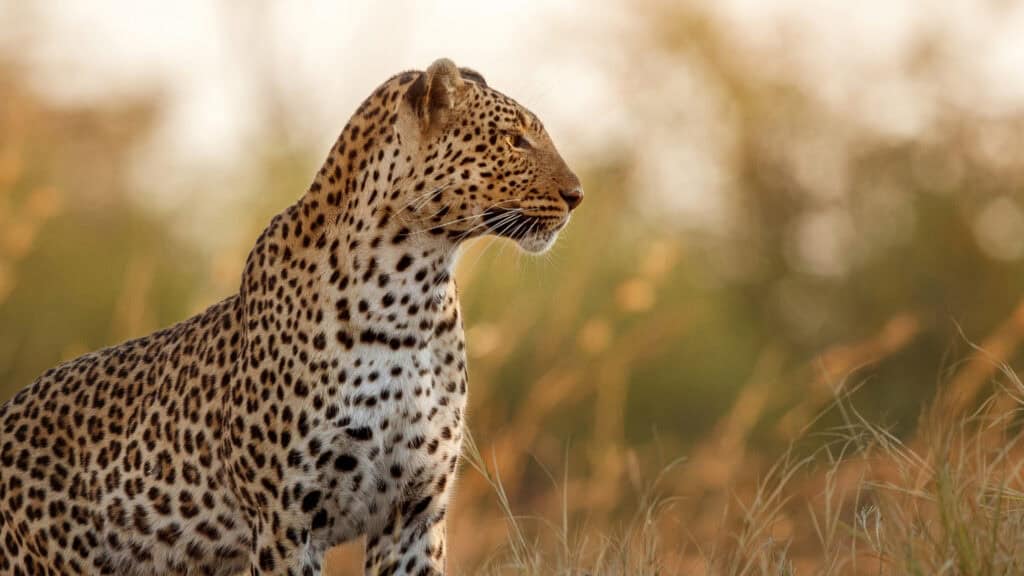
Planning a multi-country African safari starts with choosing the moments you’d love to share as a family, whether that means watching elephants along the Chobe River, standing before Victoria Falls, or tracking leopards in Kruger.
We help you compare destination options, select lodges aligned with your needs, and coordinate all cross-border flights and transfers. You can also count on us to be completely honest about what works and what doesn’t.
While AI can be a good starting point when exploring options for a multi-country safari, it can get things wrong. Trusting someone who has been to the places you’re researching can ensure an incredible – and practical – experience.
You don’t have to have every detail locked down to chat to a safari expert. Whether you’re starting with dates, places, or simply a dream, we can help you create the ideal experience for you. Let’s chat.

Written by Yamkela Welaphi
• Travel Writer
Discover the African Journey that’s Right for You
 Blog List
























Written by Yamkela Welaphi
• Travel Writer
Part of the Southern Africa Safari, Beach Holidays in Africa & Big Five Safaris Collections