

 Email us





There comes a point in almost every safari plan where the excitement gives way to uncertainty.
You’ve compared countries, saved more lodges than you can remember and probably changed your mind a few times along the way. Kenya looked tempting. Botswana had its appeal. Then you found yourself coming back to one destination in particular.
Kruger National Park in South Africa.
The wildlife looks extraordinary. The lodges feel like somewhere you’ve always wanted to wake up. Every photograph seems to promise the safari you’ve imagined for years.
Then another question appears: Is a Kruger National Park safari experience enough?
Not because you’re worried about the wildlife. You’re wondering whether you’ll board your flight home wishing you’d seen more of South Africa. Should you spend every night on safari or make time for Cape Town? Is Victoria Falls worth adding? If you’ve travelled this far, should you fit in as much as possible?
They’re sensible questions. After all, this isn’t the sort of holiday most people take every year.
The reassuring news is that there isn’t one right answer. There’s only the itinerary that feels right for you.
Before deciding whether to add another destination, it helps to understand what Kruger does exceptionally well and what another few days elsewhere might add.
The Better Question Isn’t “Is Kruger Enough?”
When people ask is Kruger National Park worth it or whether it’s enough, they’re usually asking something else, namely, “Will we feel we’ve made the most of our time?”
It’s easy to assume that more destinations automatically mean a better holiday. Sometimes that’s true. Sometimes, trying to fit everything into one itinerary means spending more time packing, flying, and checking in than simply enjoying where you are.
The first game drive is exciting because everything feels new. By the third morning, something changes. You stop searching for a checklist and start noticing the smaller moments. Fresh tracks crossing the road. A herd of buffalo moving silently through the trees. The anticipation when your guide slows the vehicle because they’ve spotted something ahead.
Those moments are difficult to rush.
That’s why many people leave wishing they’d spent one more day in the bush, not one less.
If a safari is the reason you’ve dreamt about coming to Africa, Kruger has more than enough to fill four or five unforgettable days. If you’ve always imagined this holiday as part safari, part South African escape, then another destination may add the contrast you’re looking for.
The question isn’t whether Kruger is enough. It’s what you want this holiday to feel like when you look back on it years from now.
Kruger National Park or Greater Kruger?
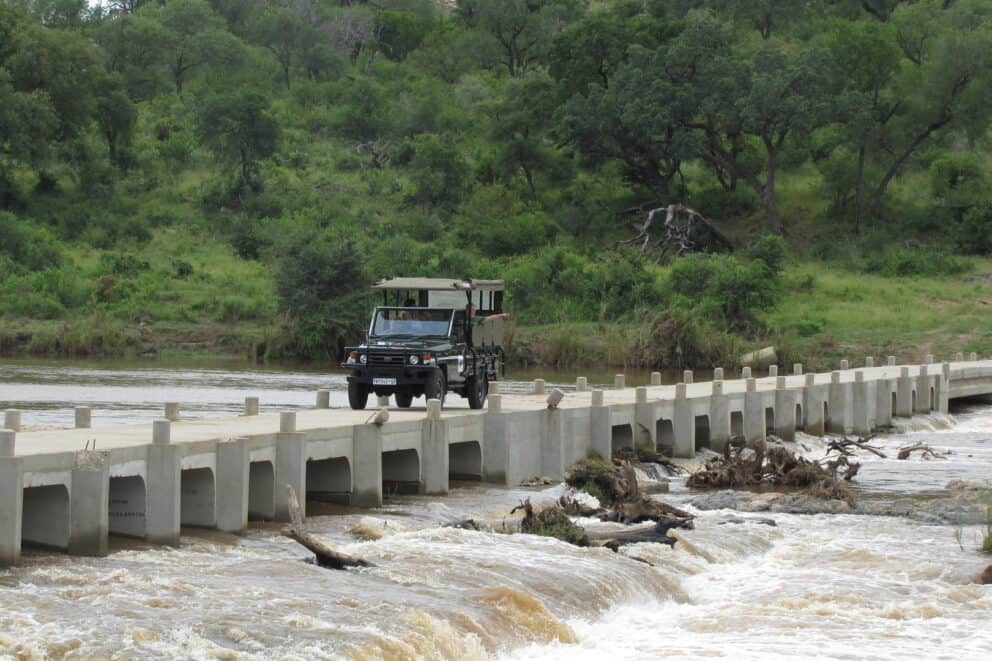
One of the first decisions you’ll make isn’t whether to visit Kruger. It’s where to stay once you’ve decided to go.
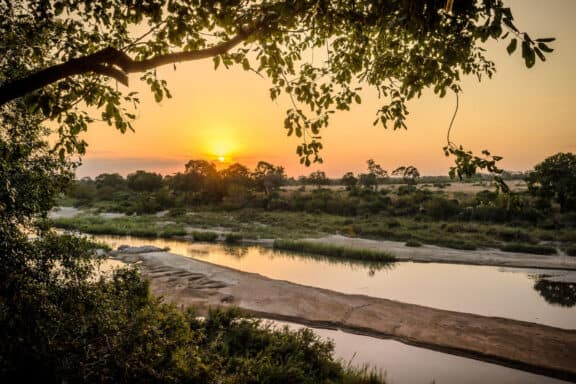
At first glance, Kruger National Park and Greater Kruger sound like two separate safari destinations. In reality, they share the same wilderness. There are no fences stopping wildlife from moving between the national park and neighbouring private reserves such as Sabi Sands, Timbavati, Klaserie, and Manyeleti.
The difference isn’t what the wildlife experiences. It’s what you experience.
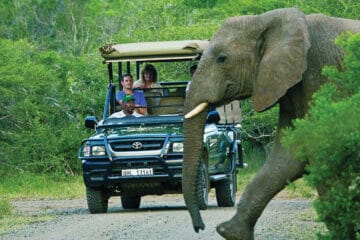
Kruger National Park offers excellent value, well-maintained roads and the freedom to explore at your own pace, whether you’re joining a guided Kruger Park safari tour or planning a self-drive holiday. It’s an excellent choice if you enjoy the flexibility of deciding where the day takes you.
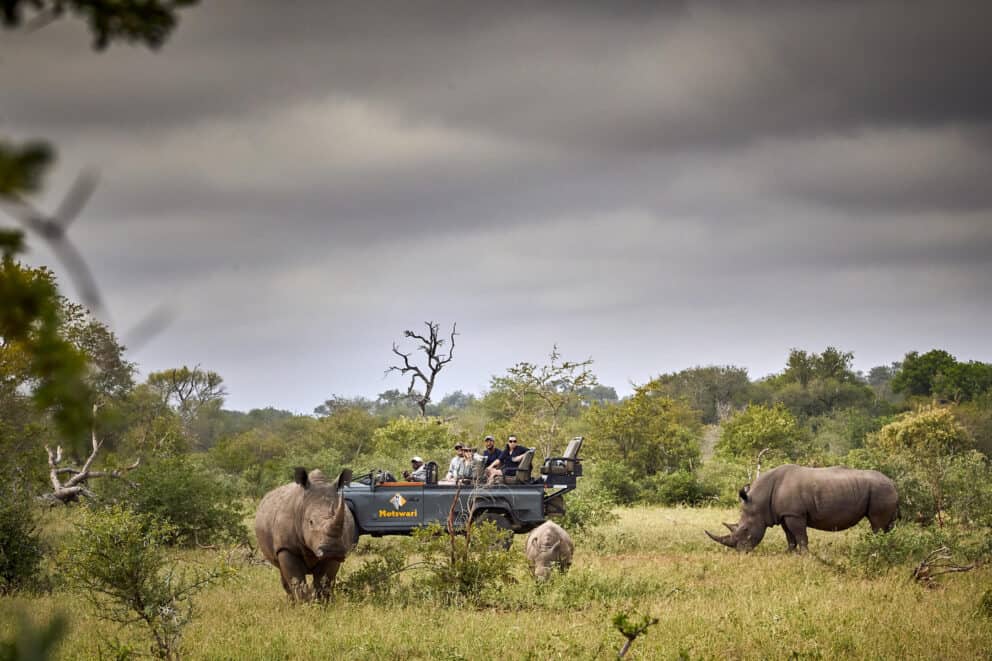
Greater Kruger offers something different.
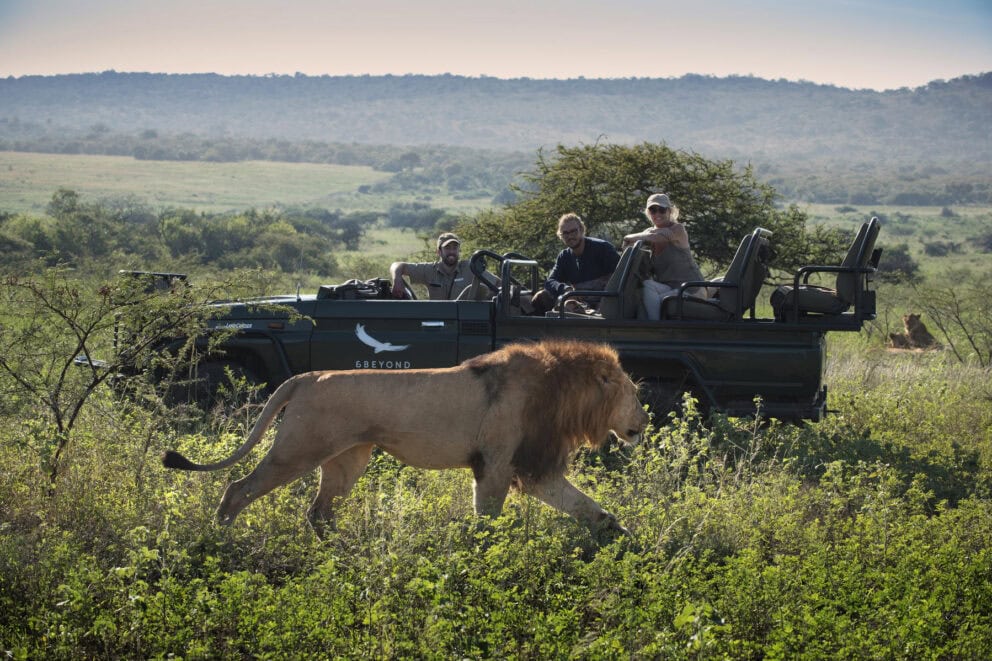
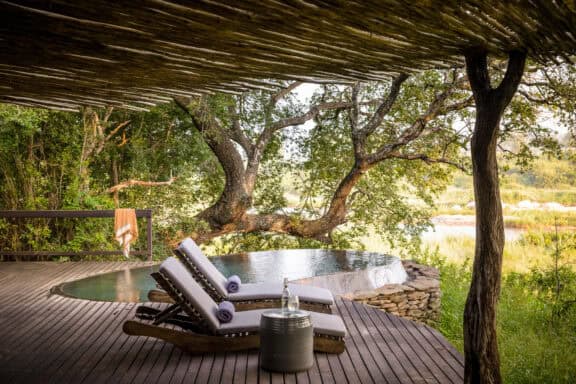
Guest numbers are lower, lodges are smaller, and game drives are led by experienced guides and trackers who spend every day in the same reserve. In many private reserves, vehicles can leave the road when it’s appropriate to do so, allowing guides to follow sightings responsibly without losing them as they disappear into the bush.
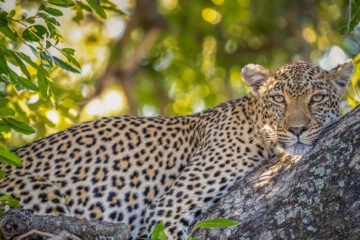
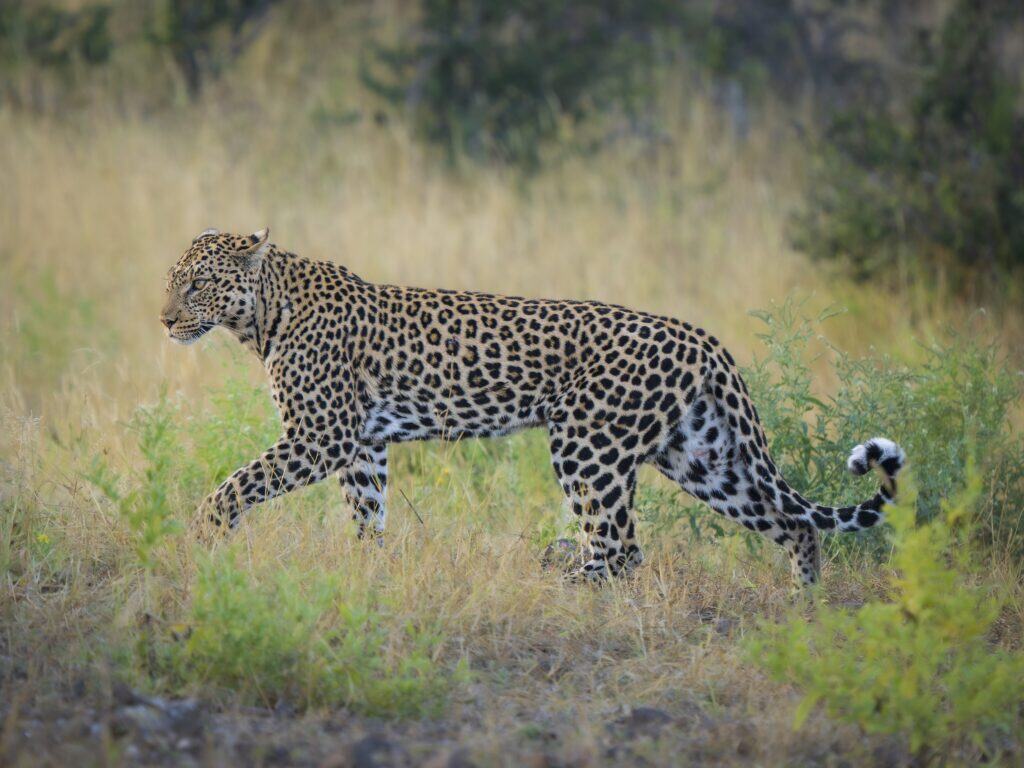
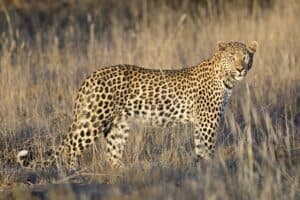
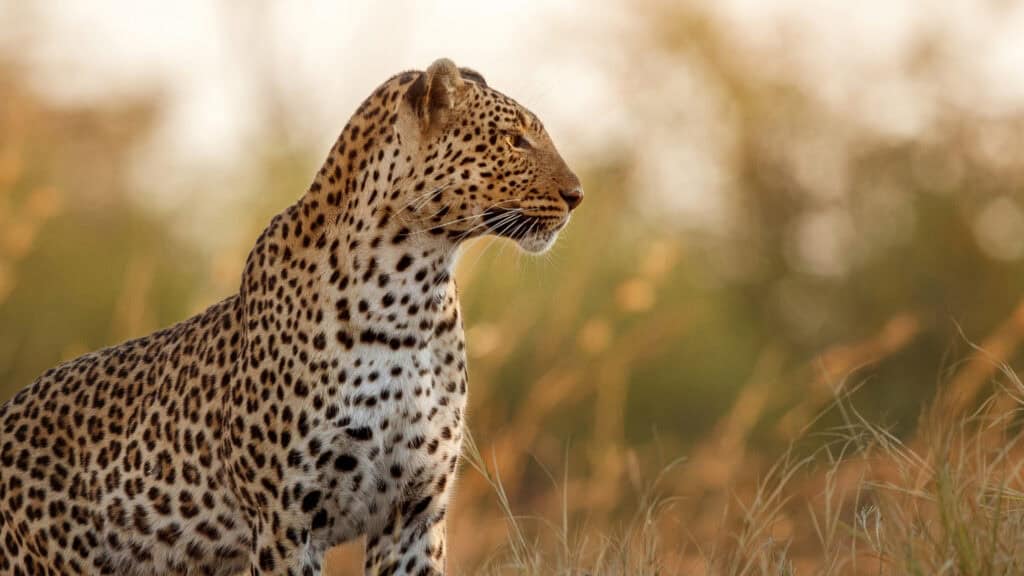
It’s not unusual to spend half an hour quietly watching a leopard resting beneath a tree or listening to a guide explain how they followed fresh tracks long before anyone saw the animal itself.
Explore Greater Kruger private reserve safaris.
Neither experience is better. Some people love the independence that comes with exploring Kruger National Park. Others prefer handing the map to someone else and simply being present from the moment the vehicle leaves camp.
Choosing between them has less to do with wildlife and more to do with the kind of holiday you’ve imagined.
How Many Days Do You Really Need?
If there’s one question we hear almost as often as “Is Kruger enough?”, it’s how long to spend there.
There isn’t a universal answer because every holiday looks different. What matters is giving yourself enough time to settle into a safari instead of feeling as though you’re racing through it.
Three nights is often the minimum we’d recommend if your itinerary includes other destinations. It gives you time for several game drives, a chance to experience the bush at different times of day, and, perhaps most importantly, an opportunity to let go of the expectation that every drive has to produce a headline sighting.
With four or five nights, the experience changes.
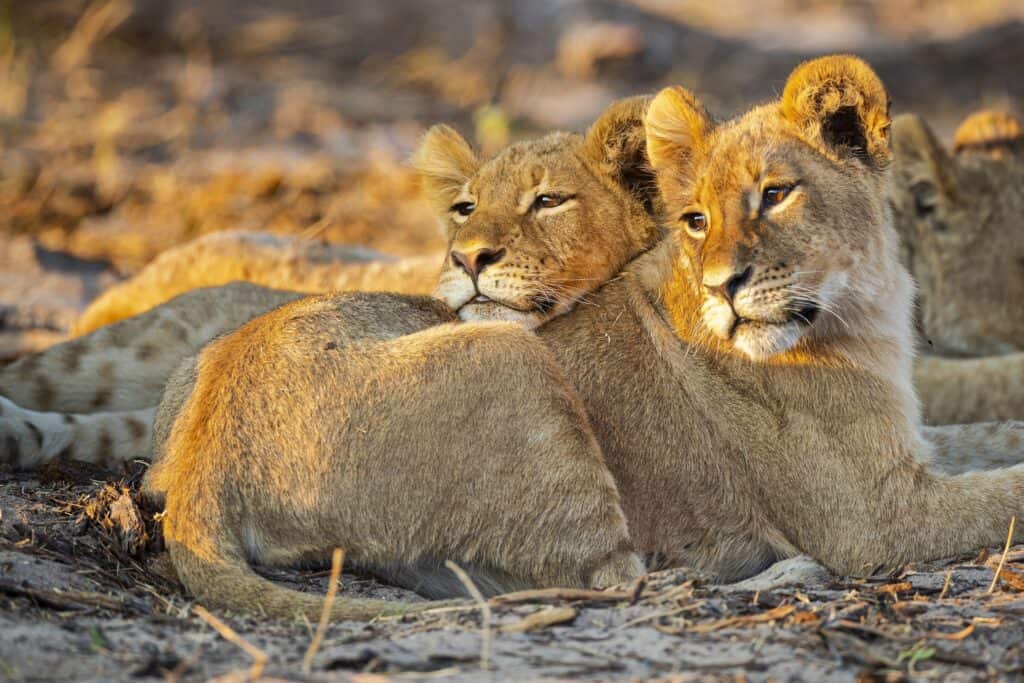
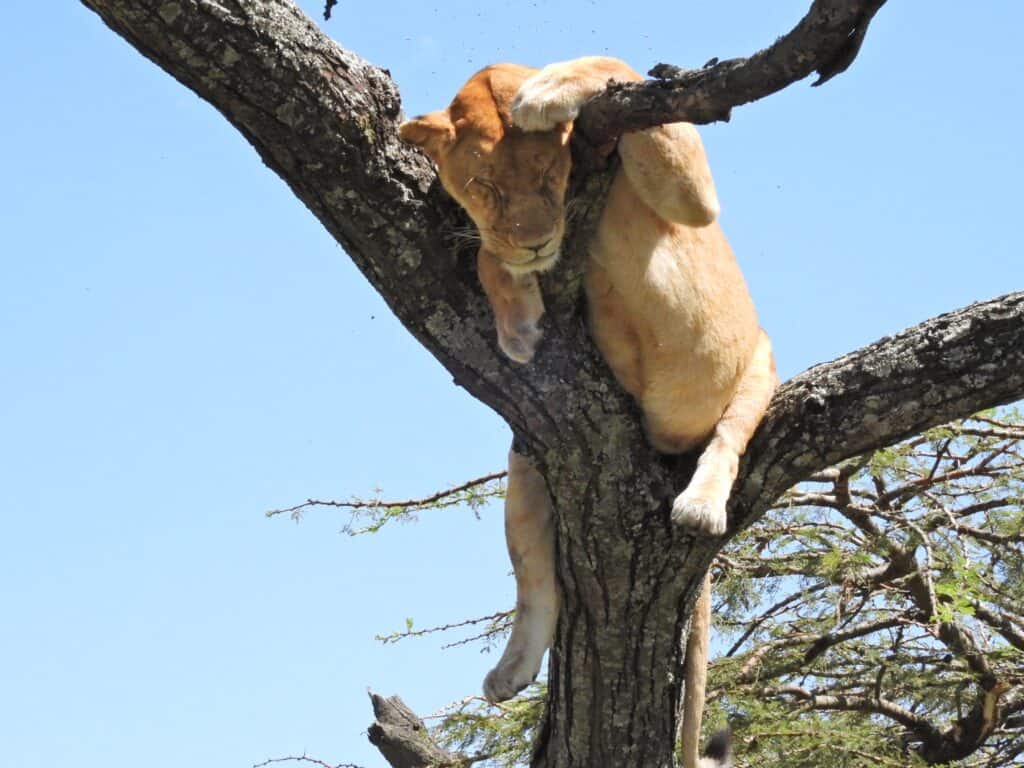
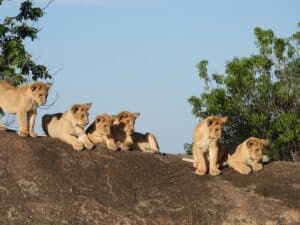
There’s less pressure to see everything at once. One quiet morning no longer feels disappointing because there’s another drive ahead. Your guide starts recognising your interests, whether that’s spending longer with a lion pride, looking for smaller creatures between sightings, or returning to an area where fresh tracks were spotted earlier in the day.
If you’ve imagined a safari as the centrepiece of your holiday, six or seven nights rarely feels excessive.
People are often surprised by this. Before they arrive, they worry they’ll run out of things to see. By the time they’re packing to leave, many wish they had booked one more night.
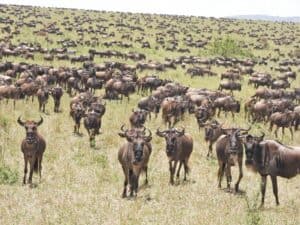
The bush has a way of rewarding patience. No guide can promise what you’ll see on a particular drive, and that’s exactly what makes each outing feel different. A cheetah seen from a distance one afternoon may become the focus of the next morning. A waterhole that seemed quiet yesterday can suddenly attract giraffes, zebras, and a herd of buffalo.
The longer you stay, the more those unexpected moments have room to happen naturally.
If You Decide to See More, What Should You Add?
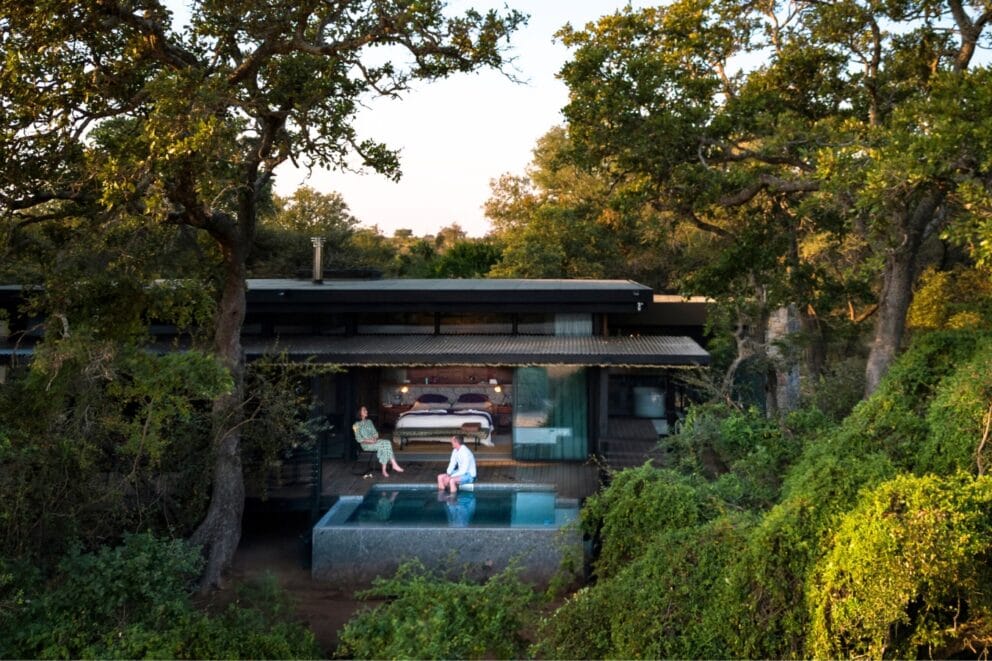
This is where your holiday becomes personal.
Adding another destination isn’t about ticking famous places off a list. It’s about choosing what will complement your time on safari.
Ask yourself one simple question: When you leave Kruger, what are you hoping to feel next?
If You’d Like to Stay Close to Nature
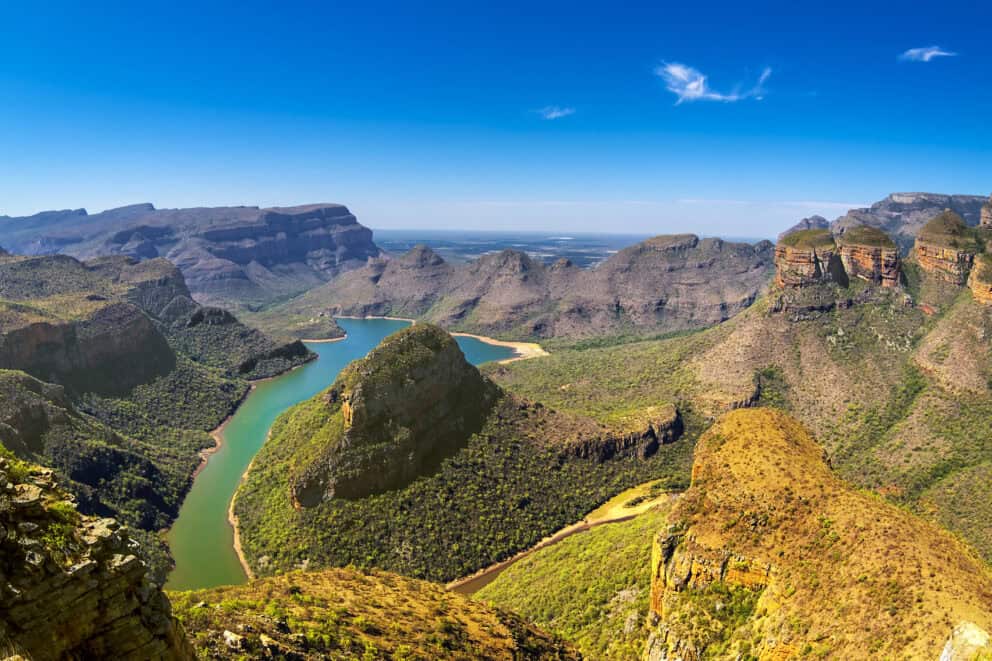
The Panorama Route is one of the easiest additions to a Kruger itinerary.
Within a few hours, the landscape changes completely. Forested mountain passes replace open bushveld, waterfalls tumble into deep gorges and viewpoints look across one of the largest green canyons in the world, the Blyde River Canyon.
Many people drive this route before or after their safari because it doesn’t require another flight. It slows the holiday in a different way, giving you time to appreciate another side of Mpumalanga before heading home or continuing elsewhere.
“…the real surprise came during our five-hour transfer to MalaMala. Rather than a quick hop, we took the Panorama Route. We found ourselves winding through the Blyde River Canyon, staring through God’s Window, and exploring the Bourke’s Luck Potholes. It made the journey feel geographic and tangible.” – David and Stephanie’s traveller story.
If You Want Contrast
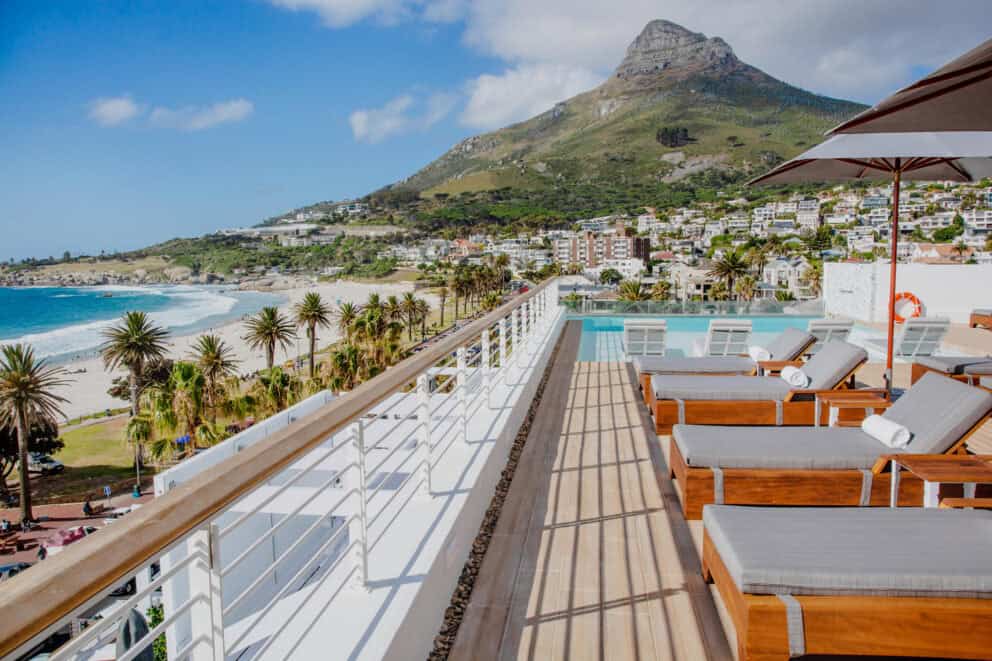
Cape Town offers something Kruger never tries to.
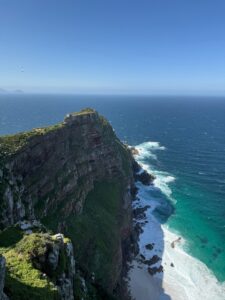
After several days of early mornings and evenings around the fire, the city introduces a completely different mood. One day might start with the cable car up Table Mountain, followed by lunch beside the ocean. Another could be spent wandering through neighbourhoods filled with galleries, cafés, and independent shops before ending with dinner overlooking the Atlantic.
It’s not about replacing a safari.
It’s about giving your holiday two distinct memories instead of one.
Many of our guests tell us the contrast between Cape Town and Kruger is exactly what made both experiences feel even richer.
“Cape Town wrapped our journey, a city that instantly stole our hearts. Our final days unfolded along the glorious Cape Peninsula, with our African Eagle guide… He led us along the dramatic coastline, through hidden gems like the essential (and often overlooked) Archaeology Museum, which was truly eye-opening. We then moved on to a spontaneous lunch in Hermanus, a town known for whale watching, where we saw a pod of southern right whales right from a little café on the rocks. We left knowing Cape Town is a place we would happily return to.” – Debbie’s traveller story.
If This Is a Once-In-A-Lifetime Holiday
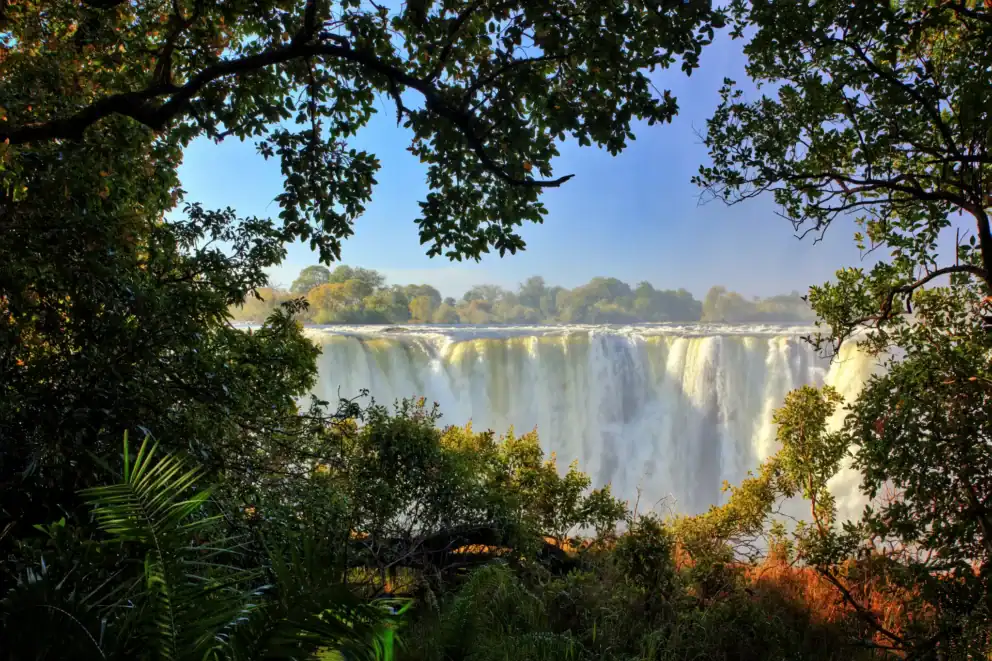
Victoria Falls is often the easiest addition to justify. Not because it’s famous, but because you’re already close.
Regular regional flights make it straightforward to travel between the Kruger region (Kruger Mpumalanga International Airport) and Victoria Falls without doubling back through Johannesburg. What once felt complicated has become far easier to include within the same itinerary.
Standing beside the Falls is a completely different experience from a safari. The sound reaches you long before the water comes into view. Fine mist rises above the rainforest, and every viewing point reveals a different perspective of one of the world’s largest waterfalls.
“We had a lovely lunch at the famous Lookout Café, sitting right up against the edge. Looking out over that massive gorge while we ate was one of those pinch-me moments.” – Jaclynn and Tedd’s traveller story.
When is the Best Time to Visit Kruger National Park?
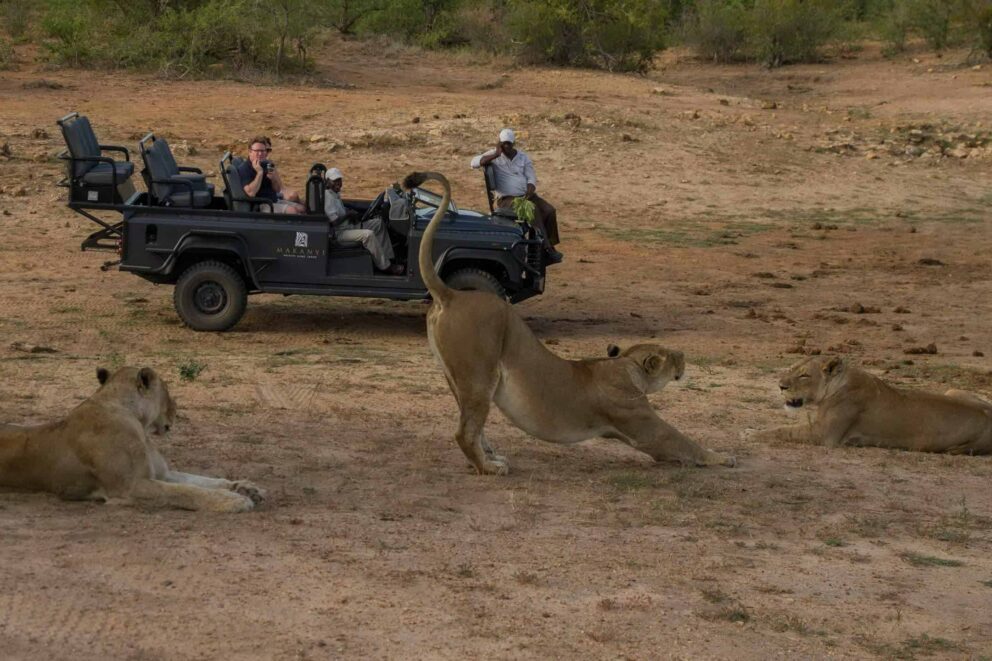
The best time to visit Kruger National Park depends on the experience you’re hoping to have.
From May to September, cooler temperatures, thinner vegetation, and fewer water sources often make wildlife easier to spot. It’s one of the reasons many first-time visitors choose these months.
The summer season, from October to April, feels completely different. Afternoon rain brings greener landscapes, migratory birds return, and many animals give birth, making it an exciting time for photography and birdwatching.
Rather than asking which season is “best”, think about what matters most to you.
Whatever time of year you visit, one thing remains true: the more time you allow yourself, the more opportunity you have to experience a safari naturally, rather than hoping everything happens in a single game drive.
The Right Safari Isn’t Always the Longest One
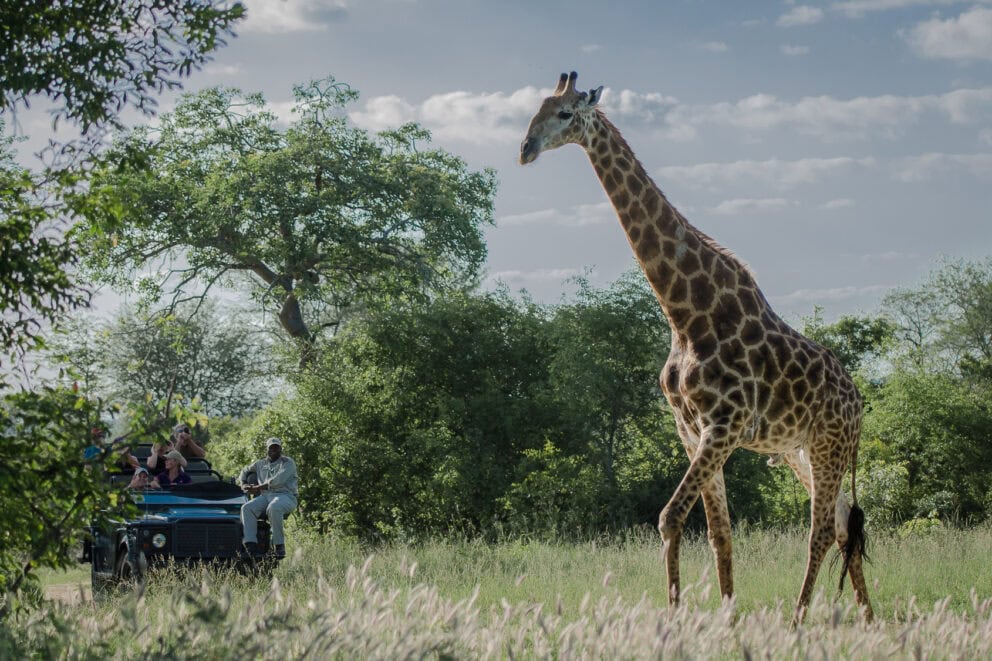
You don’t need to add more destinations to have an extraordinary holiday.
If you’ve always imagined spending your days on safari, lingering a little longer at a sighting instead of wondering what’s next, a Kruger National Park safari experience may be all you need. Give yourself enough time and you’ll notice something interesting. The excitement of seeing wildlife never fades, but your focus changes. You stop thinking about what you haven’t seen and start appreciating everything unfolding around you.
If you’ve always pictured your safari alongside Cape Town’s coastline, the Panorama Route’s dramatic landscapes, or the spray rising above Victoria Falls, that’s just as valid. Those places don’t compete with Kruger. They add another dimension to a holiday you’ve already travelled a long way to experience.
Let’s Talk About The Holiday You’re Imagining
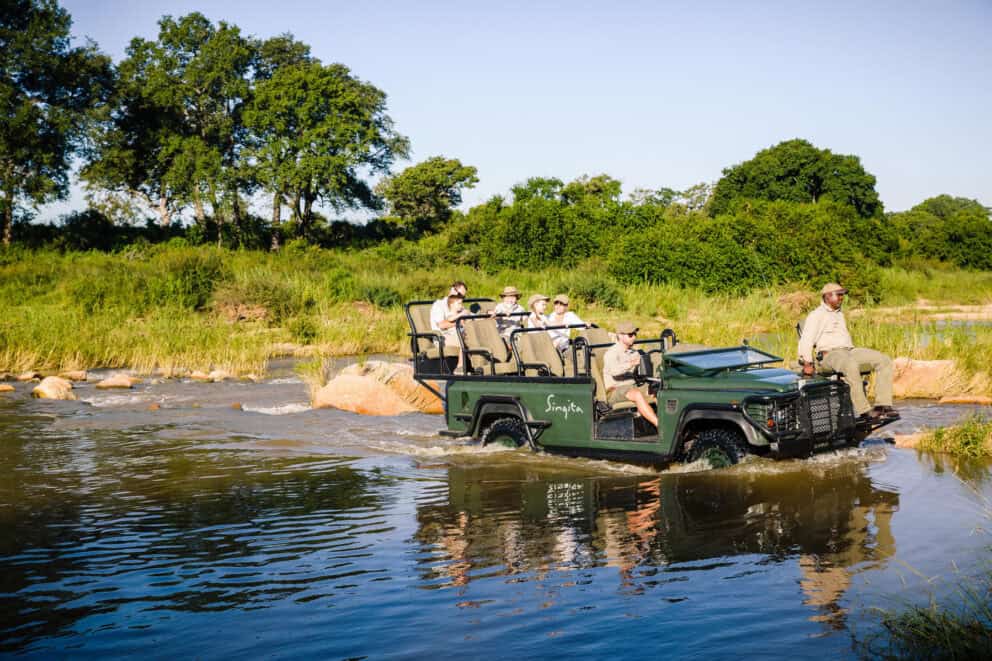
Every safari starts with a conversation.
Sometimes it’s, “Is Kruger enough?” Other times it’s, “Should we stay longer?” or, “If we add one more destination, which one makes the most sense?”
Those questions don’t have the same answer for everyone, and that’s exactly why we don’t believe in one-size-fits-all itineraries.
Tell us what you’ve imagined so far, how much time you have, and what matters most to you. We’ll help you compare your options, answer your questions, and recommend a safari that feels right for the holiday you’ve been dreaming about.
Written by Yamkela Welaphi
• Travel Writer
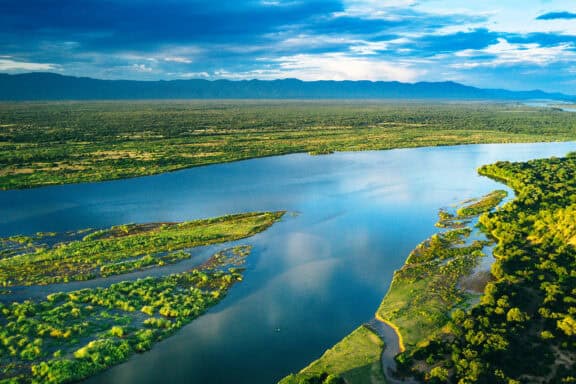
Discover the African Journey that’s Right for You
 Blog List

























Written by Yamkela Welaphi
• Travel Writer
Part of the South Africa Safari Collection