

 Email us







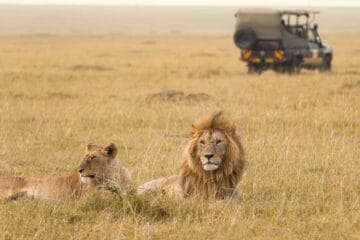
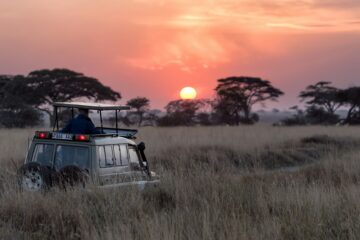
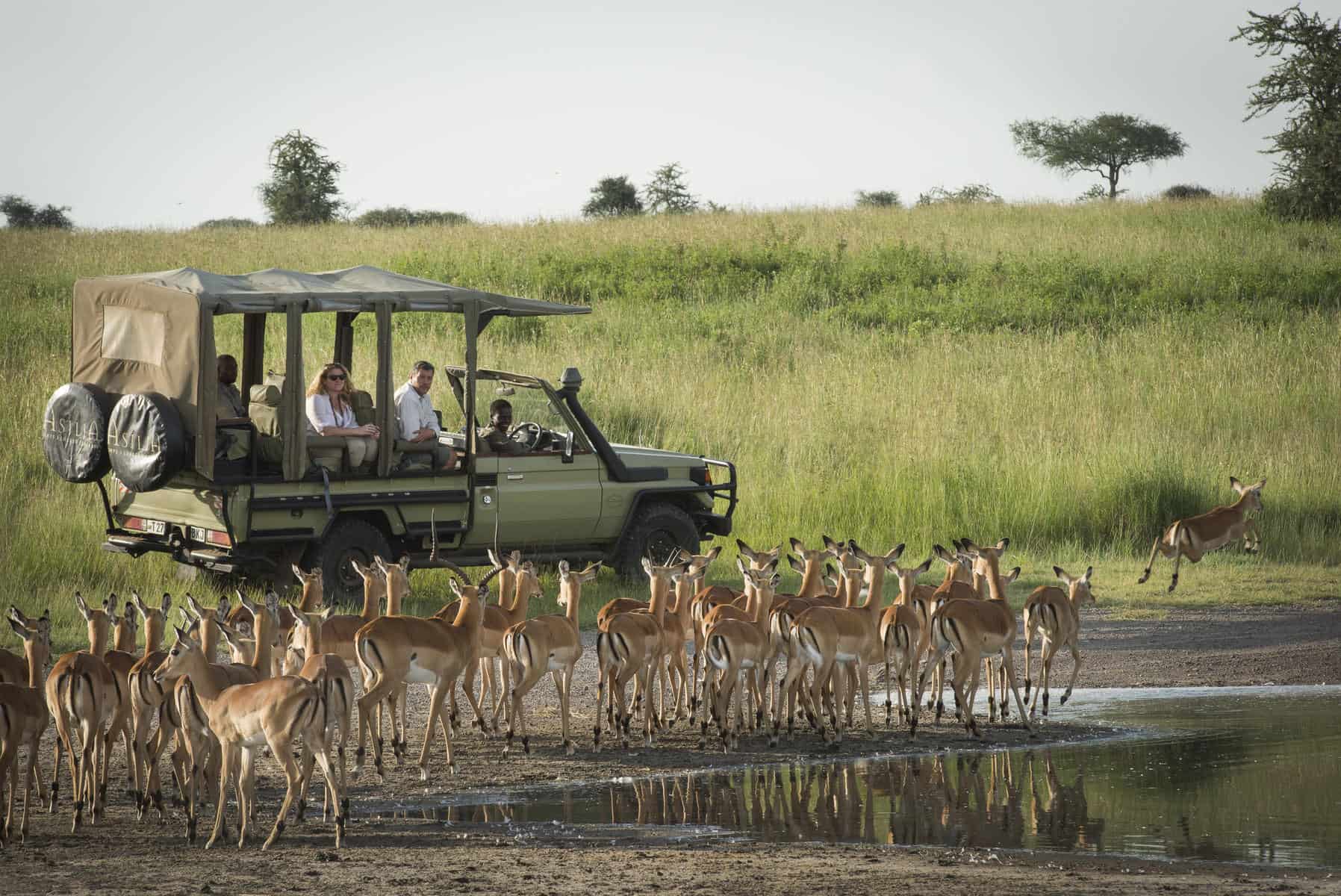
Your guide is on the radio before the sun has properly cleared the horizon, checking in with two other vehicles about where the pride was last seen. Nobody mentions this part in the brochures. You imagined game drives and sundowners, not a small, slightly unglamorous ritual of trading information that happens every single morning before anyone’s had their coffee.
That ritual is most of the answer to how to stay safe on safari. Not fences, not luck, just people who have done this for decades comparing notes before deciding which road to take.
So, are safaris safe? Ask anyone who has actually spent time in the bush, and they’ll give you the same honest answer: yes, provided the people running your trip know exactly what they’re doing, which, at a well-run lodge, they do.
The Golden Rules of Safari Safety
Scenario Rule Why
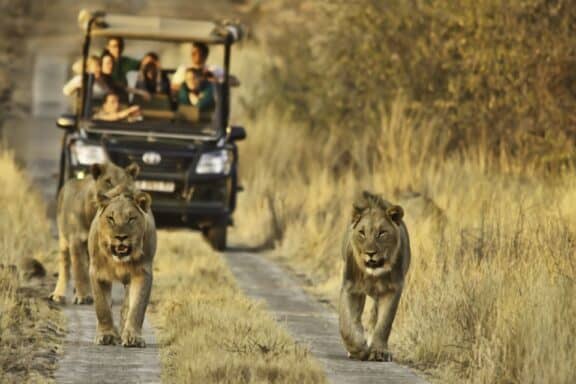
On Game Drives Stay seated and keep hands/arms inside the vehicle. Maintains the vehicle’s single large silhouette so animals don't perceive individual humans as a threat or prey. On Walking Safaris Walk in single file behind your guide and never run. Running triggers a predator's instinct to chase. Single-file movement keeps the group compact and controlled. In Unfenced Camps Never walk alone after dark. Wild animals roam freely through camps at night. Clothing Avoid dark blue and black; stick to neutral tones (olive, beige, tan). Dark blue and black attract tsetse flies, which have a painful bite. Neutral tones help you blend into the bush. Wildlife Encounters Keep voices low and phone/camera shutters silent. Sudden loud noises or sharp movements can startle animals.
It Starts With the Right Guide
Ask a guide how they knew to stop exactly there, and most will shrug and say, “You just know.” Push a little harder and you’ll usually get the real answer: the birds went quiet three minutes ago, or there’s a particular tree that draws browsing kudu at this hour, or the wind changed direction just enough to matter.
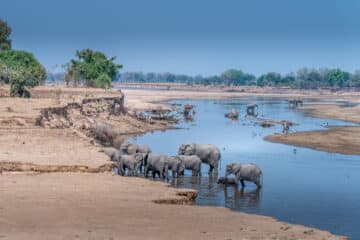
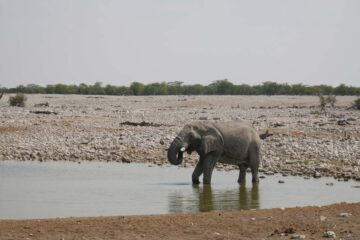
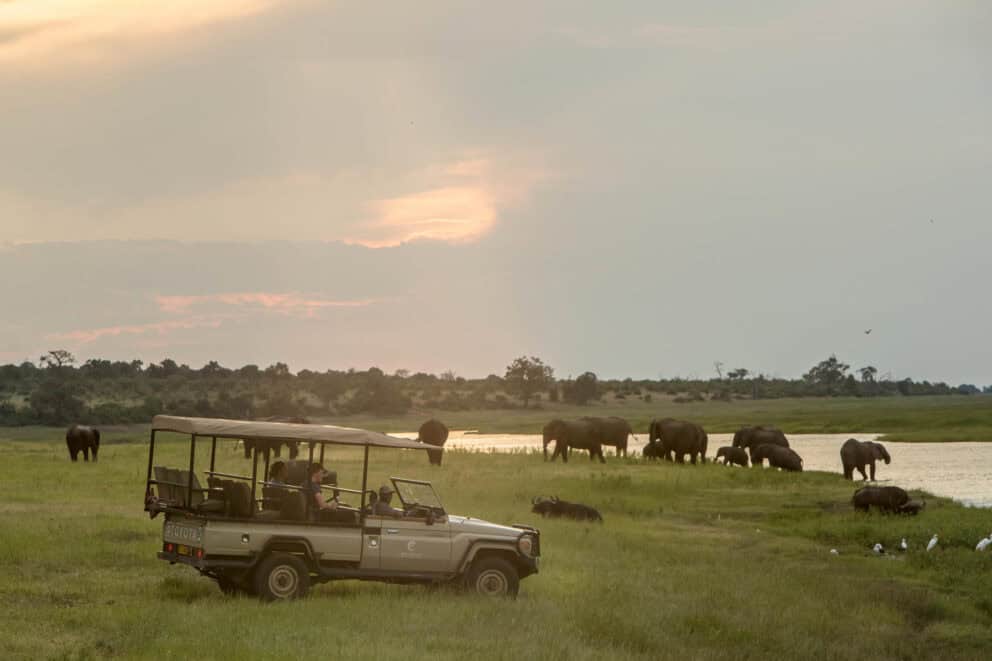
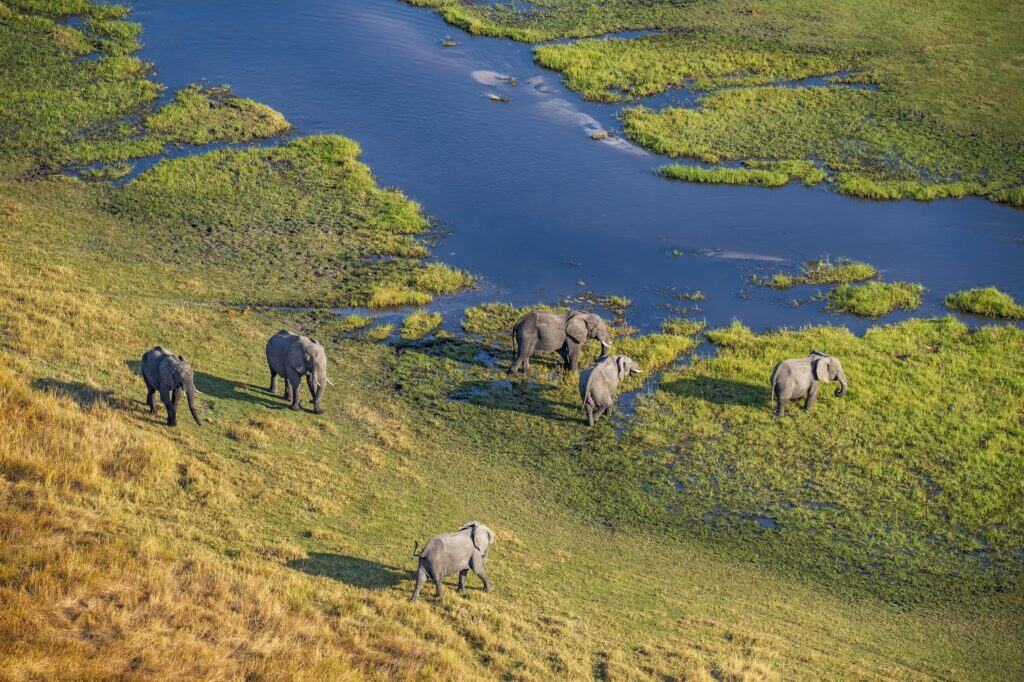
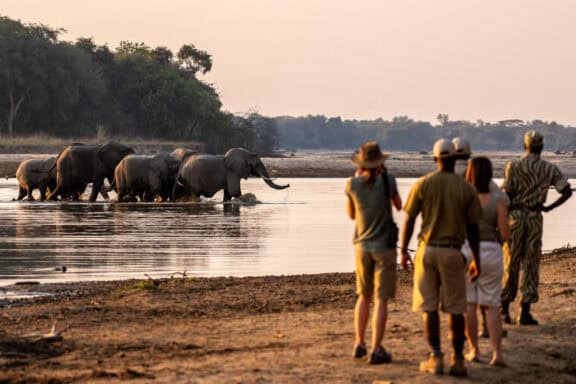
You see this in action the first time a breeding herd of elephants steps out between the trees, calves held close between the older females. Your guide switches off the engine before you have even registered why.
In the quiet that follows, the herd carries on feeding as though the vehicle were a rock, or a tree, or simply not there. Nobody taught you that trick. Your guide has just spent years learning what wind, distance, and mood look like together.
Before You Go: The Unglamorous Admin That Actually Matters
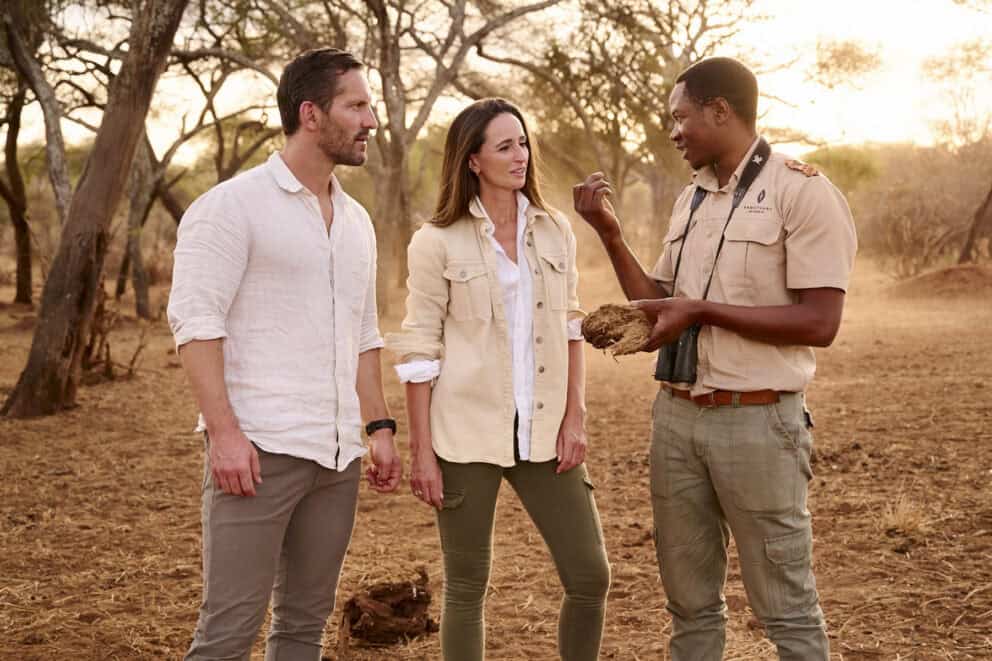
Nobody puts a doctor’s appointment in their safari daydreams, but there you are anyway, a few weeks out, being asked whether you’ve had a yellow fever vaccine or need antimalarials for where you’re headed. It’s not the romantic part of planning a trip. It’s one of the most useful safari health and safety tips there is, and it takes an afternoon, nothing more.
Travel insurance is worth sorting too, since delays and cancelled flights happen wherever you go, safari or otherwise. As for packing, stick to neutral colours such as olive, beige, and soft grey, along with a hat, sunscreen, insect repellent, and a pair of shoes you’ve already broken in. A jumper is necessary for early morning game drives in the chill.
Dark blue and black tend to attract tsetse flies, insects with a sharp bite that are prevalent in parts of East Africa and Zambia.
The Habits That Feel Odd for About a Day
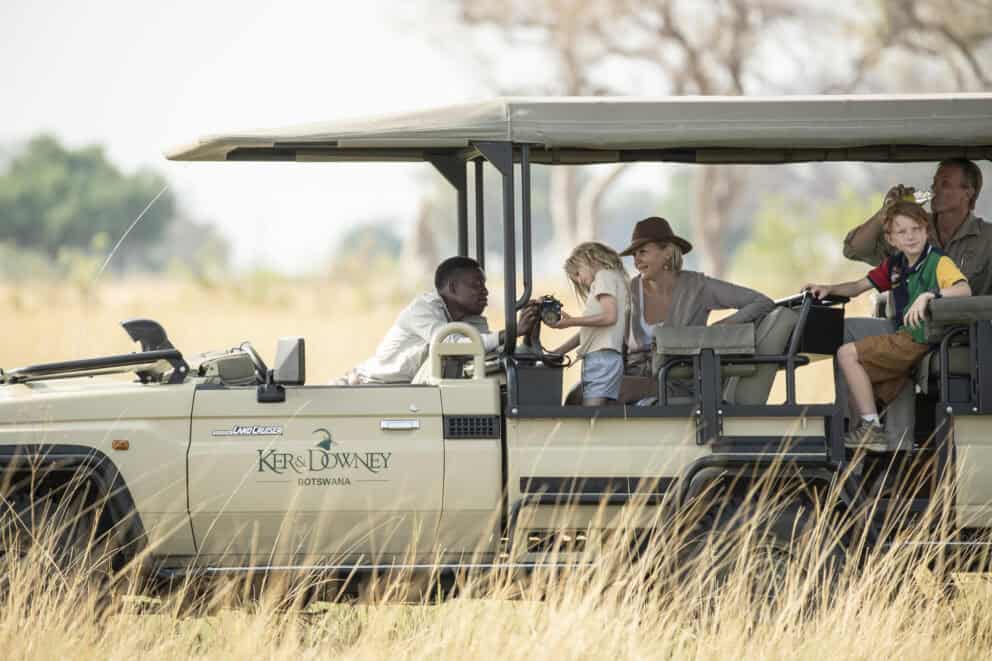
Stay seated. Keep your voice down. Listen to your guide. On day one, these safari safety tips feel like rules imposed on you. By day two, you understand why: a vehicle that moves slowly and stops quietly gives an animal room to decide, in its own time, that you’re not a threat worth reacting to.
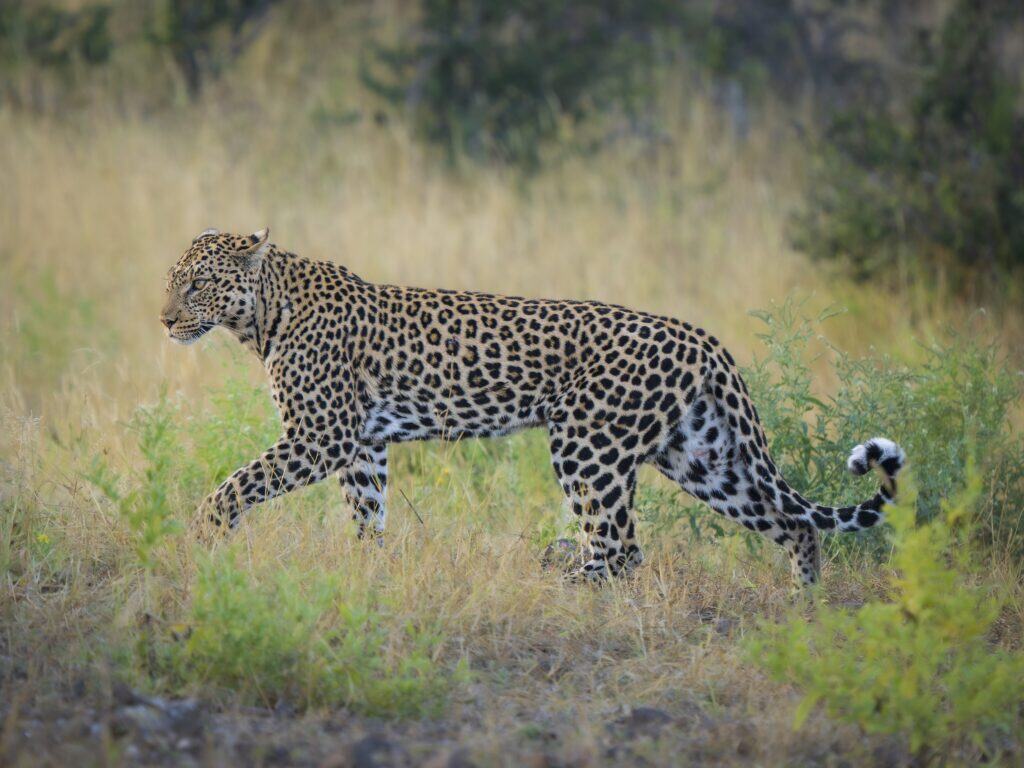
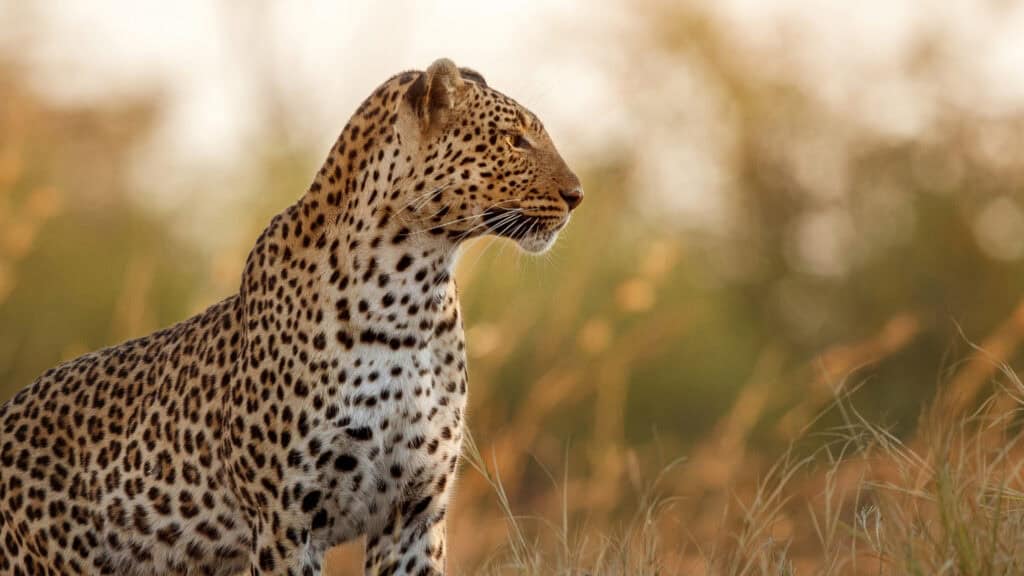
You’ll notice, too, how patient everyone becomes. A family of elephants might feed beside the road for 20 minutes without anyone reaching for the ignition. A leopard settles under a tree after crossing the track ahead of you, and the vehicle simply waits. Nobody is in a hurry, because the whole point of being there is to let something happen at its own pace rather than force it to happen faster.
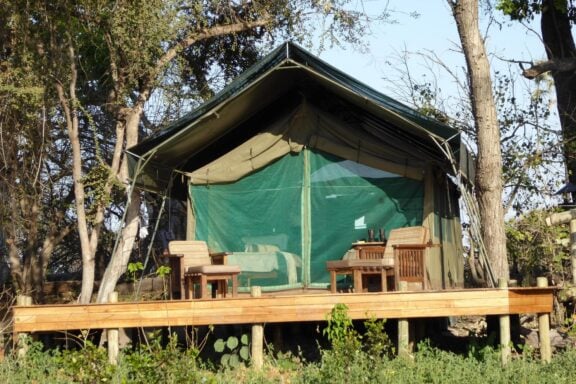
In the evenings after dinner, you may not be able to walk back to your suite alone. An escort is necessary, as, in unfenced camps, animals can walk in and out.
“One morning, our guide was 15 minutes late to pick us up from the tent. In the bush, you don’t walk alone after dark or in the early hours. When he finally arrived, he just smiled and said, ‘Sorry I’m late; there was a leopard in camp and I couldn’t get through.’ It’s hard to be annoyed at a delay when the reason is a predator sitting on your doorstep.” – Roger and Peggy’s traveller story.
Walking Safaris: Slower Than You Expect
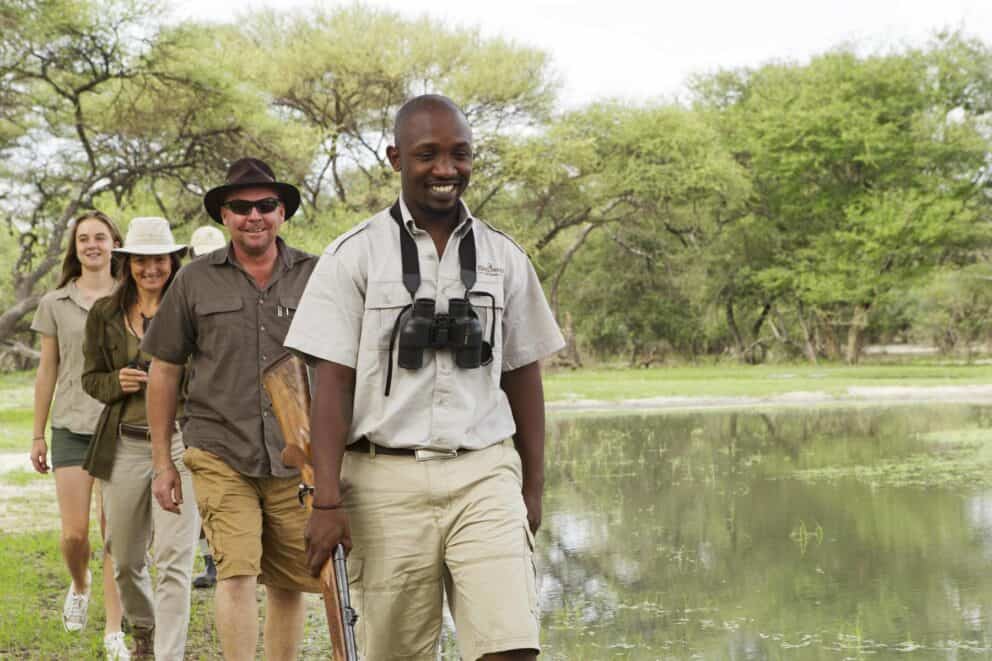
Step out of the vehicle, and the safari changes completely. Without an engine humming nearby, you notice the small things: a bird call you cannot place, the smell of dry grass warming in the sun, and a set of tracks pressed into soft ground overnight that weren’t there yesterday.
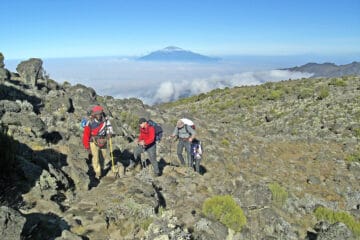
Your guide leads (armed, just in case), and you follow in single file, close enough to keep quiet, spaced enough to see past each other. When they stop without explanation, there’s always a reason, usually one they’ll explain if you ask afterwards. Always listen to your guide and never run – running can trigger the instinct to chase.
Most people expect that safety during a walking safari means tension. In practice, it’s often the calmest hour of the entire trip, precisely because you’re moving at a human pace through a landscape built for something else.
Travelling With Children
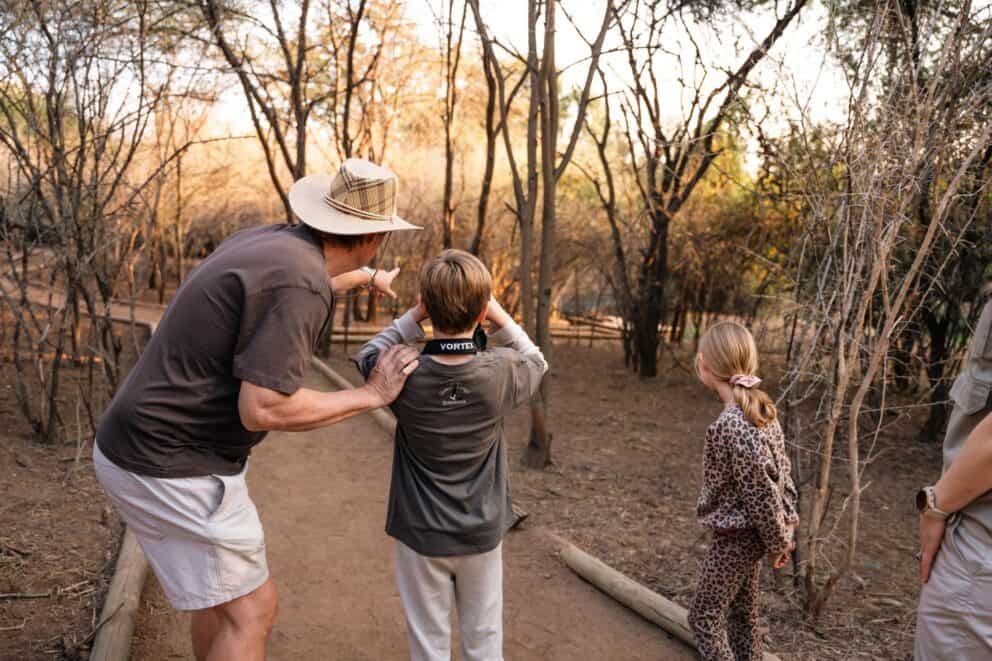
A seven-year-old will ask more questions in one game drive than most adults ask in a week, and a good guide loves them for it. Expect at least one stop dedicated entirely to a dung beetle rolling its ball across the road with the same seriousness usually reserved for a lion sighting, because it deserves exactly that.
Some lodges welcome children of any age. Others set a minimum age for certain activities, walking safaris in particular, because an eight-year-old and a sixteen-year-old need genuinely different things from a nature walk.
Family suites, private vehicles, and guides who know how to hold a child’s attention without ever loosening their grip on safety are all more common than most first-time safari parents expect.
Safari Safety Guidelines
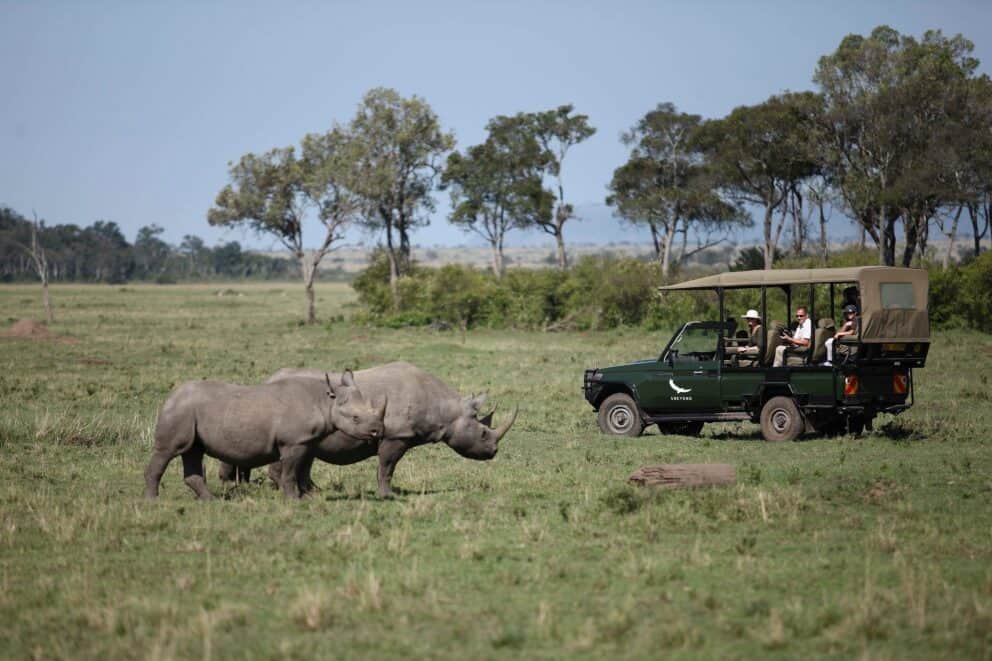
How safe are safaris? This is the question underneath all the others, and it deserves a straight answer rather than a reassuring one. How safe are safaris compared with, say, the everyday risks you accept without thinking twice?
By most measures, safer than a great many things people do without a second thought, largely because so little is left to chance. Guides train for years. Lodges rehearse their protocols long before you arrive. Vehicles, routes, and distances are all judged by people who have made the same judgement call a thousand times before.
None of that makes wild animals predictable, and nobody worth trusting will tell you otherwise. What it does mean is that the unpredictability is being managed, constantly, by people whose whole job is noticing what you cannot.
The Real Reward
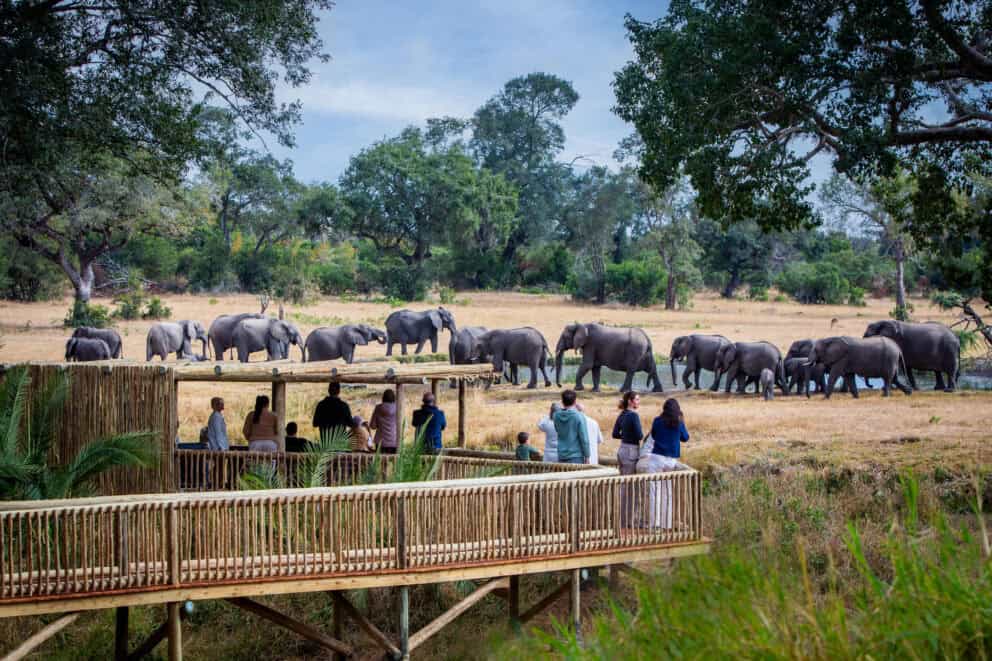
Every first safari has a learning curve, and that’s part of what makes it stay with you. You’ll start the week wondering how to stay safe on safari and end it noticing details you would have walked straight past on day one: a track, a call, a patch of grass bent over in a way that means something moved through an hour ago.
Plan your safari with confidence with the assistance of a safari expert. Discover Africa safari experts have been to the destinations you’ve been dreaming about, and can answer your questions with knowledge gained from countless hours in the wilderness. Start the conversation.

Written by Yamkela Welaphi
• Travel Writer


Verified by Megan Warrington
• Africa Safari Expert

Discover the African Journey that’s Right for You
 Blog List









 29 Sep 2023






















Written by Yamkela Welaphi
• Travel Writer
Verified by Megan Warrington
• Africa Safari Expert
Part of the Southern Africa Safari & East Africa Safari Collections