

 Email us




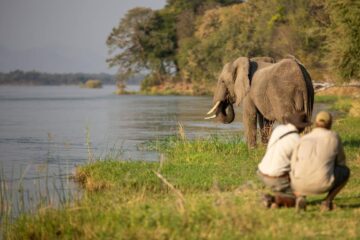
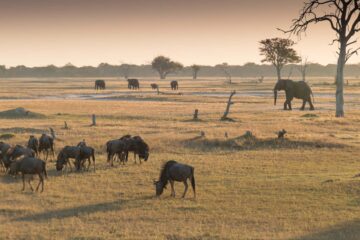
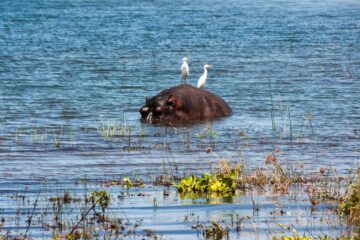
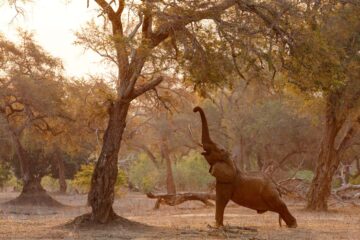
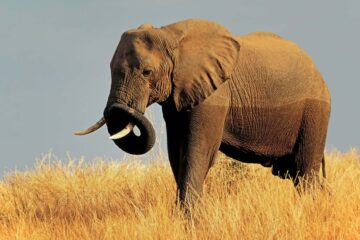
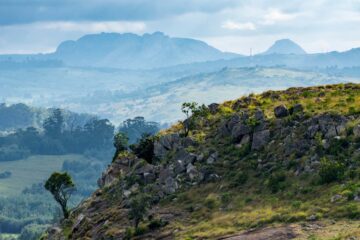

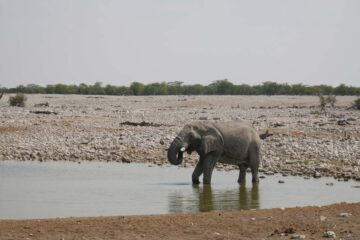
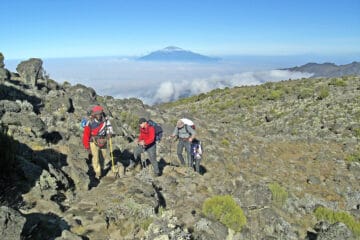
For travellers who worry that modern tourism has sanitised the wilderness, Zimbabwe is the ultimate antidote. Representing Africa before the commercial crowds arrived, it offers a raw, wild, and profoundly authentic encounter. A safari here is an active immersion into a landscape where nature dictates the pace of life – just one of the reasons to visit Zimbabwe.
Whether you’re experience-hungry and want to track black rhinos on foot or you’re looking to connect with ancient, sacred histories, Zimbabwe strips away the tourist buffer.
Thanks to a deliberate commitment to low-impact ecotourism and world-class conservation, this spectacular southern African destination stands as a sanctuary for those who want to wander down lesser-travelled paths and feel the raw energy of Africa. If you want a journey that goes beyond wildlife sightings and leaves an enduring mark on your soul, Zimbabwe is for you.
Primal Nature and Physical Thrill
1. Canoeing the Mighty Zambezi and Conquering Victoria Falls
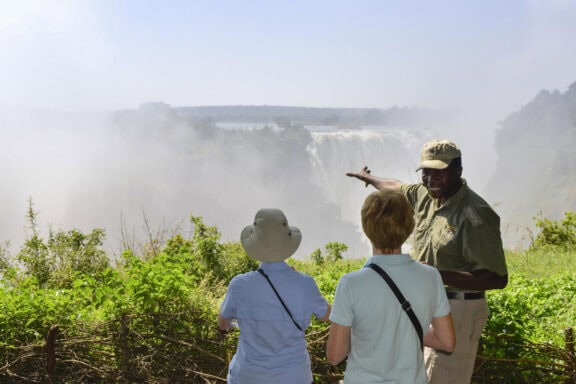
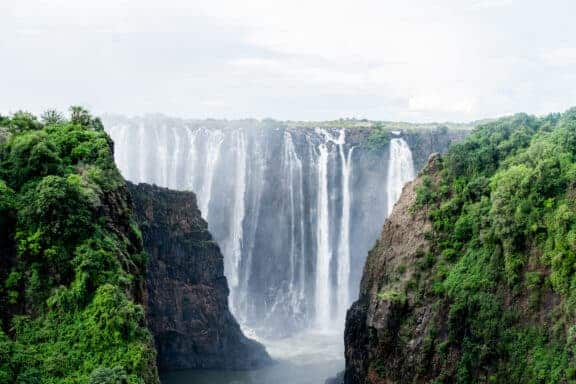
Victoria Falls is one of the Seven Wonders of the World, but it’s far more than a scenic postcard view. It’s an encounter with absolute natural force. Rather than sticking to the paved viewpoints, thrill-seekers can descend into the basalt gorge below the Falls to tackle world-class white-water rafting below Mosi-oa-Tunya (Lozi for “the smoke that thunders”), where the mighty Zambezi River tests your grit.
For an even closer adrenaline rush, make your way to the edge of the abyss at Cataract Island Pools – Zimbabwe’s exclusive answer to the Zambian Devil’s Pool – where you can swim right to the precipice and gaze directly down at the crashing water below.
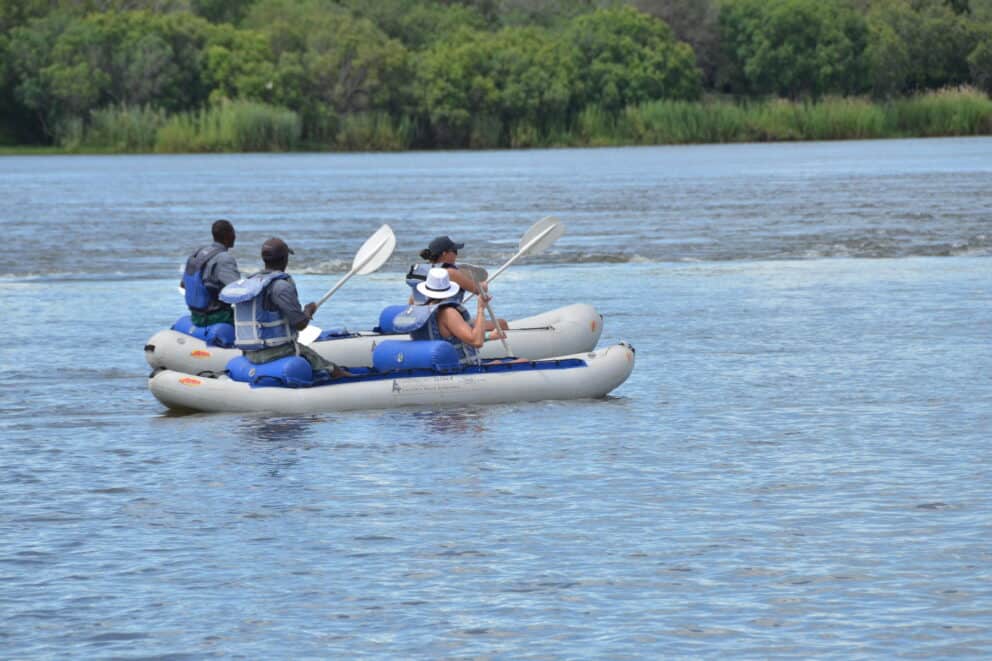
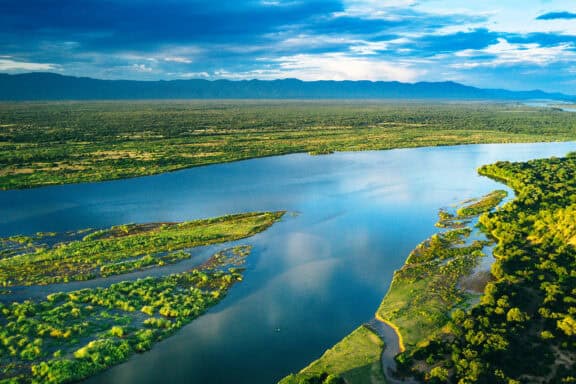
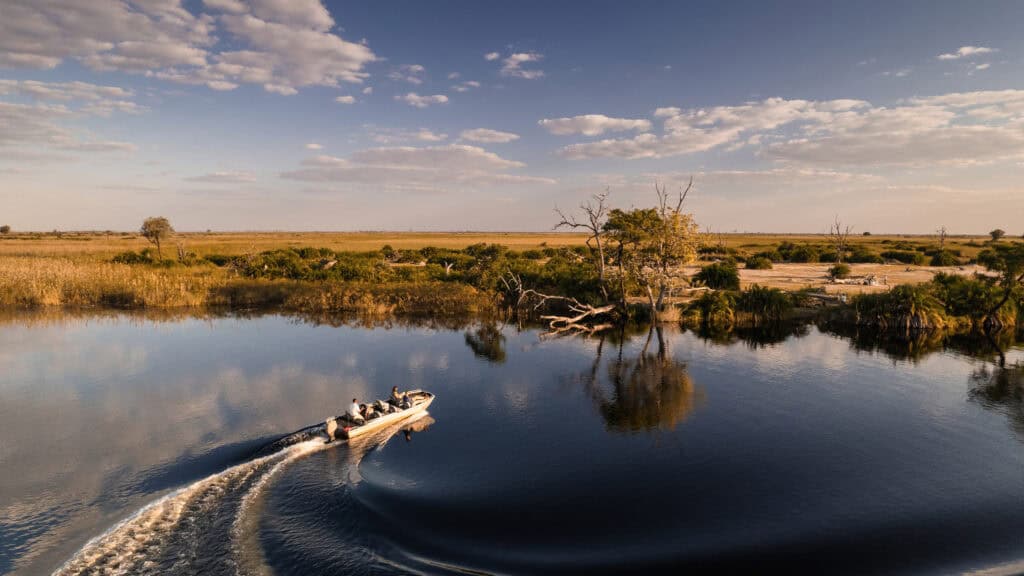
Further downstream, the river calms, but the tension rises as you embark on a canoe safari, silently (and perhaps nervously) gliding past massive pods of snorting hippos and crocodiles basking on the shore.
When to Go: The Cataract Island Pools excursion is highly seasonal and operates from June to January. The optimal time to swim safely right at the edge of the precipice is during the drier low-water months between September and December, when the river’s flow recedes.
2. The Raw Adrenaline of Mana Pools Walking Safaris
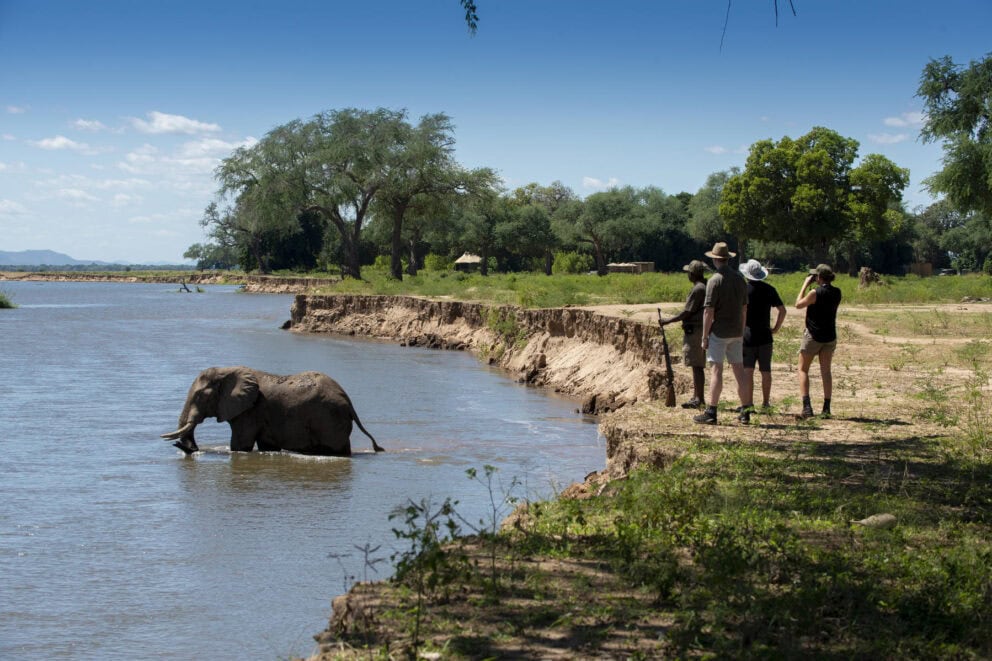
Mana Pools National Park features four large permanent pools formed by the Zambezi River that draw an incredible concentration of wildlife. But what sets this wilderness apart is its legendary walking safaris. Here, you leave the safety of the 4×4 to encounter Africa’s apex predators on their own terms, in their space.
Walking through the open Albida woodlands, your senses are awakened to a primal level as you follow fresh tracks, hear the warning call of a bird as predators draw near, and stand downwind from a massive elephant. It’s a thrilling, unshielded encounter with the wild that rewards you with an unmatched rush of adrenaline.
Expert Tip: To experience Mana Pools at its absolute peak, plan your walking safari during the dry winter months from May to October. This is when the dense undergrowth thins out to allow safe, clear sightings on foot.
3. Tracking Endangered Rhinos on Foot in Matobo Hills
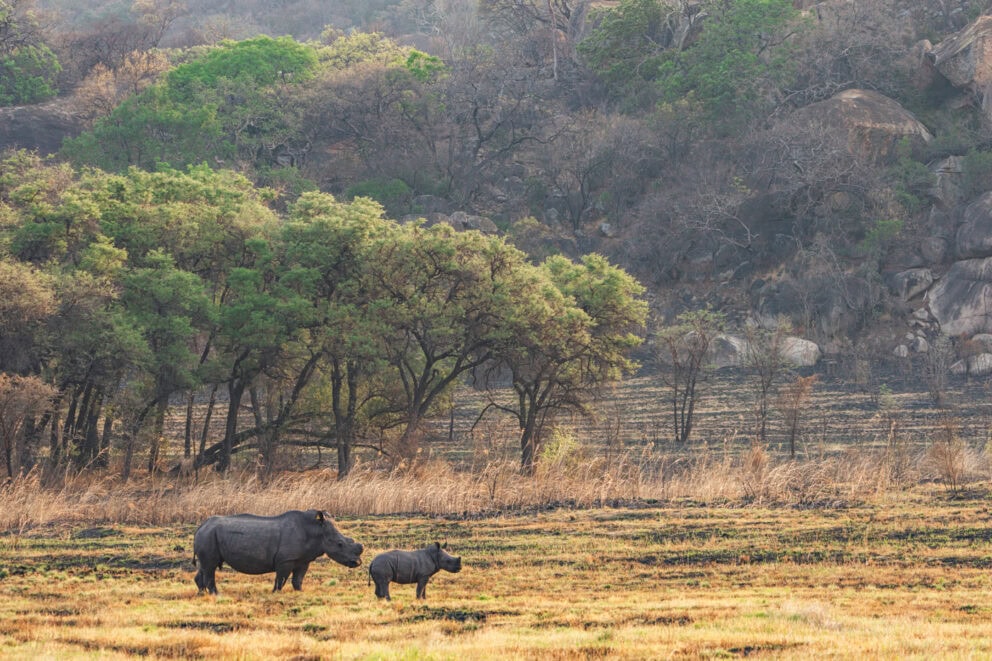
In the rugged, ancient landscape of Matobo National Park, adventure becomes more personal. The granite kopjes, which are millions of years old, house a thriving, highly protected rhino population. Instead of viewing these prehistoric-looking giants from a vehicle, you will take to the wilderness to track black and white rhinos entirely on foot.
Guided by elite trackers, you navigate the rocky terrain, monitoring wind direction, dung piles, footprints, and silent signals until you’re standing just a few metres away from a mighty, silent rhino in its natural habitat.
4. Unrivalled Predator and Elephant Encounters in Hwange
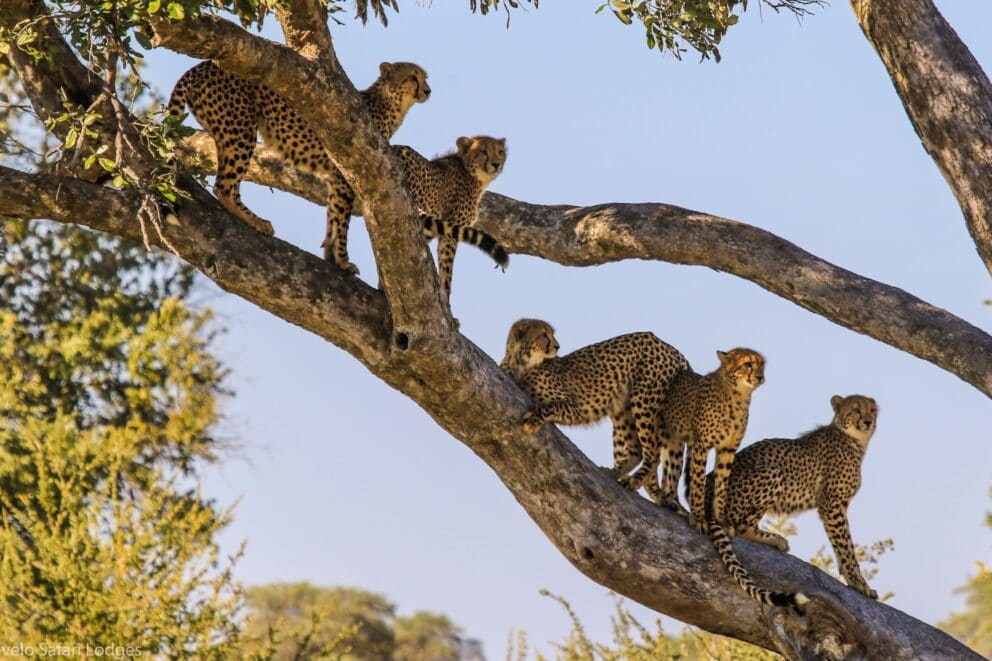
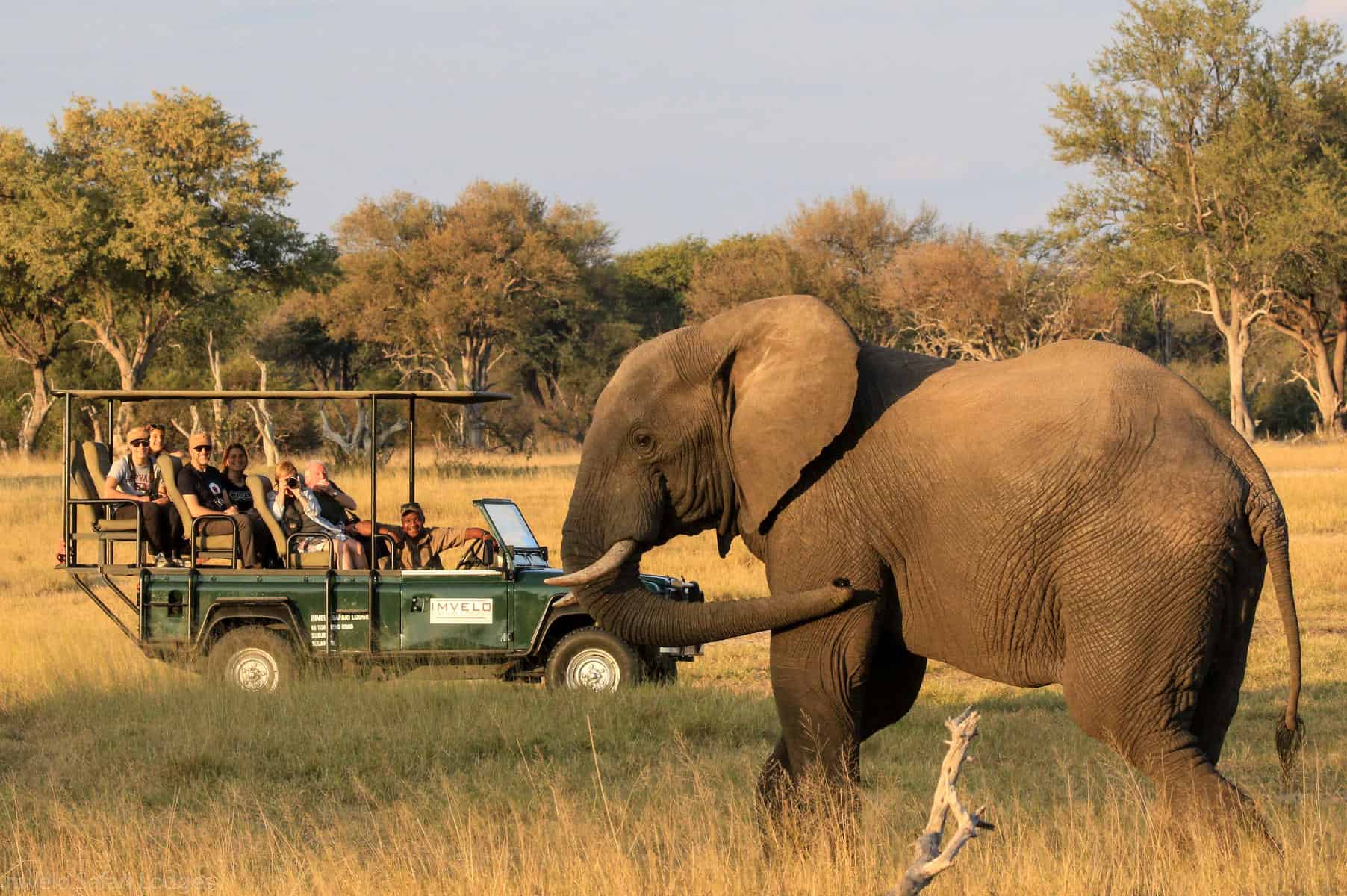
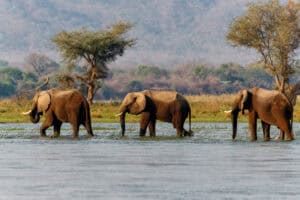
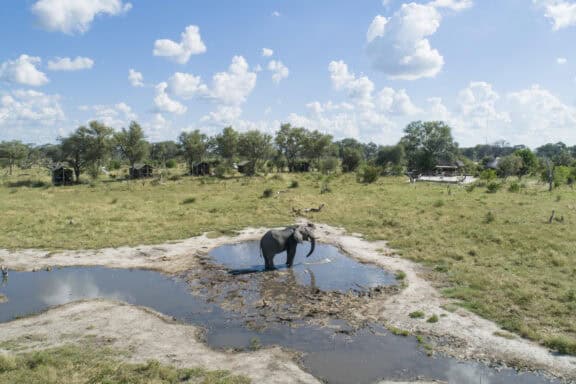
As the country’s largest game reserve, covering a staggering 14,650 square kilometres, Hwange National Park offers a sheer scale of wilderness that is increasingly rare in modern tourism. Hwange is globally renowned for its massive breeding herds of elephants – a quintessential sight as what looks to be hundreds of them walk across the dusty plains together during the dry season.
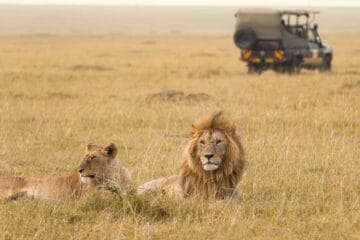
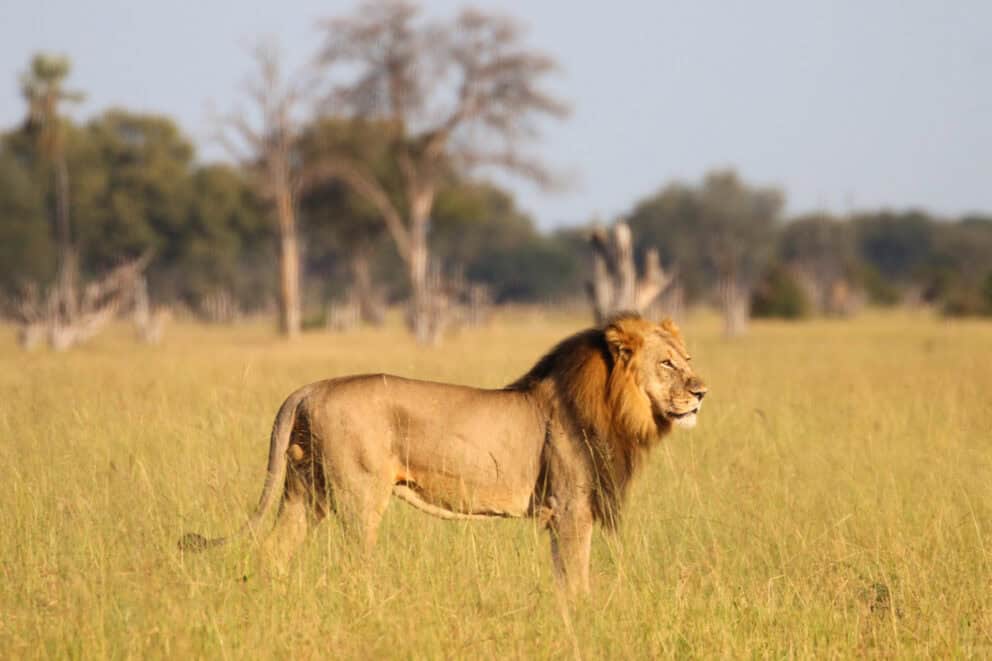
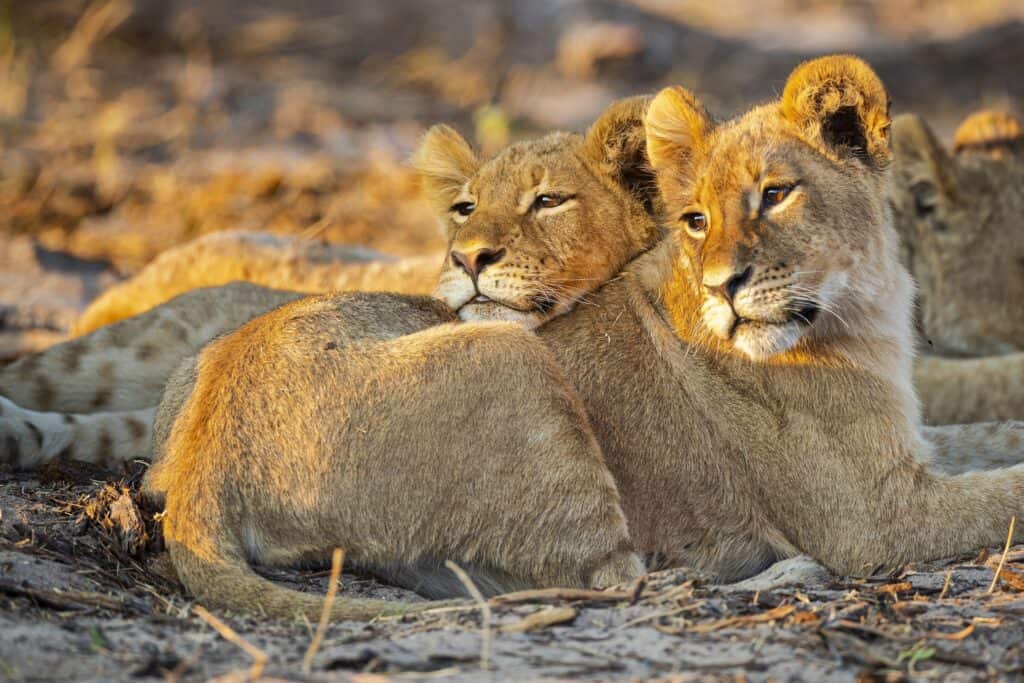
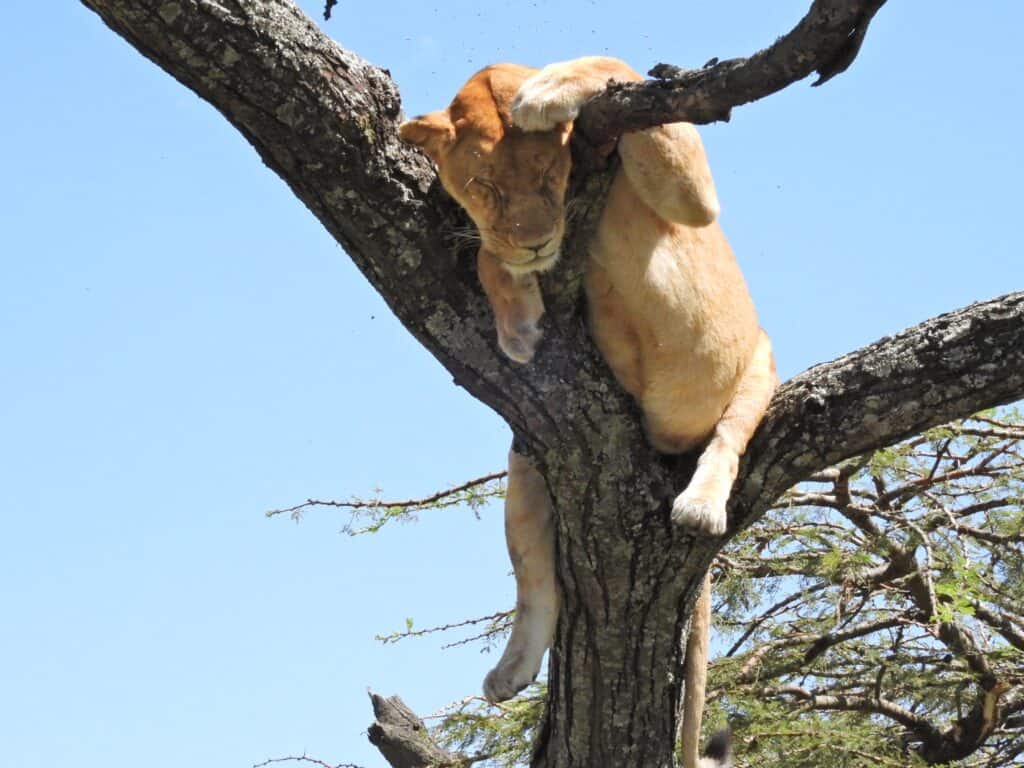
For the thrill seeker, the park is also a critical stronghold for apex predators. You can witness dramatic predator-prey dynamics, tracking robust prides of lions and observing packs of the highly endangered African wild dog as they hunt across the sweeping savannah.
“…it was the closeness that changed us. We trusted our guide implicitly as we sat mere metres from elephants, lions, and hippos. We weren’t just seeing them; we were learning. We watched their habits and their unique traits.” – Cathy and Debb’s Traveller Story.
Ancient Stories and Sacred Landscapes
5. The Architectural Mystery of the Great Zimbabwe Ruins
Zimbabwe is a nation named after its monuments – “dzimbabwe” means “stone houses” in Shona. To truly understand the soul of this land, one must travel to the spectacular UNESCO World Heritage site of Great Zimbabwe.
Built by the advanced Shona civilisation between the 11th and 15th centuries, this impressive ancient city served as the capital of a wealthy, vast trading empire. Excavations have revealed glass beads, porcelain, and gold from China and the Middle East, proving it was a central hub in a global mediaeval trade network.
Walking through the dry-stone, mortarless walls of the Hill Complex and the towering Great Enclosure – the largest single pre-colonial structure in sub-Saharan Africa – you are immersed in a piece of architectural history that highlights a sophisticated ancient African empire.
By examining these historical accounts, you can gain a deeper context of how the Shona people masterfully incorporated natural granite boulders into their royal enclosures without a single drop of mortar.
To learn more about the structural preservation and archaeological history of this empire, you can explore the UNESCO World Heritage Centre archive for Great Zimbabwe, which details the universal value of these ruins.
6. Matobo Hills: The Sacred Spiritual Archive of the San People
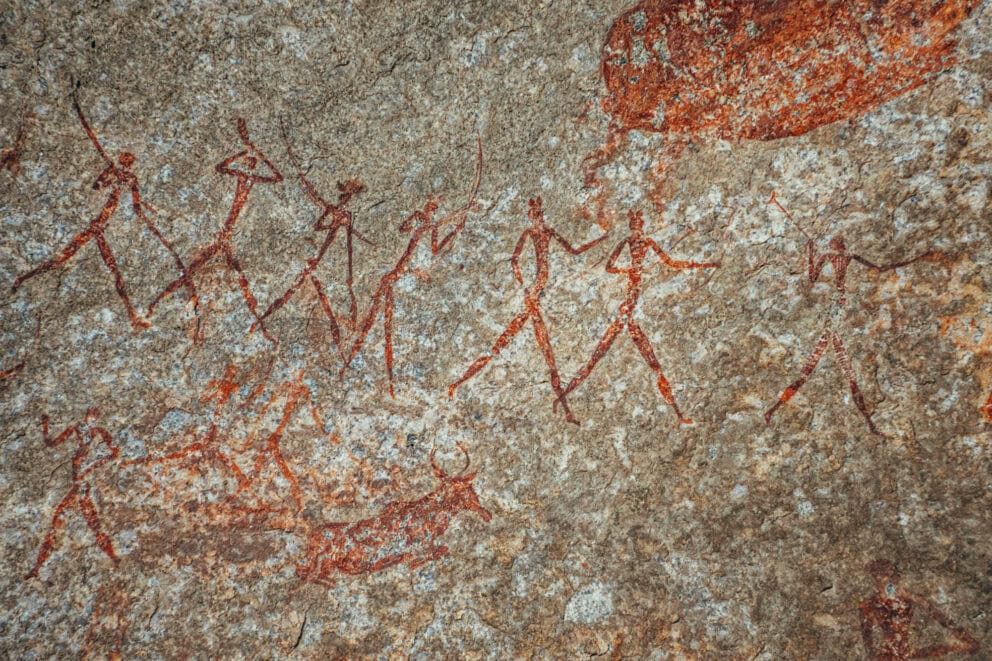
Matobo National Park is not just a geological marvel of granite kopjes rising into the sky; it’s a profound spiritual landscape. The hills contain over 3,000 documented rock art sites (some as much as 13,000 years old), boasting the richest concentration of ancient paintings in southern Africa.
These vivid depictions of human figures, hunting rituals, and spiritual therianthropes (half-human, half-animal figures) were painted using natural minerals. They represent the trance experiences of shamans communicating with the spirit realm. Walking into these ancient caves is a humbling, quiet journey inward that connects you directly to the dawn of human creativity.
For a comprehensive digital look at these ancient canvas styles, the British Museum’s African Rock Art archive for Matobo provides a highly detailed breakdown of the unique “formling” motifs found almost exclusively in this region.
Ethical Legacies and Conservation Frontiers
7. Hwange’s Groundbreaking Community-Led Conservation Models
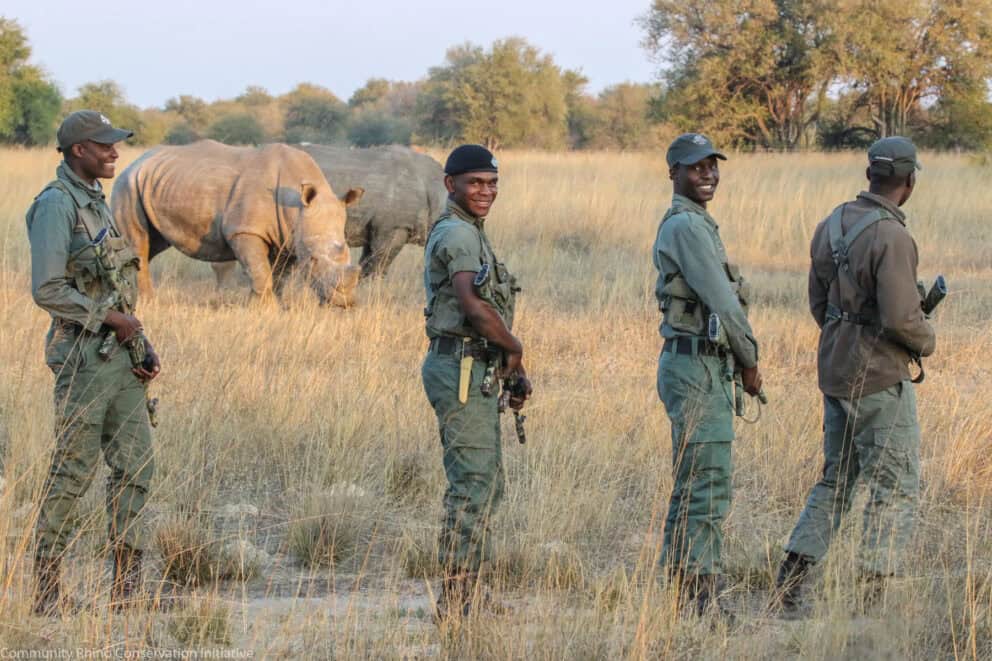
For the purpose-driven traveller, your choice of destination carries an ethical legacy. In Hwange, progressive eco-operators have pioneered revolutionary community-led conservation models that place local communities at the heart of wildlife protection. The landmark Community Rhino Conservation Initiative (CRCI) has successfully reintroduced white rhinos onto communal lands outside the park boundaries, turning local villagers into their direct custodians and proud stewards.
Through the specialised Cobras Community Wildlife Protection Unit, locals receive advanced training and a stable salary, transforming rural economies and directly mitigating human-wildlife conflict.
When you choose safari holidays in Zimbabwe that integrate with these community concessions, your travel dollars directly fund boreholes for clean water, school infrastructure, and healthcare clinics, proving that wildlife protection and human prosperity are indissolubly linked.
8. Active Safeguarding of Wild Dogs and Endangered Species
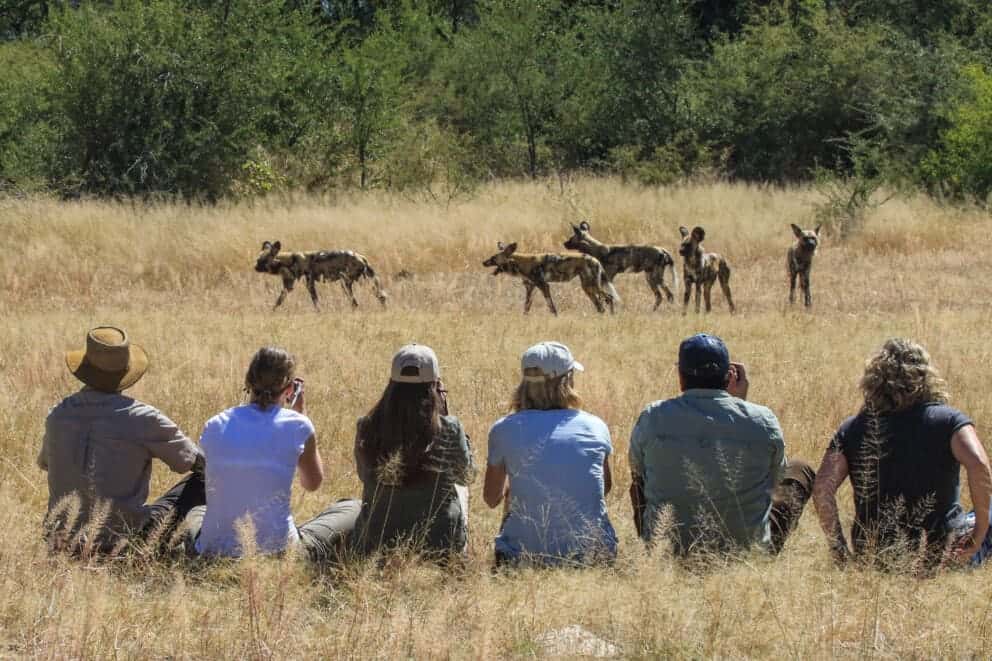
Your presence in Zimbabwe also directly supports intensive, localised species protection programmes. In Hwange National Park and Mana Pools, organisations such as Painted Dog Conservation work tirelessly to protect the highly endangered African wild dog from poaching and habitat loss.
By operating specialised anti-poaching units and monitoring wild packs across the national parks, they provide these rare, spotted canines with the safety they need to rebuild their populations. Witnessing a pack of painted dogs in the wild becomes a deeply meaningful experience when you understand the robust, multi-layered conservation framework fighting on the ground to ensure their survival.
World-Class Standards and Uncrowded Horizons
9. The Authoritative Rigour of Zimbabwe’s Private Guide Licensing
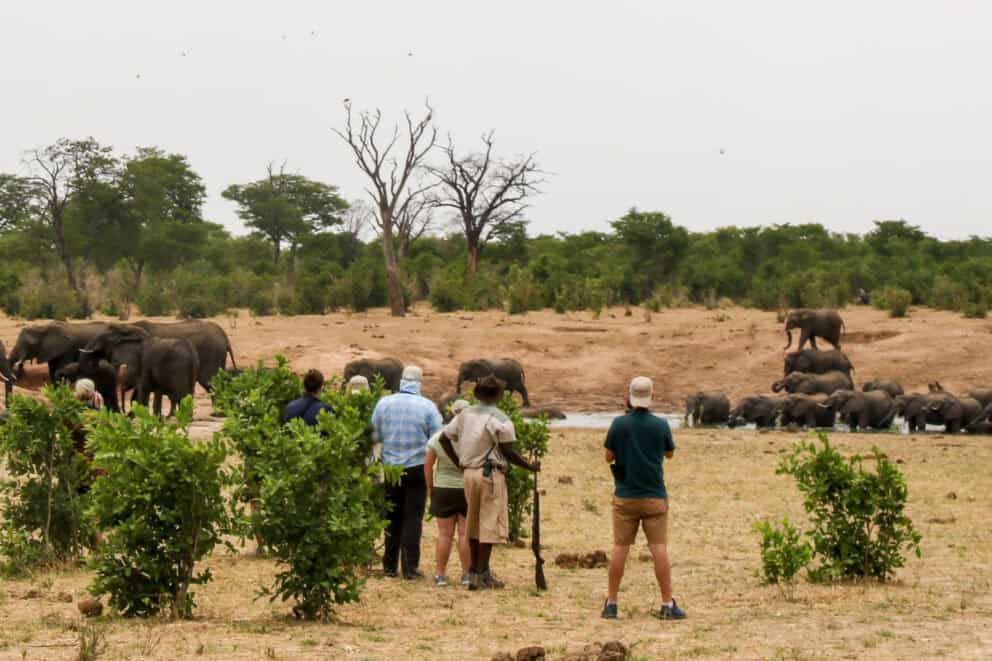
While many African destinations boast exceptional wildlife, Zimbabwe possesses an unrivalled secret weapon: its guides. The Zimbabwean Private Guide licensing process is globally recognised as the most rigorous, demanding, and prestigious training framework in Africa.
Becoming a fully certified professional walking guide is an intense journey that routinely takes between four and seven years of dedicated study and field apprenticeship under the Zimbabwe National Parks and Wildlife Management Authority. Candidates must pass comprehensive written examinations covering advanced firearms ballistics, environmental law, animal habits, habitat ecology, and botany.
Furthermore, to qualify for the proficiency exam held in the wild, an apprentice must log years of field experience and demonstrate flawless marksmanship and calm judgement during close encounters with dangerous game.
This extraordinary level of training ensures that whether you’re identifying bird alarm calls or standing downwind from a lion, you’re in the hands of a true master of bush lore, maximising both your physical safety and your intellectual connection to the environment.
10. Exclusive, Uncrowded Horizons and Cross-Border Contrast
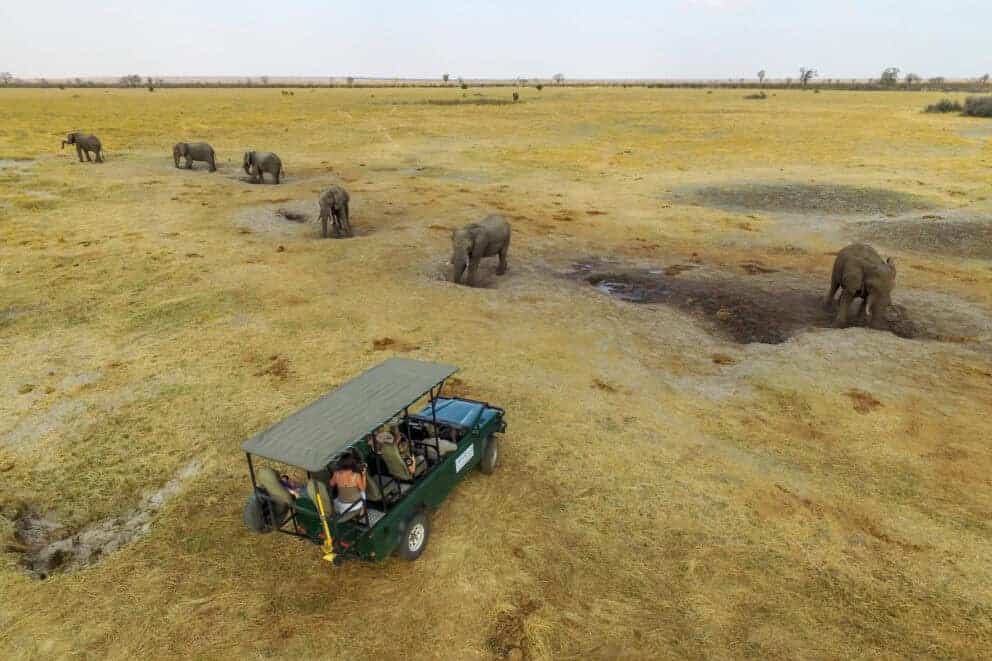
Because Zimbabwe has intentionally resisted mass commercialisation and sanitised tourism, it remains an exclusive, uncrowded paradise. You’ll enjoy remote adventures where you have the entire African wilderness to yourselves, without lines of mini-buses blocking your view.
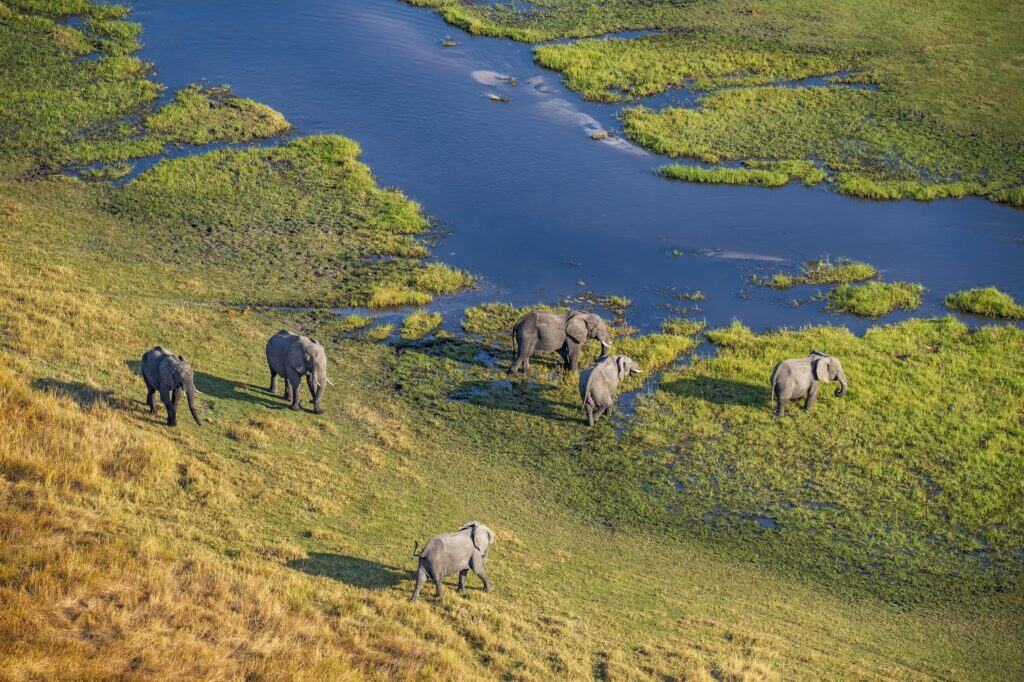
To experience the ultimate contrast in environments, many travellers opt to combine their Zimbabwe safari with a trip to Botswana. You can journey through the water-rich, predator-dense labyrinth of the Okavango Delta or Chobe National Park in Botswana before taking a short flight into Zimbabwe to experience the raw, walking-focused thrills of Hwange, Matobo, and Mana Pools.
Step into Africa’s True Antidote
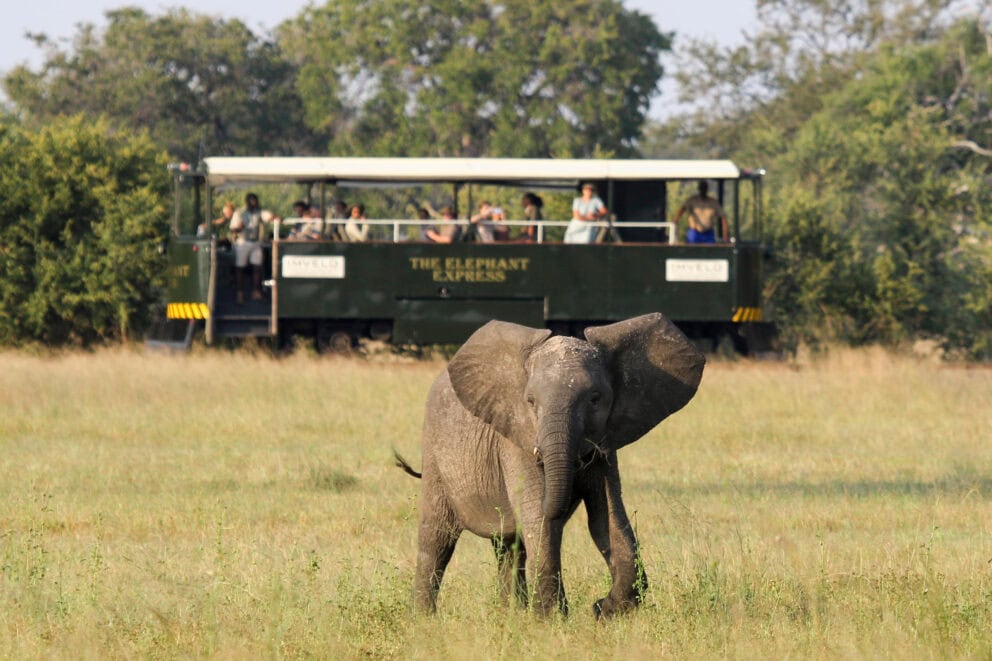
Zimbabwe remains a rare sanctuary where nature dictates the terms, offering an unshielded and authentic encounter. This is a destination that will fundamentally shift your perspective on what travel can be.
Why visit Zimbabwe? These ten points are a start, but there are many more compelling reasons… Not just to witness nature, but to become an active part of its story.
Craft your bespoke Zimbabwe expedition. Let our safari experts design a tailor-made luxury safari in Zimbabwe that aligns perfectly with your thirst for adventure.

Written by Thaakiera Ackerdien
• Travel Writer
Discover the African Journey that’s Right for You
 Blog List


























Written by Thaakiera Ackerdien
• Travel Writer
Part of the Zimbabwe Safari Collection