

 Email us








Throughout history, there have been many reports of rare animal sightings. Usually, this applies to animals that have gone extinct; however, occasionally, there will be reports of animals that have striking colours making them stand out among other members of their species.
Africa’s diverse landscapes are home to an incredible array of wildlife, but among the most enchanting and elusive are its rare cats, which have unique coat patterns and colouring. Beyond the well-known tawny lions and elusive black-spotted leopards, there exist magnificent felines with strikingly unique appearances, often due to rare genetic mutations.
From white lions to strawberry leopards and king cheetahs, these cats are some of the rarest animals on the planet and subject to many a savannah legend. Read on to learn about some of Africa’s most unusual big cats.
1. White Lions
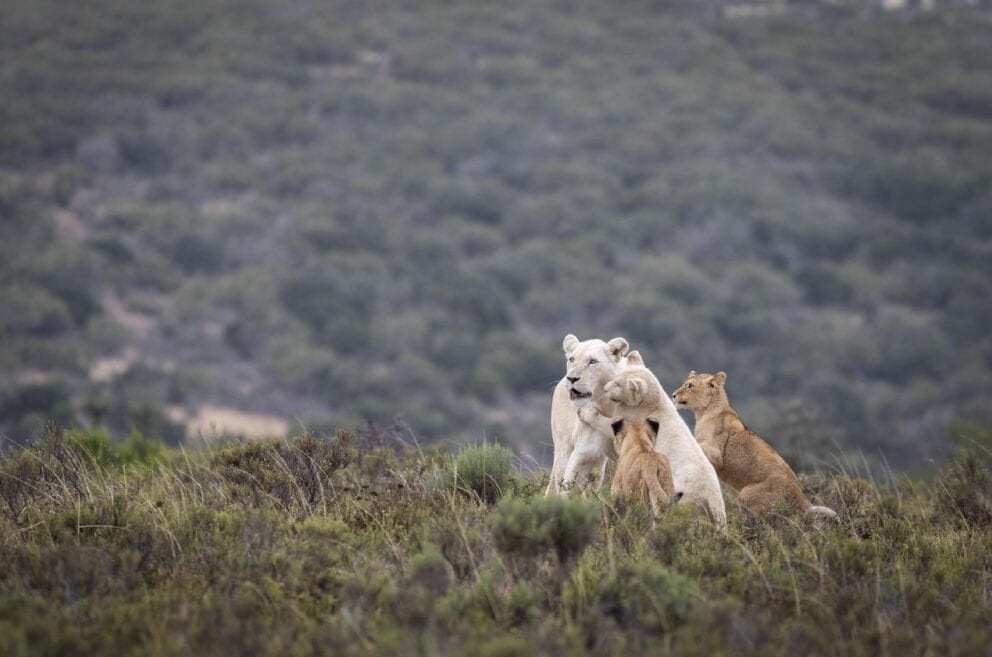
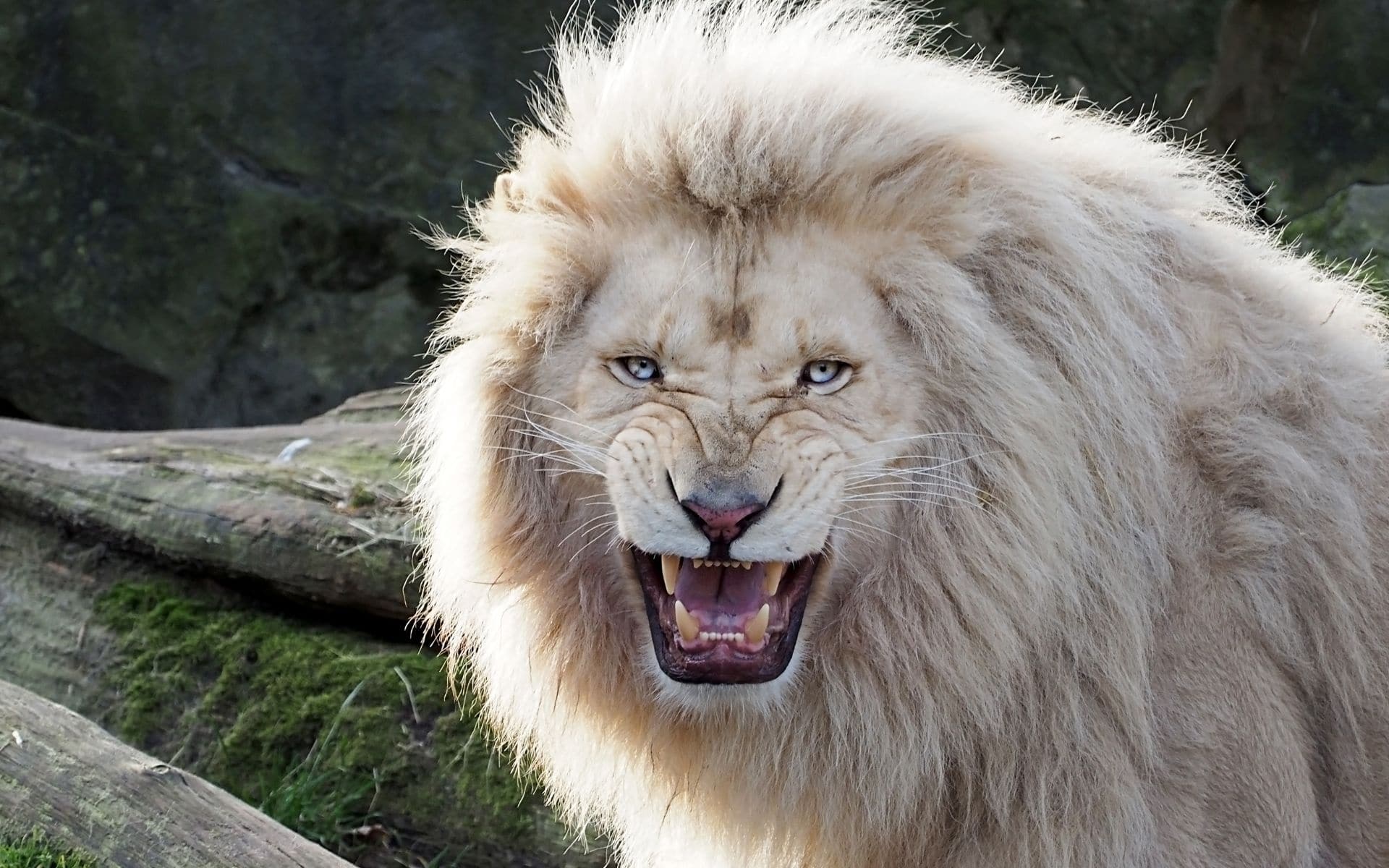
The earliest recorded sightings of white lions were by Europeans in the 1930s in what is now known as the Timbavati Nature Reserve. However, oral records from locals show that white lions were always present in the area.
Although their lack of normal pigmentation suggests otherwise, white lions are not albinos. Their unique colour is due to a genetic condition called leucism, which causes these lions to range in colour from blonde to white. Genetically speaking, they are the same subspecies as the tawny South African lion.
Although considered extinct in the 1990s – mainly due to commercial trophy hunting and their removal from the wild – white lions were successfully reintroduced into their ancestral homelands in 2004 with the Global White Lion Protection Trust. By 2006, white lions were recurring naturally in the Greater Kruger National Park, reigniting hopes for their long-term survival.
While there are reports of white lions in the Kruger National Park, the only known reserve in the world where wild white lions occur regularly is the Timbavati Private Nature Reserve. With several luxury lodges and camps, such as Kambaku River Sands and the Simbavati Hill Top Lodge, this reserve is well equipped to provide a comfortable stay. If you’re lucky, you might even catch a glimpse of these rare big cats out in the wild.
2. Black Panthers
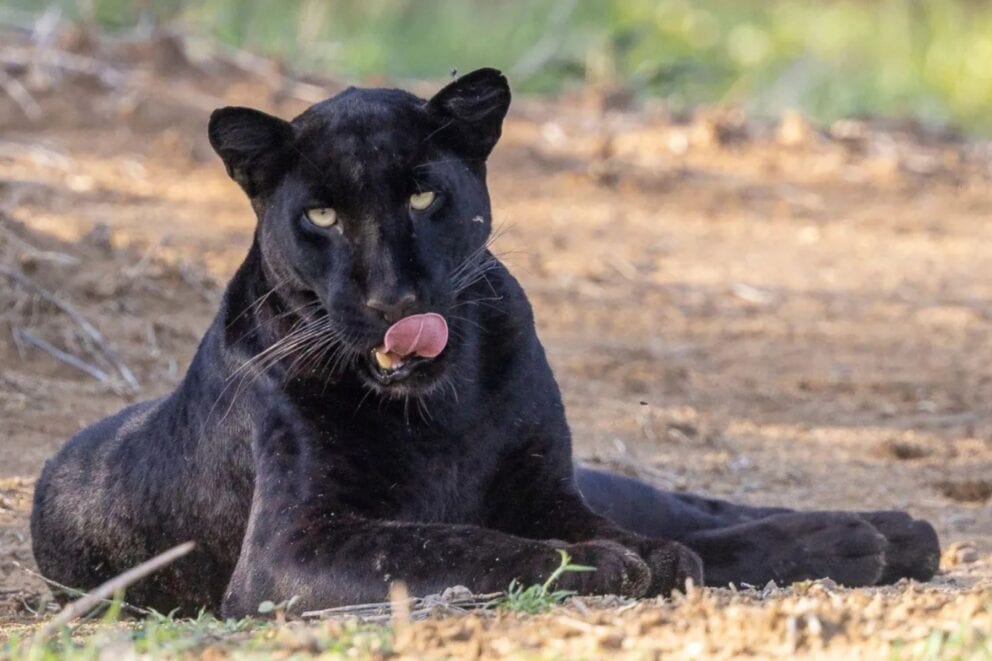
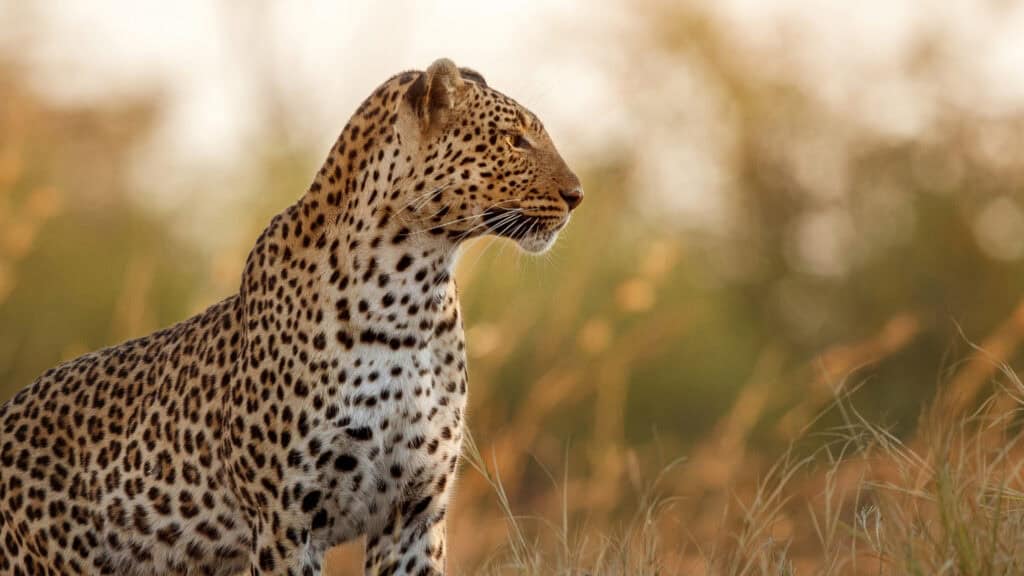
Spotting a leopard in the wild is an extraordinary experience, but encountering a black leopard – or a black panther, as they are often called – is something altogether mystical. Black panthers are leopards affected with melanism. This results in an increased amount of black or dark pigmentation (melanin) in their skin and fur. However, the typical rosette pattern of a leopard is somewhat still visible.
Melanism affects only about 10% of the total leopard population, making them a rare sight in the wild. They were first described in 1788 by French palaeontologist Jean-Claude Delamétherie, who saw one kept in captivity in the Tower of London. Since that time, there have been several sightings of these leopards in the wild.
One of the most famous is Giza, known as the “Black Leopard of Laikipia”. She has earned a reputation as a local legend for her stealthy presence in Laikipia, Kenya. Unlike many leopards, which have a reputation for being quite elusive, Giza is remarkably relaxed around safari vehicles, allowing for some of the best black panther sightings to occur.
Kenya is now one of the best places to see black leopards, which were first confirmed there in 2019. Should you want the chance to see Giza for yourself, speak to one of our safari planners about your Kenya safari adventure!
Although a sighting is not guaranteed, Laikipia is one of Africa’s most stunning destinations and offers incredible wildlife encounters with other elusive animals such as the endangered African wild dog.
3. King Cheetahs
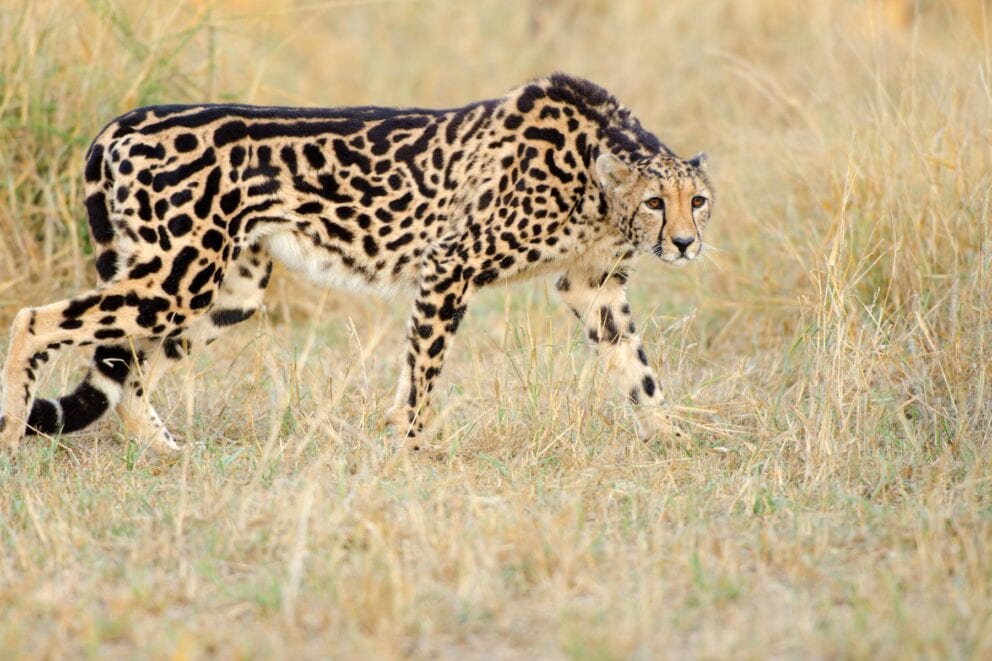
Cheetahs are well-known to be the world’s fastest land animals, clocking in at speeds of up to 128 km/hour (79.5 mi/hour). They are also known for their beautiful yellow fur and black spots. There also exists a rare, mutant variant of the cheetah known as the “king cheetah” whose spots are large and blotchy, with three stripes down their backs, giving them a regal appearance.
In Manicaland, Zimbabwe, they were known as nsuifisi and thought to be a cross between a leopard and a hyena. Meanwhile, Europeans initially thought them to be a new species of cheetah, even going so far as to give them a new name, Acinonyx rex.
This striking coat is caused by a recessive gene mutation, making them quite rare in the wild. Previously, the last confirmed sighting of a king cheetah was in South Africa’s Kruger National Park in 1986, and up until that point, there had only ever been six sightings in the wild in Botswana, Zimbabwe, and South Africa.
Today, your best chances for seeing one in the wild might be at the Kapama Private Game Reserve in South Africa, where they have been successfully bred and released into the reserve with the help of the Cheetah Conservation and Research Centre.
4. Strawberry Leopards
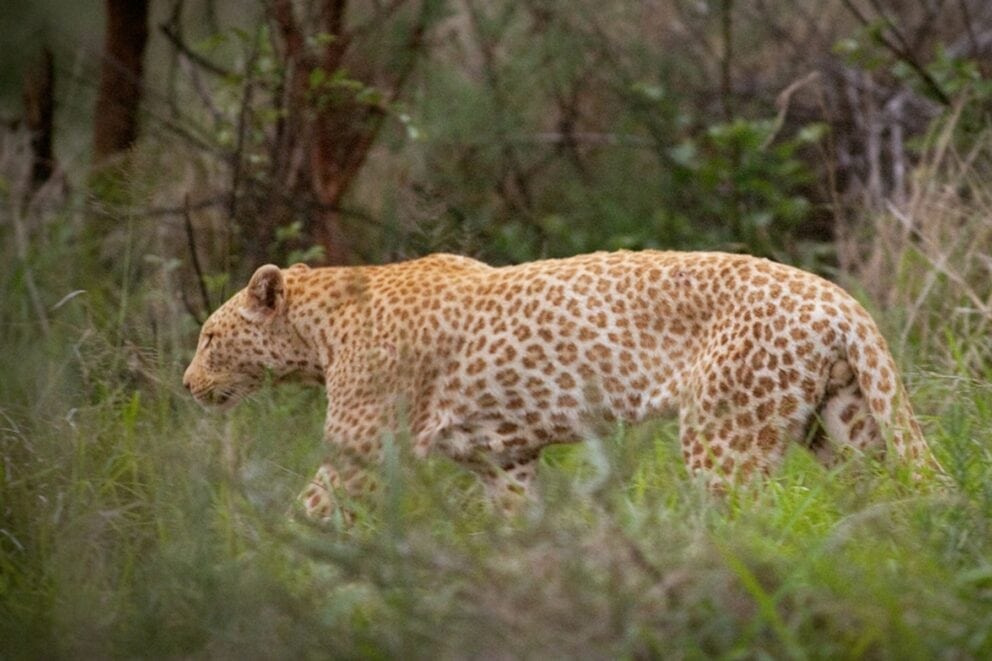
Strawberry leopards, also known as pink leopards, are another incredibly rare colour variant of the African leopard – much more so than melanistic ones. They are so named due to their unusual light pinkish or reddish coat, making them stand out starkly from their golden yellow and black-spotted counterparts.
While their strawberry rosettes were once believed to be linked to excessive production of red pigment as a result of erythrism (abnormal redness in an animal’s fur), researchers have discovered that it is actually more closely related to albinism – a complete lack of pigment.
Sightings of this extra elusive leopard are extremely rare, with only a handful ever being documented. One of the most famous individuals was photographed in South Africa’s Madikwe Game Reserve in 2012 and another in Tanzania’s Selous Game Reserve in 2024. The most recent sightings took place in Tanzania’s Nyerere National Park in 2024.
Their extreme rarity has made them a fascinating subject among safari enthusiasts, photographers, and conservationists alike.
5. Black Servals
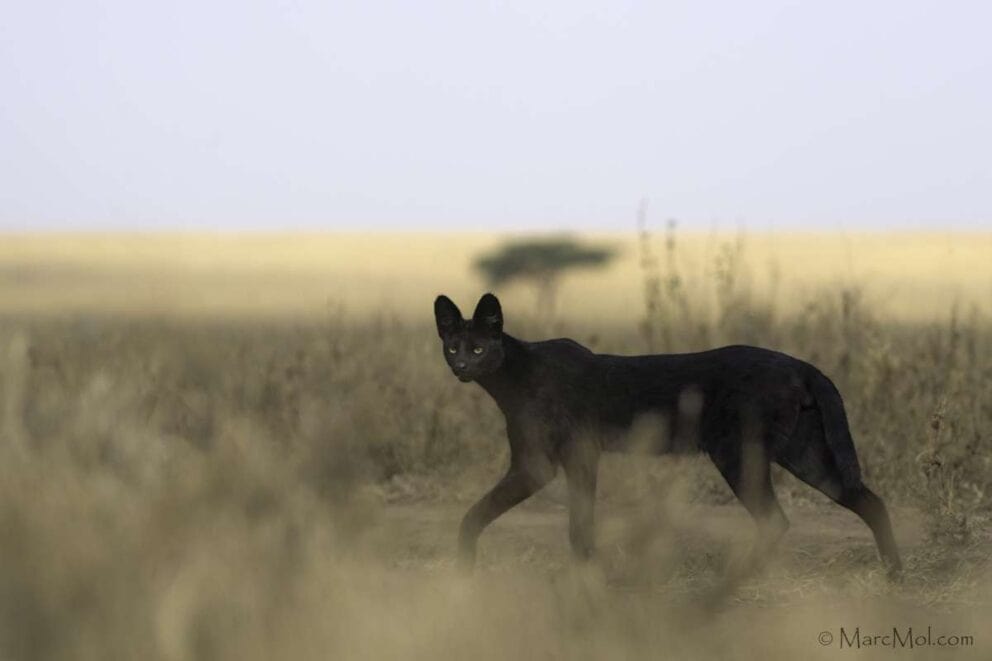
Although they are not technically “big cats”, they are considerably larger than your average housecat, which is why we have chosen to include them on this list. Servals are often mistaken for cheetahs due to their spotted coat and tawny colouring; however, the rare melanistic serval looks more like a very large black cat.
For those not in the know, a serval is another one of Africa’s wild cats and inhabits much of Africa’s grasslands, wetlands, moorlands, and bamboo thickets. They can be found across Kenya’s Masai Mara, Tanzania’s Ngorongoro Crater, Botswana’s Kwando and Linyanti Concessions, as well as much of South Africa’s Greater Kruger region.
Much like the black panther, the black serval’s gorgeous dark coat is caused by melanism, making them stand out against the browns and greens of the bush. Should you find yourself on safari in Tanzania’s Namiri Plains, you might be fortunate enough to come face to face with one of its resident celebrities, Manja, the melanistic serval.
Manja was first spotted in Namiri Plains in 2019. Up until then, there were believed to only be four other melanistic servals in East Africa, making him quite the rare sighting. Manja is also world-famous, having been shared in images by BBC Earth, National Geographic, and The Discovery Channel! For an even greater chance of seeing Manja – and his melanistic offspring – consider a stay at Asilia Africa’s Namiri Plains Camp, where you will enjoy expansive views of the Serengeti and several luxury amenities.
Why Are These Cats so Rare?
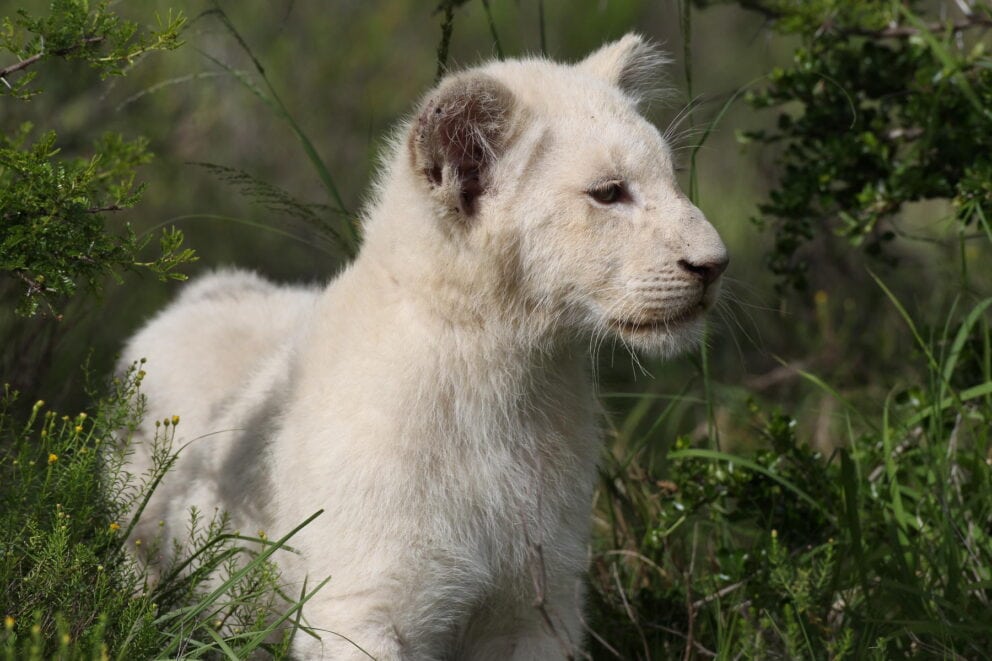
Although it would be interesting to see savannahs filled with black panthers, strawberry leopards, and white lions, the rarity of these big cats makes spotting them all the more exciting, adding an element of uniqueness to your safari.
Genetic mutations, primarily leucism, melanism, and erythrism, are recessive, so both parents must carry the gene for it to be expressed in offspring, making natural occurrences incredibly rare.
These coat markings also present an evolutionary disadvantage by making the animals more conspicuous, which lowers their chances of survival, particularly when they are young. Trophy hunters have also historically deliberately targeted rare animals, posing another threat to their existence in the wild.
These elusive, rare felines don’t just captivate with their beauty; they shine a spotlight on the wonders of evolution and the fragility of wild ecosystems. As genetic marvels and cultural icons, they remind us that the African wilderness still holds many secrets waiting to be discovered.
Whether you are a wildlife enthusiast or safari-goer, helping protect these cats ensures that future generations experience the magic of Africa. Want to see big cats in the wild? Consider a big cat safari and a stay at a conservation-led reserve for your next safari!

Written by Thaakiera Ackerdien
• Travel Writer
Discover the African Journey that’s Right for You
 Blog List

































Written by Thaakiera Ackerdien
• Travel Writer
Part of the East Africa Safari, Southern Africa Safari & African Big Cats Safaris Collections