Email us




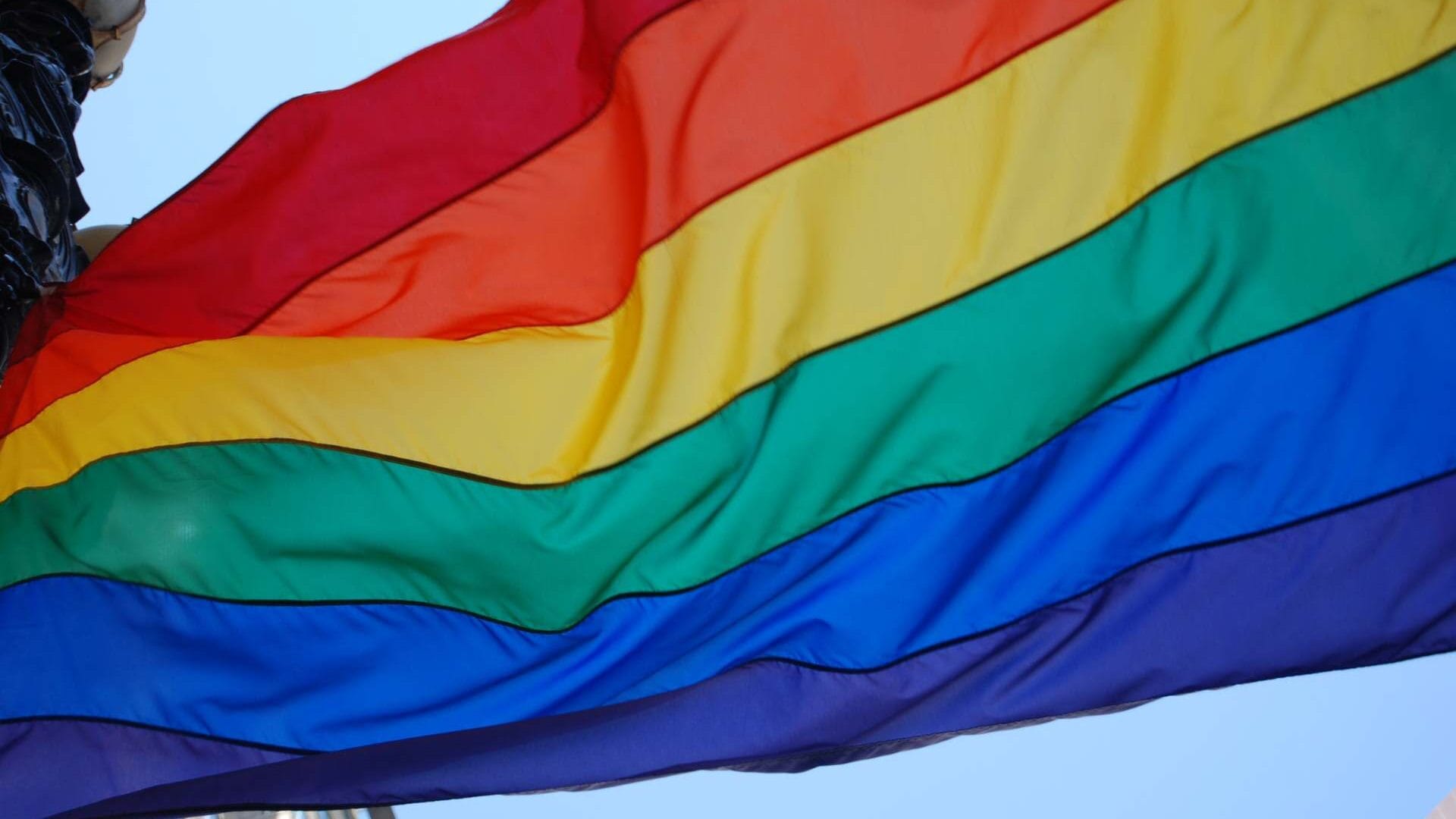



Knowing Botswana’s LGBTQ rights are a huge part of safari planning for travellers part of the LGBTQ+ community. A closer look at the constitution confirms that same-sex relationships are fully decriminalised, offering legal clarity and peace of mind long before you ever step onto a safari vehicle.
Same-sex relationships are no longer criminalised, and Botswana LGBTQ laws now sit within a constitutional framework that recognises privacy and dignity. Still, the lived reality is not identical everywhere. That contrast is where most of the truth sits.
For anyone researching Botswana LGBTQ rights or Botswana gay rights or asking if Botswana is LGBTQ-friendly, the answer is layered rather than simple. The law says one thing. Daily life can feel slightly different depending on where you’re standing.
Botswana LGBTQ Rights Today
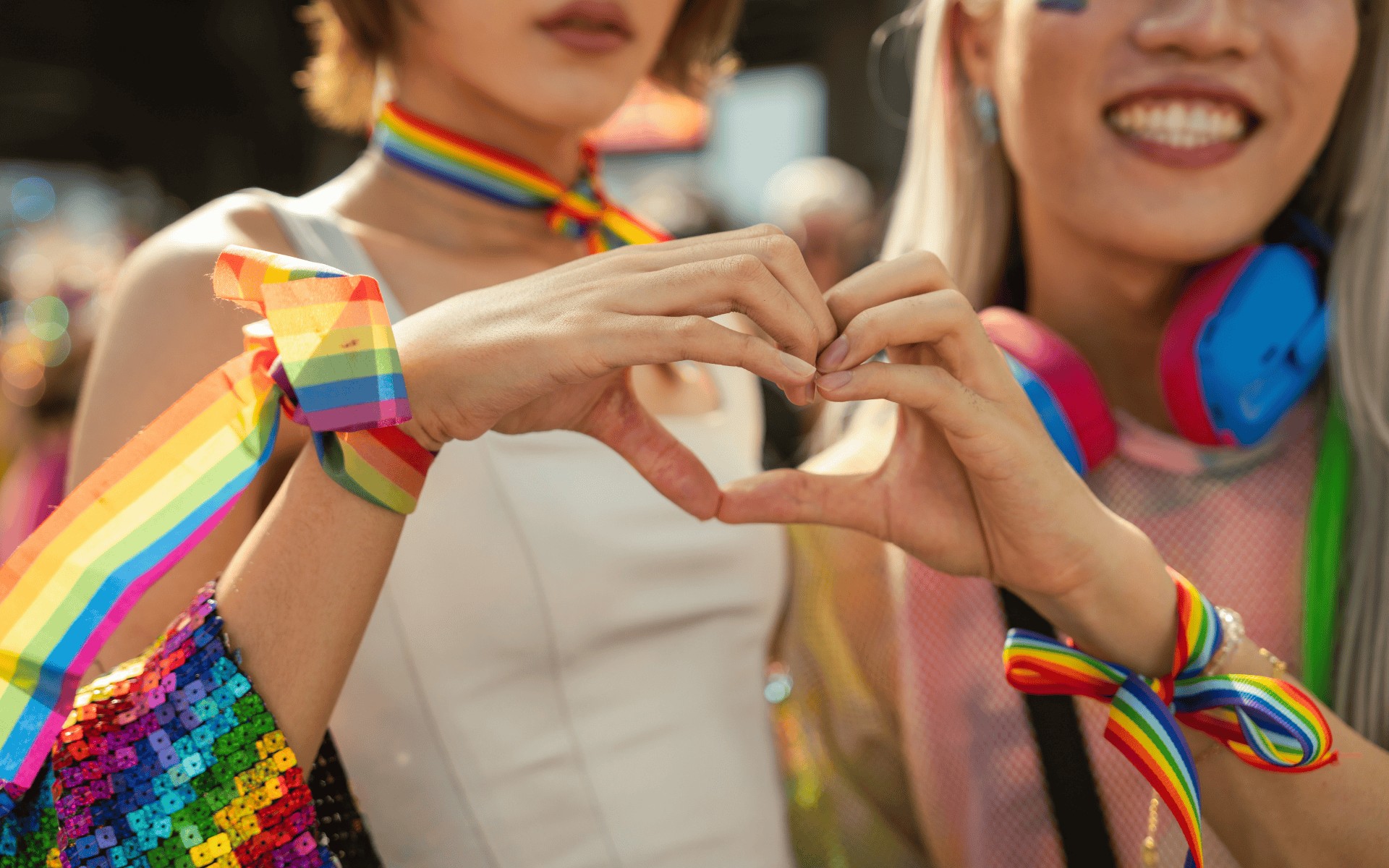
Botswana’s legal landscape reached a definitive turning point in 2019 when the High Court ruled that criminalising same-sex relationships was unconstitutional. That landmark decision removed legal penalties and reframed Botswana’s laws around privacy rather than punishment. It was a clear legal break from the past, and it still shapes how gay rights in Botswana are understood today.
While that initial courtroom victory provided immediate safety, a historic legislative cleanup followed in March 2026. The government officially amended the Penal Code, permanently striking the colonial-era “Unnatural Offences” clauses from the statute books.
By physically removing this outdated text, Botswana aligned its written laws entirely with its constitutional values of privacy and dignity. On the ground, this means LGBTQ+ travellers face zero legal risk – the conversation has completely shifted from legal restriction to simple social variation.
Is Botswana LGBTQ-Friendly?
In Gaborone, things feel more open. Hotels, restaurants, and safari operators that work with international guests tend to be used to diversity.
Outside the city, the tone changes. Smaller towns and rural areas tend to be more traditional and conservative, and public life is generally more reserved for everyone, not only LGBTQ travellers.
This is where Botswana LGBTQ travel becomes less about labels and more about awareness. Public affection is uncommon across the board. Discretion is a cultural norm.
So yes, Botswana LGBTQ rights have improved legally, but “friendly” depends on context rather than a blanket answer.
Botswana LGBTQ Laws and What They Mean in Practice
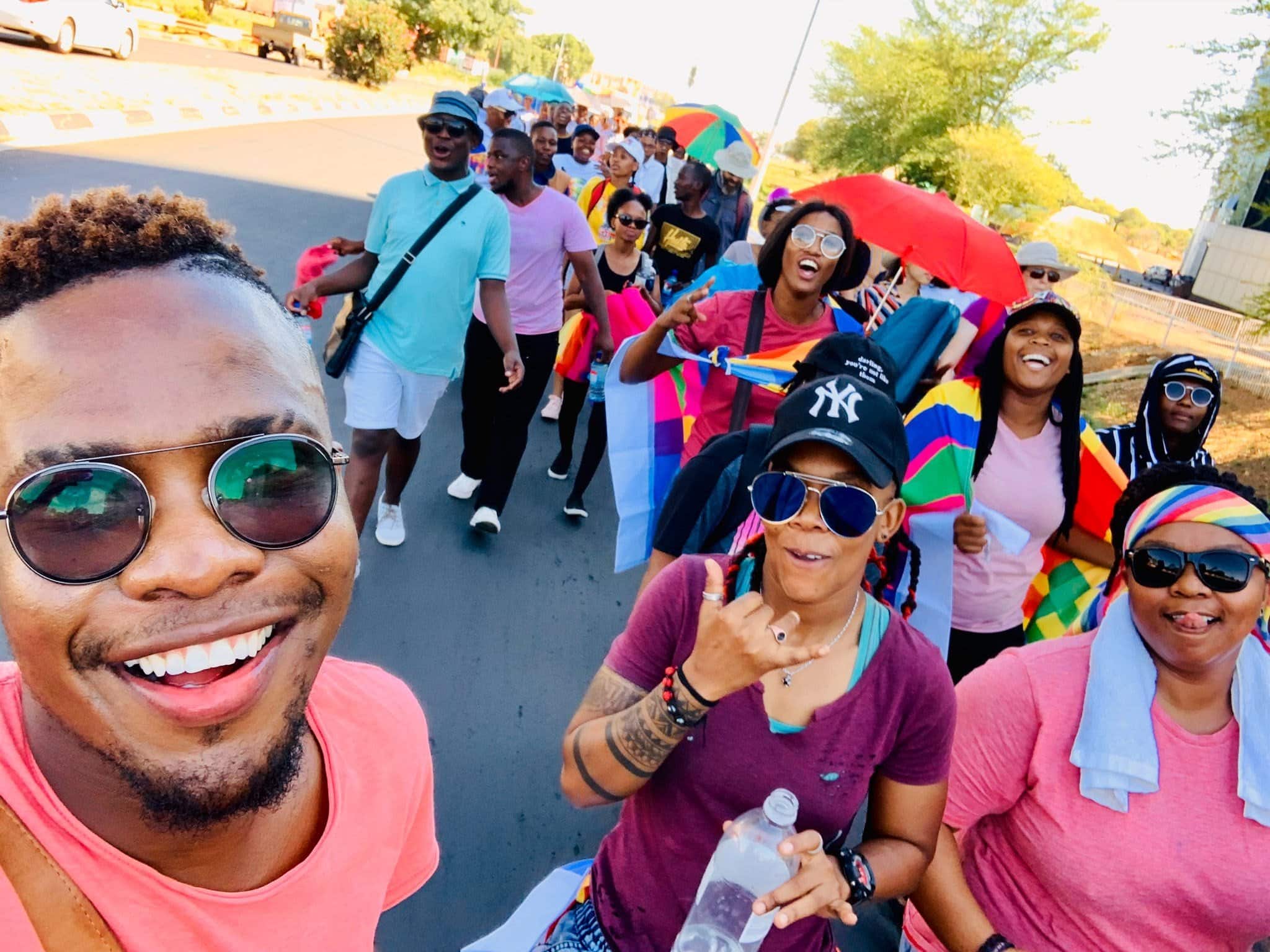
Botswana LGBTQ laws now reflect constitutional values rather than colonial-era restrictions.
The historic 2019 decriminalisation, backed by the March 2026 statutory repeal, successfully shifted Botswana’s legal framework into one based entirely on human rights. For travellers, the practical reality of this evolution is straightforward: there is no criminalisation of same-sex relationships, and LGBTQ+ visitors aren’t breaking any laws by simply being themselves.
The legal structure is stable. The social structure is more varied.
Gay Rights in Botswana in Everyday Life
Gay rights in Botswana sit at the meeting point of tradition and change.
Before colonial legal systems, some communities in the region had more fluid understandings of relationships. Later legal frameworks introduced stricter definitions that shaped modern perceptions.
Today, Botswana’s gay rights exist within a country that is legally progressive in comparison to many neighbours but still socially conservative in parts of daily life.
In cities, conversations feel modern, even casual. In rural areas, things are quieter and more observant. Not hostile – just different in tone.
For LGBTQ travellers to Botswana, this usually translates into a country where private spaces feel comfortable and public spaces feel reserved in general, regardless of identity.
LGBTQ Travel Botswana Experience
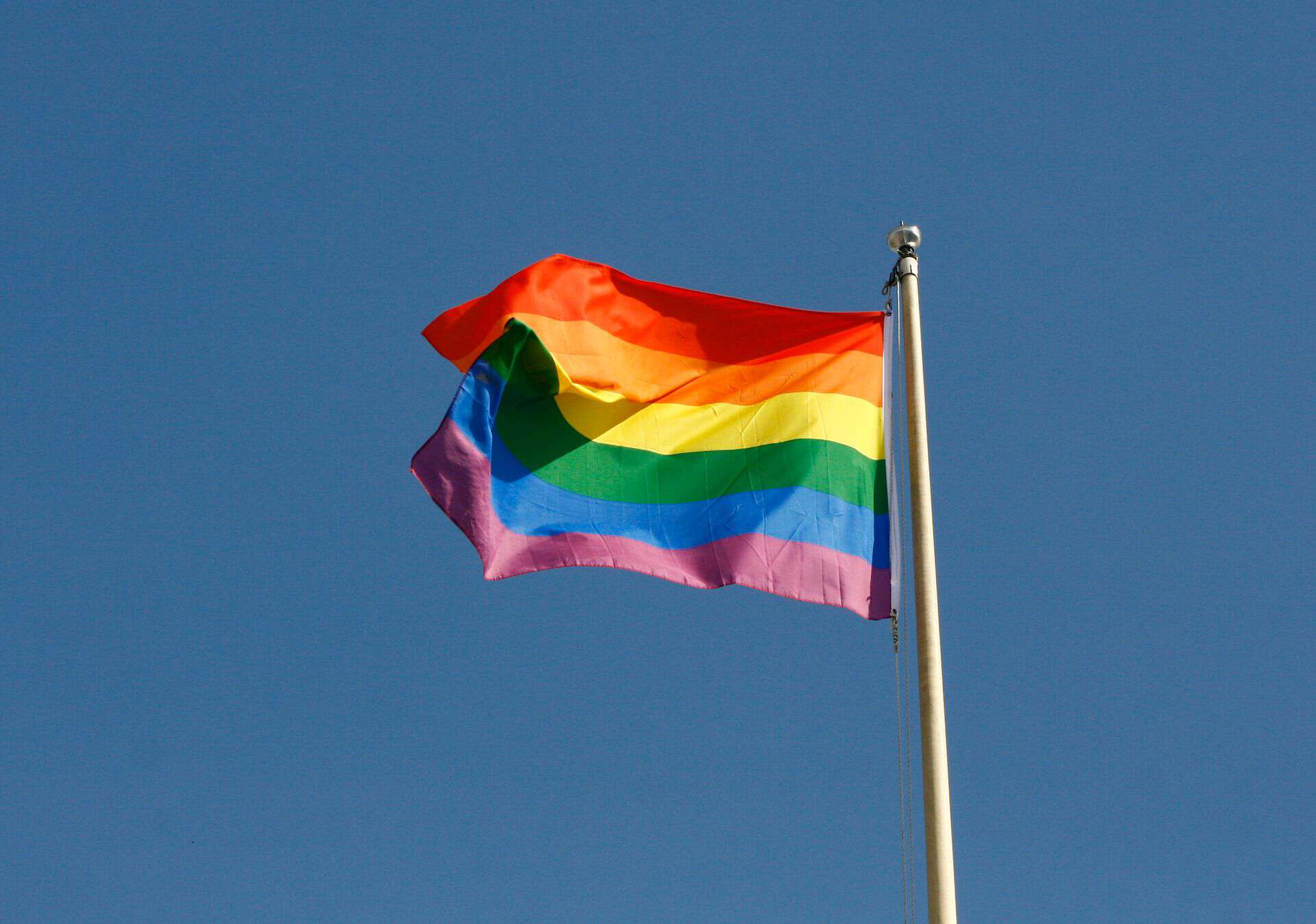
LGBTQ travel in Botswana is shaped more by where you stay than by how you identify.
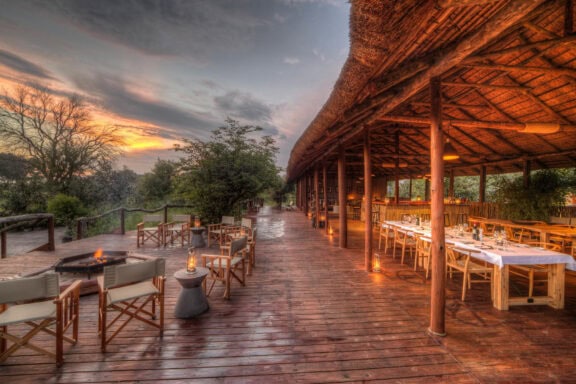
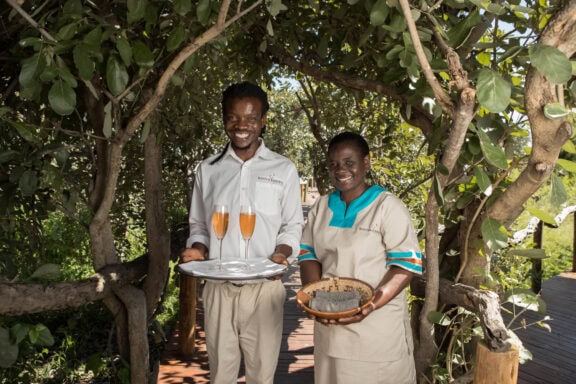
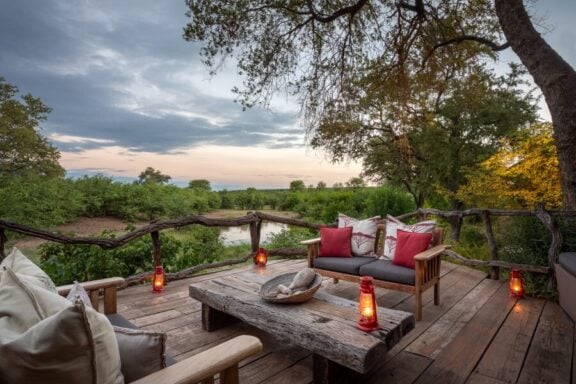
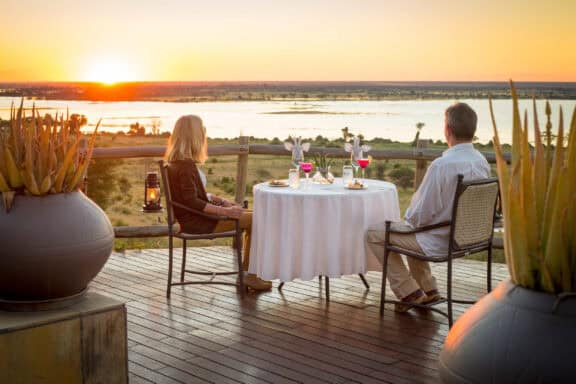
Safari camps and lodges that host international guests are familiar with a wide range of travellers. Service tends to be professional, discreet, and consistent, with attention placed on comfort rather than categorisation.
Botswana’s LGBTQ rights give the legal foundation, but it’s in hospitality spaces where most travellers feel the ease of that protection.
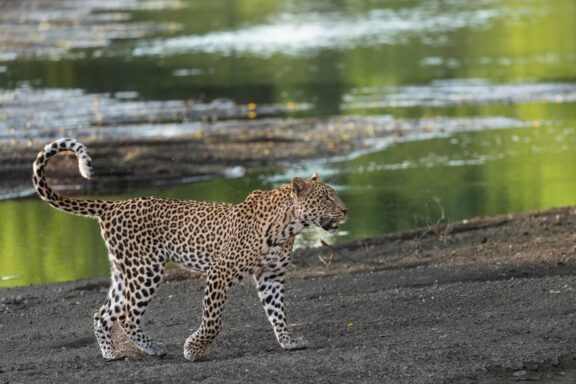
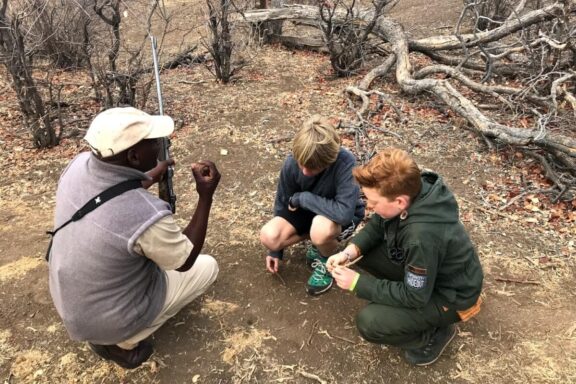
In the bush, daily life revolves around early drives, shared meals, and quiet pauses between sightings. Identity rarely becomes a topic at all.
When planning Botswana LGBTQ travel, the most reliable experiences tend to come from properties that prioritise privacy and space rather than visibility.
Cultural Awareness and Daily Reality
Botswana’s LGBTQ rights exist alongside strong cultural values that shape everyday behaviour.
Respect, restraint, and privacy are common across social interactions. These expectations apply to everyone, not just LGBTQ travellers.
Understanding Botswana’s LGBTQ laws helps with legal clarity, but understanding social rhythm helps with comfort. Public life tends to be measured. Private spaces tend to feel more open.
This balance is what defines Botswana LGBTQ travel in practice – not a single narrative, but a set of overlapping realities that change depending on setting.
Where Botswana Stands Today
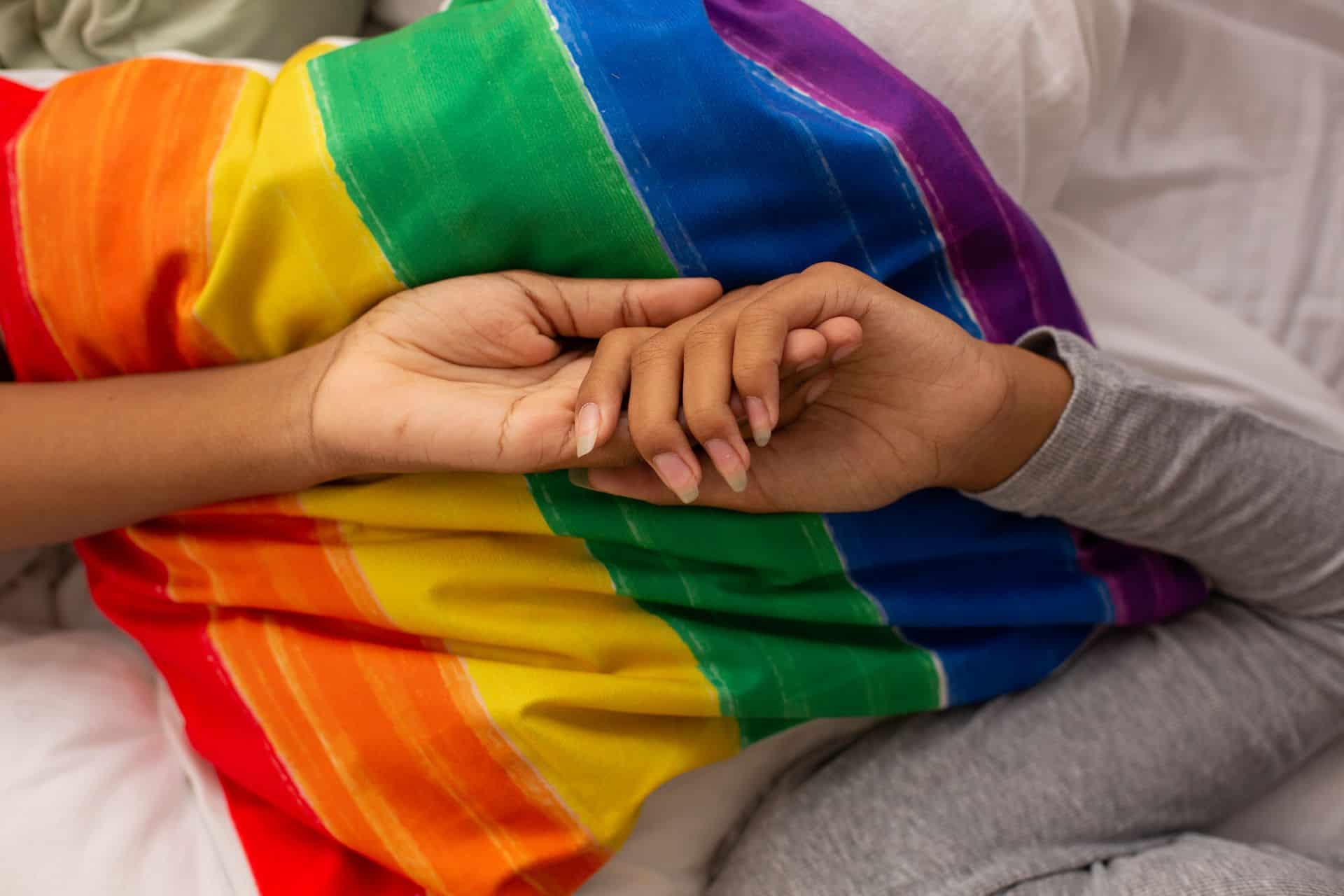
Botswana’s LGBTQ rights now sit in a very different place from where they once were.
The 2019 High Court ruling marked a turning point, and the landmark 2026 Penal Code amendments have fully reinforced that shift. Criminalisation is gone. Constitutional recognition of privacy is in place.
For LGBTQ travel in Botswana, the experience is less about a single label and more about reading the room, the place, and the moment you’re in.