

 Email us







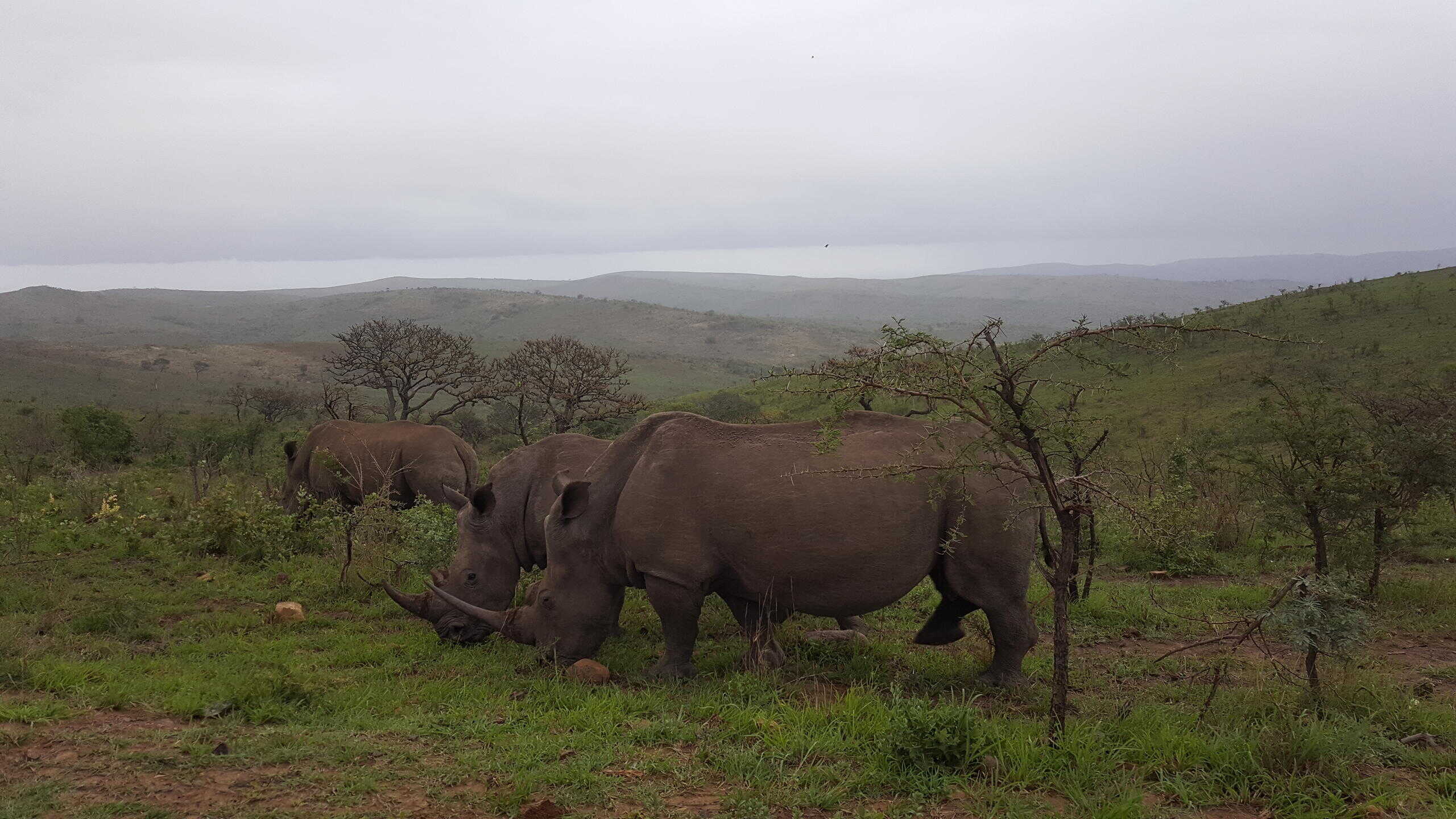
South Africa has recorded a 16% decline in rhino poaching in 2025 compared to 2024. This is according to annual statistics released by the Department of Forestry, Fisheries and the Environment (DFFE).
“From January to December 2025, 352 rhinos were poached in South Africa, with 266 being killed on State property and 86 on privately owned parks, reserves or farms. This was a decrease of 68 in comparison to 420 rhinos poached in 2024,” says Minister Willie Aucamp in a statement.
Hluhluwe-iMfolozi Success
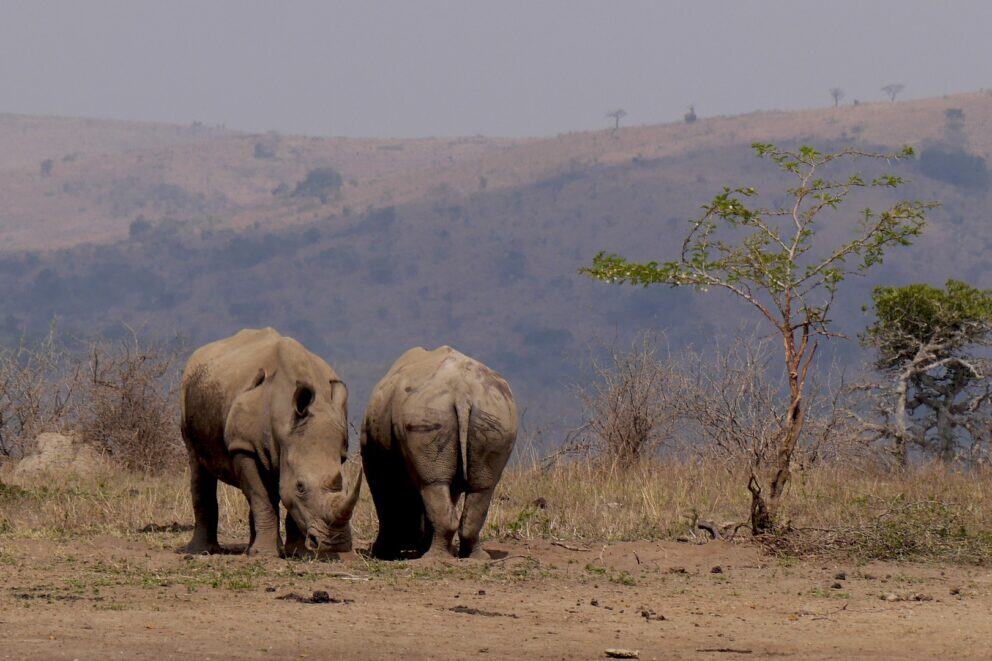
The most significant contributor to the national decline was a dramatic turnaround in KwaZulu-Natal’s Hluhluwe-iMfolozi Park. Once the epicentre of the poaching crisis, the park saw its numbers plummet by more than two-thirds, dropping from 198 rhinos lost in 2024 to just 63 in 2025.
“The park has been hard hit by poaching pressure in recent years, and these latest figures show that long-term investment into strategic interventions such as dehorning and camera-trap technology, as well as ranger welfare, can have real impact,” said conservation group, Save the Rhino International, in a statement.
Minister Aucamp credited this “critical catalyst” to a multifaceted strategy that combined traditional boots-on-the-ground work with high-tech intervention. Chief among these was a massive, strategic dehorning programme implemented in 2024. Dehorning involves trimming down a rhino’s horn to prevent them from becoming targets to poachers. By removing the very prize they seek, the risk-to-reward ratio for criminal gangs is fundamentally altered.
The decline in poaching was bolstered by the Integrated Wildlife Zones (IWZ) Programme, which fostered unprecedented collaboration between state-run Ezemvelo KZN Wildlife and private rhino owners.
A Shift in Criminal Operations
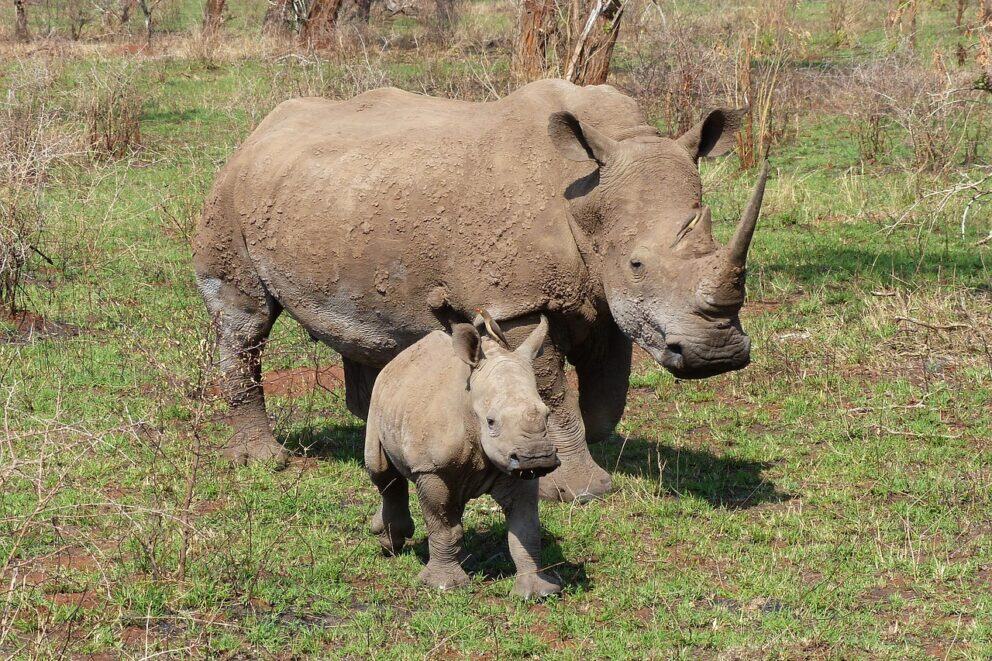
Despite this, the latest statistics also show that the number of rhinos killed in Kruger National Park has nearly doubled, rising from 88 incidents in 2024, to 175 in 2025. Most of these losses occurred within the Mpumalanga province, which was the hardest hit overall.
Conservationists suggest that this spike is a direct response to heightened security in KwaZulu-Natal, as criminal syndicates rapidly shift their operations in response to tightened security elsewhere.
“Poaching statistics are more than just numbers; they are an indicator of the cost and fragility of conservation efforts,” says Dr Jo Shaw, CEO of Save the Rhino International. She notes that the doubling of mortalities in Kruger highlights a “global threat” that requires more than just local patrols – it requires dismantling the entire illicit supply chain.
“Sustainable recovery of rhinos will require transnational investigations along the full illicit supply chains for rhino horns – from rhino range states such as South Africa, to destination states such as China, Vietnam, and Laos – and shared commitment to the use of financial and other forensic tools to convict the big players in trafficking networks,” she notes.
Despite the challenges in Kruger, the DFFE reported a strengthening of the legal pipeline. Under the National Integrated Strategy to Combat Wildlife Trafficking (NISCWT), prosecutors are now “centralising” cases, allowing them to try syndicates for multiple crimes.
“As we closely monitor implementation of the National Integrated Strategy to Combat Wildlife Trafficking (NISCWT), we continue to see some very good convictions in relation to rhino-related cases, with lengthy direct imprisonment terms, in respect of cases related to rhino crimes,” the Minister said.
A Victory Worth Defending
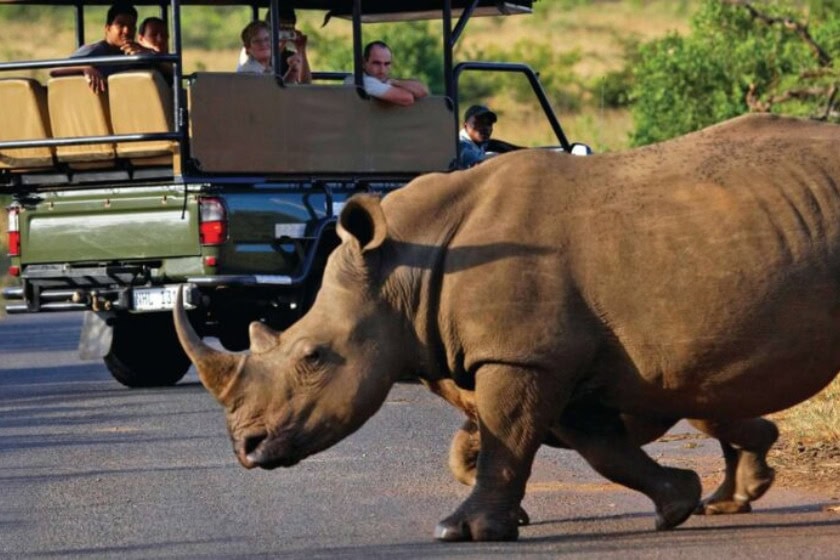
The 2025 report proves that South Africa has the tools to win. The success in KwaZulu-Natal provides a replicable blueprint of dehorning, community involvement, and technological integration. However, the surge in the Kruger National Park serves as a reminder that there is no room for complacency.
For now, 68 more rhinos are roaming the plains of South Africa than would have been if 2024’s trends had continued. In the world of conservation, that is a victory worth defending.
Key 2025 Statistics at a Glance:
- Total Poached: 352 (16% decrease from 420 in 2024)
- State Land Losses: 266
- Private Land Losses: 86
- Kruger National Park: 175 (Up from 88)
- KZN (Hluhluwe-iMfolozi): 63 (Down from 198)
- Hardest Hit Province: Mpumalanga (178 losses)
The Path Forward
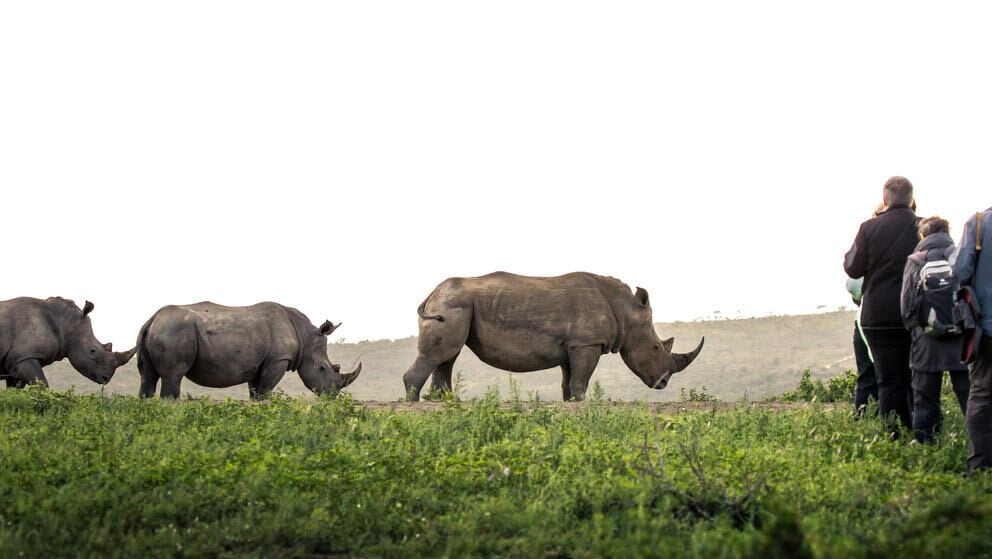
The 2025 figures offer a clear, hard-won victory and a replicable blueprint for conservation success, particularly in KwaZulu-Natal. Yet, the sharp surge in Kruger National Park is a sobering reminder that the war is far from over and complacency is a threat.
The battle to protect South Africa’s rhinos requires substantial, long-term funding. This is where the power of sustainable and conservation-focused safari experiences becomes a critical link in the defence chain.
Visitors directly fund – and can even participate in – these strategic interventions, from dehorning and cutting-edge camera-trap technology to vital ranger welfare and intelligence-led operations, that yield the kinds of results seen in Hluhluwe-iMfolozi.
Your commitment to conservation tourism doesn’t just offer a wildlife experience; it translates directly into boots on the ground and technology in the bush, making you a partner in a victory worth defending.

Written by Thaakiera Ackerdien
• Travel Writer
Discover the African Journey that’s Right for You
 Blog List

































Written by Thaakiera Ackerdien
• Travel Writer
Part of the South Africa Safari Collection