

 Email us



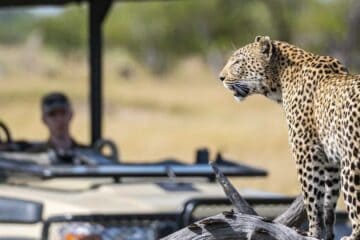

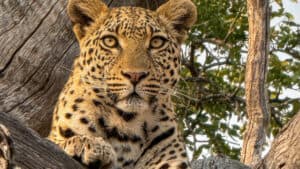
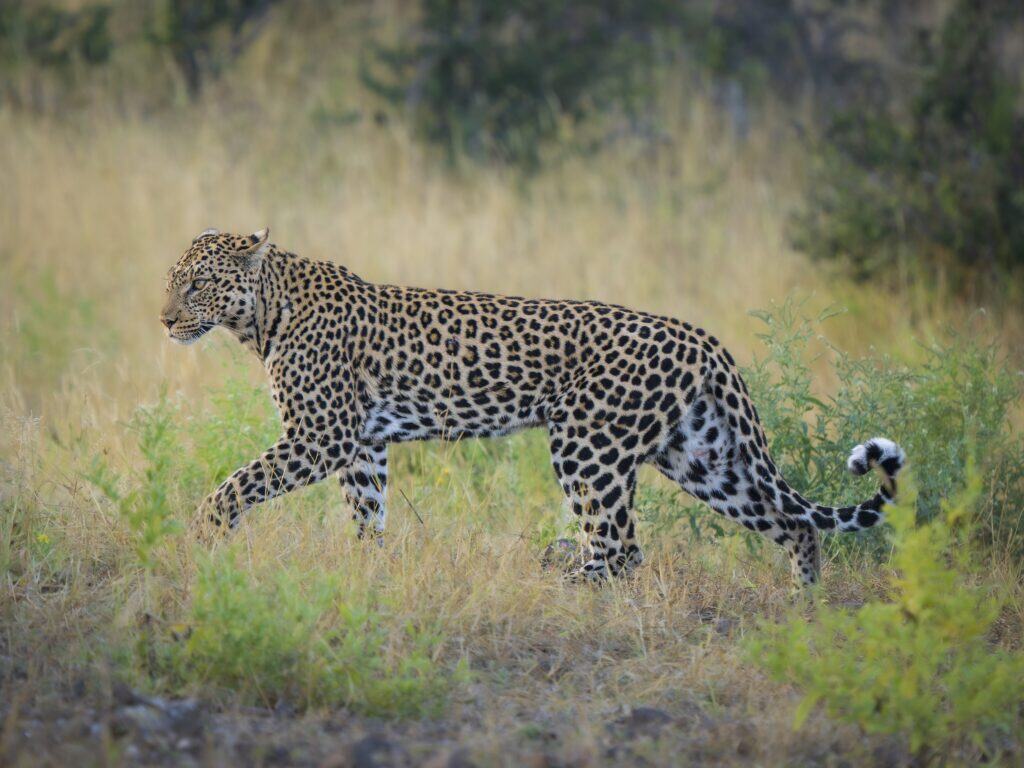
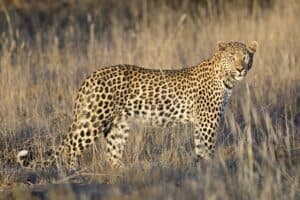
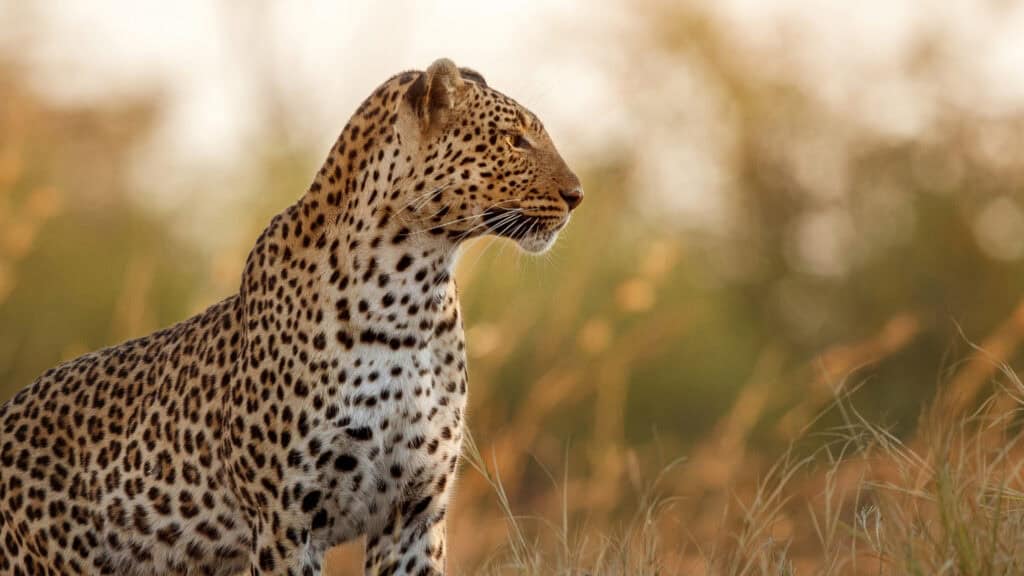
The leopard shifts on its branch, one paw dangling over the side. Below, impala graze between patches of sunlight, unaware of the spotted hunter watching from above. Your vehicle eases to a stop with barely a sound. The leopard glances down, then looks away. A bird calls somewhere behind you. Nobody reaches for a camera straight away. For a moment, you’re all just watching.
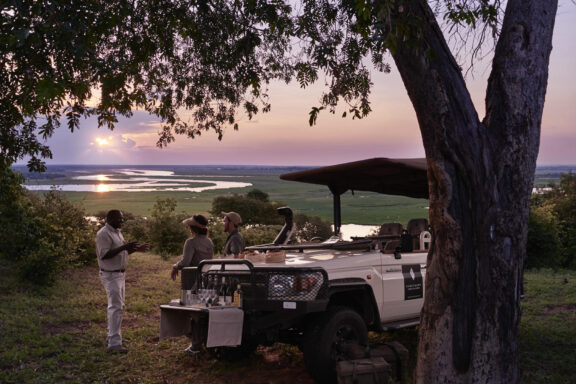
A silent safari gives you more room to notice these details. With an electric safari vehicle, there’s less engine noise competing with the sounds of the bush. You can settle into the landscape and let the experience unfold rather than feeling that you’re moving from one sighting to the next.
At Discover Africa, we believe the right safari is about more than where you stay or which animals you see. It’s about how you experience a place. If you’re curious about quieter, more considered ways to explore Africa, here’s what a silent safari involves, where you can experience one, and how to decide if it’s right for your next trip.
What Is a Silent Safari?
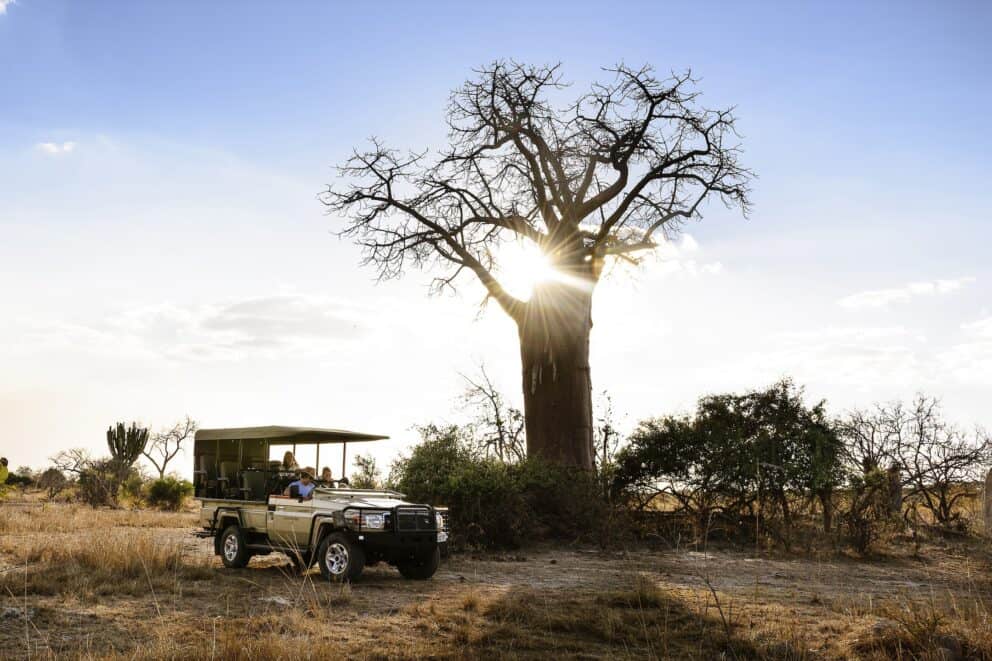
A silent safari usually involves exploring the bush in an electric safari vehicle for noise-free wildlife viewing. Unlike conventional petrol or diesel vehicles, electric models produce no tailpipe emissions while driving and are generally much quieter.
That difference can change the feel of a game drive. You might hear birds calling from the canopy, notice the rustle of grass beside the track, or listen as your guide explains the behaviour of an animal without having to compete with a running engine.
Of course, a quieter vehicle doesn’t guarantee closer wildlife encounters, and the bush never follows a script. What it can do is make it easier to pay attention to what’s happening around you.
The wider environmental benefit depends on how the vehicles are charged, where the electricity comes from, and how the safari operation is managed.
For us, that combination of a more attentive wildlife experience and a thoughtful approach to travel is what makes a silent safari worth considering.
Why Choose an Electric Safari?
Hear More of the Bush
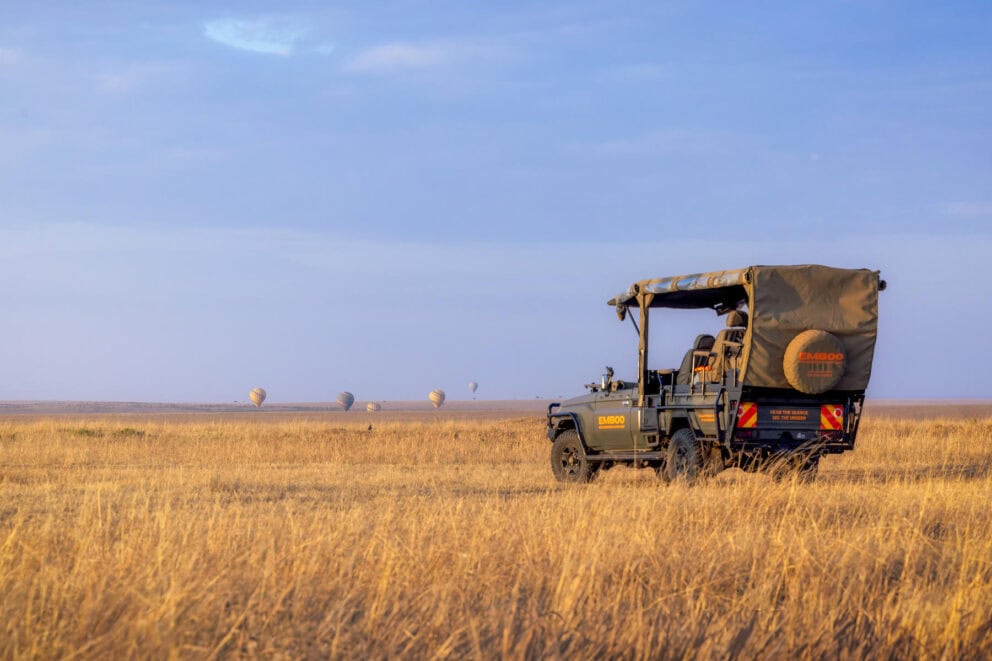
As your vehicle moves along the track, the engine is often the loudest sound around you. With an electric safari vehicle, there’s less engine noise as you approach a sighting, making it easier to hear birds calling from the trees or the rustle of grass nearby.
That difference can be especially rewarding for watching animal behaviour, listening for bird calls, or following a guide’s observations. With less noise during the approach and when setting off again, you can stay connected to the sights and sounds around you for more of the drive.
Travel With a Lighter Footprint
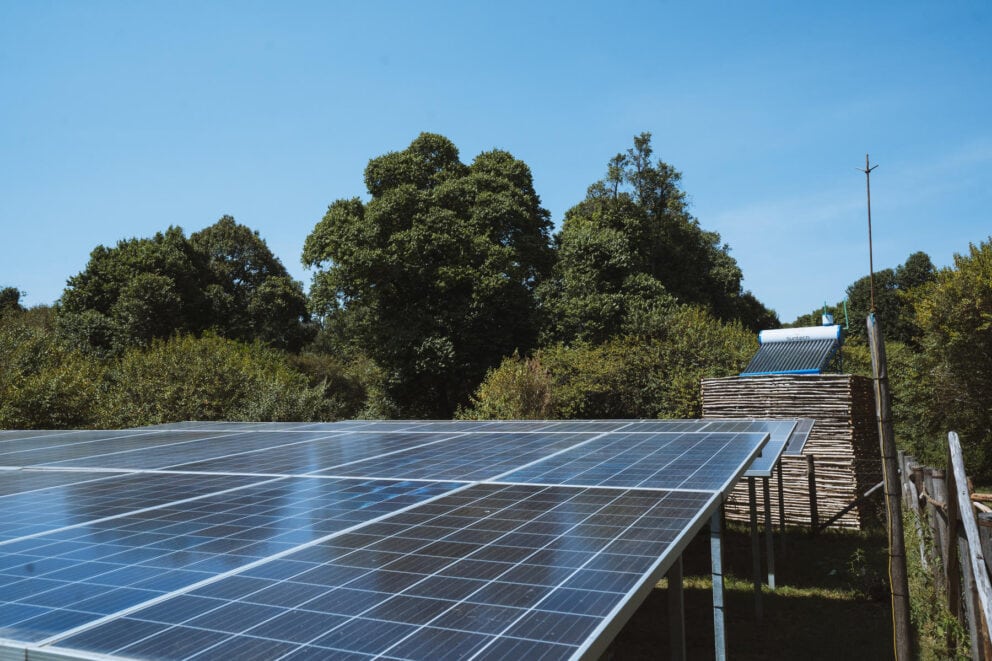
Choosing an electric safari vehicle can be one way to reduce the impact of your time in the bush. Where vehicles are charged using solar power, the benefits can extend further.
But sustainability involves more than the vehicle itself. Energy use, water conservation, waste management, habitat protection, and relationships with local communities all deserve attention.
When you’re comparing sustainable African safaris, it’s worth looking at the wider approach each camp takes. We can help you understand the initiatives a property has in place so you can make a considered choice without having to sift through environmental claims on your own.
Let the Experience Unfold
Some of the best safari moments happen when nobody is rushing. Your guide spots fresh tracks in the sand. You stop to listen to an unfamiliar call. A sighting that first seemed unremarkable becomes fascinating as you learn more about the animal and its surroundings.
A quieter vehicle complements the guide’s knowledge and skill. It doesn’t replace either, but it can help create a calmer setting for watching wildlife.
That’s why we see silent safaris as more than a technology trend. The vehicle matters, but so does the guide, the landscape, and the time you have to sink into the experience.
Beyond Game Drives: Solar-Powered Safari Boats
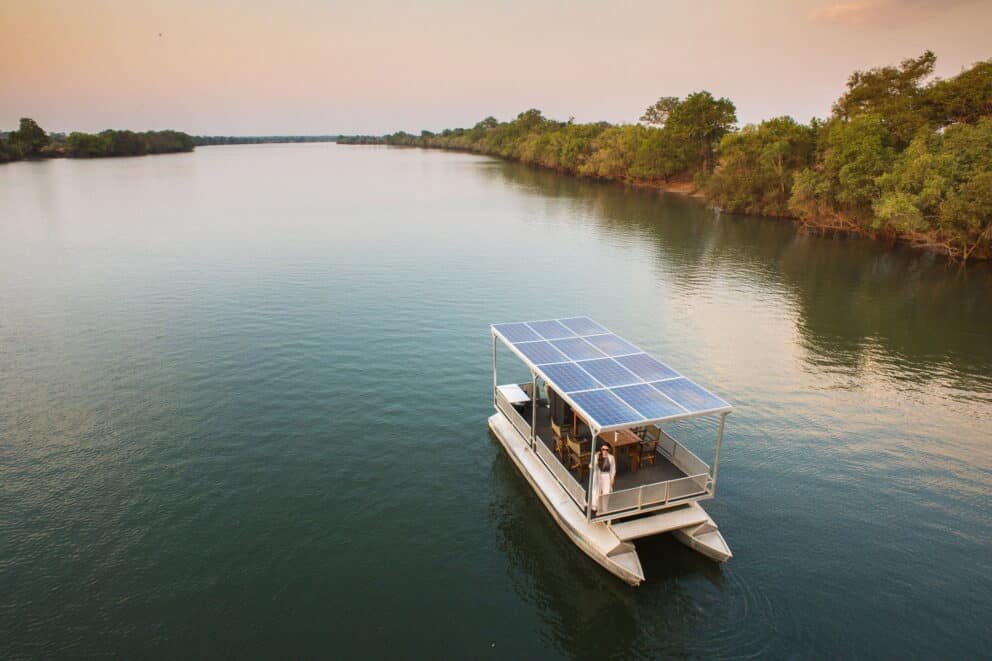
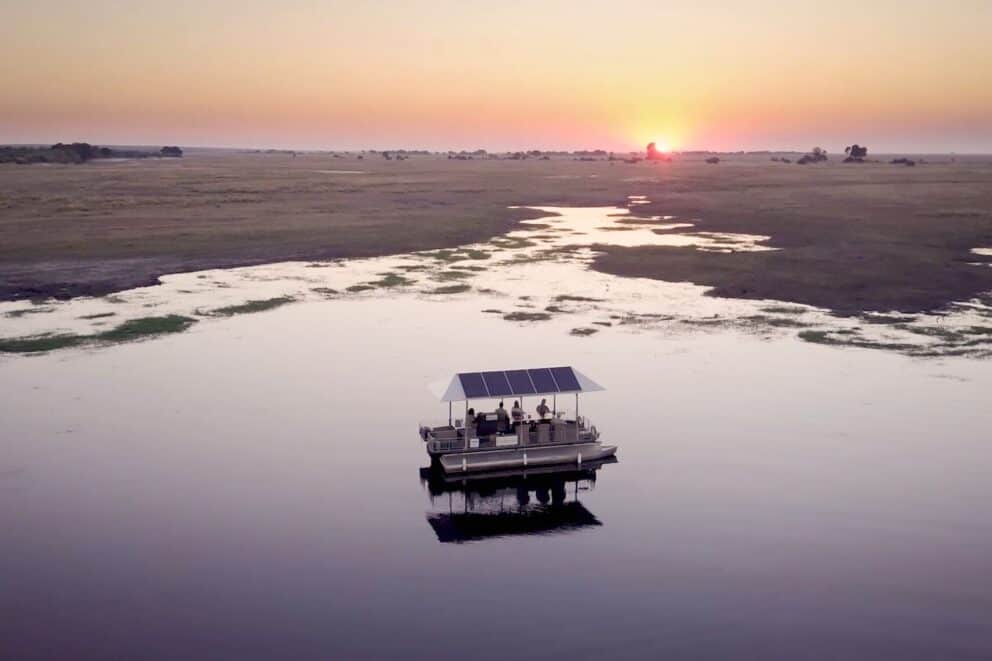
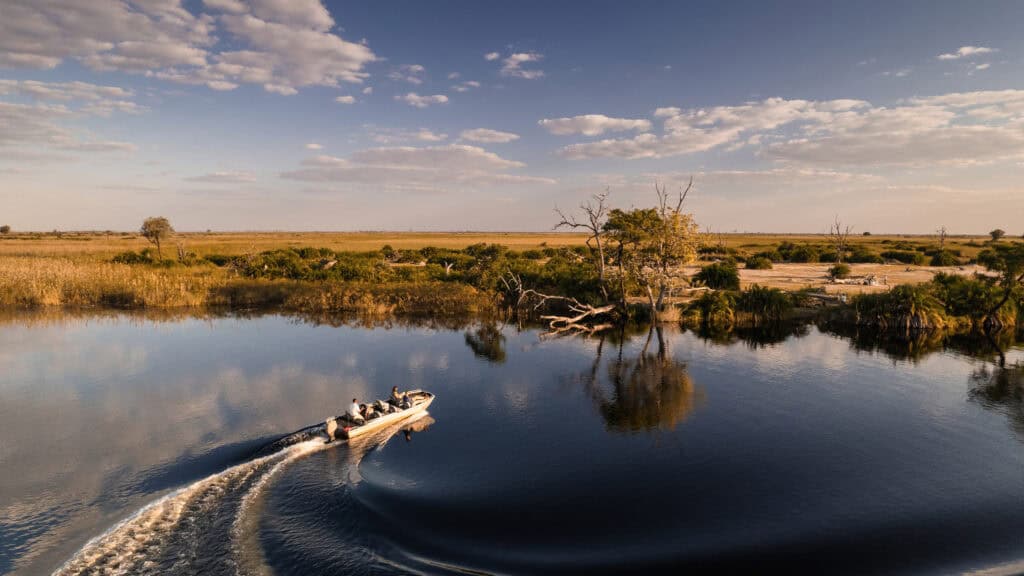
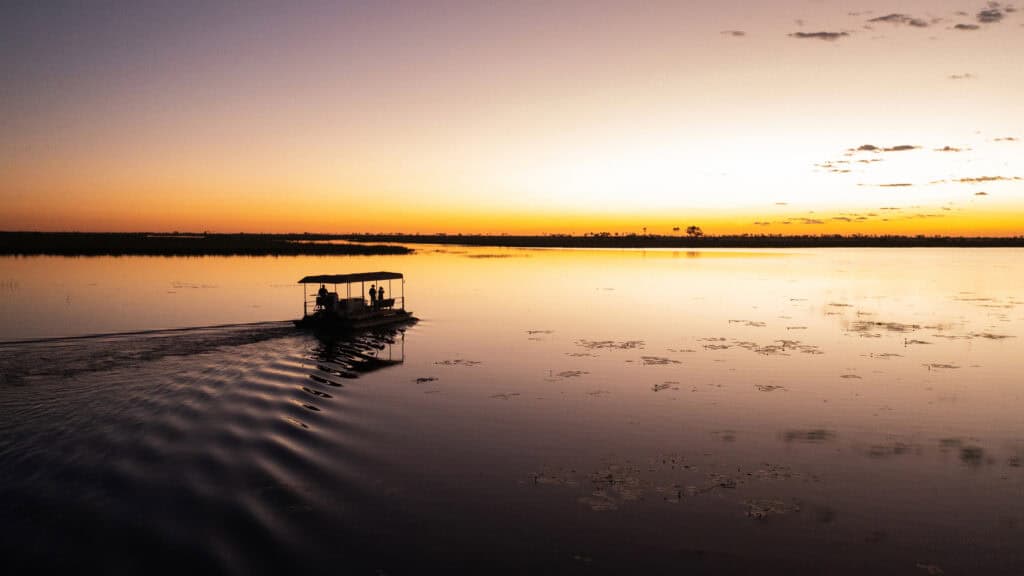
A silent safari doesn’t just have to take place on four wheels. On selected waterways, solar-electric boats offer another way to explore.
Solar-powered boats are a particularly appealing addition if you’d like variety in your safari. A morning game drive followed by sunset on the river lets you experience different habitats and behaviours.
5 Camps and Lodges to Experience a Silent Safari in Africa
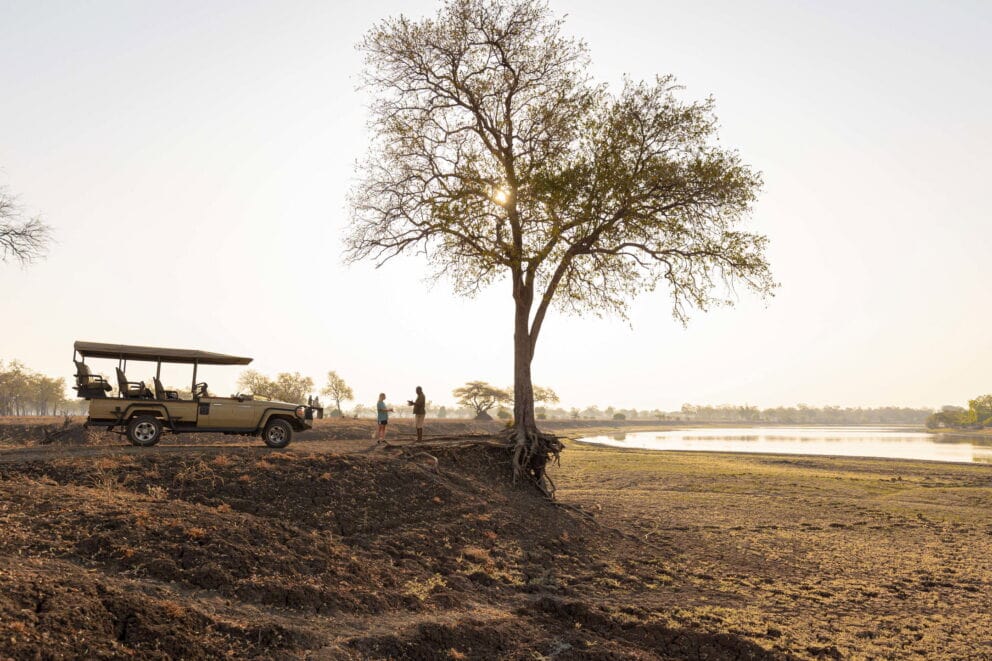
Electric safari vehicles are available at selected camps and lodges across Africa. Each setting offers something different, from Zambia’s rich wildlife to Botswana’s river landscapes and Kenya’s open plains.
The best choice depends on what you’d love to experience. If you’re fascinated by leopards, enjoy birding, or would like to combine game drives with time on the water, those interests can help guide the decision.
1. Ila Safari Lodge, Kafue, Zambia
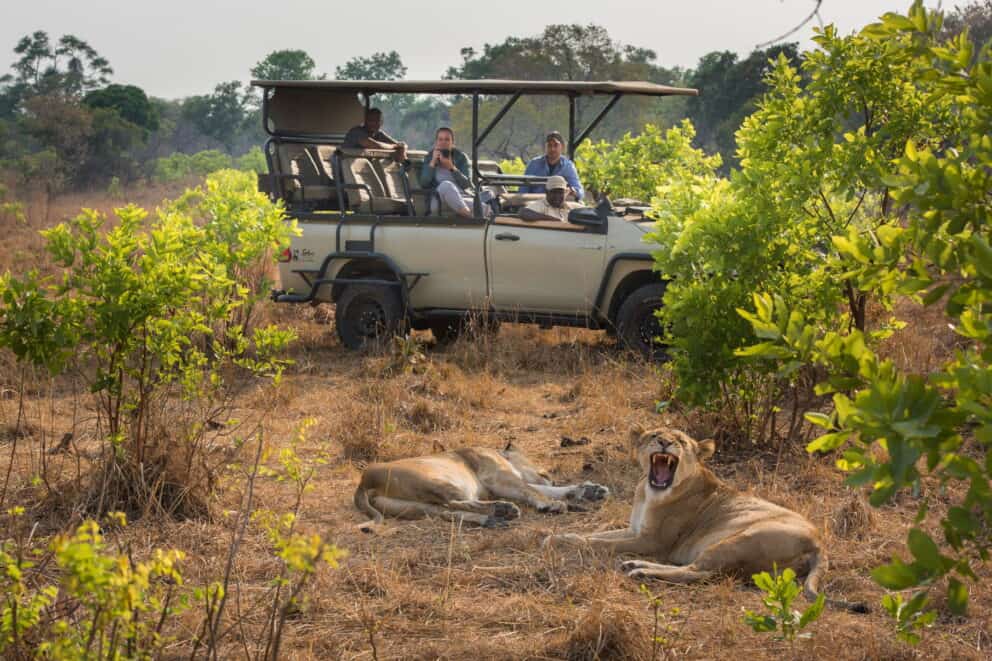
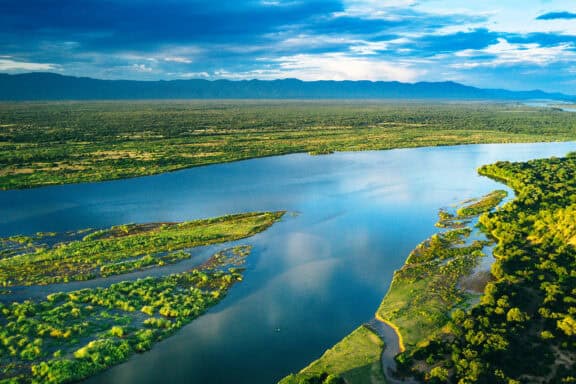
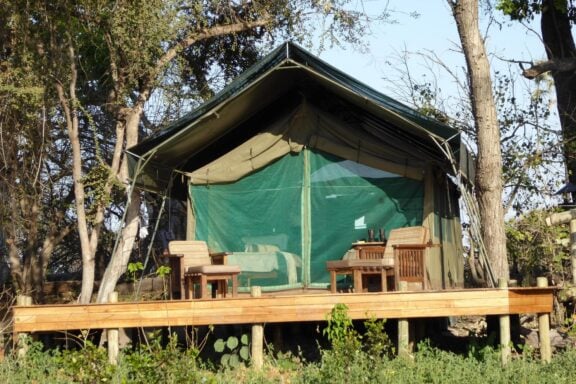
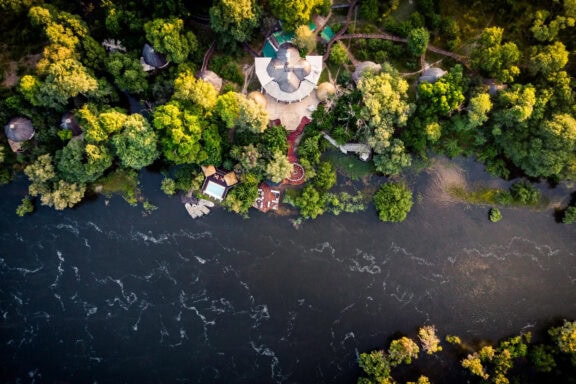
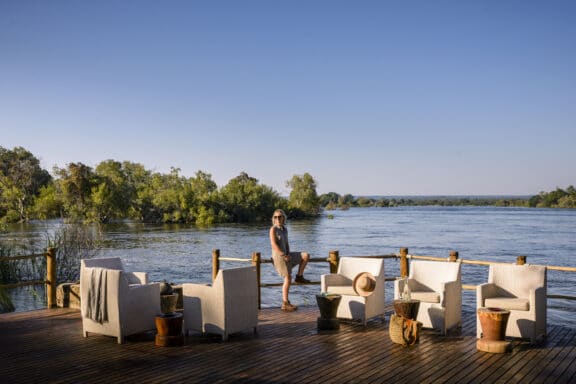
On the banks of the Kafue River sits Ila Safari Lodge, part of the Green Safaris collection, a place where your wake-up call is the grunting of hippos in the shallows or the distant growl of a lion.
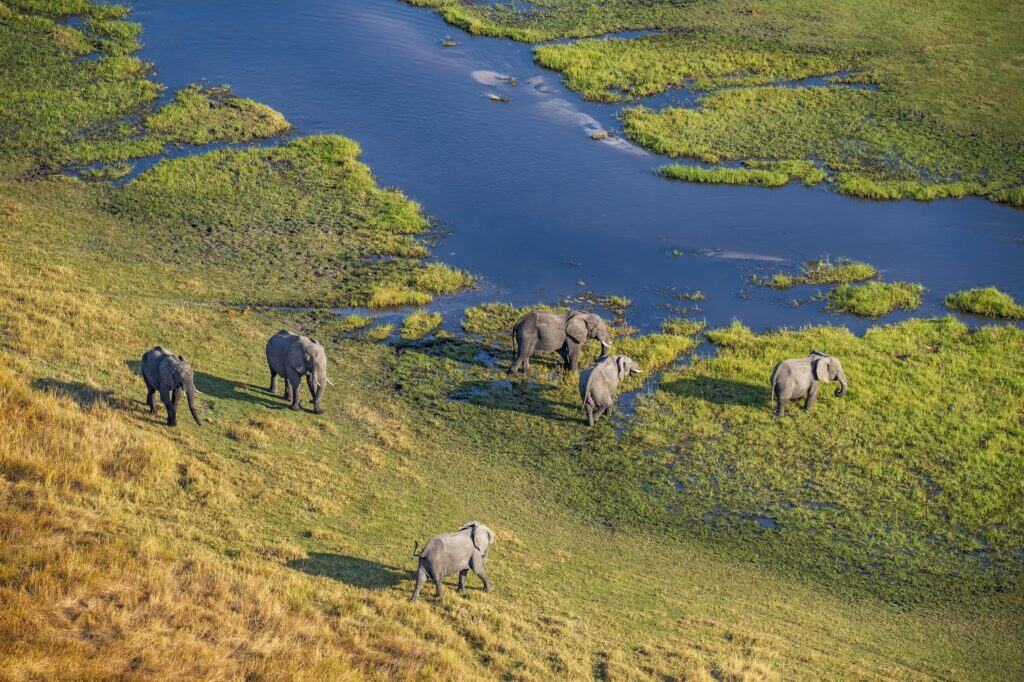
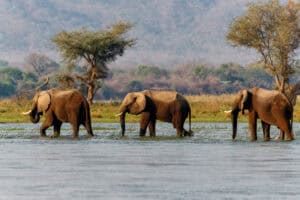
Ila was the first lodge in Zambia to offer electric game drives and river cruises. You’ll explore by land in a solar-powered e-cruiser and by water in a solar-powered e-boat. From the boat, you can watch crocodiles basking on the banks, elephants splashing in the shallows, and birds diving for fish.
You can also visit the Ila Community Farm, now run by the Nalusanga community, or meet the researchers from the Zambian Carnivore Programme and Panthera who work to protect the park’s predators.
Ila pairs naturally with sister camp Chisa Busanga on the Busanga Plains or with Shawa Luangwa if you’d like to compare Kafue’s wilderness with South Luangwa’s leopard country. We can help you work out how the pieces fit together.
2. Shawa Luangwa Camp, South Luangwa, Zambia
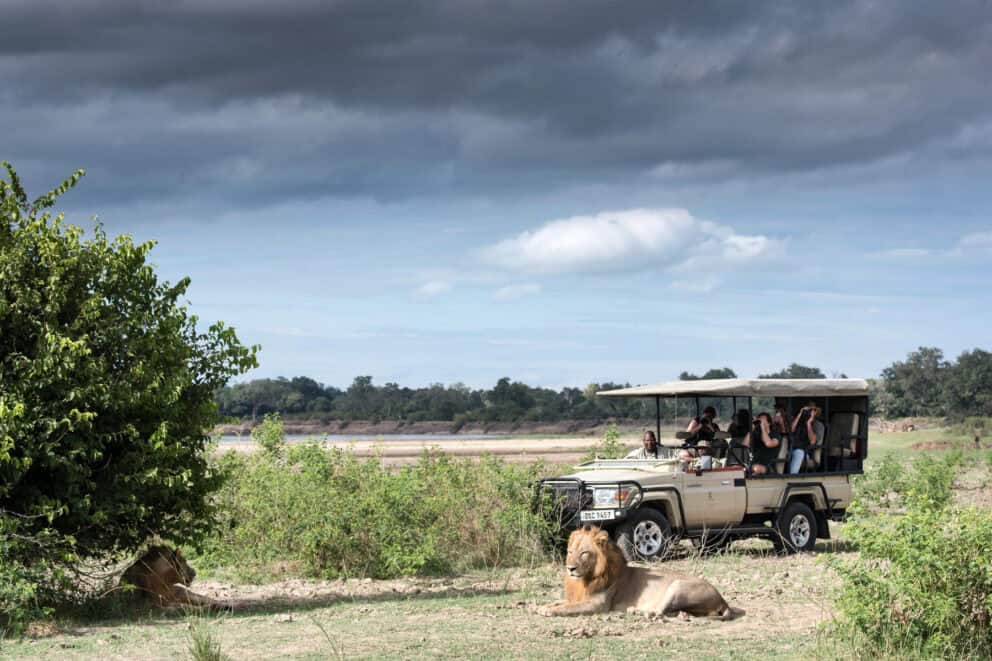
South Luangwa is a wonderful place to slow down and pay attention to the details of the bush. The region is known for its leopard sightings, varied birdlife, and walking safaris, which offer a different perspective on the landscape.
At Shawa Luangwa Camp, sister camp of Ila Safari Lodge, electric e-cruisers provide a quieter way to explore the area. The vehicles are solar-powered, bringing renewable energy into the game-drive experience.
You can combine drives with guided walks, birding, and time at camp overlooking the Luangwa River. On foot, you might learn to read tracks in the dust, recognise changes in vegetation, or discover the smaller signs of animal activity that are easy to miss from a vehicle.
If you’re drawn to the quieter side of safari, Shawa Luangwa is well worth considering. There’s room to look beyond the sighting itself and get to know the landscape with the guidance of people who understand it.
3. Chobe Game Lodge, Chobe National Park, Botswana
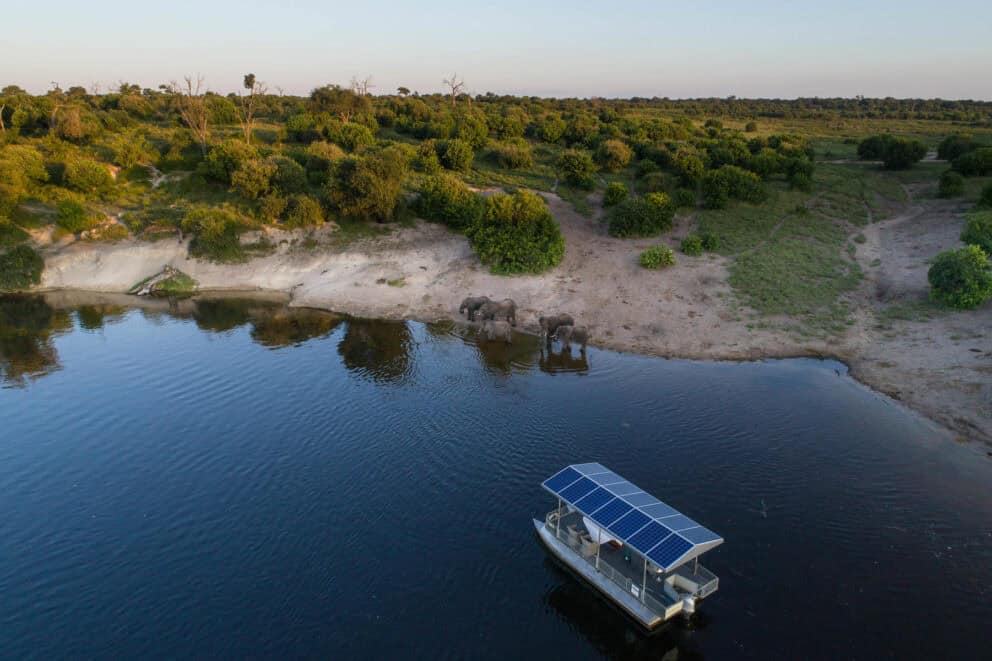
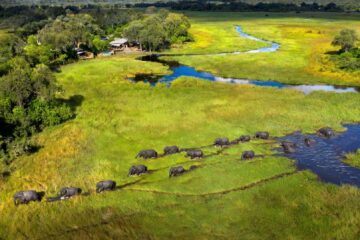
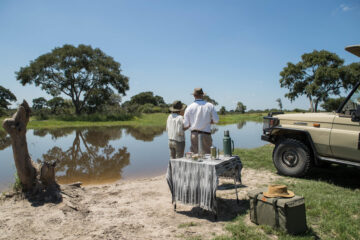
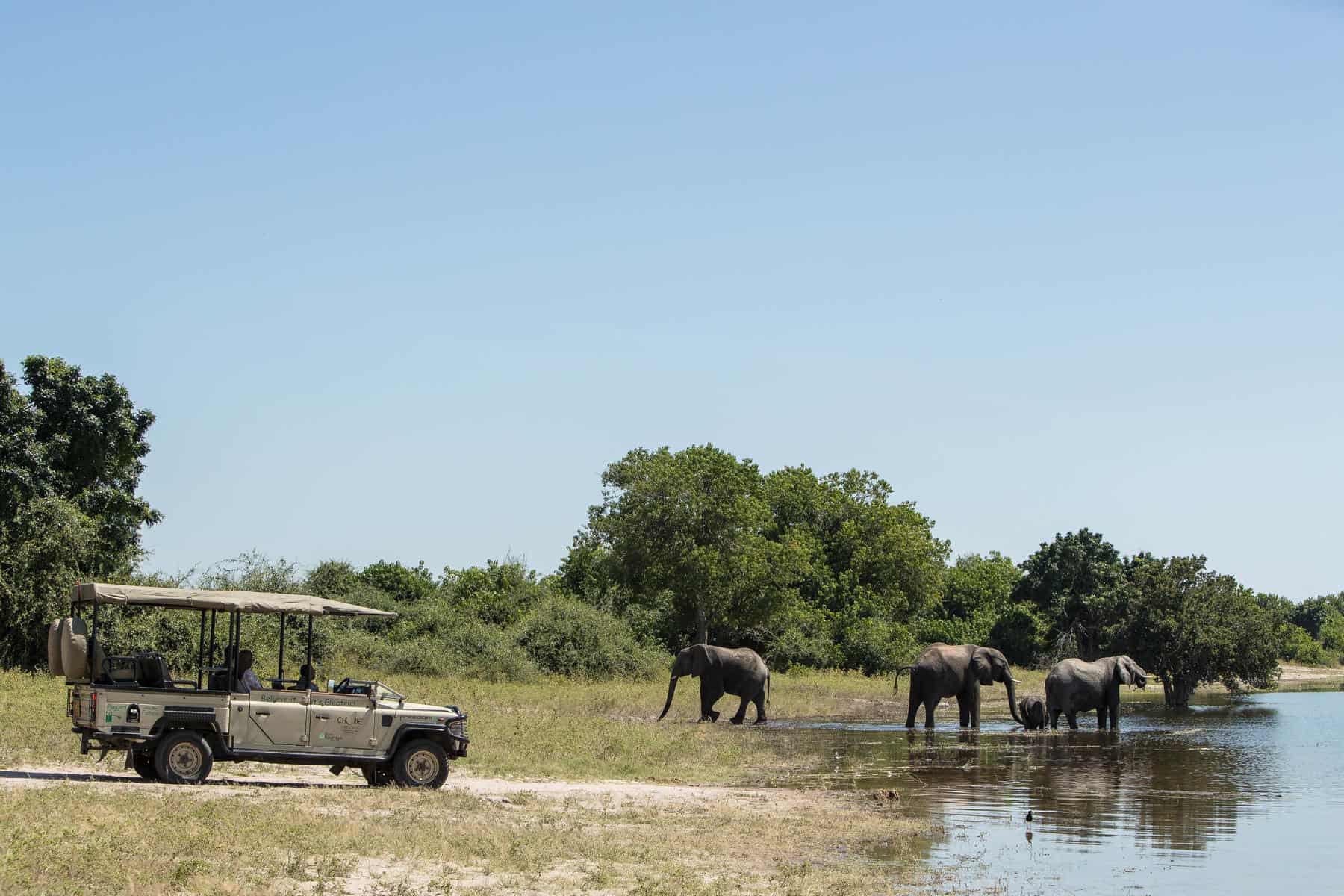
In northern Botswana, the Chobe River attracts wildlife to its banks, particularly during the dry season. From the water, you can watch animals coming to drink, hippos surfacing between stretches of stillness, and birds moving along the river’s edge.
Chobe Game Lodge offers electric game drive vehicles as well as boat safaris using solar-electric-powered boats. Experiencing Chobe from both land and water gives you two different ways to appreciate the area’s wildlife.
The lodge is also known for its Chobe Angels, an all-female guiding team whose knowledge helps bring the landscape and its wildlife to life.
If you’d enjoy mixing game drives with time on the river, this is an appealing option. A boat safari has its own rhythm, and watching the riverbanks from the water can reveal behaviours and perspectives you won’t experience on land.
We can help you consider how Chobe might fit into a wider Botswana itinerary, whether you’d like to spend more time on the river or combine it with other wildlife destinations.
4. Cheetah Plains, Sabi Sand, South Africa
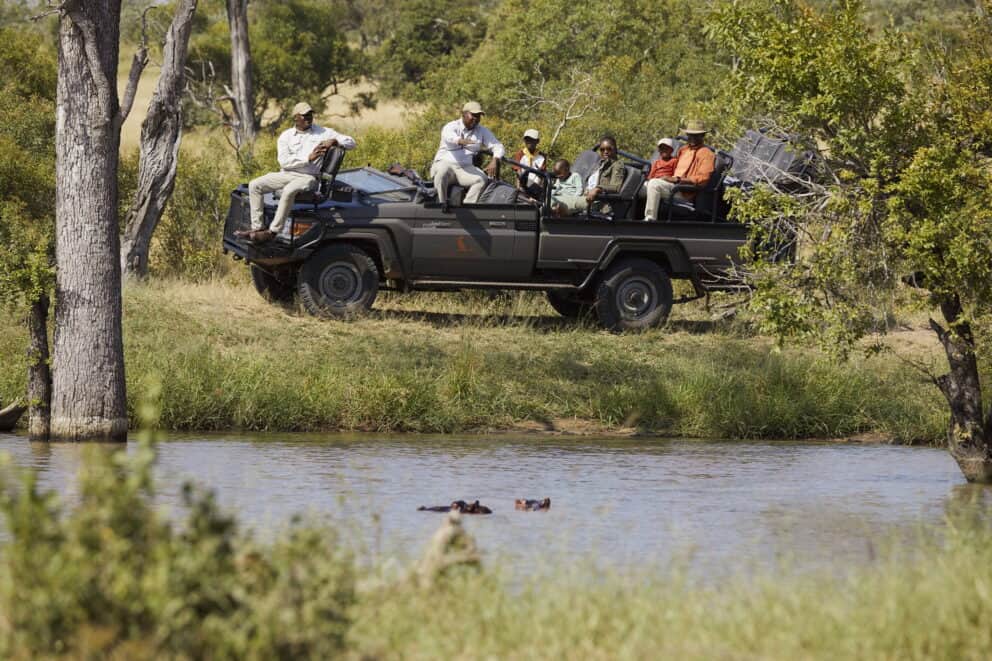
In the Sabi Sand Private Game Reserve bordering Kruger National Park, Cheetah Plains combines private-villa accommodation with guided wildlife viewing. Game drives take place in private electric safari vehicles powered by solar energy.
The private format can work particularly well if you’re travelling as a couple, with family, or with friends and value flexibility. Your time in the bush can be shaped around your interests, with your field team helping you make the most of each outing.
At Cheetah Plains, solar power does more than keep the lights on. Its on-site solar installation and battery-storage system supply the villas and suites and recharge the electric safari vehicles. The lodge also filters its borehole water, provides drinking water in refillable glass bottles to cut down on plastic, and separates waste for a local community partner to reuse, recycle, and upcycle.
You can enjoy game drives in the Sabi Sand in a quieter electric vehicle, then return to a private, off-grid villa in the wilderness.
5. Emboo Camp, Masai Mara, Kenya
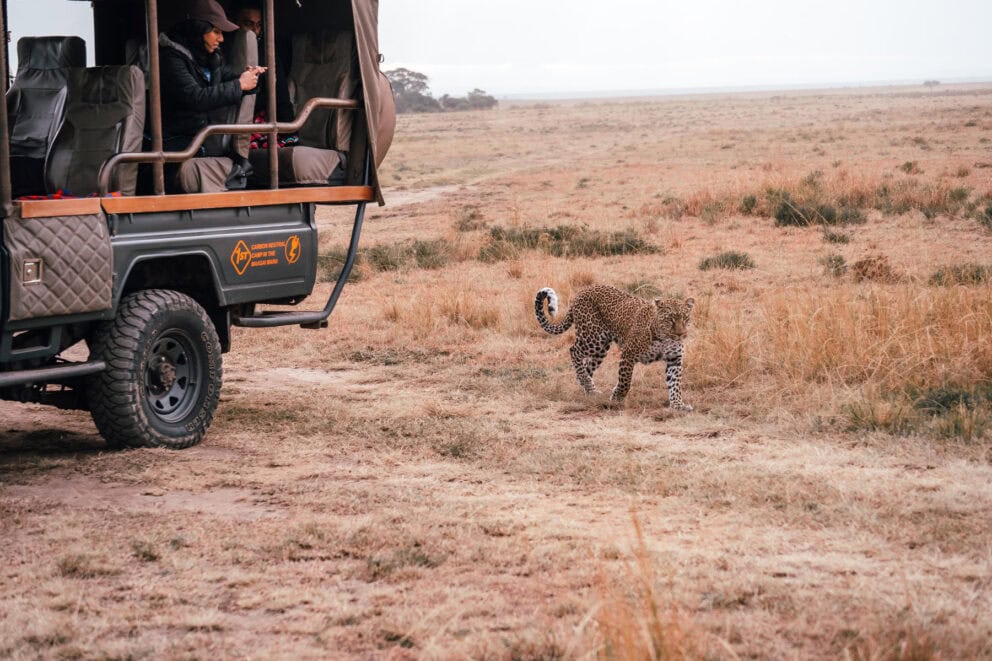
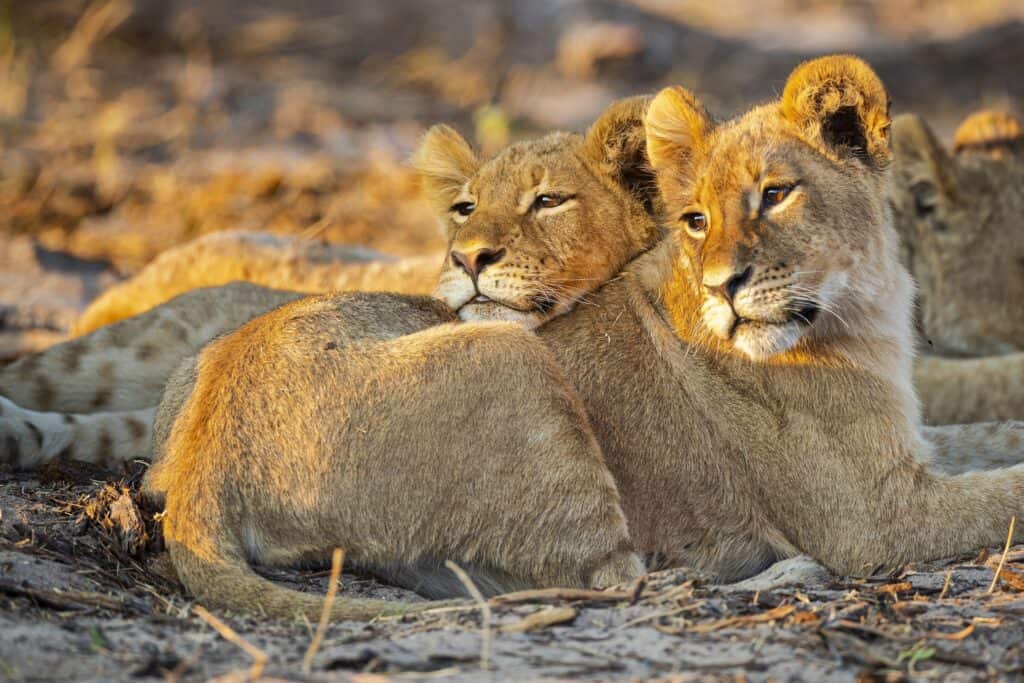
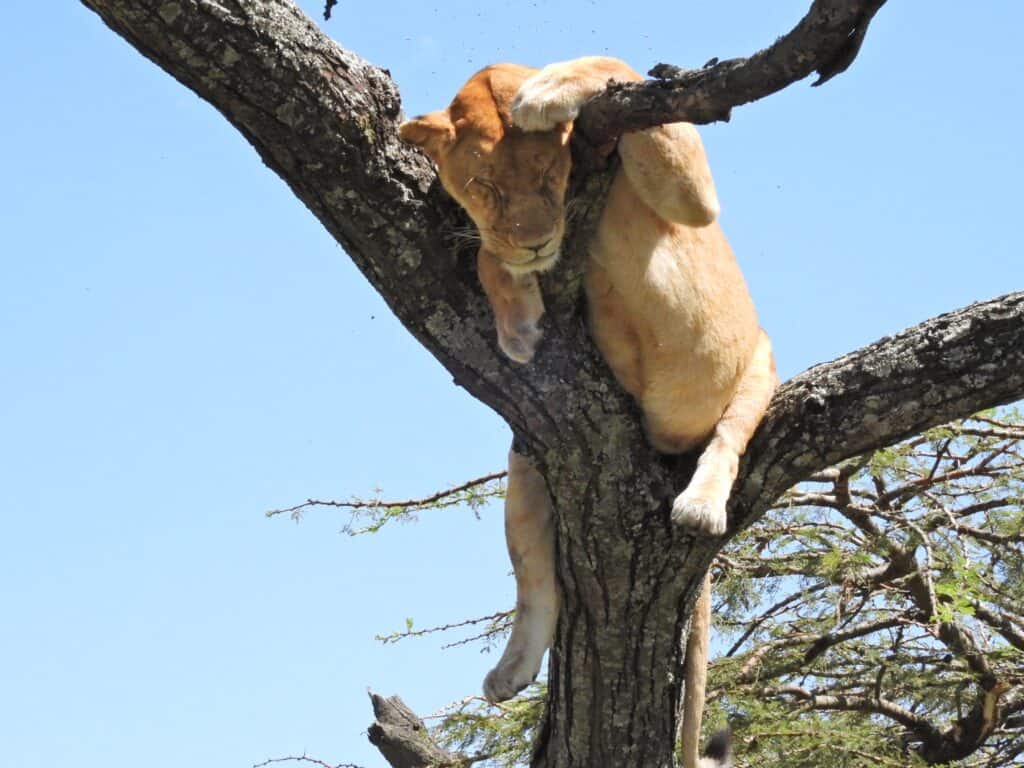
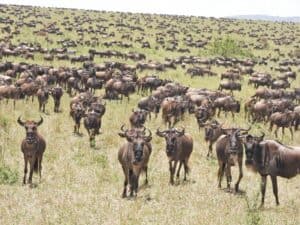
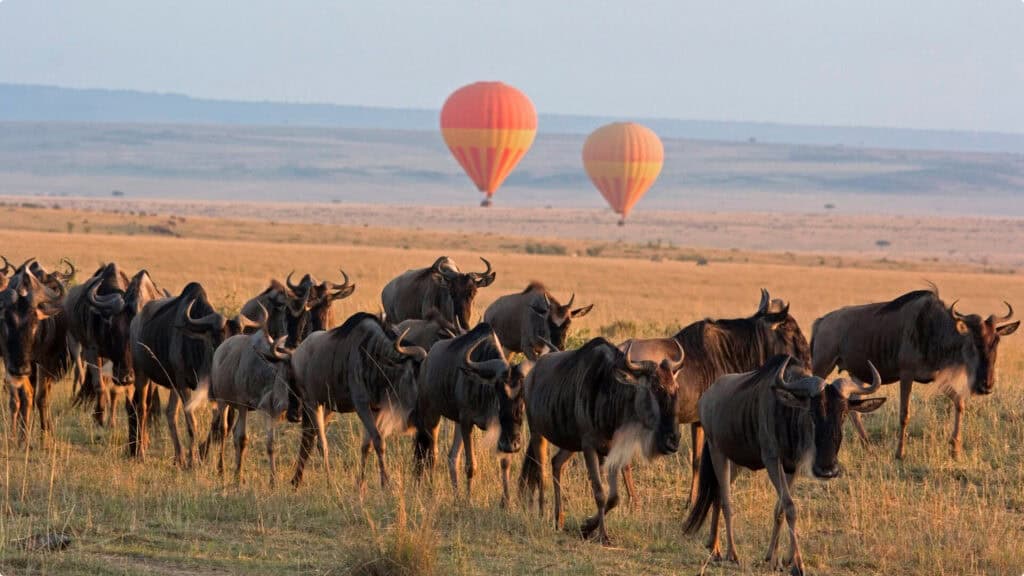
At Emboo Camp, game drives across the Masai Mara offer the chance to look for lions in the long grass, watch cheetahs scan the plains, and follow the seasonal movement of wildebeest. The camp’s solar-powered electric safari vehicles reduce engine noise, leaving more room to hear your guide’s observations and the sounds around you.
Emboo’s sustainability efforts extend beyond its vehicles, with vertical gardens and indigenous seed-ball planting among its initiatives.
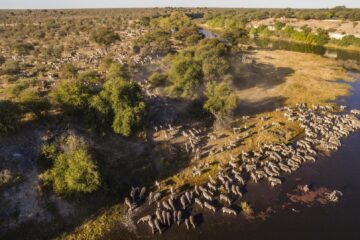
Emboo’s riverside setting puts you within easy reach of the Talek and Mara river crossings during the Great Migration, usually from July to October. Outside those months, resident big cats keep the game viewing rewarding, with fewer crowds and lower rates. We can help you choose the right dates and decide whether to pair the Mara with another East African destination.
Is a Silent Safari Right for You?
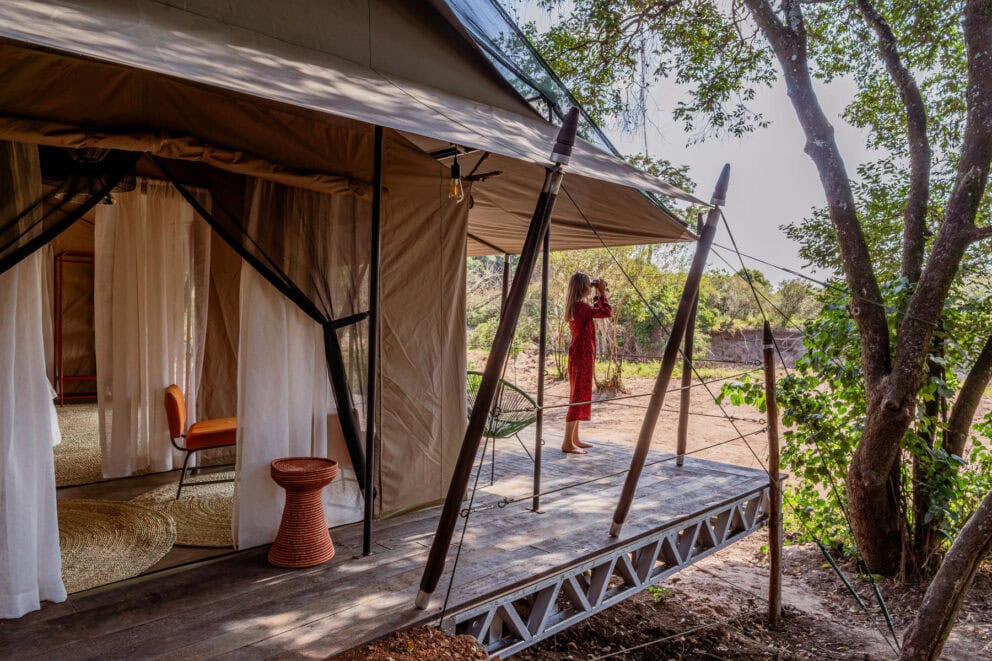
The vehicle is only one part of a safari experience. For your safari, think about the animals you’re most interested in, whether you’d like to walk with a guide or spend time on the water, and how much privacy you’d prefer. The destination, season, and quality of guiding can make just as much – if not more – of a difference to your experience.
You don’t need to have every detail figured out before you start planning. Tell us what draws you to Africa. We’ll help you explore the options and find a combination that feels right.
Experience a Silent Safari in Africa
The moment you remember most may not be the sighting you came for. In your hunt for a leopard sighting, the birds around you may enthral you. Perhaps you dreamed of ticking off the Big Five, but seeing a hippo graze out of the water may be the highlight. That’s the magic of a safari in Africa – it can bring you to moments you never even dreamed you’d love.
A silent safari in an electric vehicle or boat can just add another layer to the already unforgettable experience of being out in the bush. It can form part of a considered approach to travel, especially when supported by wider sustainability efforts.
At Discover Africa, we’ll help you find the experience that suits you, whether that means following big cats in the Sabi Sand, exploring South Luangwa on foot, or watching wildlife along Botswana’s waterways.
If a quieter way of exploring Africa appeals to you, tell us what you have in mind. We’ll help you work out where to go, when to travel, and the experiences worth adding to your itinerary.

Written by Yamkela Welaphi
• Travel Writer


Verified by Bianca Angelucci
• Africa Safari Expert
Discover the African Journey that’s Right for You
 Blog List


























Written by Yamkela Welaphi
• Travel Writer
Verified by Bianca Angelucci
• Africa Safari Expert
Part of the Botswana Safari, Kenya Safari, South Africa Safari, Zambia Safari & Positive Impact Safaris Collections