

 Email us


For many travellers, a journey to Africa begins with a list of animals they hope to see. But the true magic of the continent lies in the unscripted wildlife sightings that no one could have predicted.
It’s the raw thrill of a predator in the rain, the deep emotional resonance of an elephant’s gaze, or the joyful chaos of a rare pack of wild dogs at sunset. These are the moments that change the way you see the world.
To understand what makes these experiences so transformative, we sat down with our Africa safari experts. With decades of combined experience guiding and designing tailor-made journeys, they’ve witnessed countless wildlife sightings on safaris in Africa.
We asked them to share the safari wildlife encounters that have stayed with them – the moments that remind them why they do what they do.
Here are their unforgettable stories and a glimpse into the profound beauty of the African wilderness.
The Raw Reality of the Hunt
Africa’s wilderness isn’t a zoo or curated museum; it’s a dynamic environment where survival is a daily reality.
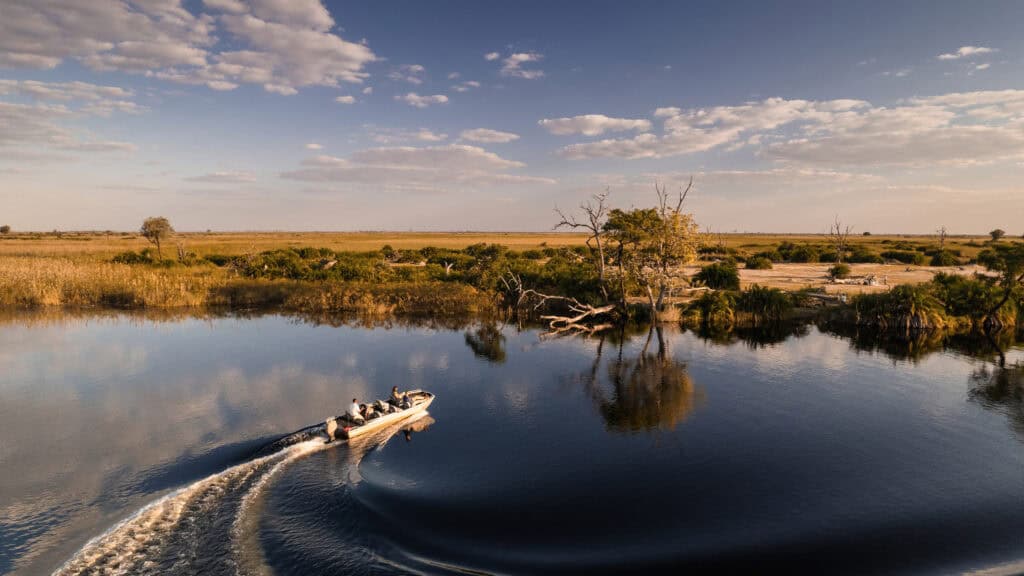
Discover Africa safari expert, Devryn Panaino, has spent years exploring the continent’s most remote corners. When asked about his favourite safari sightings, his mind immediately went to a rainy day in Botswana’s Okavango Delta, a destination renowned for its extraordinary beauty and complex waterways.
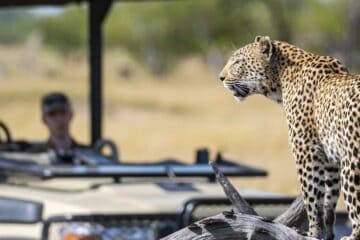
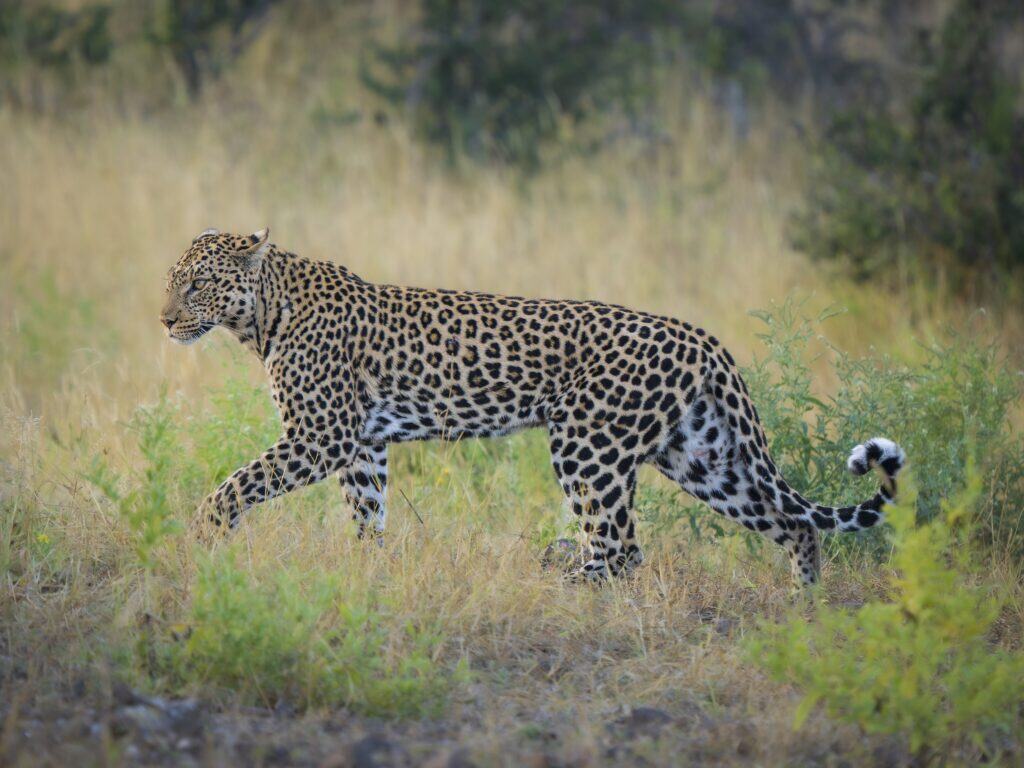
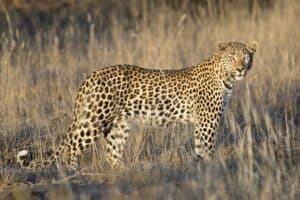
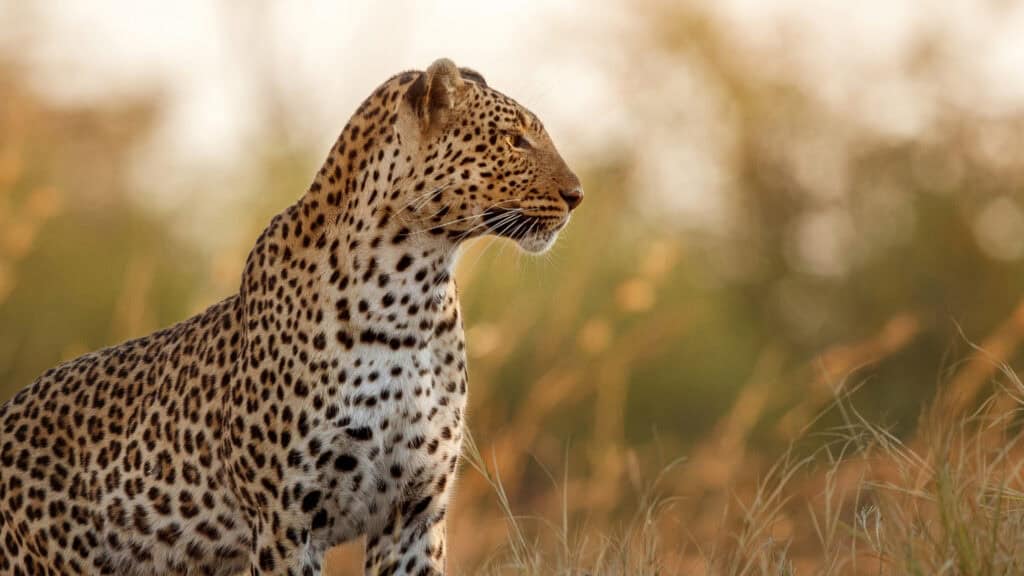
“My favourite safari experience so far, if I really had to dig deep and choose, I would probably say watching two leopards try to hunt buffalo in the Okavango Delta. That was very cool.”
He sets the scene of the Okavango hunt with vivid detail. It was raining, which meant there was no wind to carry the leopards’ scent. The guides and guests watched in hushed anticipation as the two elusive cats bumped into a formidable herd of buffalo.
“These leopards were just kind of staring at the buffalo, and then they split up and started slinking and slowly getting closer,” Devryn recalls. But nature is a delicate balance; the buffalo soon sensed that something was amiss and immediately formed a defensive formation.
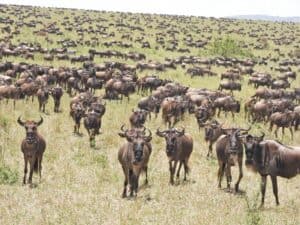
“The babies get put in the middle, then the females around the babies, then the big bulls around the females. And they kind of zoned in on where these leopards were, and there was no chance those leopards were going to get past those buffaloes.”
Sometimes the hunt ends the other way. For safari expert Justin Van Wyk, the sighting he treasures most is one he shared with his wife in Zambia’s Lower Zambezi.
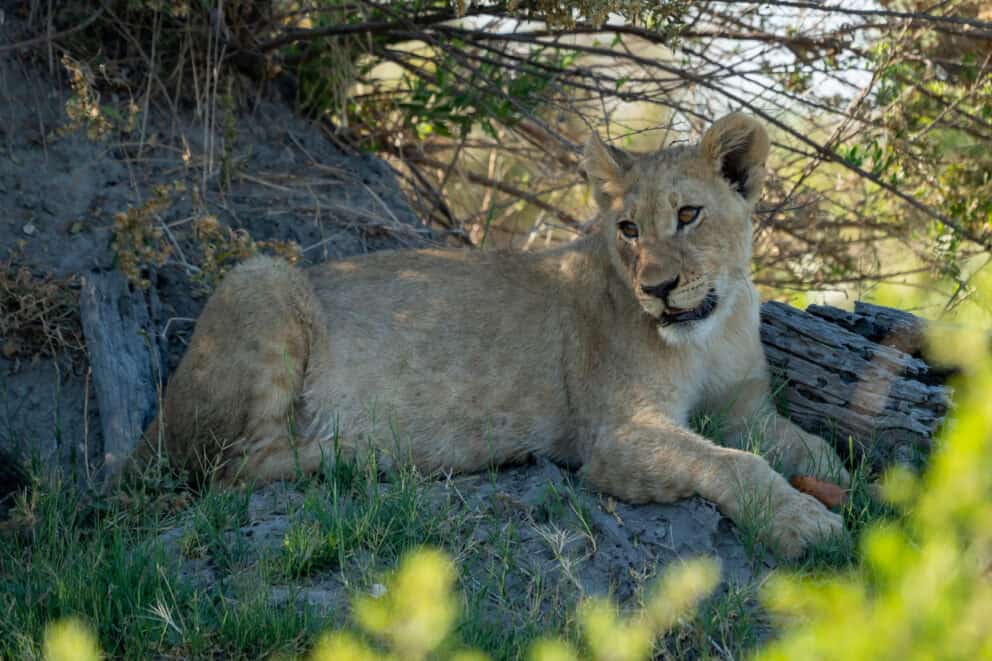
They were heading back to camp after an afternoon game drive. The light had almost gone, and they had only their guide for company. He noticed a large hyena lingering nearby, which struck him as odd, and a small, lonely group of impala. Sensing that something was about to happen, he parked and waited.
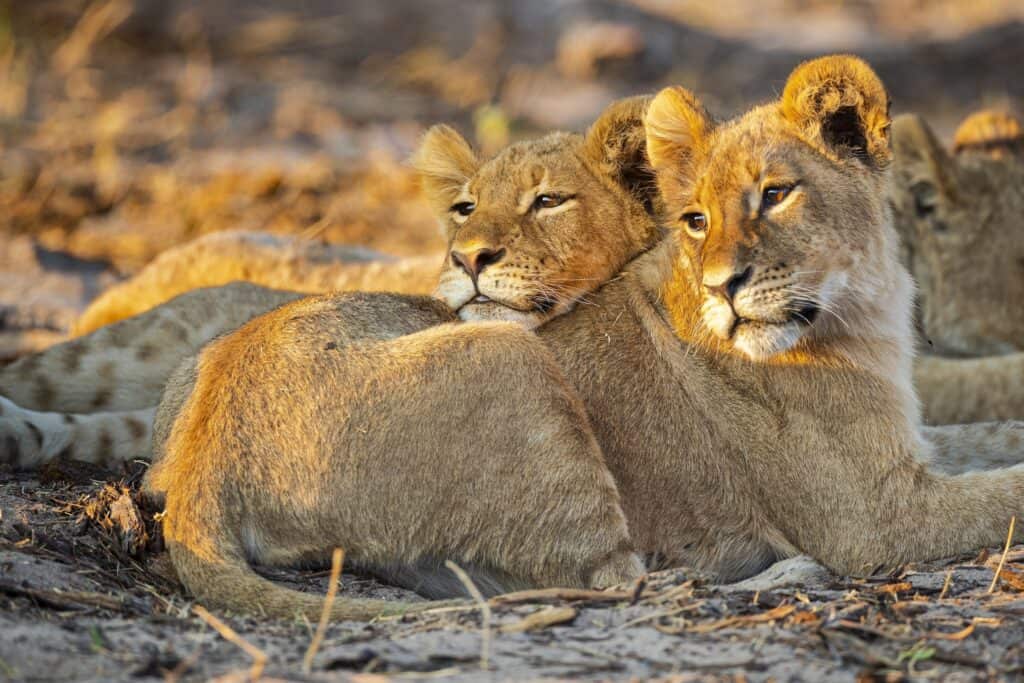
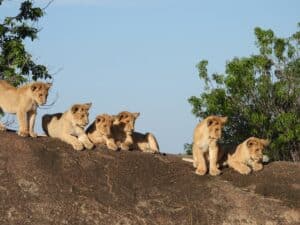
“We just probably sat for maybe three minutes in silence waiting, and that three minutes felt like a lifetime,” Justin recalls. “The next second, there were these lion cubs and maybe two or three lionesses, and they hit this impala so fast…
“The actual kill isn’t the part that was my best experience,” he says. “It was so thought-provoking.” In a single moment, he had watched one animal fall and a young family of lions survive.
“It’s a cliché that Africa is a rhythm and a feeling, but that’s where that feeling is. It’s what happens in those little thought-provoking moments.”
Up Close and Out of Focus
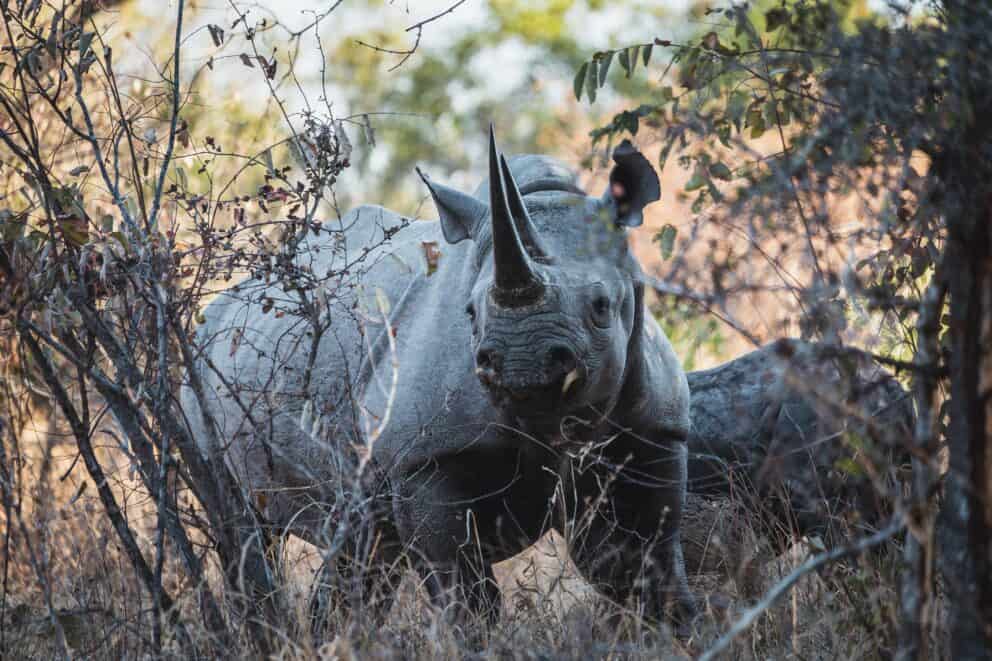
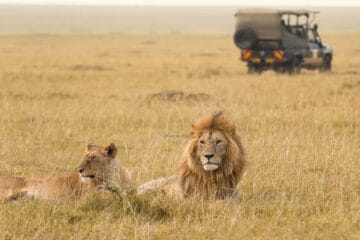
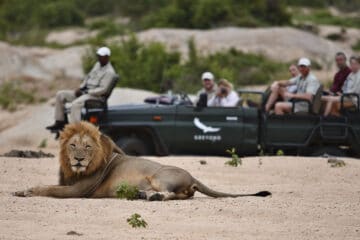
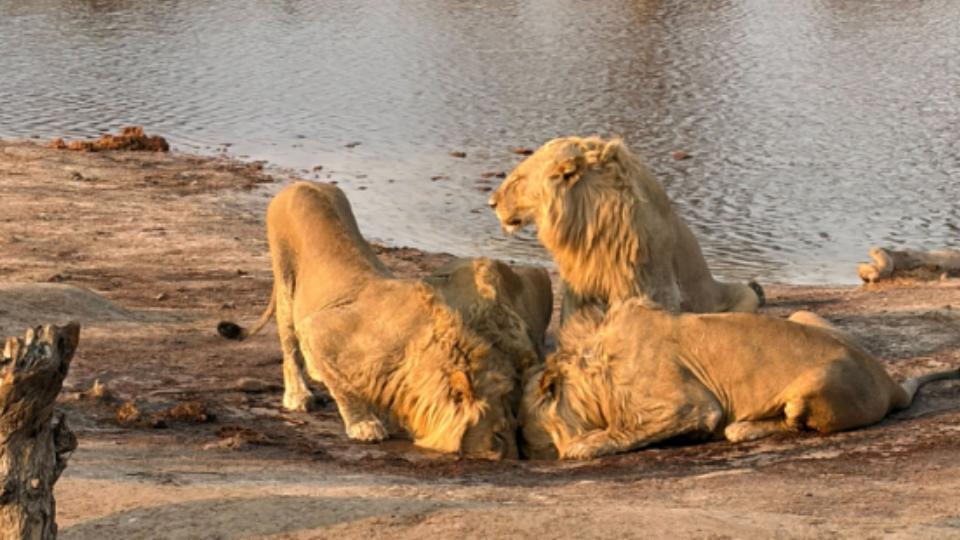
Some sightings are so intense that even a photographer forgets how to hold a camera. Matthys Van Aswegen has spent 20 years in travel and has witnessed more incredible wildlife moments than he can easily rank. When asked to choose one, he went back to his first close-up encounter with lions, at Savuti in Botswana’s Chobe National Park.
“It’s definitely the first time seeing the Savuti Marsh pride,” he says. “And back then there were 22 lions strong, and they hadn’t split yet.”
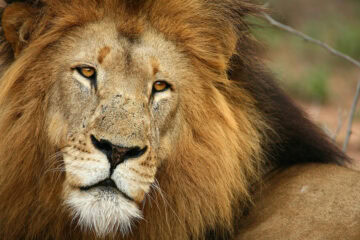
About 15 of the pride were feeding on a carcass. What Matthys remembers best is the family drama: “The big alpha male trying to get rid of all the cubs clinging onto that carcass… he’s trying to claw them off, and you can see they were just not having any of it.”
He was shooting with his father-in-law’s entry-level Nikon and a kit lens, and he double-tapped every frame in the hope that at least one would be sharp. It didn’t quite go to plan.
“I remember coming back home and thinking that I’m going to have all these beautiful photos, and more than half of them were all out of focus because of the adrenaline, you know, shaking.”
That borrowed camera was also where his love of wildlife photography began. It’s a reminder that the best sightings aren’t always the ones you capture perfectly.
Moments of Quiet Connection
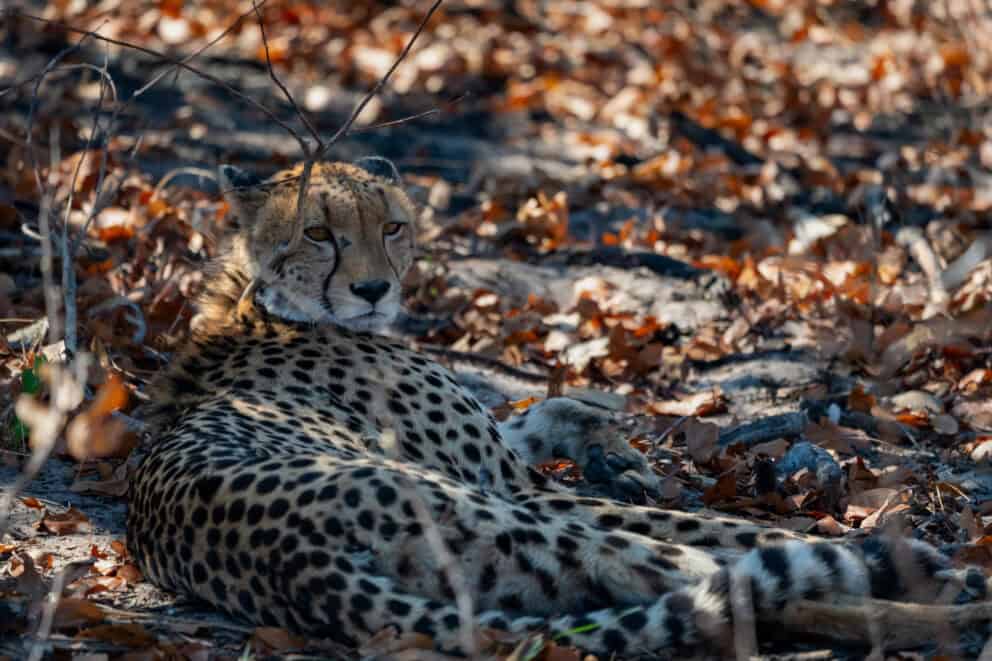
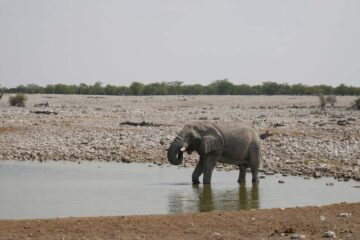
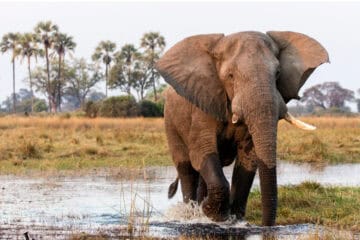
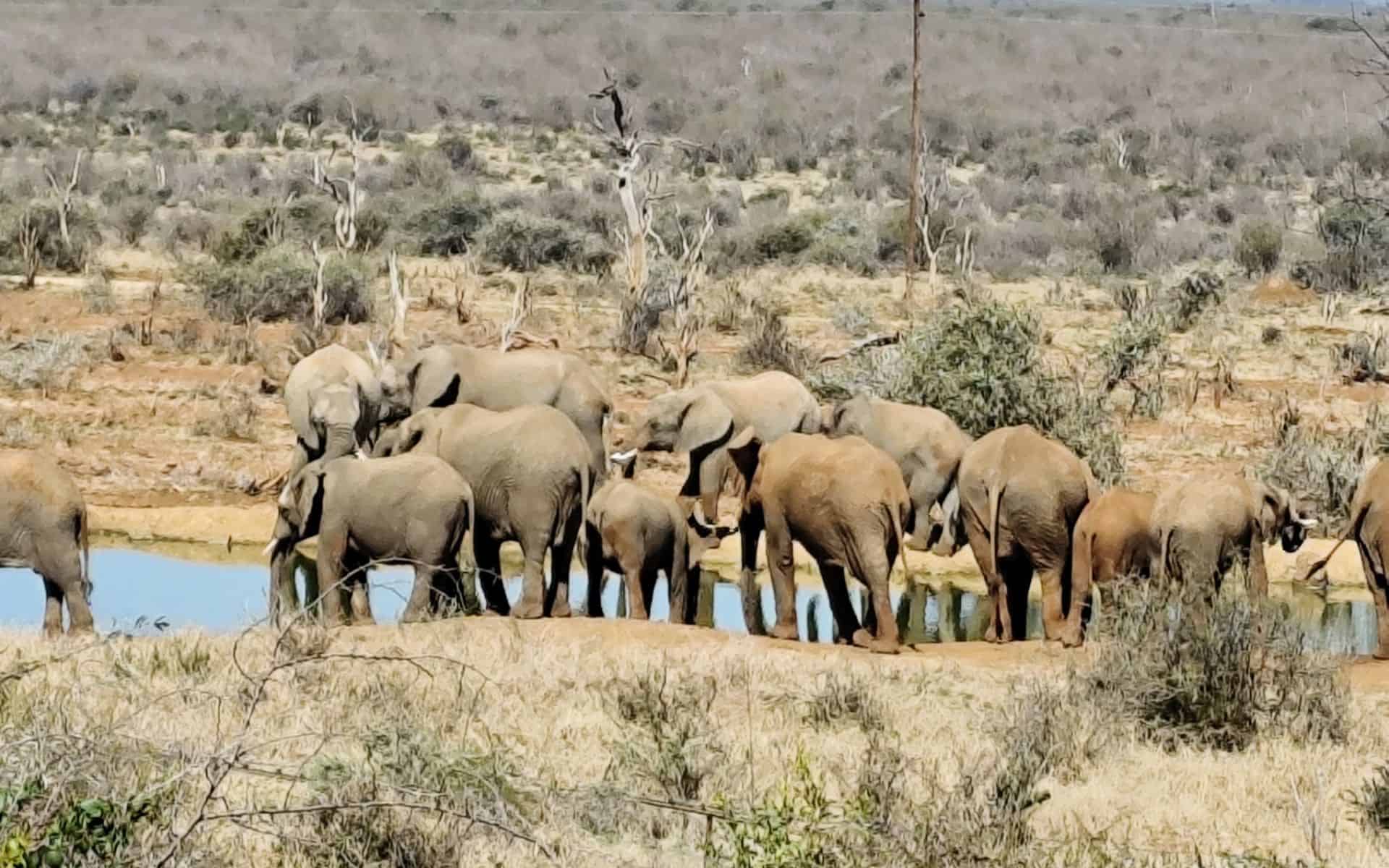
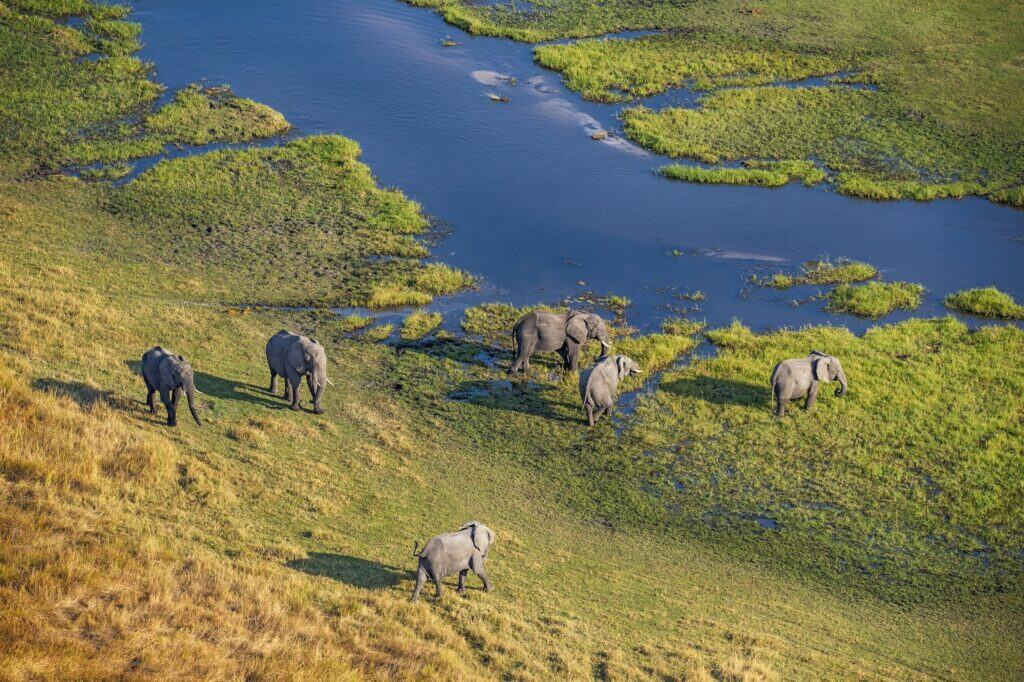
While some wildlife sightings thrill with adrenaline, others offer a quiet connection that resonates on an emotional level. For travellers seeking meaning and a genuine connection to the natural world, observing the complex social structures and emotional intelligence of elephants is often a life-changing experience.
Vihann Van Wyk, an expert who began his career as a field guide, shared a story from his time working at Lalibela Game Reserve that perfectly captures this silent communion. He was guiding a family, and a pregnant guest had asked to sit in the front seat next to him.
They were driving down into a steep gorge when a breeding herd of elephants appeared, blocking the only road in or out. Trapped in the gorge, Vihann turned off the vehicle and instructed his guests to remain completely calm and quiet as the herd approached.
“I saw the matriarch was walking in front,” Vihann remembers. “And she stopped round about 20 metres, and she put her trunk up in the air. She was very calm. And all the herd and everyone just calmed down.”
What happened next was a remarkable display of the animals’ acute senses and curiosity. The matriarch approached the side of the vehicle where the pregnant guest was sitting.
“The matriarch stopped, sniffed her, and everything. And the littlest one also came next to her and started sniffing,” Vihann says. Elephants possess an extraordinary sense of smell, far surpassing that of a dog, allowing them to pick up on subtle chemical changes, pheromones, and even a pregnancy.
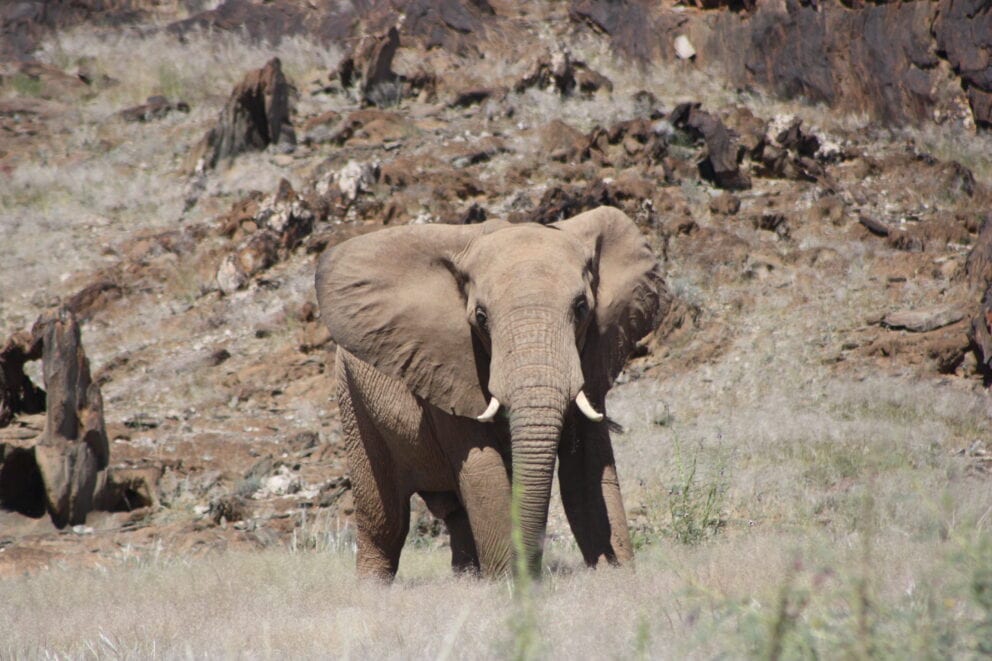
“You can see in her eye she’s very soft and very emotional when she walks past. And the whole herd just basically walked… like half a metre from the vehicle. And I’m like, ‘Guys, I’ve never seen this herd so calm.’ … I still get goosebumps when I think about that special memory.”
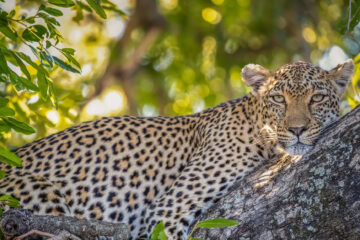
For Cayleigh Brown, a quiet moment of connection came in Botswana’s Okavango Delta. Leopards were nothing new to her, but one sighting stood apart from the rest.
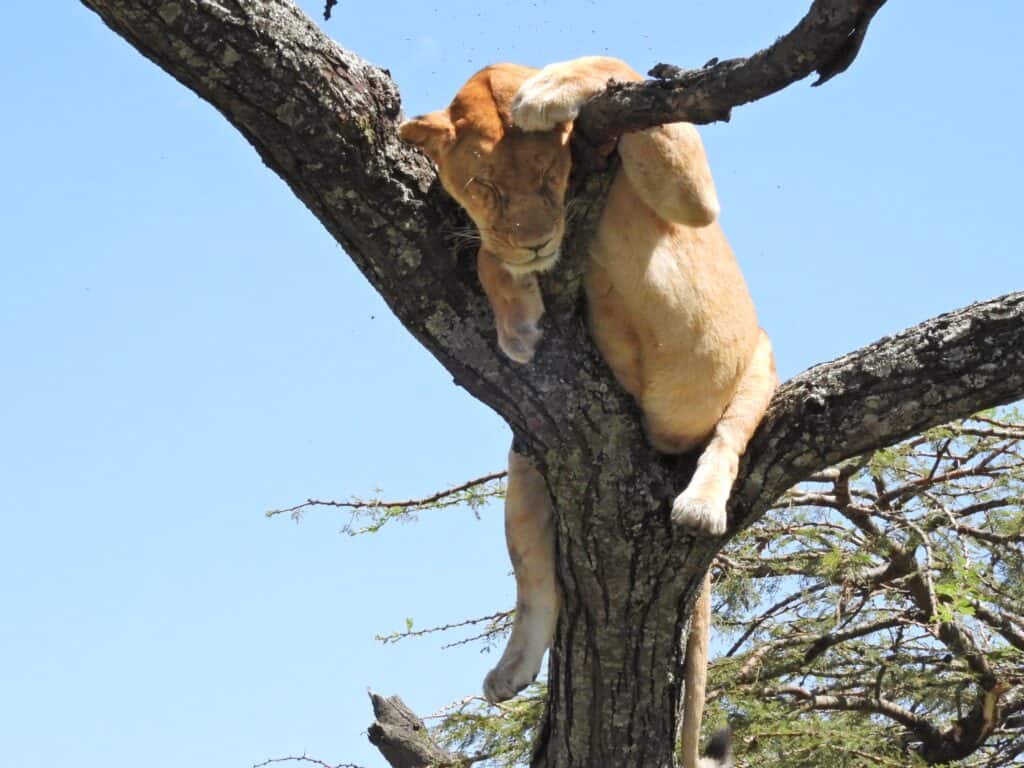
“It had to be when I saw a leopard resting in the tree directly above us in the Okavango Delta,” she says. “This was a similar experience which I had seen quite a few times, but this just felt different, with the landscape and being directly underneath this majestic animal.”
A sighting’s power doesn’t always come from rarity. Sometimes it’s the light, the setting and how close you are that turn a familiar sighting into an unforgettable one.
The Joyful Chaos of the Pack
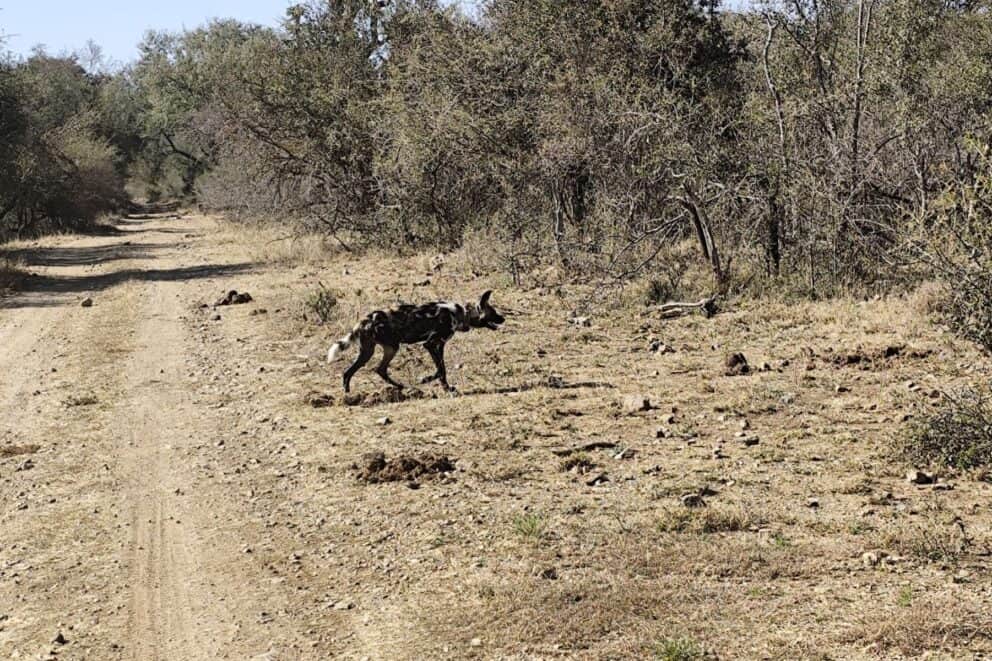
When asking our experts about what animals you can see on a safari that truly leave a lasting mark, the African wild dog (or painted wolf) is a recurring answer. Highly endangered, notoriously nomadic, and fiercely social, these predators are a rare privilege to witness.
For Adelle Bell, whose passion for Africa has fuelled a 17-year career in the travel industry, her most treasured memory took place in the Sabi Sands, a private reserve sharing an unfenced border with the Kruger National Park. The Sabi Sands is celebrated for its low vehicle density and off-road capabilities, allowing for intimate, respectful viewing.
“I think my best one was when we were in Sabi Sands, and we were on an evening game drive. We came to this water hole and there was, I think, about a pack of 25-plus wild dogs with their pups.”
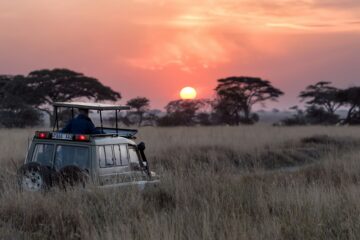
While wild dogs are incredibly efficient and ruthless hunters, Adelle’s favourite moment was witnessing their softer, more communal side. “Just to see these vicious animals being so playful and running in the water, and the pups playing, and the mommies herding them together and that… that really was spectacular. I mean, just sitting there, the sun setting, and these dogs just having an absolute ball at the water hole.”
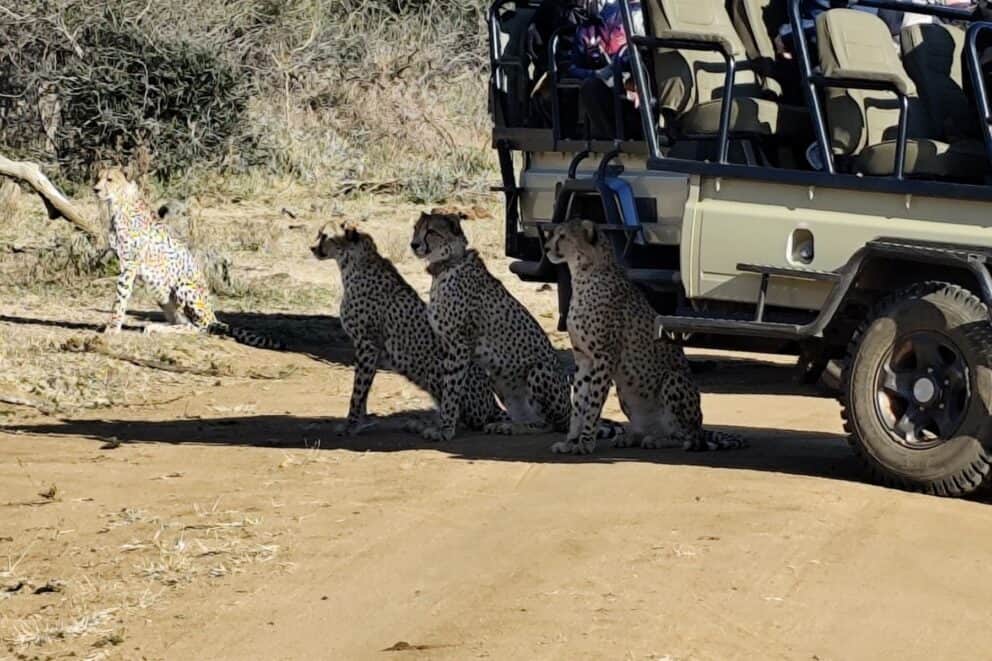
Chrizaan Troch, another of our dedicated safari experts, echoes this sentiment. Despite visiting the Kruger National Park since she was in high school, it took years for her to finally encounter these elusive animals.
“I think it’s definitely got to be the wild dogs in Kruger,” Chrizaan notes of her most memorable sighting. “Because I’d been there for years and years going back and never saw them until last year when I saw them for the first time.”
The scarcity of these predators makes the reward of finding them all the more potent. It’s a reminder that the bush owes us nothing, and every sighting is a hard-earned gift.
Planning Your Encounters: Timing and Expertise
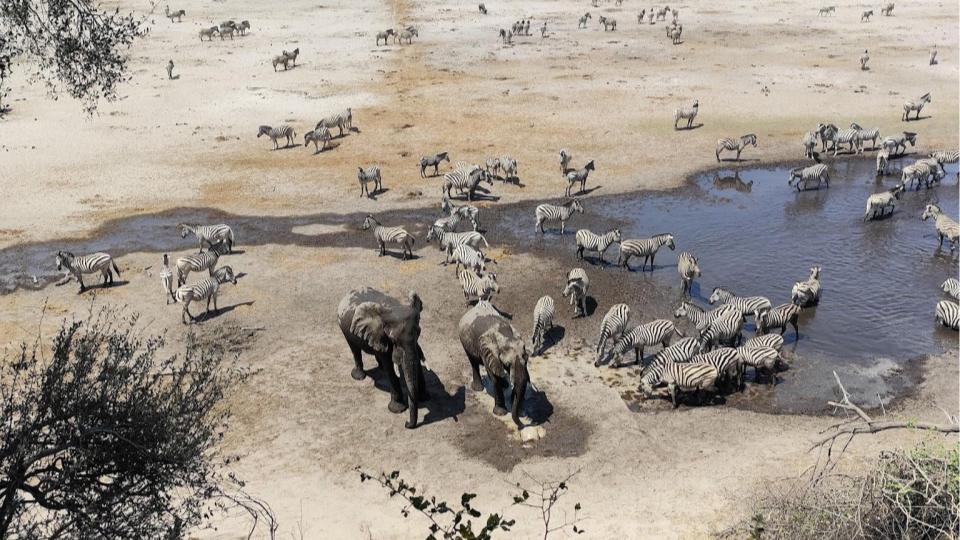
Understanding what animals you can see on a safari depends heavily on where you go and, just as importantly, when you go. The best time for safari wildlife viewing often revolves around the dry winter months (typically May through September in southern Africa).
“The vegetation becomes thinner and water becomes more limited, meaning that wildlife gathers around water holes and rivers, which can make for some incredible sightings,” Adelle explains.
However, Vihann also champions the “shoulder seasons”, such as April, noting that while you might have to work a little harder to spot the animals, the bush is lush, green, and audibly alive with birds and frogs. “The bush is just… alive.”
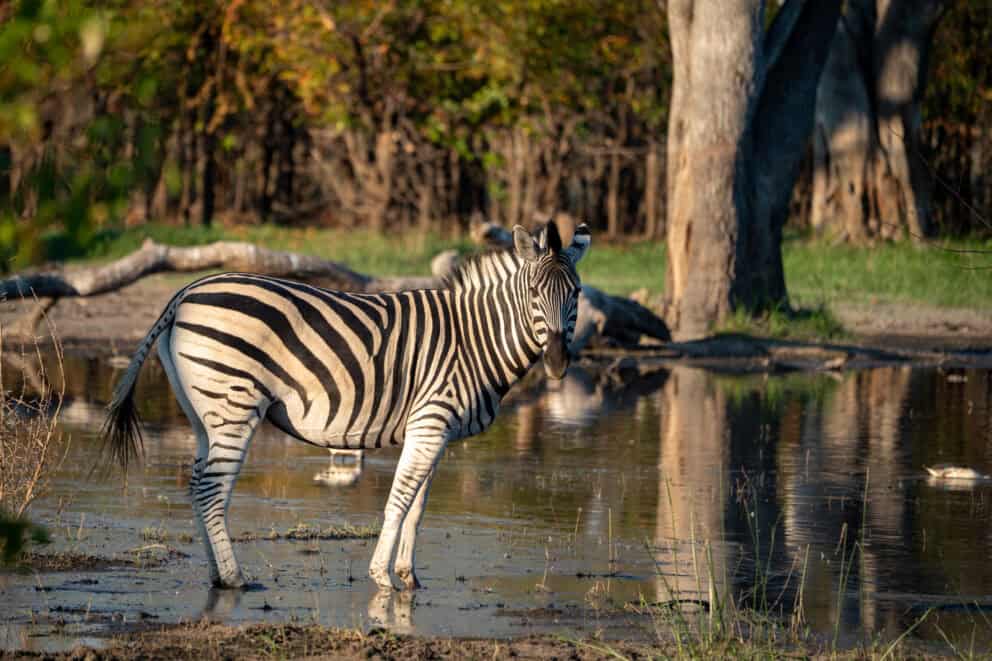
In Botswana, the green season wins over Cayleigh, too. “The landscapes transform into lush, vibrant scenery, and with the arrival of newborn wildlife, there is a wonderful sense of new life in the bush,” she says. “It also brings exciting predator interactions and a completely different perspective on game viewing.”
Ultimately, the key to unlocking extraordinary wildlife sightings isn’t just about picking a spot on a map; it’s about intentional journey design. It requires matching your personal travel style – whether you’re seeking quiet, mindful connections or raw, pulse-pounding adventure – with the right guides, the right reserves, and the right pacing.
As Adelle wisely notes, “Africa is about so much more than the places you visit. It’s about how those places make you feel.”
Are you ready to discover how the African wilderness will make you feel? Explore our carefully selected lodges and tailor-made itineraries, or speak to an Africa safari expert today to find a journey that’s right for you.

Written by Thaakiera Ackerdien
• Travel Writer
Discover the African Journey that’s Right for You
 Blog List
























Written by Thaakiera Ackerdien
• Travel Writer
Part of the Botswana Safari, South Africa Safari & Zambia Safari Collections