

 Email us






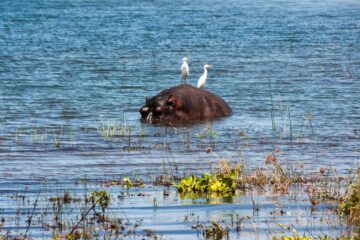


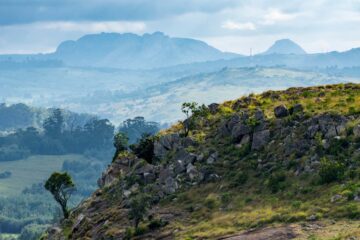

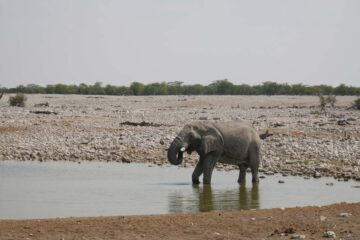




Zimbabwe is an outstanding ecotourism destination for many reasons, including renowned national parks like Hwange and Mana Pools. Its rich and diverse cultural heritage, with ancient historical ruins like Great Zimbabwe, is another great attraction, as is the interaction with local communities and learning about their traditional lifestyles and crafts.
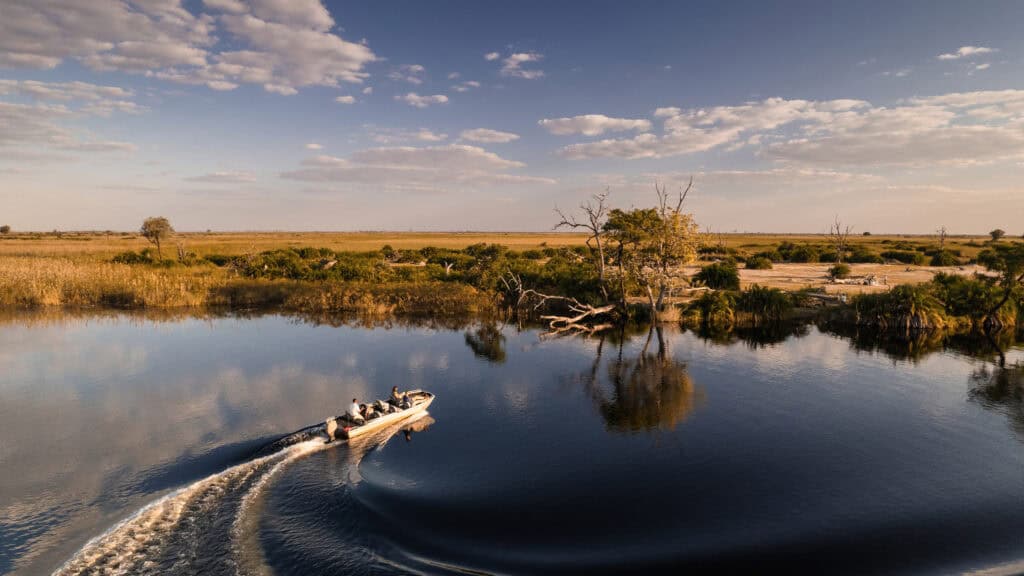
The country’s varied landscapes, from savannahs and woodlands to mountains and rivers, offer spectacular views and opportunities for activities like hiking, canoeing, camping, photographic and walking safaris, as well as some of Africa’s best birdwatching tours.
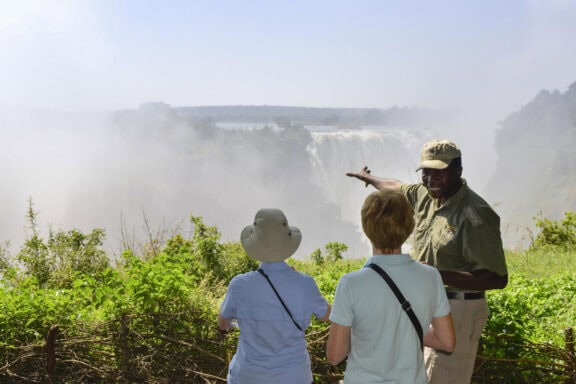
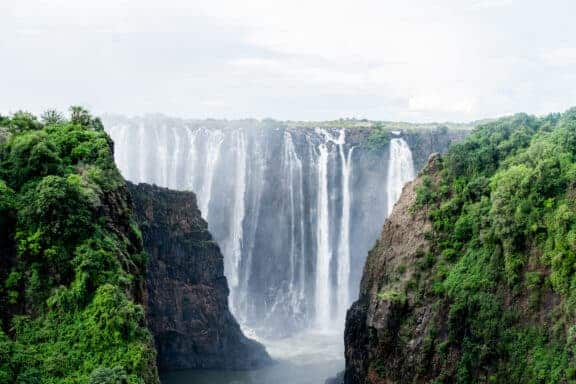
Who could forget Victoria Falls, one of the Seven Natural Wonders of the World! It’s arguably Zimbabwe’s greatest tourism attraction of all, offering superb accommodations and a plethora of activities, from deluxe river cruises to bungee jumping and whitewater rafting.
All of this is made possible through Zimbabwe’s increasing focus on sustainable tourism. In fact, since 2018, the “protection and restoration of the environment and the promotion of sustainable use of natural resources” has been a key aspect of the government’s “reform agenda” to rebuild the Zimbabwean economy. Let’s take a closer look at ecotourism in Zimbabwe and what it means for tourists and locals alike.
What is Ecotourism?
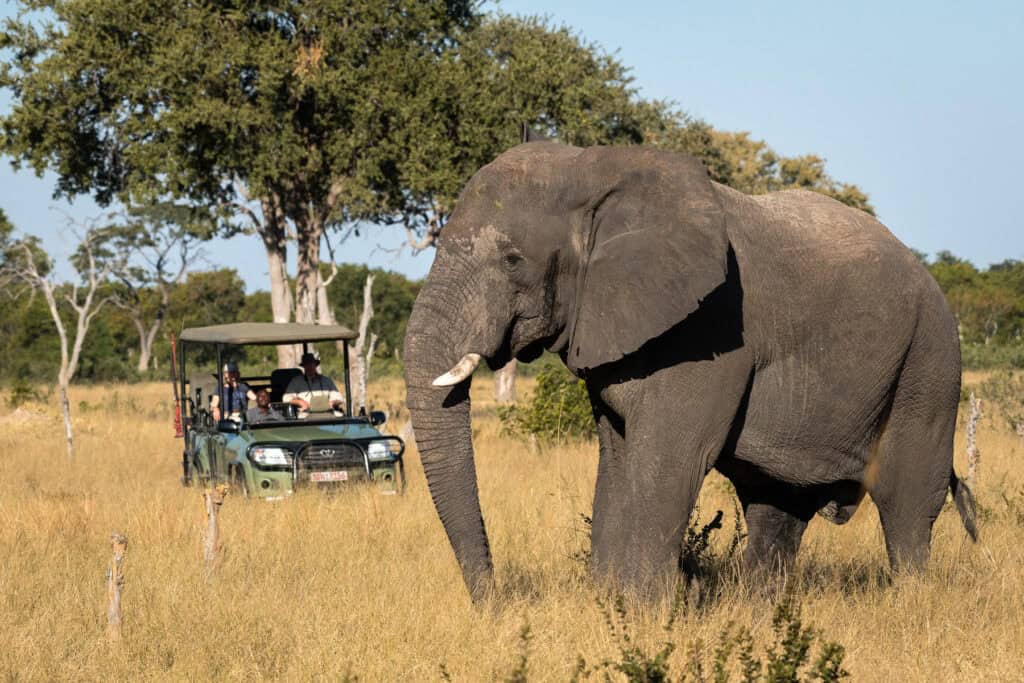
The International Ecotourism Society defines ecotourism as “responsible travel to natural areas that conserves the environment, sustains the well-being of the local people, and involves interpretation and education.” Essentially, it’s a responsible form of tourism that takes a holistic approach to conserving the environment.
That means it also focuses on contributing to the well-being of local people through job creation and by teaching people to use, manage, and conserve natural resources.
Ecotourism encompasses visiting natural areas with the objective of learning, studying, or participating in activities that don’t harm the environment. It unites conservation initiatives, engaging local communities, and offering sustainable travel options for tourists. This includes ensuring that travellers follow eco-friendly practices and that businesses design, construct, and run low-impact facilities.
How Does Ecotourism Benefit Zimbabwe?

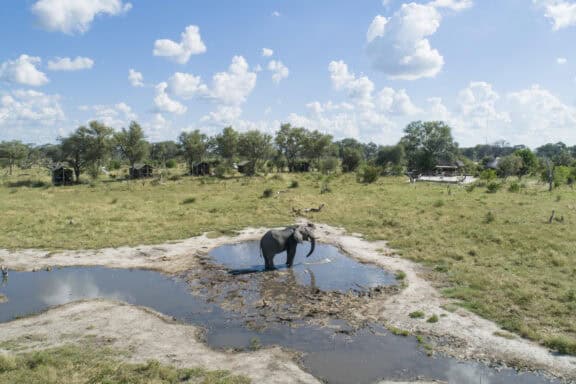
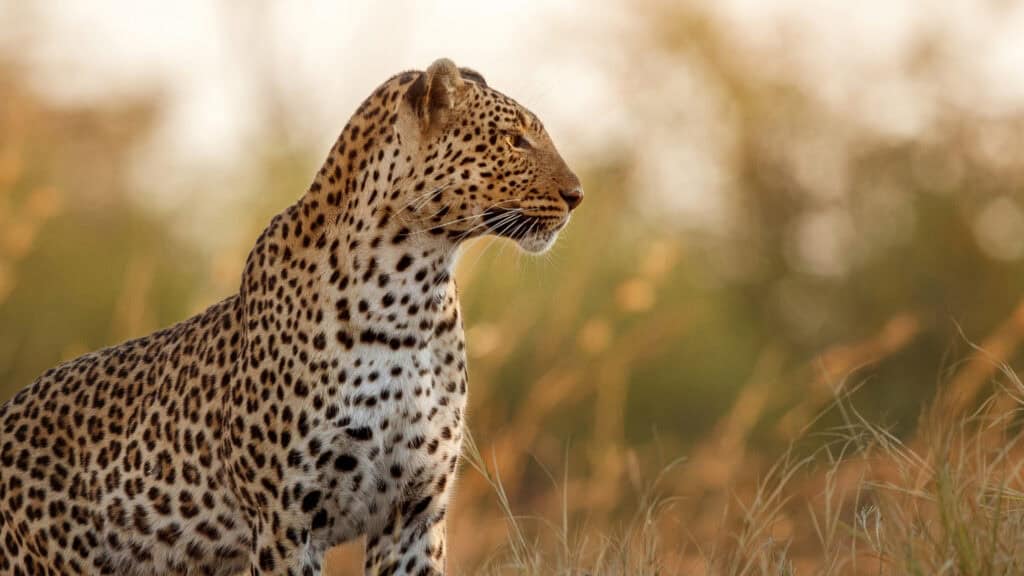
In Zimbabwe, ecotourism contributes towards several key areas. Firstly, it helps to protect biodiversity. Ecotourism involves the creation and management of protected areas like national parks and reserves, which serve as habitats for diverse wildlife and plants, helping to safeguard their populations.
By supporting the protection of wildlife and biodiversity, responsible ecotourism generates revenue for conservation activities. Interestingly, Zimbabwe has identified its biodiversity economy (ZBE) as a “key sector to invest in”.
Ecotourism also supports local communities by creating jobs for local residents, including guides, lodge staff, and artisans who produce crafts for tourists. These jobs provide a source of income and livelihood for families, reducing unemployment and helping to alleviate poverty in many areas. Studies have shown that there is a significant and positive link between local economic development and ecotourism in Zimbabwe.
Next, ecotourism helps to generate community engagement. For conservation to work, the locals who live in and around these wilderness areas must be involved in decision-making. This ensures the benefits of ecotourism reach the people who need it most. Conservation is more lucrative than activities that harm the environment, like poaching and habitat destruction. Through community engagement, people become aware of this and are more likely to support community-based conservation initiatives.
One example in Zimbabwe is CAMPFIRE (Communal Areas Management Programme for Indigenous Resources). This allows communities to lease their land to private safari operators, giving them additional sources of income while incentivising and encouraging the conservation of natural resources. By encouraging tourism, the CAMPFIRE initiative provides opportunities for local communities to benefit economically and socially from preserving their natural and cultural heritage.
How Do Businesses Benefit?
Zimbabwe recognises and rewards businesses and organisations that actively contribute to ecotourism and conservation efforts. These Green Tourism Award holders play a crucial role in conserving the local economy and promoting genuinely eco-friendly experiences for tourists. Some of the revenue generated from ecotourism is funnelled back into conservation projects.
Standards for Ecotourism in Zimbabwe

The legislations that regulate the ecotourism industry in Zimbabwe are the Tourism Act and the Parks and Wildlife Act. The latter regulates the establishment of protected areas, while the Tourism Act legislates the tourism industry. The Zimbabwe Tourism Authority is responsible for the promotion, development, research, and planning of the tourism industry in the country.
It likewise oversees the enforcement of services and standards to promote the sustainable development and growth of tourism in Zimbabwe. It’s also responsible for the registration and licensing of tourist facilities and ensuring that tourism activities are conducted sustainably. The standards for ecotourism focus on:
Minimising Environmental Impact
Zimbabwe has had a national conservation strategy in place since 1987. Initially, it provided a comprehensive examination of the principles of sustainable development and the scope of the country’s environmental resources.
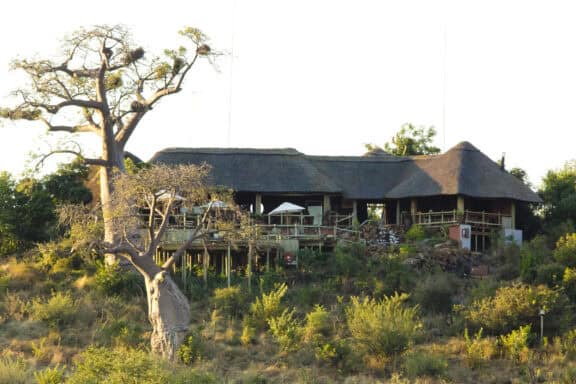
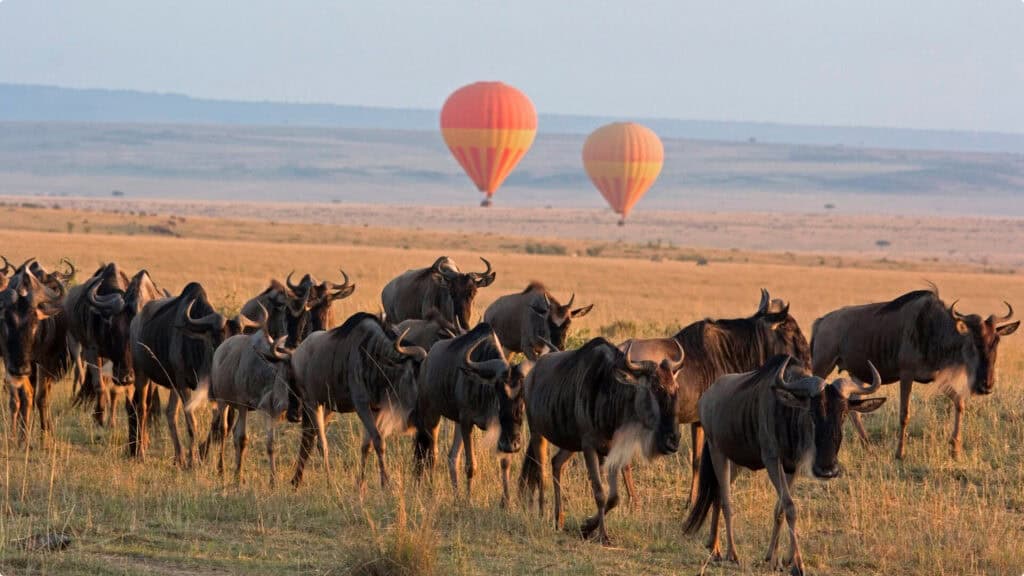
This laid a strong foundation for sustainability, so Zimbabwe now has many eco-friendly facilities and accommodations. Wildlife and safari tours in the country are also structured to have as little impact as possible on the environment and the wildlife.
Promoting Community Control and Ownership
Ecotourism success stories in Zimbabwe often involve giving rural communities control of wildlife management. This approach has fostered a sense of ownership, leading to voluntary participation in conservation efforts and sustainable resource management.
Benefiting Local Communities
Ecotourism initiatives aim to provide employment and economic benefits to local communities. For instance, initiatives like the Ngomakurira Hills Project in the Goromonzi District of Zimbabwe have been found to have significantly contributed to the expansion of small business and employment opportunities for the local communities.
Educating Tourists
Ecotourism provides information and guidelines to tourists to ensure their activities don’t harm the environment or local communities. This raises awareness globally about the plight of endangered wildlife and habitat destruction and the importance of conservation efforts.
At Discover Africa, we know that Zimbabwe Big Five Safaris offers an unparalleled blend of natural wonders, wildlife diversity, and cultural richness. Its commitment to conservation and sustainable practices not only preserves its stunning landscapes and unique wildlife but also enriches the experiences of travellers.
Discover the African Journey that’s Right for You
 Blog List

















































Written by Brendan White
• Travel Writer
Part of the Zimbabwe Safari & Positive Impact Safaris Collections