

 Email us




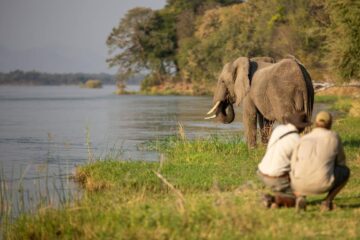
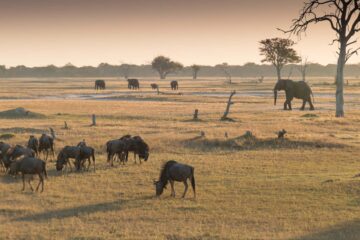
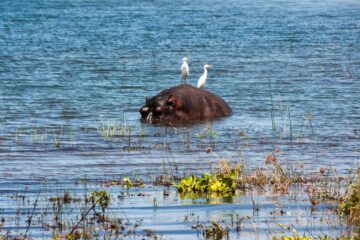


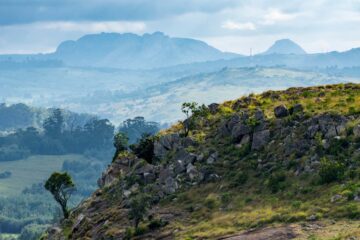




Zimbabwe’s strong commitment to conservation and the protection of its diverse wildlife and stunning landscapes makes it an ideal destination for eco-conscious travellers. Beyond the wildlife, the country also offers fascinating cultural encounters, allowing safari-goers to engage with local communities and get a closer look at their traditional way of life. In this article, we’ll discover six of the most eco-friendly safari lodges in this prime African safari destination.
1. The Elephant Camp
For travellers who prioritise responsible and ethical tourism, Elephant Camp combines a Zimbabwe luxury safari experience with eco-friendly practices at every turn. Dedicated to wildlife conservation, particularly elephants, Elephant Camp often collaborates with local conservation organisations and wildlife authorities to support elephant conservation projects, including anti-poaching efforts and habitat preservation.
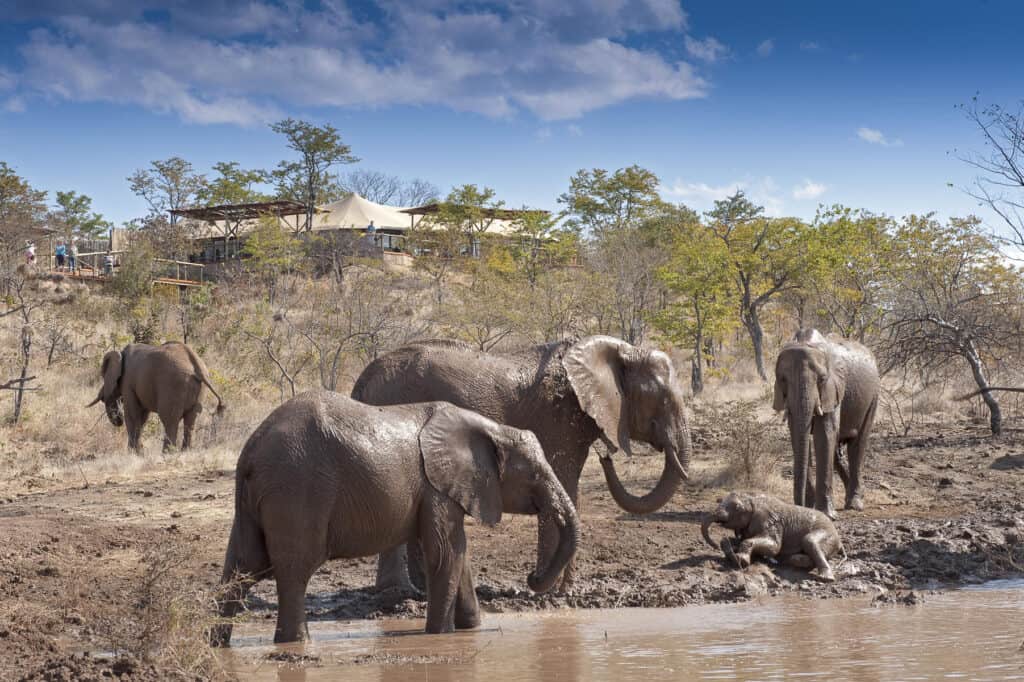
They often involve nearby communities in these initiatives, fostering a sense of environmental responsibility among locals. The camp’s indigenous tree nursery uses greywater for irrigation before the trees are transported to areas in need of rehabilitation. Elephant camp weaves sustainability into several aspects of its operations.
From locally sourced building materials to eco-friendly building designs, every effort has been made to be as energy-efficient as possible. They focus on minimising their environmental impact by implementing eco-friendly initiatives such as solar power usage, water conservation, and waste management. By limiting the number of guests and offering exclusive, intimate experiences, the camp promotes low-impact tourism, allowing for a more authentic and less disruptive safari in Zimbabwe.
2. The Hide
Located in the stunning Hwange National Park, The Hide is celebrated not only for its exceptional wildlife experiences, but also for its deep commitment to conservation and eco-friendly practices. The lodge implements various measures to minimise its environmental impact, including solar power and energy-efficient systems that reduce electricity consumption.
It also employs water-saving techniques, including water recycling and rainwater harvesting. Infrastructure aligns with eco-conscious principles, from construction practices that prioritise eco-friendly principles, to sustainable designs that blend in with the natural surroundings.
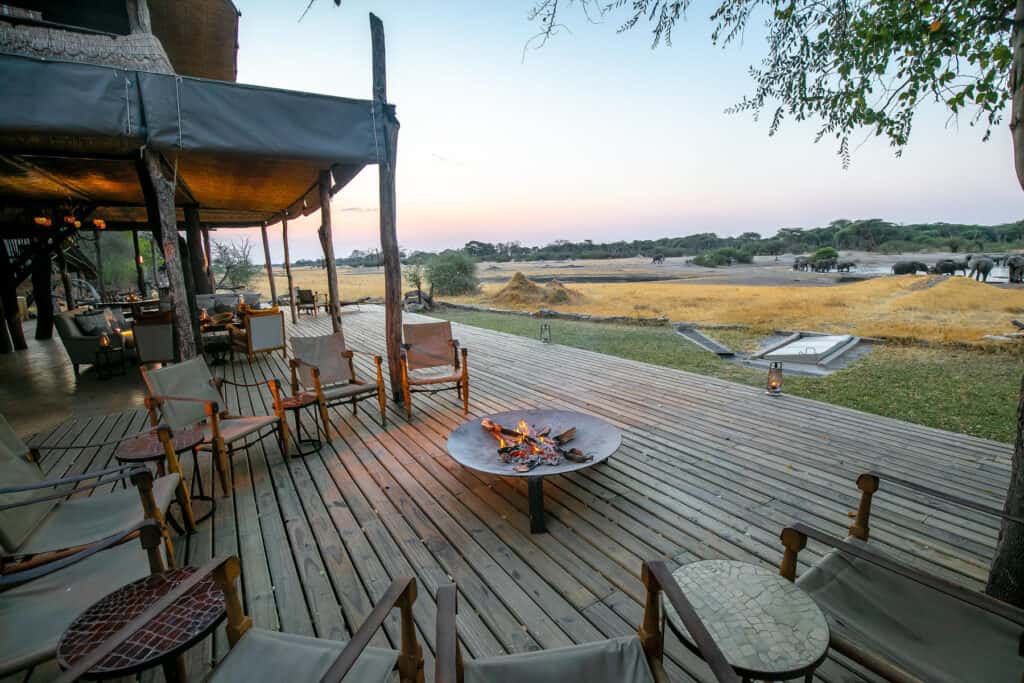
The Hide is dedicated to wildlife conservation efforts, supporting anti-poaching initiatives, collaborating with conservation organisations, and contributing to habitat rehabilitation projects. With a strong belief in local involvement, the lodge actively engages with nearby communities through outreach programmes that support education, healthcare, conservation agriculture, and socio-economic development. Guests at The Hide are also exposed to educational experiences that highlight the importance of conservation and environmental sustainability.
3. Somalisa
With its outstanding commitment to sustainability, Camp Somalisa redefines the notion of eco-friendly accommodations in Zimbabwe. Beyond offering a luxurious safari experience, the camp takes an eco-focused approach to its operations. Solar power is used extensively to reduce reliance on non-renewable energy sources, minimising the camp’s carbon footprint, and infrastructure is designed with eco-friendly materials and construction practices.
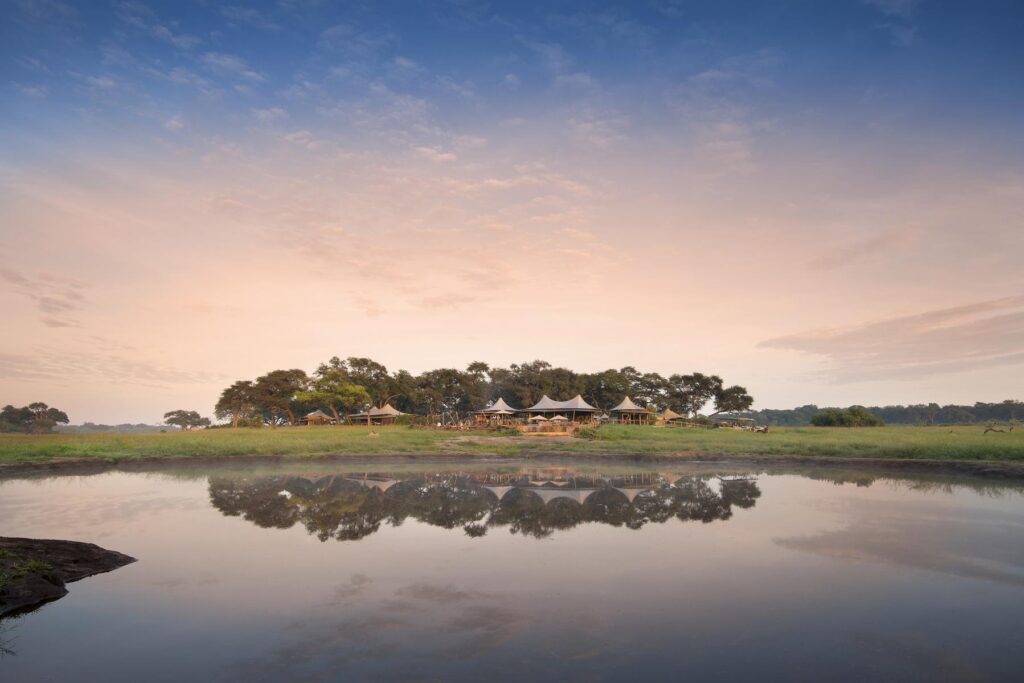
Water-wise to the extreme, Somalisa employs a number of water-saving techniques. This includes rainwater harvesting, water-recycling systems, and responsible water usage practices. Beyond anti-poaching activities and collaborations with conservation organisations, Somalisa contributes to habitat preservation projects and community initiatives that involve and benefit locals living near the camp.
During their stay, guests are also offered insights into the park’s ecosystem, wildlife conservation challenges, and the significance of protecting natural habitats through immersive guided experiences.
$1080 USD 5 DAYS
$2980 USD
$4240 USD 8 DAYS
$3780 USD
$4699 USD 



4. Linkwasha
Linkwasha Camp is renowned for offering a luxurious safari experience without sacrificing eco-friendly practices and sustainability. The camp uses renewable energy sources extensively, as well as eco-friendly materials wherever possible.
Keeping water conservation top of mind in this arid environment, the camp employs water-wise practices such as water recycling and rainwater harvesting. The camp also follows green policies when it comes to waste management, recycling, and reducing waste generation
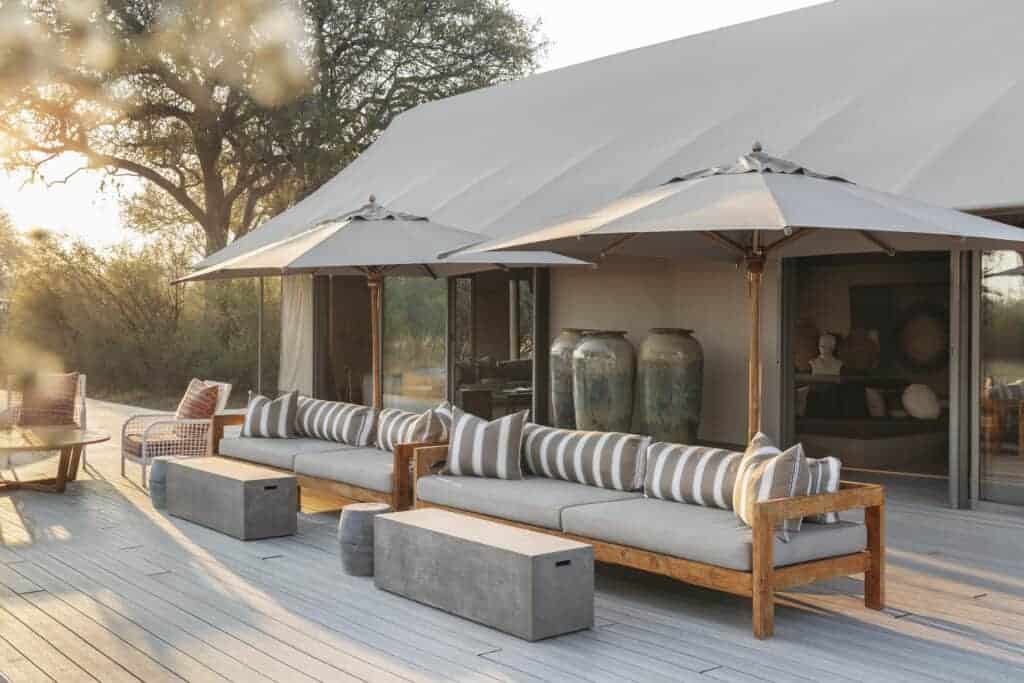
The camp’s commitment to conservation doesn’t end with wildlife. It runs community upliftment projects striving to create positive impact and sustainable local relationships. Linkwasha places a strong emphasis on environmental education.
Through guided activities, talks, and immersive experiences, visitors gain valuable insights into the ecosystem and the challenges facing the wildlife within it. Linkwasha promotes low-impact safari experiences by keeping guest numbers low, ensuring respectful wildlife encounters, and minimal disruption to the environment.
5. Changa Safari Camp
Changa Safari Camp in the Matusadona National Park is a prime example of combining a low-impact safari experience with eco-friendly practices. The camp has been created using locally-sourced materials and with as little environmental impact as possible.
They actively discourage single-use plastics like water bottles. Guests are provided with the purest drinking water from its reverse osmosis system and reusable glass bottles. All disposable bottles and cans are crushed on site, separated, and sent to the mainland once a week for recycling.
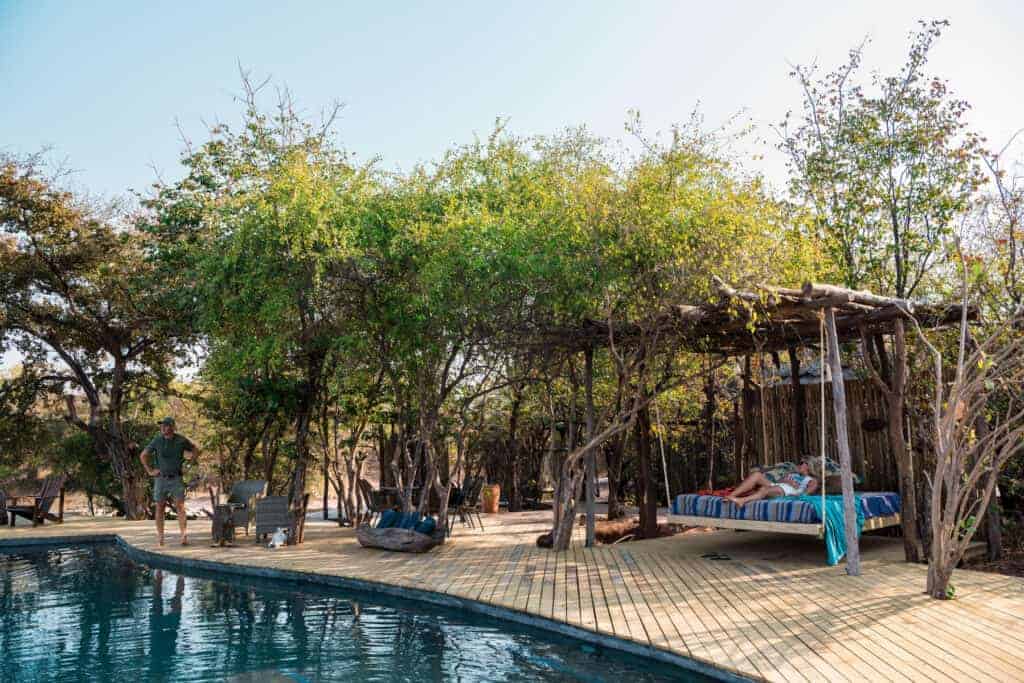
The camp is run entirely on solar, and all biodegradable waste is sorted and used within the camp wherever possible.
Although Changa doesn’t compost, they do use organic material for their wormery. This is a coal-walled protected room that provides a safe place for worms to breed before. These worms are used as bait on fishing excursions on Lake Kariba.
6. Fothergill Island
Beyond offering exceptional game viewing from both the land and the water, Fothergill in Matusadona National Park upholds the values and objectives of the Matusadona Conservation Trust. This joint effort aims to revive the park through good governance, an effective law enforcement strategy, community engagement initiatives, tourism promotion, and the restoration of wildlife populations through the reintroduction of indigenous animal species.
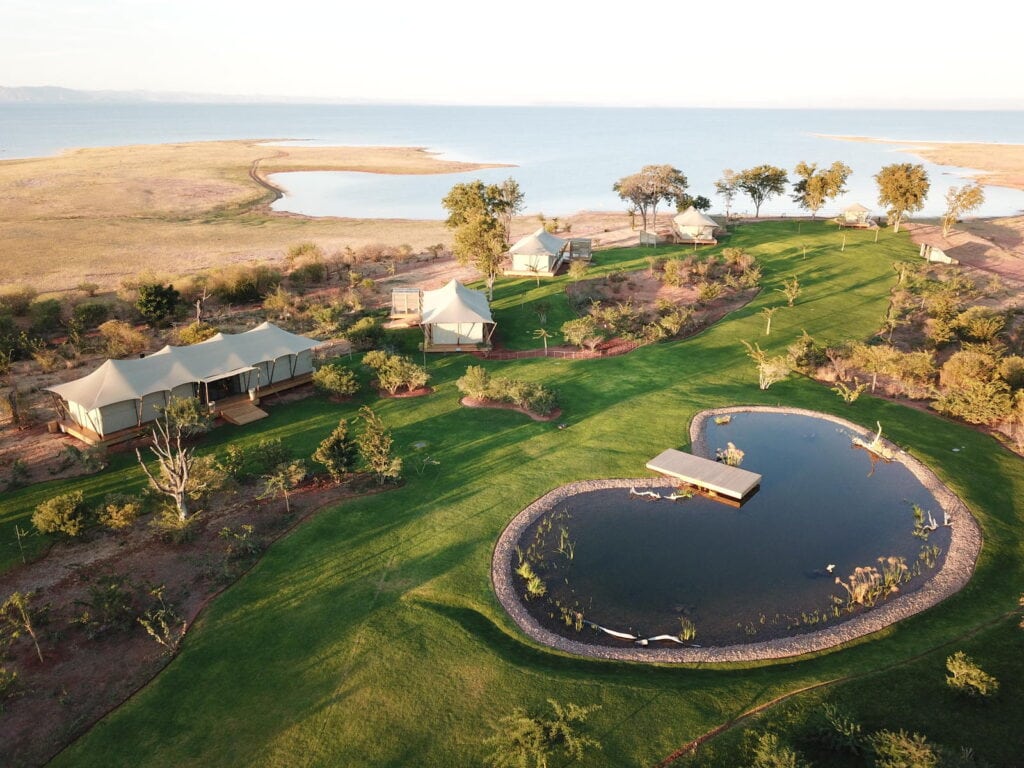
Fothergill further contributes to conservation through funding and responsible practices. This can be seen in sustainable sport fishing and the complete implementation of a solar-driven infrastructure. In addition, they assist with anti-poaching efforts in cooperation with African National Parks and local law enforcement.
This eco-friendly destination also offers upliftment opportunities for the local population. Employing and training staff for a successful career in sustainable tourism is part of this.
By now, you have some idea of the lengths these destinations go to to ensure eco-friendly and sustainable tourism. If you’re looking for a Zimbabwe safari with a light carbon footprint and minimal environmental impact, speak to a safari expert at Discover Africa about planning a tailor-made, luxury adventure in the African wilderness.
Discover the African Journey that’s Right for You
 Blog List
























Written by Brendan White
• Travel Writer
Part of the Zimbabwe Safari Collection