Email us




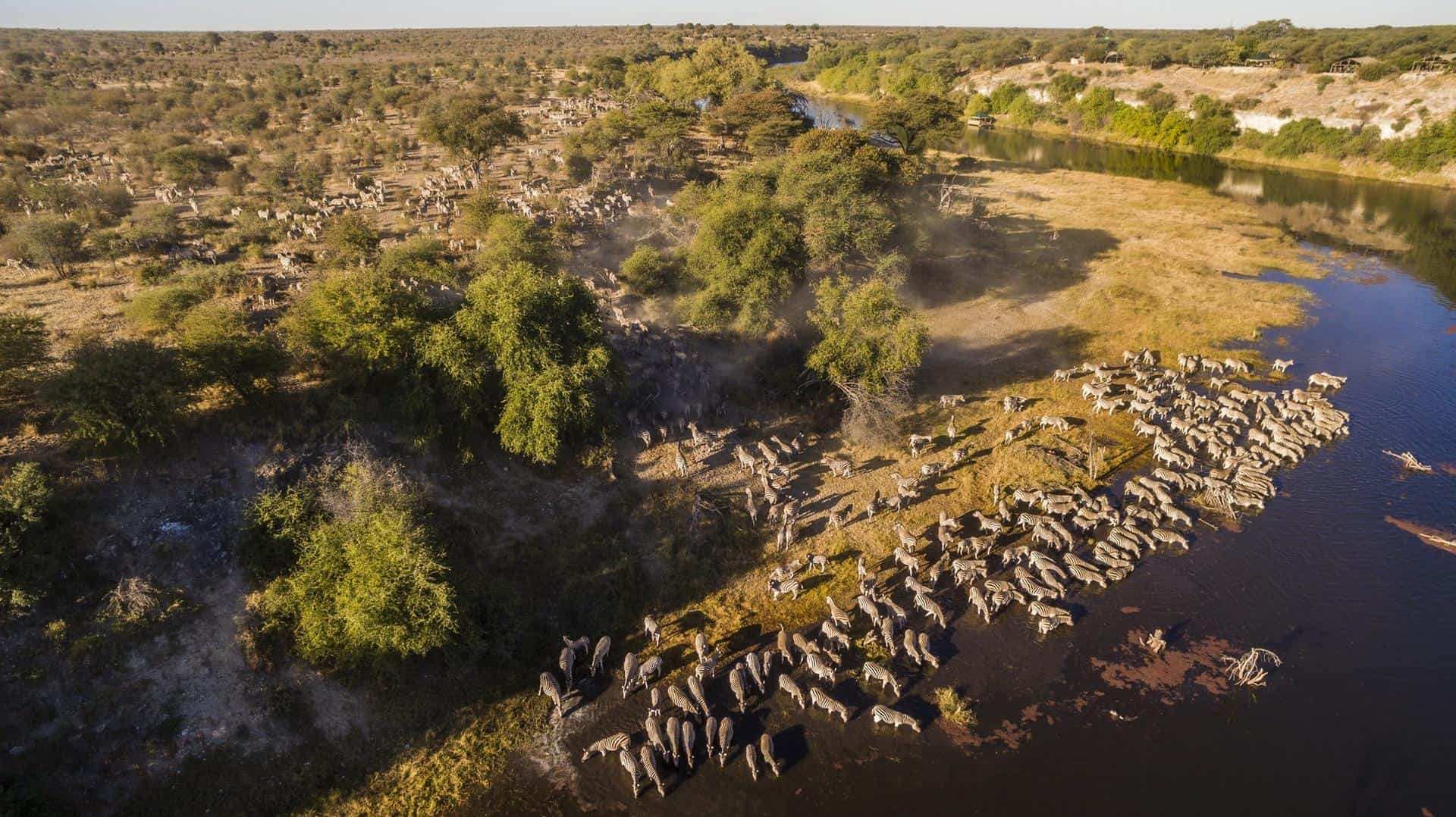



A Makgadikgadi Pans safari isn’t about checking off the Big Five. It’s designed for travellers who crave space, silence, and rare perspective. Spanning over 16,000 square kilometres of northern Botswana, this ancient fossil lake system offers an immersive escape into one of Africa’s last great salt deserts – where vast white horizons give way to seasonal wildlife migrations and some of the darkest night skies on Earth.
Whether you’re sleeping under a canopy of stars on Ntwetwe Pan, walking alongside San trackers, or witnessing thousands of zebras moving across lush green plains, the Makgadikgadi rewards those who seek to experience Africa deeply.
Guided by our Africa-based specialists, every journey is curated around your travel pace, ensuring seamless care and first-hand expertise every step of the way.
Top Destinations in Makgadikgadi Pans
The Makgadikgadi Pans are a vast network of interconnected salt pans, formed from the remnants of an ancient superlake that once covered much of northern Botswana.
Ntwetwe and Sowa Pans: A Migration Hotspot
The Makgadikgadi complex is dominated by two massive salt pans – Ntwetwe and Sua (Sowa) – surrounded by smaller pans. Here, the stark whiteness of the pans along with the blue sky creates a mesmerising landscape.
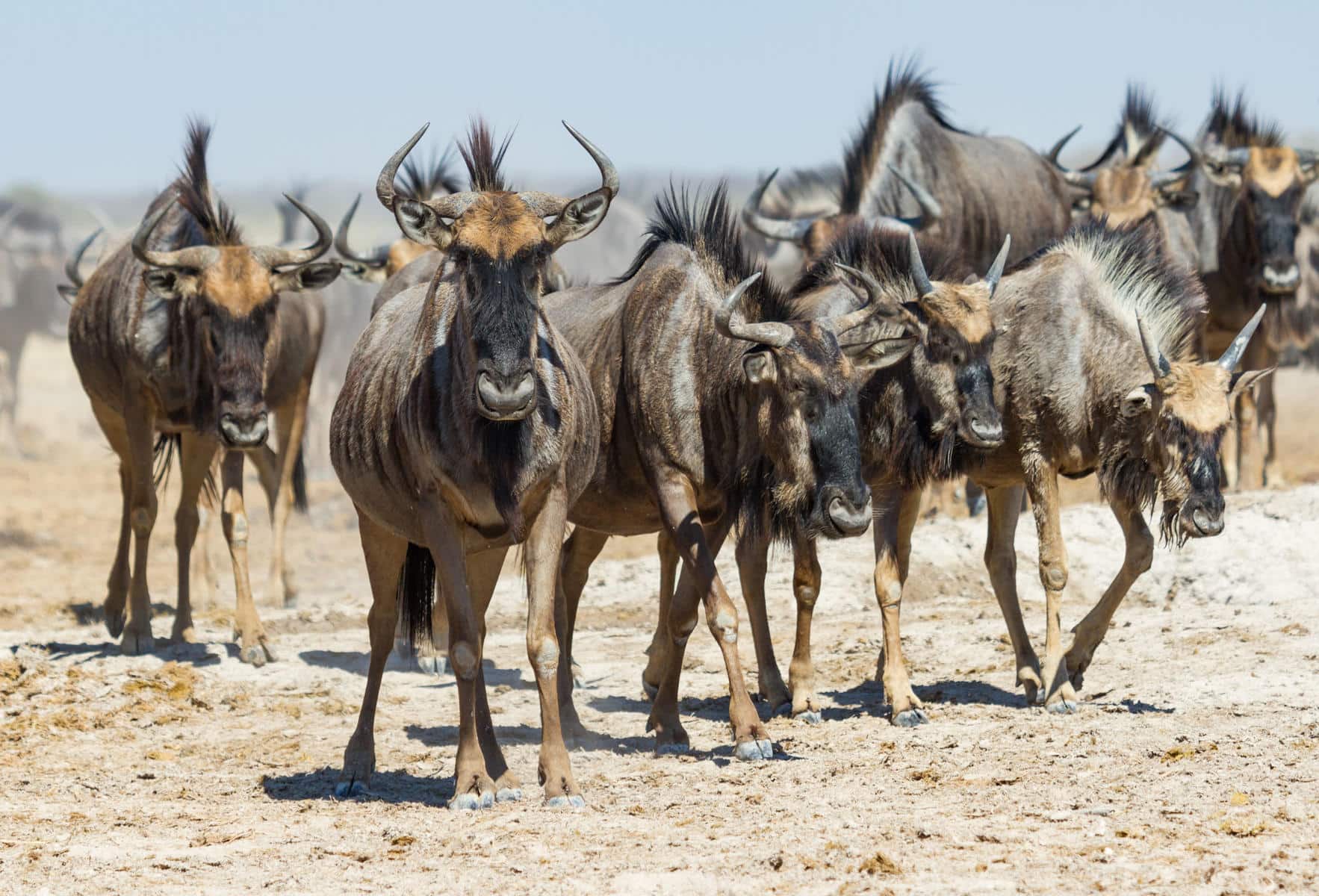
During the wet season, the pans flood, drawing a wealth of wildlife here. Flamingos are known to frequent Sowa Pan, while zebras, springbok, and wildebeest travel to Ntwetwe Pan to graze on the lush grass.
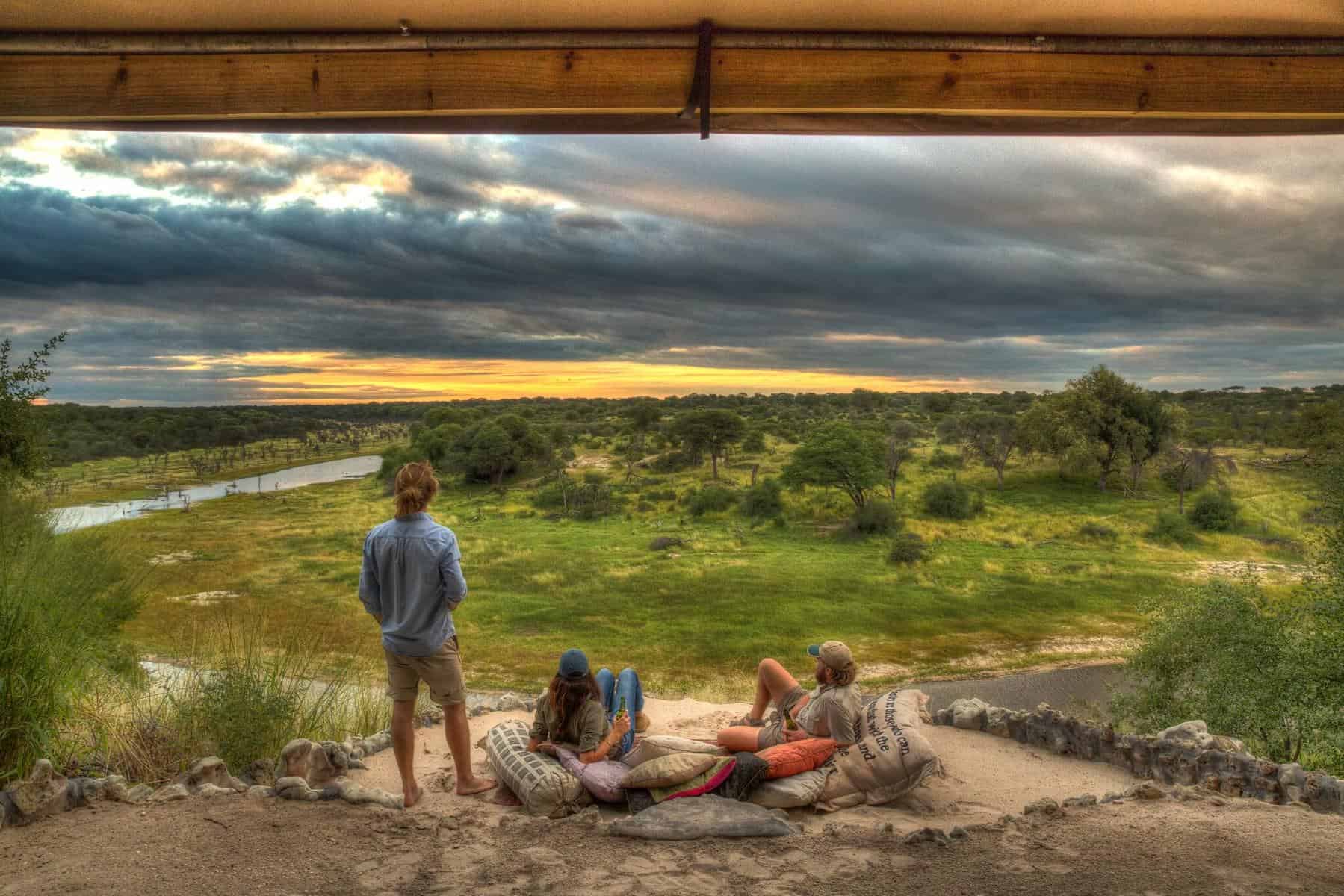
With the right weather, some camps offer seasonal sleep-outs on the pan itself. With the absence of artificial lights for hundreds of kilometres, you’ll fall asleep beneath one of the darkest night skies on Earth. This is a rare chance to experience complete silence that is only broken by the sounds of the desert.
Nxai Pan and Baines’ Baobabs
Bordering Makgadikgadi Pans National Park to the north, Nxai Pan National Park is known for its open grasslands, seasonal game viewing, and Baines’ Baobabs.
Named after Victorian explorer and artist Thomas Baines, these magnificent trees are believed to be around 1,000 years old. Rising from the flat landscape, they remain one of Botswana’s most recognisable landmarks and a powerful reminder of the region’s natural history.
When’s the Best Time to Go on a Makgadikgadi Pans Safari?
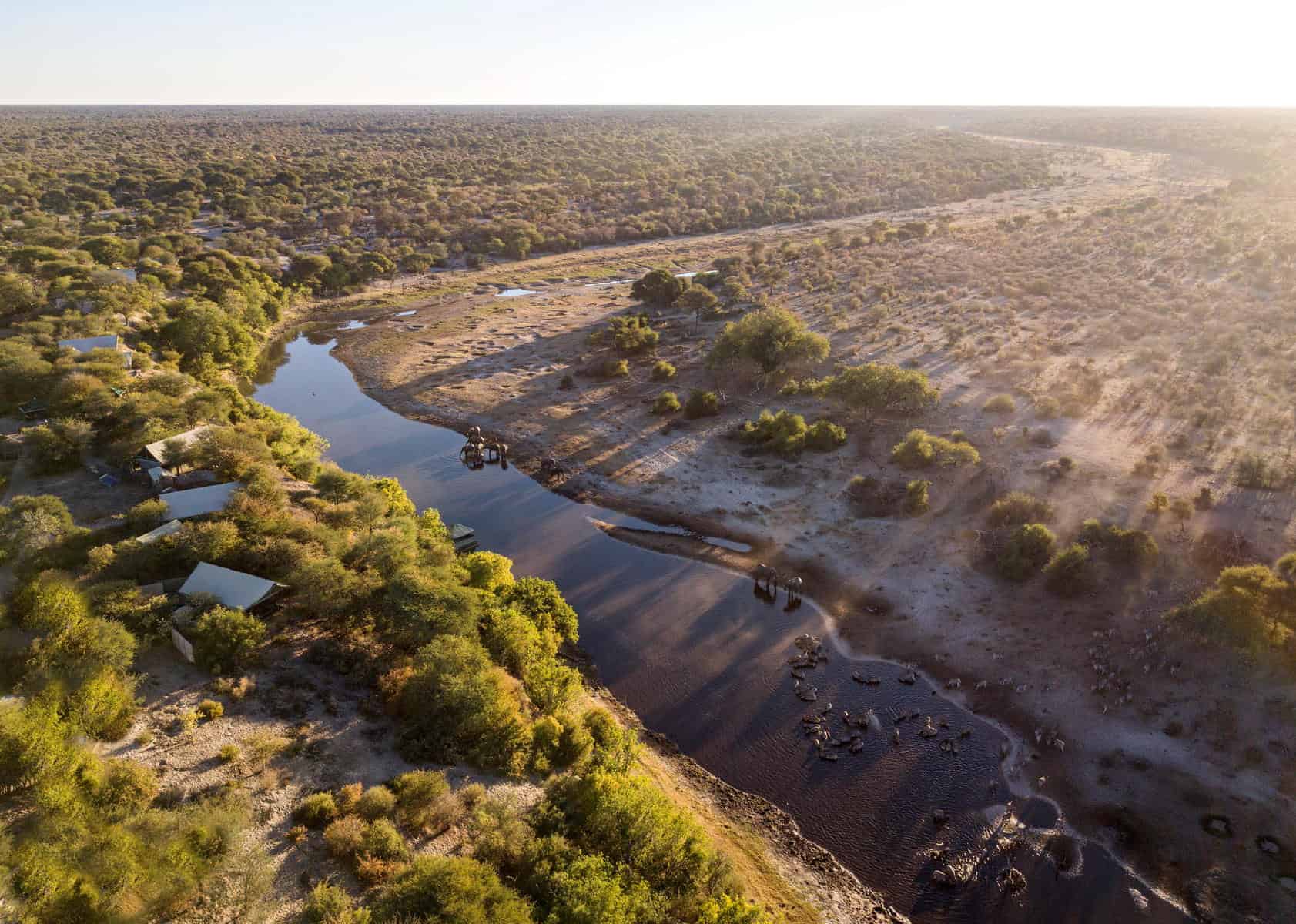
For much of the year, the salt pans appear rather empty. Most wildlife viewing takes place along the Boteti River, which forms the western boundary of Makgadikgadi Pans National Park.
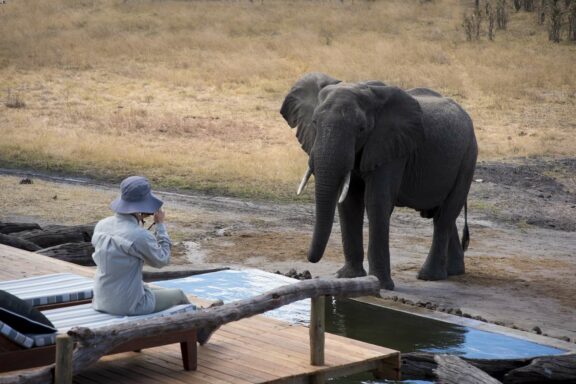
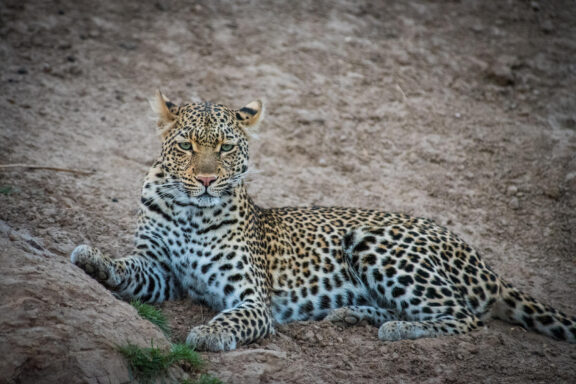
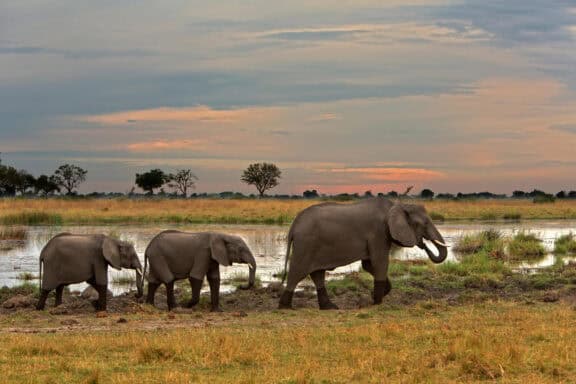
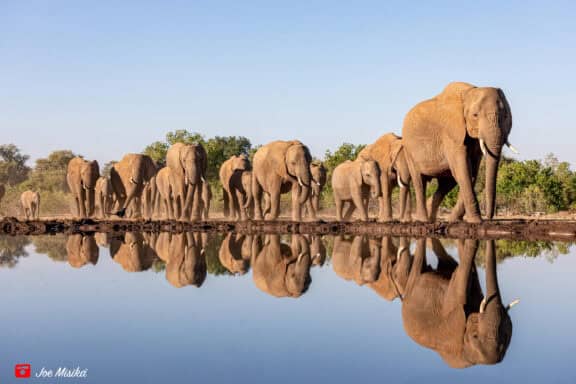
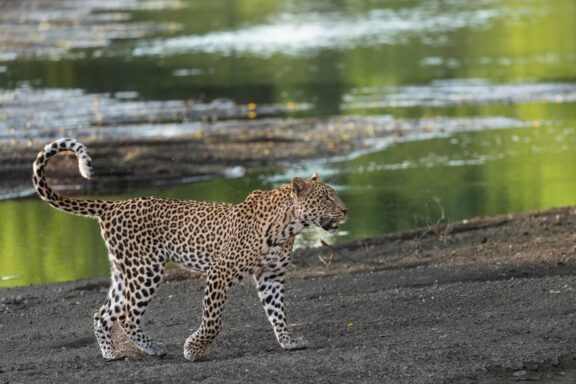
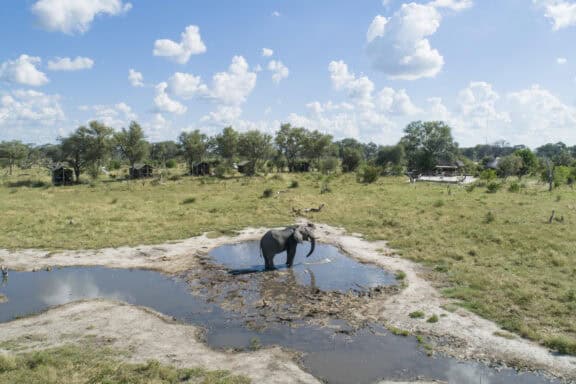
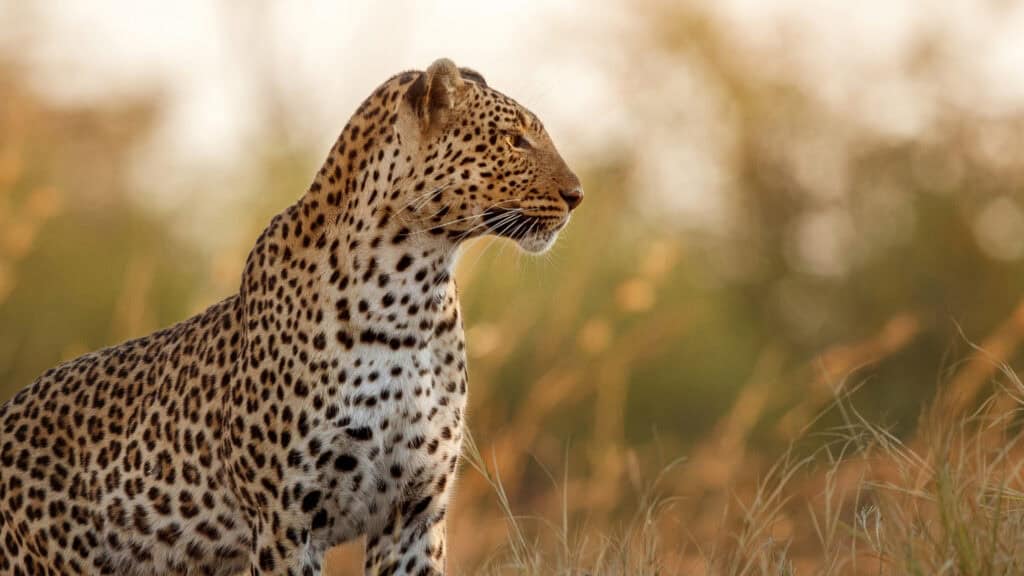
During the dry season, the Boteti becomes a vital source of water, attracting elephants, zebras, wildebeest, giraffes, kudu, impala, and large numbers of antelope. Naturally, predators such as lions, spotted hyenas, leopards, and the occasional cheetah follow close behind.
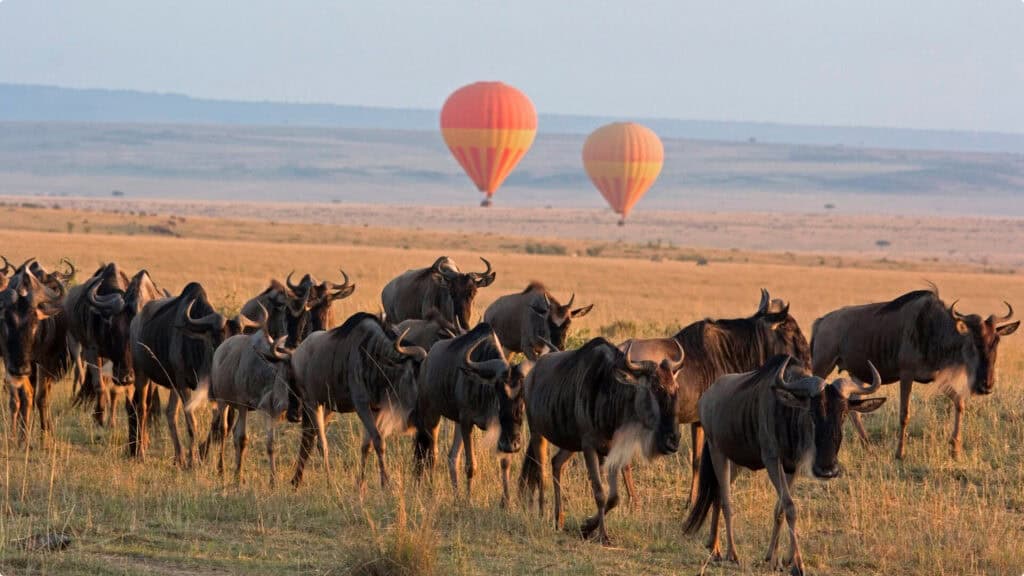
When the summer rains arrive between November and April, the surrounding grasslands burst into life. Thousands of zebras migrate here to calve and graze on the fresh grasses before turning north as the land dries once again. Birdlife also flourishes, making this one of Botswana’s finest seasonal safari destinations.
Experiences That Make a Makgadikgadi Safari Unique
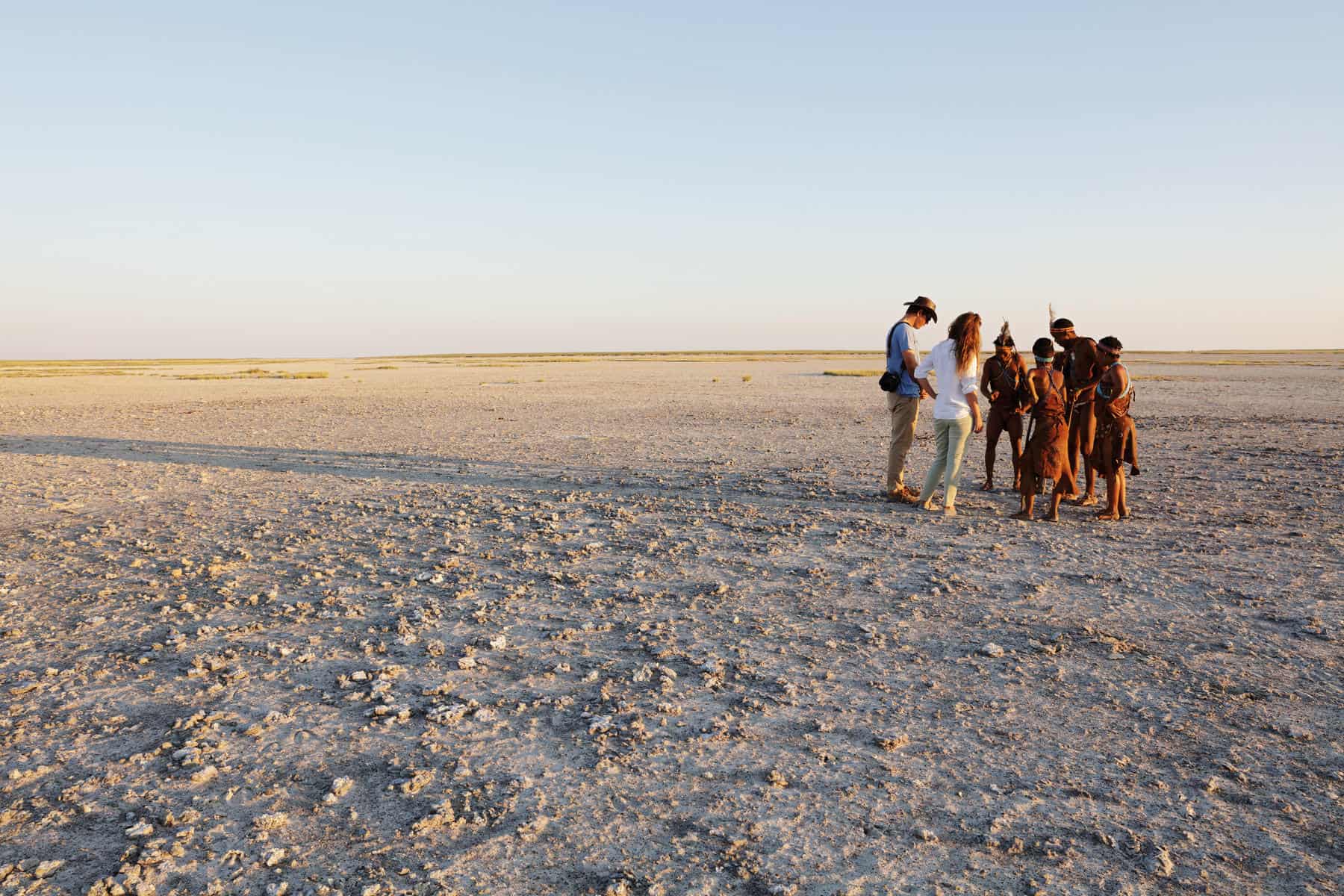
A Makgadikgadi safari offers far more than traditional game drives. It’s a place where you’ll slow down, explore on foot, and experience Botswana through the people and wildlife that call this part of Africa home.
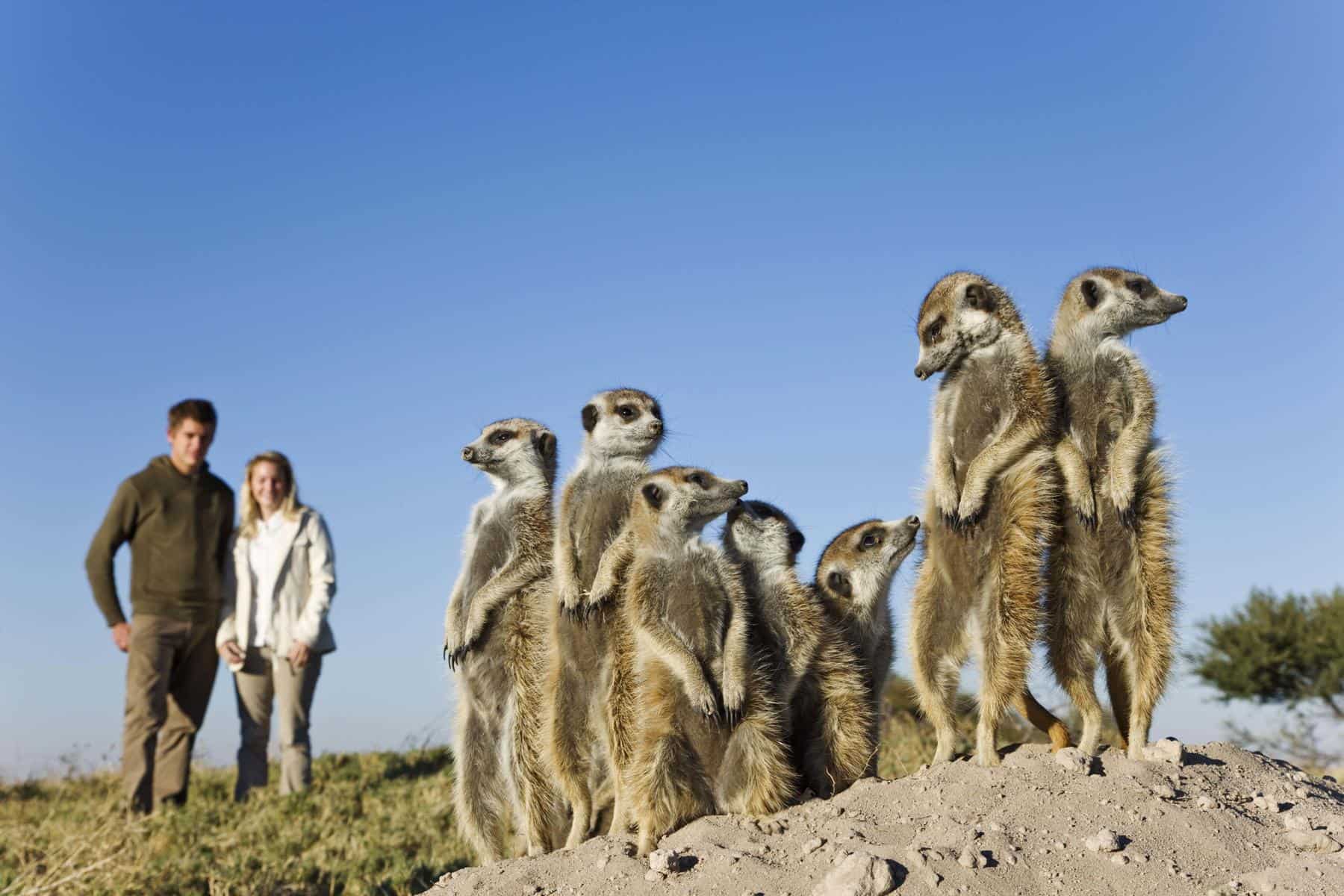
One of the region’s most memorable experiences is spending time with habituated meerkats. As the sun rises, these curious animals emerge from their burrows and are sometimes brave enough to climb onto visitors to use them as lookout points. Spending time quietly among them offers an intimate glimpse into their daily lives while allowing them to still behave naturally.
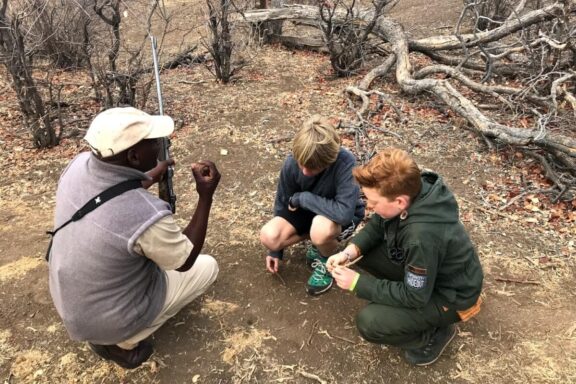
Another rewarding experience is to take a guided walk with the San people, whose ancestors have lived in the Kalahari for thousands of years. Rather than a staged performance, these walks introduce you to traditional tracking techniques, edible plants, survival skills, storytelling, and a deep understanding of the land. This allows you to experience the Makgadikgadi through the eyes of the people who know it best.
For those seeking a thrill, seasonal quad biking across designated areas of the salt pans allows you to appreciate the scale of the environment through an adventure. These guided excursions follow carefully managed routes that help to protect the fragile ecosystem while providing access to parts of the pans that would otherwise be out of reach.
Where to Stay on a Makgadikgadi Safari
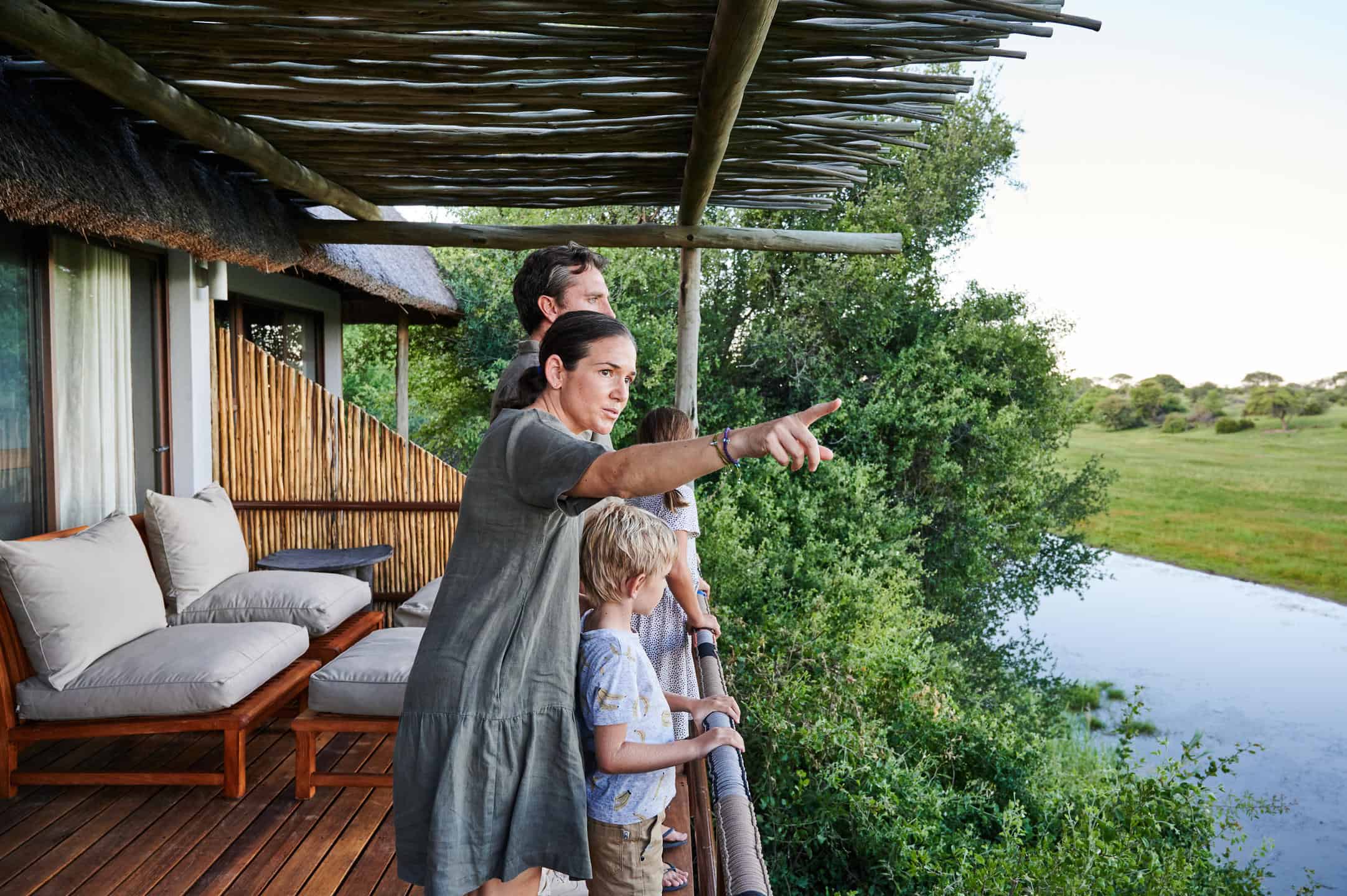
Choosing where to stay on your Makgadikgadi safari depends on the experience you’re after.
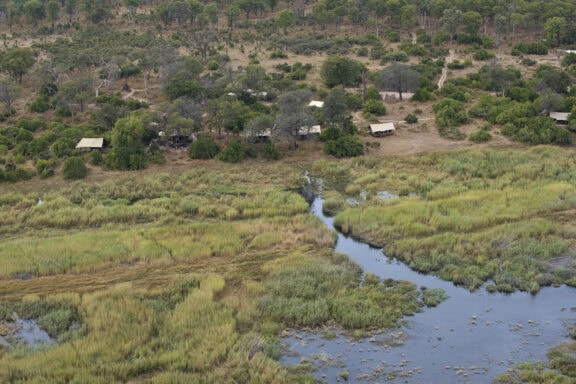
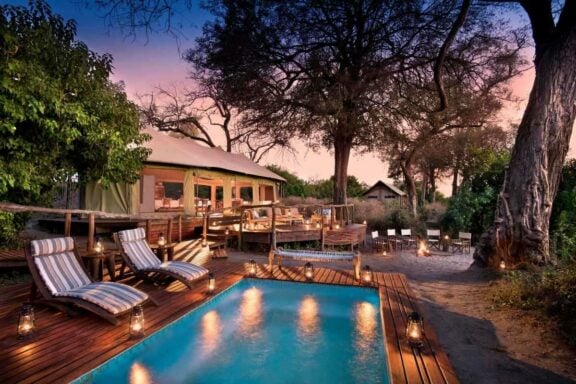
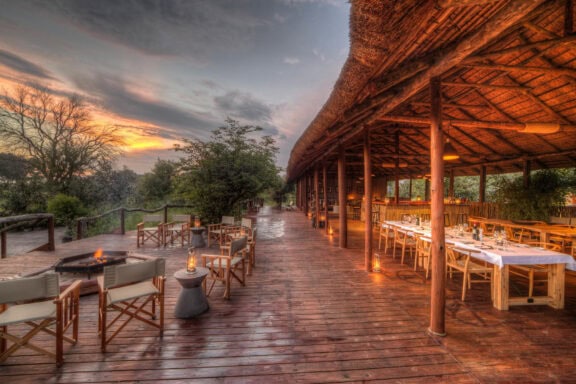
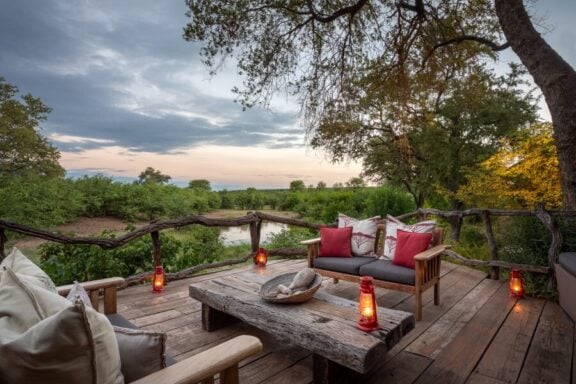
Lodges near the Boteti River, such as Leroo La Tau and Meno a Kwena, offer excellent wildlife viewing, particularly during the dry season when animals gather at the riverfront for water. These camps combine classic game drives with opportunities to explore one of Botswana’s lesser-visited national parks.
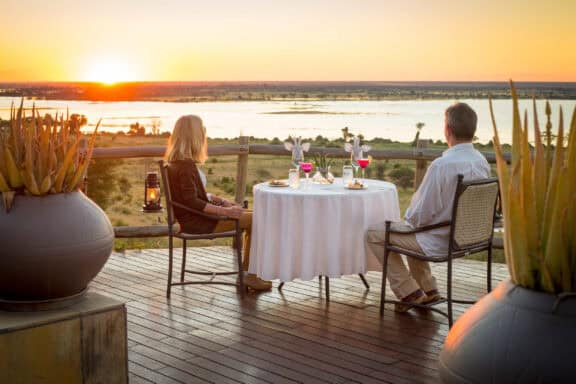
If you’re looking to immerse yourself in the salt pans, camps such as Jack’s Camp, San Camp, and Camp Kalahari offer meerkat encounters, San cultural experiences, quad biking, and seasonal sleep-outs beneath the stars. Their focus is less on traditional safari game viewing and more on connecting travellers with the unique landscapes and cultures of the Makgadikgadi.
Many itineraries also combine the Makgadikgadi with nearby Nxai Pan, where seasonal game viewing and visits to Baines’ Baobabs add another dimension to the journey.
Getting There and Trip Planning
The period between May and October offers cool temperatures, exceptional stargazing, and outdoor adventures. This is also the ideal time for sleep-outs on the salt pans. Wildlife is concentrated along the Boteti River, making the winter an excellent time for game viewing.
If you’re coming for the Zebra Migration, then plan to visit between November and April. Summer rains transform the pans into lush grasslands, attracting vast herds of zebras and wildebeest. The seasonal wetlands also draw flamingos and hundreds of migratory bird species.
During the dry season (May to October), these same herds retreat westward to the Boteti River.
Most travellers arrive via Maun International Airport or Kasane International Airport before boarding a light aircraft to one of the private airstrips serving the region. From there, lodge guides transfer guests directly to camp.
A well-planned Botswana safari often combines Chobe National Park, the Okavango Delta, and the Makgadikgadi Pans. Together, these destinations showcase Botswana’s remarkable diversity. You’ll see all of Botswana’s highlights, from permanent waterways and predator-rich floodplains to vast salt deserts that come alive with seasonal migrations.
Ready to Experience the Makgadikgadi Pans?
Whether you’re drawn by the zebra migration, the endless silence of the salt flats, or the chance to sleep beneath some of Africa’s darkest skies, a Makgadikgadi Pans safari offers an adventure that stays with you long after you return home.
If you’re ready to experience this extraordinary corner of Botswana, our safari experts can help you plan a journey that matches your sense of adventure.
Botswana is calling. Will you answer?