Email us







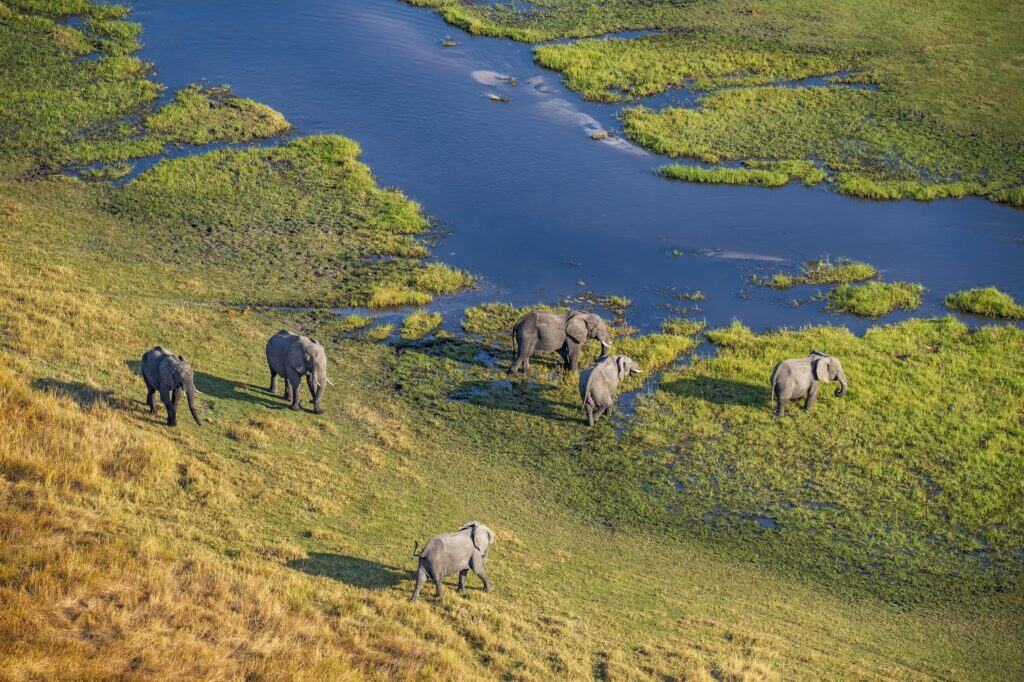
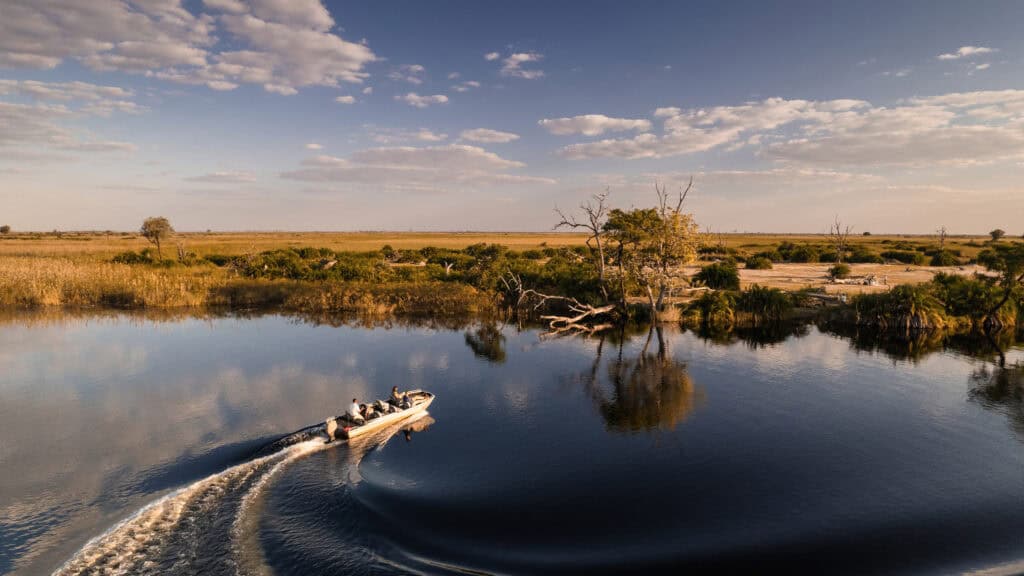
From the window of a light aircraft gliding over the Okavango Delta, you watch land and water weave together below – a vast, living mosaic where the noise of the modern world simply fades away.
As the Delta’s largest landmass, Chief’s Island sits at the heart of the Moremi Game Reserve. It serves as a natural sanctuary for southern Africa’s highest concentration of apex predators and massive herds of wildlife. Because visitor access is strictly limited, every sighting unfolds with unhurried intimacy and space.
At Discover Africa, we design Chief’s Island safaris around who you are and how you want to experience this primal landscape. Guided by our Africa-based specialists, every detail is thoughtfully curated so you can fully immerse yourself in one of the continent’s most extraordinary wildernesses.
A Legendary Island in the Delta
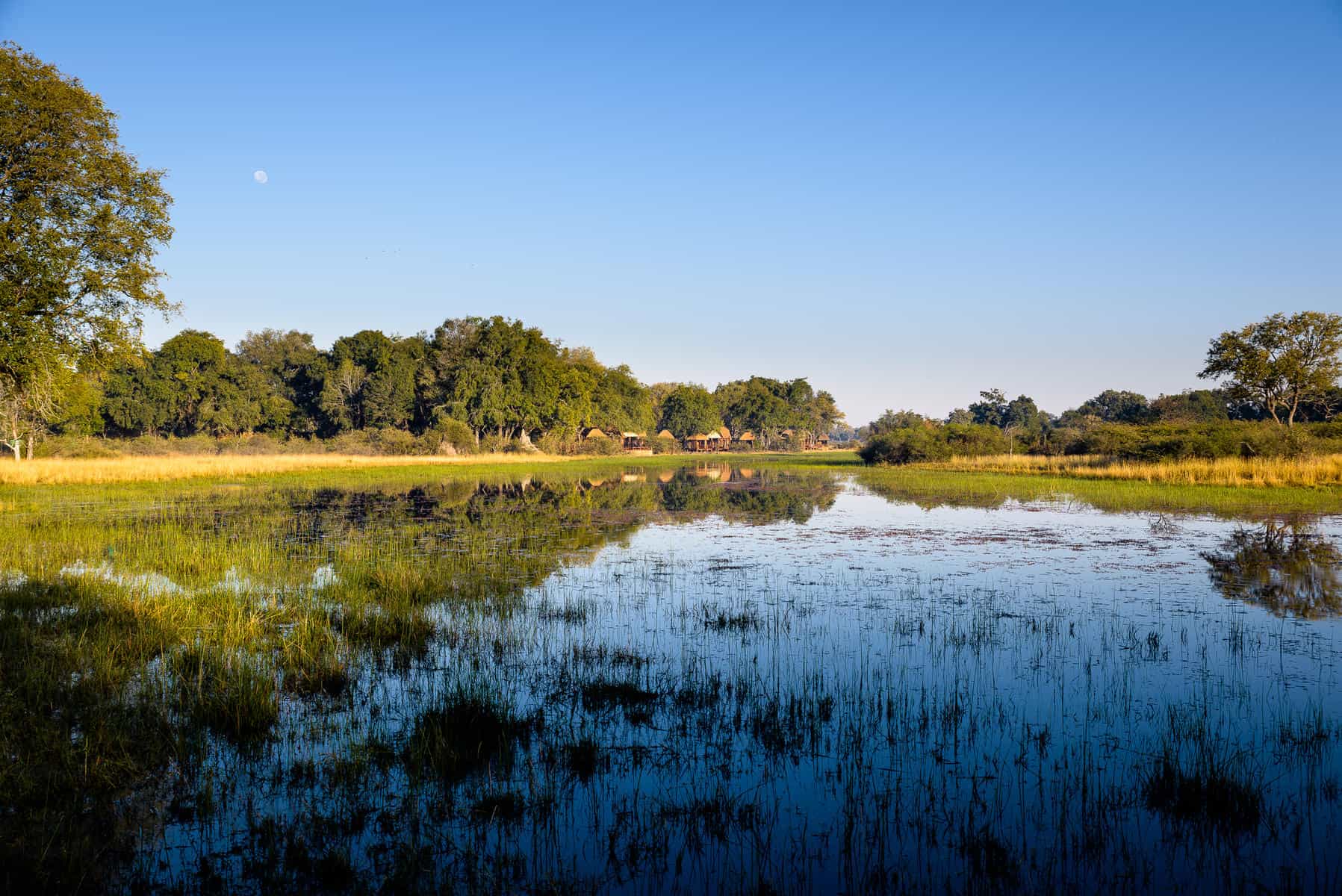
Seasonal floodplains, winding channels, open grasslands, and dry woodlands create an ever-changing mosaic.
This environment supports some of the highest wildlife densities in southern Africa. And because access is tightly controlled, sightings unfold without crowds or urgency. It’s a place shaped by time, water, and careful protection.
Remarkable Sightings
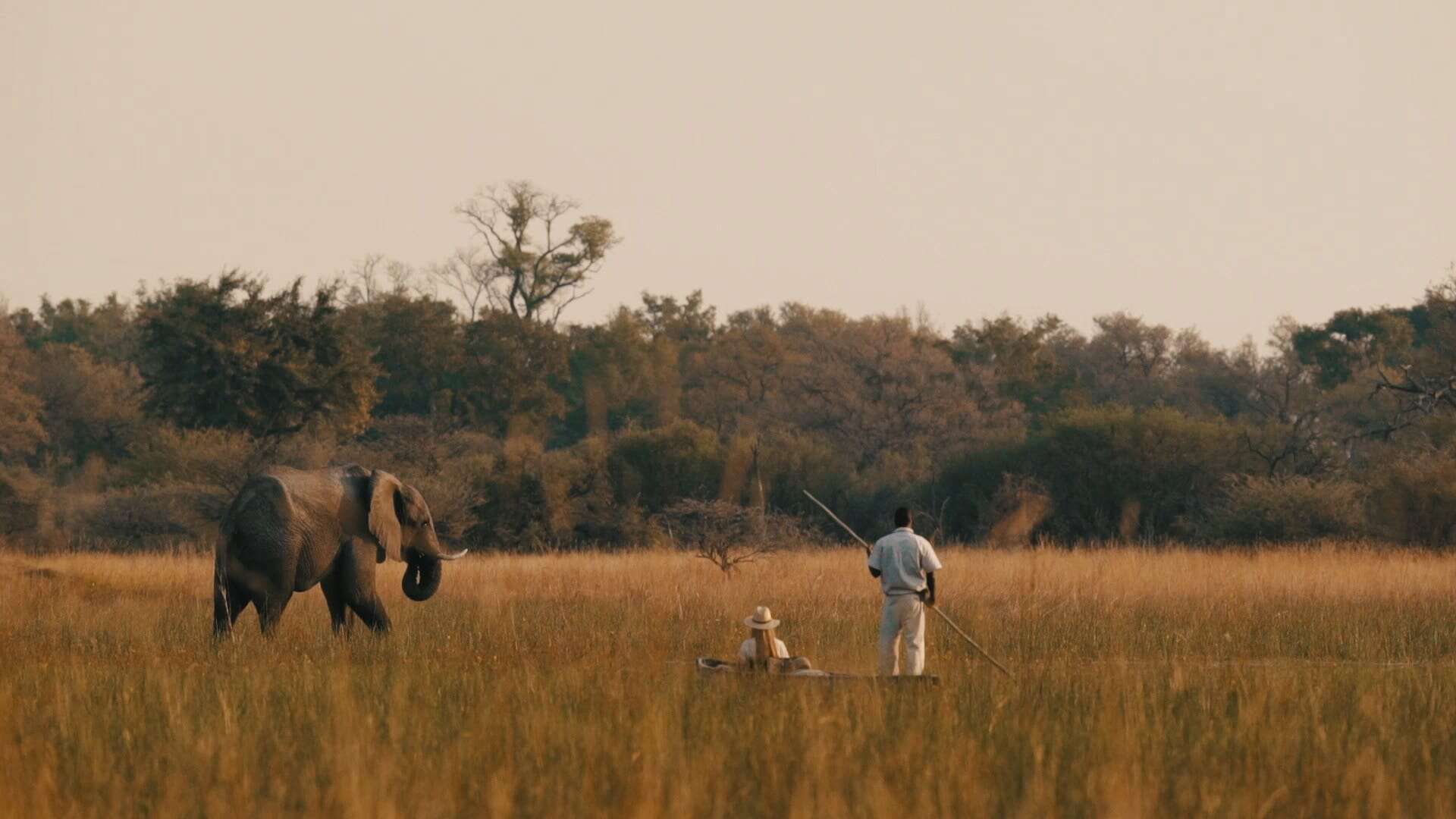
Only a handful of camps operate on the island, and guest numbers are intentionally low. This aligns with Botswana’s high-value, low-impact tourism model, which restricts visitor volume in protected wilderness areas to minimise environmental impact.
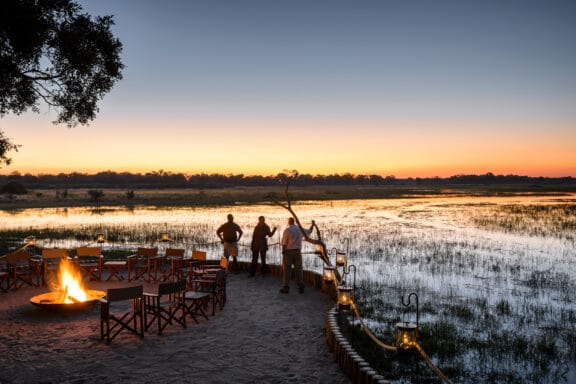
That means quiet game drives, unhurried moments, and the luxury of space. On a Chief’s Island safari, you may well have wildlife sightings to yourself, with only the stillness of the bush and the guidance of someone who knows it intimately.
While Chief’s Island was historically a haven for rhino reintroduction, severe poaching across the region means these gentle giants are now tragically elusive and highly protected. Sightings are extraordinarily rare, shifting the island’s focus to its spectacular abundance of other large mammals and apex predators.
Predator Country: Where Africa Feels Most Alive
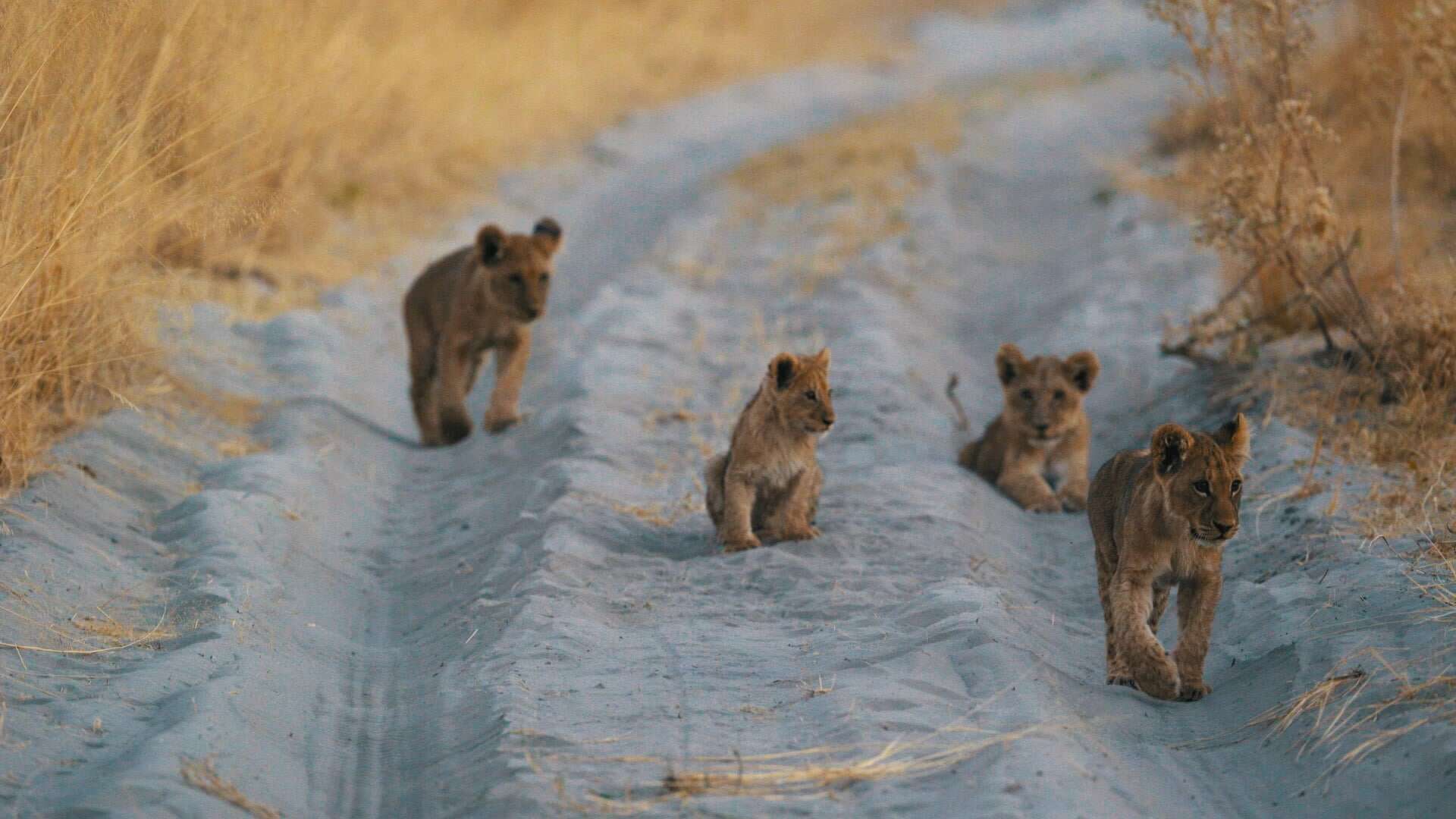
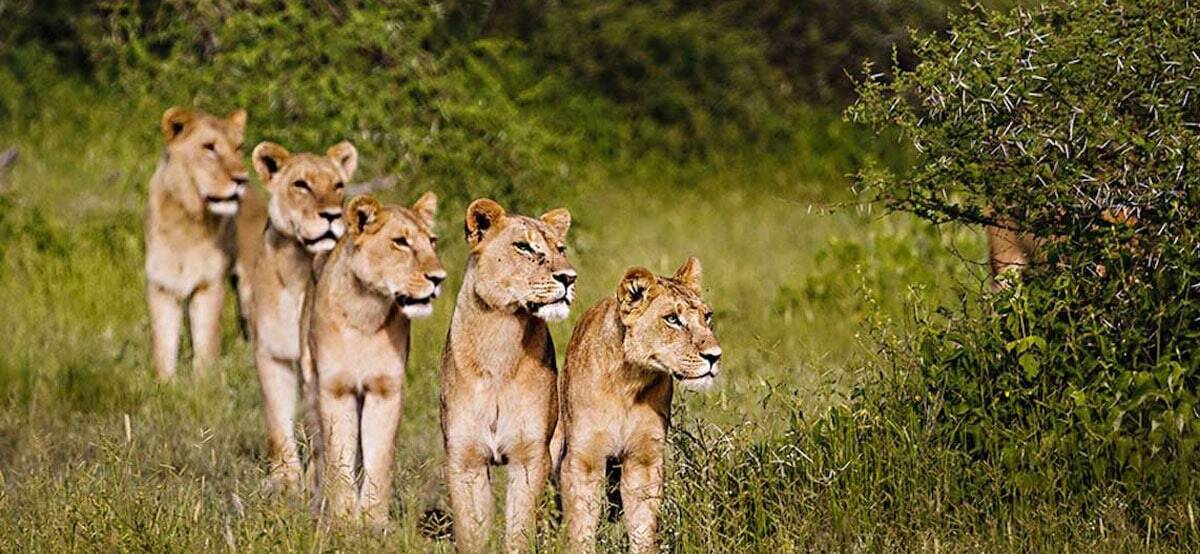
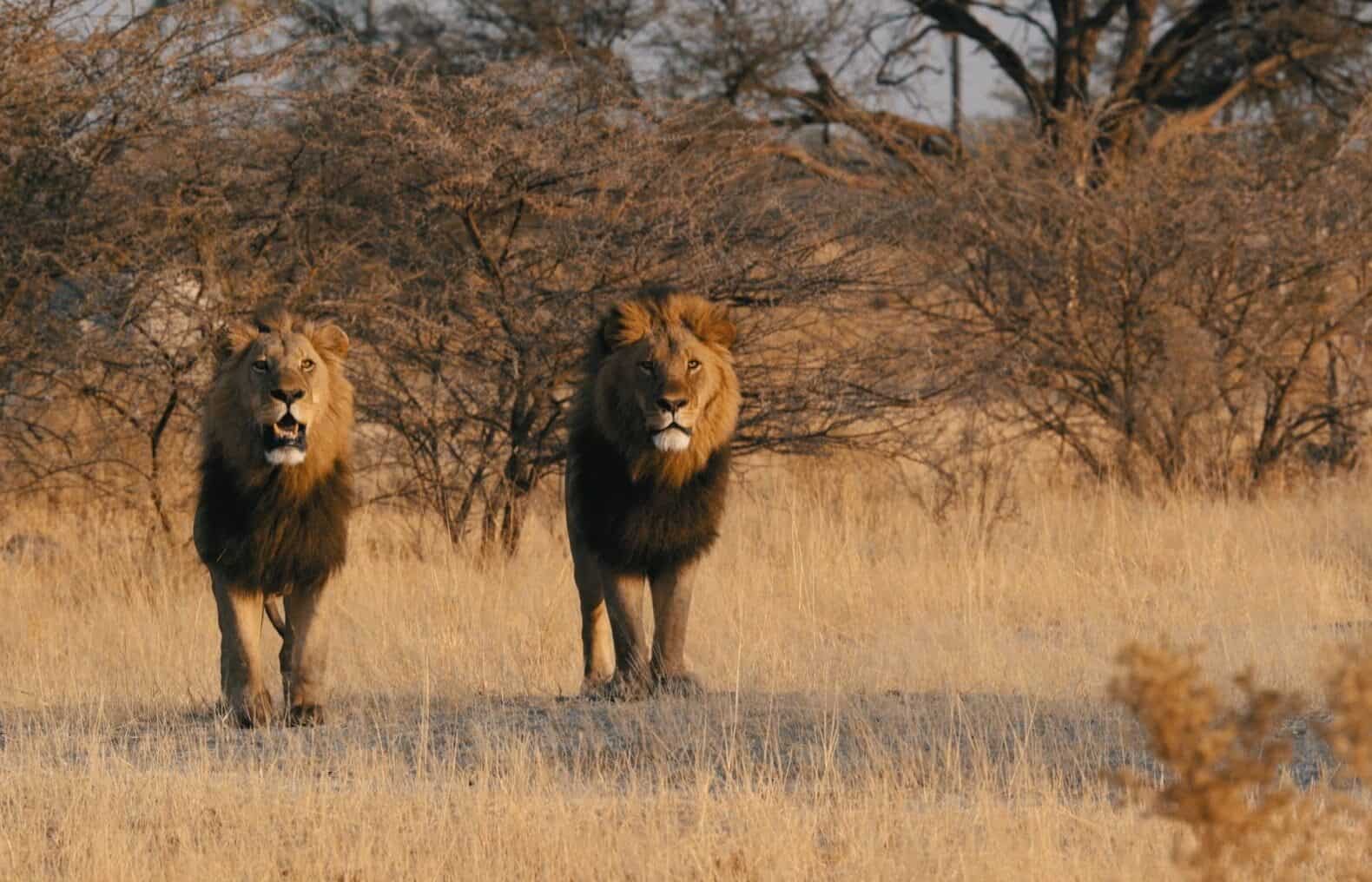
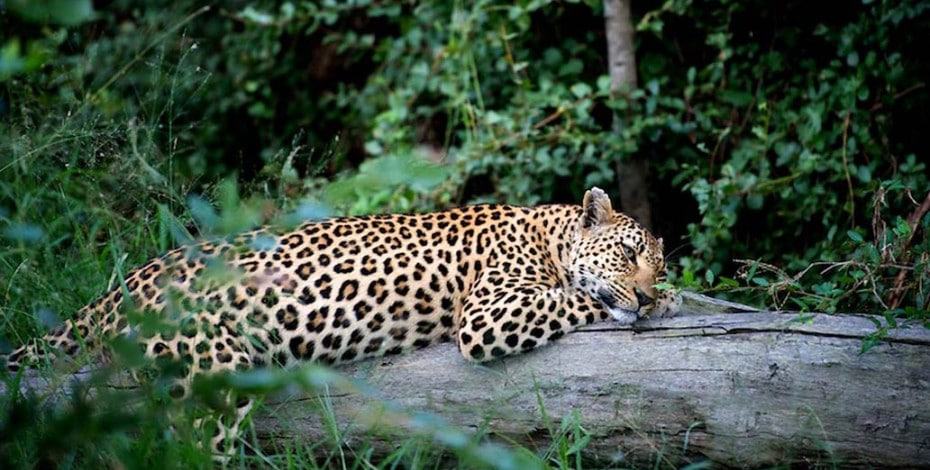
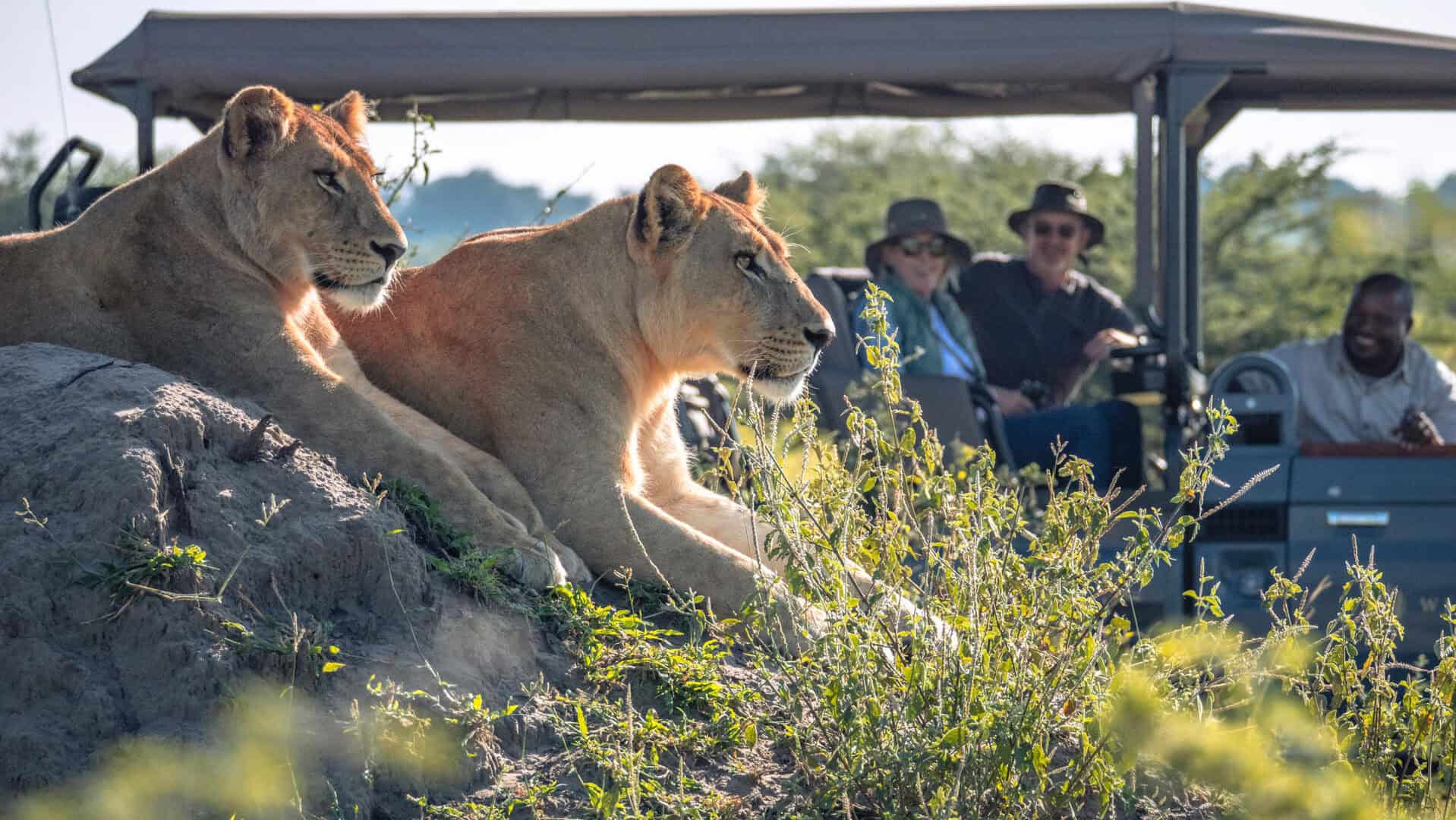
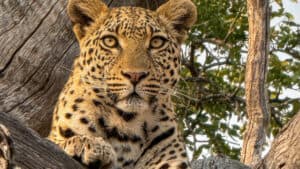
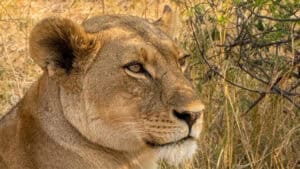
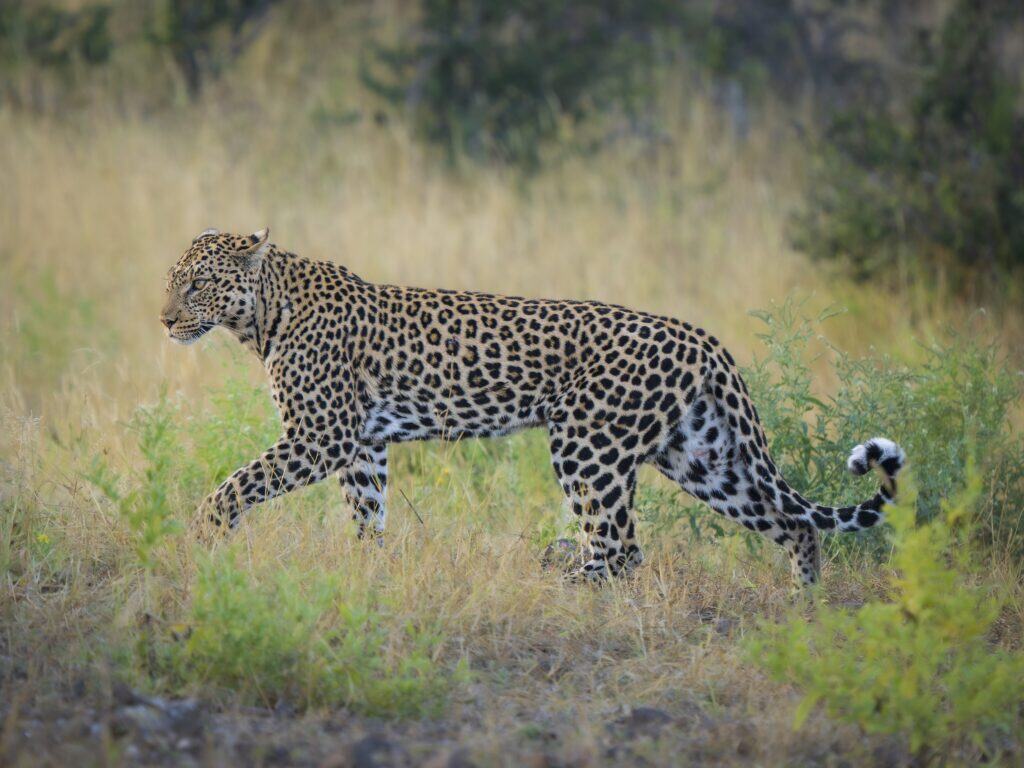
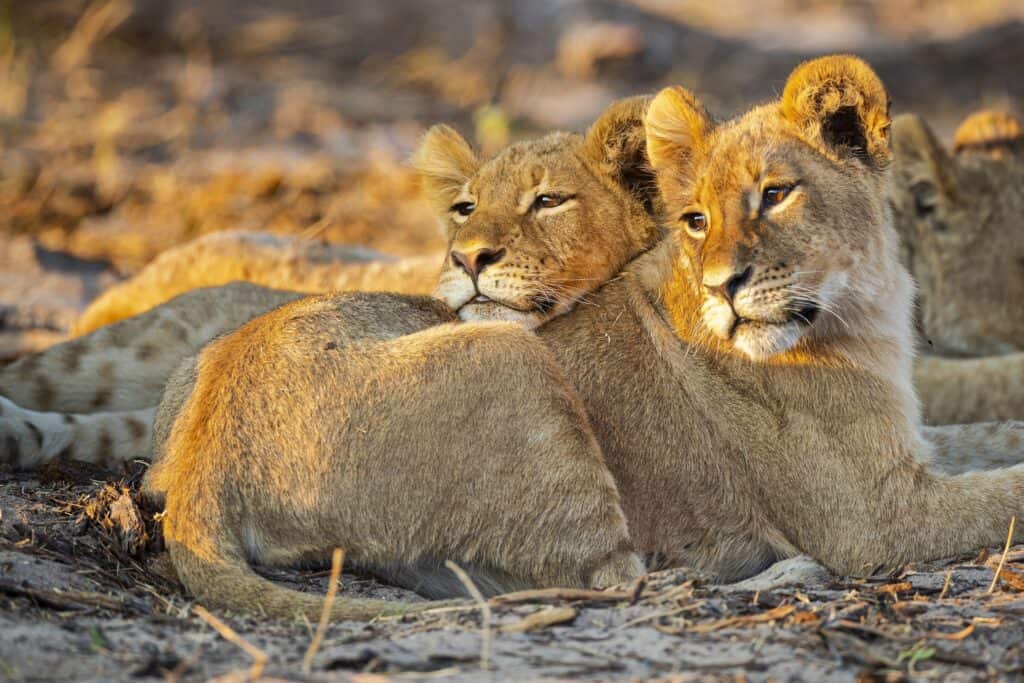
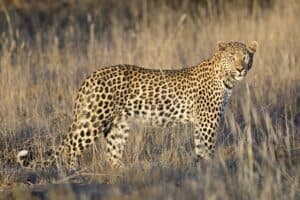
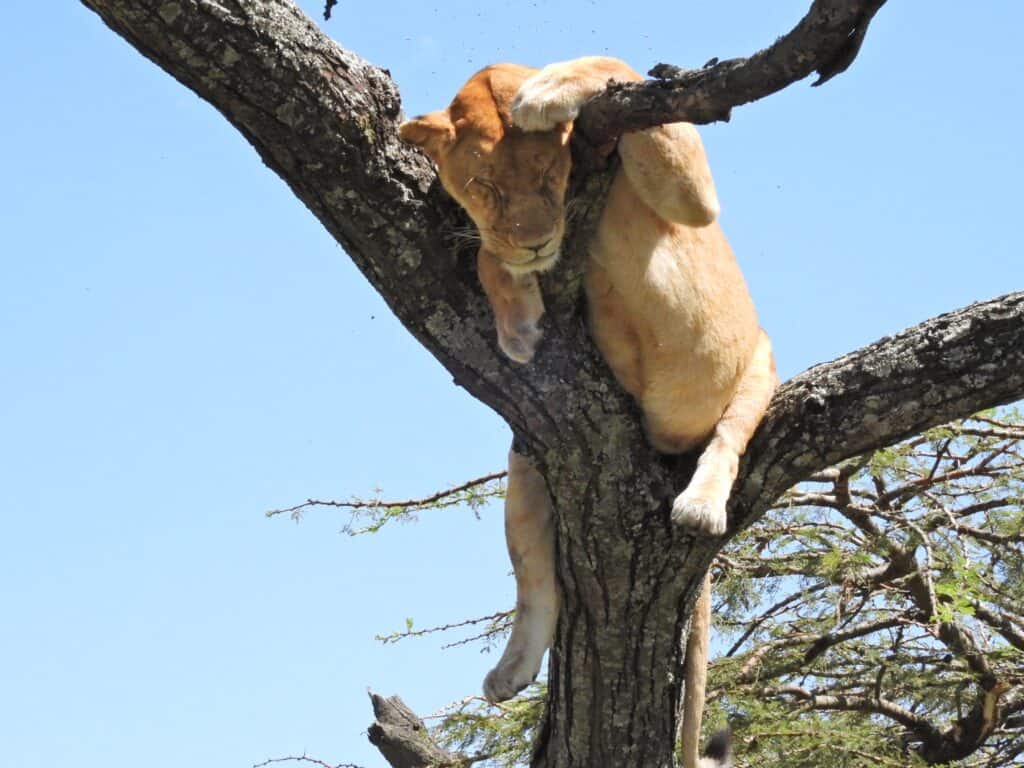
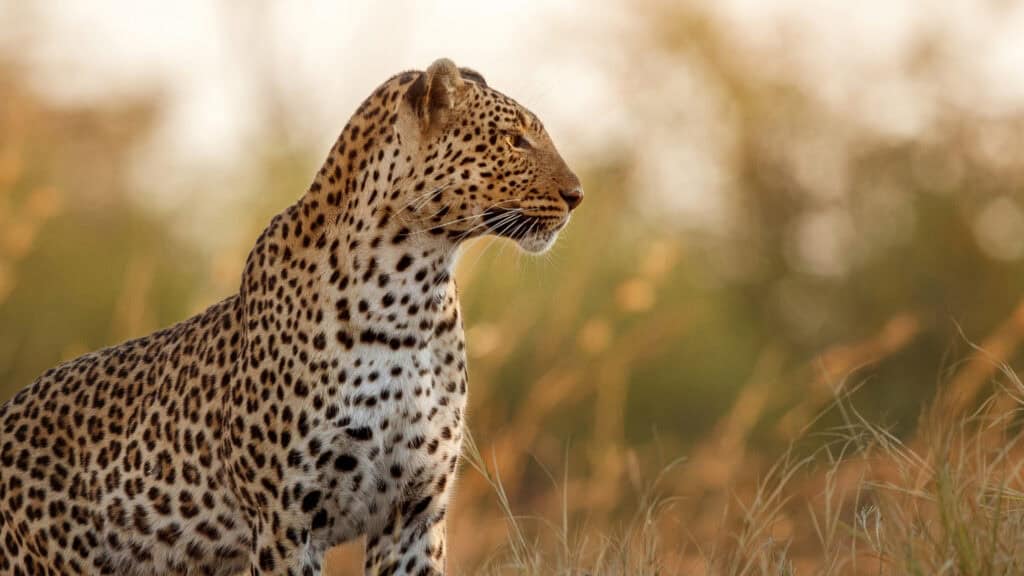
During a Chief’s Island safari, you can expect extraordinary predator density. Lions are abundant, often seen in large, relaxed prides moving through open grassland. Leopards are confidently visible, resting in trees or stalking quietly at dusk.
Endangered African wild dogs, elusive across much of the continent, are encountered here surprisingly often, supported by stable resident packs.
Few places offer such consistent sightings of apex predators in one area, making a Chief’s Island safari an unforgettable wildlife adventure.
Mombo Concession: The Island’s Northern Star
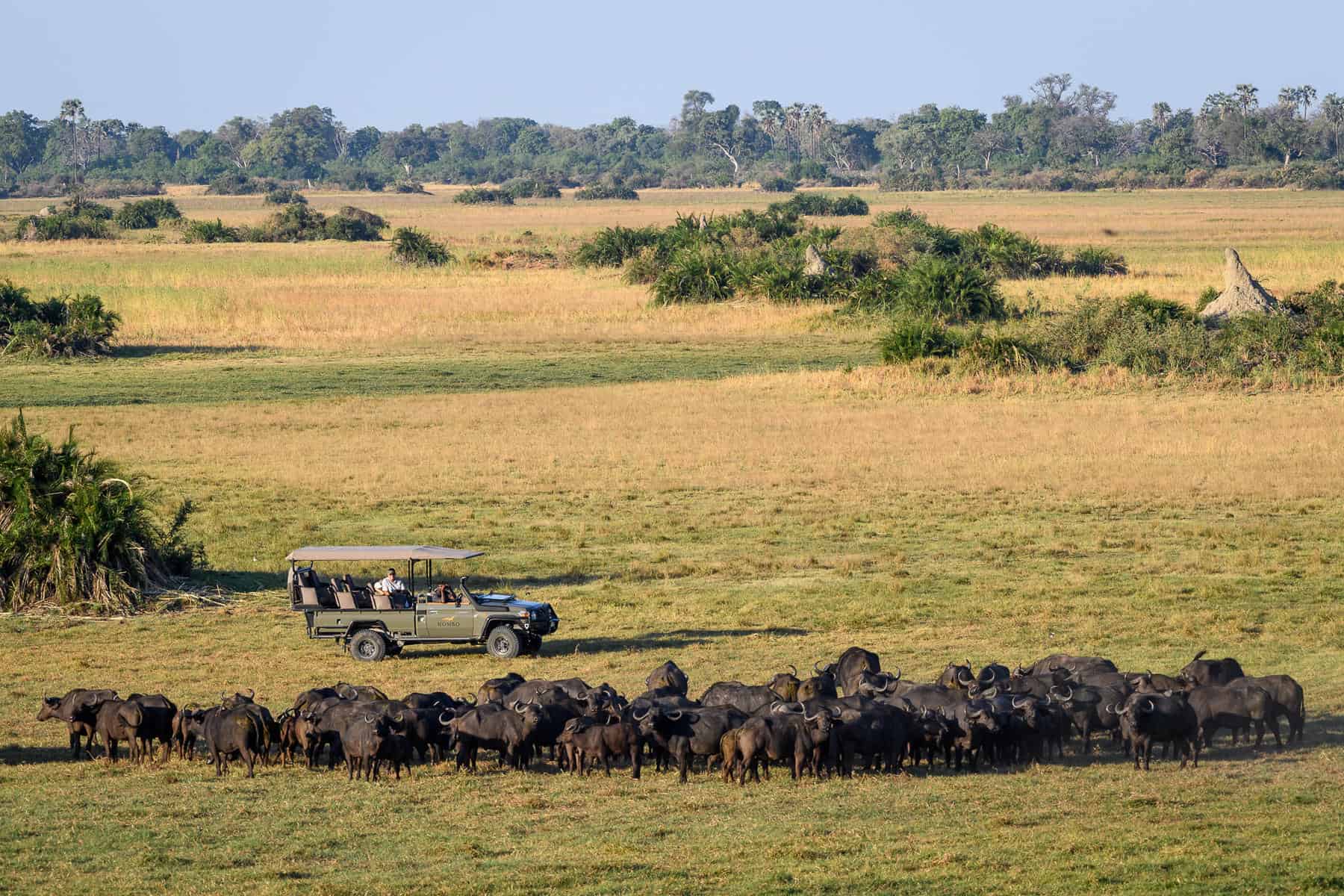
The Mombo area is widely regarded as one of Africa’s finest wildlife regions. Here, floodplains meet dry land, and game viewing reaches another level.
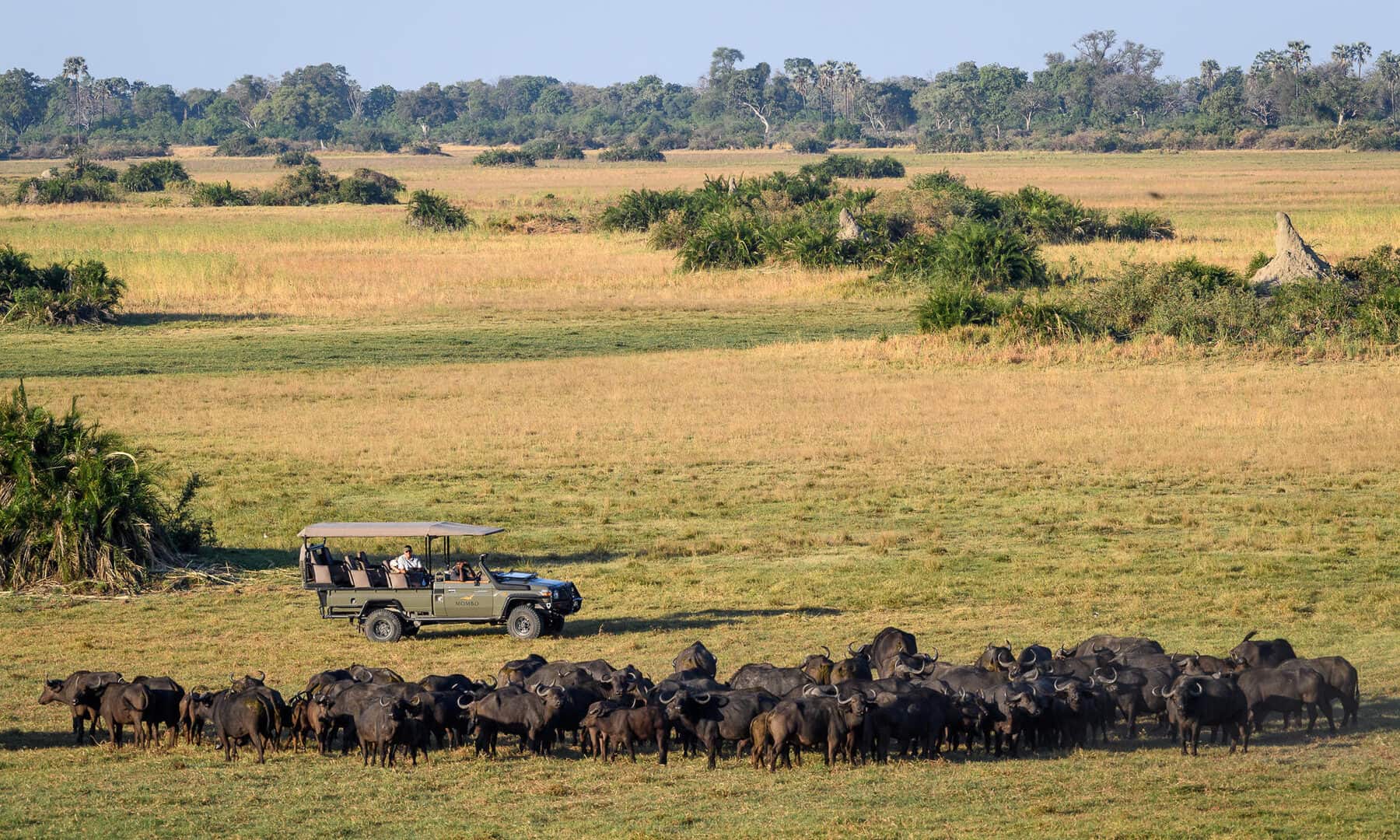
Lions, leopards, elephants, and buffalo are all present, supported by rich grazing and permanent water. Because this region sits inside the Moremi Game Reserve, some activities strictly follow national park rules – meaning game drives take place between sunrise and sunset, providing focused, high-intensity day tracking, while night drives are omitted.
Mopane Woodlands and Thorn Tree Forests: Dry Wildlife Environment
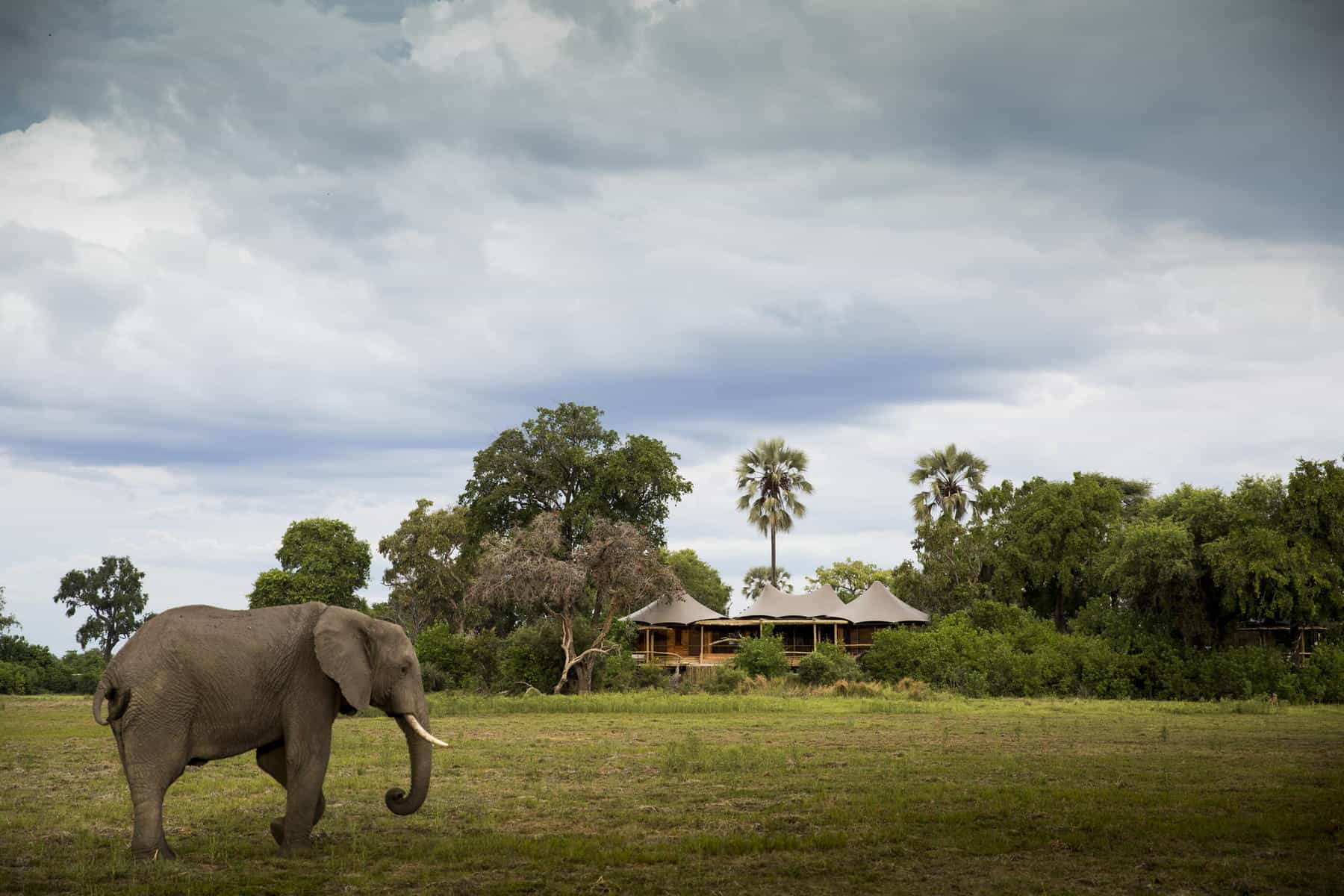
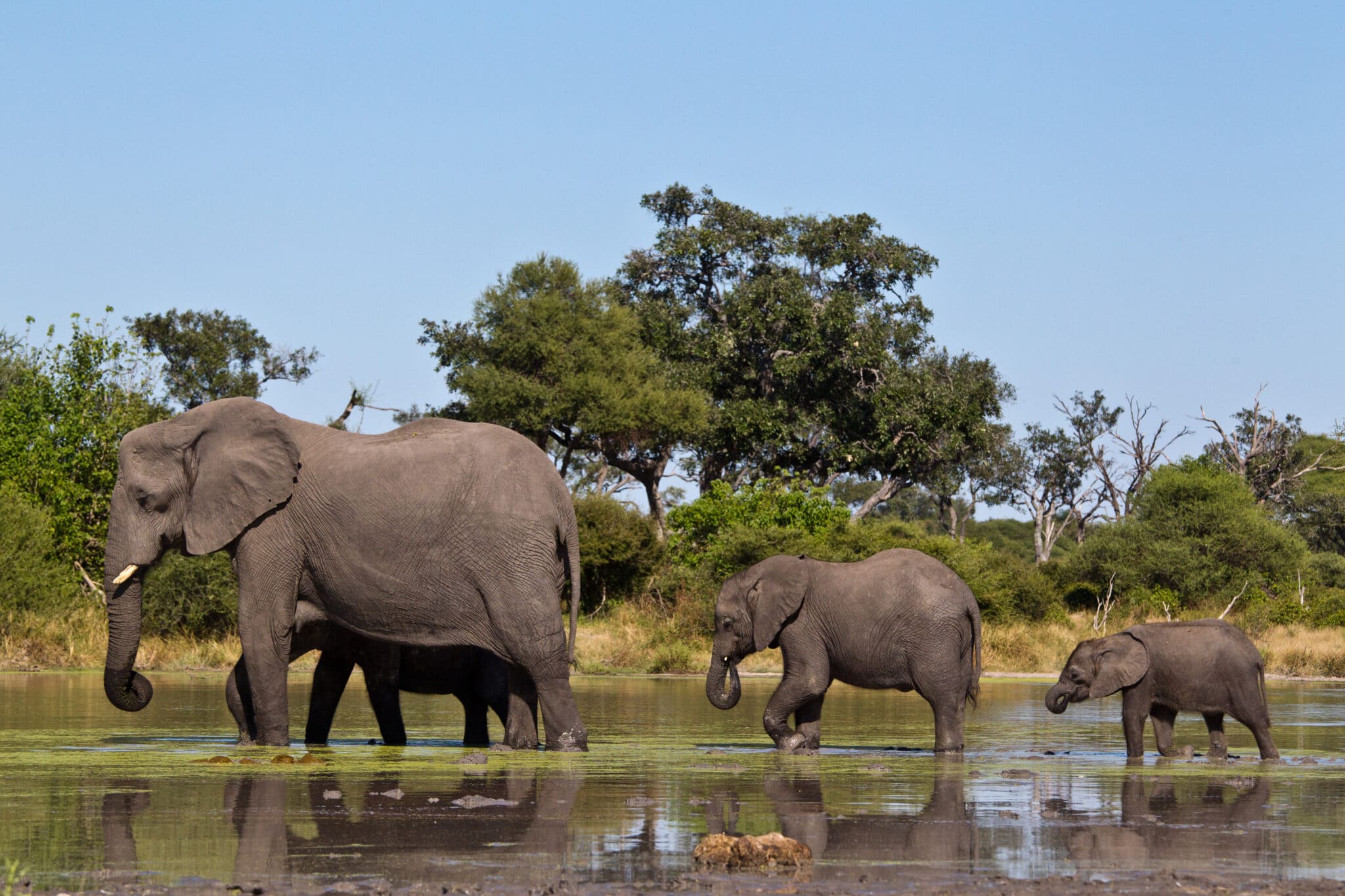
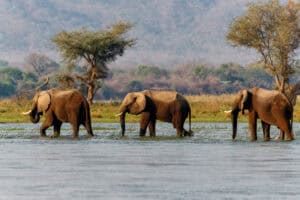
Beyond the floodplains, mopane woodlands and thorn tree forests offer a different kind of beauty. Elephants move through these dry interiors in large herds. Buffalo graze in numbers. Predators patrol the edges.
The contrast between wet and dry habitats is what gives Chief’s Island its extraordinary richness and ensures that no two days ever feel the same.
Waterways and Floodplains: Seasonal Magic
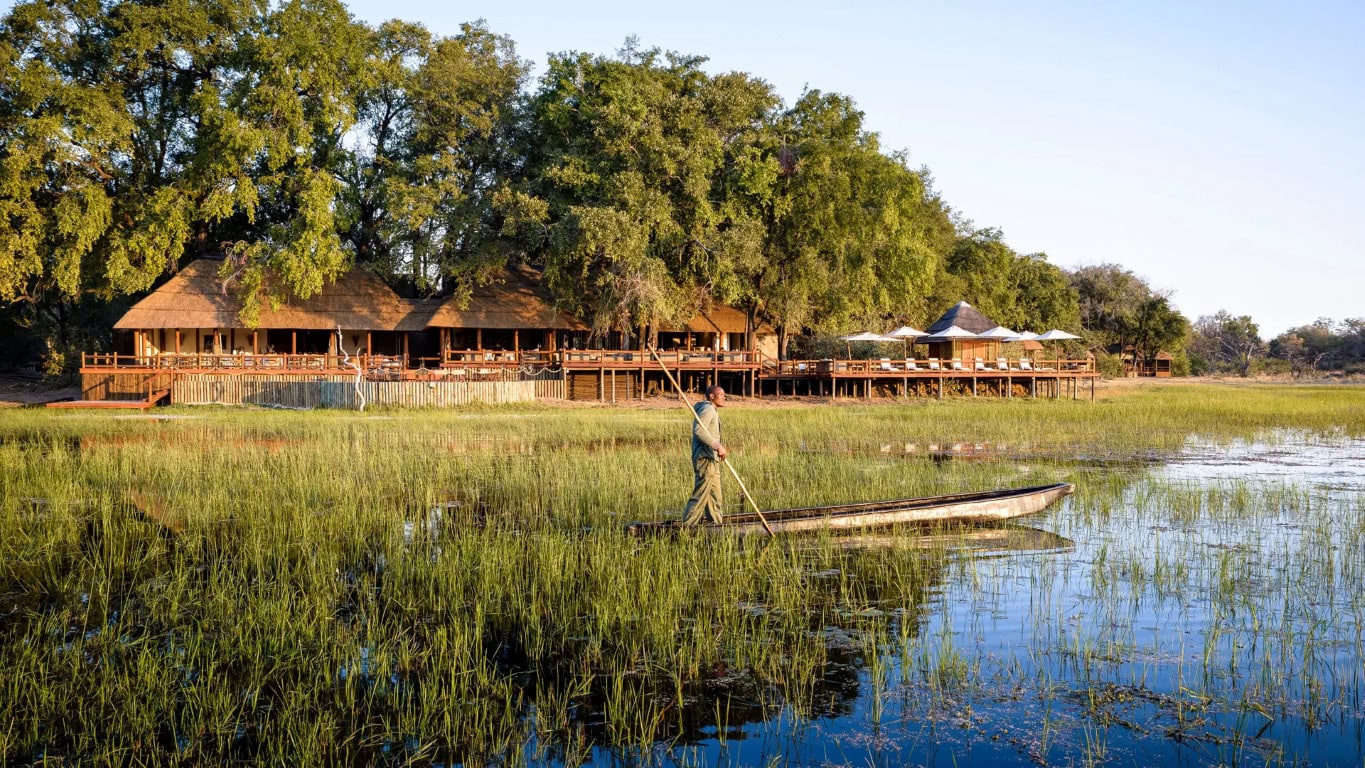
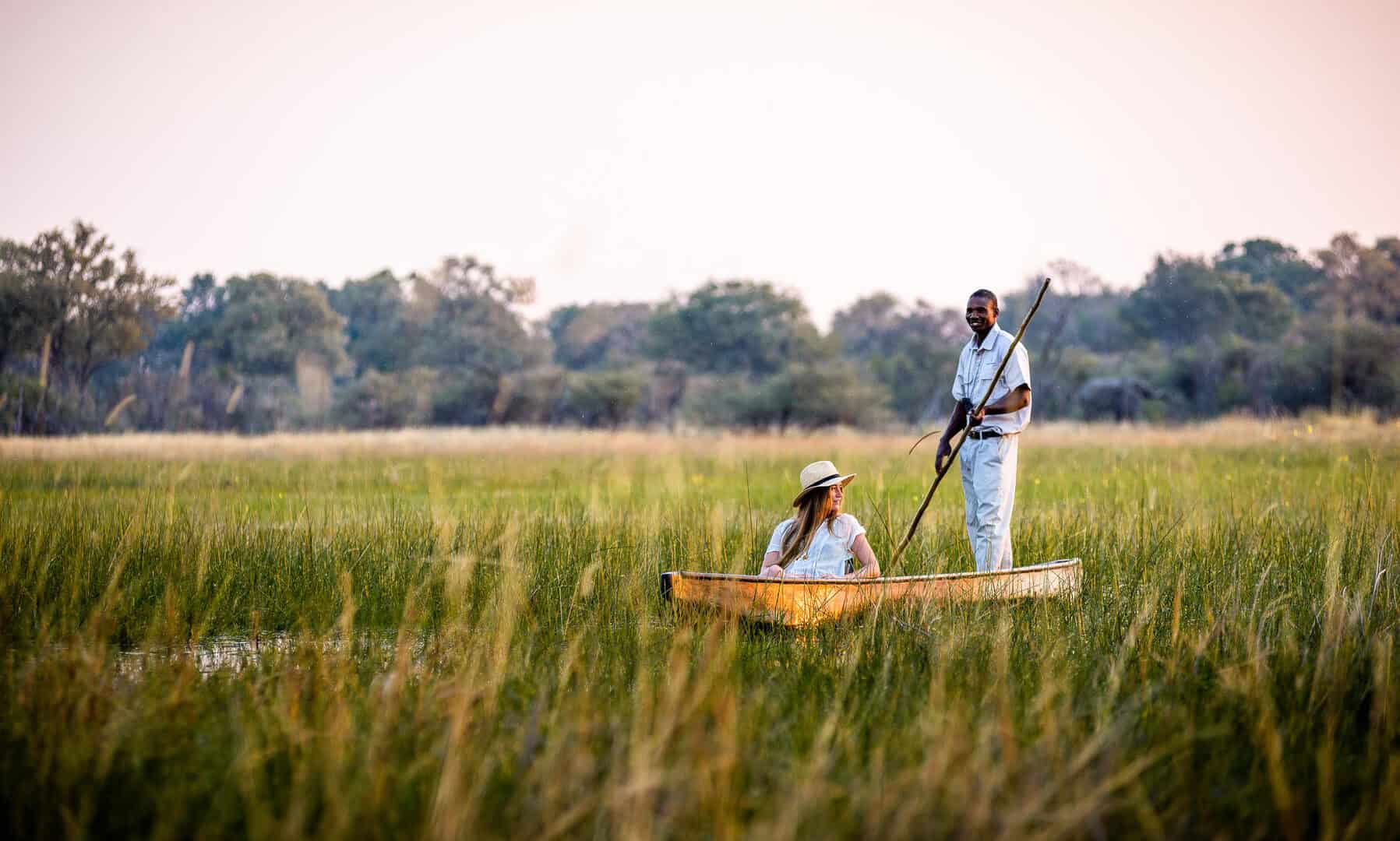
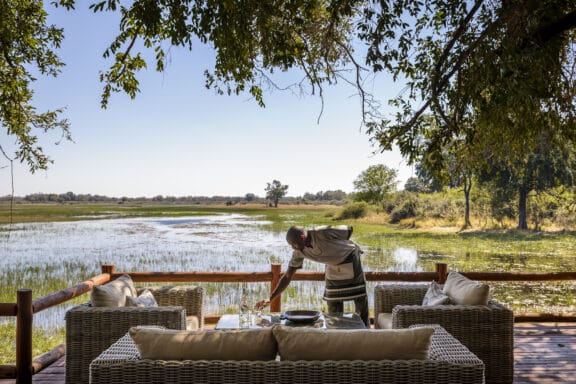
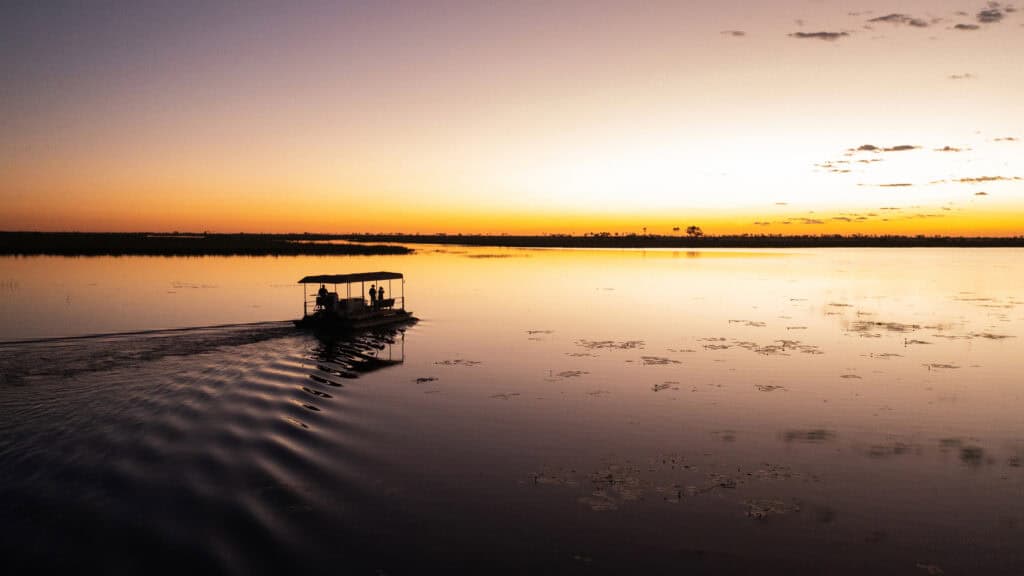
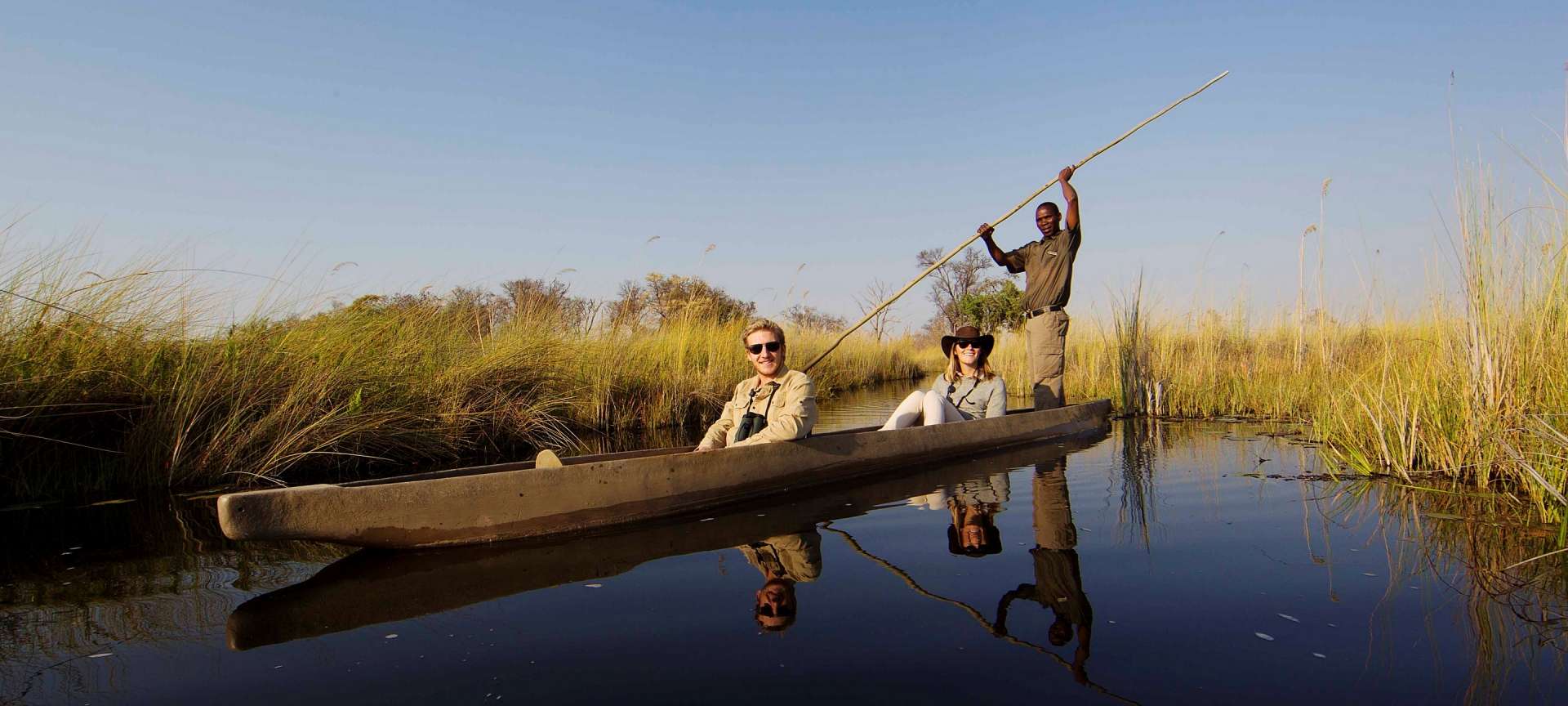
Chief’s Island safaris take place mainly on land – the island is a permanent fixture, and its interior remains dry when the annual waters arrive. However, during the winter flood season (which coincides with the dry weather from June to August), traditional mokoro excursions are possible at select properties like Sanctuary Chief’s Camp.
Gliding silently through papyrus-lined channels is a slower way of experiencing this wilderness, and for some it’s the most memorable. Birds gather in astonishing variety, from Pel’s fishing owls to slaty egrets and malachite kingfishers, all set to the soundtrack of the fish eagles.
When to Visit Chief’s Island
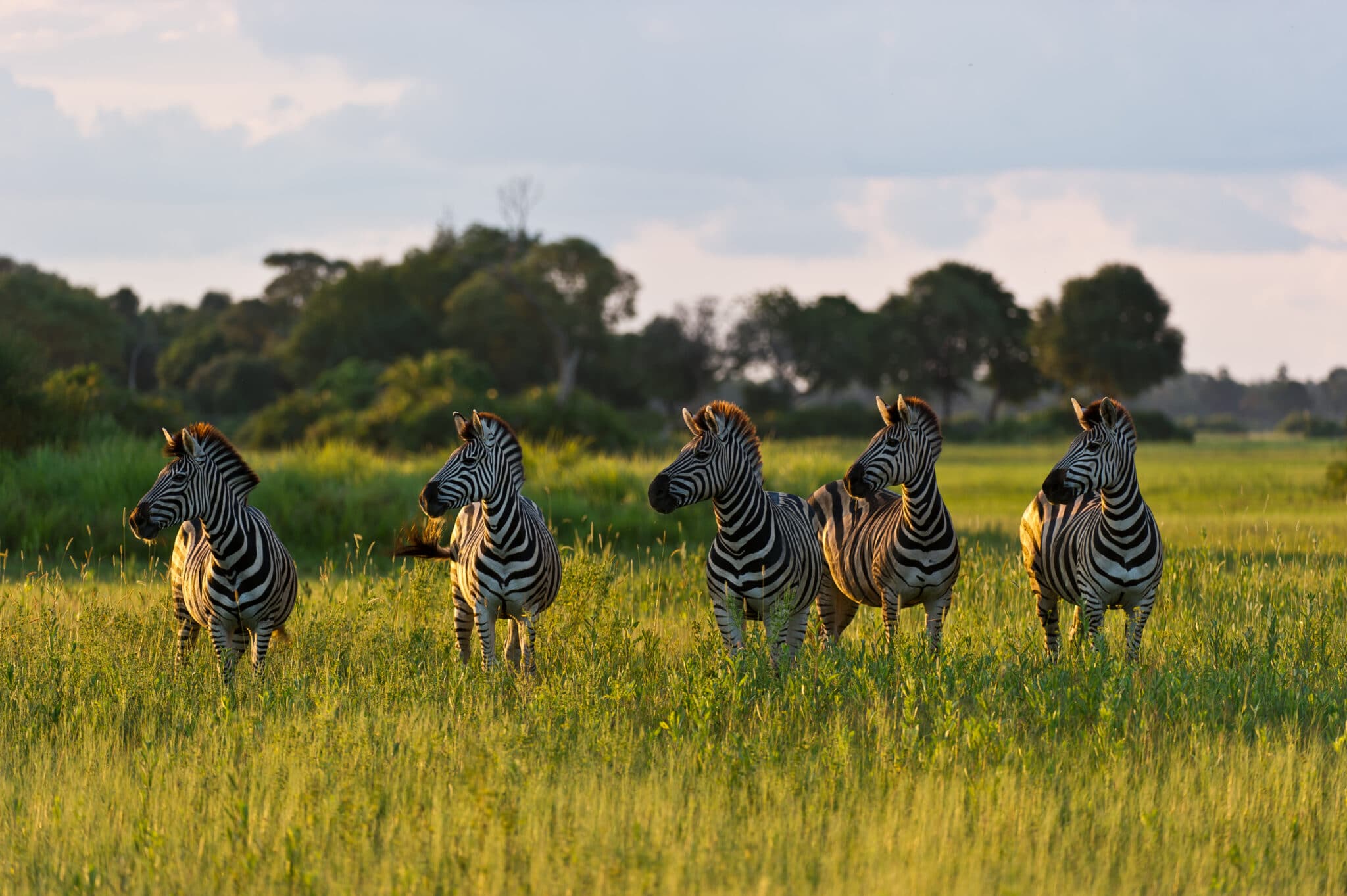
The dry season, from May to October, is the most popular time to visit, with temperatures ranging from 26°C/79°F to 34°C/93°F and virtually no rain. Paradoxically, the Delta’s floodwaters are at their highest during these dry winter months.
As the largest landmass in the Delta, Chief’s Island stays above the floodwaters. It acts as a natural sanctuary, where animals congregate in massive numbers when the surrounding waters arrive.
Days are warm, evenings are crisp, and the light, especially in the early morning, is cinematic.
Getting There, Effortlessly
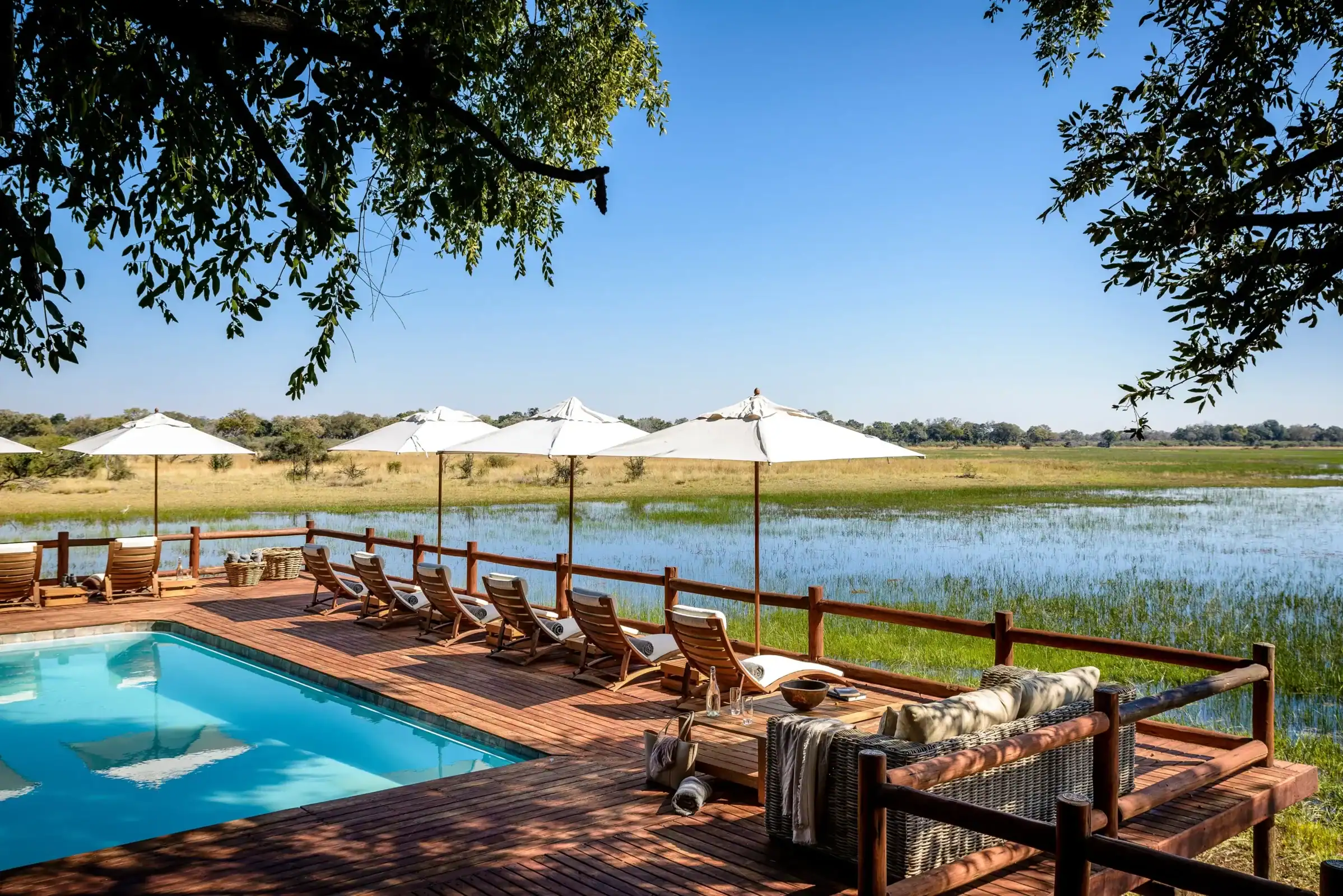
Travel to Chief’s Island starts from Maun, the gateway to the Okavango Delta. A fly-in safari takes you on a scenic light aircraft flight over the Delta to a bush airstrip. From the air, you see just how untouched this place truly is.
The private airstrips bring you directly to luxury safari lodges, where your African safari adventure begins.
Book a Chief’s Island Safari
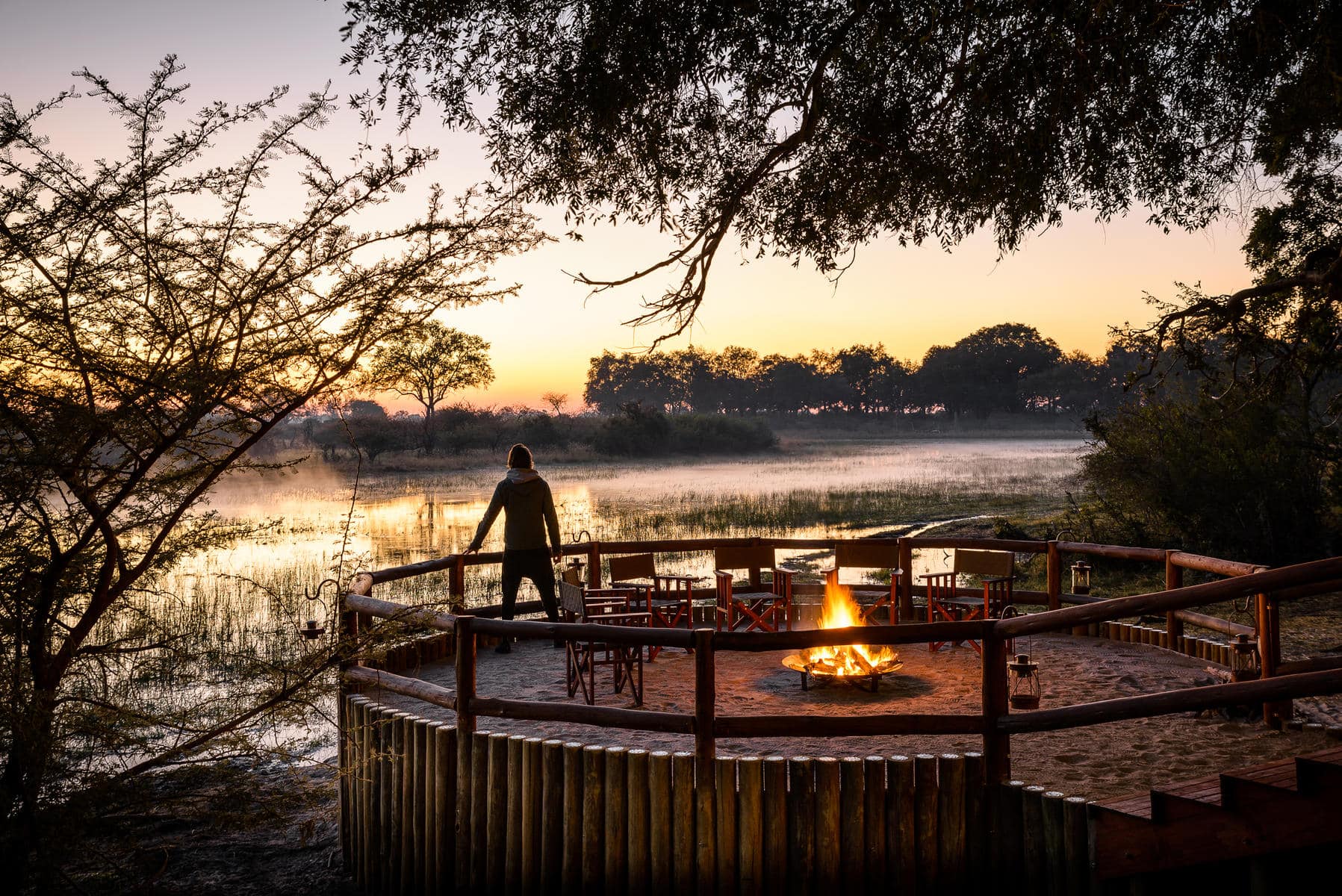
Chief’s Island doesn’t rush; instead, it’s about space and stillness, giving you the opportunity to truly immerse yourself in this mesmerising wilderness.
If you’re beginning to imagine your own Okavango Delta safari, one defined by privacy, beauty, and care, we’re here to guide you.
When you’re ready, let’s start planning your journey to Chief’s Island together.