Email us




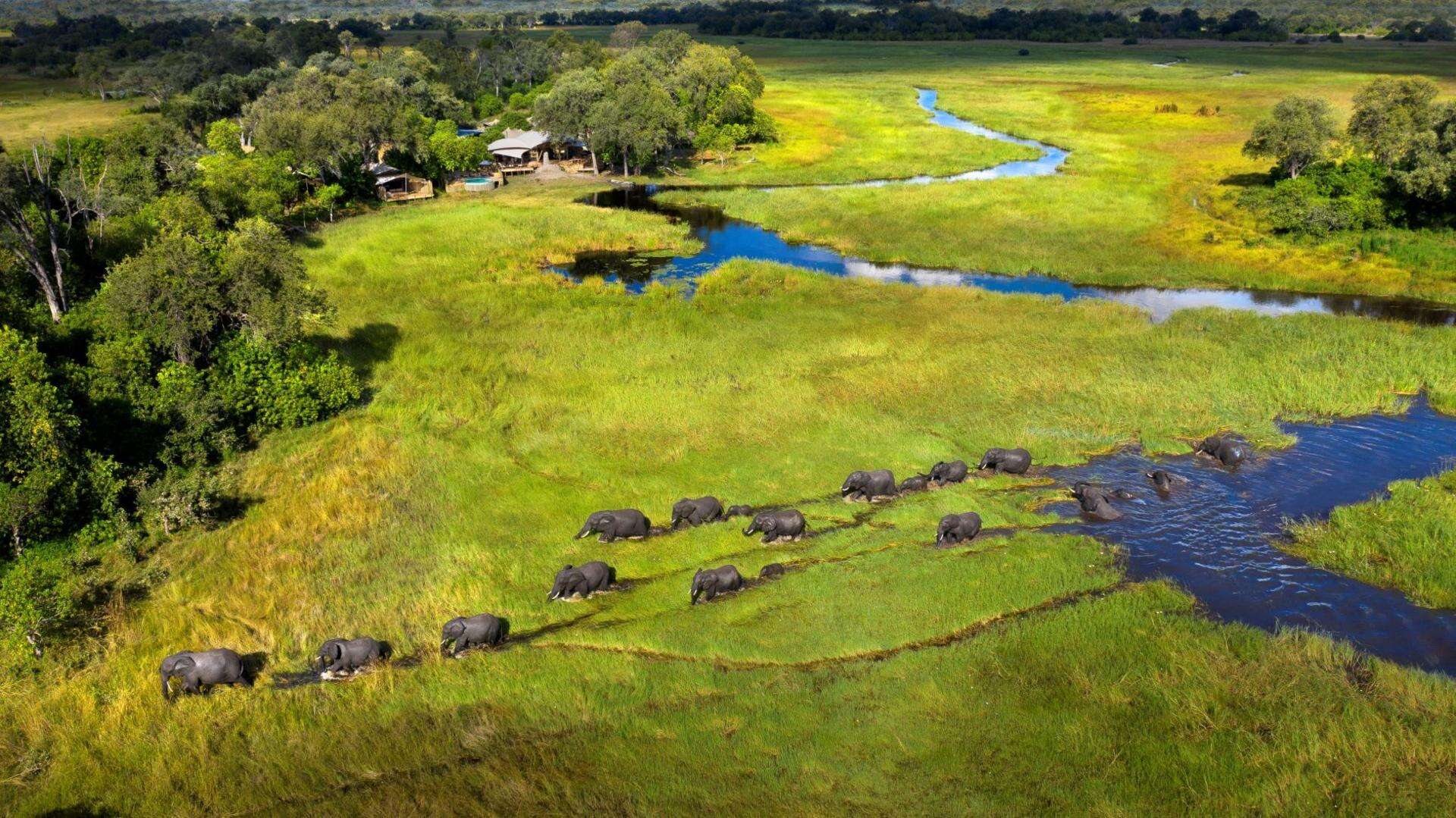


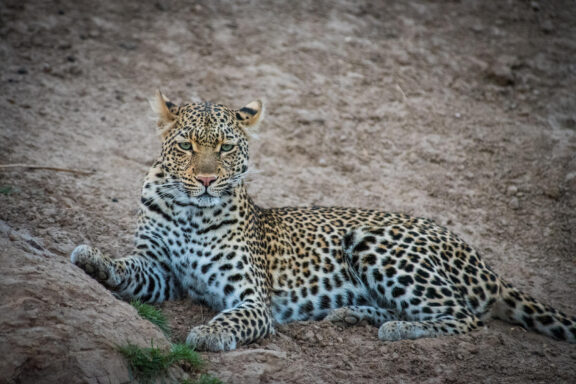
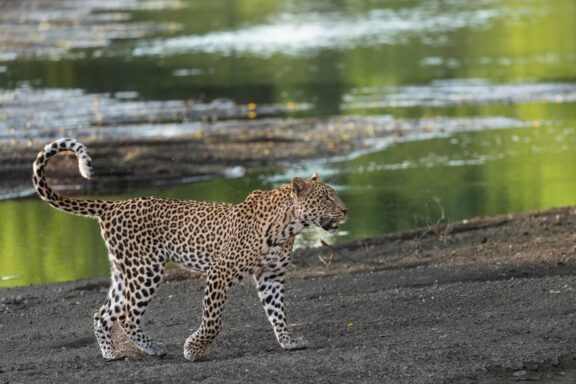
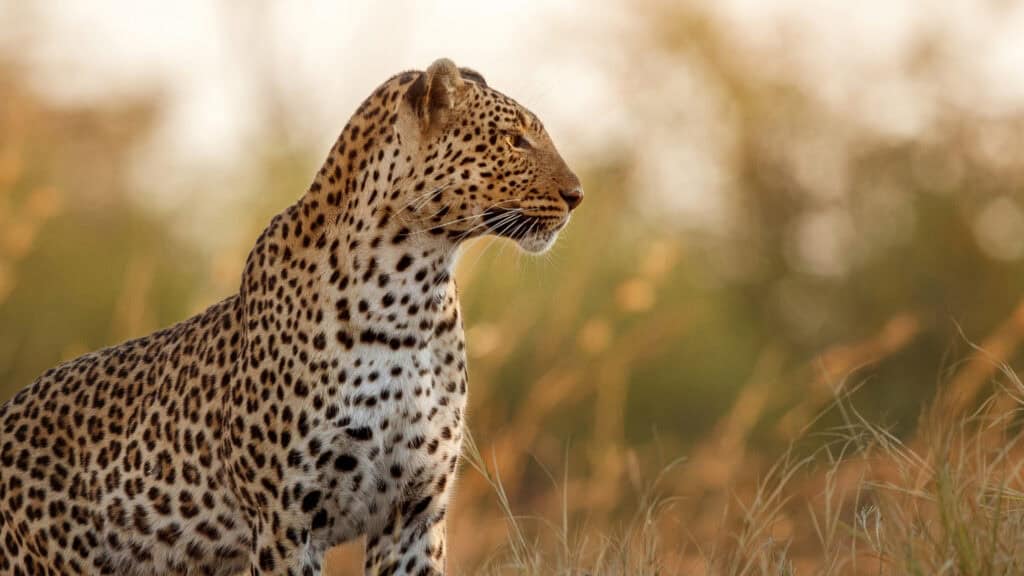
Quietly, a leopard slips from its perch, hidden among the foliage of a giant leadwood tree, its eye fixed on a red lechwe, wandering a little close. You hold your breath, mesmerised by the unfolding drama. Welcome to Khwai, where the world turns as it has since ancient times.
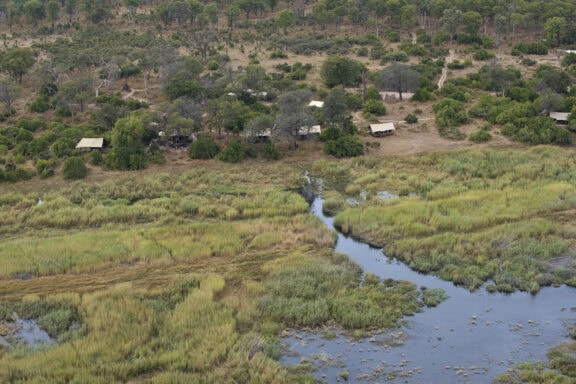
Tucked into the far north-eastern region of the Okavango Delta, Khwai is renowned for its plentiful wildlife, making it a perfect choice for rich game viewing. It’s made up of two adjoining concessions: the Khwai Community Concession (NG19) and the Khwai Private Reserve.
Stitched between Moremi Game Reserve to the south and Chobe National Park to the east and along the north bank of the Khwai River, Khwai is an unfenced paradise. Wildlife moves freely between the areas, as it has done for centuries.
With its varied terrain and ecosystems, wildlife viewing here is exceptional. From lagoons and flooded pans to expansive grasslands and dense forests, Khwai is one of the most striking areas of Botswana, made even more remarkable by the wealth of predators. African wild dogs, lions, leopards, and hyenas all make their home here; cheetahs are rarer, but if you’re lucky, you’ll spot the sleek, swift cats.
Khwai village cultural excursions immerse you in the region. The concession falls under the local community. Those who have lived on this land for generations, who know it intimately, invite you into their world through ecotourism initiatives established to conserve the environment, fauna and flora.
Top Destinations in Khwai
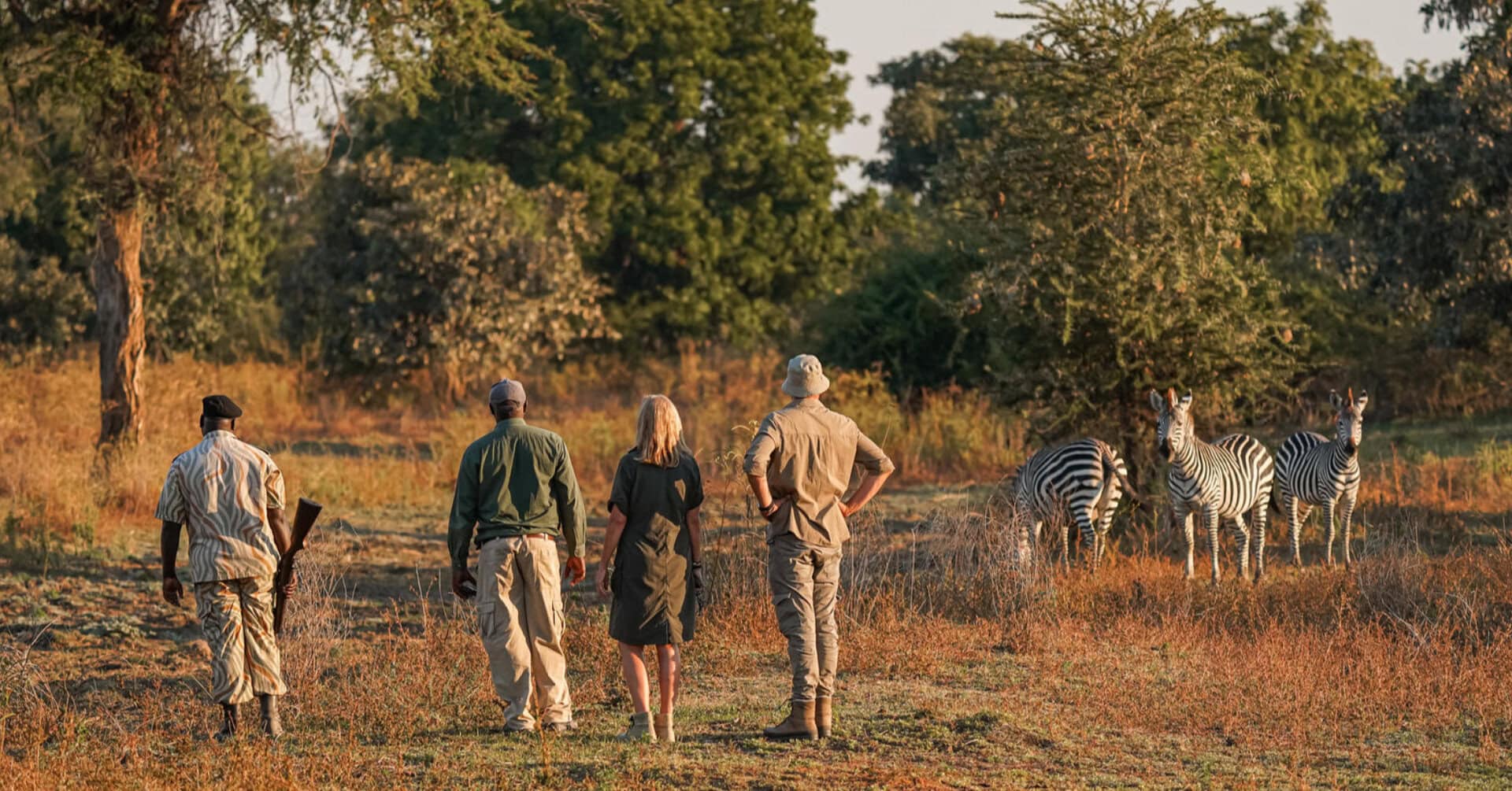
Khwai Private Reserve, Botswana, and Khwai Community Reserve offer unique safari experiences. Khwai Private Reserve is a larger, more exclusive and private area with fewer lodges, while the Khwai Community Reserve is more accessible and offers a wider range of lodging options.
Khwai Community Concession
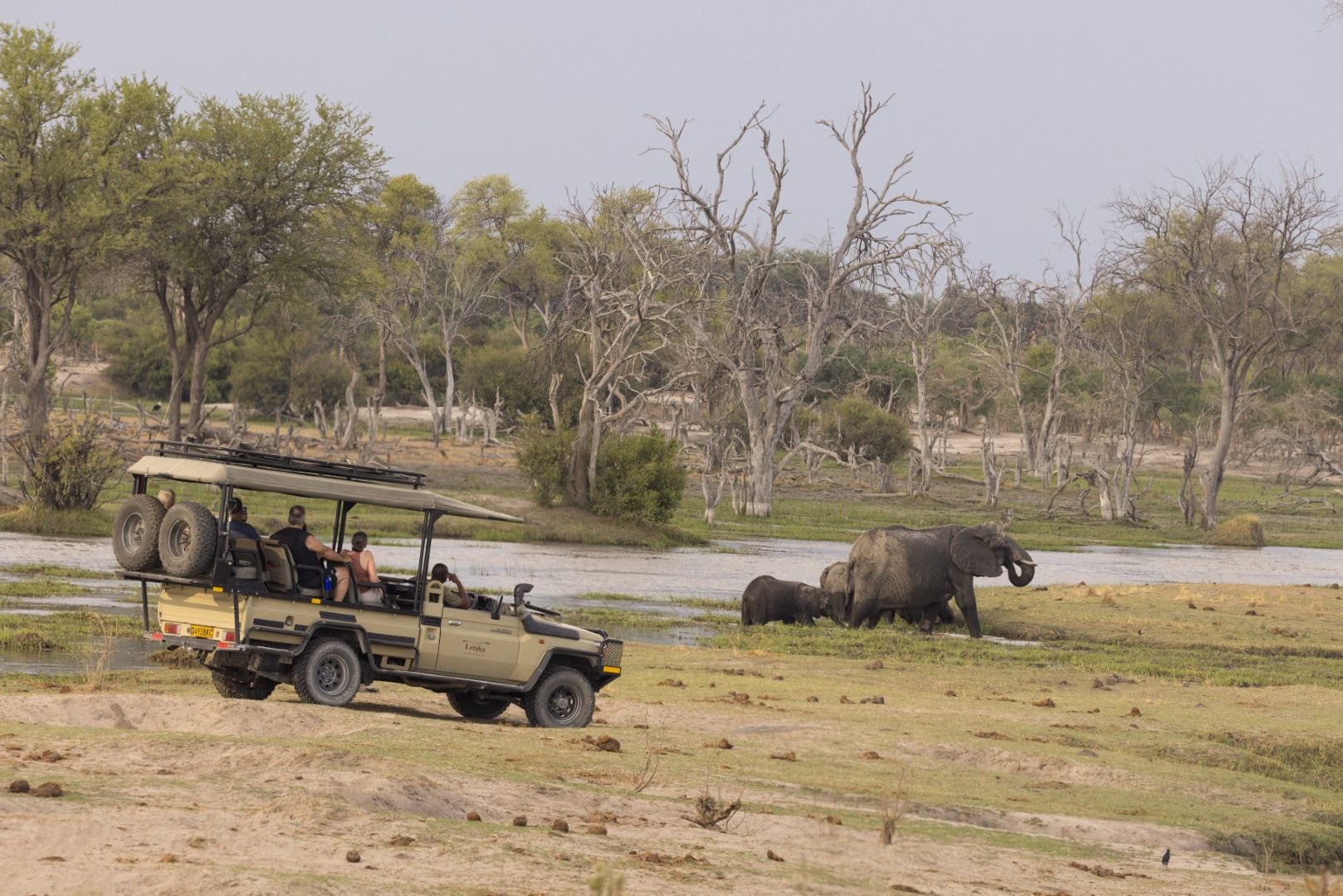
The concession covers about 180,000 hectares of unfenced wilderness along the Khwai River. It’s owned and managed by the local community through the Khwai Development Trust.
A former hunting concession, it’s now zoned for community‑run ecotourism. Revenue is channelled back into community projects and conservation.
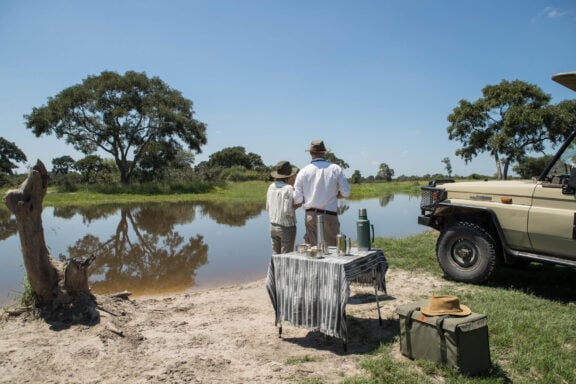
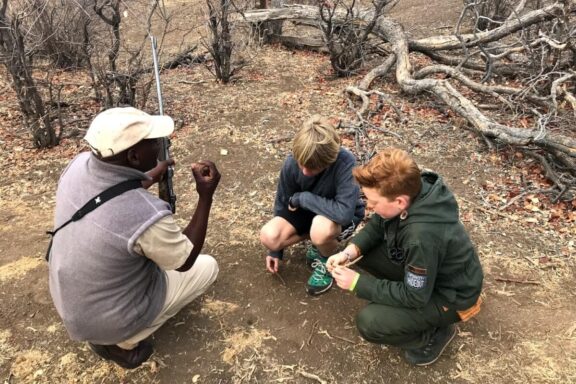
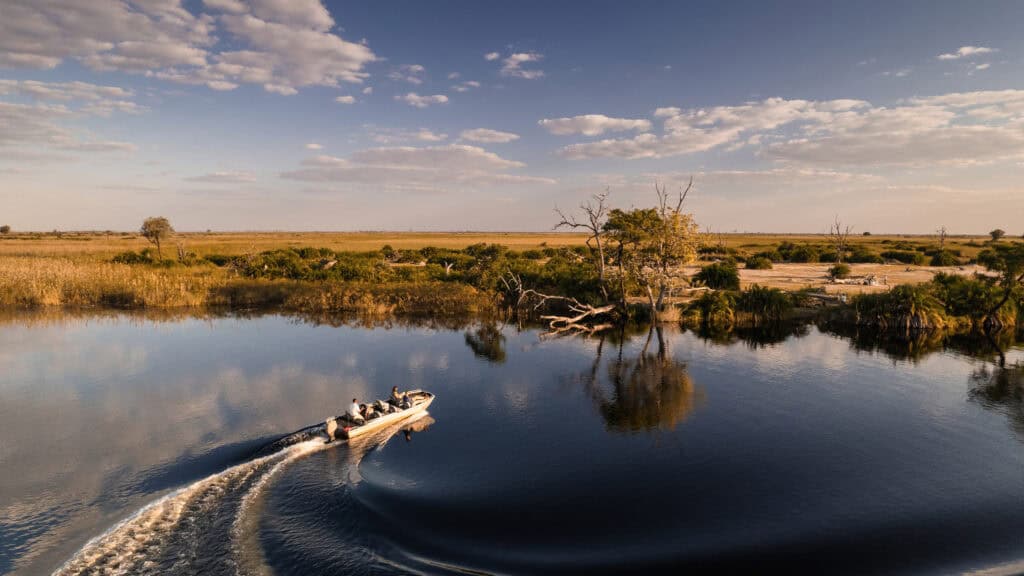
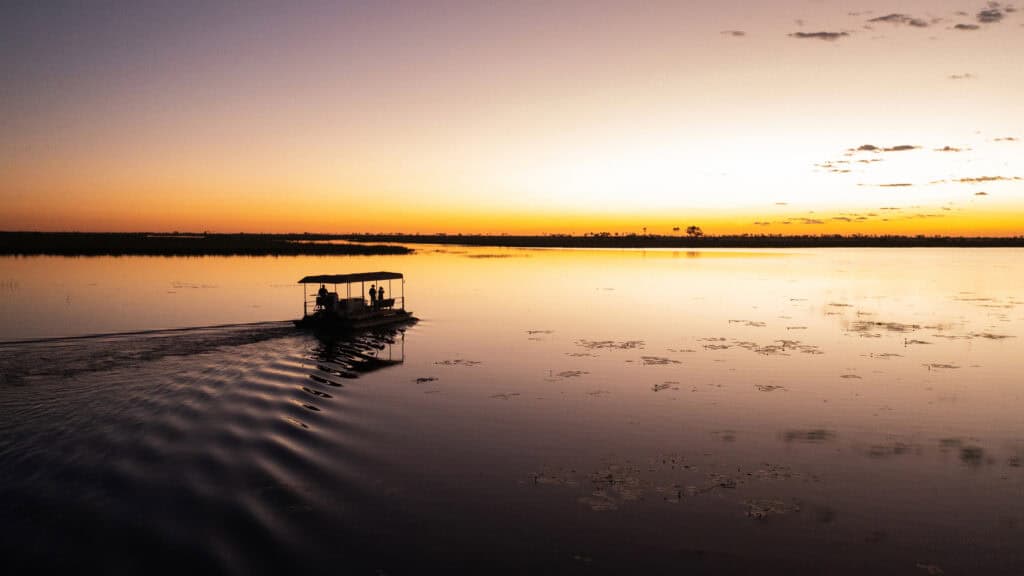
You’re invited into the world of the more elusive nocturnal animals: unlike national parks, the concession allows night drives and walking safaris. You can also do daytime game drives, mokoro and boat excursions, and cultural tours.
Learn how the local community lives in harmony with wildlife by visiting the local village and experiencing their way of life. Cultural activities like this add a deeper dimension to Khwai Botswana safaris.
Most folk who live in Khwai Village are Bugakhwe (often spelt Babukakhwe). The Bugakhwe are a San/Basarwa group who are traditionally hunter‑gatherers. There are also Bayei people in Khwai.
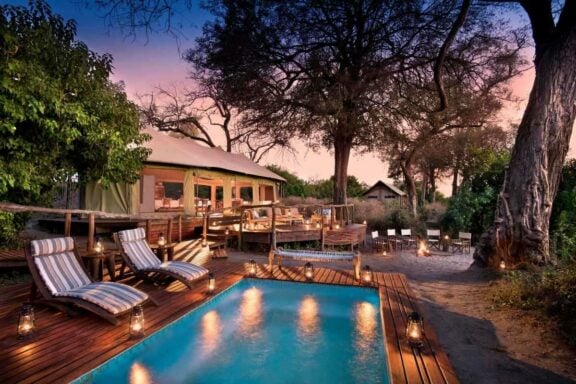
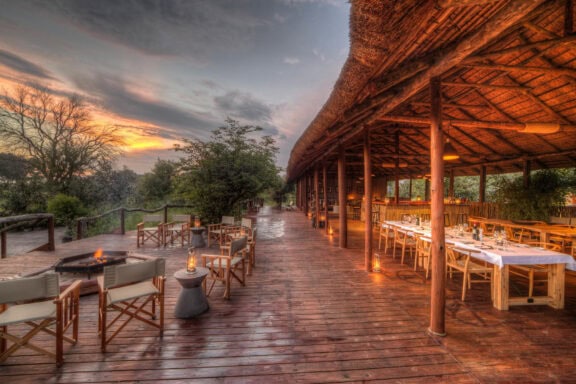
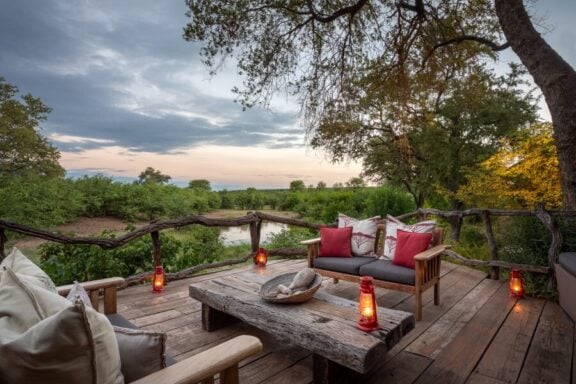
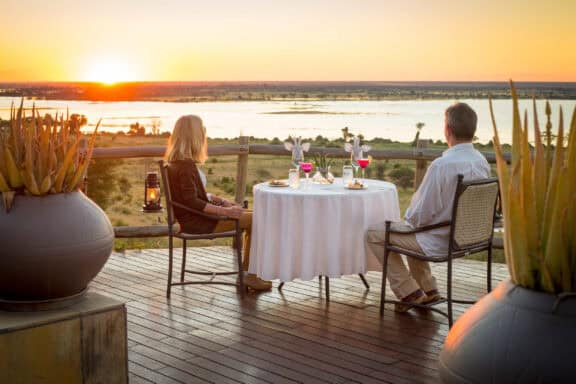
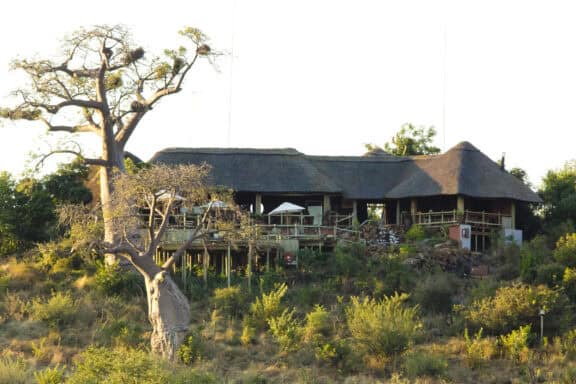
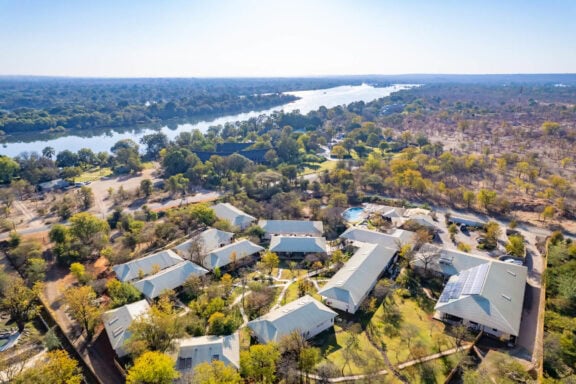
About half a dozen mid-range to luxury lodges operate here along the north bank of the Khwai River. The river itself very rarely runs dry and is a magnet for game passing between Moremi and Chobe National Park to the north. It’s a beautiful, low-key area that makes an excellent stopover between Moremi and Chobe.
Khwai Private Reserve
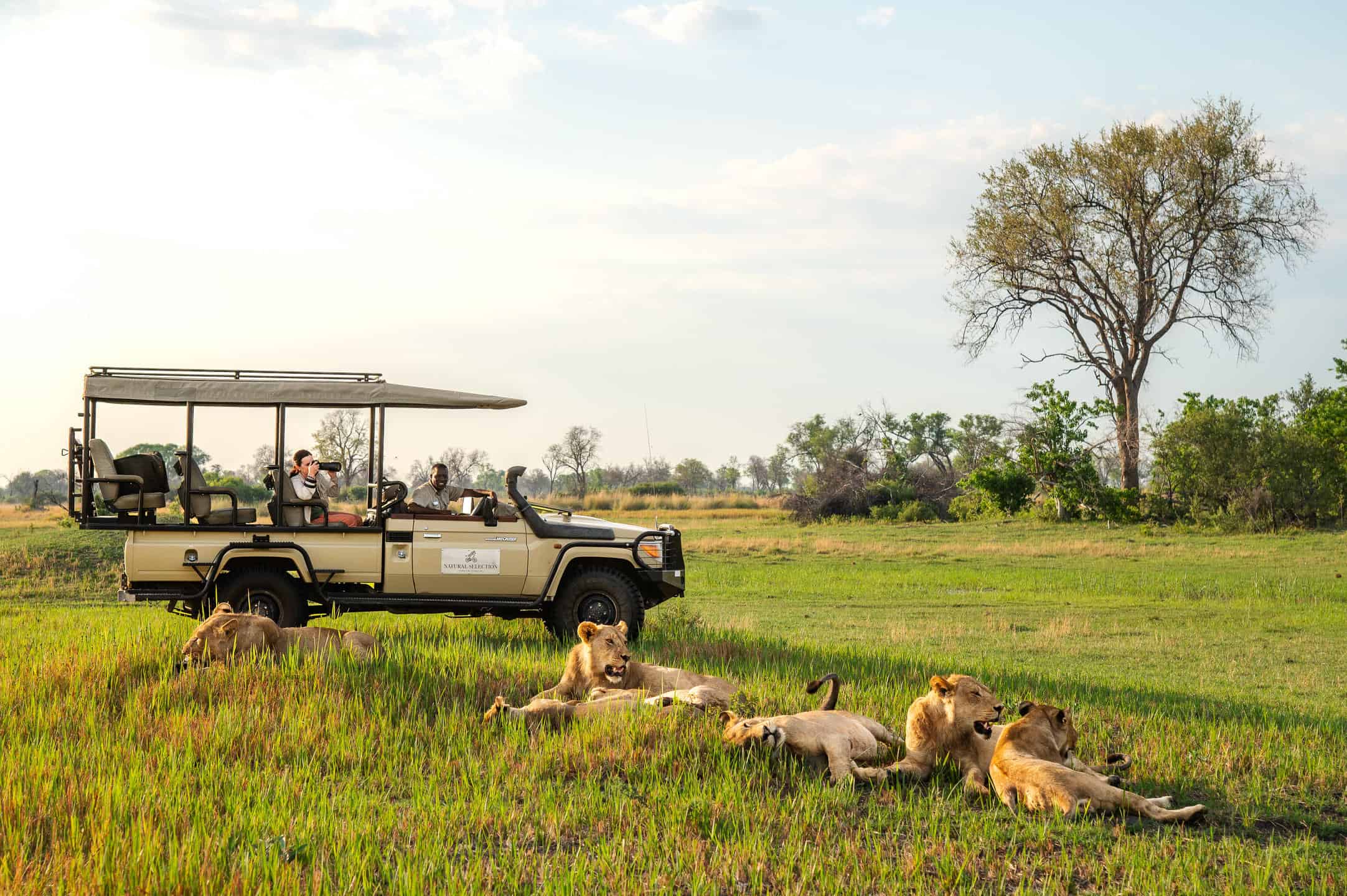
Its neighbour is Khwai Private Reserve Botswana, a separate private concession of roughly 200,000 hectares. Historically, it was also a hunting concession but switched to a different kind of shooting – with cameras – around 2009. Today, it’s an exclusive, low‑density safari area run in partnership with local communities.
There’s a small number of camps, meaning safari traffic is strictly controlled. Wildlife sights are often all your own. Because it’s private, your guide can take you off‑road to follow the game, and when the sun sets, night drives introduce you to a completely new world. There are walking safaris, hides, seasonal mokoro safaris, and pan‑based activities.
Khwai River
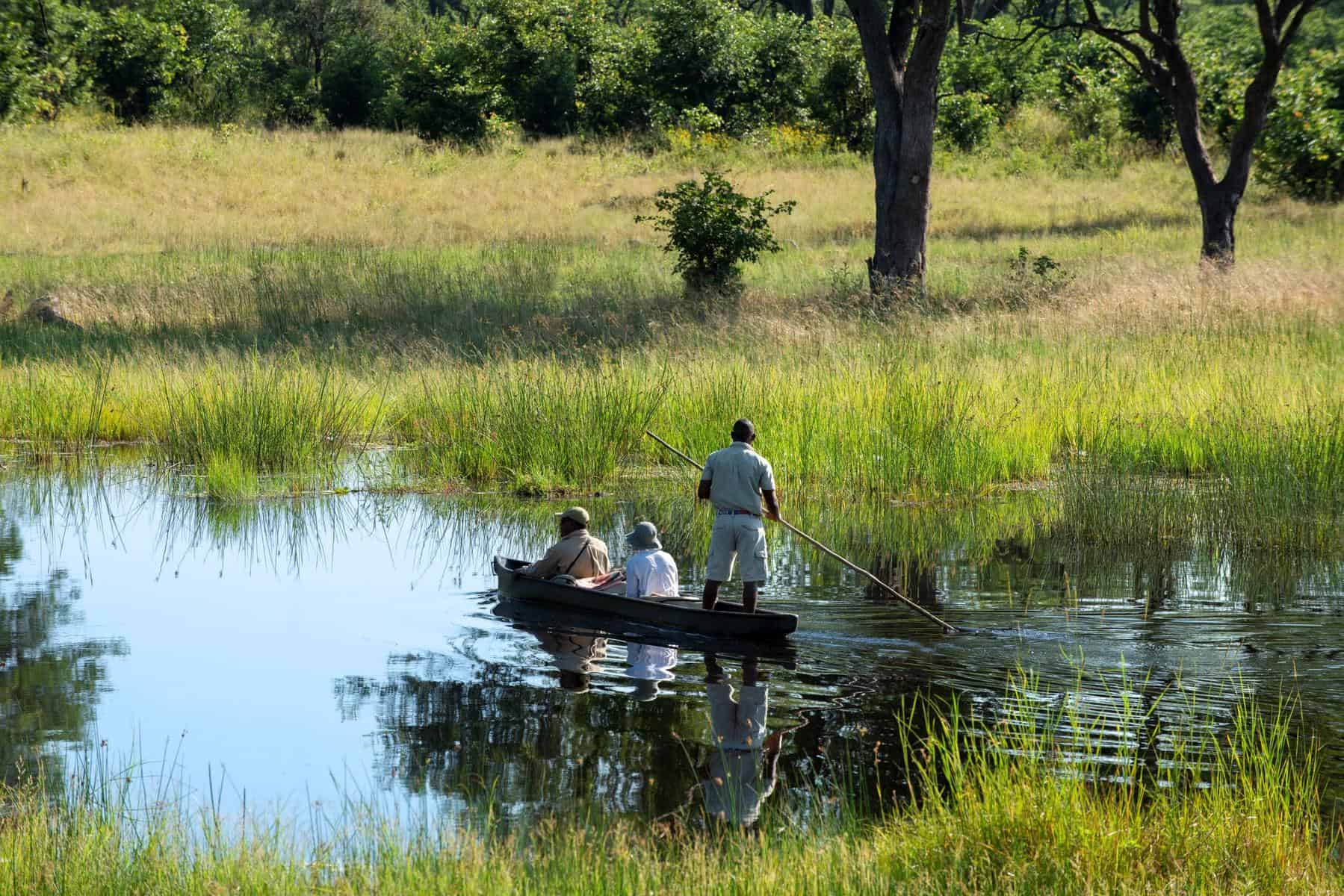
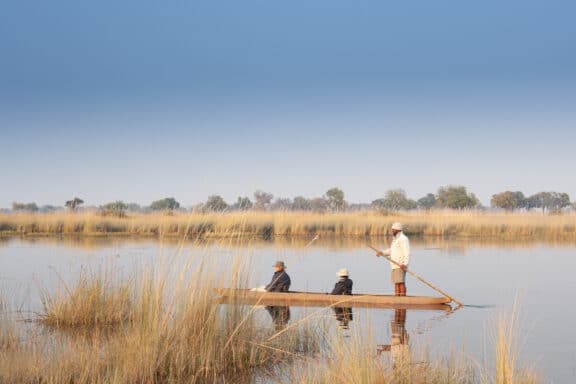
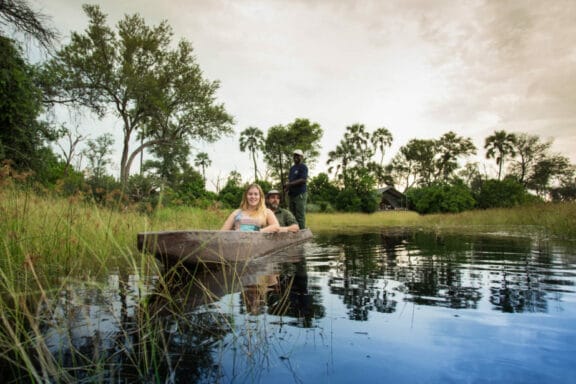
Flowing from the Okavango, the Khwai River is a lifeline that attracts diverse wildlife. Get a whole new perspective on the animals by going on a mokoro safari in a dugout canoe.
Traditionally, mekoro (the plural) were dug out of large, straight, hardwood trees growing along the Okavango’s channels and islands, especially the sausage tree (Kigelia africana), jackalberry (Diospyros mespiliformis) and African mangosteen (Garcinia species). These days, for conservation and practical reasons, most mekoro are made from moulded fibreglass or similar composite materials – no more felling of large hardwood trees.
It’s operated by a poler, who stands in the stern and pushes you through the channels using a long pole, called a “ngashi” in Setswana.
When’s the Best Time to Visit Khwai?
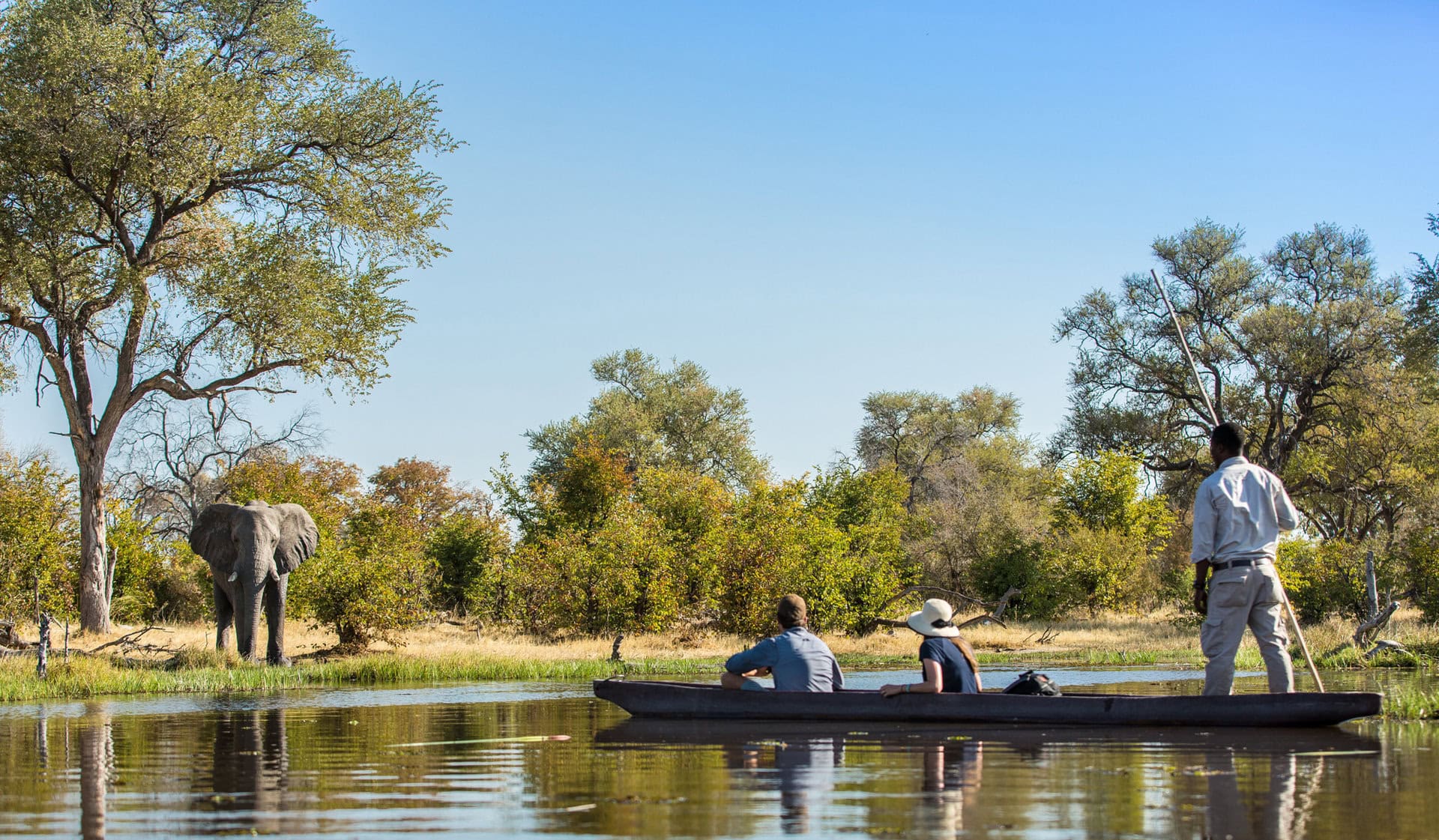
For prime off-road game viewing, plan your safari for the dry season, from May to October, when vegetation is less dense. At this time of the year, animals congregate around water sources, making for spectacular mokoro safaris. If you want to focus on birdwatching, opt for the wet season, from November to April. This is when a lot of migratory species return.
Remember, in Khwai, as in the rest of the Okavango Delta, water levels in rivers, lagoons, and channels are paradoxically highest in the dry season, when the annual flood pulse from Angola finally arrives.
Animals Found in Khwai
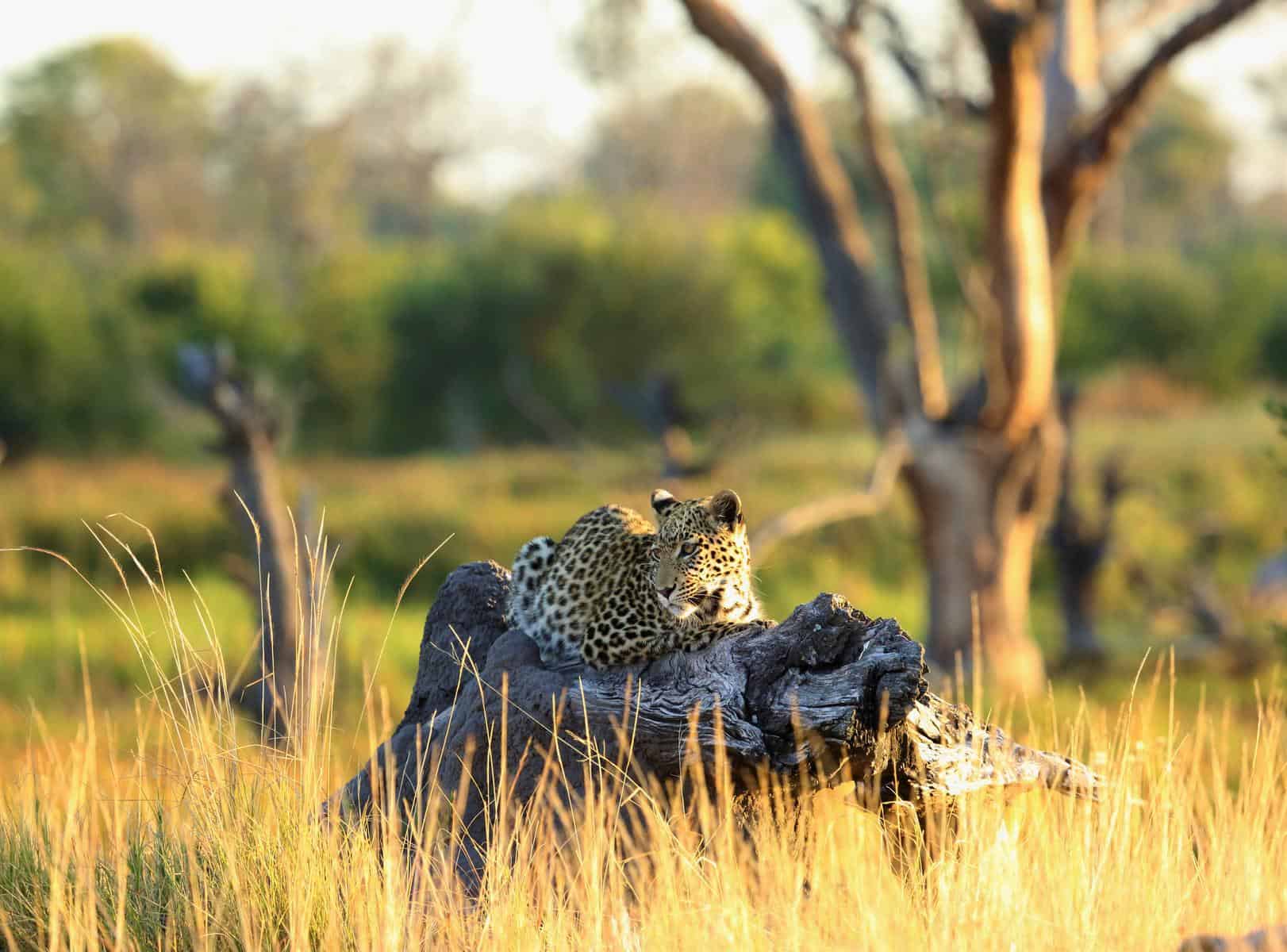
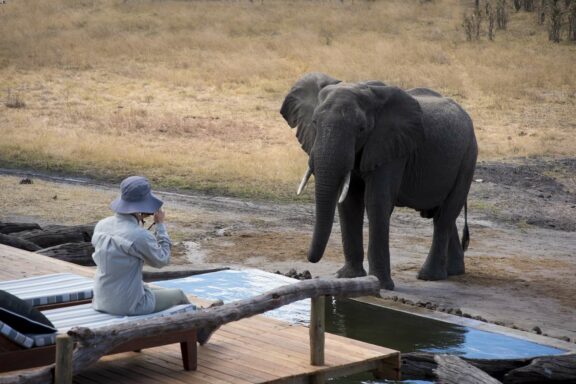
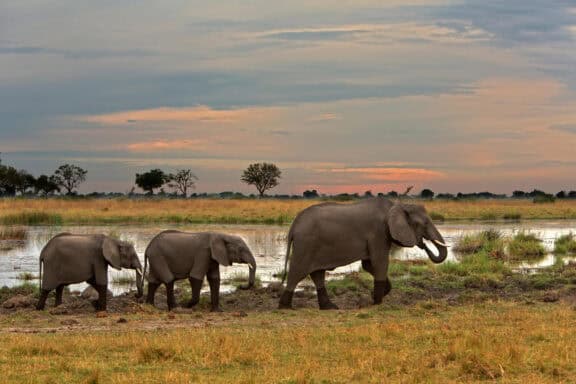
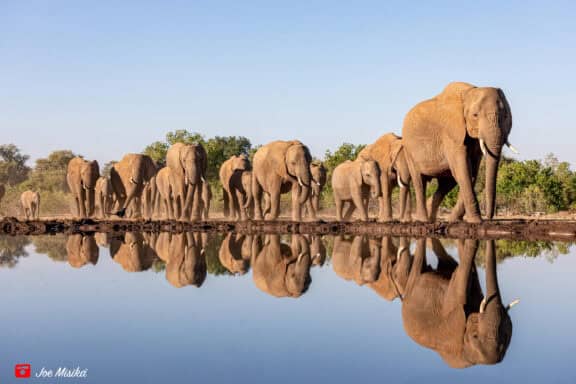
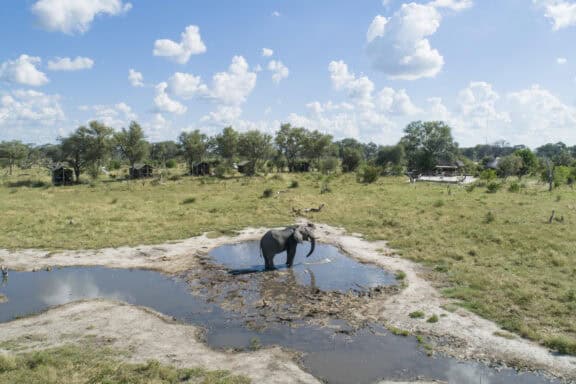
It’s a rich wildlife destination, and you won’t go home with an empty camera roll. The Khwai River is the nearest water source for thousands of animals that forage and hunt in the mopane forests between Moremi and Chobe. Wildlife is most plentiful in the dry winter months when hot, thirsty elephants gather along its banks.
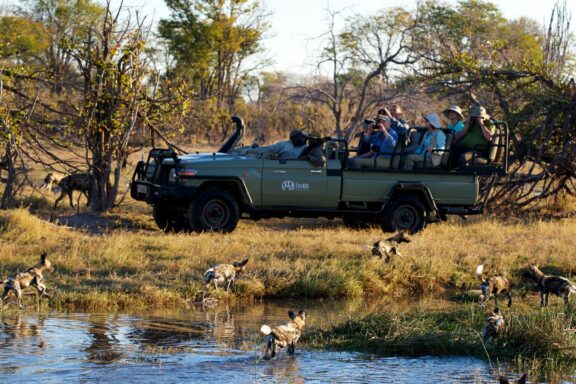
You’ll see plenty of hippos and crocodiles. There are herds of elephants, buffaloes, and numerous antelope species. On the predator front, expect to see lions and hyenas. There are leopards, too, but their elusive nature can make them a challenge to spot. One of the highlights of this region is the presence of endangered African wild dogs.
Khwai offers rich grounds for birdwatching in Botswana; it has more than 500 species of birds, with the different ecosystems allowing many birds to thrive. You’ll certainly hear African fish eagles and may see pygmy geese, lesser moorhens, Kori bustards, and tawny eagles.
How to Get to Khwai
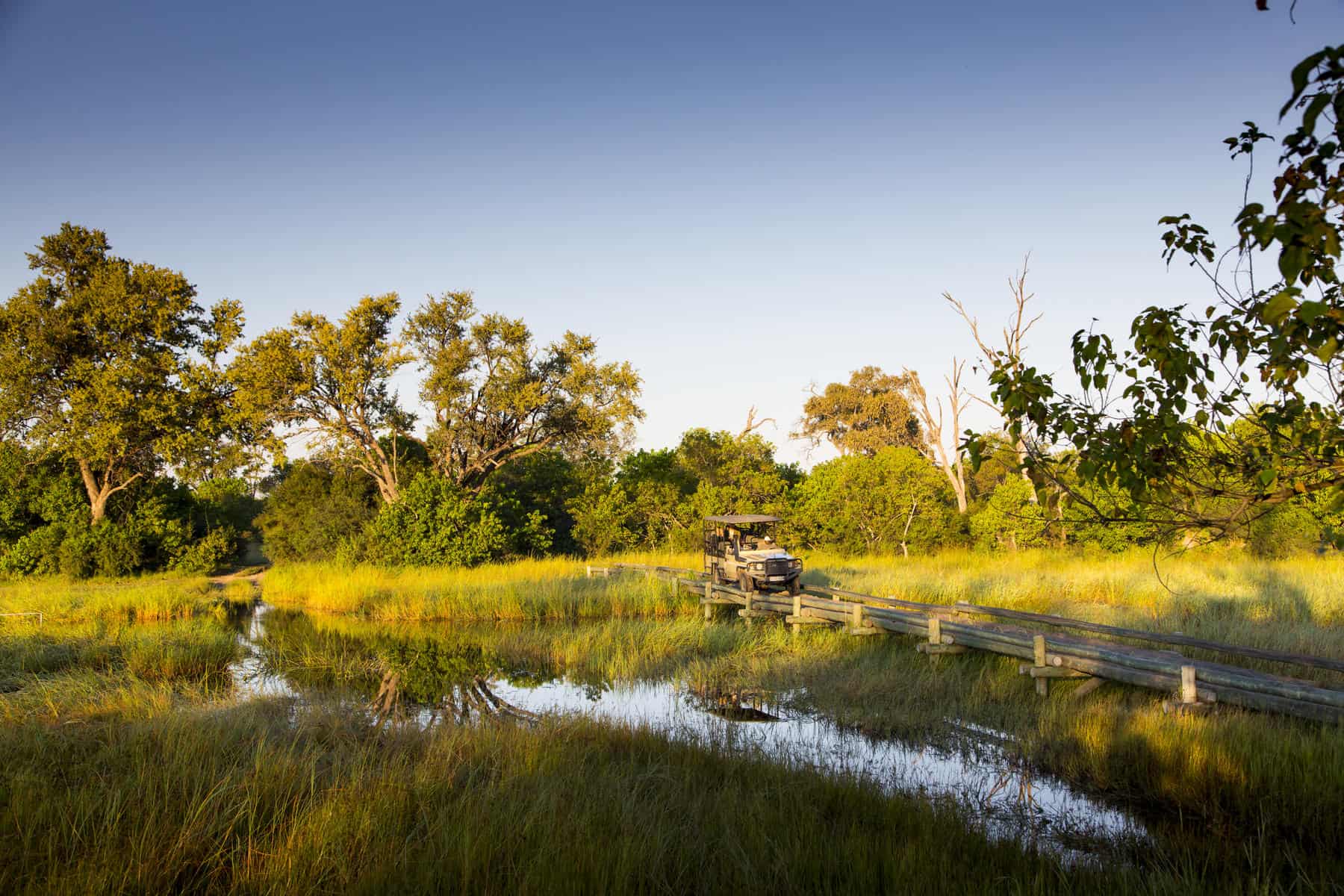
Khwai is accessible by road from Maun International Airport. After you land for your Botswana safari, it’s just a three-and-a-half- to four-and-a-half-hour lodge transfer away. Alternatively, you can cut down on your transit time by flying into Khwai via light aircraft, which takes around 20 minutes.