

 Email us






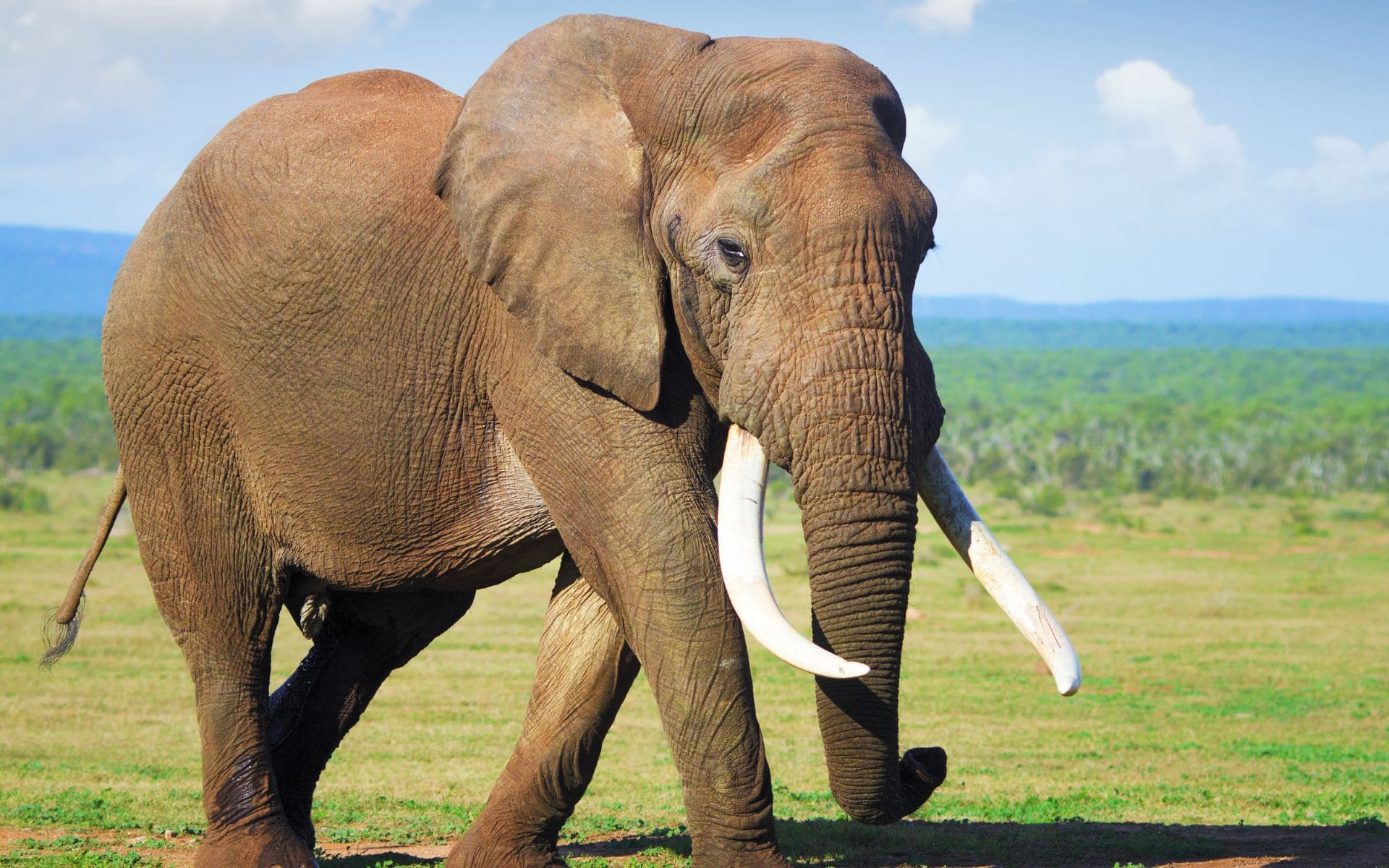
Across the sun-baked plains and the majestic grasslands of the African savannah roam creatures of almost mystical proportions: the great tusker elephants. These awe-inspiring giants, as their name suggests, boast gargantuan sets of tusks. They curve majestically, sometimes reaching such impressive lengths that they graze the earth as the elephant moves. Witnessing such a creature is an encounter of a bygone era before relentless poaching nearly wiped out all of Africa’s tuskers…
These tusker elephants, also known as “super tuskers”, are icons of the continent. However, their numbers are dwindling, raising concerns over the survival of the big tusk gene and tusked elephants in general. There are estimated to be less than 50 elephant tuskers remaining across Africa, with homes in South Africa and Kenya.
What Makes an Elephant a Tusker?
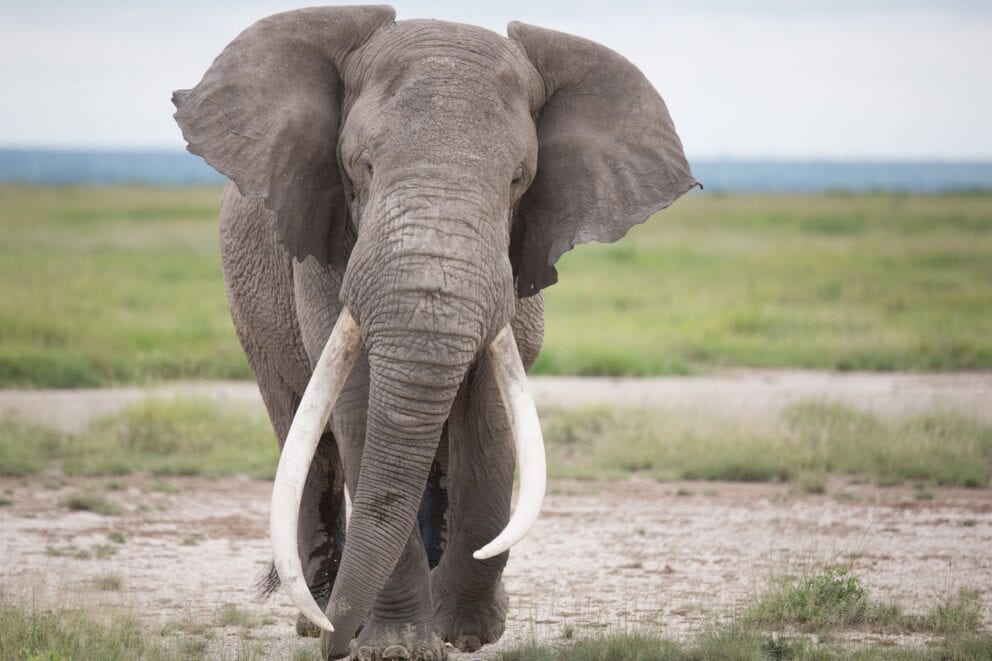
The term “tusker” or “super tusker” refers to a bull (male) elephant that has exceptionally large tusks. An elephant will qualify as a super tusker if at least one of its tusks weighs over 45 kg/100 lbs. Even if one tusk is broken or smaller, an elephant carrying a single large tusk still qualifies as a tusker.
Elephant tusks, which are modified incisor teeth, grow throughout their lives. The genes responsible for super tuskers are becoming increasingly rare due to centuries of selective removal through the ivory trade and trophy hunting.
Why Are Elephant Tusks Important?
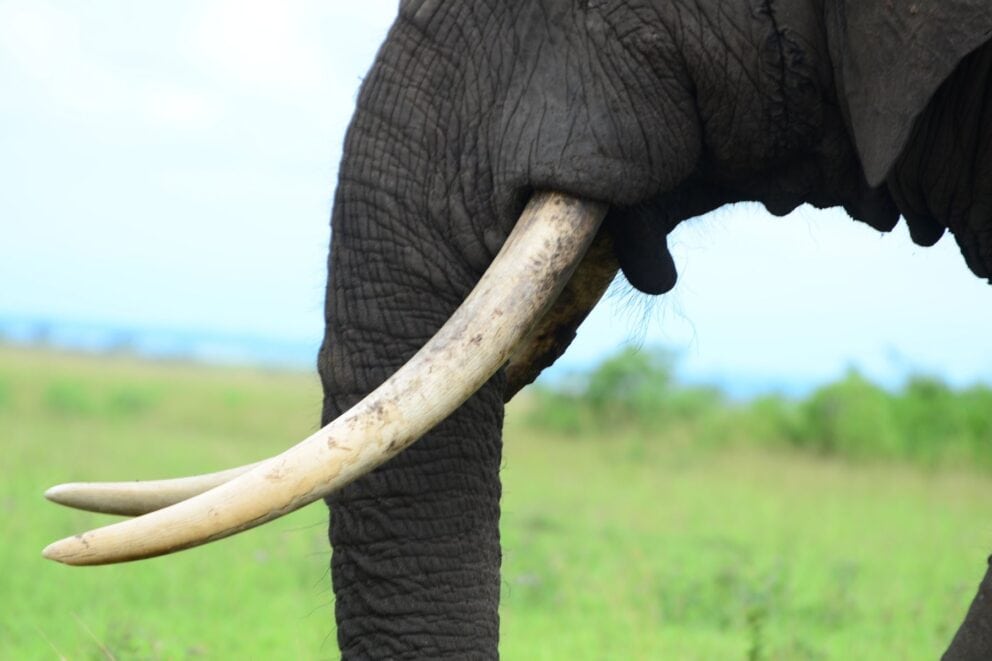
Tusks are important for several reasons, both to the elephants themselves and the ecosystems they inhabit. Elephants use their tusks to dig for water and roots, strip bark from trees for food, and use them as weapons during fights. The use of elephant tusks impacts water availability, vegetation, and seed dispersal, making them a vital part of biodiversity health.
Tusks are a heritable trait and tusk size is genetically influenced. Unfortunately, due to heavy poaching and hunting, certain elephant populations have been forced to rapidly evolve without tusks, such as elephants in Mozambique. In this southern African nation, a relatively large population of females were born tuskless following rampant poaching.
“Further exploration revealed this trait to be sex-linked and related to specific genes that generated a tuskless phenotype more likely to survive in the face of poaching,” explains Science.org.
The genetic trait for large tusks – as seen in tuskers – has nearly disappeared, making their conservation extremely difficult. Elephants – especially tusker elephants – are a massive draw for ecotourism, with many travellers going on photographic safaris to capture a glimpse of these giants in the wild.
Where to Find Tusker Elephants: 3 Safari Destinations
If you want to see these incredible animals during your next African safari, here are three destinations that’ll give you the best opportunity:
1. Tsavo Conservation Area, Kenya
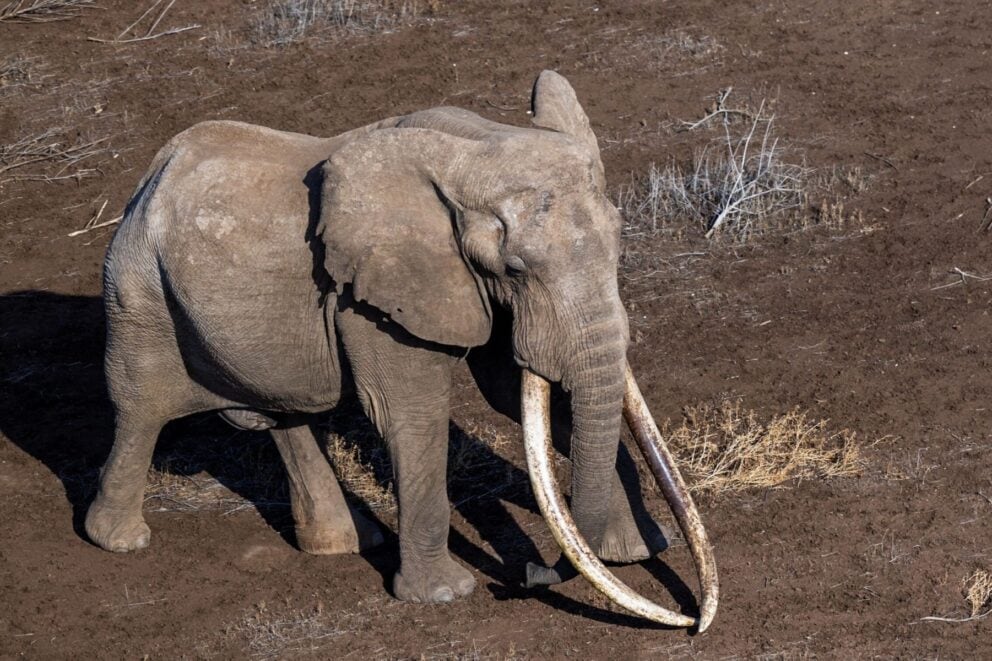
The Tsavo Conservation Area is a vast stretch of wilderness and home to one of Kenya’s largest wildlife sanctuaries. As you explore its rugged landscapes, you might catch sight of the region’s iconic red-dusted elephants. They appear this way due to regularly bathing in and throwing the region’s distinctive reddish soil onto themselves. This acts as a sun protectant and parasite repellant.
After centuries of relentless poaching, it’s nothing short of miraculous that the tusker elephants of Tsavo still roam the plains today. There are at least 10 recognised and named super tuskers living in this conservation area. They are well protected, being under constant supervision by the Kenya Wildlife Service and the Big Tusker Project.
One of the area’s living legends, referred to as BA1, is estimated to be over 50 years old and Tsavo’s oldest super tusker. This goliath may have roamed the savannah as a calf when Neil Armstrong first landed on the moon! His massive, inward-curving tusks are a marvel that nearly reach the ground as he walks and are some of the largest and heaviest ivory ever recorded.
2. Amboseli National Park, Kenya
Amboseli is renowned for its large herds of elephants as well as for incredible Kenya safaris set against the backdrop of Mount Kilimanjaro. The Amboseli Trust for Elephants and its research arm, the Amboseli Elephant Research Project, have conducted the longest-running study of elephants globally, tracking individuals and families for over 50 years.
An iconic resident of the park, Craig, also known as the “Gentle Giant of Amboseli”, is one of the world’s most photographed animals. Craig, like many of the legendary super tuskers, is now over half a century in age and boasts an impressive set of tusks weighing in at over 50 kg/110 lbs each! Being in his twilight years, the wear and tear of the last 50 years has started to set in, with his sunken temples and worn teeth being a visible testimony to his advancing age.
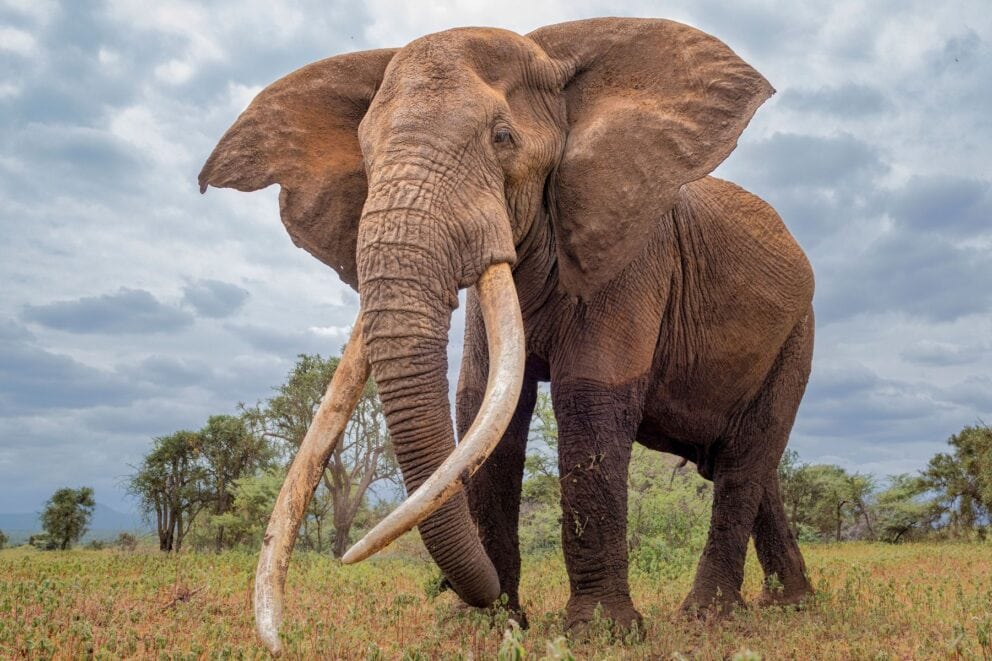
Craig is guarded by the watchful eye of the Maasai people, who protect him from potential poachers. From those who have been fortunate enough to meet him, Craig is described as a gentle and curious elephant.
UPDATE: Remembering Craig (1972–2026)
It’s with a heavy heart that we update this guide to share the news of the passing of Craig, one of Africa’s most legendary Super Tuskers.
In the early hours of 3 January 2026, at the age of 54, Craig passed away from natural causes in Amboseli National Park. His death marks the end of an era for one of the most photographed and beloved elephants in history. Known for his gentle nature, he often stood patiently for photographers and researchers, becoming an ambassador for Africa’s tuskers.
While we’re heartbroken to hear of his passing, it’s worth noting that Craig was able to die of natural causes, a massive victory for conservation. In a world where tusker elephants are often targeted by poachers, Craig’s long life proves that community-based protection works.
Craig will be deeply missed, but his legacy lives on. He is believed to have fathered many calves in Amboseli, passing on his super tusker genetics to a new generation. If you’re visiting Amboseli National Park, you may get to see his “askaris” (younger bull companions) and his many offspring.
There are currently around nine remaining Super Tuskers in the Amboseli region, and responsible safaris here continue to fund the rangers who protected Craig throughout his magnificent life.
What Happened to Craig’s Tusks?
As soon as Craig passed, Kenya Wildlife Service (KWS) officers and Big Life Foundation rangers – who had been staying with him during his final hours – recovered his massive tusks. They were taken into secure custody to prevent any risk of poaching or theft, which is a common concern even after an elephant dies naturally.
On 13 January 2026, KWS announced that they had begun a professional taxidermy process to preserve Craig’s body. This is a rare and meticulous undertaking, especially for an animal of his size (he weighed approximately seven tonnes). Once the taxidermy process is complete, Craig’s body is intended to be displayed in a national museum or dedicated educational facility (likely in Nairobi).
3. Kruger National Park, South Africa
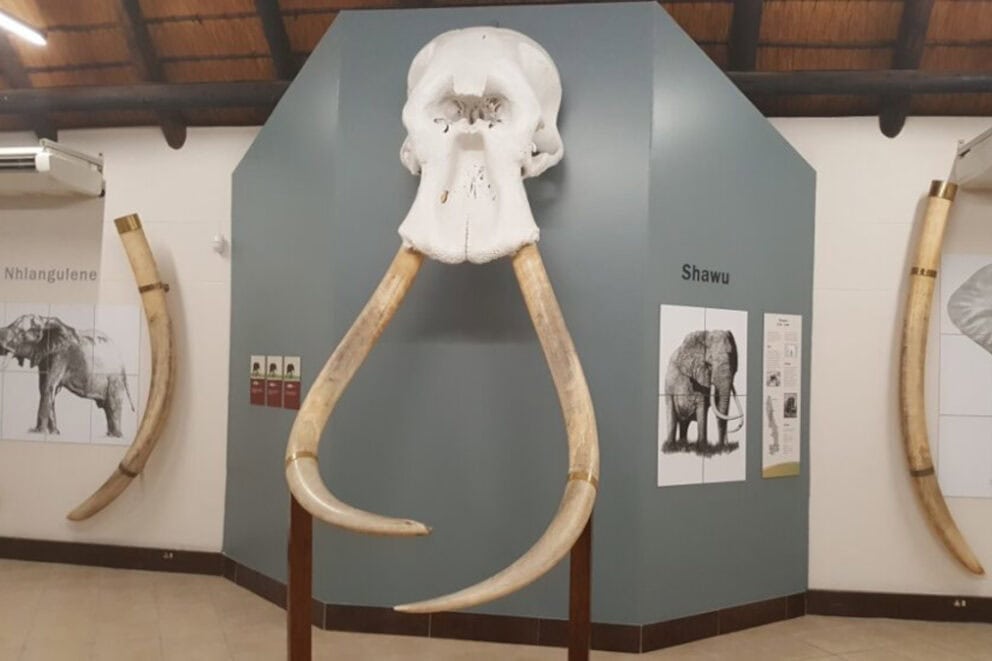
South Africa’s iconic Kruger National Park is home to a significant number of tuskers, with SANParks – the organisation responsible for managing and conserving South Africa’s national parks and protected areas – working hard to maintain the safety of these animals. Scientists within Kruger continue to study these impressive giants to this day, with the Emerging Tuskers Project continuing to identify and name tuskers as well as potential tuskers.
Over thirty years ago, Kruger was home to seven legendary bulls known as the Magnificent Seven. These super tusker elephants all boasted massive tusks, each weighing over 50 kg/110 lbs. The legendary status of these giants is thanks to the work of Dr U. de V. Pienaar, who was the Chief Warden at the time. Their names were Dzombo, João, Kambaku, Mafunyane, Ndlulamithi, Shawu, and Shingwedzi.
Today, six sets of their impressive tusks have been immortalised in the Elephant Museum in the Letaba Rest Camp. In 1984, João’s tusks broke off (perhaps after a fight with another bull) and unfortunately were never found.
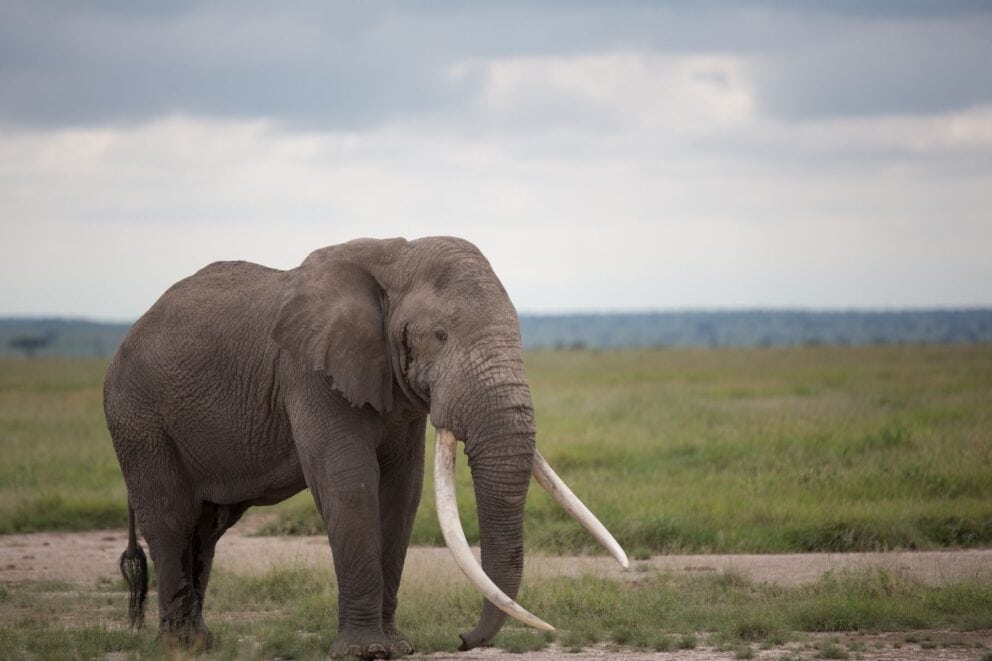
Tuskers are powerful symbols of Africa’s wild heritage, embodying strength, resilience, and the untamed spirit of the continent. They inspire awe and forge deep emotional connections worldwide, as evidenced by the outpouring of grief and tributes following the deaths of legendary tusker elephants like Satao, Tim, Tolstoy, and Lugard. The last great tuskers are more than just elephants with large ivory; they are ecological linchpins, social anchors, and powerful symbols of the wild.
$1836 USD
$2583 USD
$2971 USD
$2894 USD






Written by Thaakiera Ackerdien
• Travel Writer
Discover the African Journey that’s Right for You
 Blog List















 10 Apr 2024




















Written by Thaakiera Ackerdien
• Travel Writer
Part of the South Africa Safari, Kenya Safari & African Photo Safaris Collections