Email us







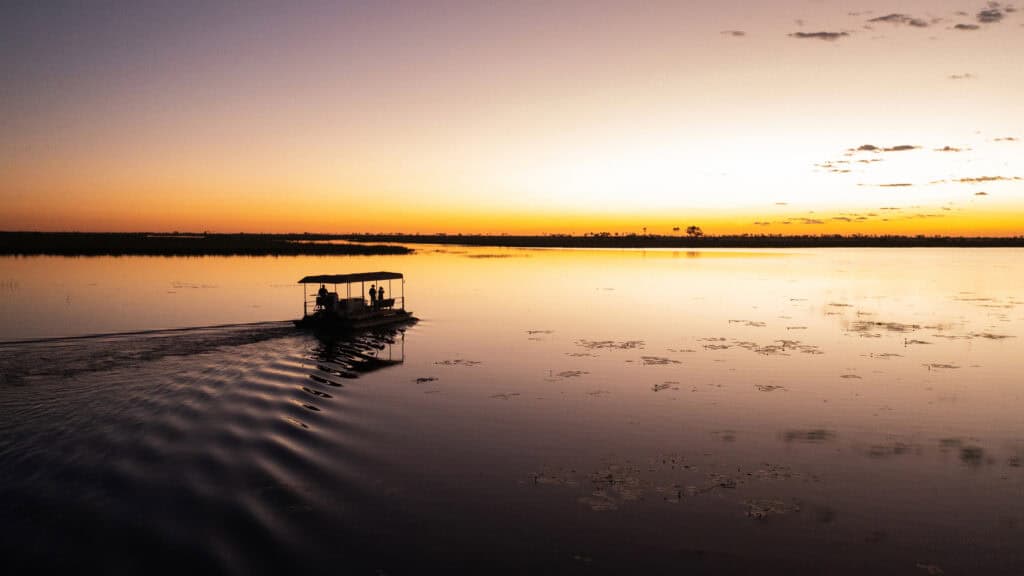
If you’ve been thinking about slowing your pace, clearing your mind, and reconnecting with the rhythms of the natural world, our best desert safari tours in South Africa are what you’ve been looking for.
Here, the landscapes are vast and silent, uncrowded and unhurried. Every moment offers a chance to breathe deeply. South Africa’s deserts invite you to step away from noise and routine into spaces that are remote and remarkably alive.
Why Should You Go on a Desert Safari in South Africa?
Arid Beauty
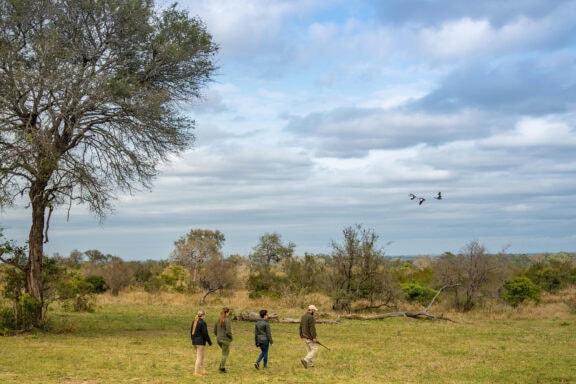
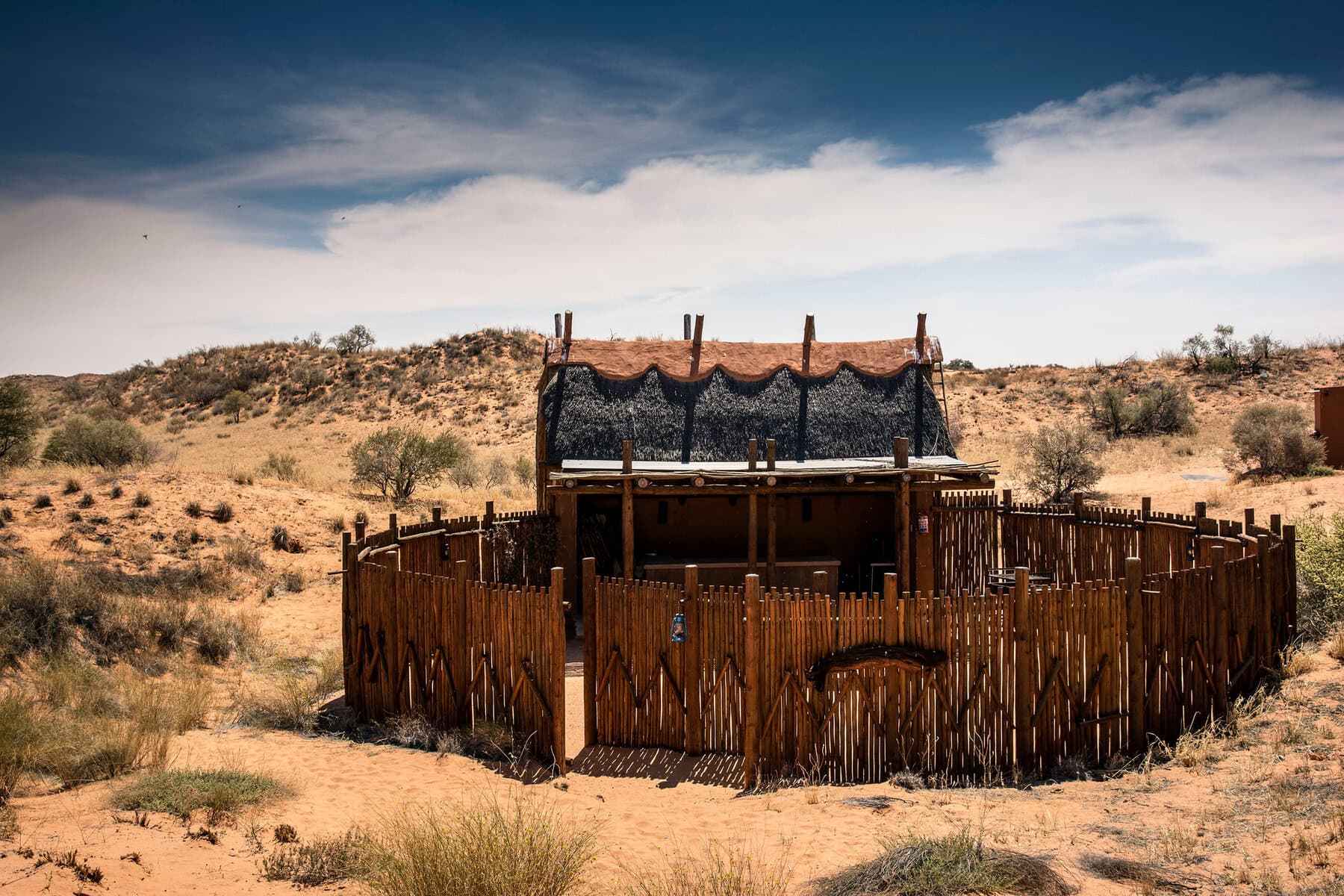
South Africa’s desert landscapes are worlds away from popular destinations such as the Kruger National Park and Garden Route. Their beauty is stark and ethereal, at times even transcendental. A desert safari immerses you in dunes, red and coral-coloured sands, and open plains stretching seemingly to infinity, punctuated by rugged mountains and ancient rock formations.
The horizon feels limitless, inviting your mind to finally slow down and giving you space for reflection.
Unique Wildlife Encounters
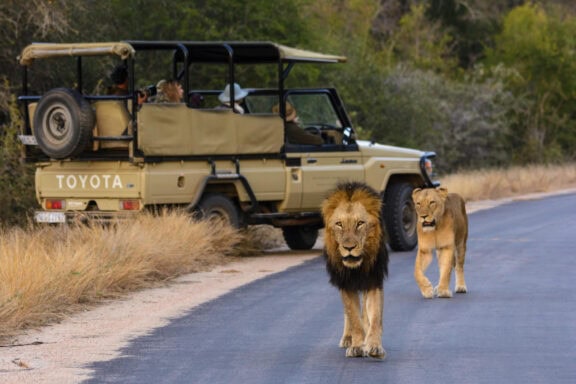
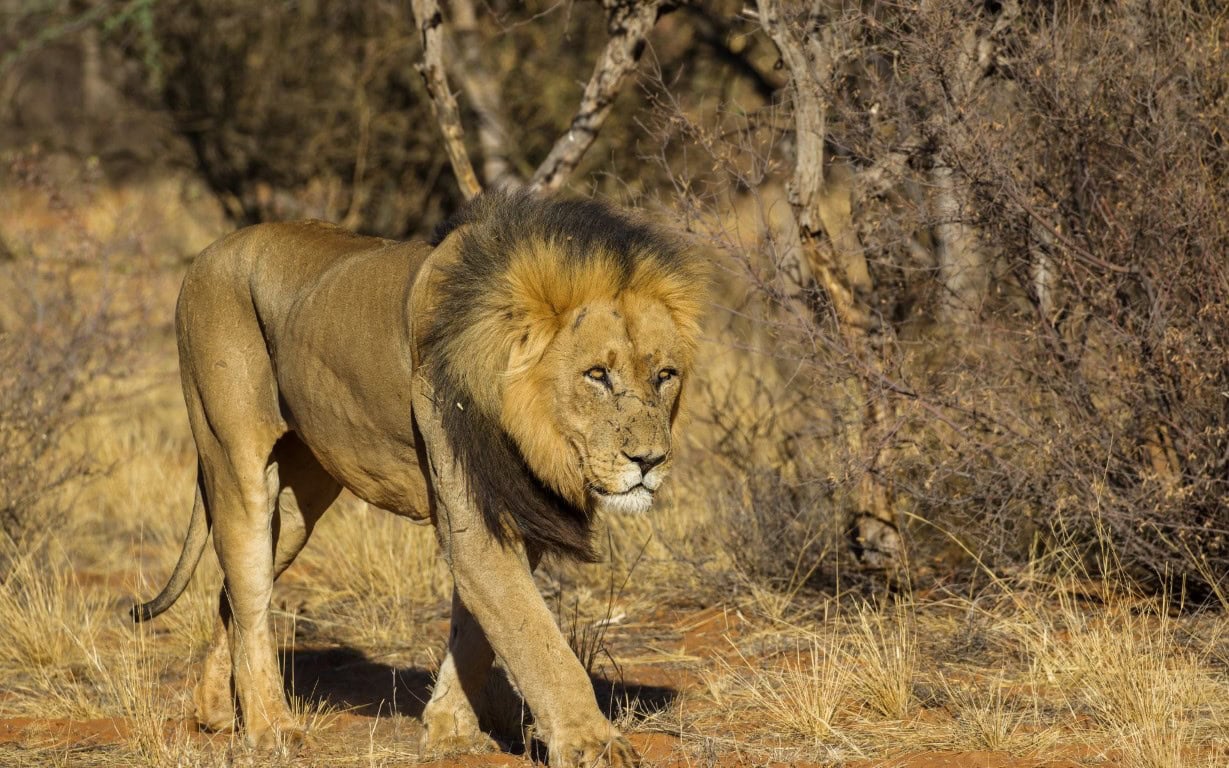
The stars of South Africa’s deserts are a wildlife cast that you’ll be hard-pressed to find elsewhere. Watch meerkats pop up from their burrows at dawn; catch sight of gemsbok, springbok, eland, cheetahs, and, in the Kgalagadi Transfrontier Park and Tswalu, elusive black-maned lions.
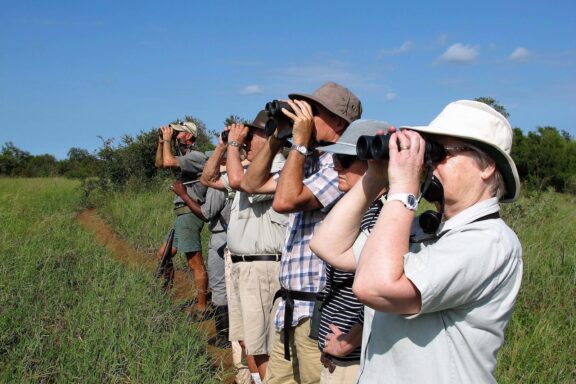
If the thrill of tracking beckons you, guided safaris in these regions can reveal cheetahs on the prowl. Even the birdlife is special, with raptors and bustards the soundtrack to your desert mornings.
Incredible Stargazing Opportunities
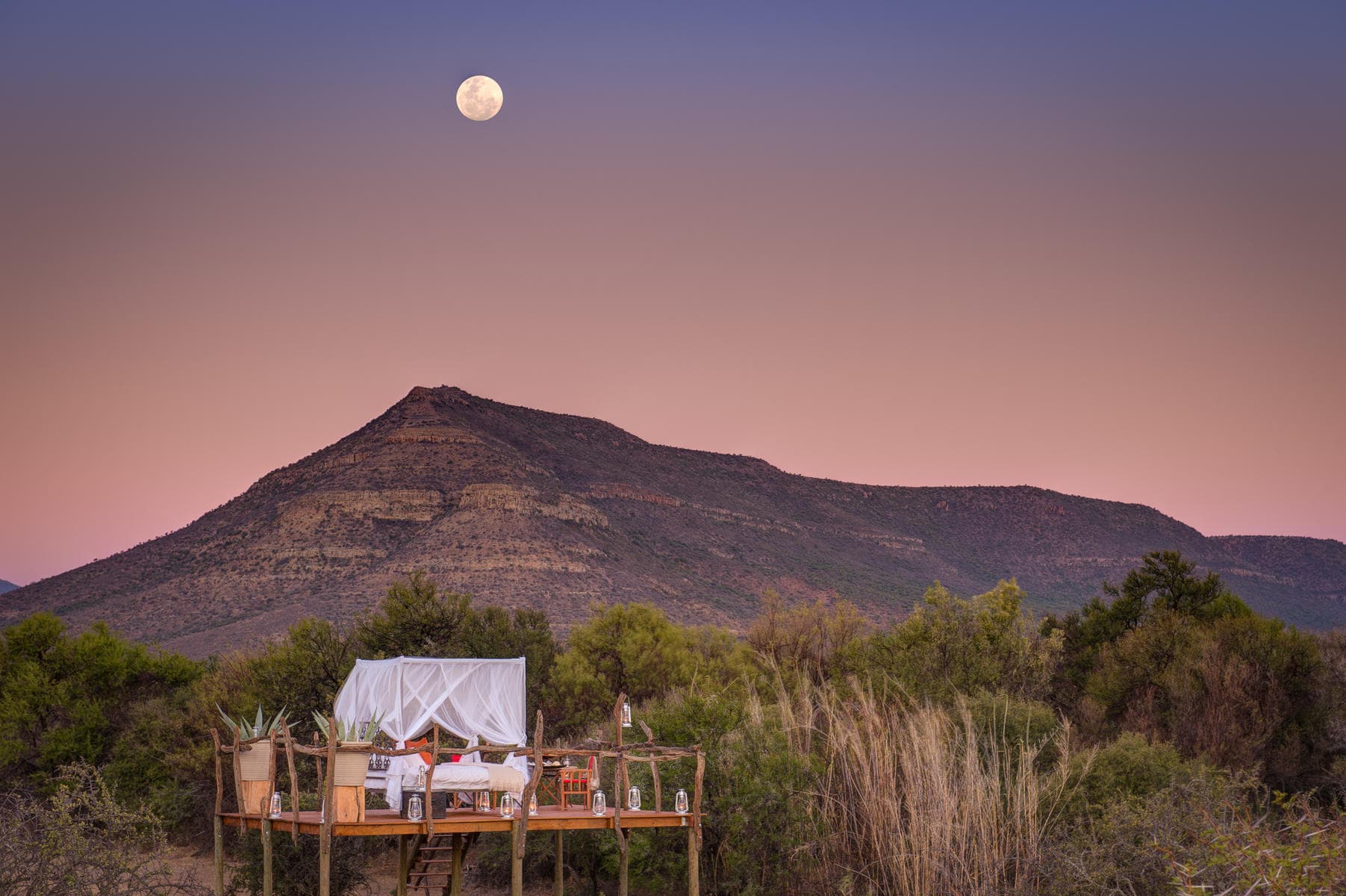
One of the desert’s quiet gifts is the night sky. Far from city lights, the stars seem close enough to touch. Lie back under the Milky Way and gaze at the billions of stars stretching above you. It’s almost guaranteed you’ll lose track of time but discover your place in the cosmos. These constellations have guided desert-dwellers for centuries.
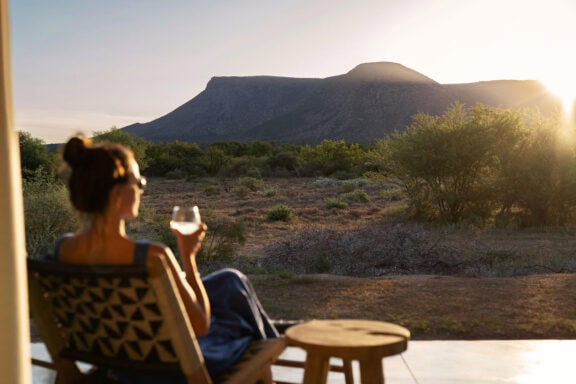
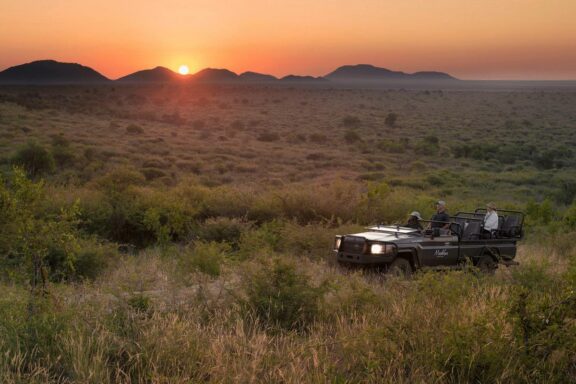
Sunrise and sunset are just as unforgettable. A slow transformation of the sky in hues of gold, pink, and violet that invite you to pause and simply be.
Rich Cultural Experiences
Fascinating and deeply spiritual communities have made the desert their home over thousands of years, such as the Nama and San. Their traditions reflect generations of life in harmony with the land. You might hear stories under the stars, learn about survival in extreme conditions, or witness traditional crafts that celebrate resilience and ingenuity.
These experiences are offered gently and respectfully, leaving time for reflection rather than scheduled tourism.
Peaceful Excursion
Why is the desert perfect for a wellness escape? It’s all in the silence. The vastness of open space allows your mind to settle. Each breath of dry, clear air is grounding. Yoga at sunrise, guided meditation, journaling under thorn trees, or simply sitting by a campfire all become restorative acts.
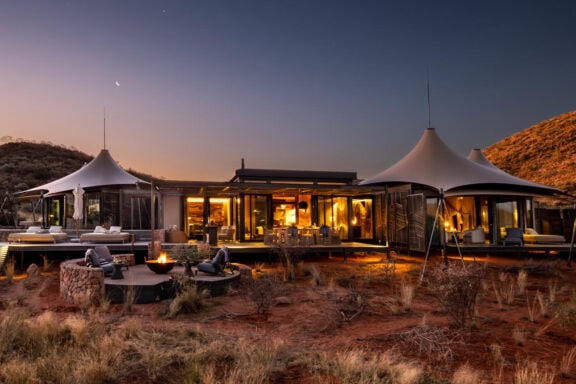
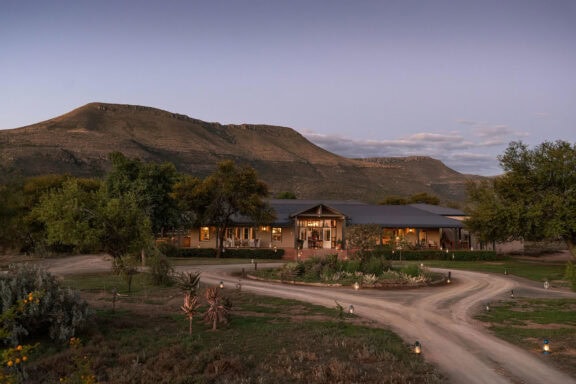
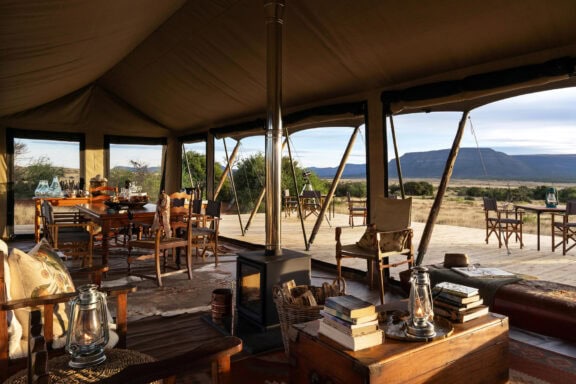
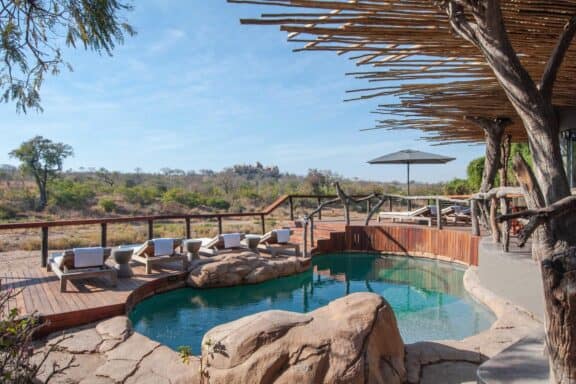
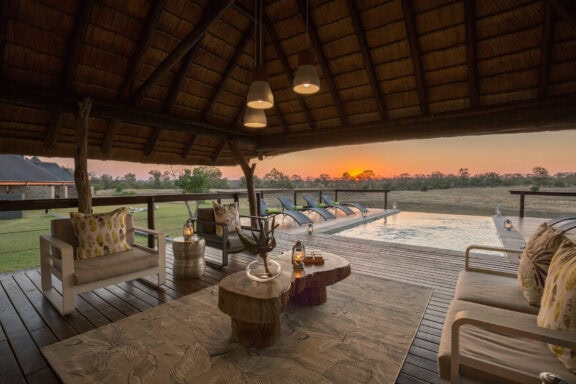
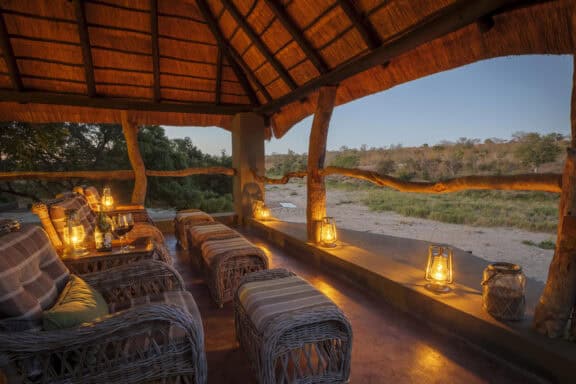
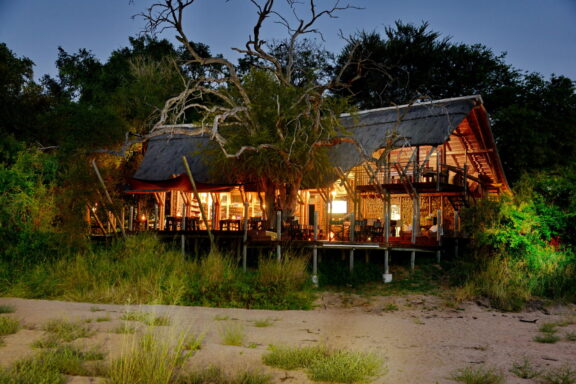
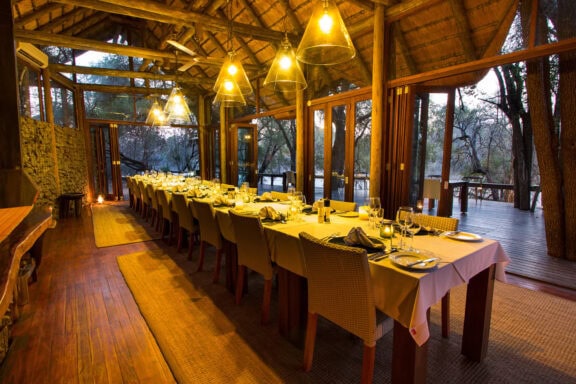
Desert lodges are designed to honour this stillness. Quiet, minimal, with spaces to rest and reflect.
Best Destinations for Desert Safaris in South Africa
Tswalu
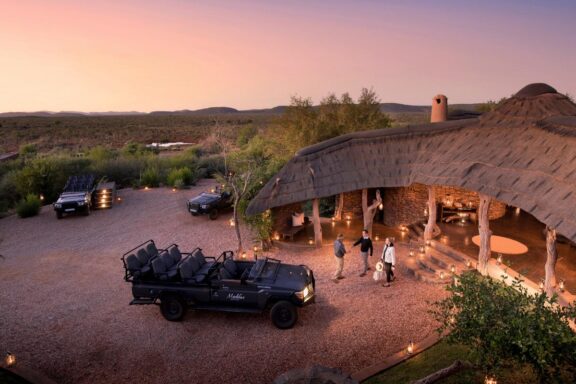
Tswalu, the largest private reserve in South Africa at 1,200 km2 (more than 460 square miles), has the lowest guest footprint in the country, with just three ultra-luxurious safari camps: Loapi, Motse, and Tarkuni.
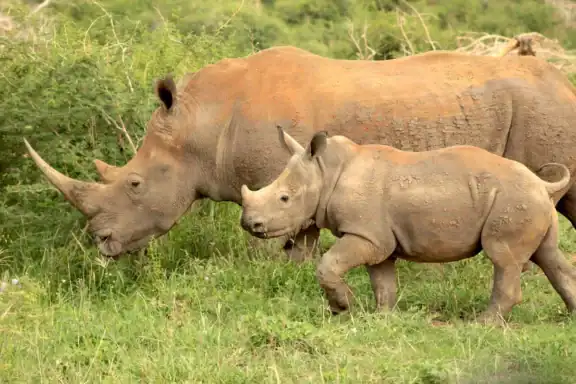
It’s vast, remote and breathtaking, home to black-maned lions and desert black rhinos, a sub-species of the critically endangered black rhino.
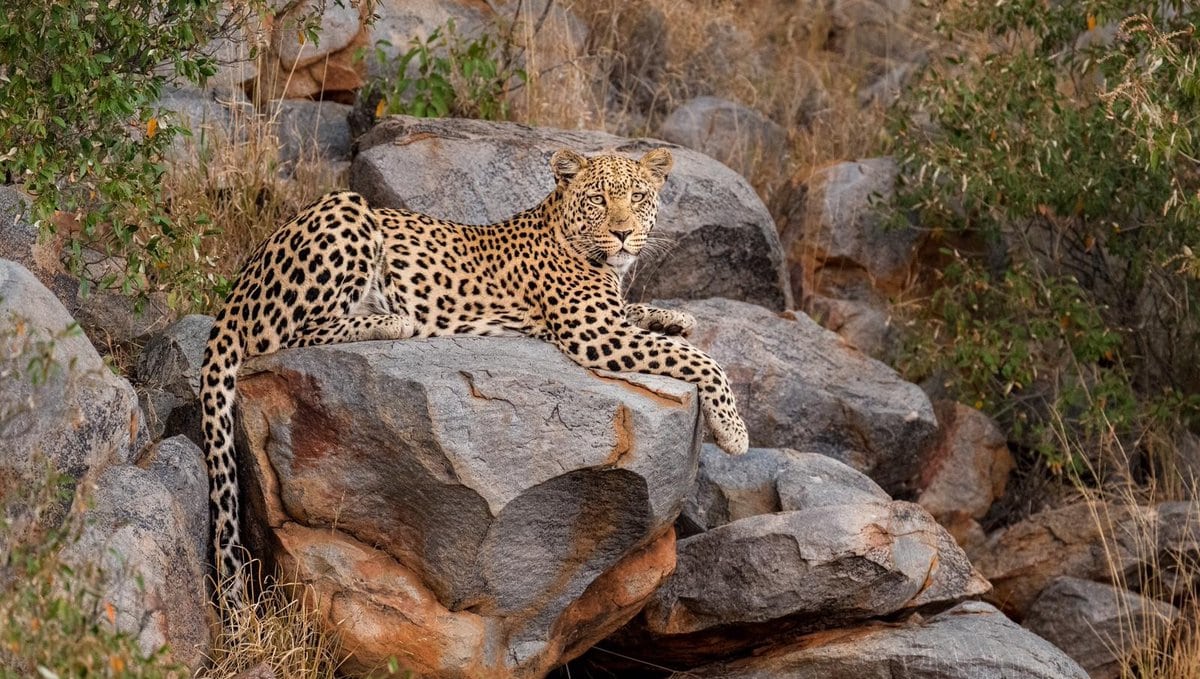
It’s found on the edge of the southern Kalahari and is known for close encounters with animals such as cheetahs, African wild dogs, and white rhinos. Eyes peeled for the Secret Seven: pangolin (one of the best places on Earth to see this incredible creatures), aardvark, serval, African wild cat, civet, genet, and porcupine.
Activities include tracking one of the elusive species, horse riding, encounters with habituated meerkats, rock art walks, dinner on the dunes under the stars, and a night under the stars at Malori.
Samara Karoo Reserve
The private Samara Karoo Reserve is in the heart of the Great Karoo, where it has pioneered rewilding the biodiverse semi-arid ecosystem since 1997. It has several topographies and habitats, including craggy peaks over the Camdeboo and rolling grasslands, supporting arid-adapted wildlife.
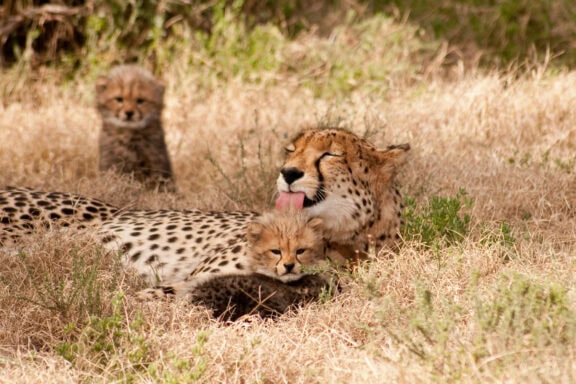
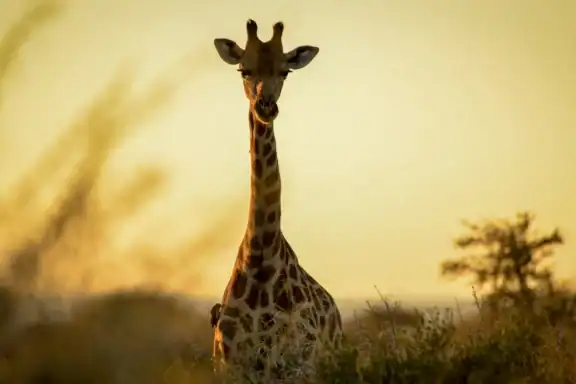
There are lions, elephants, giraffes, black and white rhinos, and a low guest-to-land ratio, which means you often have sightings to yourself. Samara is one of the top places to see wild cheetahs; tracking them on foot is a profound privilege.
But it’s not all about the wildlife. The Great Karoo has immense historical significance. Ancient Stone Age sites are found in the floodplains on the reserve, and you can hike to see San and Khoi rock art featuring felines, fingerprints, and animals such as eland and elephant.
Kgalagadi Transfrontier Park
It’s the red dunes that make this multinational park so mesmerising. It straddles the border between South Africa and Botswana and is made up of two adjoining national parks: Kalahari Gemsbok National Park in South Africa and Gemsbok National Park in Botswana.
It’s huge – about 38,000 km2 (about 15,000 square miles) – which means uncrowded bliss. Kgalagadi means “a waterless place”, and comes from the Tswana word kgala, which means “the great thirst”.
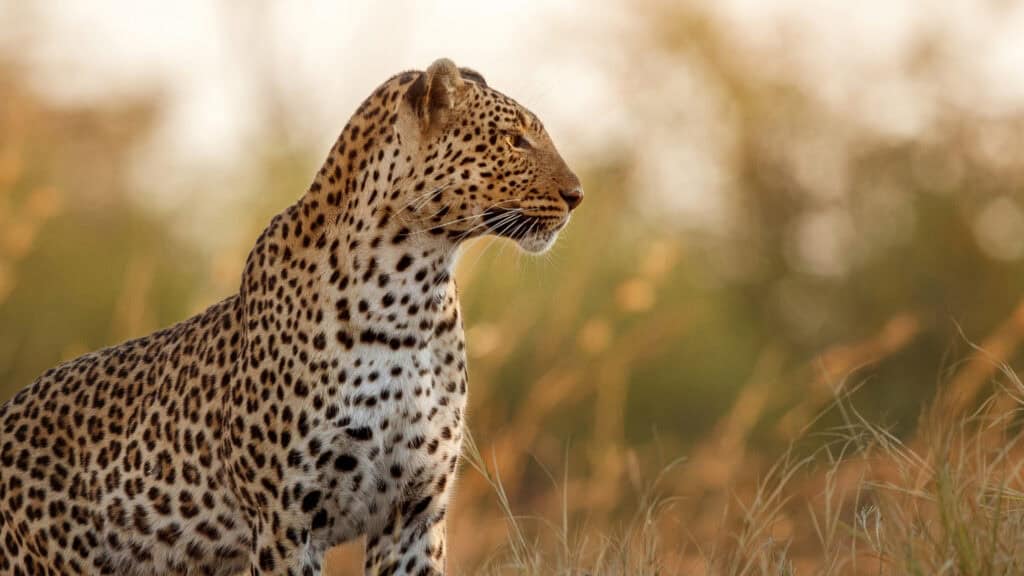
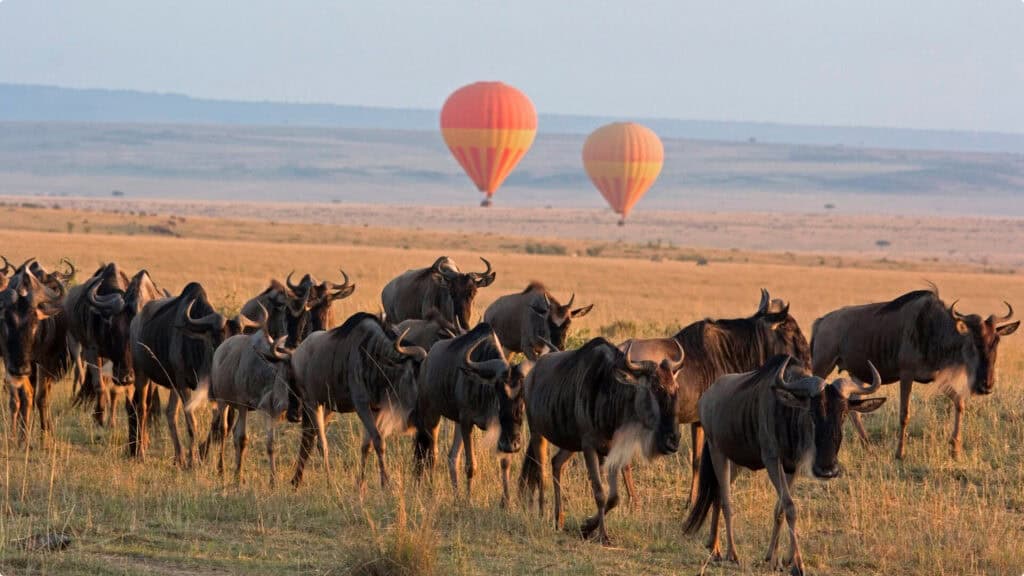
The Kgalagadi has herds of gemsbok, springbok, eland, and blue wildebeest; predators include black-maned lions and leopards.
Tankwa Karoo National Park
Tankwa, in the Succulent Karoo biome, is known for its striking landscapes and vast open skies. Tankwa’s clear skies and lack of light pollution make it one of the best places in South Africa for stargazing.
Famous for rare and endemic plant species, it’s one of the arid biodiversity hotspots in the world. Tankwa has three distinct ecosystems – pure desert in the west, open grasslands in the centre and the sheer cliffs of the Roggeveld Mountains in the east.
Endemic bird species like the Karoo korhaan and the tractrac chat make this semi-desert region a highlight on any birdwatching tour in South Africa.
Humans have lived here for at least 10,000 years – first the San hunter-gatherers and then the Khoe pastoralists.
|Ai-|Ais/Richtersveld Transfrontier Park
A remote park along the Orange River with rugged terrain and unique desert plants, the Richtersveld is home to jackals, zebras, and dramatic scenery.
Made of lava mountains and sandy plains, it’s a harsh land, with less than 50 mm/2 in of rain a year. But it supports 30% of South Africa’s succulent plant species, many found nowhere else on Earth. Life depends on morning fog – the ihuries or malmokkies – rolling in from the Atlantic.
Two trees are associated with the |Ai-|Ais/Richtersveld: the bastard quiver tree, which is critically endangered, and the half-mens (half-human), Pachypodium namaquanum. The latter is a succulent that can grow up to 4 m in height. Near the top, it has a tuft of branches that lean northwards at an angle of 20 to 30 degrees.
The Namas revere the human-like trees as the embodiment of their ancestors, half-human, half-plant, mourning their ancient Namibian home to the north.
Namaqualand
Extending over the west coast of South Africa, Namaqualand is famous for its seasonal wildflower blooms. At its heart is the Namaqua National Park. A visit to the region is all about its flora: there are more than 3,000 plant species, of which more than 1,000 are endemic.
The wildflower bloom is typically from August to September, and it’s a spectacular time to visit. The arid greys and browns of the desert bursting with carpets of purple, orange, yellow, and red flowers as far as the eye can see.
Mammals have adapted to the tough conditions; you can spot gemsbok, springbok, red hartebeest, klipspringer, aardvark, baboon, steenbok, duiker, porcupine, black-backed jackal, and leopard during game drives.
Augrabies Falls National Park
The juxtaposition of desert scenery with dramatic waterfalls is a sight to behold. Augrabies is home to the Augrabies Falls, which plunge 56 m/184 ft into the incredible gorge below. The Khoi people called it “Aukoerebis”, meaning “place of great noise”, and it has spectacular viewpoints for photography.
There’s plenty of action if adventure is on your to-do list: explore the mountain biking routes, go on hikes, watch wildlife during game drives, and tick off some lifers on birdwatching safaris. Keep an eye out for the Augrabies flat lizard – a colourful reptile endemic to the region.
End the day with something more tranquil: stroll along the boardwalks of Augrabies Falls or find a quiet rocky outcrop to watch the sunset over the gorge, which stretches for 18 km/11 mi along the Orange River.
Nightlife in Augrabies is busy: expect to see nocturnal hunters such as the African wild cat, bat-eared fox, free-tailed bat, aardwolf, and spotted genet. And because it’s cool at night, many antelope species, even giraffes, are active. You may even spot leopards.
Experiencing the Desert Your Way
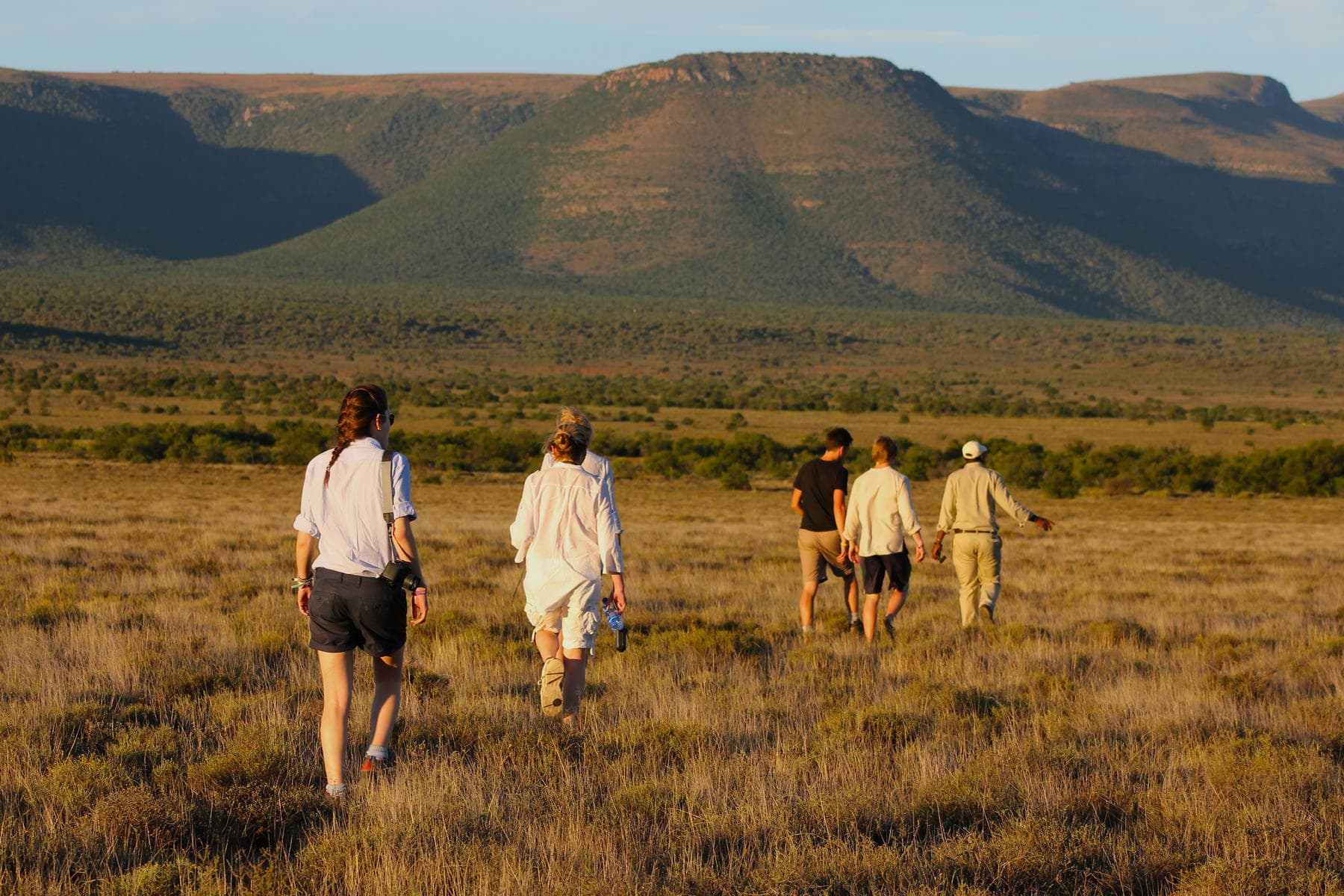
A desert safari isn’t about rushing. It’s about creating physical, mental, and emotional space. Gentle hikes at dawn, solitary journalling sessions, meditation or yoga under a vast sky, spa treatments that echo natural rhythms.
These are the experiences that nurture rather than exhaust. Even meals are relaxed, often taken outside, all the better to immerse yourself in the desert’s quiet beauty.
4 Tips for a Desert Safari in South Africa
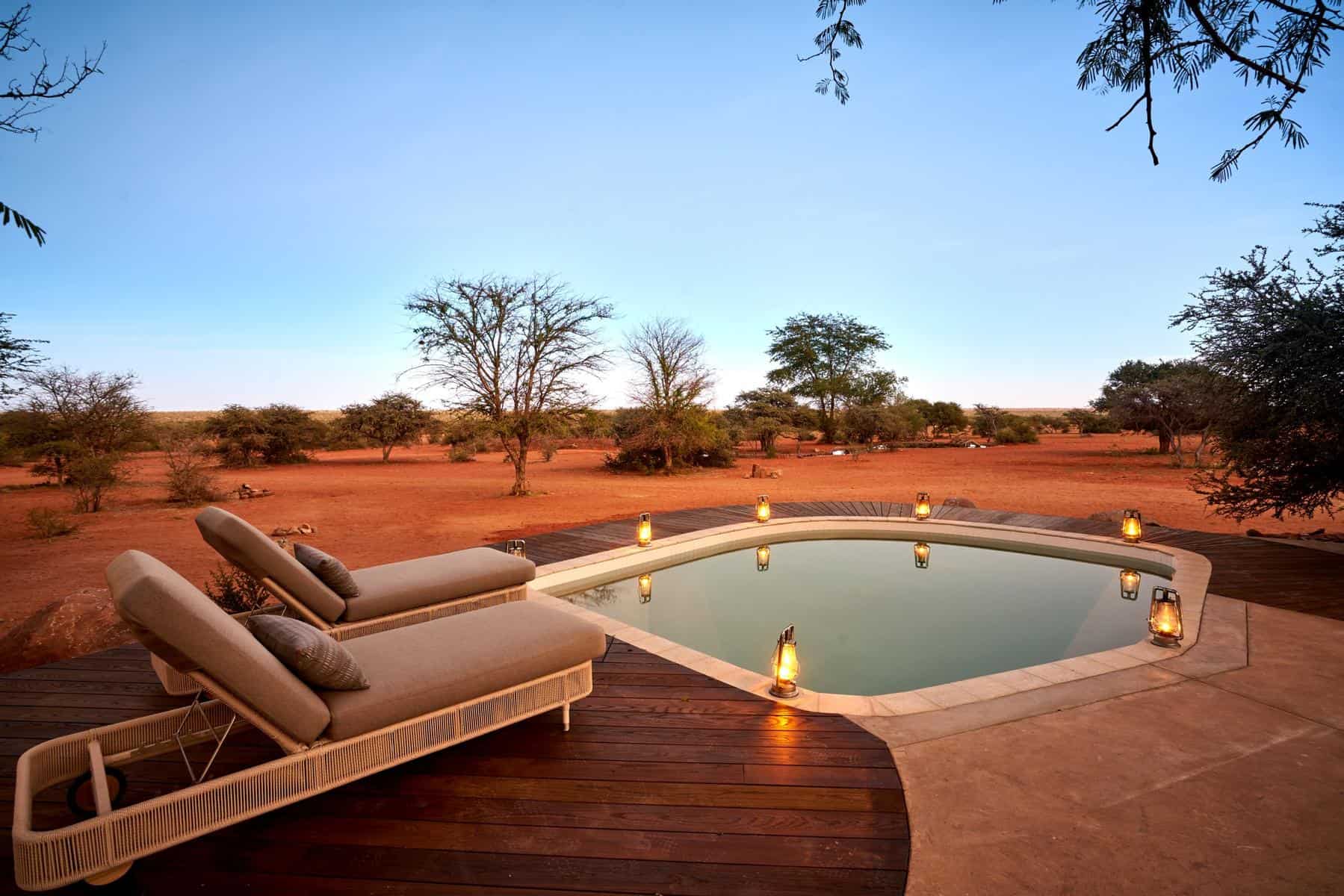
- Go in Autumn or Winter: Book your South African safari in the cooler months, from April to September. This time of the year offers travellers a more comfortable climate for exploration.
- Dress in Layers: Bring lightweight clothing in safari colours, as well as warm layers. Temperatures can fluctuate quickly in the desert. Winter nights can drop below 0°C.
- Keep a Water Bottle With You: Carry a water bottle with you to stay hydrated, as desert environments can be extremely dehydrating.
- Bring a Camera: The desert environments of South Africa provide amazing opportunities for a photographic safari. Capture the unique desert light and landscapes at sunrise or sunset. We recommend using a wide-angle lens to capture the expansive landscapes.
Which Desert Should You Visit in Southern Africa?
South Africa is home to different desert regions, namely:
- Kalahari Desert: Extending across South Africa, Namibia, and Botswana, this is the iconic red-dune landscape.
- Karoo: A semi-arid expanse known for its open plains, night skies, and seasonal blooms in central South Africa.
- Richtersveld: South Africa’s rugged, mountainous terrain runs along the Orange River and is rich in indigenous heritage.
Each offers distinct wildlife, landscapes, and a sense of profound stillness. Deserts in southern Africa promise a rare kind of journey, one that feels private, restorative, and utterly awe-inspiring.
Start Planning Your Desert Safari
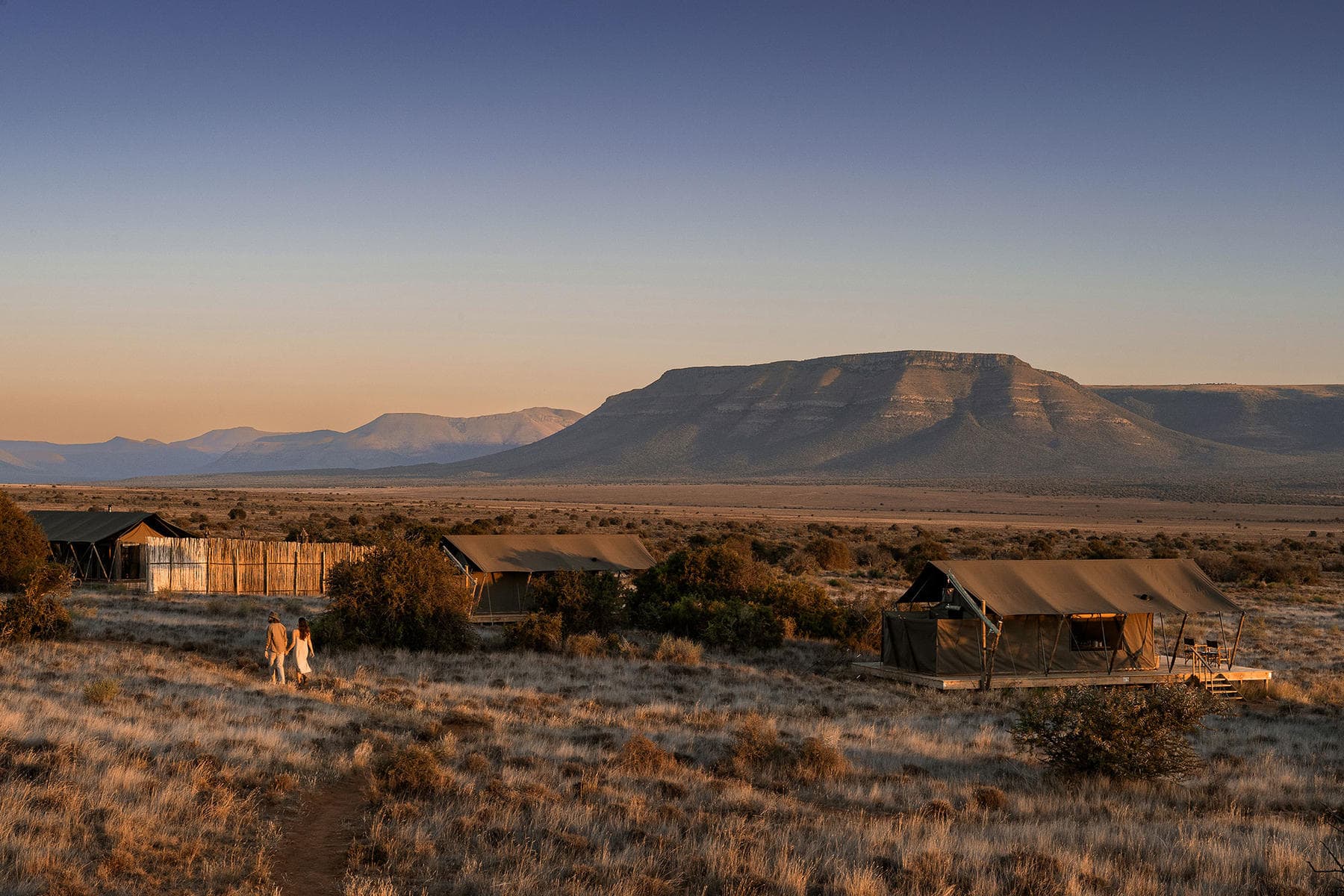
To embark on a South African desert safari is to uncover one of the world’s best-kept secrets. It’s a journey into vast landscapes where silence and wonder take centre stage. From lodges that harmonise with the Earth’s natural rhythms to the quiet drama of the stars, it’s an experience that leaves you profoundly moved and part of a story few truly know.
Our safari experts will guide you to the best desert safaris in South Africa, tailoring each journey to your pace, your needs, and your intention for this trip. Whether you’re seeking a wellness reset, a creative recharge, or simply a moment of clarity, we’ll create the conditions for you to reconnect with yourself and the world around you.
Ready to start your desert adventure? Let us help you plan a safari focused on wonder, reflection, and transformation.