

 Email us




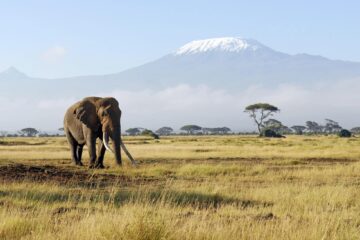
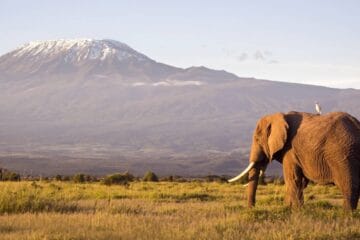
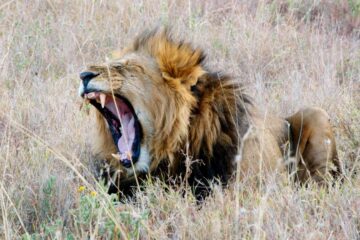
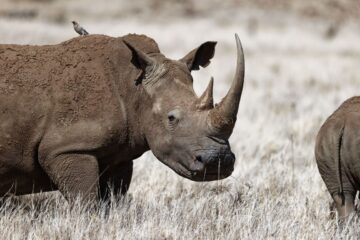
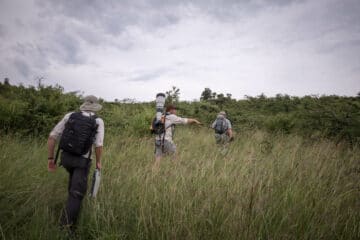
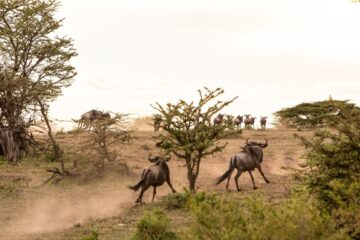

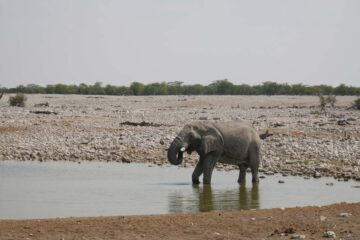
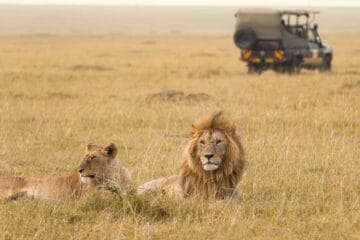
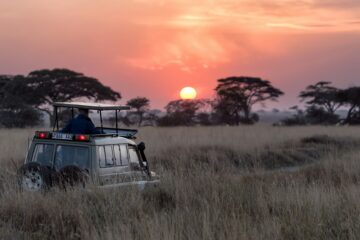
There are moments on a safari where everything compresses… When the world shrinks entirely into the size of a viewfinder. The heavy morning mist rises off the savannah, and the low rumble of a 4×4 engine cuts out. All that remains is the sound of your breath. Your finger tightens over the shutter before you click.
This isn’t about snapping casual holiday pictures to show your friends and family back home; it’s about the emotional thrill of anticipation and the unparalleled dopamine hit of capturing an unscripted, raw moment of nature in its purest form. And there is one destination in East Africa where you can have it all: Kenya.
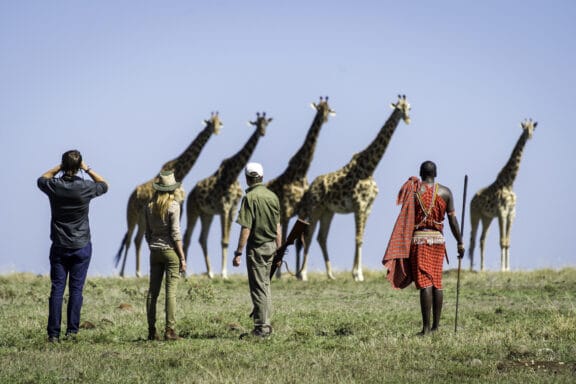
The essence of a Kenya photo safari can be found when wandering across the endless plains of the Maasai Mara as well as hunkering down in a hide watching wildlife at a watering hole. Whether you’re a collector of rare moments or simply hungry for an adventure, this is the place to be.
Maximising Kenya wildlife photography requires moving beyond the standard tourist tracks and exploring destinations that almost seem engineered specifically for the lens. And we’re going to show you exactly how to do that. Read on to discover all there is to know for a perfect East Africa photography expedition.
Why a Kenya Photo Safari?
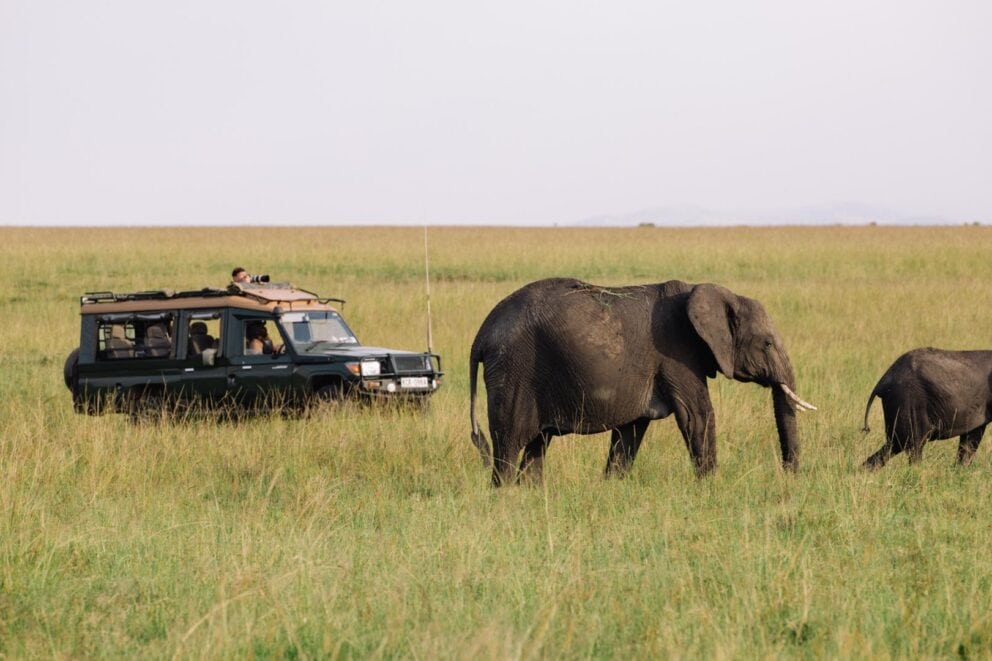
Kenya is not merely a stop on an African safari itinerary. It’s the definitive masterpiece of raw wildlife drama and varied ecosystems. For those who view photography as a high-stakes pursuit, this region is an outstanding canvas for creation. Kenya delivers a primal nature that’s captivating and unforgettable.
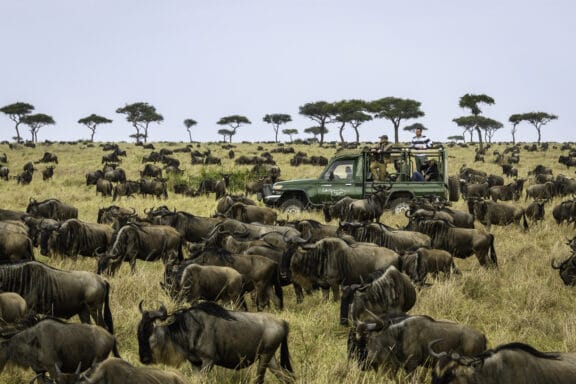
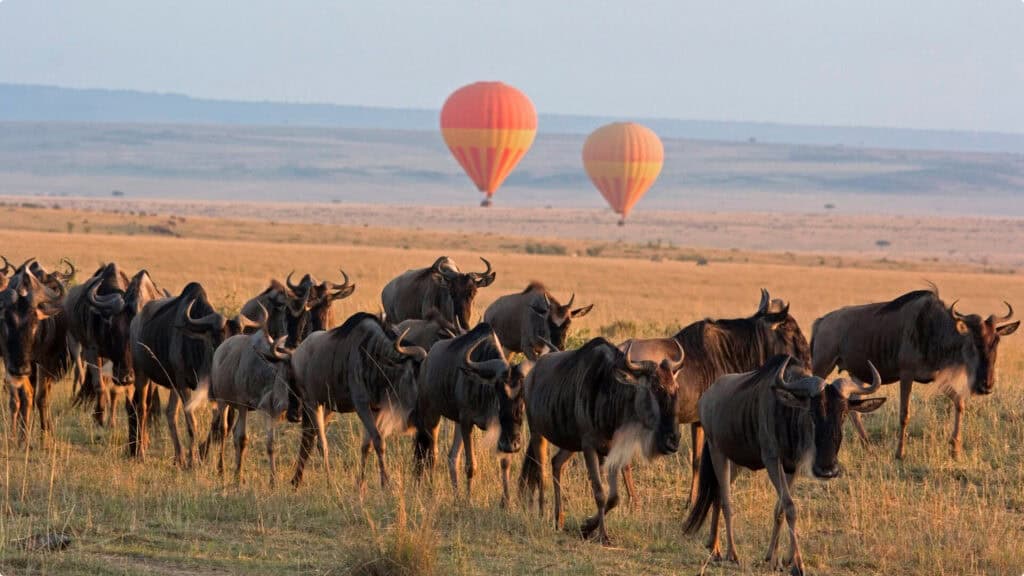
Its landscapes test your instincts against the uncontrollable movements of the wild. Imagine tracking apex predators across vast savannahs for the perfect sunset shot or the sheer thrill of a Great Migration river crossing and the rugged challenge of the northern frontier. It’s a destination that forces you to feel intensely alive.
On the logistical side, Kenya provides elite infrastructure needed to keep you away from the crowds, giving you the discretion and precision needed to capture those rare wildlife moments. Here, excellence is assumed, allowing you to focus on collective pristine visual assets that reflect true rarity.
The Evolution of the Photographic Hide
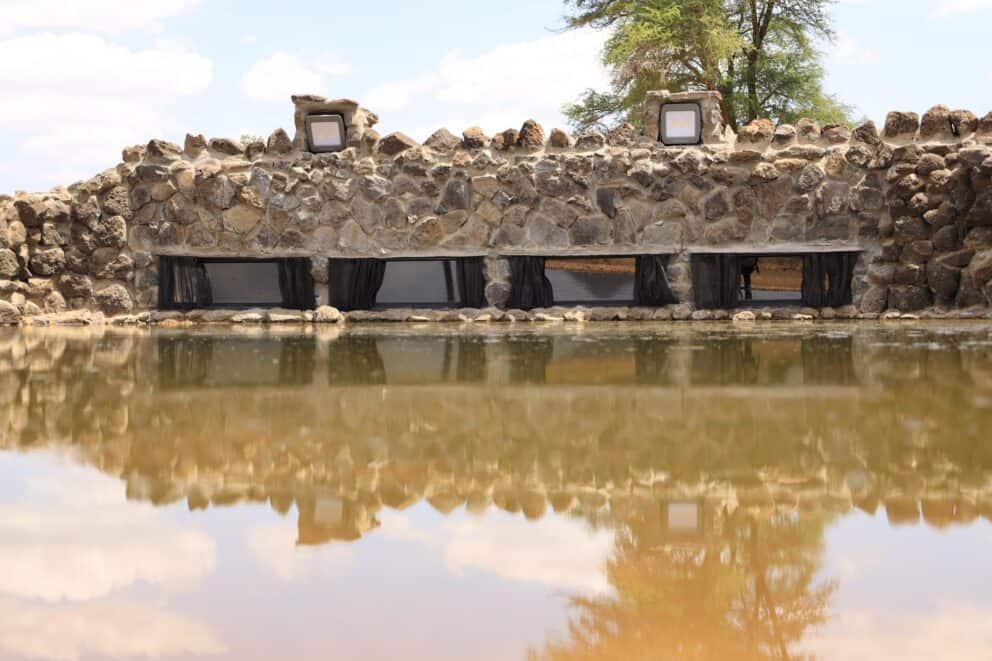
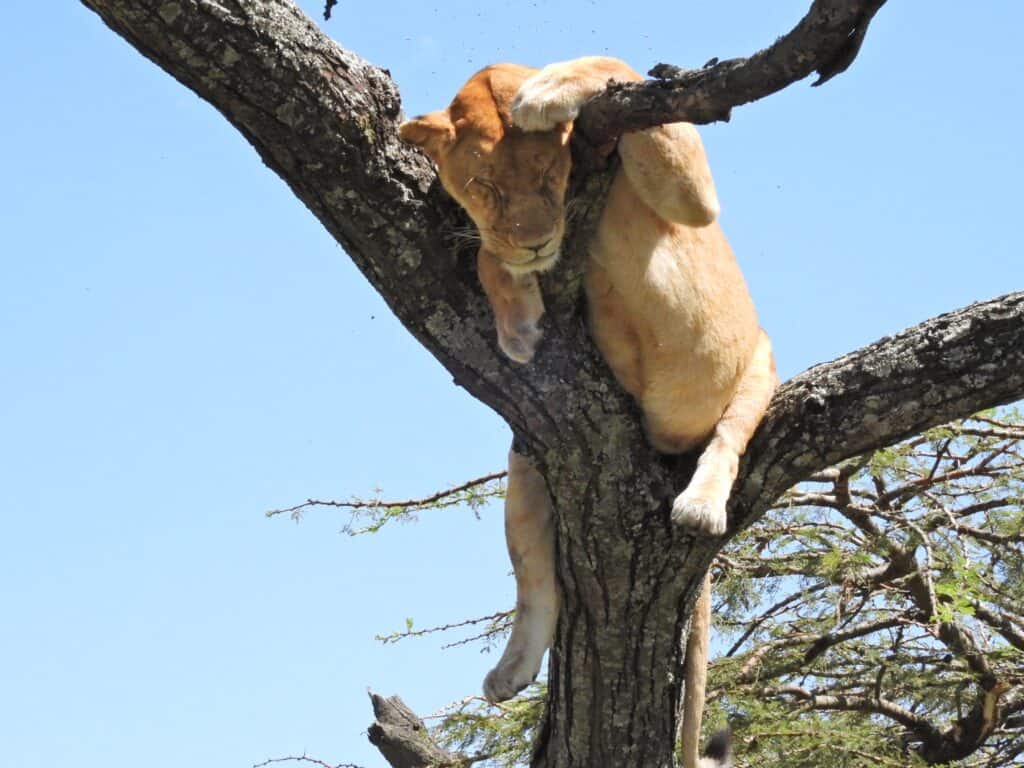
Great Kenya safari photos can be shot from anywhere – the safari vehicle, a riverbank, or a walk through the bush. But some of the best shots are the ones where you get as close as possible. The tusk of an elephant, the footprints of a lion lingering in the sand, or the soft feathers of an African fish eagle. To capture the true essence of Kenya, a photographer needs intimacy and an unobstructed view. This is where the photographic hide comes in.
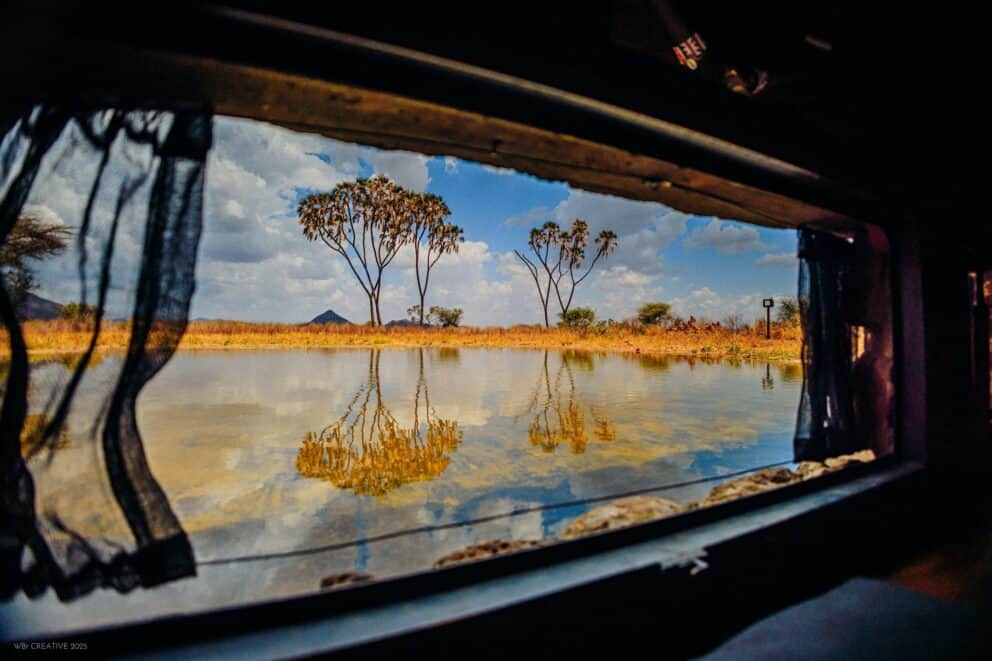
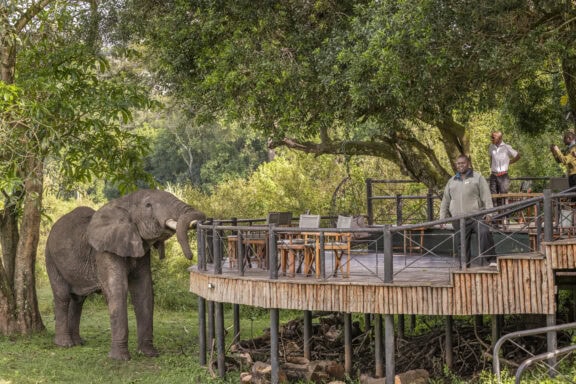
Unlike regular portable photography hides, safari hides are usually built with or below the earth at popular waterholes. They provide dramatic, eye-level, wide-angle shots of animals drinking, with some even utilising one-way glass. This way, you can observe and photograph to your heart’s content without being seen, smelt, or causing animals to flee.
And one of the best specialised photographic hides can be found at Soroi Larsen’s Camp in Samburu.
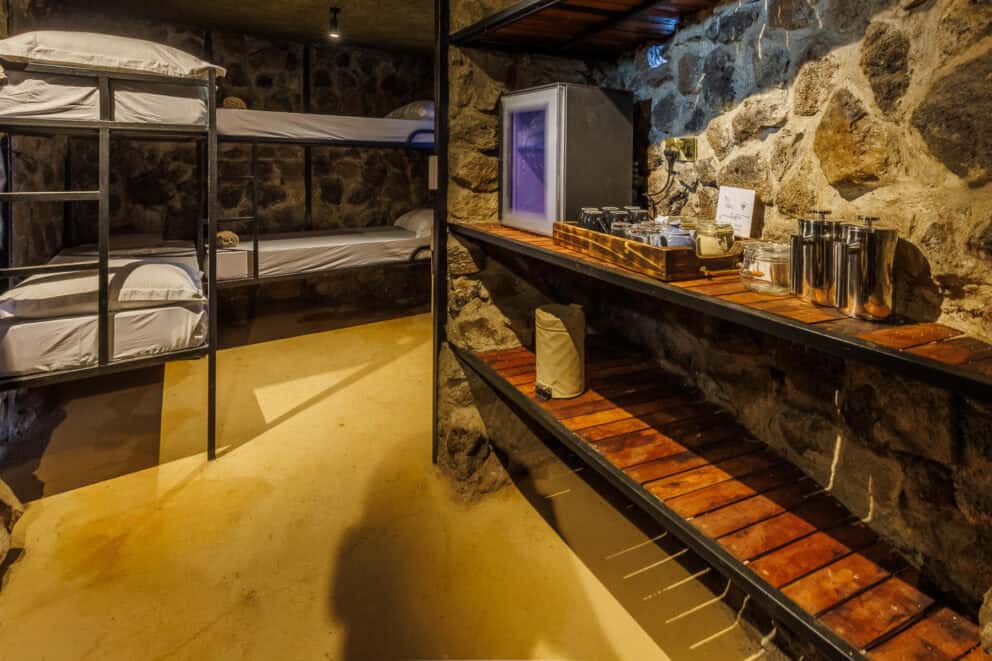
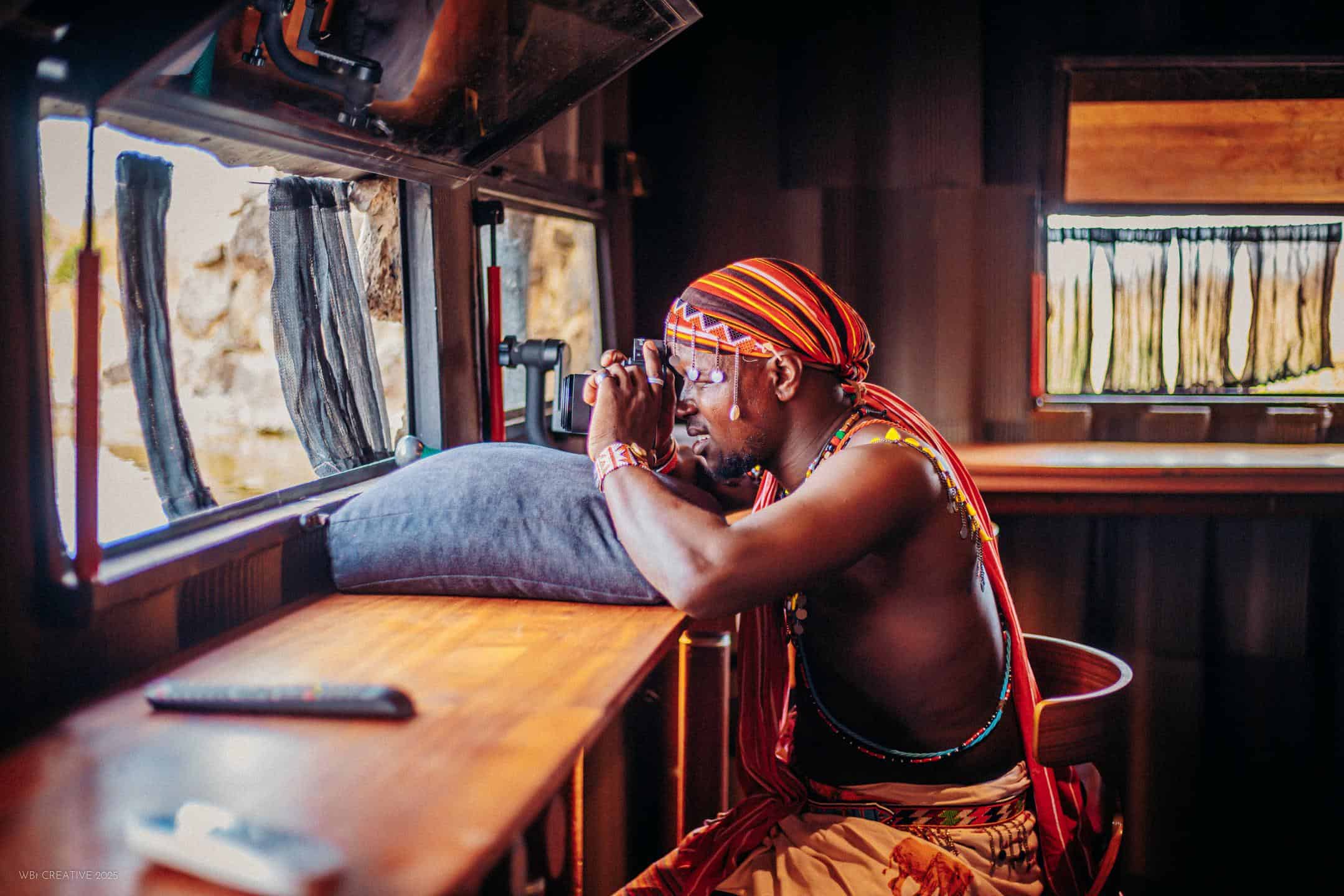
This state-of-the-art luxury photographic hide includes bunk beds, accommodating up to four guests, so you can spend the night there should you not want the photographic experience to end. Inside, an integrated camera system also includes a monitor, Wi-Fi, and air-conditioning, allowing you to capture and observe every moment, frame by frame, on your Kenya wildlife photo safari.
You sit comfortably inside a sunken, subterranean bunker, perfectly shielded from the elements. The air is cool, smelling of damp earth and dry savannah grass. Your camera lens is resting just inches above the water line. Suddenly, a breeding herd of elephants approaches.
From this ground-level perspective, you aren’t just an observer; you’re entirely immersed in their world. You can see the intricate textures of their grey, wrinkled skin, the amber depth of their eyes, and the splash of water droplets illuminated by the golden hour sun. This is the kind of access that elevates a standard image into a gallery-worthy masterpiece.
Travel Light, Shoot Heavy
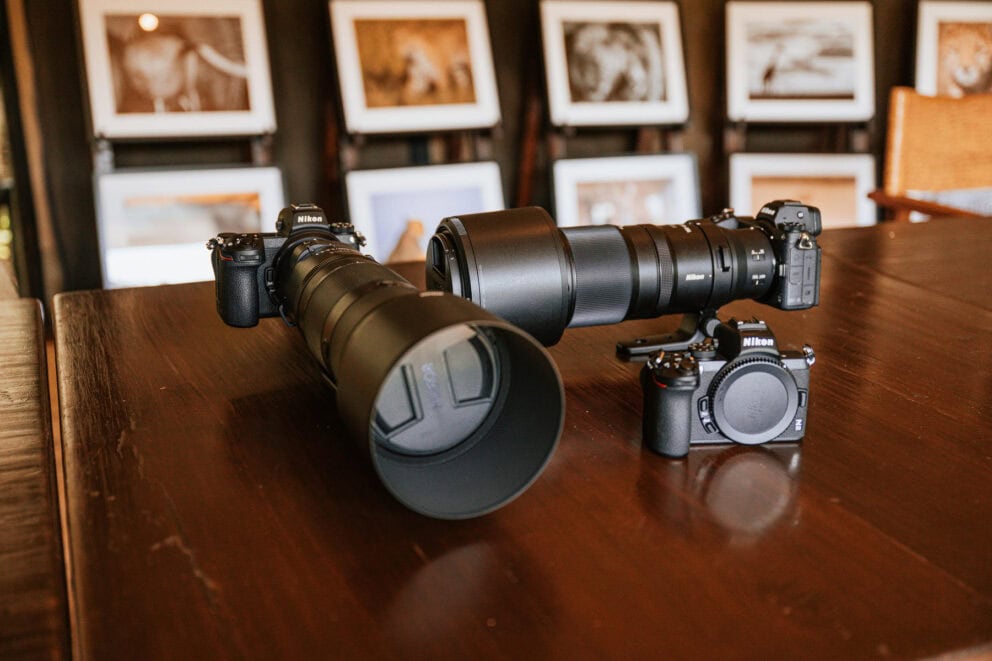
One of the biggest logistical hurdles of an East Africa photography expedition is the weight restrictions on local bush flights. Carrying two professional camera bodies, a 600mm prime lens, a heavy tripod, and multiple mid-range zooms can quickly become an expensive, stressful nightmare at the airport check-in desk.
True professional-grade travel means eliminating these friction points entirely. Travellers no longer need to fly across the world with fragile, backbreakingly heavy lenses. Through Soroi Studio (accessible from Soroi Luxury Migration Camp and Soroi Mara Bush Camp in the Maasai Mara), photographers can rent high-end Nikon gear directly in Kenya.
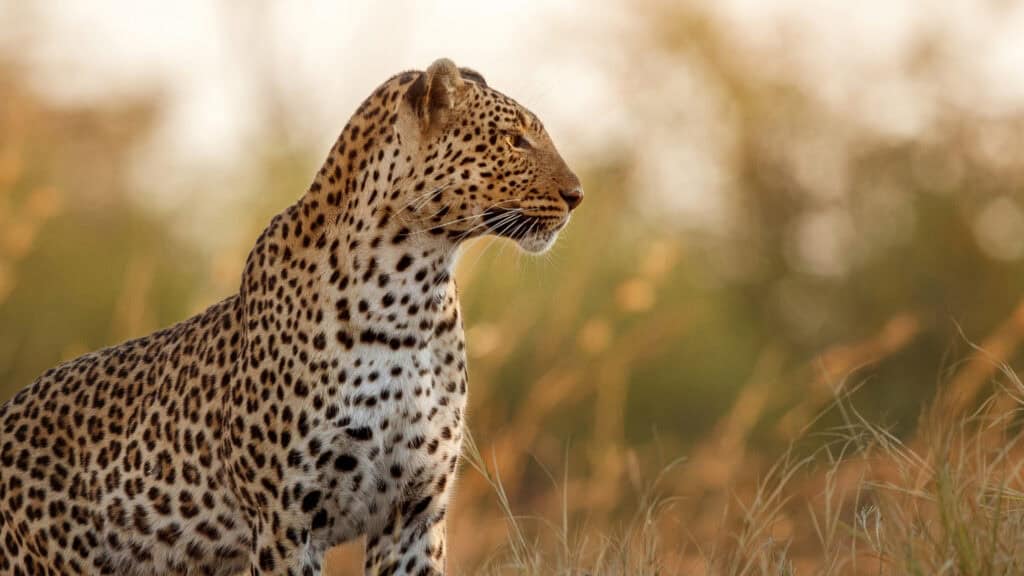
Whether you need a specialised telephoto lens to capture a distant leopard in a yellow fever tree or a high-speed body that tracks focus across a chaotic river crossing, you can arrange for your dream setup to be waiting for you at the camp. This seamless logistics network lets you focus purely on the creative process, knowing that your technical requirements are handled.
The Hunt Doesn’t End at Sunset
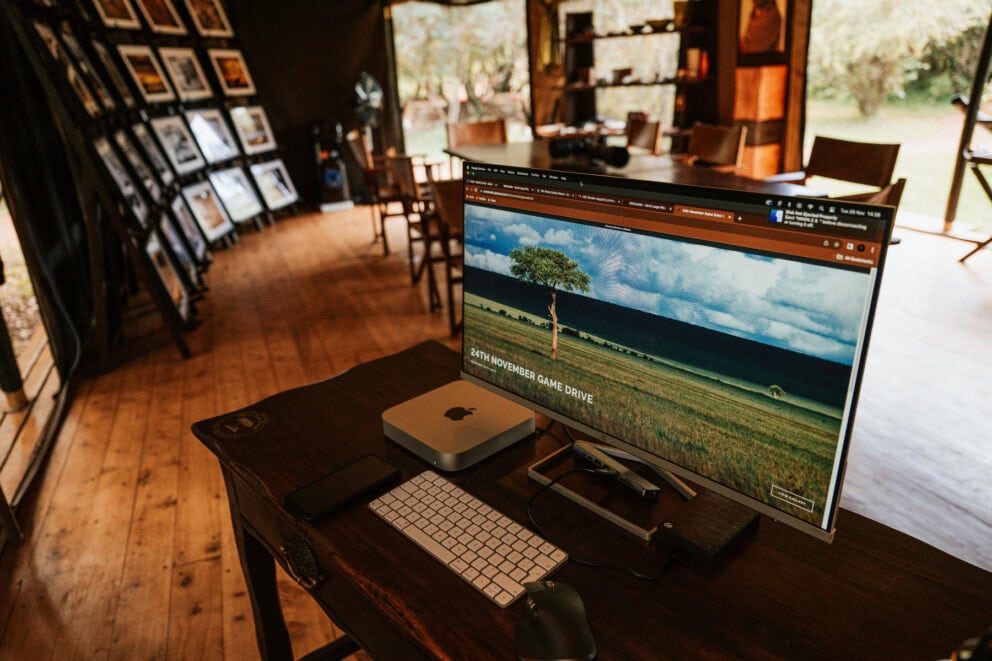
Any seasoned photographer knows that the photo safari doesn’t end when the sun sets. Half the magic happens at the editing desk. After an exhilarating day out in the bush, your memory card is packed with thousands of RAW images that need curation, backup, and post-processing.
To support this workflow, Soroi Luxury Migration Camp and Soroi Mara Bush Camp both have access to a dedicated, state-of-the-art photography lounge. This space acts as an elite digital darkroom in the middle of the bush.
- Dedicated Workspace: Ergonomic workspaces designed to let you plug in, back up your files, and review your day’s haul alongside fellow creators.
- Expert Guidance: The camp provides expert-guided photography and post-processing editing classes.
- Immediate Refinement: Instead of waiting until you return home weeks later to review your mistakes, you can refine your files immediately after a shoot. If you notice a minor error in your tracking settings or exposure style, you can consult with an expert and adjust your technical approach before the next morning’s first light.
Curating Your Kenya Photo Safari Destinations
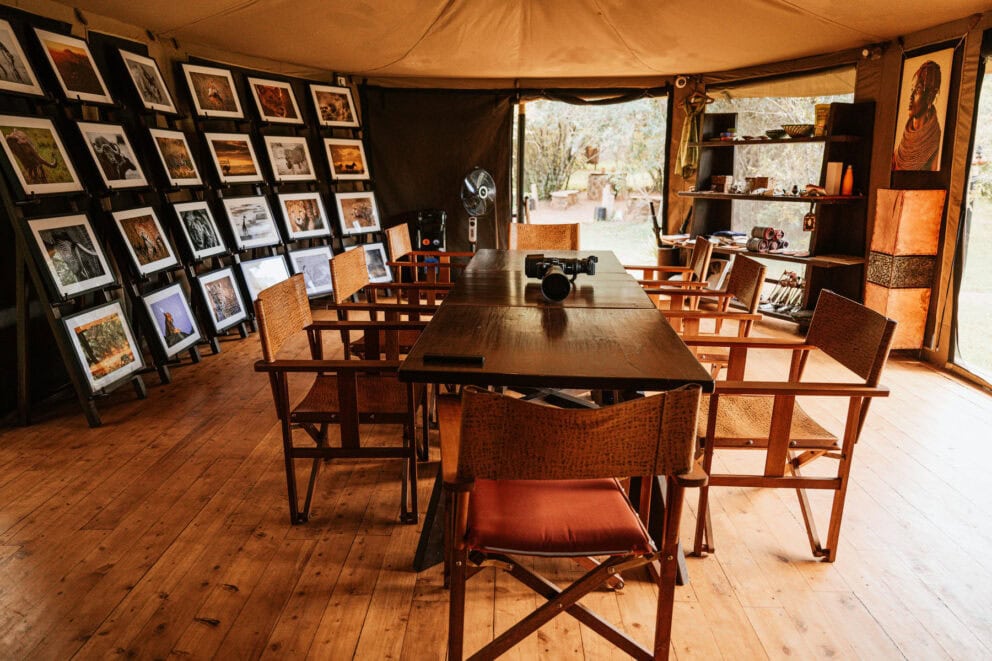
When mapping out your itinerary for your Kenya photo safari, targeting regions that offer distinct ecological backdrops will give your portfolio the depth it deserves. Here are a few Kenya photo safari destinations to consider when planning your trip.
The Samburu Ecosystem
The arid, rugged landscapes of Samburu offer a stark contrast to the open plains of the south. The dramatic background tones of red earth and doum palms make wildlife pop beautifully. This is the premier destination to photograph the Samburu Special Five – which includes the beisa oryx, the gerenuk, the Somali ostrich, the reticulated giraffe and the Grevy’s zebra.
The Maasai Mara
The epicentre of dramatic wildlife action. Whether you’re tracking iconic big cats or positioning your vehicle for the chaotic drama of the Great Migration, the Mara offers unmatched wildlife density. The addition of a dedicated photographers’ lounge ensures you can comfortably manage the massive influx of media files that a classic Mara trip generates.
Plan Your Unscripted Masterpiece
An exceptional photography expedition requires an intimate understanding of light, behaviour, and high-end field logistics. By pairing the rugged, raw tracking environments demanded with the hyper-exclusive, meticulously designed infrastructures, you guarantee an experience that yields both incredible memories and flawless images.
The wild isn’t waiting, and that perfect, fleeting frame is rare. Speak to one of our safari experts today to discover the endless creative possibilities of a tailored Kenya photo safari and secure your spot in Africa’s most exclusive photographic hides.

Written by Thaakiera Ackerdien
• Travel Writer
Discover the African Journey that’s Right for You
 Blog List


























Written by Thaakiera Ackerdien
• Travel Writer
Part of the Kenya Safari & African Photo Safaris Collections