

 Email us








The first thing that changes isn’t the view. It’s the sound along the Zambezi River before Victoria Falls comes into sight. The river upstream still looks calm, but something ahead begins to register differently. People often only realise they’re close to Victoria Falls when conversation starts to fade.
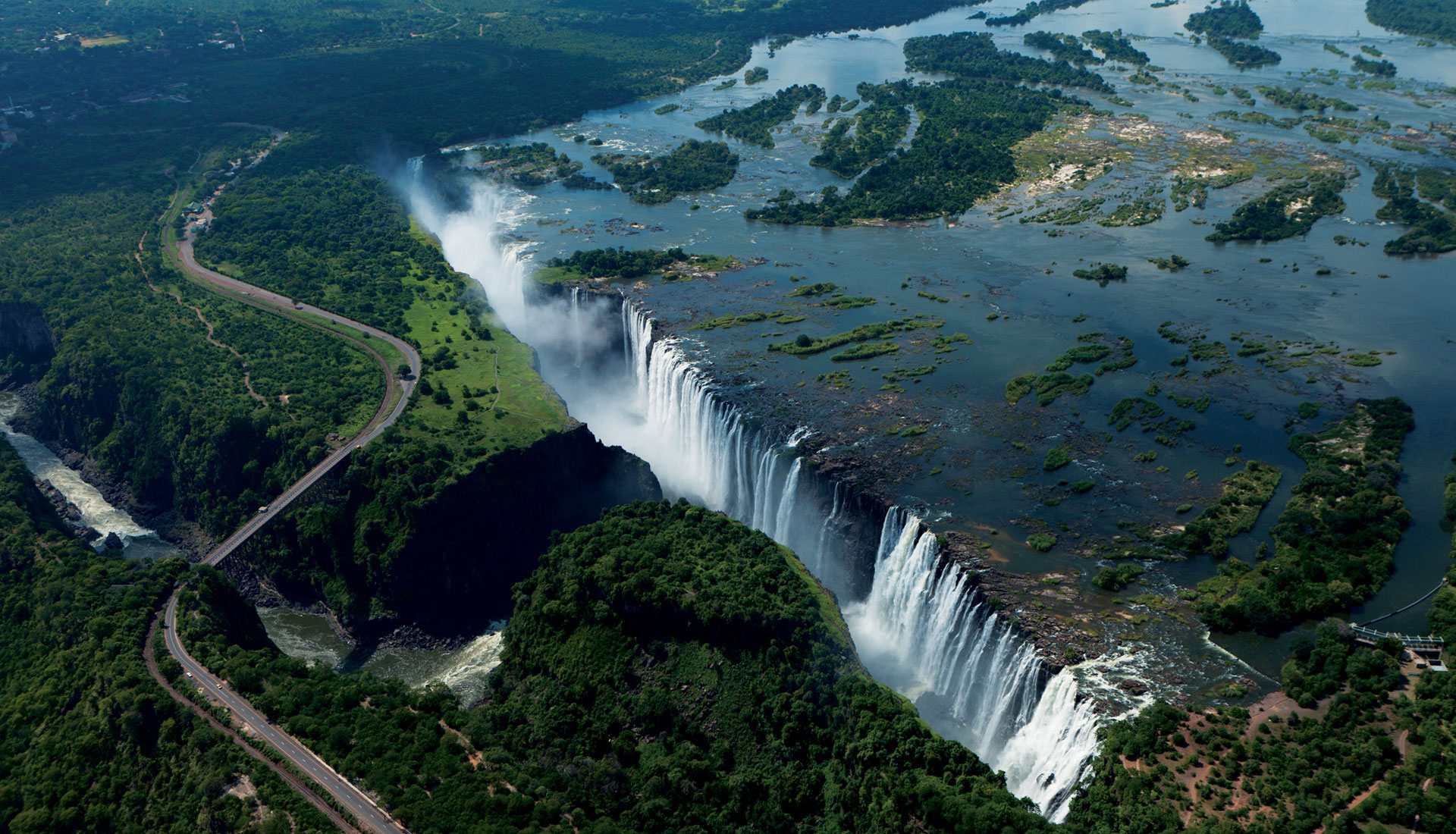
Sitting between Zimbabwe and Zambia on the Zambezi River, Victoria Falls is one of the most visited natural landmarks in southern Africa. The geography is simple. The conditions around it aren’t.
1. Victoria Falls and the Sound That Reaches Before the Edge
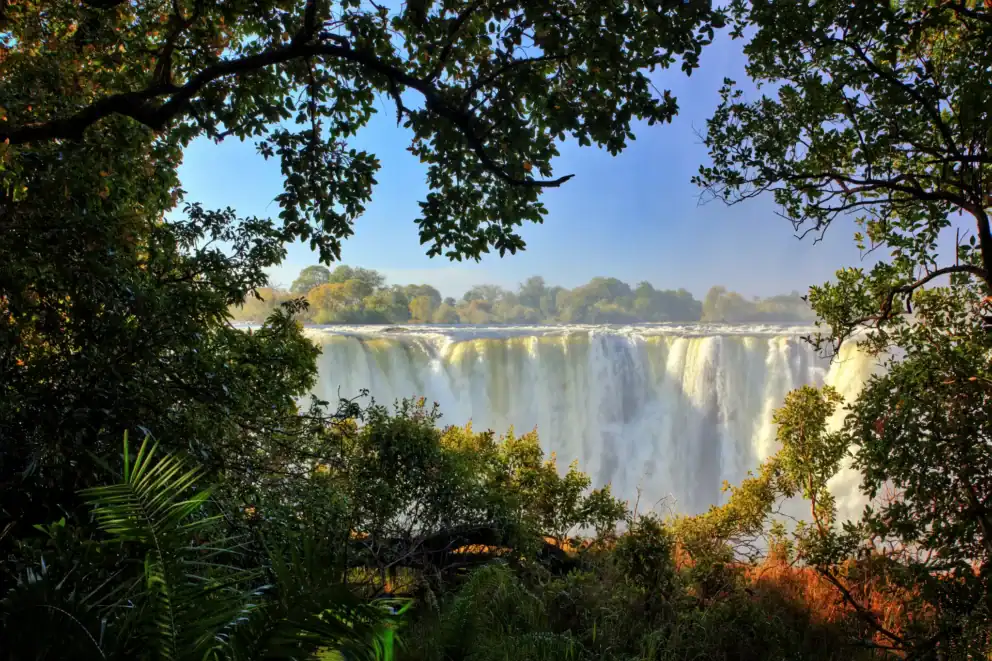
The approach to Victoria Falls doesn’t feel like a single arrival point. The sound travels further upstream than expected, and it becomes noticeable before the waterfall is visible. At first, it blends with the river, but then it stops behaving like river sound altogether.
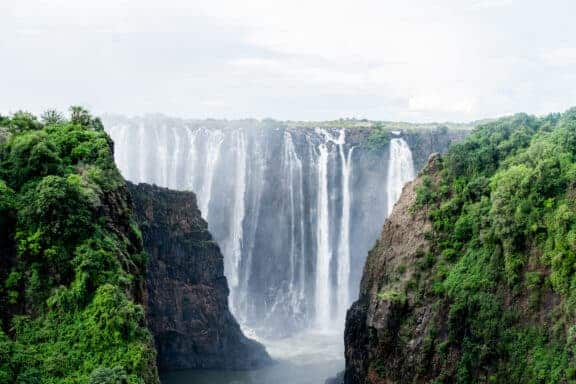
One of the facts about Victoria Falls that matters on site is its scale at peak flow. It forms one of the largest continuous curtains of falling water in the world. That isn’t something that reads the same in description as it does in proximity. The sound becomes directional only briefly, then fills the surrounding space in a way that removes distance as a reference point.
Victoria Falls is often described in terms of size, but what stands out is how quickly that size affects perceptions of space around it.
2. Where is Victoria Falls? And Why Both Sides Matter
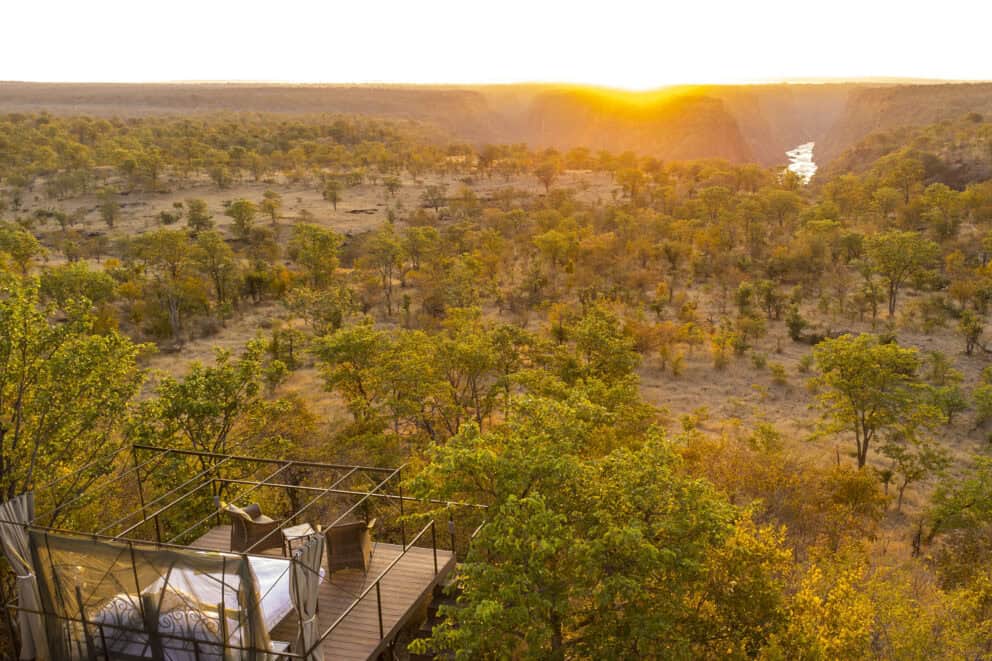
Victoria Falls lies between Zimbabwe and Zambia. In practice, both sides offer different access points to the same river system.
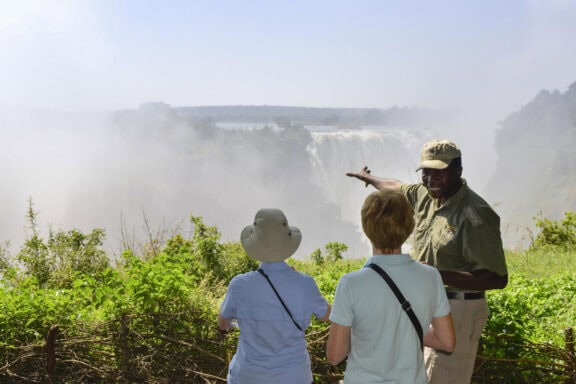
On the Zimbabwe side, walking paths run parallel to the gorge. This allows for longer, continuous views across sections of Victoria Falls. The layout makes it possible to see the full width in stages rather than all at once.
On the Zambian side, the approach is closer to the water level. Paths move through areas where spray reduces visibility at intervals, depending on wind direction and water volume. In some sections, the air carries enough moisture to change visibility within a short walk.
Both sides show Victoria Falls differently rather than offering duplicate views.
3. Devil’s Pool, Victoria Falls, and Access to the Edge
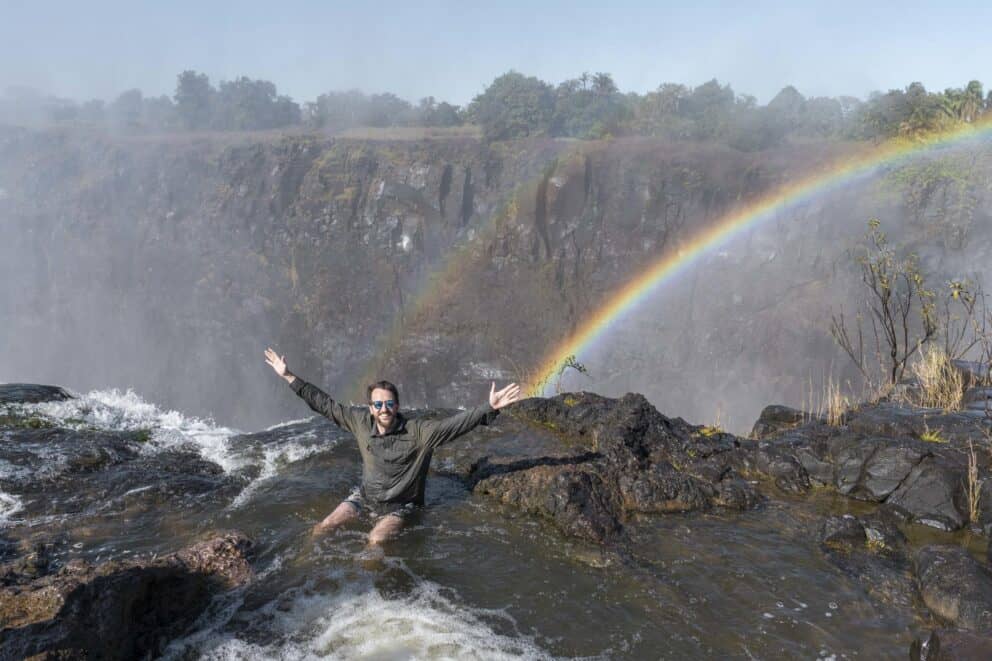
Devil’s Pool in Victoria Falls is located on the Zambian side and becomes accessible during lower water levels when a natural rock formation creates a sheltered pool at the edge of the Falls.
Entry depends entirely on river conditions and seasonal water levels, with safety controls in place at all times. Visits to Devil’s Pool can be seamlessly arranged through our partners, Wild Horizons, who also conduct helicopter flights – a spectacular way to see the Falls in all their glory.
The defining feature of Devil’s Pool is proximity. A natural rock barrier separates still water from the drop into the gorge. The position is fixed by geology rather than construction, which is what makes the experience distinct within Victoria Falls.
4. Victoria Falls in Africa and its Role in Regional Travel Routes
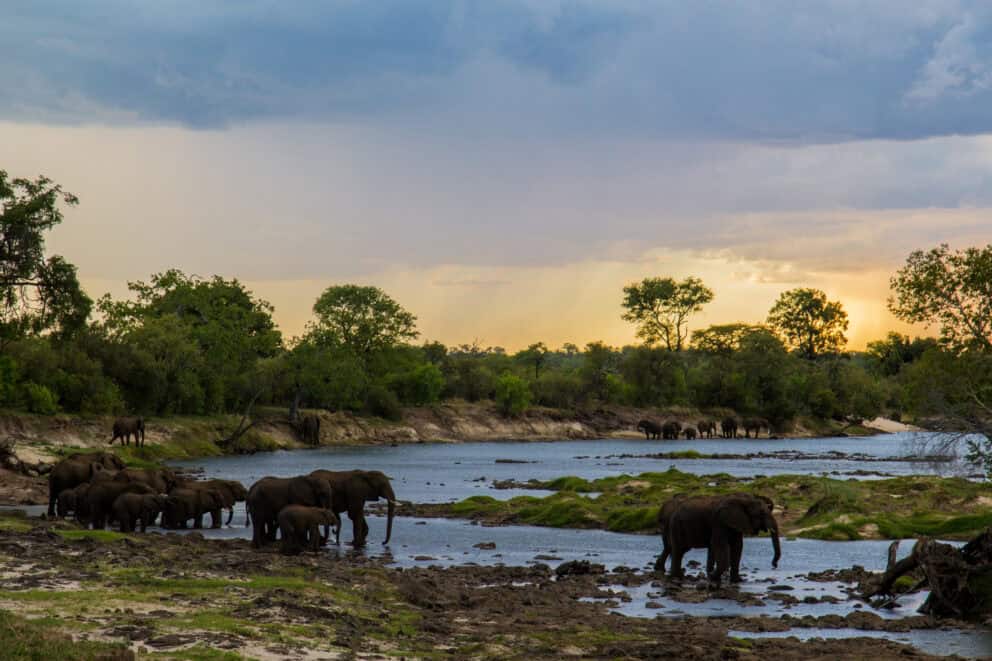
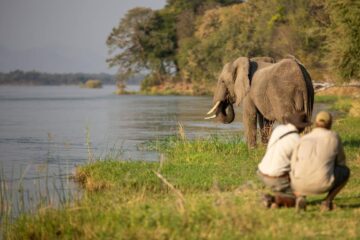
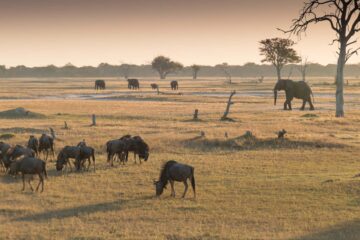
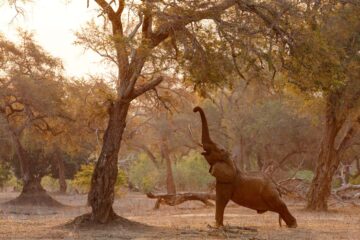
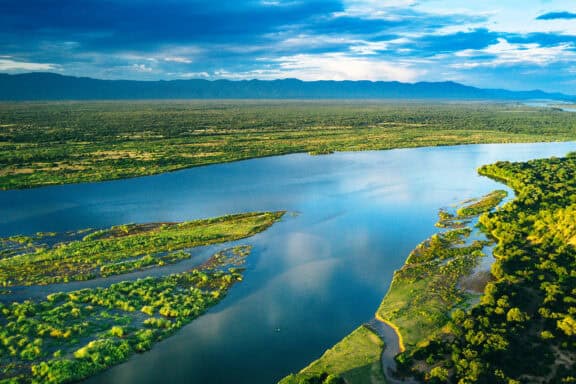
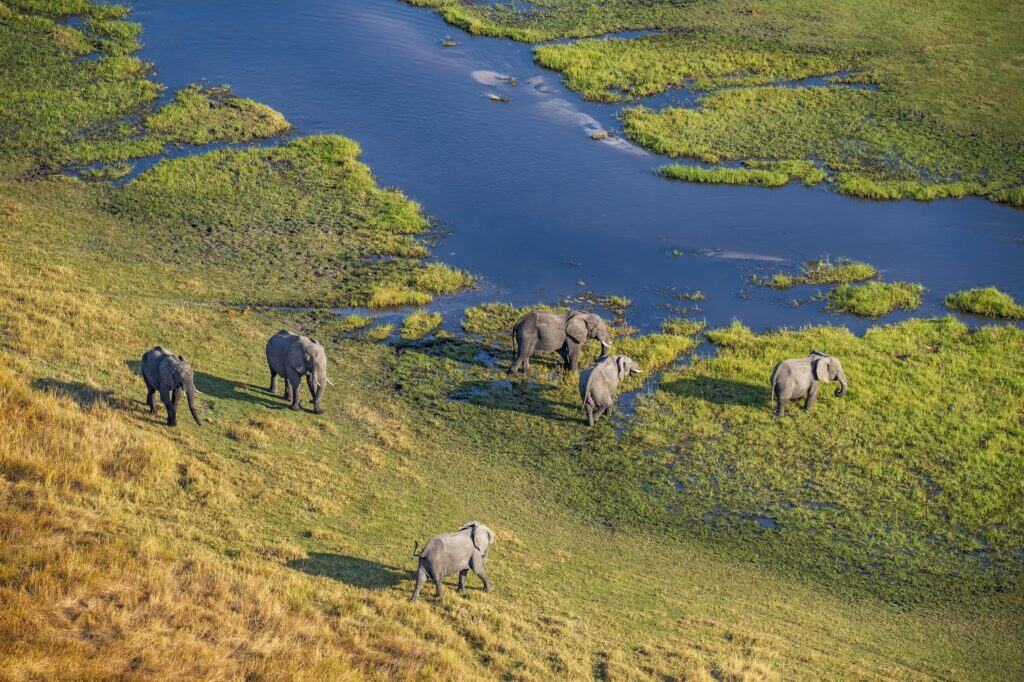
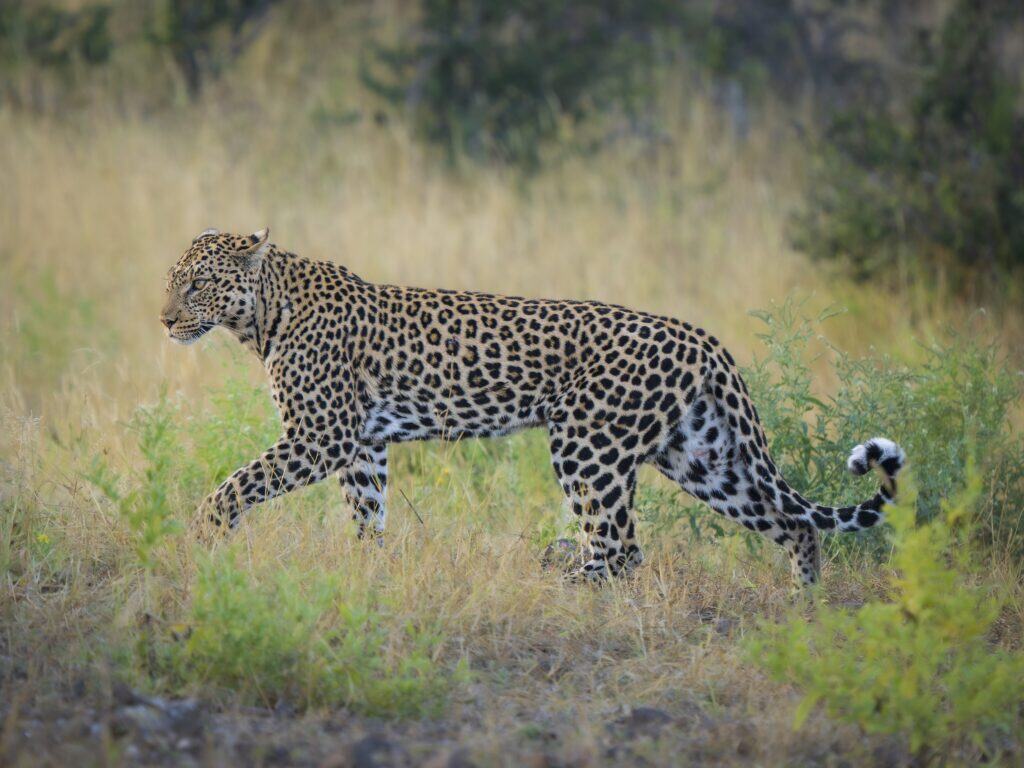
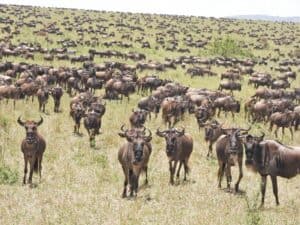
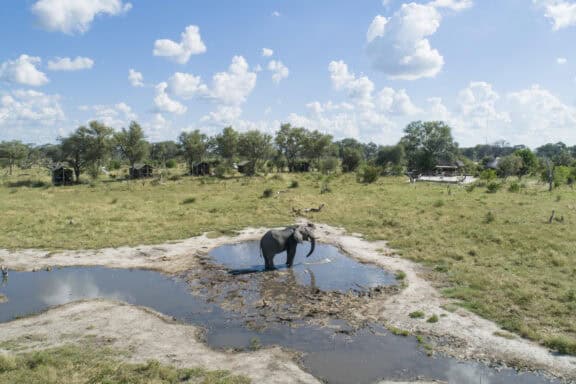
Victoria Falls often functions as a connecting point within wider southern African travel routes. It links easily to Botswana’s river systems, Zimbabwe’s wildlife areas, and Zambia’s national parks.
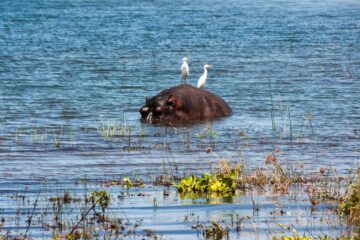
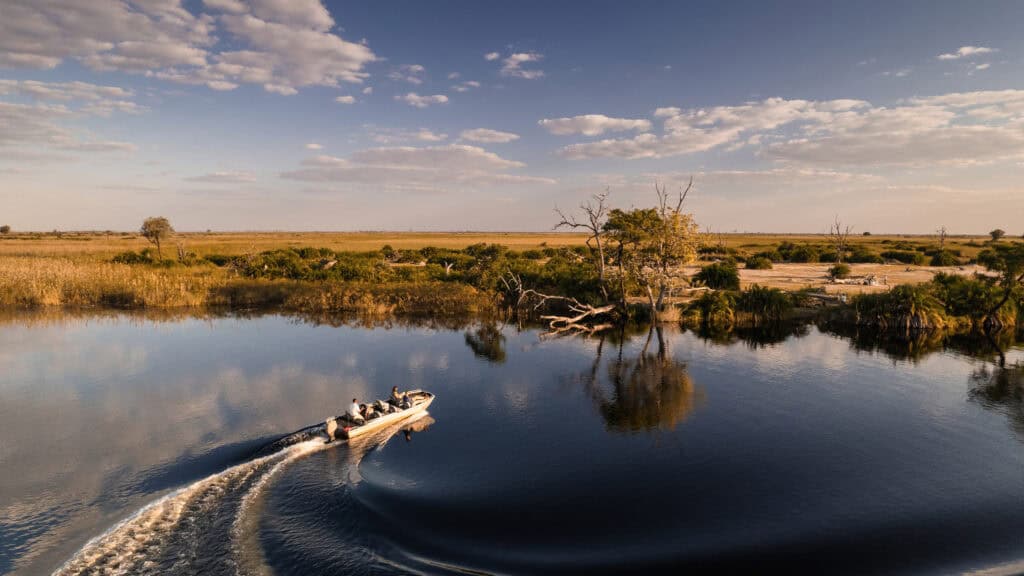
The surrounding regions operate on different environmental patterns compared to Victoria Falls itself. Upstream river areas remain calm, while downstream environments open into broader wildlife landscapes.
This positioning makes Victoria Falls a frequently visited point within safari routes rather than an isolated destination.
Jaclynn and Tedd from the United States visited Victoria Falls as part of an itinerary that included Botswana, Zimbabwe, and South Africa. “When it came time to actually see the Falls, for us the timing was perfect. There’s often a debate about when to visit; too much water and you’re pummelled with mist until you can’t see the very thing you came for.
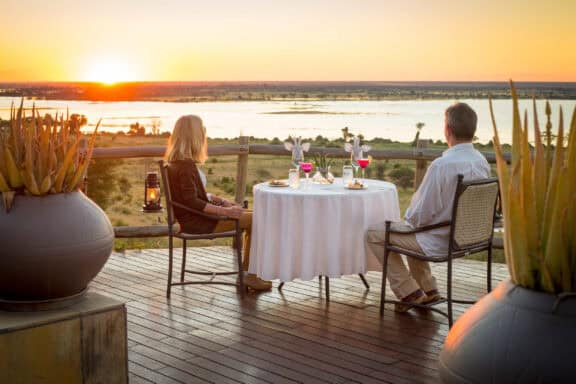
“For us, the flow was just right. We had a lovely lunch at the famous Lookout Café, sitting right up against the edge. Looking out over that massive gorge while we ate was one of those pinch-me moments. It was the perfect bridge between the wildness of Zimbabwe and the legendary sands of [the Greater Kruger]”.
5. Facts About Victoria Falls and What They Mean on the Ground
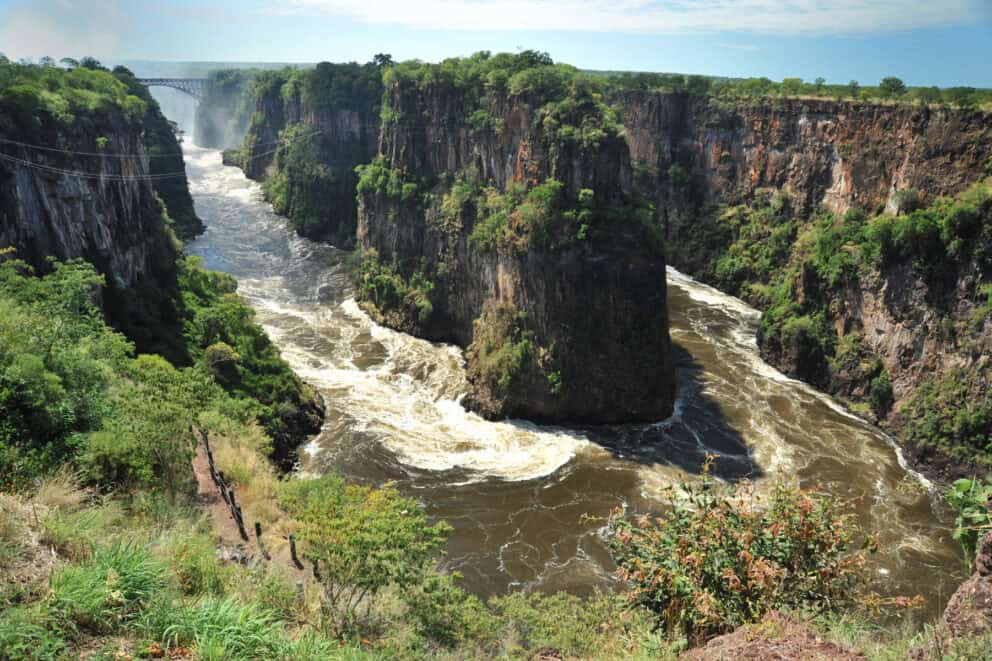
There are several established facts about Victoria Falls. It spans approximately 1.7 km/1.1 mi across the Zambezi River and drops around 108 m/354 ft at its deepest point. During peak water flow, spray rises high enough to affect visibility from surrounding viewpoints.
On site, these measurements translate into changing conditions rather than fixed reference points. Wind direction affects which sections are visible at any given time. Spray moves across walkways in waves. Sound behaves differently depending on position relative to the gorge.
Victoria Falls is experienced through variation rather than a single fixed view.
6. Posing Next to Victoria Falls and How Viewpoints Operate
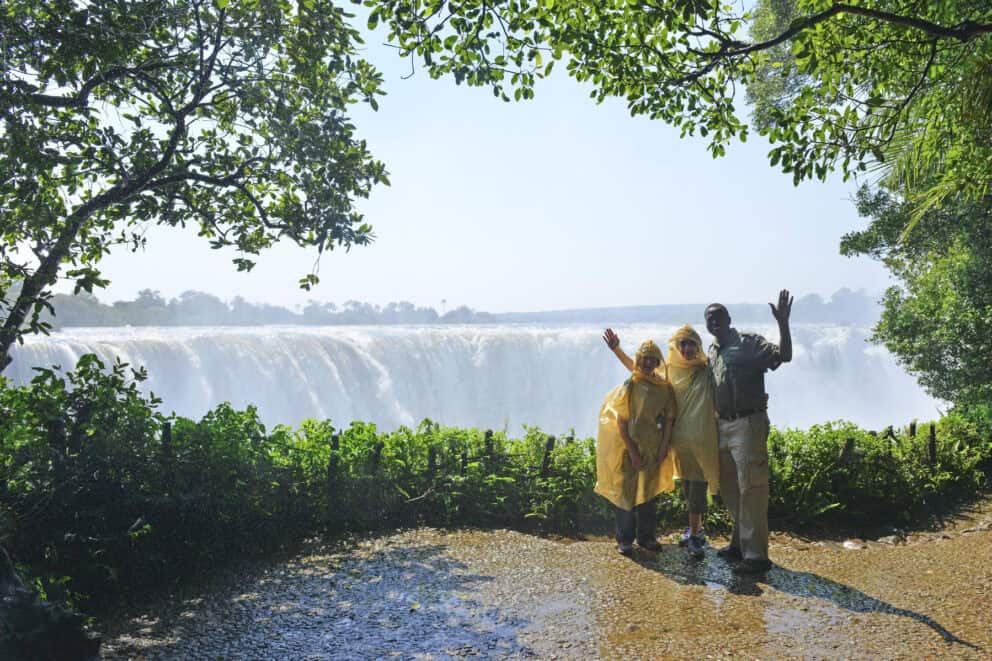
Posing next to Victoria Falls is possible at designated viewpoints, but conditions don’t remain stable for long periods. From our team’s hands-on experience in the park, we’ve found that spray moves across paths depending entirely on wind shifts, meaning clear visibility comes in short windows.
While many expect a simple photo opportunity, capturing the perfect shot on-site requires timing. On the famous Knife Edge Bridge on the Zambian side, the air can clear completely for thirty seconds, only to completely white out the next minute.
Expert Tip: We always tell our guests to pack a small microfibre cloth in a zip-lock bag; you will need to wipe your camera lens between every single shutter click.
7. Staying Near the River
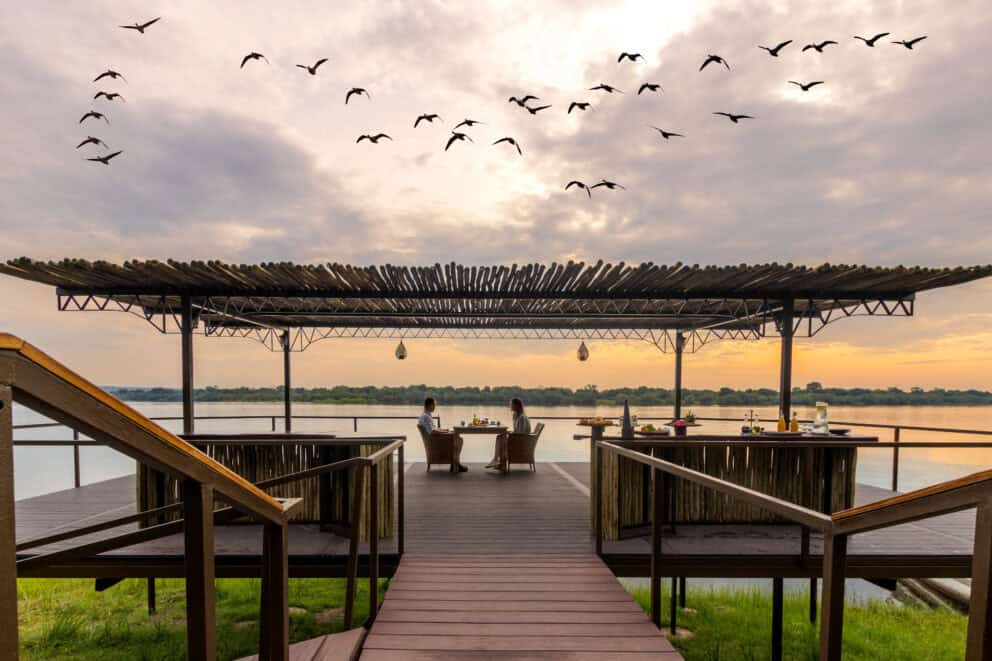
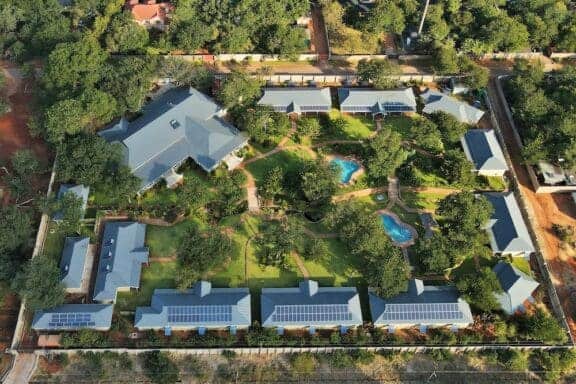
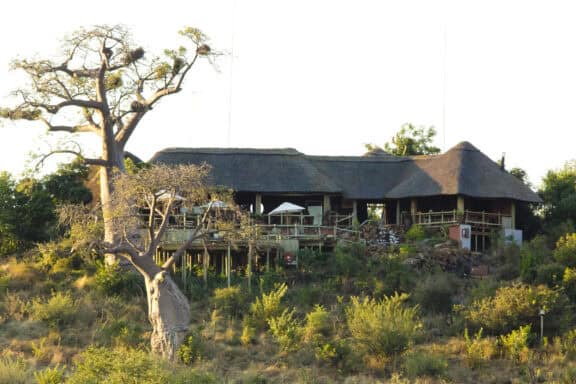
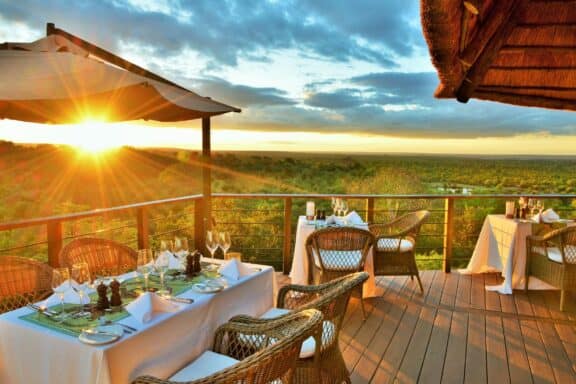
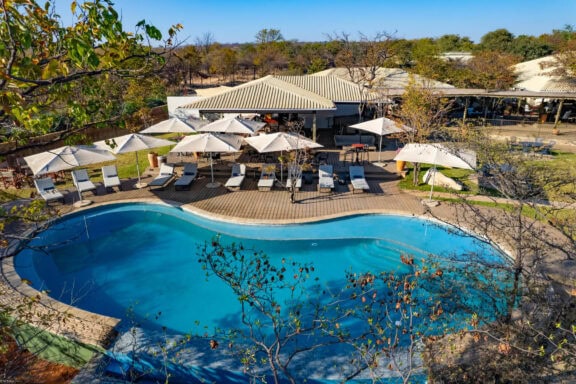
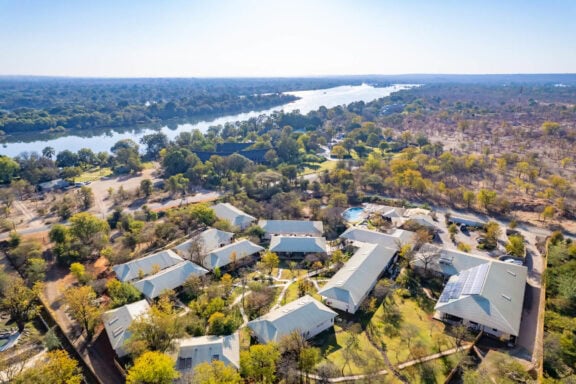
Accommodation in Vic Falls is positioned close to the Zambezi River, which keeps water present throughout the stay. In some locations, Victoria Falls can still be heard depending on wind direction and time of day.
Morning conditions often bring mist across the river surface. Later in the day, light changes quickly over the water, and movement on the river becomes more visible as activity slows.
Staying near Victoria Falls means the river remains part of the daily environment rather than a single visited location.
Victoria Falls Bucket List Perspective and What People Remember
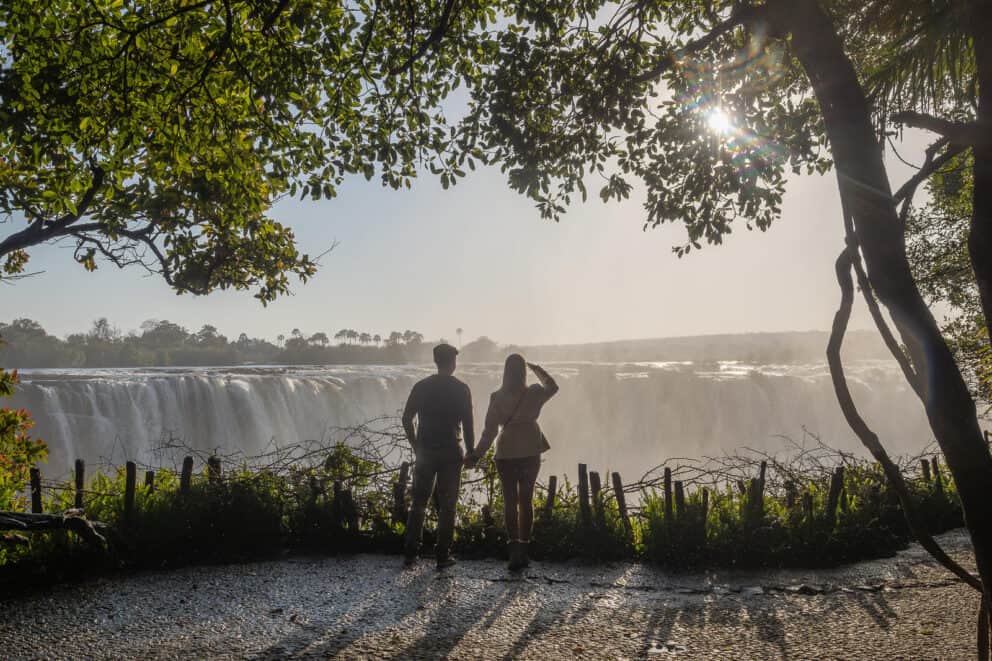
Victoria Falls appears on many southern Africa itineraries because of its scale, but what people tend to remember is the sequence of conditions rather than a single viewpoint. Sound arriving before visibility, changing conditions across walkways, and the way the river behaves differently depending on position.
Victoria Falls isn’t experienced as a static landmark. It’s experienced through changing conditions across a small geographic area where water, air, and rock interact continuously.
If Victoria Falls is part of your plans, allowing time for those variations is more effective than treating it as a quick stopover between destinations. At Discover Africa, our safari experts have stood in that very mist, felt the rumble of the Zambezi, and personally mapped out hundreds of custom Victoria Falls itineraries.
We know exactly how these conditions shift throughout the day – and throughout the seasons – helping you time your visit perfectly for the ultimate African experience.

Written by Yamkela Welaphi
• Travel Writer


Verified by Megan Warrington
• Africa Safari Expert
Discover the African Journey that’s Right for You
 Blog List
































Written by Yamkela Welaphi
• Travel Writer
Verified by Megan Warrington
• Africa Safari Expert
Part of the Zimbabwe Safari & Zambia Safari Collections