

 Email us




Kruger National Park, De Hoop Nature Reserve, iSimangaliso Wetland Park, and Kariega Game Reserve stand out as the best places for birdwatching in South Africa. Between them, they cover savannah, fynbos, subtropical wetlands, and valley bushveld. That range of habitats is exactly what makes South Africa one of the world’s most rewarding birding destinations.
While the country is celebrated for its dramatic landscapes and legendary wildlife, if you look closely into the canopy and across the wetlands, you’ll find over 880 recorded bird species, including endemics found nowhere else on Earth.
Beyond ticking species off a list, birdwatching lets you tune into the quieter rhythms of the wild: complex nesting behaviours, the dawn chorus, and the sheer scale of South Africa‘s conserved wilderness.
If you’ve never been birding here, knowing where to start can feel daunting. Below, we explore each destination in turn, with expert insights and birding tips.
1. Kruger National Park: A Raptor and Savannah Mecca

Starting off strong with one of Africa’s most iconic reserves, Kruger National Park is renowned for its frequent sightings of the Big Five, but it’s equally an undisputed birdwatching haven. Stretching across vast swathes of riverine forest, open acacia savannah, and mopane woodlands, Kruger hosts more than 500 recorded bird species, making this sprawling wilderness a birdwatchers’ dream.
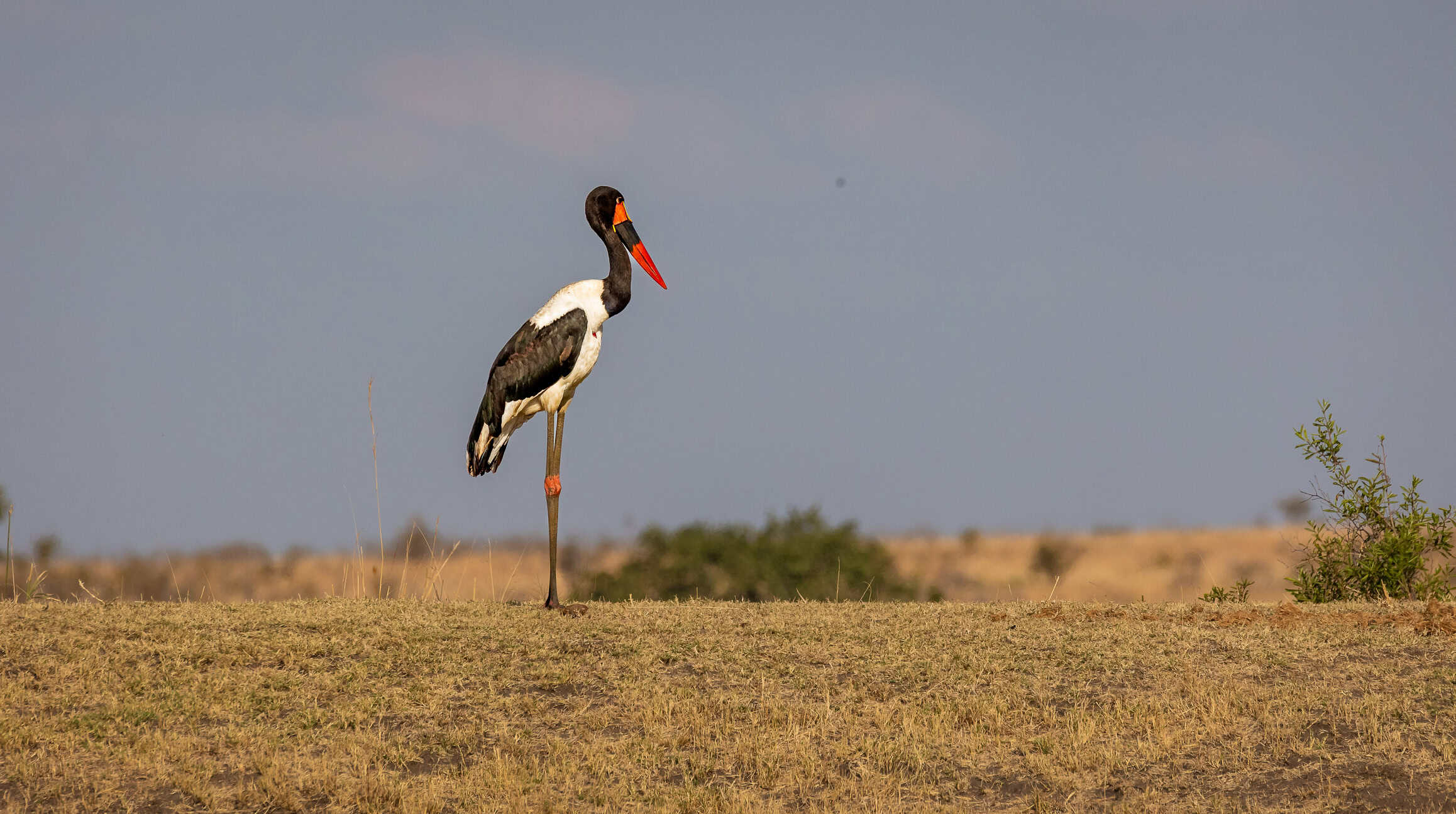
Kruger and its surrounding private reserves offer a treasure trove of birdwatching delight with iconic species, including the coveted Big Six Birds: Pel’s fishing owl, martial eagle, saddle-billed stork, lappet-faced vulture, southern ground hornbill, and the Kori bustard. These avian megaticks are highly sought-after lifers and, arguably, hold the same prestige as the Big Five.
Notable Birds to See
- Raptors: Bateleur eagle, white-headed vulture, brown snake eagle, tawny eagle, and African fish eagle.
- Vibrant Bushveld Residents: Lilac-breasted roller, southern yellow-billed hornbill, broad-billed roller, and multiple bee-eater species.
- Waterway Specialists: Giant kingfisher, pied kingfisher, crested barbet, and African finfoot.
Where to go: Birdwatching in South Africa’s far north of Kruger (Pafuri and Punda Maria regions) is often hailed as a spectacular experience because of the many regional rarities to be found here.
Traveller Tip: Exploring Kruger with a private, knowledgeable guide allows you to slow the tempo down. Stopping by quiet waterholes or riverbanks gives families and keen birdwatchers time to spot elusive species, listen to the call of the fish eagle, and absorb the nuanced details of the African bushveld.
Where to stay: Pafuri Tented Camp
2. De Hoop Nature Reserve: Fynbos and Vulture Sanctuary
Situated along the Overberg coastline in the Western Cape, De Hoop Nature Reserve is a treasured coastal sanctuary. Combining sweeping sand dunes, a tranquil wetland vlei, and protected fynbos, it offers exceptional birdwatching, with over 260 recorded species across lowland fynbos, mountain backdrops, and coast.
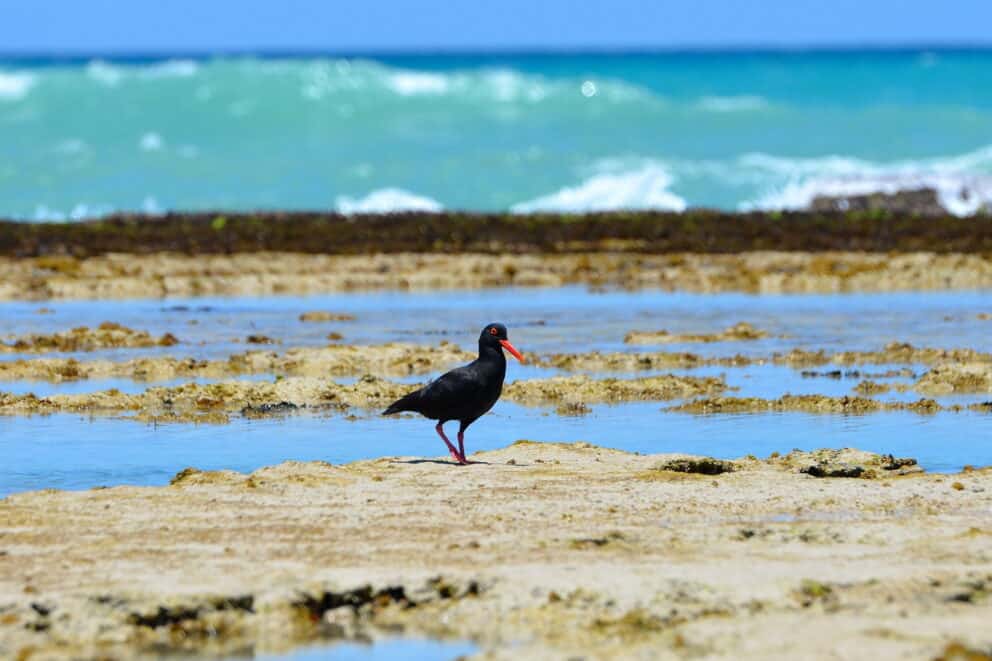
The cliffs on the southern side of the Potberg Mountain are famous for hosting the Western Cape’s last breeding colony of the endangered Cape vulture, while the surrounding coastal landscapes offer frequent sightings of desirable endemics like the southern tchagra and Knysna woodpecker. De Hoop is also one of the few places in the Western Cape where the Horus swift is regularly seen, and the reserve’s rocky coast is known to be frequented by a notable population of African black oystercatchers, Damara terns, Caspian terns, and chestnut-banded plovers.
De Hoop’s peaceful, car-free walking routes and coastal paths make it an ideal sanctuary for birders looking to connect deeply with nature, as well as families looking for safe outdoor exploration together.
Notable Birds to See
- Waterbirds on the Vlei: Great white pelicans, flamingos, black-winged stilts, blue cranes, secretary birds, and pied avocets.
- Raptors: Cape vultures, African fish eagles, jackal buzzards, African goshawk, and black harriers.
Where to go: The Potberg Vulture Deck, the best viewing spot for the cliff-nesting raptors. It sits perched above a dramatic mountain gorge on Potberg Mountain.
Traveller Tip: For the ultimate birding experience, consider a private birdwatching tour with a dedicated field guide who can help you decipher the complex behaviour of the reserve’s abundant birdlife.
Where to stay: Morukuru Ocean House, Morukuru Beach Lodge
3. iSimangaliso Wetland Park: Subtropical Biodiversity and Estuaries
Recognised as a UNESCO World Heritage Site, iSimangaliso Wetland Park in KwaZulu-Natal encompasses a natural landscape of coastal forests, lake systems, mangrove swamps, and stunning beaches. This extraordinary ecological diversity supports an immense variety of over 500 bird species, including waterbirds, forest dwellers, and rare coastal specials, making it one of South Africa’s most rewarding birdwatching destinations.
From the shimmering, shallow waters of Lake St Lucia, where thousands of greater and lesser flamingos feed alongside pink-backed pelicans and rufous-bellied herons, to the dense canopy of ancient dune forests, every corner of this subtropical wilderness reveals a distinct avian world. Slow, guided walking routes allow you to move at a peaceful pace, listen for the distinctive call of Livingstone’s turaco, spot the vibrant colours of the gorgeous bush-shrike, and search for elusive species like Neergaard’s sunbird and the rare Pel’s fishing owl.
Notable Birds to See
- Estuarine Specials: Greater and lesser flamingos, pink-backed pelicans, and rufous-bellied herons.
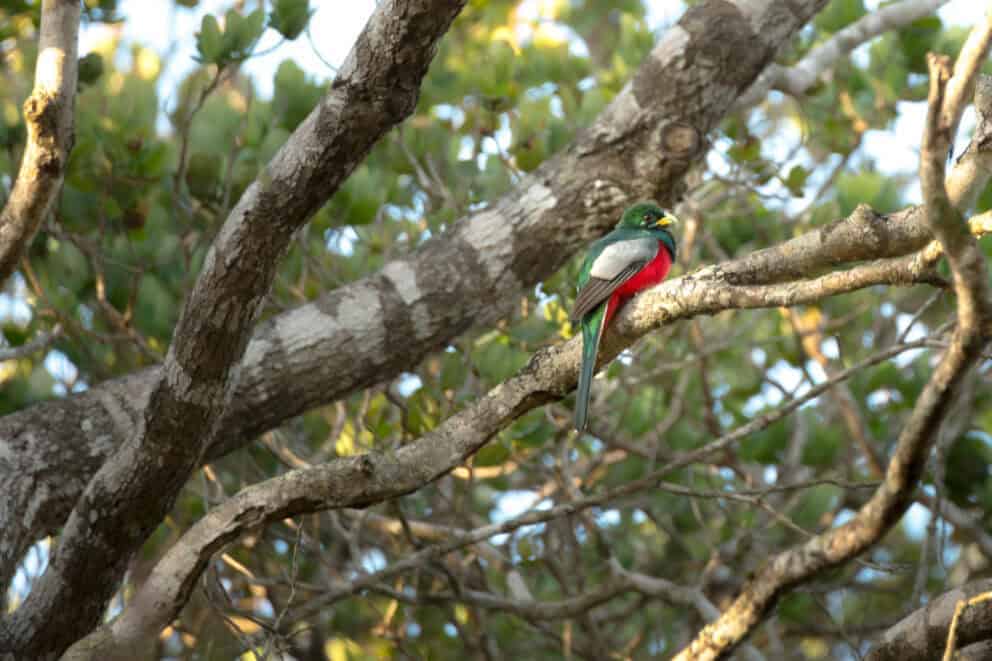
- Forest and Canopy Species: Livingstone’s turaco, gorgeous bush-shrike, and Narina trogon.
- Rare Endemics and Raptors: Southern banded snake-eagle, Neergaard’s sunbird, and Pel’s fishing owl.
Where to go: Walking trails like the famed Igwalagwala Trail near St Lucia provide intimate, slow-paced birding walks where expert local guides help reveal hidden forest species.
Traveller Tip: For families and slow-paced explorers, private boat safaris along the estuary offer a safe, comfortable, and captivating way to observe goliath herons, African fish eagles, and saddle-billed storks alongside resident hippos and crocodiles.
Where to stay: Kosi Forest Lodge
4. Kariega Game Reserve: Eastern Cape Wilderness and Valley Bushveld
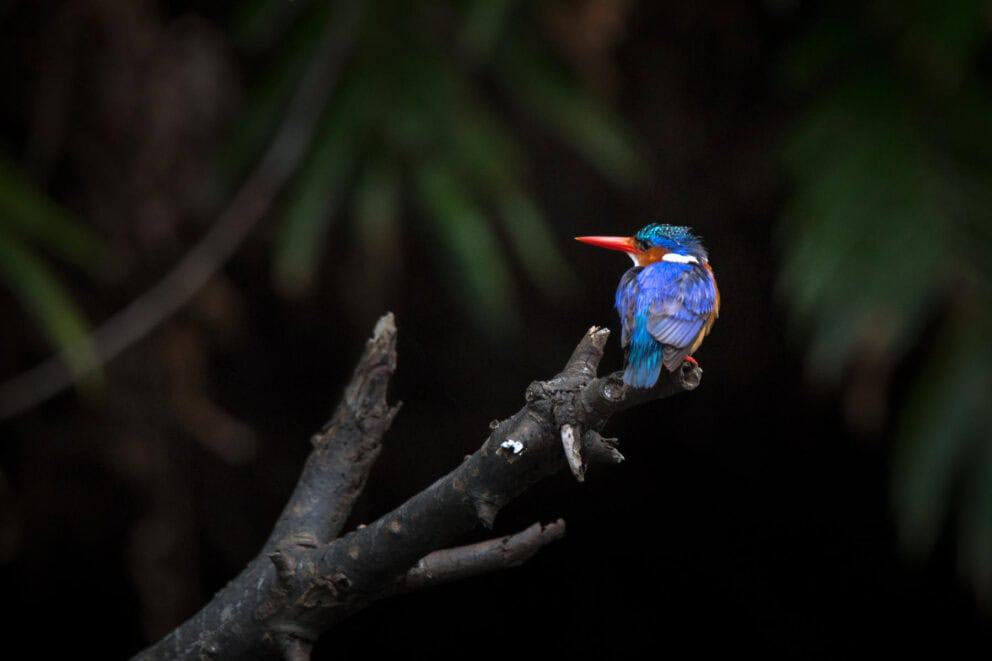
Located in the malaria-free Eastern Cape, Kariega Game Reserve spans lush river valleys, open grasslands, and dense valley bushveld. Celebrated for its rich biodiversity and commitment to conservation, Kariega is known for outstanding bird sightings alongside Big Five safari experiences.
The reserve’s stunning natural landscapes are home to five distinct biomes, including dense valley bushveld, open savannah grasslands, and lush riverine forests along the Kariega and Bushman’s rivers. With such diverse and stunning scenery, it’s no surprise that the reserve has over 350 recorded bird species, including a healthy population of raptors, which the park is famous for. Martial eagles, crowned eagles, and African fish eagles are frequently seen soaring on midday thermals, while the reserve’s winding waterways are known for stunning displays of malachite, pygmy, and half-collared kingfishers.
Kariega’s malaria-free setting and family-friendly private lodges make it an ideal choice for travellers wanting to seamlessly combine game viewing with rewarding birdwatching.
Notable Birds to See
- Majestic Eagles: Martial eagle, crowned eagle, and African fish eagle.
- Riverine Species: Half-collared kingfisher, malachite kingfisher, white-breasted cormorant, goliath heron, and African finfoot.
- Grassland Specialists: Denham’s bustard, secretarybird, Cape longclaw, fork-tailed drongo, and various pipits and larks.
- Seasonal Migrants: White storks, European rollers, European swallows, and Amur falcons.
Where to go: The Kariega and Bushman’s rivers are the most rewarding zones for birders. Navigating the water by boat or canoe allows you to approach timid riverine species like African finfoot or herons silently. The Settlers Drift region is also a prime spot for spotting raptors.
Traveller Tip: If you’re a serious photographer or twitcher, consider booking a private safari vehicle. This ensures you can sit at a riverbank for an hour waiting for an African finfoot without frustrating other guests who might want to find lions.
Ethical Birding and Conservation-First Safaris
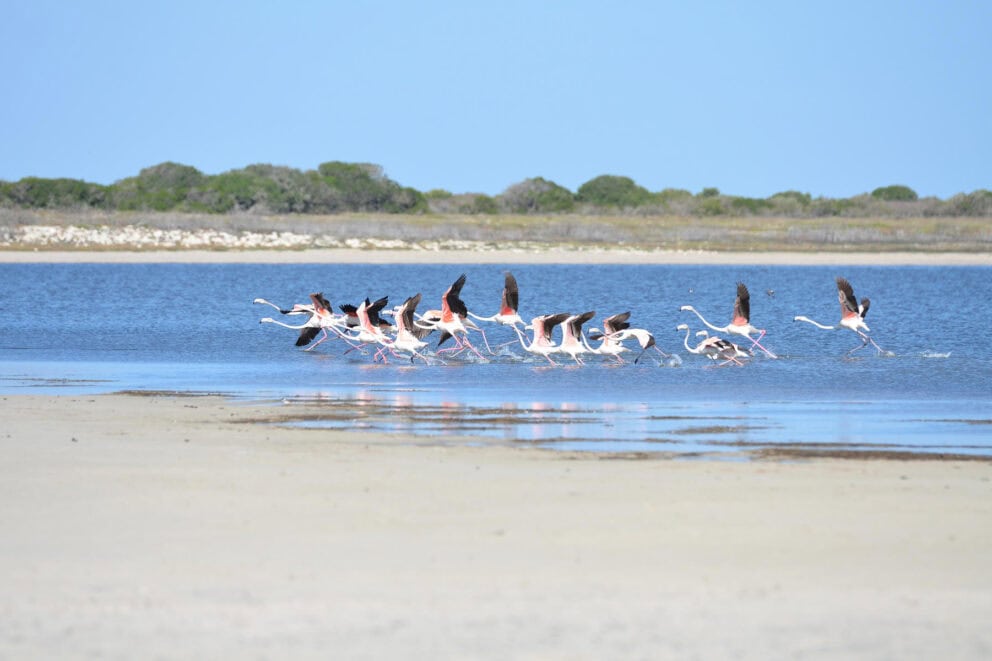
To truly appreciate South Africa’s birdlife is to understand the fragile ecosystems that sustain it. Responsible birdwatching goes beyond keeping a checklist; it involves engaging in intentional travel practices that protect habitats and support local communities.
Low-Impact Field Ethics
- Mindful Distance: Observing nesting sites and feeding grounds from a respectful distance to avoid causing stress or disturbance.
- Conservation-Driven Lodges: Staying at safari lodges and private reserves that actively invest in habitat restoration, alien vegetation clearing, and anti-poaching units.
Conservation-first principles actively contribute to preserving Africa’s wild spaces for future generations.
The Best Time for Birdwatching in South Africa

While South Africa offers exceptional year-round birdwatching, timing your visit around regional weather patterns and seasonal migrations dramatically enhances your experience. The peak birding season across much of the country runs from September to March, when intra-African and Palaearctic migratory species arrive, local residents display vibrant breeding plumage, and dawn choruses reach their peak.
Region / Destination Peak Birding Window Seasonal Highlights
Greater Kruger October to April Summer "green season" rains bring over 200 migratory species, including European bee-eaters and Wahlberg’s eagles. Dry winter months (May–Sept) offer clear raptor viewing around waterholes. De Hoop September to March Spring and early summer bring flowering proteas and endemic sunbirds. iSimangaliso October to March High water levels attract massive flocks of waders, flamingos, and pelicans to Lake St Lucia, while forest birds actively call in the canopy. Kariega October to March Spring and summer bring maximum activity along riverways. Its temperate, malaria-free climate ensures consistent, year-round birding for families.
Designing Your Custom Birding Safari
Every traveller’s journey is unique. Whether you wish to focus on capturing elusive endemics with expert photographic guidance or craft a relaxed family safari that balances Big Five game drives with coastal birdwatching, our Africa-based experts are here to help.
Explore our birding tours today to start planning a thoughtfully designed, unforgettable birding safari in South Africa.

Written by Thaakiera Ackerdien
• Travel Writer
Discover the African Journey that’s Right for You
 Blog List









 28 Jan 2025




















Written by Thaakiera Ackerdien
• Travel Writer
Part of the South Africa Safari & Birding Safaris Collections