Email us





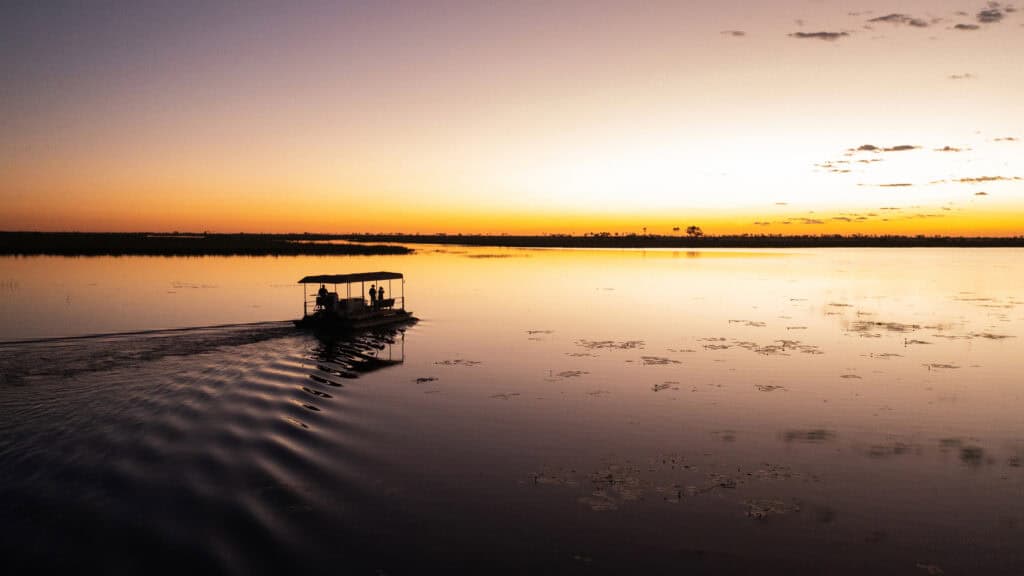
There’s a moment on a safari when everything goes still. The light softens. You’re simply revelling in the landscape. That feeling is at the heart of private concessions in Kruger National Park.
Kruger National Park is legendary, and private concession Kruger safari packages offer a quieter, more refined way to experience this extraordinary wilderness. This is a safari without friction. Where large crowds aren’t a concern, and you don’t have to chase schedules. You arrive to find space, silence, and the sense that everything has been taken care of.
If you’re dreaming of a South African safari where ease, privacy, and deep restoration matter as much as wildlife, this is where your journey begins.
Understanding the Greater Kruger Ecosystem
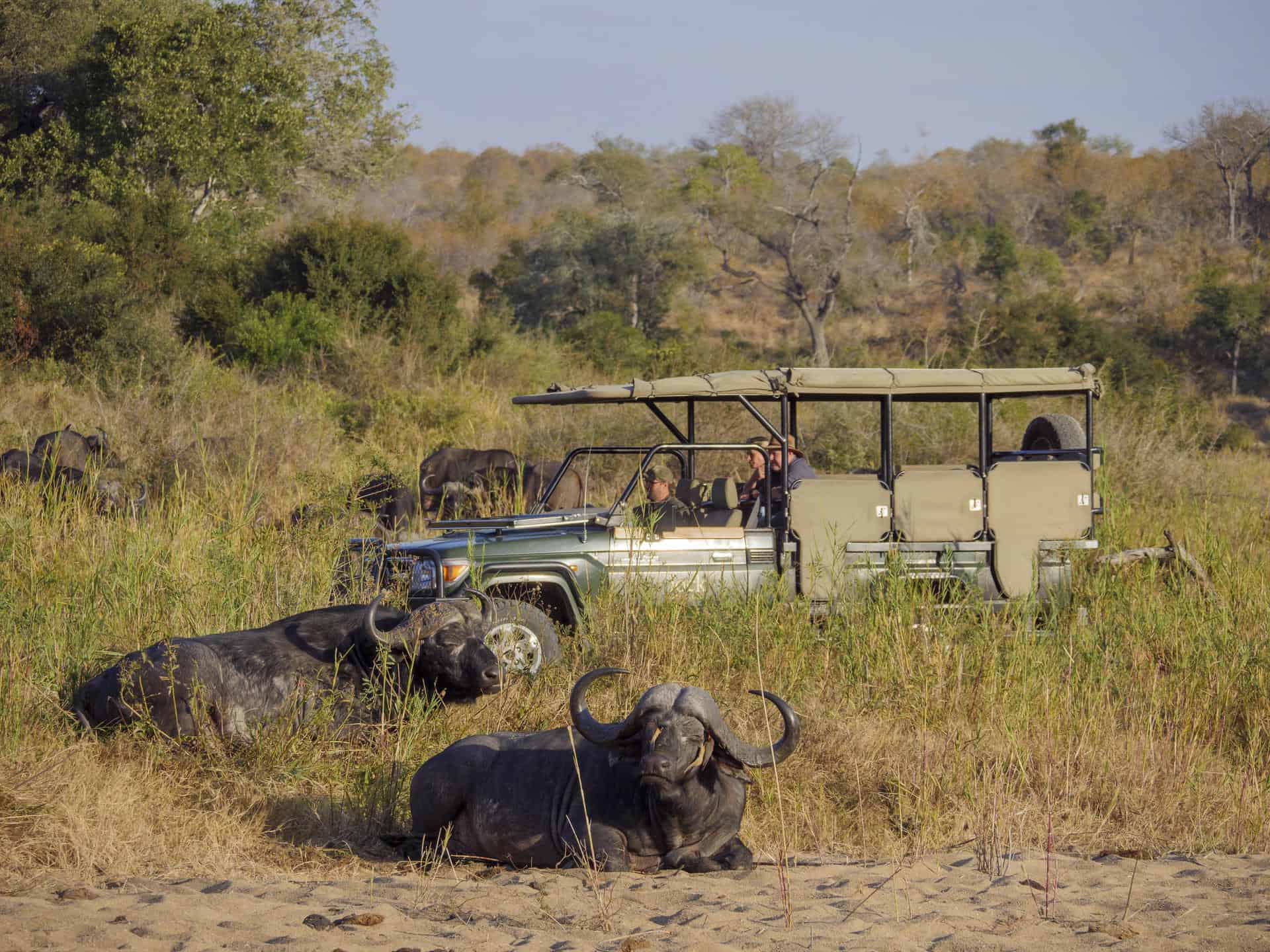
To appreciate the magic of Kruger’s private concessions, it helps to understand the scale of what you’re stepping into. The Kruger National Park’s size is immense, with nearly 20,000 km² (two million hectares) of savannah, stretching roughly 360 km/223.6 mi from north to south and 65 km/40 mi across.
Along its western edge lies the Greater Kruger ecosystem. A vast, unfenced wilderness where wildlife moves freely across boundaries, following ancient routes shaped by water, seasons, and instinct.
The ecosystem is layered. Staying in one of the Kruger National Park concessions doesn’t limit what you’ll see but rather enhances it.
SANParks Public vs Private Concessions
The National Park – Public Section
The Kruger National Park is government-owned and managed by SANParks. It is one of the most famous and accessible wildlife destinations in Africa, with possibly the highest animal density.
What’s allowed: You can explore the park on its wide network of public roads, which are tarred and suitable for standard 2WD vehicles. There are rest camps, satellite camps, and bushveld camps that offer self-catering, camping, and caravanning options.
What’s not allowed: You have to adhere strictly to gate opening and closing times, and you’re not allowed to drive after dark. Off-road driving is also strictly prohibited, so if the lions wander off behind the bushes, you won’t be able to follow them.
Private Concessions in the Park
Private concessions are exclusive-use areas of land, generally 5,000 to 15,000 hectares in size, inside the national park that are leased by SANParks to private operators.
How it works: They’re unfenced from the main park, allowing animals to move freely. The operators pay fees that support conservation efforts and local communities.
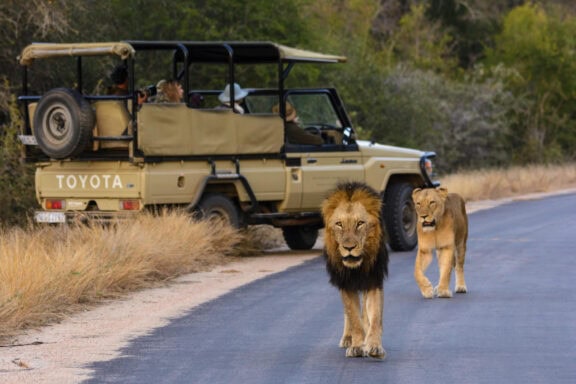
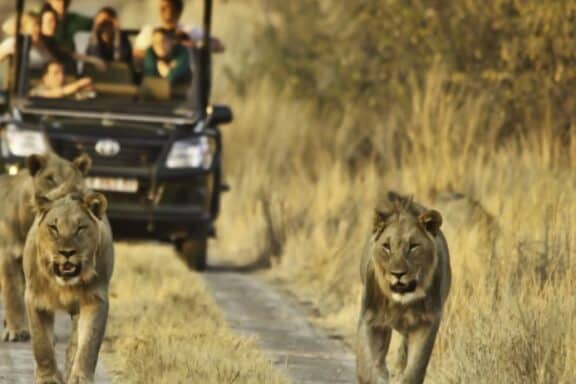
What’s allowed: Night drives, bush walks, and off-road driving for high-priority sightings, like the Big Five. Your guides can use the public roads for game viewing, but by gate-closing time, they must return to the private concession boundaries, where they’re allowed to continue driving after dark.
What’s not allowed: The general public is not allowed into the private concessions; only those staying at the specific lodges within the concession.
Private Reserves Adjacent to the Park
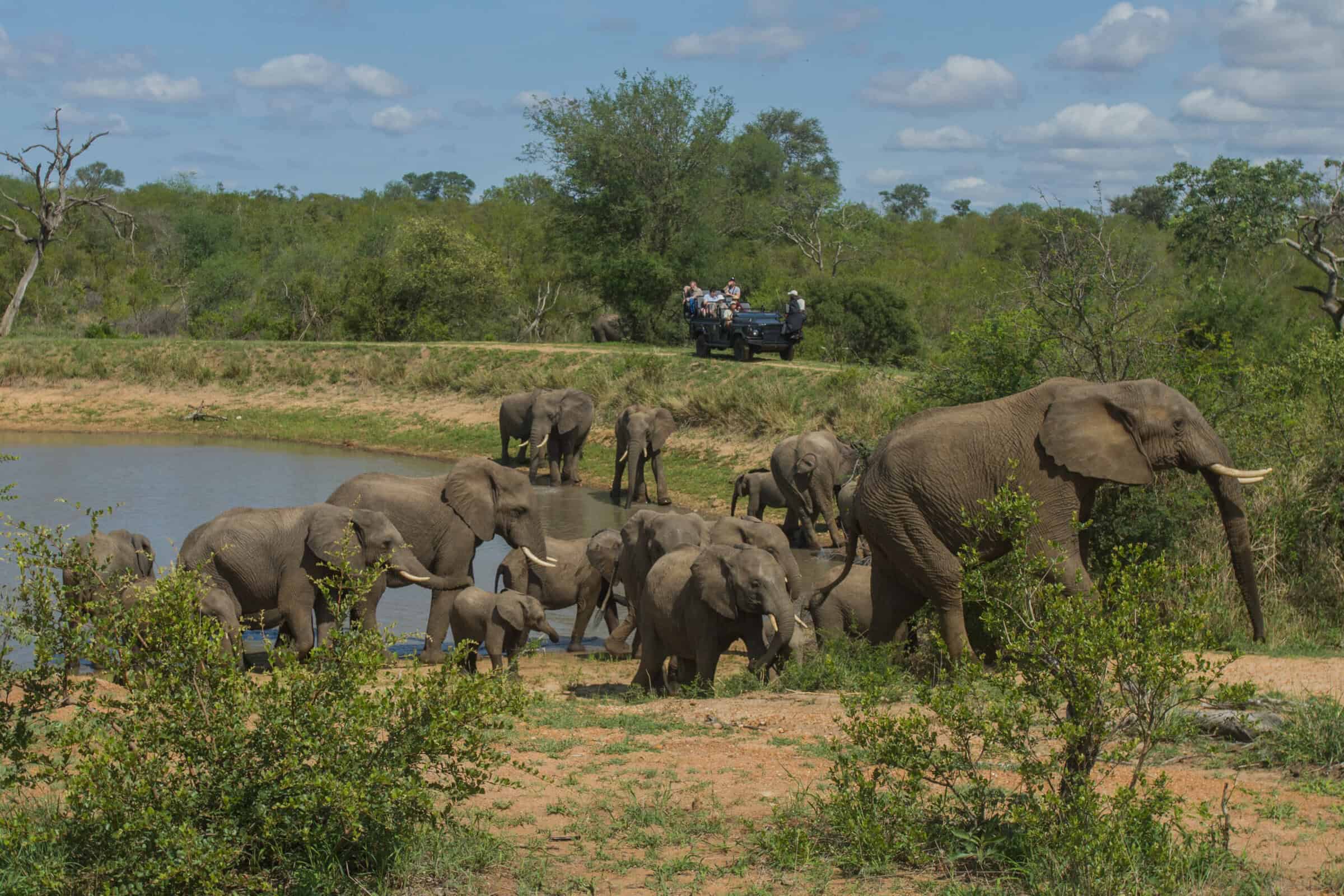
These are privately owned and managed lands located along the western boundary of the national park, such as Sabi Sand and Timbavati, that form part of the Greater Kruger ecosystem.
How it works: Most of these reserves have taken down their fences with the national park, extending the ecosystem and opening natural animal migration pathways.
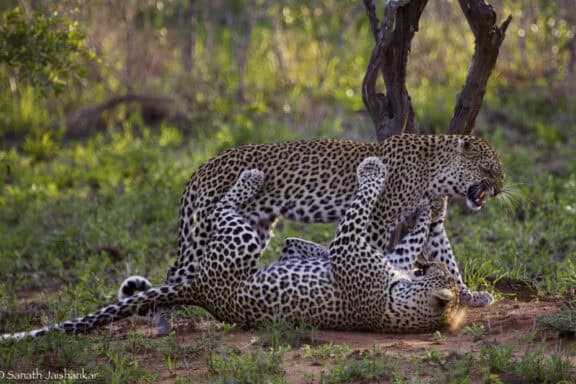
What’s allowed: Similar to concessions, you get high exclusivity, off-road driving, and night drives. These reserves are best known for high-end luxury lodges and professional tracking teams. And leopards – these are some of the best destinations for seeing these elusive big cats.
What’s not allowed: They’re closed to the general public; only people staying at the reserves’ lodges may enter. Self-driving is also not allowed – all your game drives are in the capable hands of experienced guides.
What is a Private Concession in Kruger?
Private concessions offer something profoundly different from the public areas of the park, not in what you see but in how you experience it. Here, the rhythm is softer. The land-to-guest ratio is remarkably generous, meaning fewer vehicles, fewer voices, and far more moments that feel entirely your own.
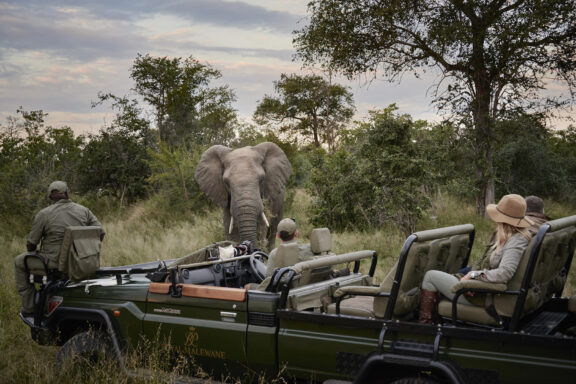
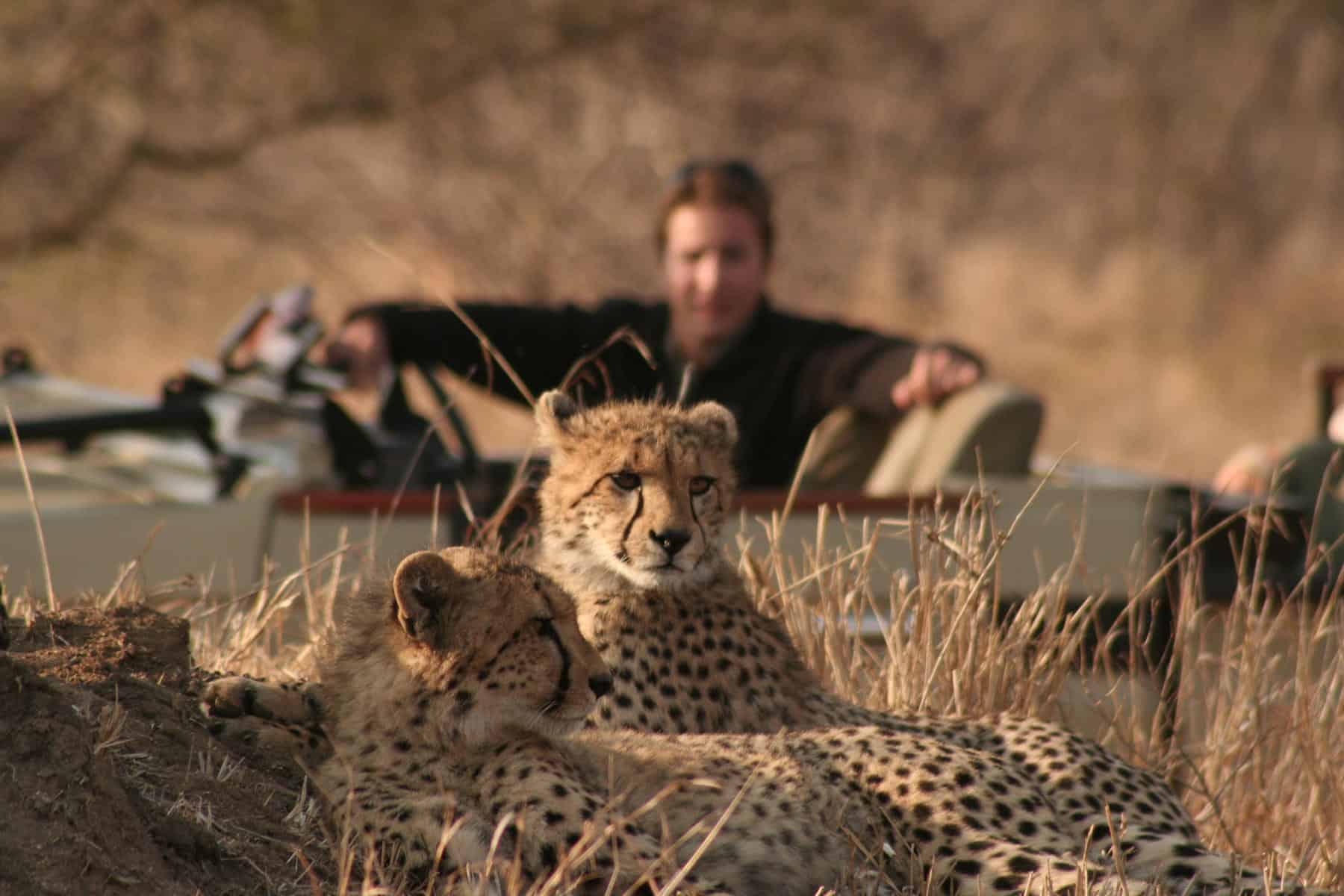
Sighting limits are strict, with just two or three vehicles allowed at a sighting, facilitating intimate game-viewing.
You also get the value of the bush telegraph: concession guides use professional radio networks to share sightings. The general public doesn’t get these updates, which means you’re more likely to have exclusive viewings of species.
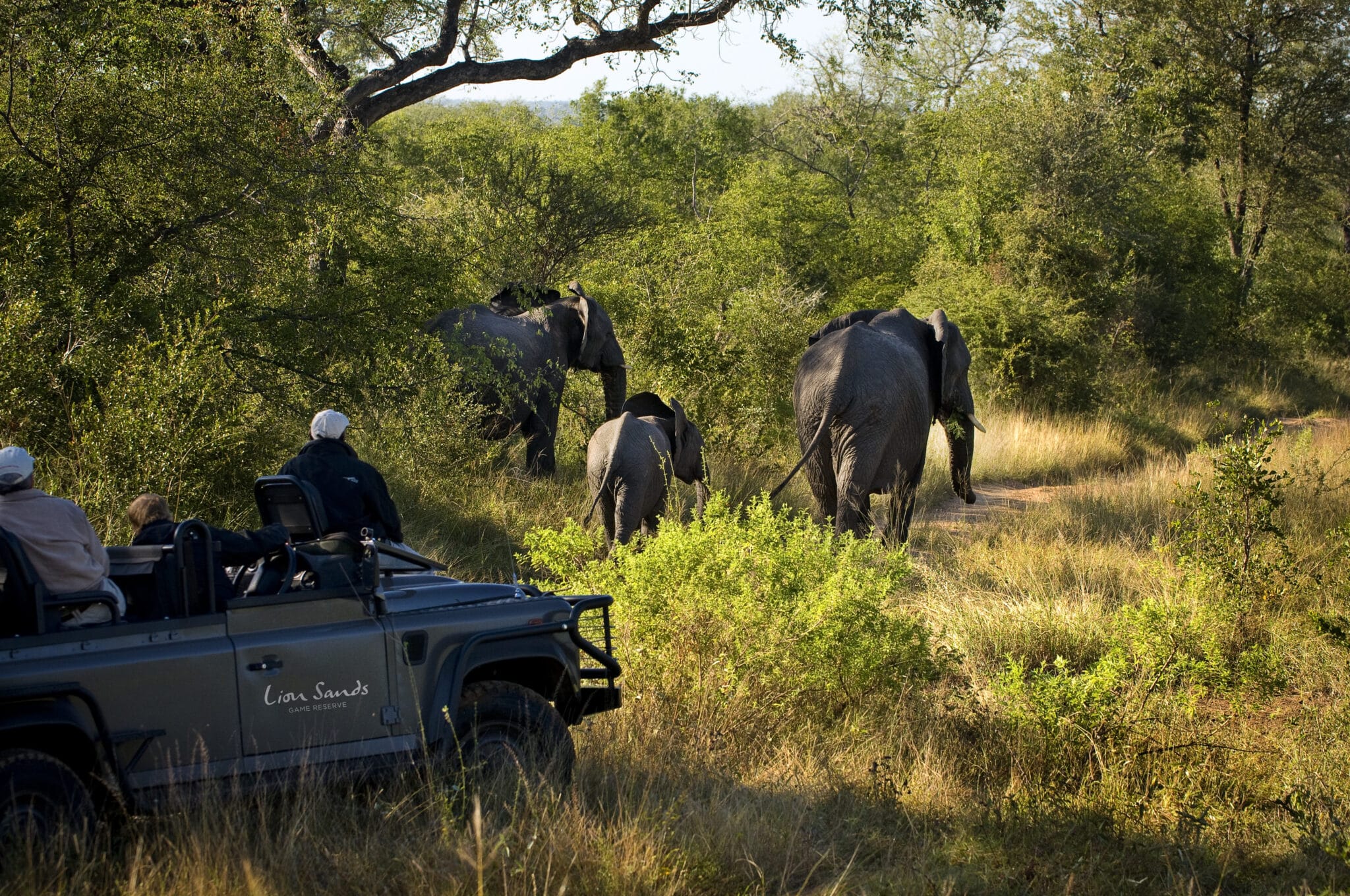
Game drives are unhurried and deeply intuitive. Guides can track wildlife off-road, following leopard prints into the bush or tracking a pride of lions at dusk. Night drives open up a hidden world: porcupines, civets, genets, and the luminous eyes of nocturnal predators.
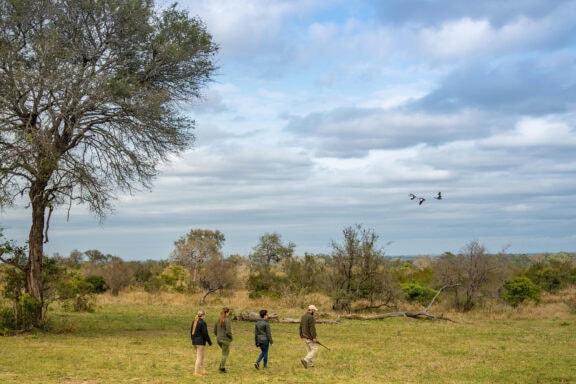
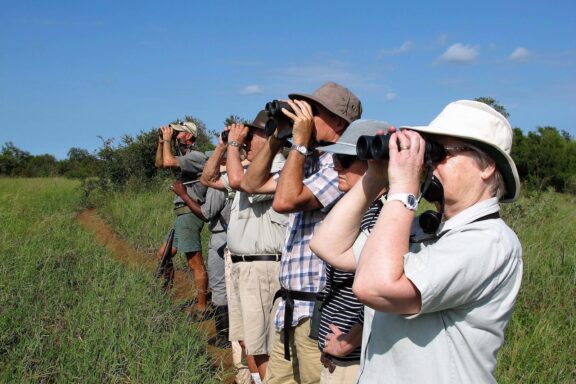
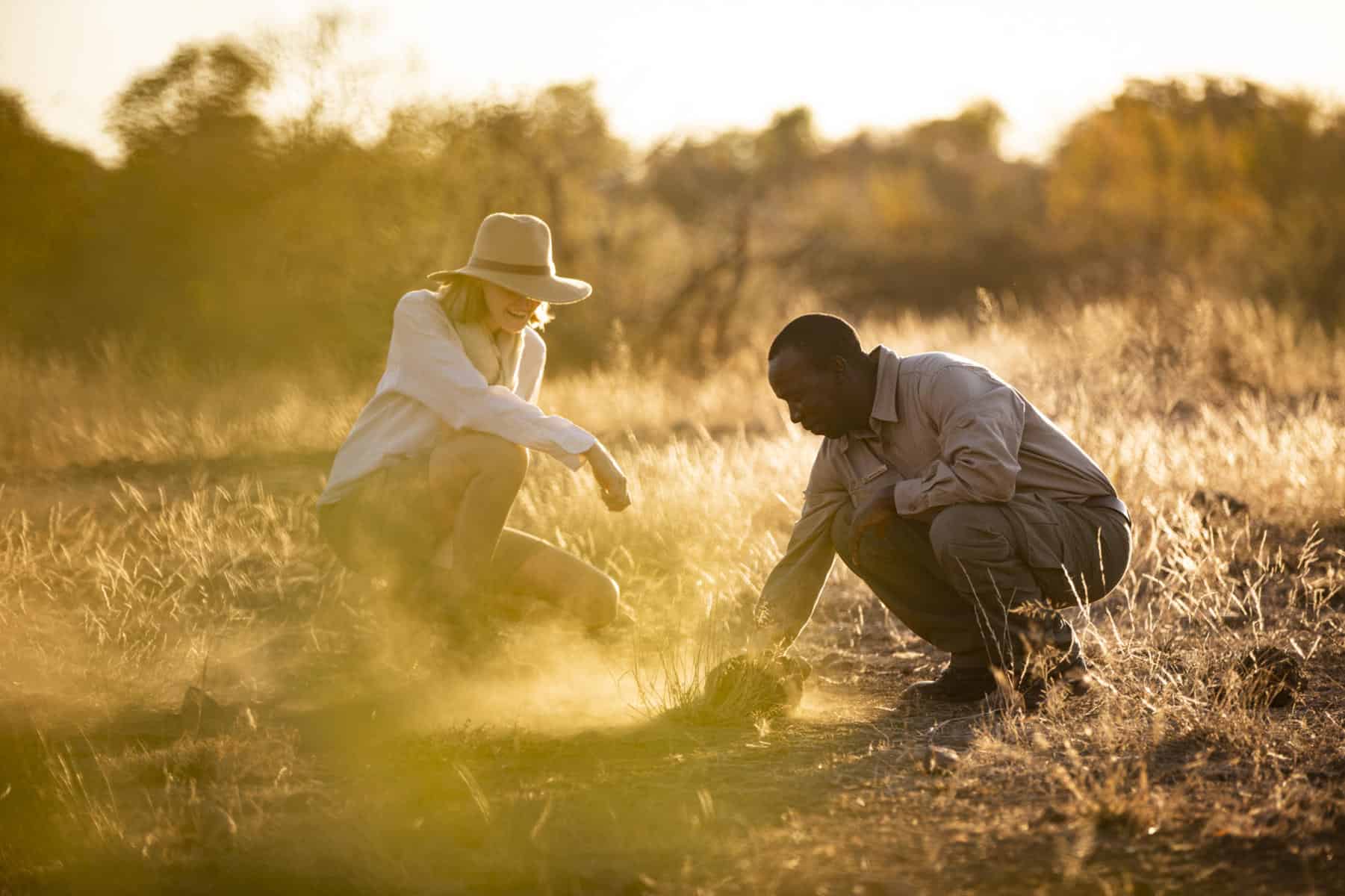
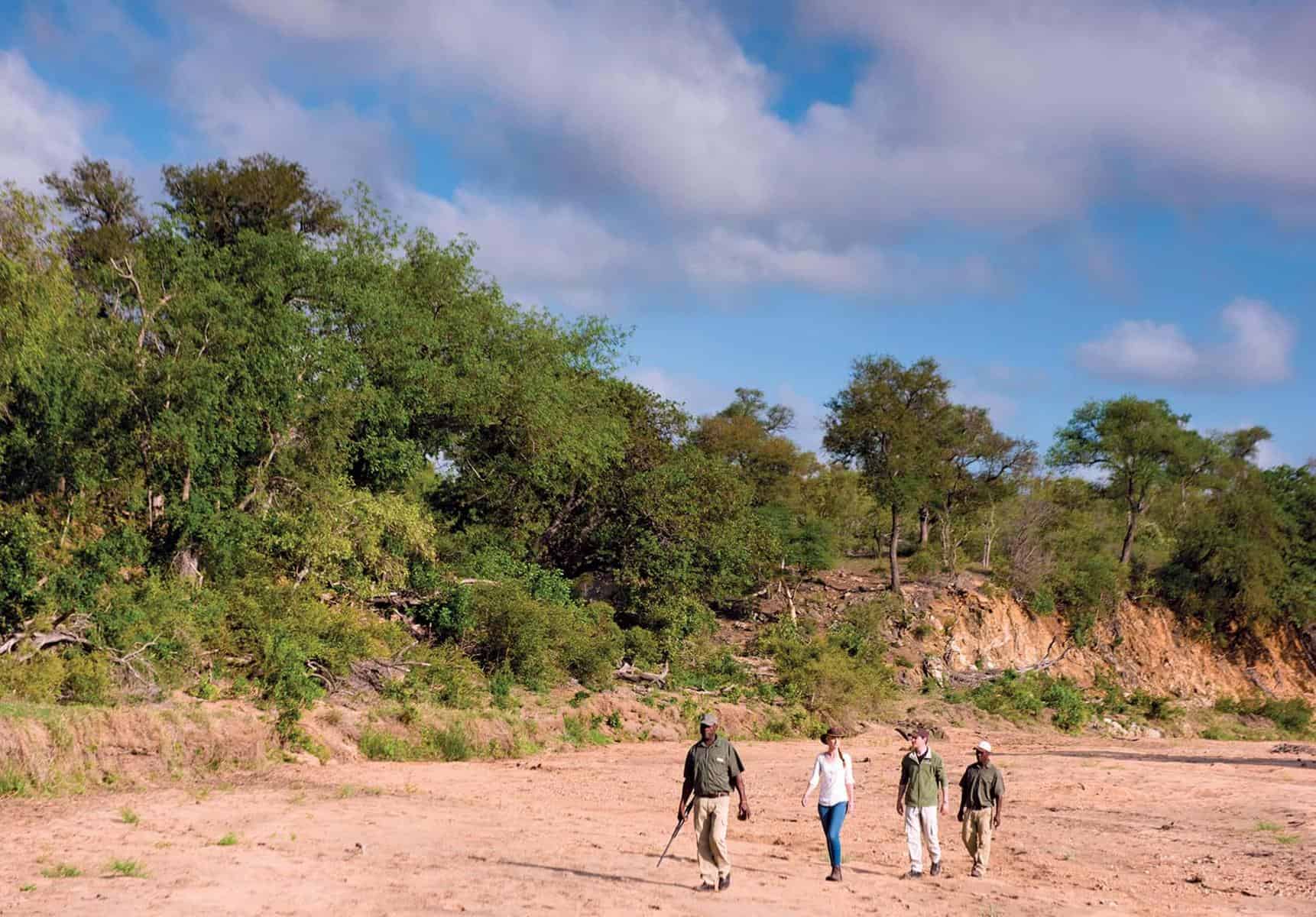
Walking safaris bring you closer to the bush. While the public park offers scheduled group walks, concessions offer exclusive and flexible walking safaris tailored to your pace, often starting right from your lodge door. Accompanied by expert guides, you’ll learn to read the small signs that most people never notice. It’s immersive, grounding, and surprisingly calming.
You can linger. Your guides are allowed to stop in the bush as the sun sets, and you can get out of the safari vehicle to enjoy drinks and snacks in the wild.
And then there are the luxuries – treehouse sleep-outs under the stars, guided stargazing, culinary experiences with world-class chefs.
Above all, there’s an abundance of space. To pause, to linger, to exhale.
A Sanctuary in the Wild: Life at a Luxury Safari Lodge
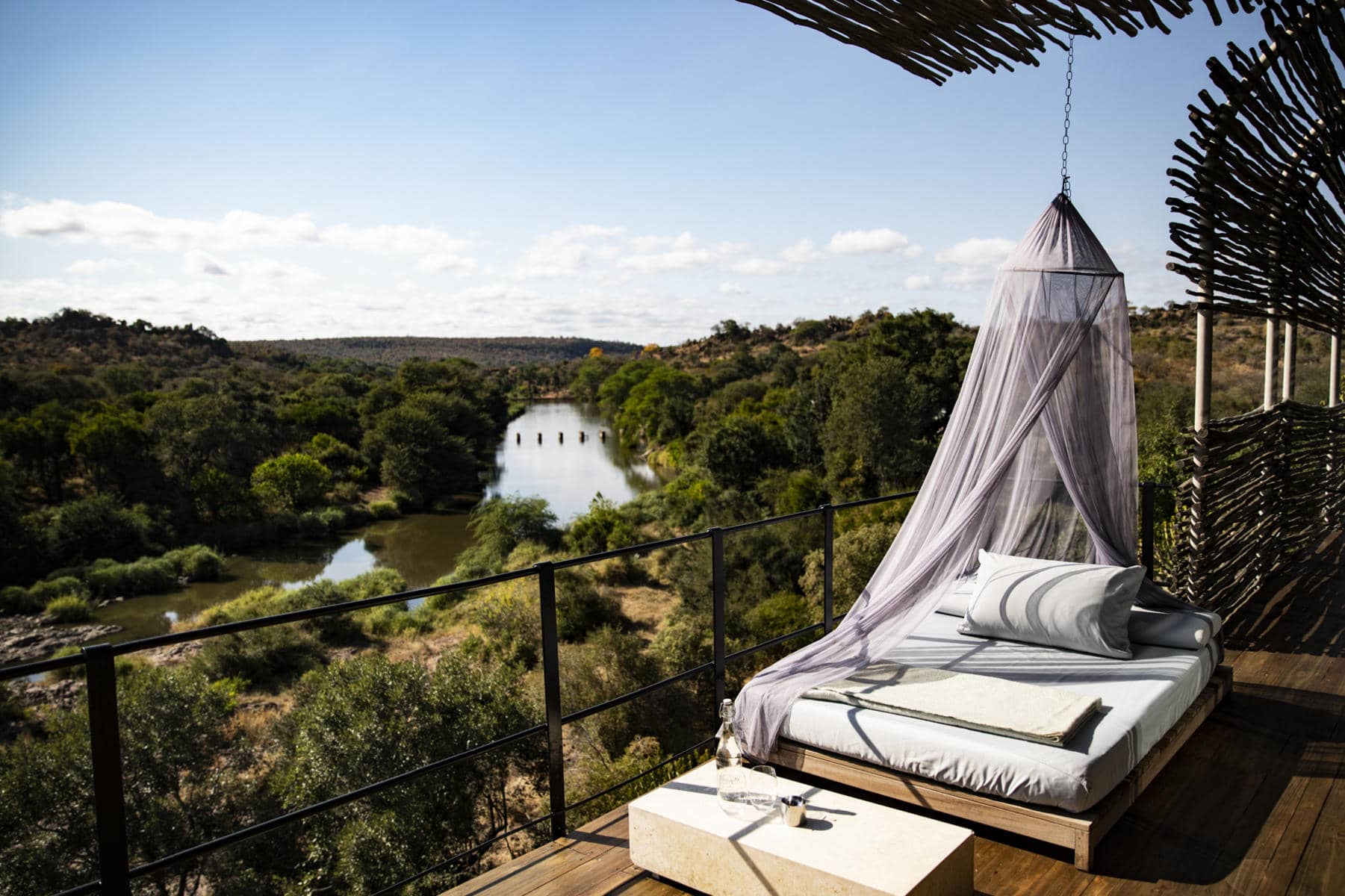
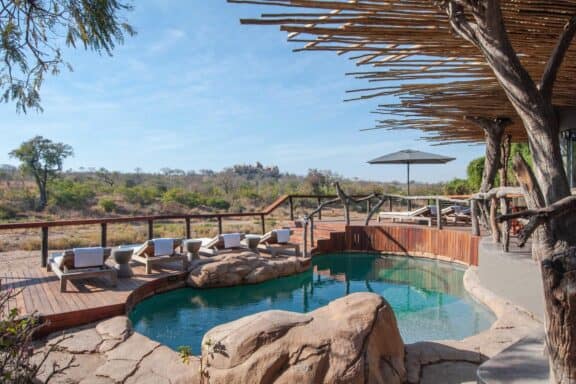
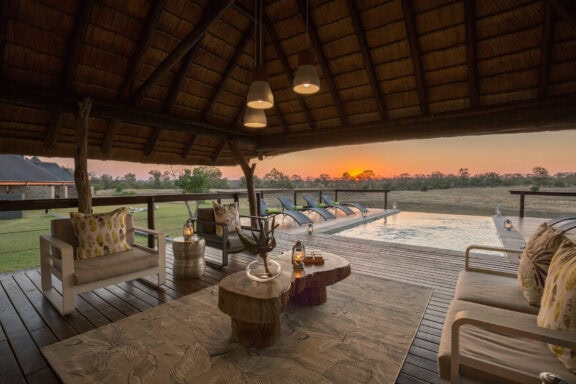
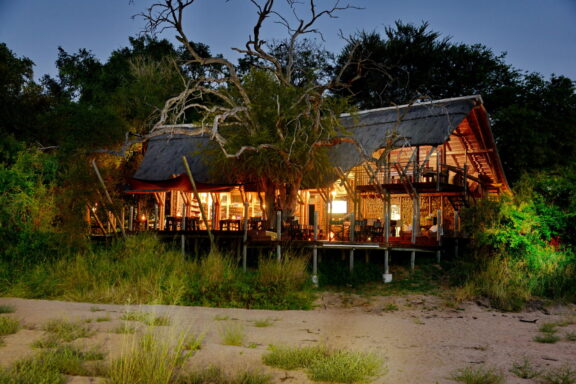
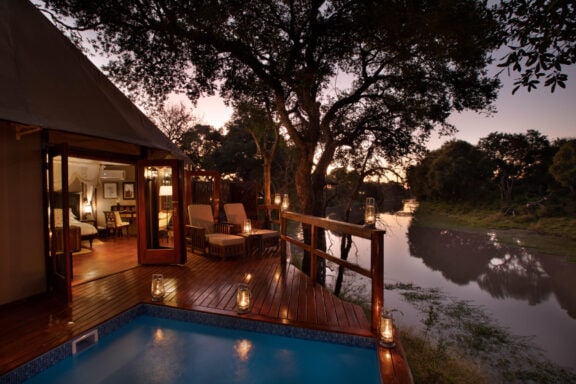
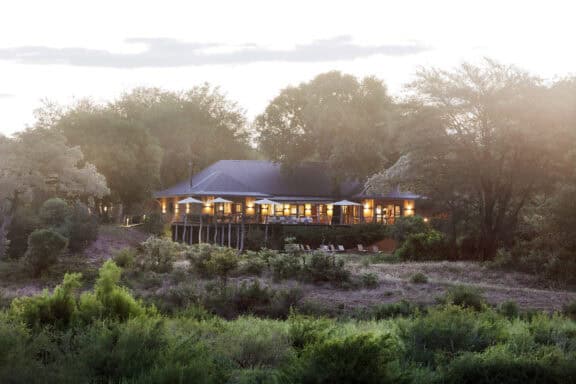
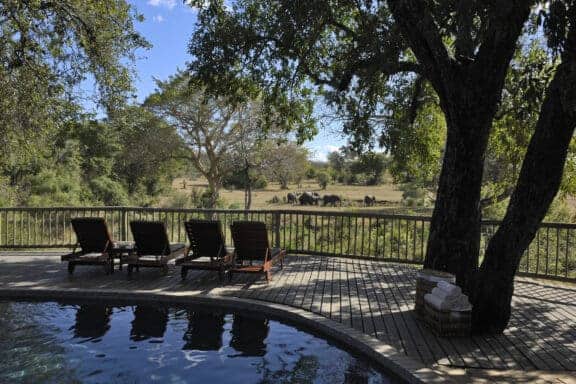
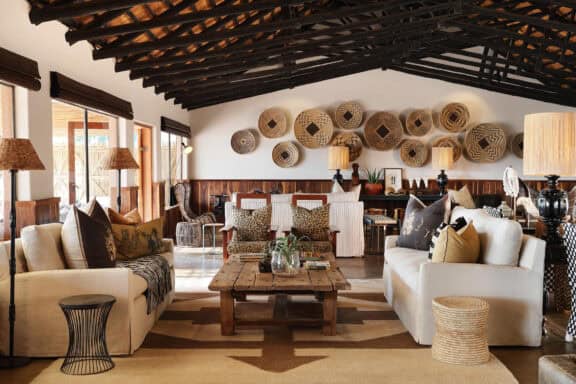
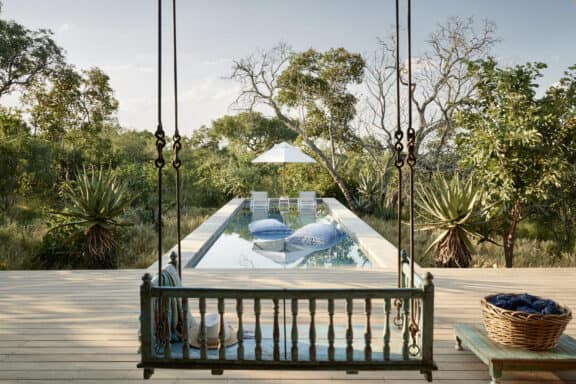
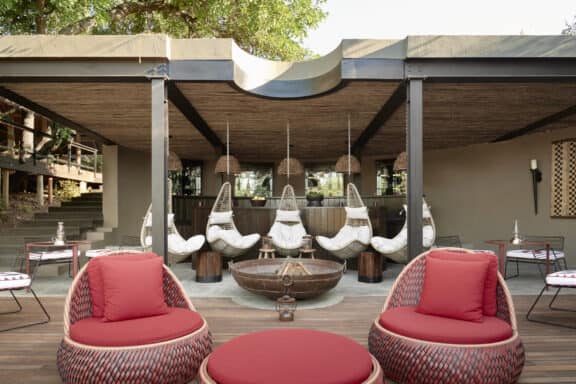
Luxury lodges in private concessions in Kruger National Park are designed to soothe quietly, not impress loudly. You’ll wake to birdsong and soft morning light filtering through canvas or glass. Coffee is enjoyed on your private deck overlooking a riverbed or open plain, where elephants might wander past as you slip into the infinity pool.
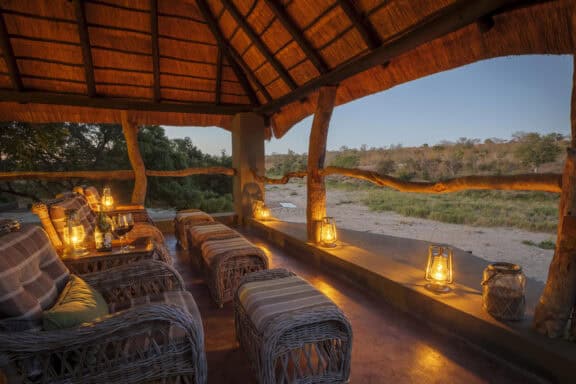
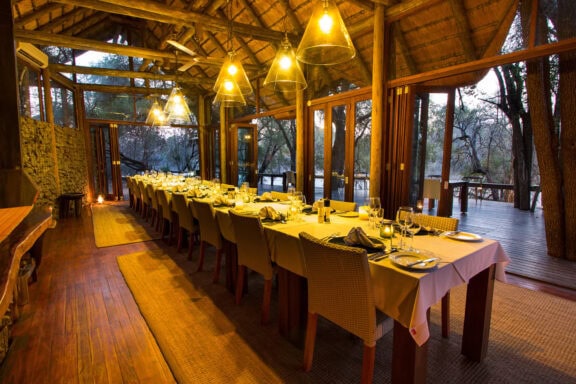
Between game drives, time stretches gently. Spa rituals draw on local botanicals. Long lunches unfold without urgency. Candlelit dinners are set beneath the stars in a boma or secluded bush clearing, where the only soundtrack is the music of the wilderness.
There’s simply no rush. Staff move with an almost intuitive grace, anticipating needs before they’re spoken. This is luxury defined by flow, privacy, and emotional ease.
Wildlife You’ll Encounter in the Concessions
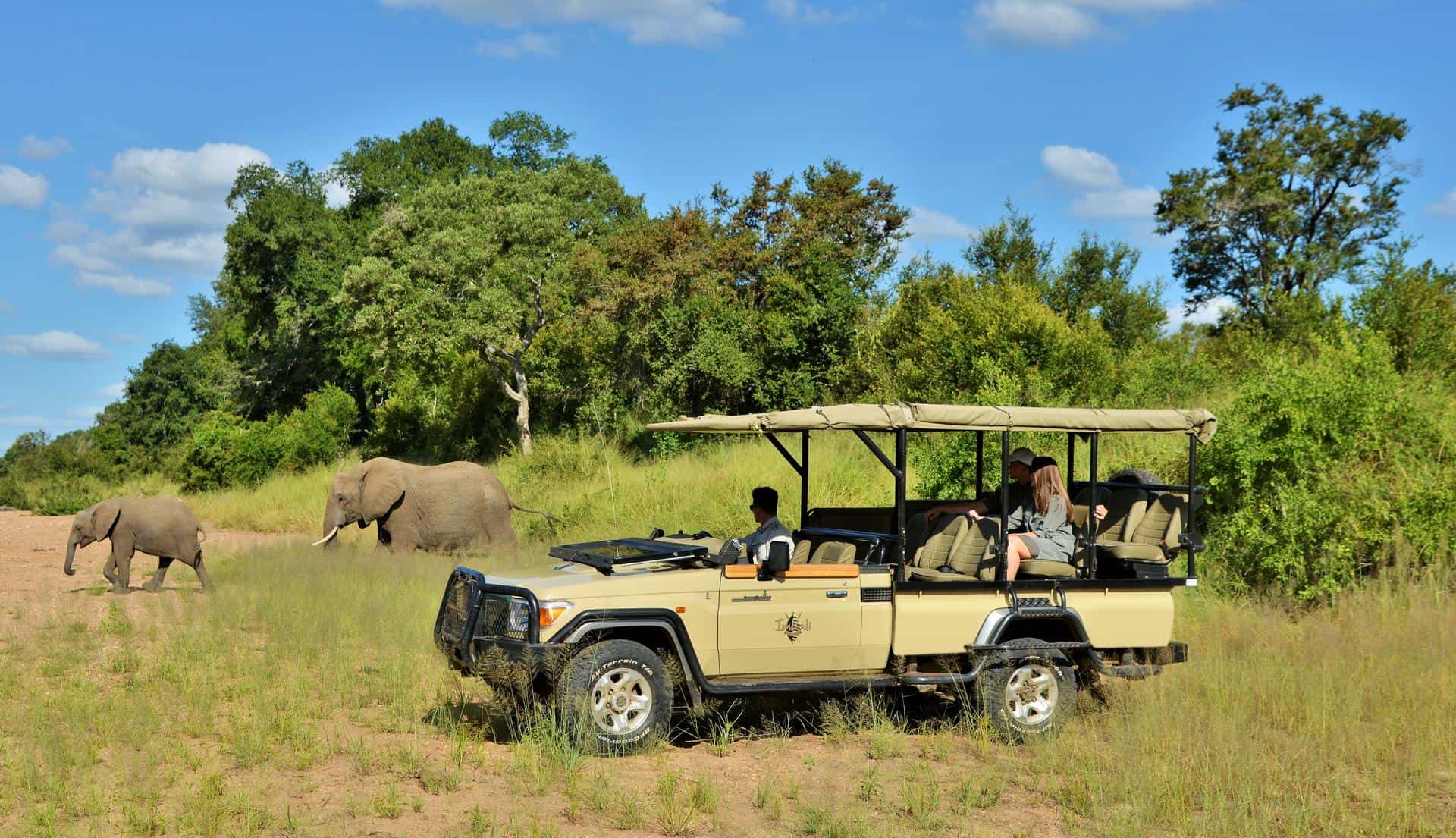
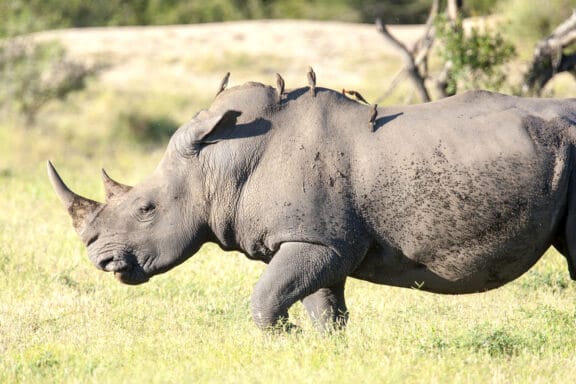
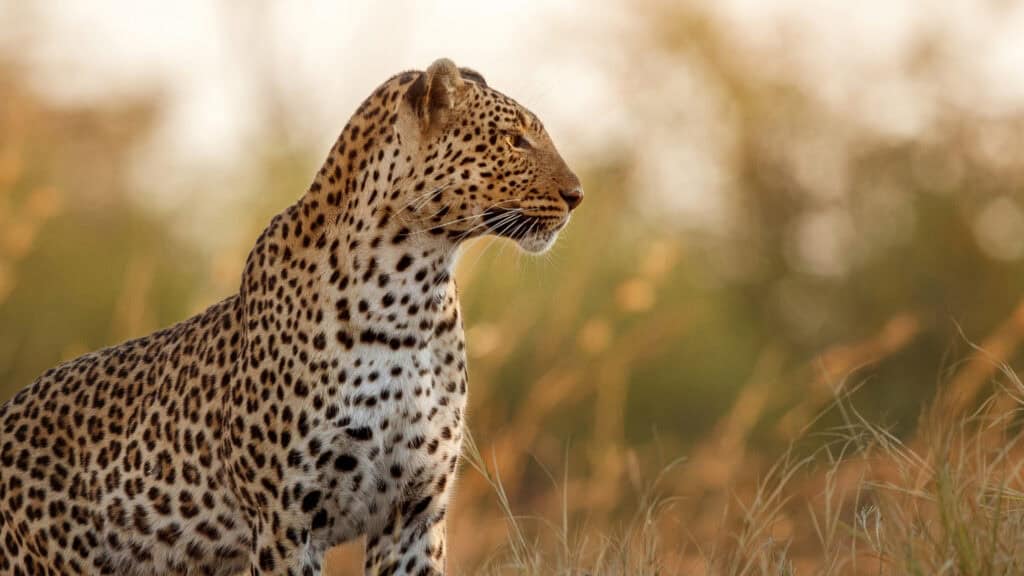
The wildlife within Kruger’s private concessions is as rich and varied as anywhere in Africa. The Big Five roam freely: lion, leopard, elephant, buffalo, and rhino. Leopard sightings, in particular, are exceptional in areas like the Imbali and Tinga concessions, where generations of cats are known by guides.
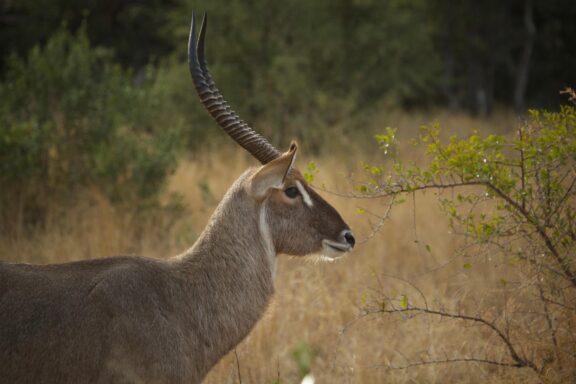
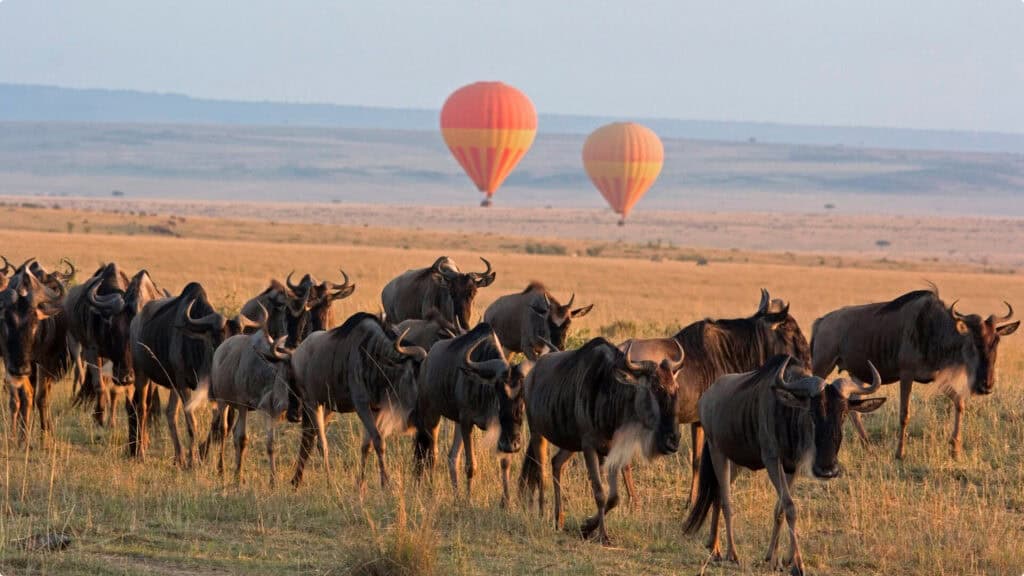
You might also encounter African wild dogs on the hunt, giraffes moving through trees, and vast herds of zebra and wildebeest. Birdlife is prolific, with more than 500 species recorded across the Greater Kruger. This represents roughly 60% of South Africa’s total bird species, a staggering amount considering the area makes up less than 2% of the country’s landmass.
Because there are fewer vehicles and no fixed routes, sightings are unfiltered, and moments unfold naturally, without interruption.
The Private Concessions in Kruger National Park
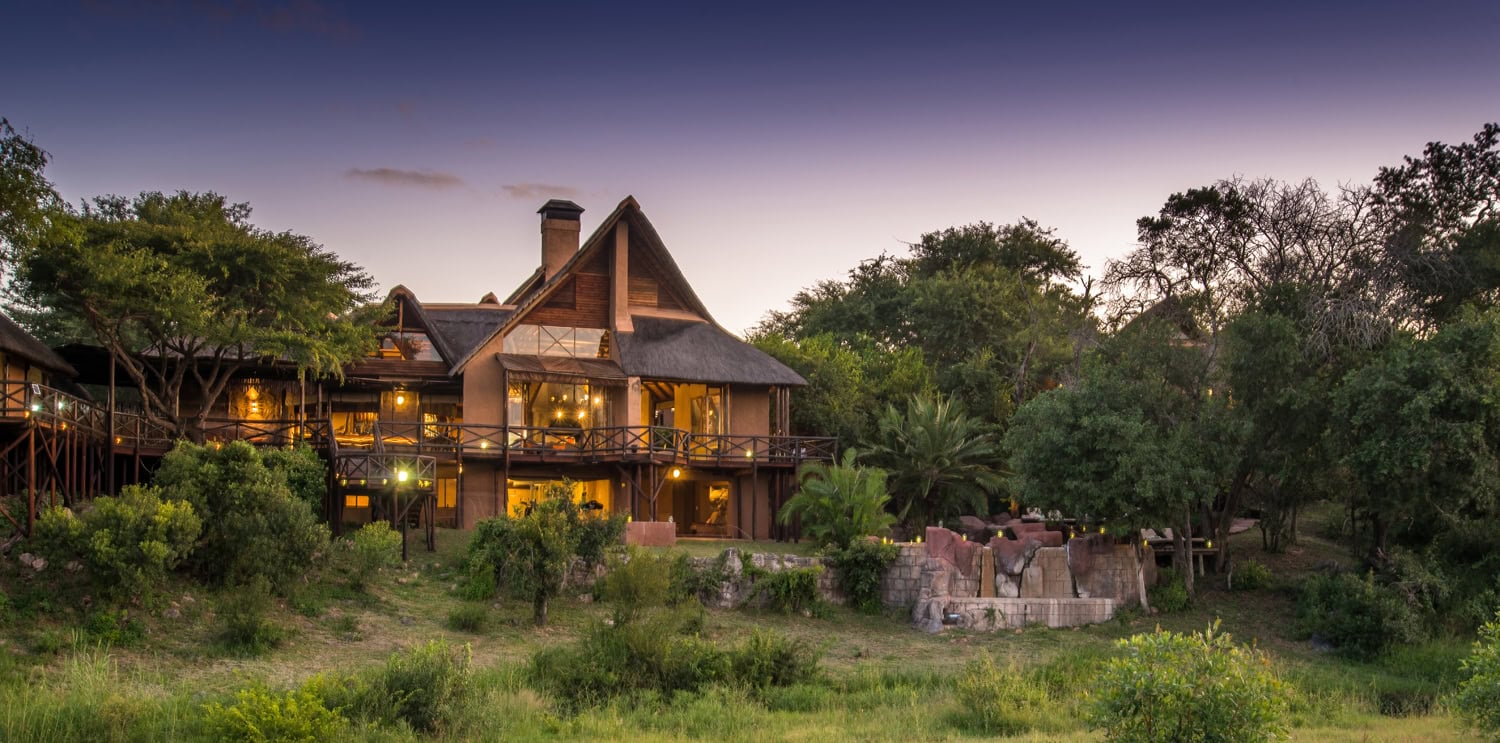
Singita (Lebombo) Concession (15,000 ha)
Singita sits on the remote eastern border with Mozambique. Located at the confluence of two rivers, it features two ultra-luxury lodges: Lebombo and Sweni. The Singita Concession is known for having one of the highest concentrations of wildlife in the park, including the Mountain Pride of lions.
Imbali (Mluwati) Concession (10,000 ha)
Found in central Kruger near the Sabi Sand and Manyeleti boundaries, it’s home to three lodges: Imbali Safari Lodge, Hamiltons Tented Camp, and Hoyo Hoyo Safari Lodge. The Imbali Concession is known for frequent leopard sightings and traditional Tsonga-styled architecture.
Jock of the Bushveld Concession (6,000 ha)
It’s in the southern Kruger where the Mitomeni and Biyamiti rivers meet. There are two thatched lodges – Jock Safari Lodge and the exclusive-use Fitzpatrick’s At Jock, which have a historical theme based on the 1880s, the era of author and trader Sir Percy Fitzpatrick. The Jock of the Bushveld Concession is a prime Big Five territory.
Lukimbi (Lwakahle) Concession (15,000 ha)
In the south near Malelane Gate, it’s home to a single lodge, Lukimbi Safari Lodge. The Lukimbi Concession has a three-river system and diverse wildlife, including cheetahs and wild dogs.
Tinga Concession (5,000 ha)
It’s found in the southern Kruger with Sabie River frontage and includes Narina Lodge and Tinga Lodge. The Tinga Concession is known for some of the most prolific leopard viewing in the entire Kruger ecosystem and for its luxury treehouse sleep-outs.
Mpanamana Concession (15,000 ha)
It’s in the south-eastern corner near Crocodile Bridge Gate and is known for its lakeside location (it’s next to Mpanamana Dam), which attracts a wealth of wildlife. It features lodges such as Shishangeni Private Lodge, Camp Shawu, and Camp Shonga.
Makuleke (Pafuri) Concession (24,000 ha)
In the remote north, this concession lies between the Limpopo and Luvuvhu rivers. It’s home to The Outpost and Pafuri Camp. The Makuleke Concession is world-renowned for birding, fever tree forests, and dramatic scenery, such as Lanner Gorge.
Mutlumuvi Concession (12,000 ha)
Operated by Rhino Walking Safaris, it’s zoned as a wilderness area where traditional game drives are done alongside foot exploration, offering a pure, undisturbed wilderness experience.
Responsible Luxury, Gently Integrated
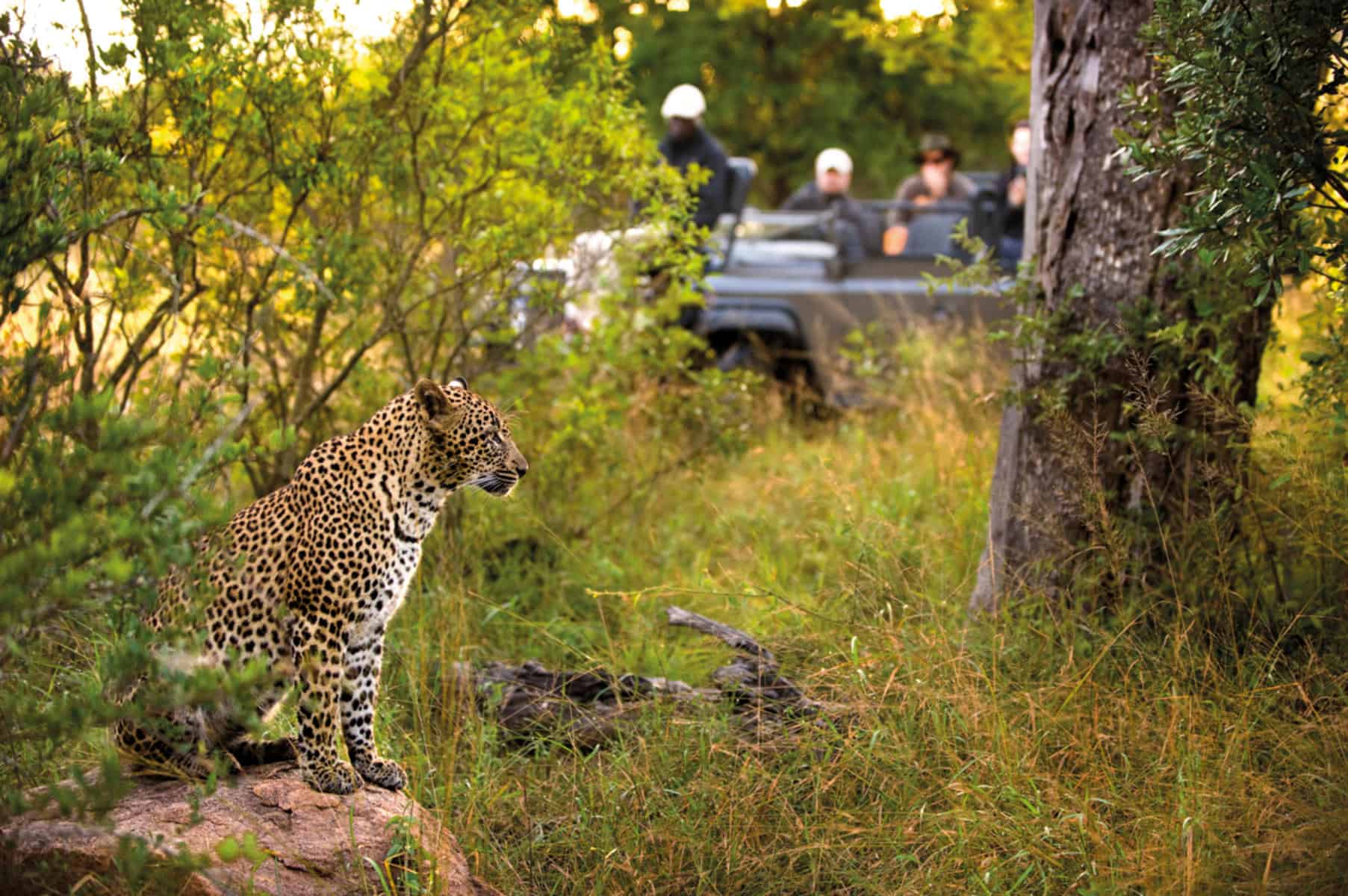
Private concessions play a vital role in conservation, anti-poaching efforts, and community upliftment, quietly protecting land and wildlife for generations to come.
Practical Information for Kruger National Park Private Concessions
- Getting there: Connecting flights from Johannesburg or Cape Town land at Skukuza Airport (SZK) or Kruger Mpumalanga International Airport (MQP), with direct private shuttle flights landing right on concession airstrips.
- Best time to visit: Wildlife viewing is excellent year-round. The dry winter months (May-September) offer clear sightings and cooler days, while summer (October-March) brings lush landscapes, dramatic skies, and superb birdlife.
- Health and wellbeing: The Kruger region is a low-risk malaria area. Guidance is provided during planning, and lodges take thoughtful precautions to ensure guest comfort. However, it’s best to consult with your doctor before travelling.
- What to pack: Neutral-toned clothing, a light jacket for early mornings/evenings, sun protection, and comfortable shoes. Laundry is included at most luxury lodges, so packing can stay minimal.
- Connectivity: Many lodges offer Wi-Fi in rooms or shared spaces, though the signal may be limited.
- Pacing and privacy: Activities are flexible and tailored to you. There’s no pressure to join every drive. Time is yours to shape, whether that’s resting, spa time, or quiet wildlife viewing from your deck.
Let Us Curate Your Effortless Safari
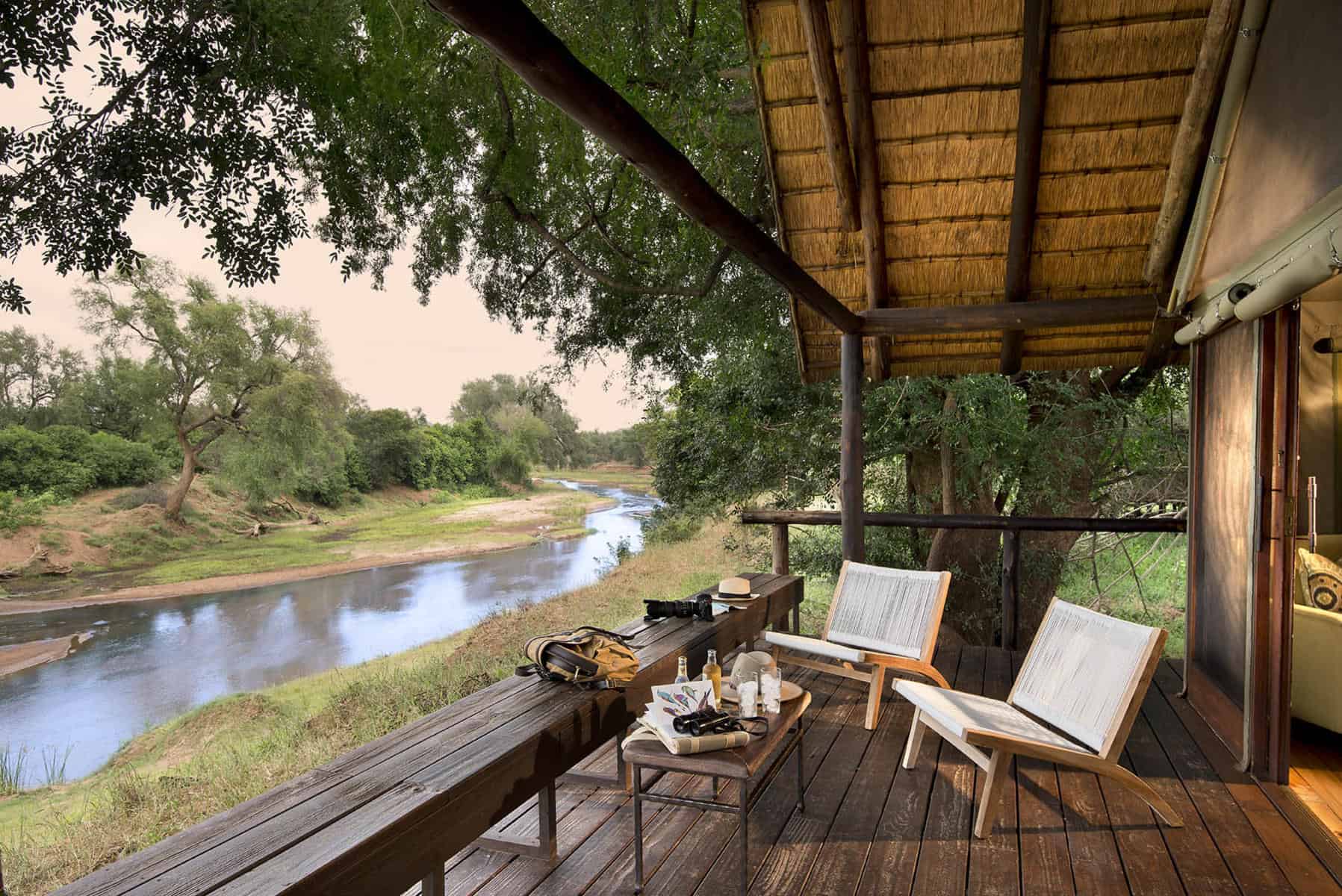
A safari in the Kruger ecosystem isn’t just a holiday. It’s a return to simplicity, beauty, and quiet joy.
We specialise in designing seamless journeys through the most exceptional Kruger National Park concessions, pairing you with lodges that understand the art of ease and experiences that unfold naturally.
From the moment you begin planning to the day you return home, everything flows thoughtfully, intuitively, and beautifully.
Ready to experience Africa at its most private and restorative? Start planning your Kruger safari with our experts, and let us take care of the rest.