

What are you looking for?

Hello traveller!

It's in Cape Town now.

We're sorry. Our safari planners aren't available now. Our office hours are 08:00 - 19:00 (GMT+2).

Call us to speak to an experienced safari planner.


Alternatively, we recommend...

travel-form-icon

Complete our travel enquiry form to connect with a safari planner

ENQUIRE TODAY

The Greatest Show on Earth: Africa's Great Migration Explained

What is the Great Migration?

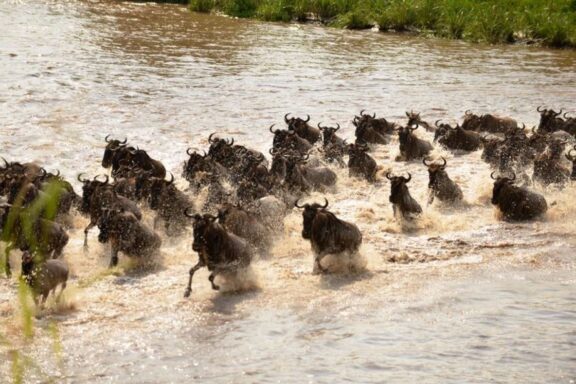
Only a few moments in a traveller’s life carry the weight of a true legacy, and standing on the edge of the Mara River as the first wildebeest plunges into the current is one of these moments. It’s a signature moment for your personal collection of the world’s rare wonders.

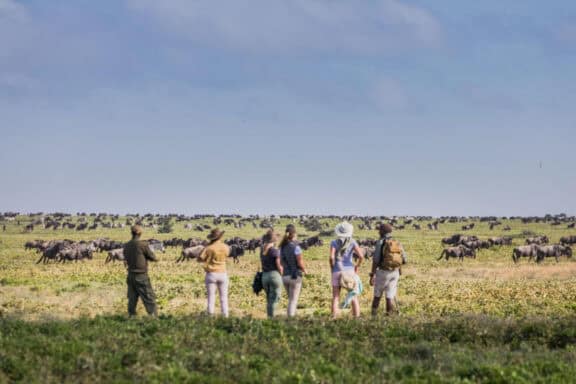
A wildebeest migration safari is a primal encounter with Africa’s wild heart during the greatest show on Earth, a journey that tests your adventurous spirit and rewards you tenfold.

The Eternal Cycle: What is the Great Migration?

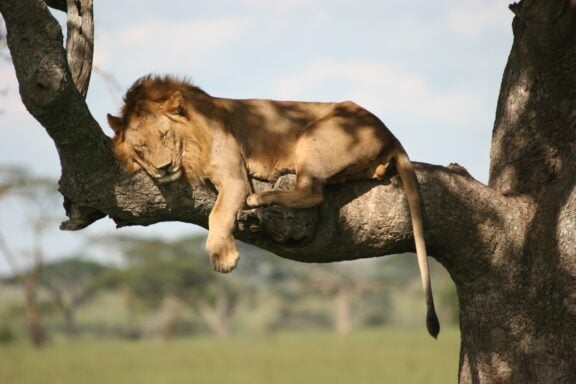
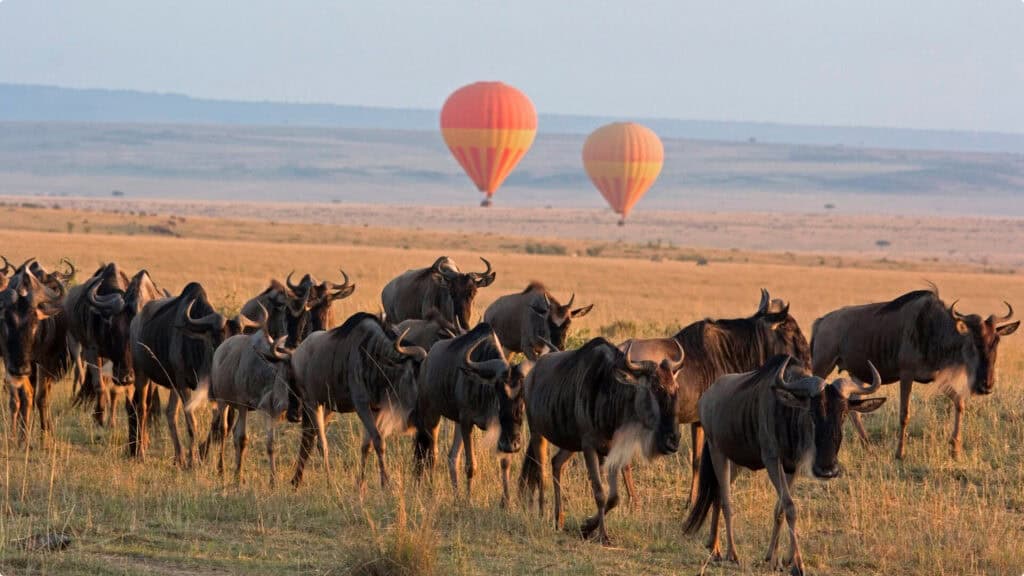
The wildebeest migration is a circular, never-ending quest for green grass. It’s a rhythmic pulse that dictates life and death across the plains, involving nearly two million wildebeest, 200,000 zebras, over 300,000 Thomson’s gazelles, and a trailing cast of Africa’s most formidable predators such as lions, cheetahs, and hyenas.

Though many believe it is a seasonal event, the truth is the herds are in Tanzania for most of the year. It isn’t a single event but a year-round cycle. And during that cycle, you’ll witness the circle of life in its most honest form: from the synchronised birthing of 500,000 calves in the southern Serengeti in the early months of the year to the life-or-death drama of the northern river crossings in the later months.

Mapping the Journey

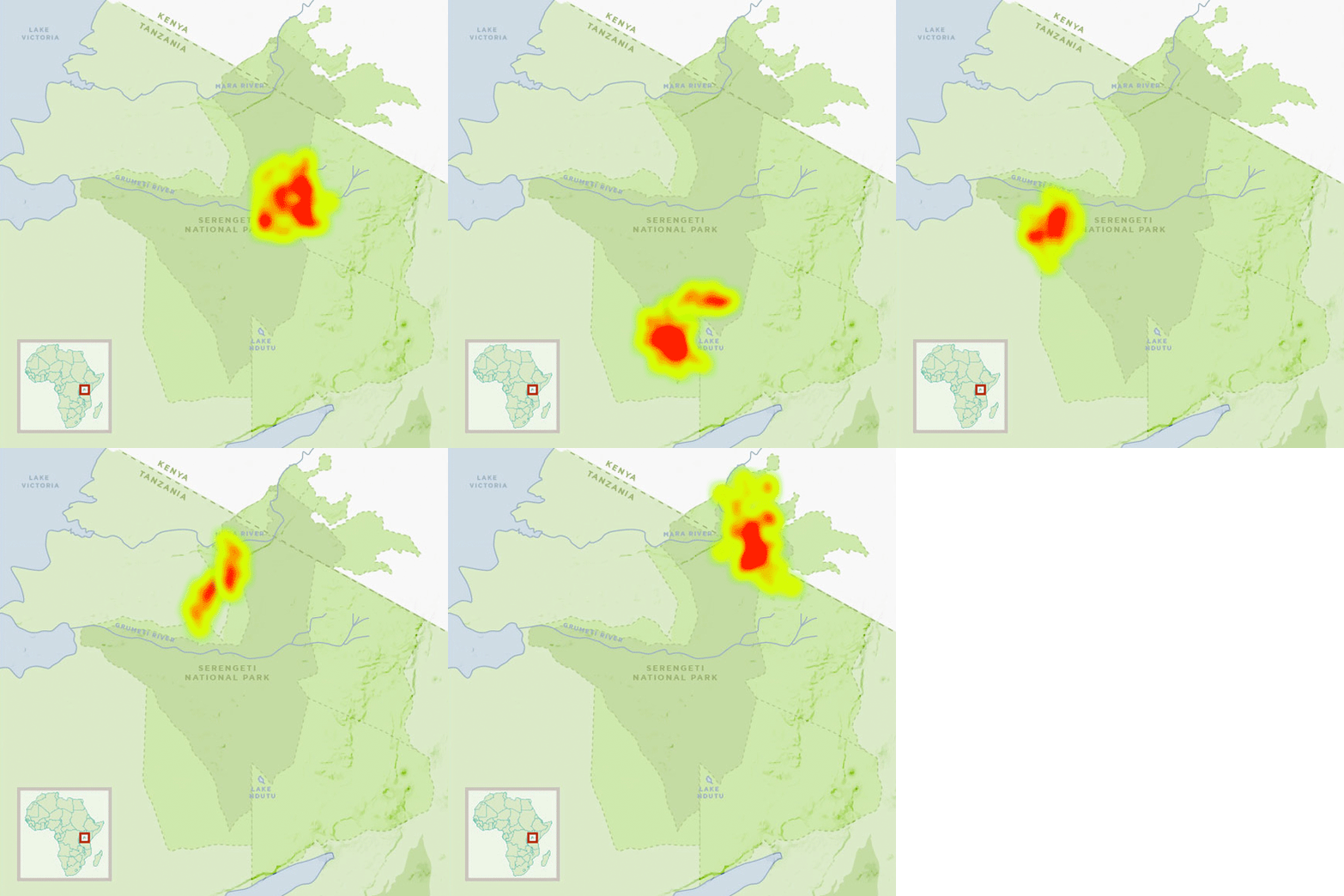
To truly understand the scale, you need to look at a wildebeest migration map. The herds move in a general clockwise loop through the Serengeti-Mara ecosystem:

  • January – March: The southern Serengeti (Ndutu) becomes a nursery. It’s a time of abundance, but also a high-stakes game for lions and cheetahs. It’s magical but brutal; sensitive guests should prepare for the reality of predator kills.
  • April – June: The herds move north-west, trekking through the Grumeti Reserve, with a key event being the Grumeti River crossing which usually happens in June and early July.
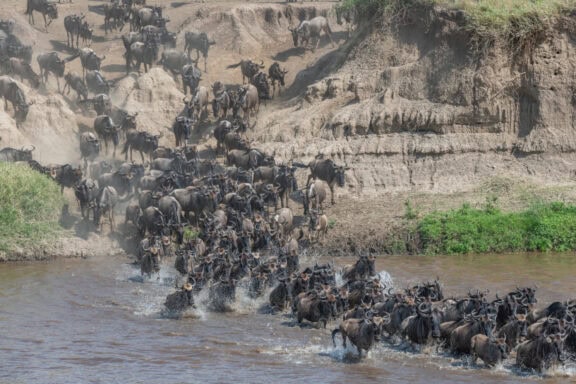
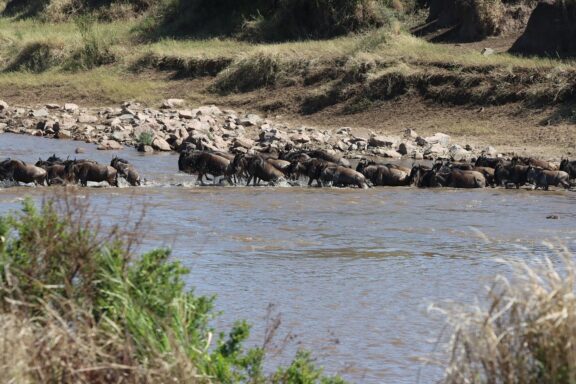
  • July – October: The famed crossings of the Mara River occur as the herds move into Kenya’s Masai Mara. This is where you’ll find the most dramatic and chaotic action. These crossings are the pinnacle of migration drama, though they’re never guaranteed. Herds may wait on the banks for days before the first brave beast plunges in. During this period, herds often move back and forth between the Serengeti and Mara.
  • November – December: The short rains draw the herds back south into the Serengeti National Park.

Navigating the Circuits

Tanzania is a land of layers, and understanding the Great Migration map is only the beginning of building a rewarding itinerary for your wildebeest migration safari.

1. Southern Circuit: Birthing Season

Between December and March, as the year begins anew, the herds gather on the short-grass plains of the southern Serengeti and around Ndutu in the Ngorongoro Conservation Area to calve. The herds don’t descend directly into the Crater.

Up to 500,000 calves are born in the first couple of months of the year, bringing intense predator activity. This circuit is best for big cat action and dramatic, emotional wildlife moments. The open plains make for excellent visibility and photography.

2. Central Serengeti Circuit: Seronera Reliability

Migration herds pass through the Seronera Valley for much of the year, but especially from April to June and in November. There are strong resident populations of lions, leopards and elephants, making the area a reliable year-round safari base.

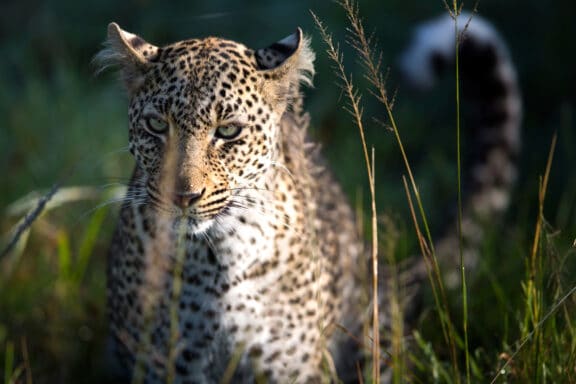
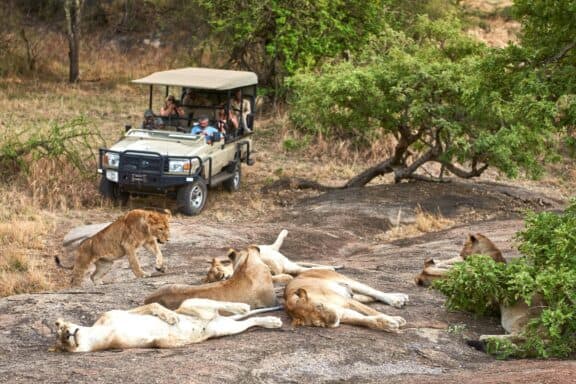
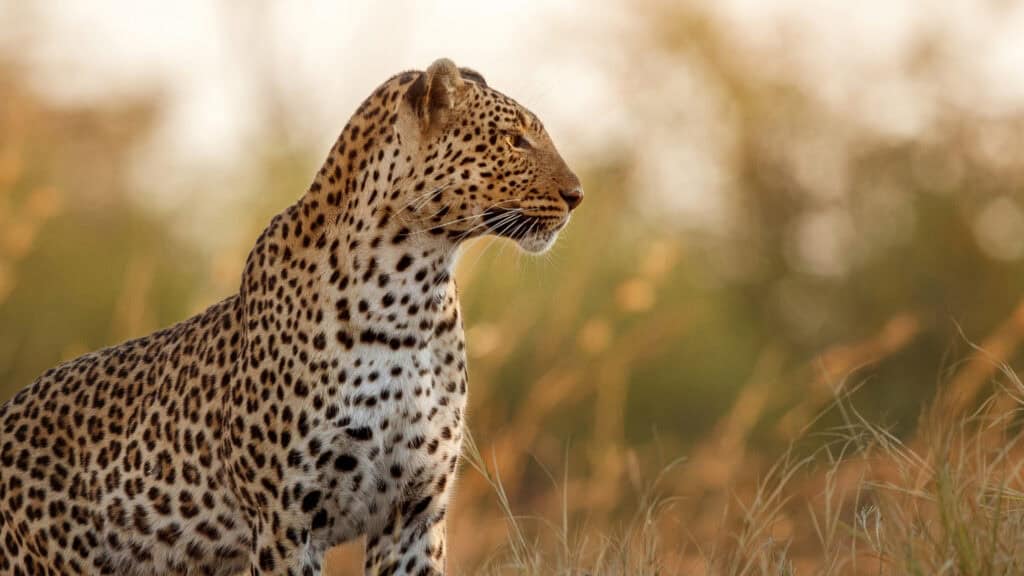
For big cats, look out for leopards in riverine areas and lions on kopjes. The central circuit is best for first-time safari travellers wanting a high probability of key sightings.

3. Western Corridor Circuit: Grumeti River Crossing Drama

Herds move north-west in May to June, towards the Grumeti River, where the first major river crossings take place. By July, the bulk of the migration would have left the Western Corridor.

They’re less dramatic than the Mara River crossings, but are wilder, with huge crocodiles and chaotic crossings. There are fewer crowds than on the northern circuit, meaning a rawer, less commercial feel with an excellent combination of migration and resident wildlife.

4. Northern Serengeti Circuit: Mara River Crossings Intensity

The most famous crossings are of the Mara River between July and October, in the northern part of the Serengeti National Park, around Kogatende and Lamai. The herds move between Tanzania and Kenya, into the Masai Mara National Reserve, with hundreds of thousands of wildebeest plunging into crocodile-filled waters.

This circuit offers the classic “National Geographic moment”, with high drama, high stakes, and excellent predator action. It’s a bucket list view in the world of iconic migration scenes.

5. Return Circuit: North to South Transition

In October and November, when the short rains come, the herds return to Tanzania. The landscape turns green again and the migration becomes more fluid and unpredictable. There are fewer vehicles on this circuit, which offers good value, lower safari traffic, and beautiful green season photography.

Choosing Your Sanctuary: Luxury Migration Safari Lodges

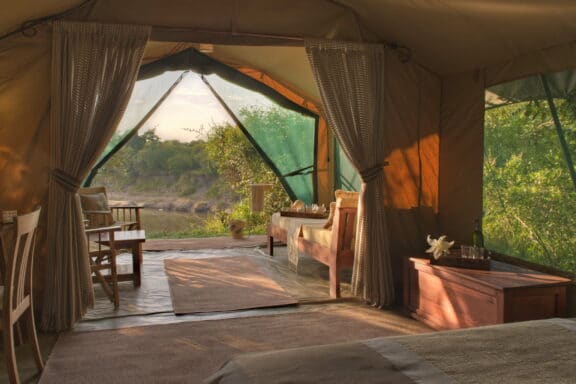
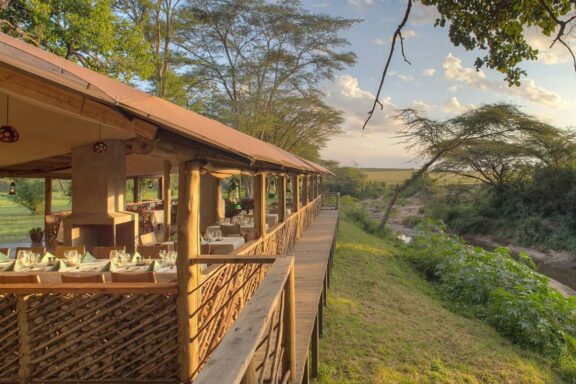
Where you rest defines your perspective. For the adventurous, mobile camps offer the ultimate immersion, moving with the herds so you wake to the thrum of hooves.

These move seasonally to ensure you’re always exactly where the action is, immersing you in the experience without sacrificing elegance.

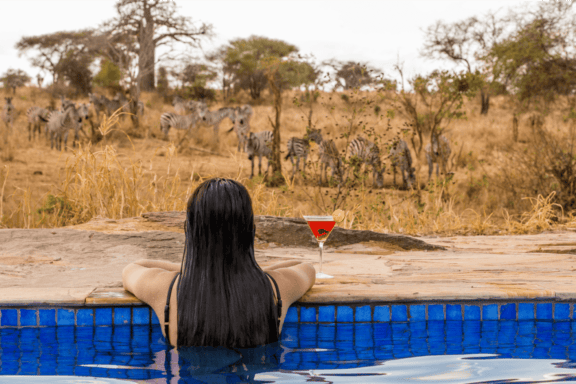
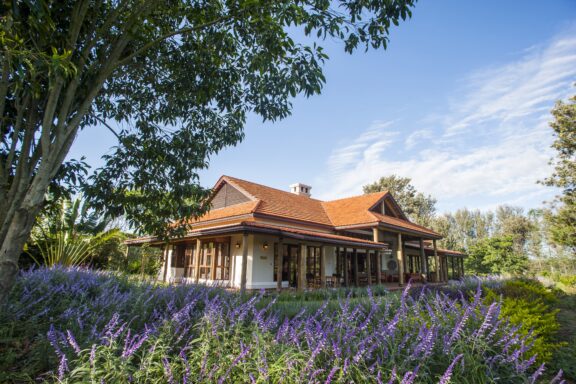
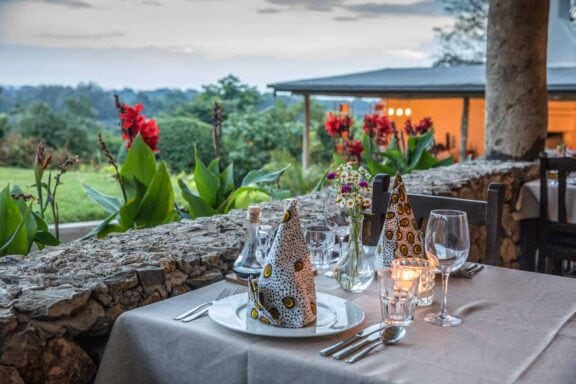
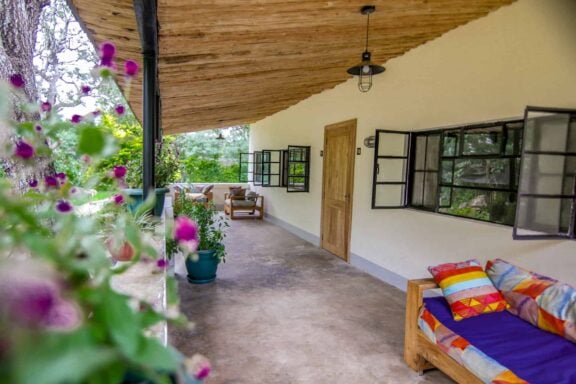
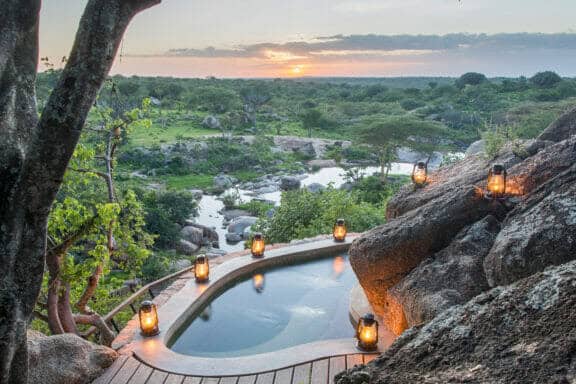
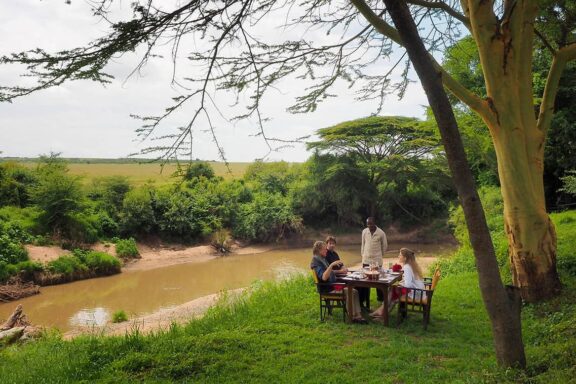
We also work with permanent camps and lodges across the Serengeti. Many blend comfort with raw nature, offering private plunge pools and world-class spas, making for the ultimate escapist sanctuary after a day in the dust.

Expert Guidance: When is the Great Migration in Africa?

Timing is everything. The dry season (from June to October) is best for classic viewing, but the short rains of November and December offer lush colours and fewer crowds for photographers.

Our Herdtracker app provides real-time updates from rangers and bush pilots, ensuring your migration safari map is always accurate. We’ve walked these paths and stayed in these lodges.

Ready to Start Designing Your Journey?

All the information surrounding the Great Migration can be overwhelming… “Which area should I go to? Where should I stay? What time of the year should I go?” This is where we come in. Our safari experts have travelled these paths and understand the nuances of all the different parts of this eternal cycle – the Greatest Show on Earth.

Start planning your Great Migration African chapter with a Discover Africa expert today. Let’s craft a story that’s uniquely yours.
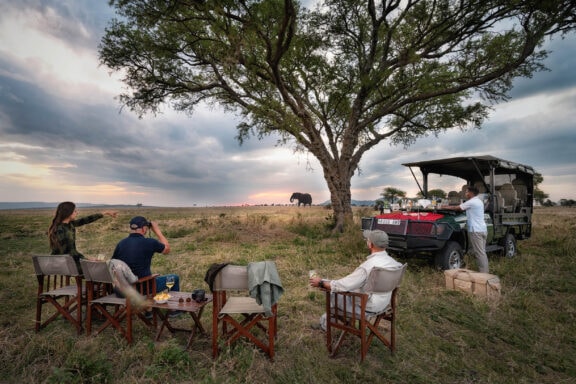

What to Expect?

  • Many people think that the great wildebeest migration only happens once a year, but the migration is in fact an all-year-round event — with each time of year offering a unique wildlife experience.
  • Select a month below to find out what each month offers in terms of weather, wildlife, migratory movements, predator interactions, river crossings and where the best place to stay is, to get the most out of your trip to see the great wildebeest migration.

When is the best month to view the Great Migration?

Migration in January

  • Weather: A hot and humid summer month with average temperatures ranging from 15°C (59°F) to 28°C (82.4°F).
  • Wildebeest migration movement: Between Lobo and Naabi Hill, wildebeest herds converge on the Serengeti’s eastern edge in January. The herds are on the move in search of good grasses for their young.
  • Predatory encounters: Because it is calving season, big cats visit in January.
  • Accommodation options: Depending on the conditions, it is recommended that you stay in the city centre and only travel north or south from there.

Read More

Migration in February

  • Weather: Maximum temperatures of 28°C (82.4°F) and minimum temperatures of 15°C (59°F) characterize this month’s weather.
  • Wildebeest migration movement: For the past ten to twelve years, wildebeest herds have been settling in and around Lakes Ndutu and Masek. This meadow is lush in February, making it an ideal location for wildebeests to give birth to their young.
  • Predatory encounters: As lions and leopards move into the area to hunt on young and vulnerable calves, predatory confrontations are quite frequent.
  • Accomodation options: For a migration safari to the Serengeti in February, you may reserve your Ndutu accommodation well in advance and have peace of mind.

Read More

Migration in March

  • Weather: In Tanzania’s Serengeti National Park, the first month of fall, March, remains warm, with average temperatures ranging from 28°C (82.4°F) to 15°C (59°F). March has a reputation for being a rainy month. The meadows are lush and fruitful, providing vital nourishment for the large herds of wildebeest.
  • Wildebeest migration movement: The Serengeti’s Ndutu and Kusini Maswa districts are home to the Serengeti’s wildebeest herds. They move slowly, while numerous newborn calves are fed.
  • Predatory encounters: Predators see calves as easy prey since there are so many of them. There will be a lot of lions and leopards to see.
  • Accommodation options: We recommend spending March in the Ndutu area. Mobile camps in Kusini and Maswa operate during the month of March, providing wonderful possibilities to be close to the herd during your Serengeti migration safari.

Read More

Migration in April

  • Weather: The Serengeti is damp in April, but you’ll adore it. Bring a raincoat and your sense of humour. April showers are nothing to be concerned about. The rain falls mainly in the evenings, and the days are mostly sunny.
  • Wildebeest migration movement: Because it is the most consistent, April is one of the finest months to watch the herds. When newborn calves and foals reach the age of mobility, they begin to move.
  • Predatory encounters: The populations of lions and big cats in these areas are thought to be steady. Expect a lot of physical interaction between the hunter and the prey.
  • Accommodation options: The migration is best seen in April in the Simba kopjes districts of Moru and Kusini.

Read More

Migration in May

  • Weather: In Serengeti National Park, Tanzania, April is a moderate fall month, with typical highs of 26°C (78.8°F) and lows of 16°C (60.8°F). May is the wettest month in the Serengeti. Roads can be dangerous and challenging to manoeuvre.
  • Wildebeest migration movement: As the calves’ legs become fully functioning in May, the herds take up the pace.
  • Predatory encounters: Crocodiles of the Grumeti genus.
  • Accommodation options: Staying in the Moru region is recommended, however, Serengeti migration safari arrangements should be arranged as soon as feasible.

Read More

Migration in June

  • Weather: Temperatures at Serengeti National Park range from 13°C (55.4°F) to 25°C (77°F) in June, the first month of the winter. In June, the rainy season comes to an end. The fields are lushly green and densely forested.
  • Wildebeest migration movement: Wildebeest populations travel over great distances. It could take up to three hours to cover the distance between the leading and trailing herds.
  • Predatory encounters: Each migrating animal must first navigate a crocodile-infested river, the first of many dangerous river encounters.

  • River crossings: The Grumeti River crossing season runs from June to August, depending on the river’s water level. The river is rarely full enough to make dramatic crossings like those seen on the Mara River in July and August.

Read More

Migration in July

  • Weather: July is another nice winter month in Tanzania’s Serengeti National Park, with average temperatures ranging from 13°C (55.4°F) to 25°C (77°F).
  • Wildebeest migration movement: In pursuit of water and greener grass, herds of wildebeests began to migrate quicker.
  • Predatory encounters: Expect predatory encounters, such as with crocodiles.
  • River crossings: The Grumeti and Mara Rivers are both crossed.
  • Accommodation options: If you want to see early river crossings, the Grumeti River is a fantastic site to come to in July. However, due to the limited number of rooms available, we strongly recommend that you book as soon as possible to avoid disappointment.

Read More

Migration in August

  • Weather: August is the hottest month of the year in Serengeti National Park, with average temperatures ranging from 14°C (57.2°F) to 26°C (78.8°F). August is a hot and humid month when the dry season comes into high gear.
  • Wildebeest migration movement: Wildebeest herds will continue their search for lusher, greener vegetation, attempting to cross the Mara River’s treacherous, crocodile-infested waters.
  • Predatory encounters: Crocodiles are among the predators encountered.
  • River crossings: If you want to see river crossings, August is the best month to go. The animals will cross a foreign border between Tanzania’s Serengeti and Kenya’s Masai Mara.
  • Accommodation options: Book early on both sides of the Mara River. The Olakira Camp, Sayari Mara, and Mara River mobile camps offer a once-in-a-lifetime migratory safari.

Read More

Migration in September

  • Weather: September offers more hot and dry weather, as the dry season continues in the Serengeti and Masai Mara.
  • Wildebeest migration movement: Most of the wildebeest have crossed the Mara River, and the majority of the herds will be in the Greater Masai Mara area, eating the lush green grass resources before venturing north towards the private conservancies (Mara North, Olare Orok).
  • Accommodation options: Similar to August, September is an easy month to predict where the herds will be. You can still stay in the Serengeti early in the month, but its safer to stay on the Masai Mara side to view the last of the Mara River crossings. The Olakira Camp or the Mara River mobile camps are unrivalled migration safari options.

Read More

Migration in October

  • Weather: October will be milder, as the dry season approaches its climax. You might even experience early rain in the Masai Mara and the Serengeti.
  • Wildebeest migration movement: The wildebeest herds are in the Masai Mara, but will start to slowly move back into the Serengeti moving through Loliondo in the east.
  • Accommodation options: Its best to stay in the Masai Mara to have the best opportunity to see the wildebeest herds. Nomad’s Lamai and Lemala’s Kuria Hills are good migration safari destinations.

Read More

Migration in November

  • Weather: November brings cooler weather, as the early rains start to fall in the Serengeti.
  • Wildebeest migration movement: The wildebeest herds are now in the Serengeti, stationed in the Lobo, Mbuze Mawe and Seronera Valley areas where water is abundant.
  • Accommodation options: The south-eastern Masai Mara itself, combined with north-eastern Serengeti is where you need to be. Sala’s Camp & the Lobo mobile camps are two authentic migration safari accommodations.

Read More

Migration in December

  • Weather: Expect wet weather in December, as the short rains begin to fall in the Central Serengeti.
  • Wildebeest migration movement: The wildebeest herds will move quicker now, as far south as possible, towards the Southern Plains which they usually reach within a couple of days.
  • Accommodation options: If there’s been lots of rain in the northern Serengeti, then South of Lobo is the ideal place to see the wildebeest herds. Kleins Camp, Migration Camp and the Lobo Mobile Camps are all great migration safari accommodation choices in December.

Read More

Why Book with us?

Our safari experts are with you at every step of your journey.

Personalised Advice

Best Price Assurance

Responsible Safaris

24/7 Support

Planning a trip to see the wildebeest migration, but not sure when or where to go?


Find out where the herd will be, and what to expect each month of the year, using our migration map with monthly predictions.


Our experts predict how the wildebeest migration will move based on previous years migratory patterns and real time updates received from pilots, rangers and safari guides in the Serengeti.


View Migration Map and Monthly Prediction

What Our Guests Have to Say?

Read recent reviews from travellers who have planned and booked their trips with us

I recommend Chrizaan and Discover Africa to anyone who will listen!

4 Nights Sabi Sands and Kruger Safari Review

Matthew Childs, United Kingdom
18 Dec 2025

We got recommendations from friends and were really very satisfied with the...

6 Night Okavango Delta Family Safari Review

Nadja, Croatia
11 Sep 2025

Amazing experience

Kruger Park & Victoria Falls Safari Review

Alex Kohli, United Arab Emirates
21 Jul 2025

Incredible safari experience!

Our Cape Town and Safari Adventure was top-notch!

Cape Town Adventure and Kruger National Park Safari Review

John Howell, United States
25 Jun 2025

Reliable and helpful tour operator!

Namibia Self-Drive Safari Review

Juergen, Thailand
01 May 2025

Ready to plan your tailor-made safari?

873 Reviews - 5/5 Stars

Craft your journey with the expertise of our dedicated Africa Safari Experts

Start Planning

Our safari traveller reviews are independently verified and sourced from trusted third-party review platforms.