Email us





A rhino safari isn’t just about ticking off an iconic sighting. It’s about standing in the presence of one of the Earth’s oldest and most vulnerable creatures, and feeling something shift inside of you. If you’ve been dreaming of a moment like that, you’re in the right place.
Across Africa, rhino numbers have faced decades of pressure, mainly from poaching. Yet, even in the face of loss, there’s also hope. Protected reserves, dedicated rangers, and community-led conservation projects have created pockets where rhinos are not only surviving but quietly flourishing. A journey into these landscapes isn’t just a holiday; it’s a chance to witness resilience first-hand.
And for travellers like you, seeking meaning, story, and connection, it’s also an invitation.
The Story of the Rhino in Africa
Africa is home to two remarkable species: the white rhino and the black rhino. Both have walked the continent for millions of years, shaping ecosystems and inspiring legends. Yet both have faced dramatic declines.
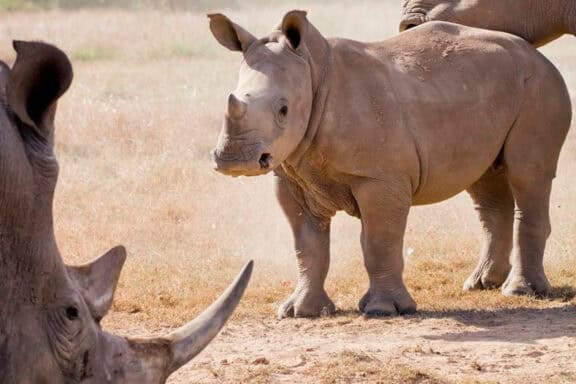
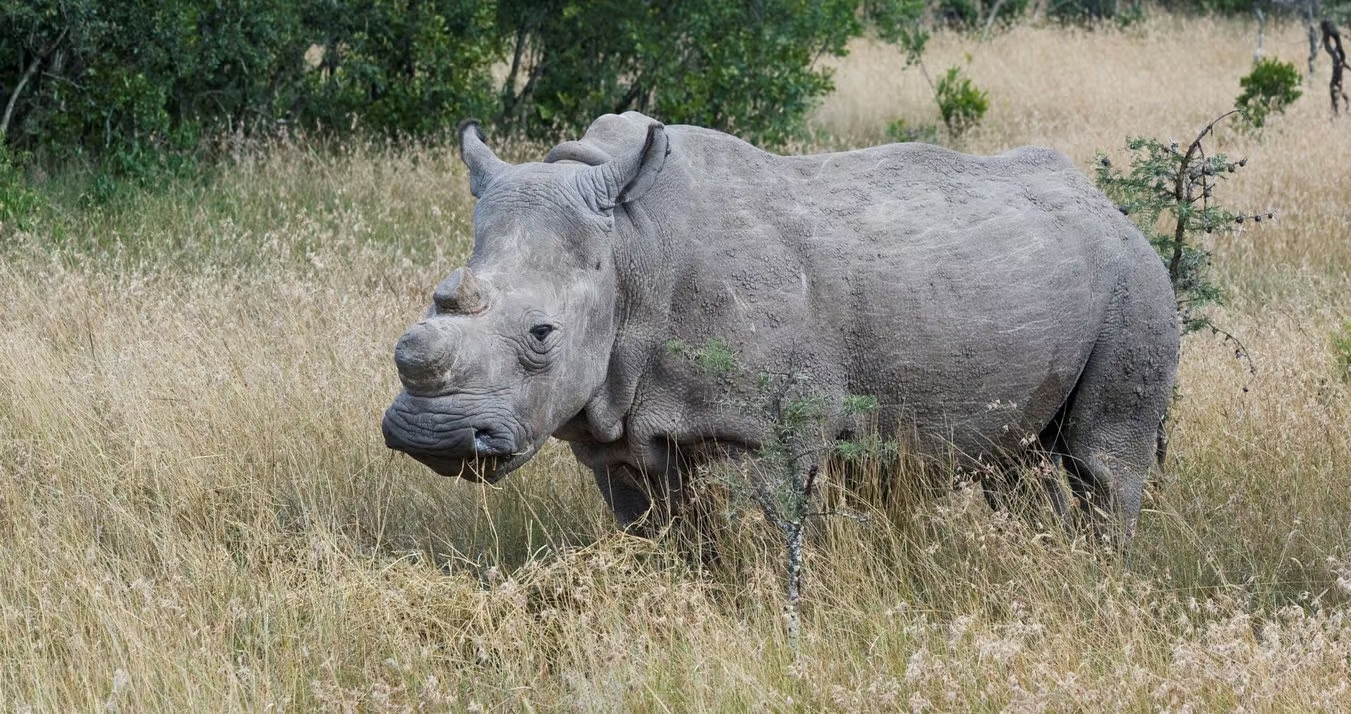
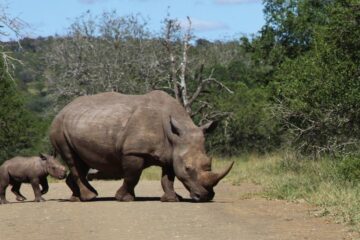
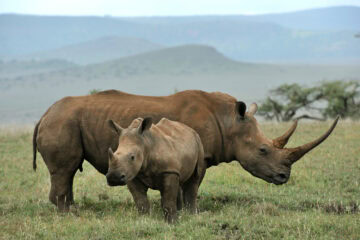
White rhinos in Africa once wandered widely across southern grasslands. Today, the southern white rhino population has stabilised in protected areas, but the northern white rhino hovers heartbreakingly close to extinction, with only two females remaining.
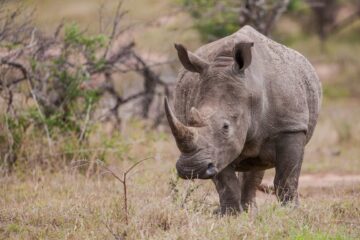
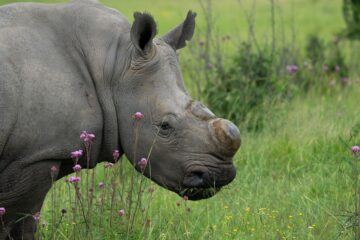
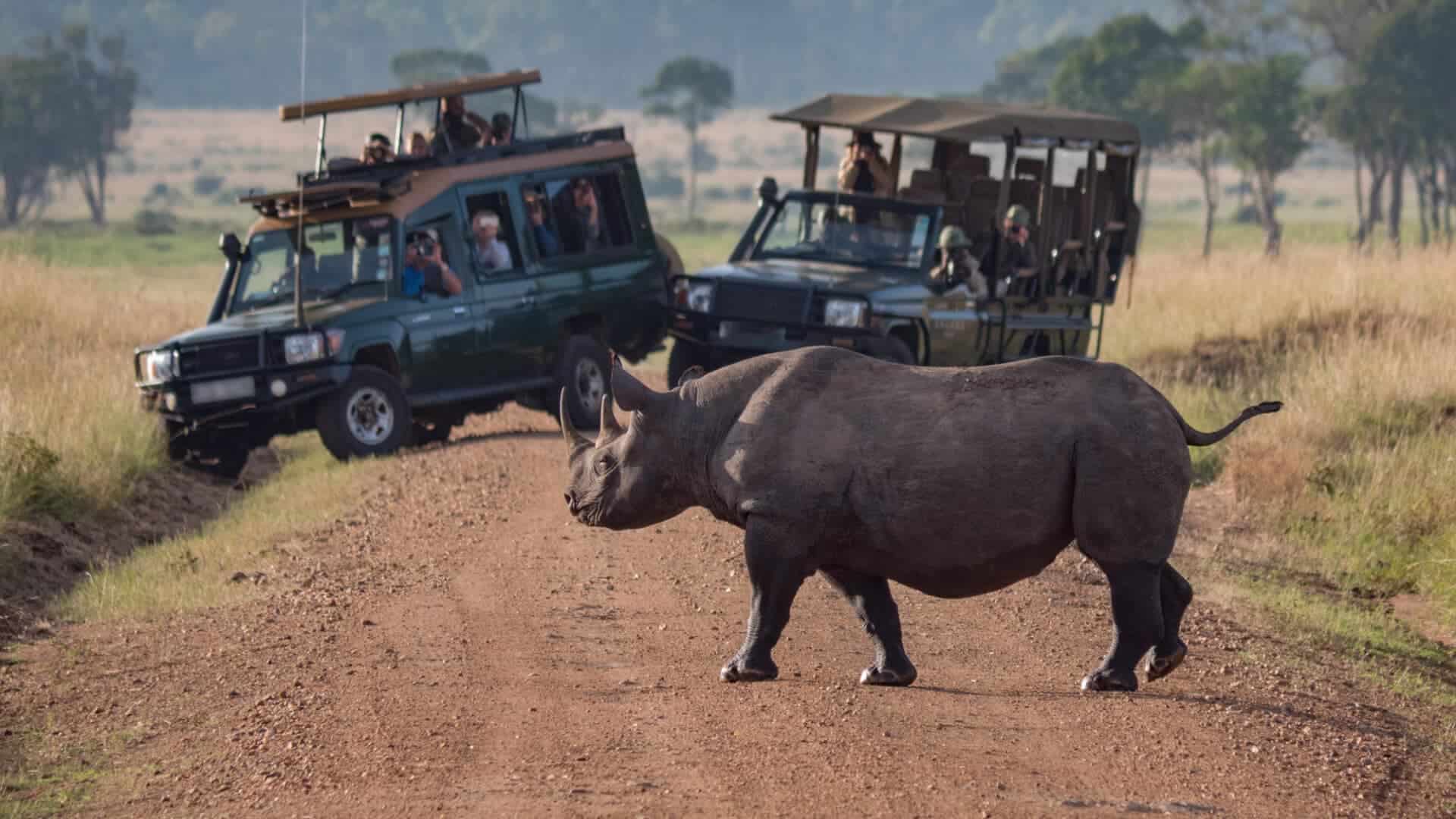
Black rhinos in Africa, known for their shy nature and hooked lips, have also suffered. Some subspecies have sadly disappeared. The western black rhino was declared extinct in 2011.
Other subspecies of black rhinos have made slow but steady comebacks thanks to intensive protection. In East Africa, especially in Tanzania and Kenya, numbers are still fragile yet improving in well-guarded reserves.
Hearing these stories in the abstract is one thing. Seeing a black rhino on safari, a creature that survived against all odds, is something entirely different.
Where Rhinos are Thriving Today
Despite the challenges, several regions across Africa have become pockets of hope for rhino conservation.
Kenya
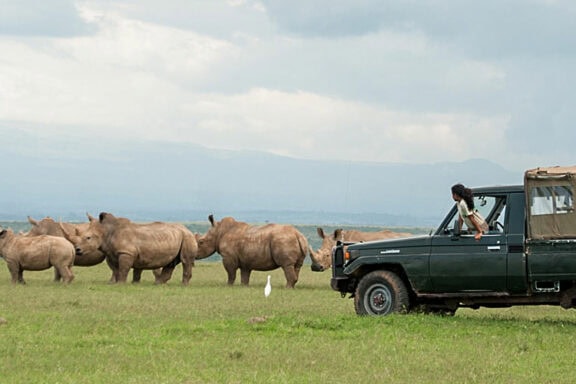
Kenya is one of the continent’s greatest success stories. Rhino safari travellers in Kenya often visit the Laikipia region, where conservancies like Ol Pejeta successfully protect both black and white rhinos.
For those beginning their journey near the capital, rhino safaris in Nairobi often include Nairobi National Park, one of the easiest places in the world to spot rhino right on a city’s edge.
South Africa
South Africa still holds the majority of the world’s rhinos. Parks like Kruger, Hluhluwe-iMfolozi, and private reserves in KwaZulu-Natal and the Greater Kruger region are essential sanctuaries.
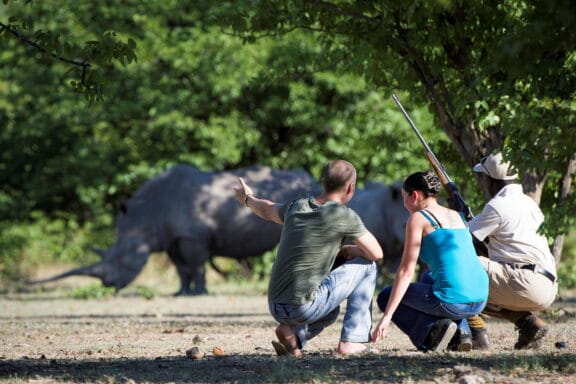
For travellers who want a closer connection to the land, rhino walking safaris in South Africa offer an entirely different rhythm. Slower, quieter, more intimate.
Namibia
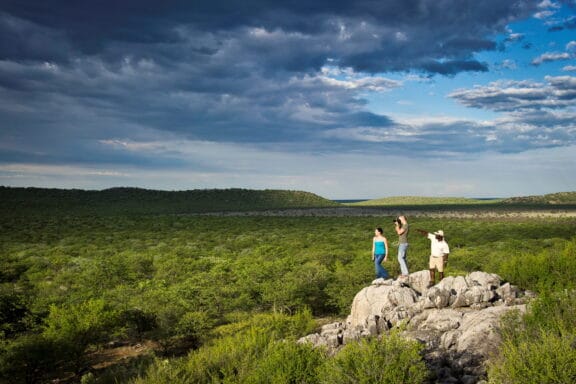
Namibia’s desert-adapted black rhinos roam some of the wildest landscapes on the continent. Here, community-led conservation is especially strong, and tracking rhinos on foot with local guides feels like stepping into an ancient story.
If you’re dreaming of rhino tours that feel purposefully rounded and close to nature, these are some of the best places to start.
What a Rhino Safari Really Feels Like
Imagine this moment.
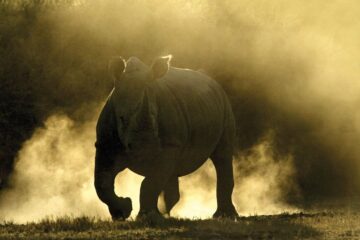
The sun is only just beginning to warm the savannah. Your guide pauses, lifts a hand, and points to a grey shape moving along a tree line. It’s a rhino. Broad-shouldered, steady, surprisingly graceful. You watch as dust rises around its feet. You feel your breath catch a little. You realise how rare, how precious, this sight truly is.
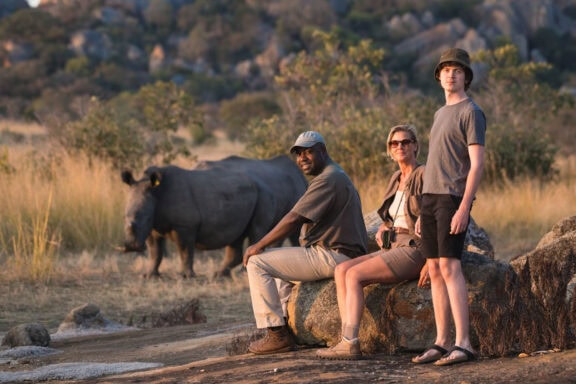
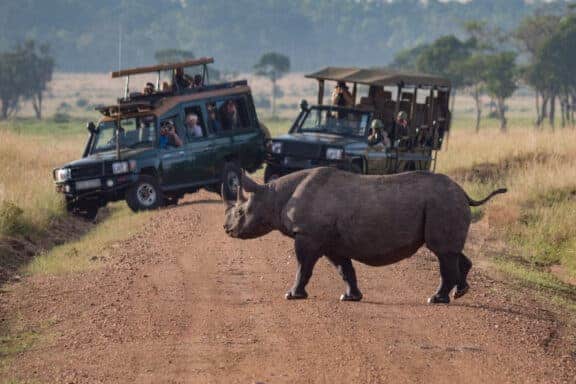
Safari rhino encounters are never rushed. They’re quiet and reflective, guided by expert trackers who read the landscape like a storybook. You’re not just a spectator; you’re a witness to conservation in action.
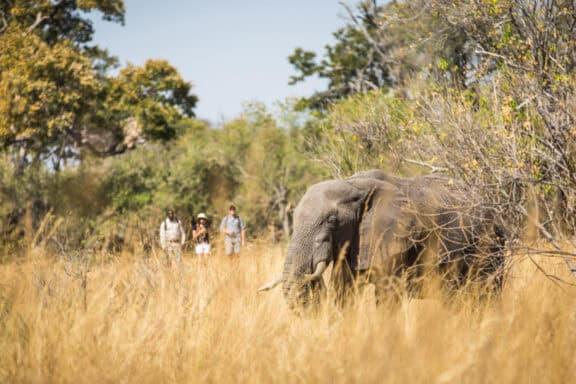
And if you choose a walk-based experience, the sense of connection deepens. Rhino walking safaris slow everything down. You hear the crunch of the earth under your boots. You feel the land. You become part of the scene rather than an observer outside it.
How Your Safari Supports Conservation
This is the part many travellers don’t realise: by simply choosing to visit these places, you help protect the rhinos you’ve come to see.
Responsible rhino safaris channel funds directly into anti-poaching units, rangers’ salaries, and habitat restoration. In many community conservancies, tourism revenue supports local livelihoods, giving people strong incentives to protect wildlife rather than lose it.
Some experiences even allow you to meet the people behind the work. The rangers who track rhinos day and night, the researchers monitoring breeding success, and the community leaders building conservation from the ground up.
Your trip becomes part of a larger effort. One woven with courage, patience, and care.
Choosing the Right Rhino Safari for You
Every traveller has their own rhythm. Some prefer classic game drives where sightings unfold naturally. Others love the immersive feel of a black rhino safari in a private conservancy, where fewer vehicles mean more time at each encounter.
Some want a mix of wilderness, culture, and community visits. Others want the stillness of tracking rhinos on foot.
Wherever you see yourself, your journey should feel personal. Shaped around your interest, your pace, and your curiosity.
That’s where thoughtful planning makes all the difference.
Ready to See Africa Through a Different Lens?
If you’re imagining that first sighting, the arc of a white rhino’s back, or the sharp profile of a black rhino emerging from acacia scrub, let’s start shaping a safari that feels honest, immersive, and deeply you.
Enquire today, and one of our expert safari planners will help you plan your rhino safari in Africa.