

 Email us




You’ve got the annual leave. You’ve got the savings. You’ve even got the safari saved in your bookmarks. There’s just one small problem: everyone you know is busy. That’s how a lot of solo safari ideas stay exactly that – ideas.
Then come the practical questions. Is Africa safe for solo female travellers? What happens when you arrive at a remote airstrip by yourself? Will you be stuck at dinner making polite conversation with strangers every night? And why does travelling alone sometimes cost more than bringing someone along?
Solo travel in Africa can work remarkably well once you understand how the setup works. You’re not expected to wander around a new destination on your own. When you land, someone meets you and takes you to camp.
When deciding on a solo safari experience, one of the bigger decisions is what you want your days to feel like.
How Do You Want Your Solo Safari to Feel?
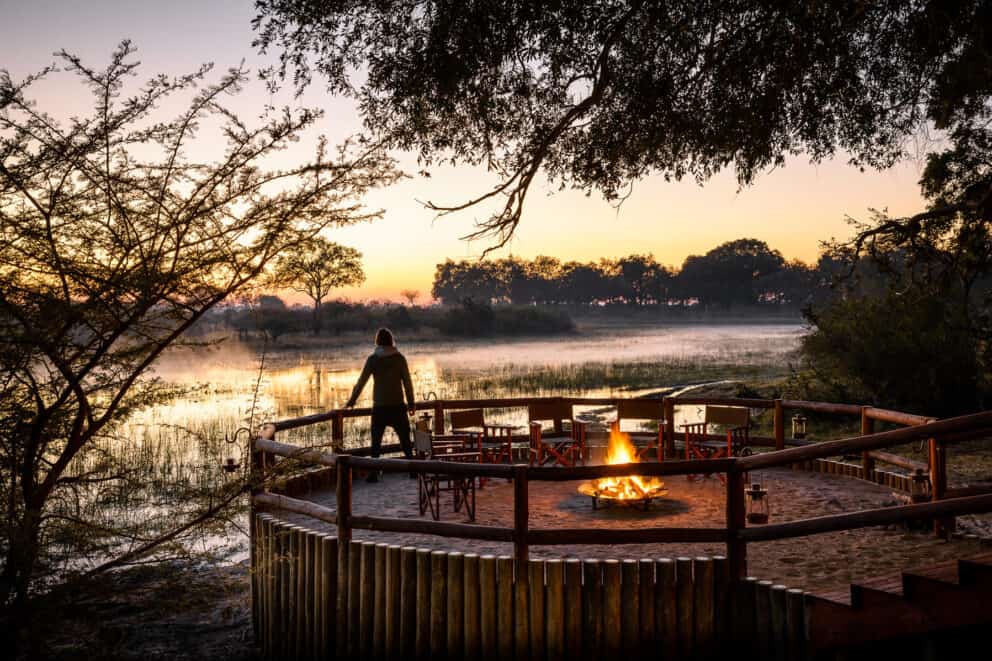
Some people want a few days with very little noise or obligation – a conscious return to something essential, with space to pause, breathe, and reflect. Others want an invitation into real Africa: learning, asking questions, tracking wildlife on foot, and connecting with local cultures. Others want a good book, a game drive, and absolutely no fixed itinerary.
Africa has an option for each, and our safari experts can guide you to the type of lodge, destination, and experiences that will make this a reality.
The Cost of Solo Safari Travel
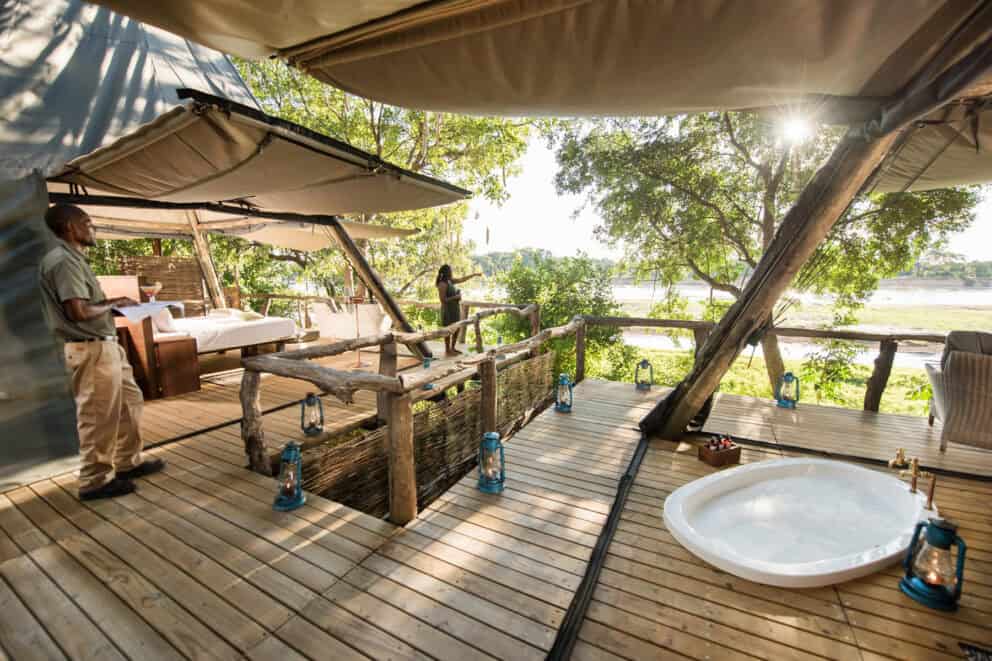
Let’s start with the least glamorous part: the bill.
Safari accommodation is often priced per person sharing, which means a single supplement can appear when there is only one name on the booking. It can add a fair amount to the cost, particularly at smaller, exclusive camps.
This isn’t always the case, though.
Some camps waive single supplements during specific seasons or on certain room types. These offers change; planning with a safari expert can introduce you to solo safari options that you weren’t even aware of.
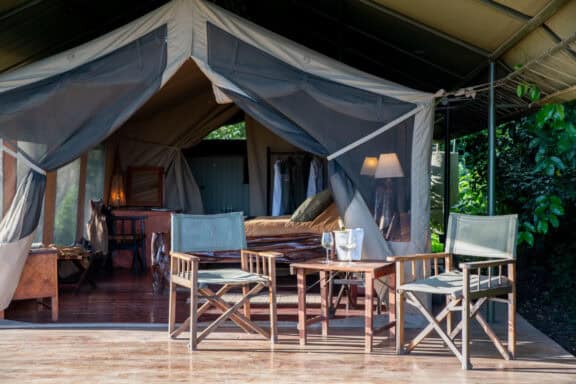
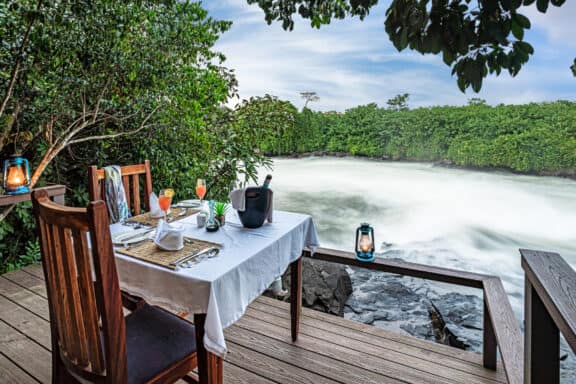
There’s also a useful middle ground between travelling completely alone and joining a large group. Many camps offer communal meals and shared game drives. You can arrive on your own, spend a quiet afternoon reading on your private deck, and still have someone to talk to over dinner.
Is Africa Safe for Solo Female Travellers?
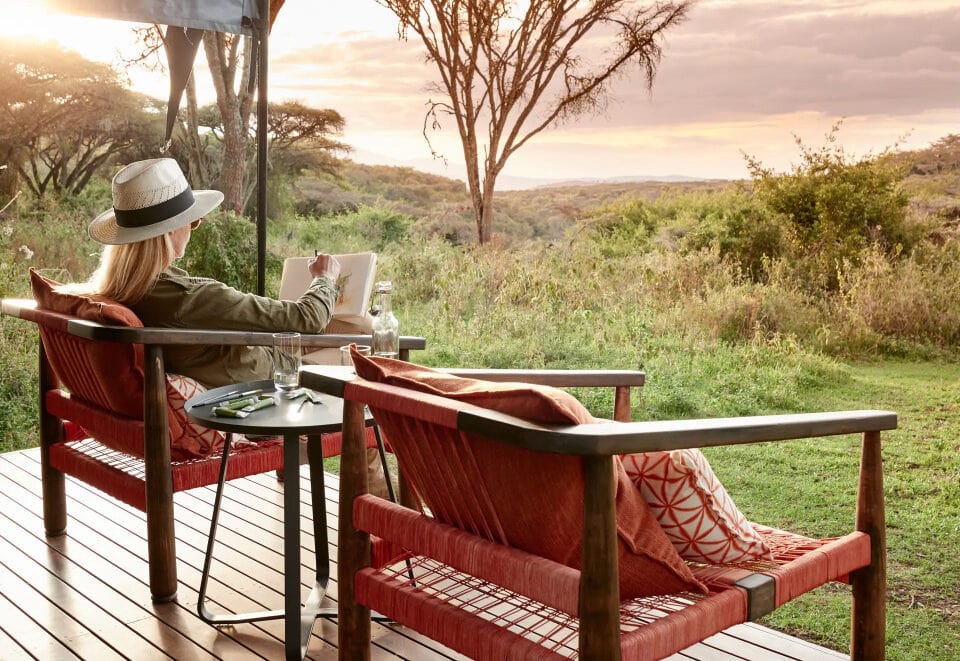
Solo travel for women often comes with many questions around safety.
Safari safety is built into the way a well-run safari operates through seamless care and experienced local guidance.
When you arrive at a bush airstrip, a camp representative or guide will meet you to transfer you to your lodge or camp. There, staff explain the rules around moving between your accommodation and the main areas, particularly after dark.
When you’re out on safari, your guide handles the wildlife side of things. You don’t decide whether it’s safe to leave the vehicle, walk closer to an animal, or head off somewhere by yourself. You follow the guide’s instructions.
You’re travelling independently, but you’re not expected to manage a remote wilderness environment on your own.
Normal travel awareness still applies, of course. Use the transfers arranged for you and listen to camp staff. The point isn’t to remove every element of uncertainty. It’s knowing which parts of the trip you can leave to people who do this every day, so you can focus on being present.
5 Destinations for Solo Safaris
1. Botswana: When You Want Some Proper Headspace
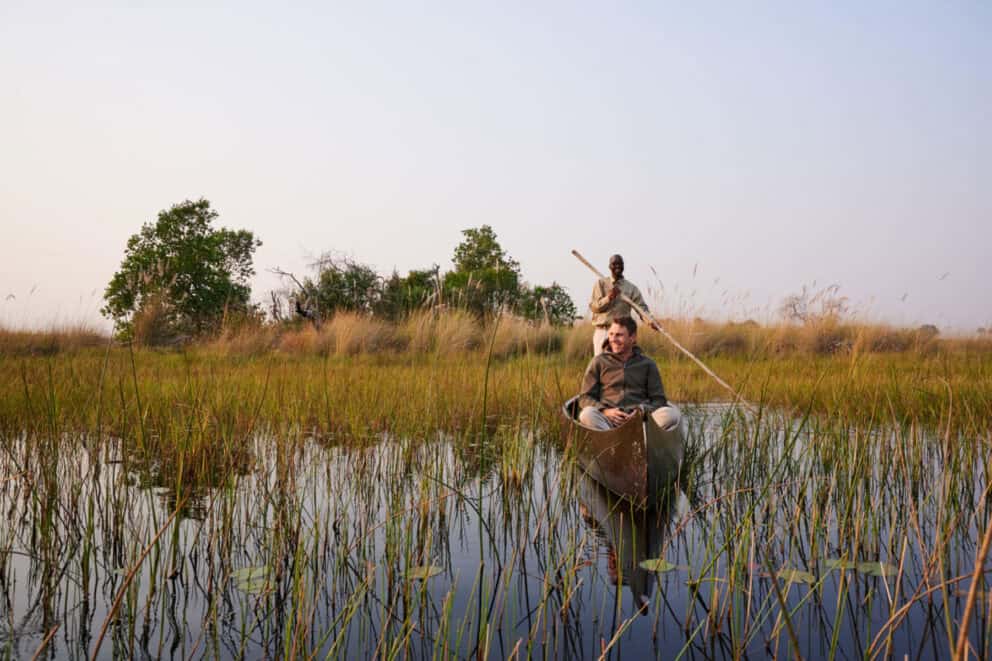
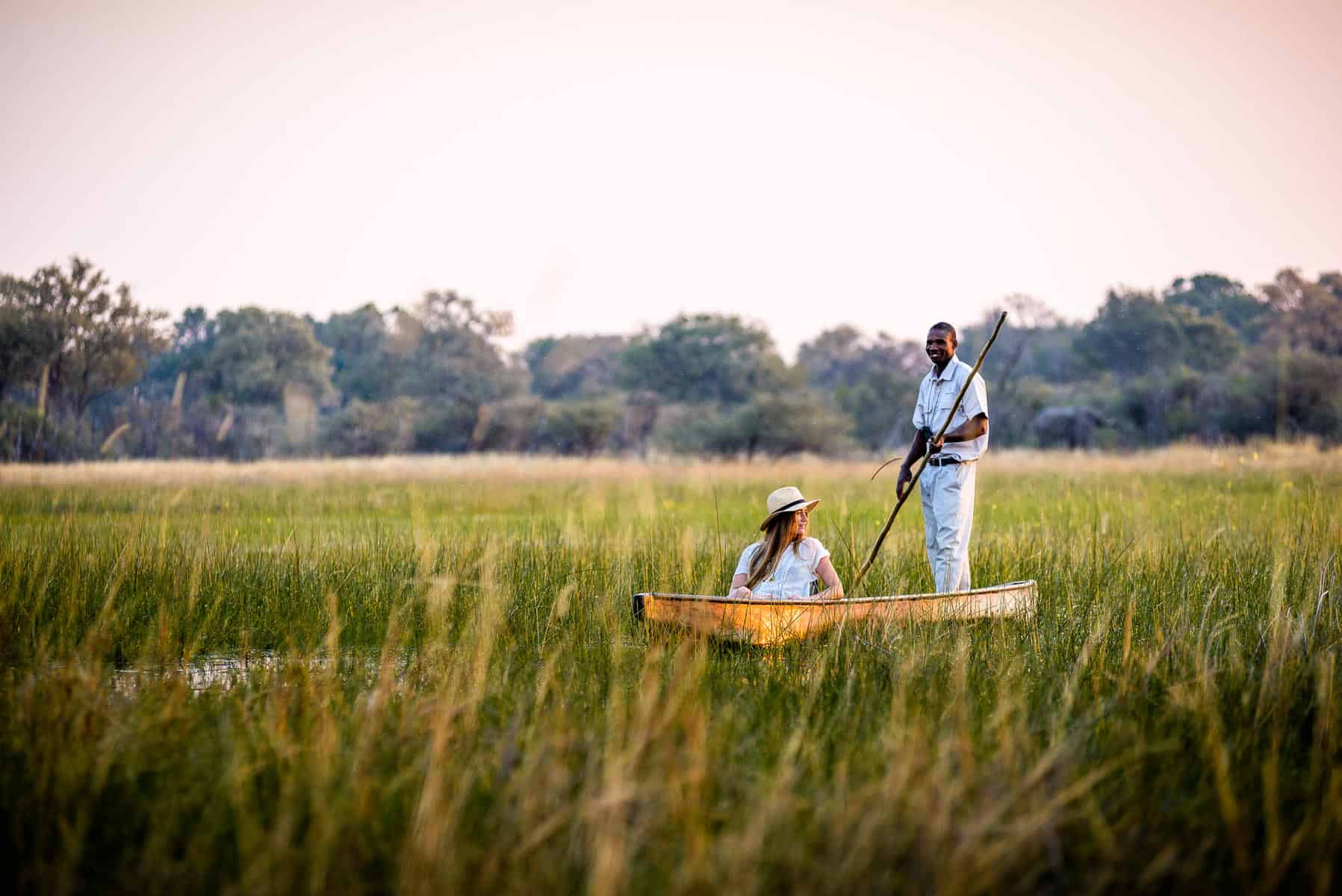
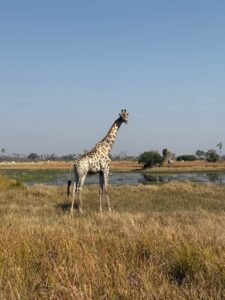
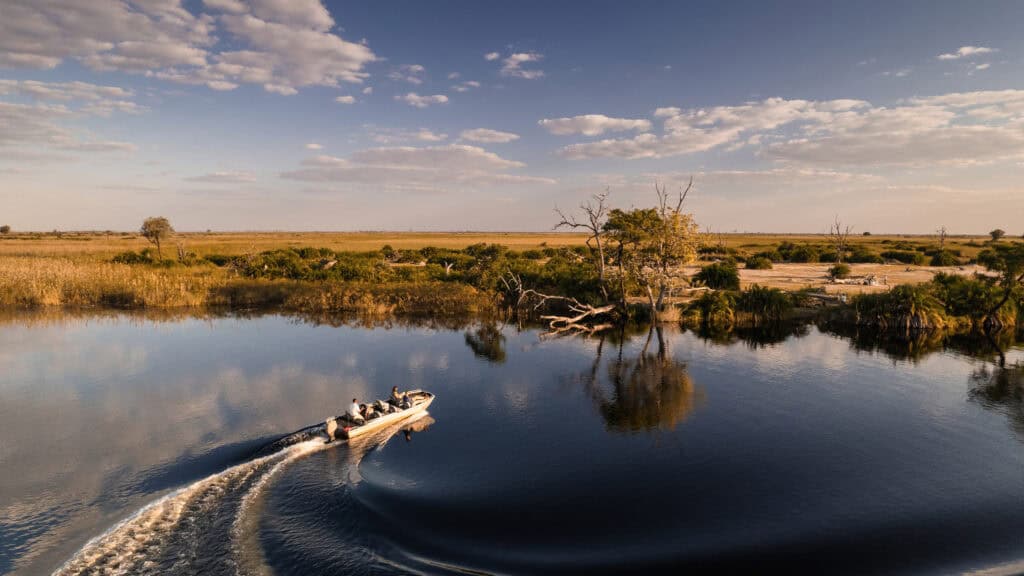
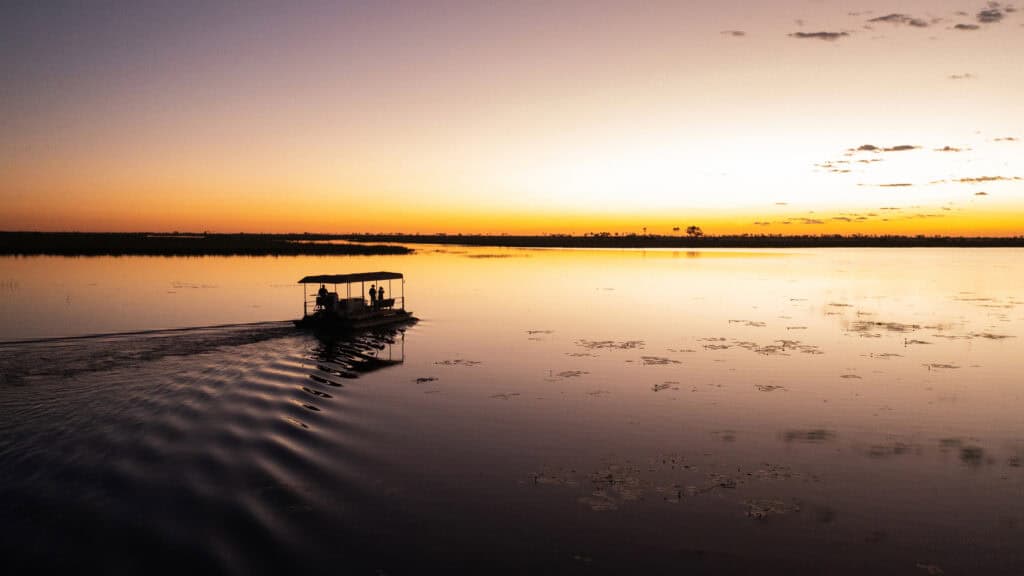
Many camps operate on a small scale, particularly in the Okavango Delta and private conservancies. Days can include game drives, quiet mokoro excursions along lily-lined channels, or simply unhurried time back at camp between activities.
That last part is worth paying attention to. Not every holiday needs to be filled from breakfast to bedtime.
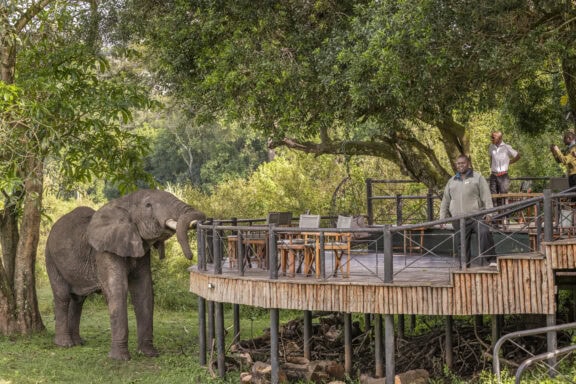
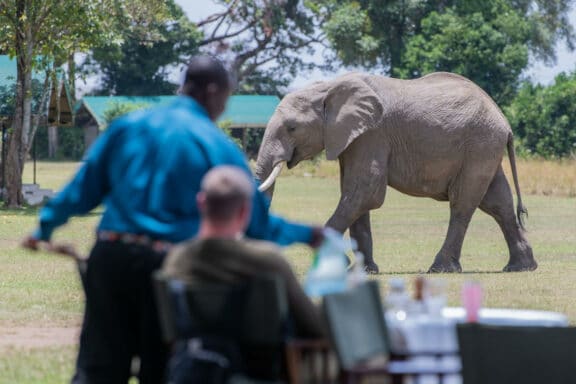
You can spend an afternoon writing or journaling on your private deck. Sit outside your room watching elephants across the floodplain. Have a long, peaceful lunch. Go on the afternoon activity when you feel like it, or skip it entirely to sit in stillness. Then join everyone for dinner and hear what they saw while you were doing your own thing.
Botswana‘s high-value, low-volume tourism model also appeals to people who want their travel choices to support a conscious approach to conservation. Fewer visitors are accommodated in fragile ecosystems, with tourism revenue directly sustaining wildlife areas and local community initiatives.
For a solo journey built around space, restoration, and quiet wonder, Botswana deserves a place near the top of the list.
2. Zambia: When Sitting In A Vehicle All Day Sounds Like Too Much
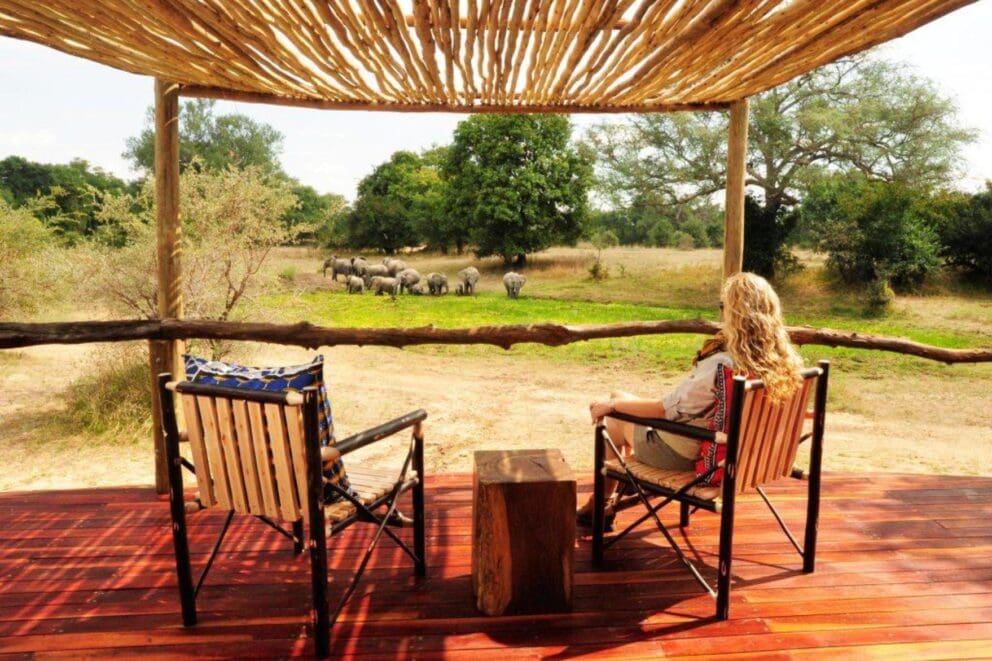
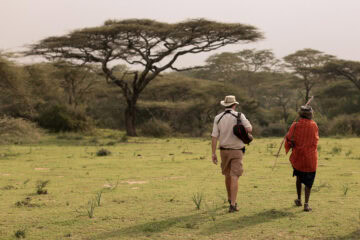
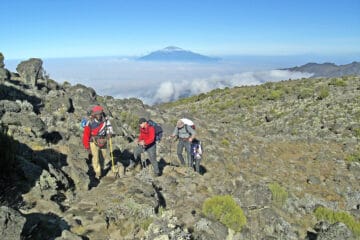
There’s a certain point on safari when your legs would quite like a vote. Zambia is worth considering if you want to spend some of your trip on foot, experiencing the African bush in its rawest form.
South Luangwa National Park is the birthplace of walking safaris, and the experience is world-class. Your guide might stop to examine lion tracks in the riverbed, identify bird calls, or explain what an animal has been doing from the subtle clues left behind.
You notice things differently when you’re walking.
A bird you’ve never heard of becomes fascinating because your guide explains its nesting habits. A set of tracks in the sand becomes a story unfolding in real time rather than something you drive past. You start looking at the landscape as a living system instead of waiting for the next large predator to appear.
For someone who values deep local insight and real connection to place, that can be far more satisfying than ticking animals off a list.
Your guide handles the safety and direction, leaving you free to focus on the sensory detail of the wilderness.
Zambia also works well if you want to add Victoria Falls to your itinerary, giving you another layer of natural wonder without turning the trip into a rushed checklist.
3. Kenya: When You Want Dinner Company, Not A Group Holiday
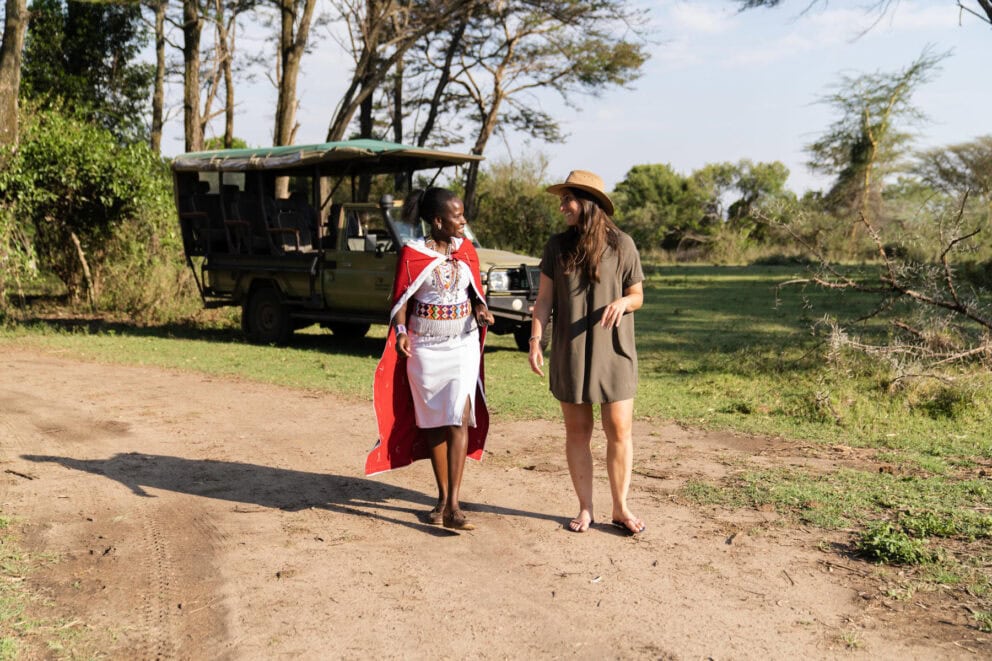
Let’s deal with the awkward bit. Some people genuinely want to travel alone, but they just don’t want to eat every meal in silence.
Kenya can be a brilliant fit.
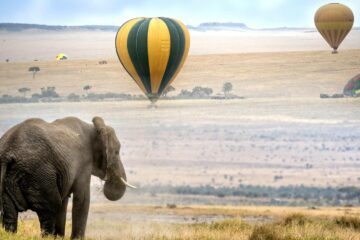
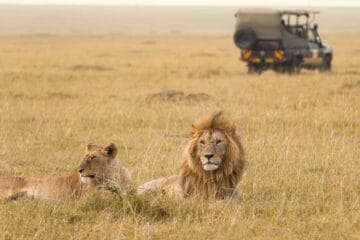
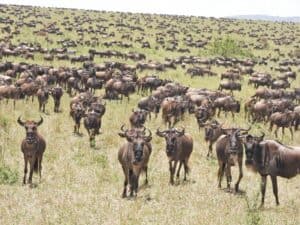
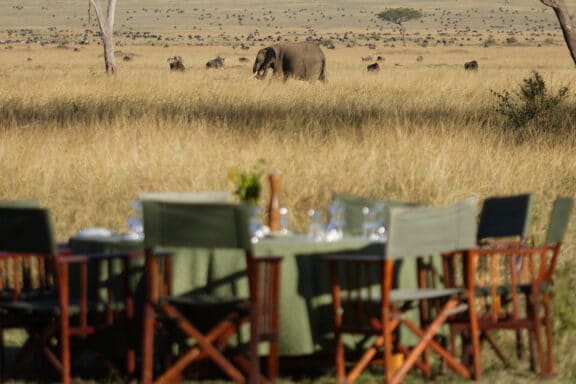
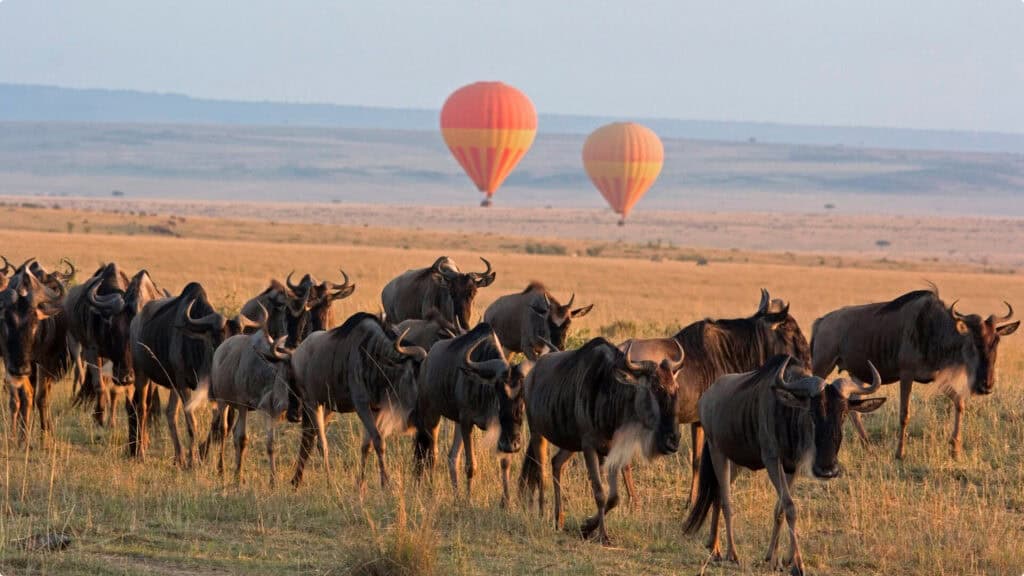
The Masai Mara and its surrounding conservancies have camps where guests naturally share game drives and meals. Arriving on your own doesn’t mean spending the entire safari in isolation. You can meet fellow travellers during the day, swap wildlife stories over dinner, and then retreat to the complete quiet of your own room when you’ve had enough socialising.
It gives you community without handing over control of your time.
There is also more to Kenya than the famous central reserve. The conservancies surrounding the Mara represent areas of Maasai-owned land where tourism directly funds land leases, conservation work, and community projects.
For an explorer interested in purposeful travel, knowing your stay directly supports host communities makes the experience far more meaningful.
4. Tanzania: When You’ve Been Waiting For The Serengeti
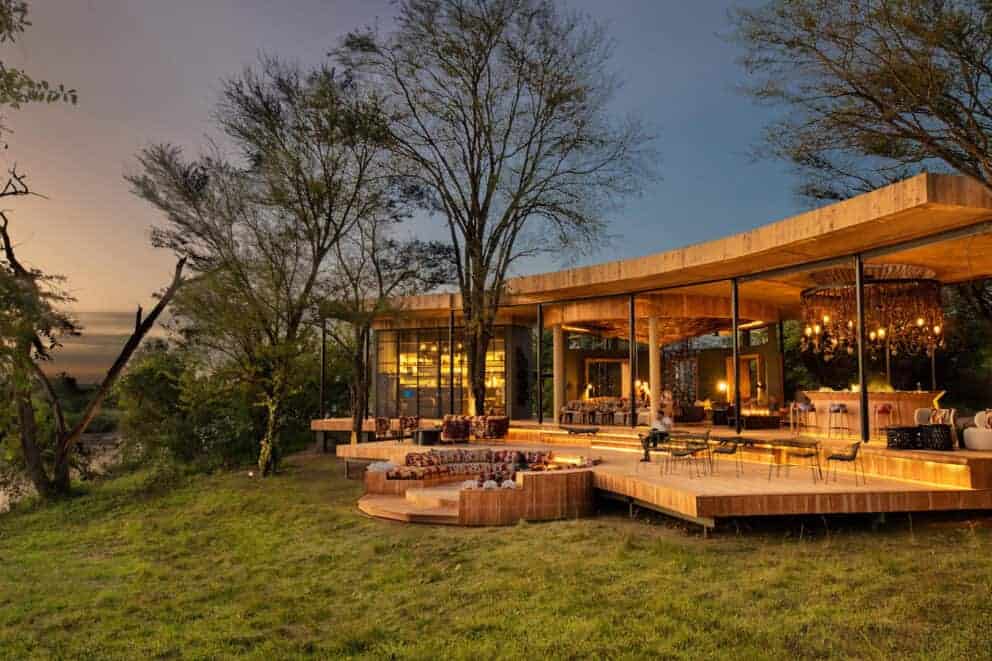
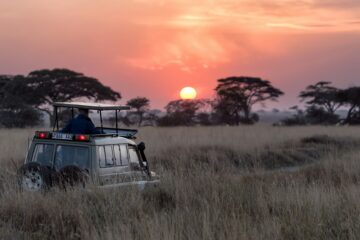
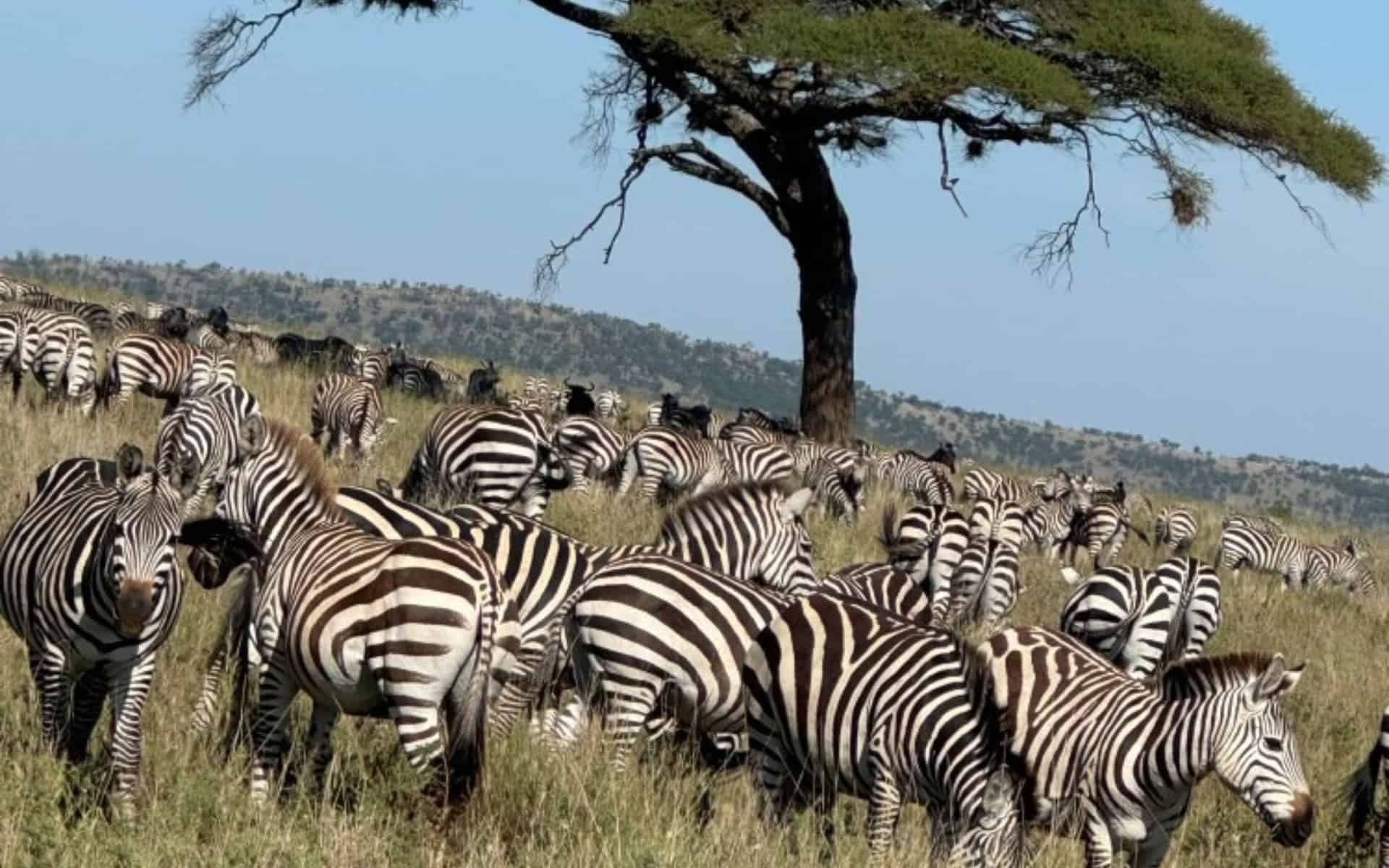
Sometimes you don’t want an alternative. You want the Serengeti.
You want the vast, iconic landscape you’ve been dreaming about for years. You want to watch infinite horizons stretch across open plains; perhaps combine the experience with a venture into the Ngorongoro Crater and a few peaceful days on the beaches of Zanzibar.
Tanzania makes all of this possible, but solo travel here requires a little extra attention to how the itinerary is structured.
Because classic East African safaris rely heavily on private transfers, internal flights, and per-person room pricing, costs can stack up quickly when you are paying the full amount alone. A safari that looks reasonable when shared between two people can look rather different on a solo invoice.
However, travelling independently doesn’t mean you have to forfeit the classic Serengeti experience.
By planning thoughtfully alongside a Discover Africa expert, you can match your travel dates with properties that offer single-supplement waivers and shared game drives. Small, boutique tented camps throughout the central Serengeti and private conservancies are particularly well suited for solo travel, offering an exceptionally warm, reassuring atmosphere where you can connect with guides and fellow travellers on your own terms.
Tanzania suits an explorer who has a very clear picture of their dream trip. You don’t have to sacrifice East Africa’s most legendary wildlife encounters simply because your booking has one name on it.
5. Namibia: When You Want To Make The Calls
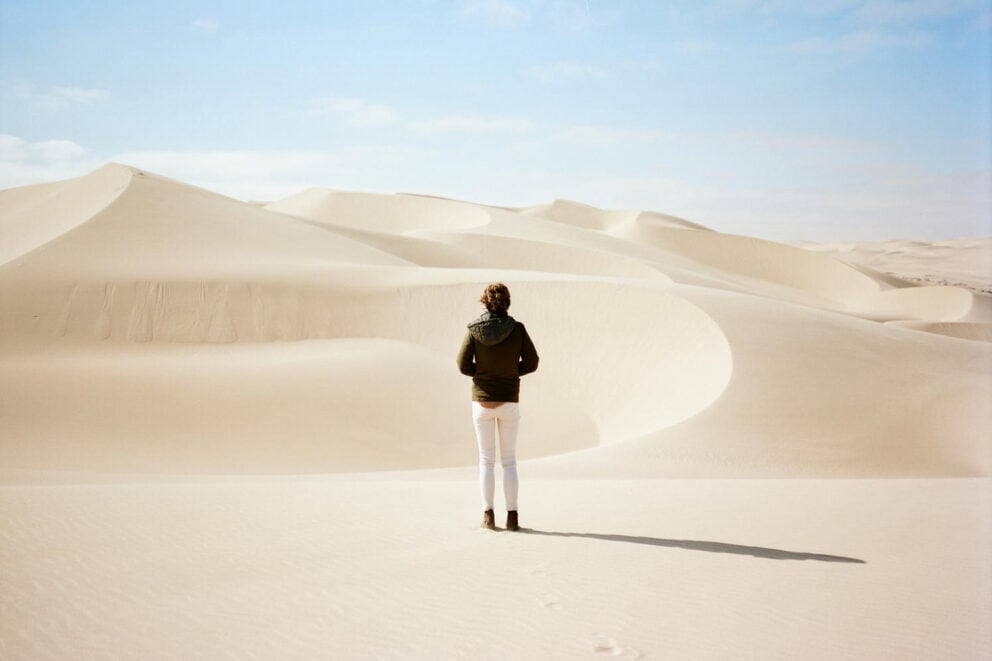
Namibia is for the traveller who feels the pull of wide-open horizons.
It’s consistently highlighted among the safest African countries for solo female travellers, offering an incredible sense of space, safety, and freedom. It’s ideal for anyone looking to unplug from daily noise and immerse themselves in grand, desert landscapes.
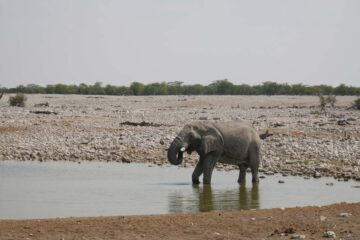
You can spend a few days admiring the stark beauty of Sossusvlei, head towards the coast, and continue to Etosha for wildlife. There’s no pressure to hurry or turn every day into a race to the next sight.
Fly-in safaris take road transfers out of the equation. Flying between remote camps gives you access to untouched areas like the Skeleton Coast while allowing you to sit back and enjoy the dramatic scenery from above.
It’s the kind of trip where freedom comes from setting your own rhythm and letting the natural silence reset your perspective.
You Don’t Need To Wait For Anyone
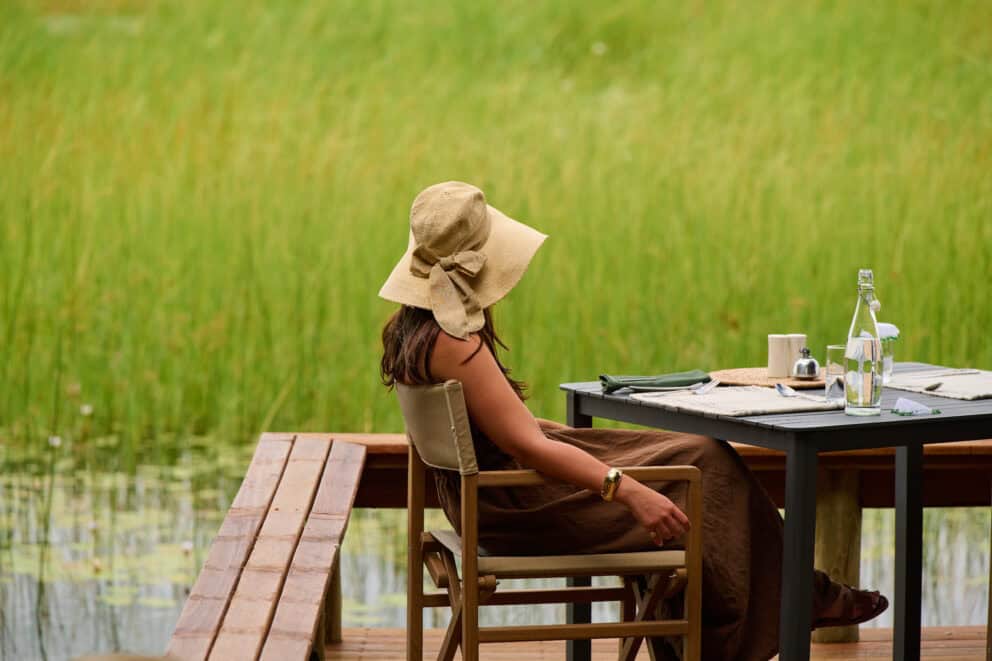
There is a funny thing about solo travel. You leave home thinking the hardest part will be being by yourself.
Then you get to camp and realise you have spent the day learning from a master guide, shared a vehicle with fascinating people, enjoyed a lively dinner, and still have a tranquil private tent entirely to yourself at the end of the night.
Being alone and being lonely aren’t the same thing. Neither is independence the same as doing everything yourself.
That’s what makes a solo safari work. You have expert care and support where you need it and total privacy where you want it. You can ask questions all day or say very little. You can join the afternoon drive because you feel curious, or stay behind because the book you’re reading on your deck has finally got good.
And nobody gets to overrule you.
If the idea has been sitting in your mind for a while, perhaps it’s time to stop waiting for everyone else’s calendars to line up.
Explore destinations, compare safari styles, and learn solo travel tips. Speak to a Discover Africa safari expert to see how a journey can be thoughtfully designed around you. You may find that the trip you’ve been putting off doesn’t need a second name on the booking after all.

Written by Yamkela Welaphi
• Travel Writer
Discover the African Journey that’s Right for You
 Blog List


























Written by Yamkela Welaphi
• Travel Writer
Part of the East Africa Safari & Southern Africa Safari Collections