


Contact Us Today +27 21 423 1912

Kruger National Park

Why Visit Kruger National Park?

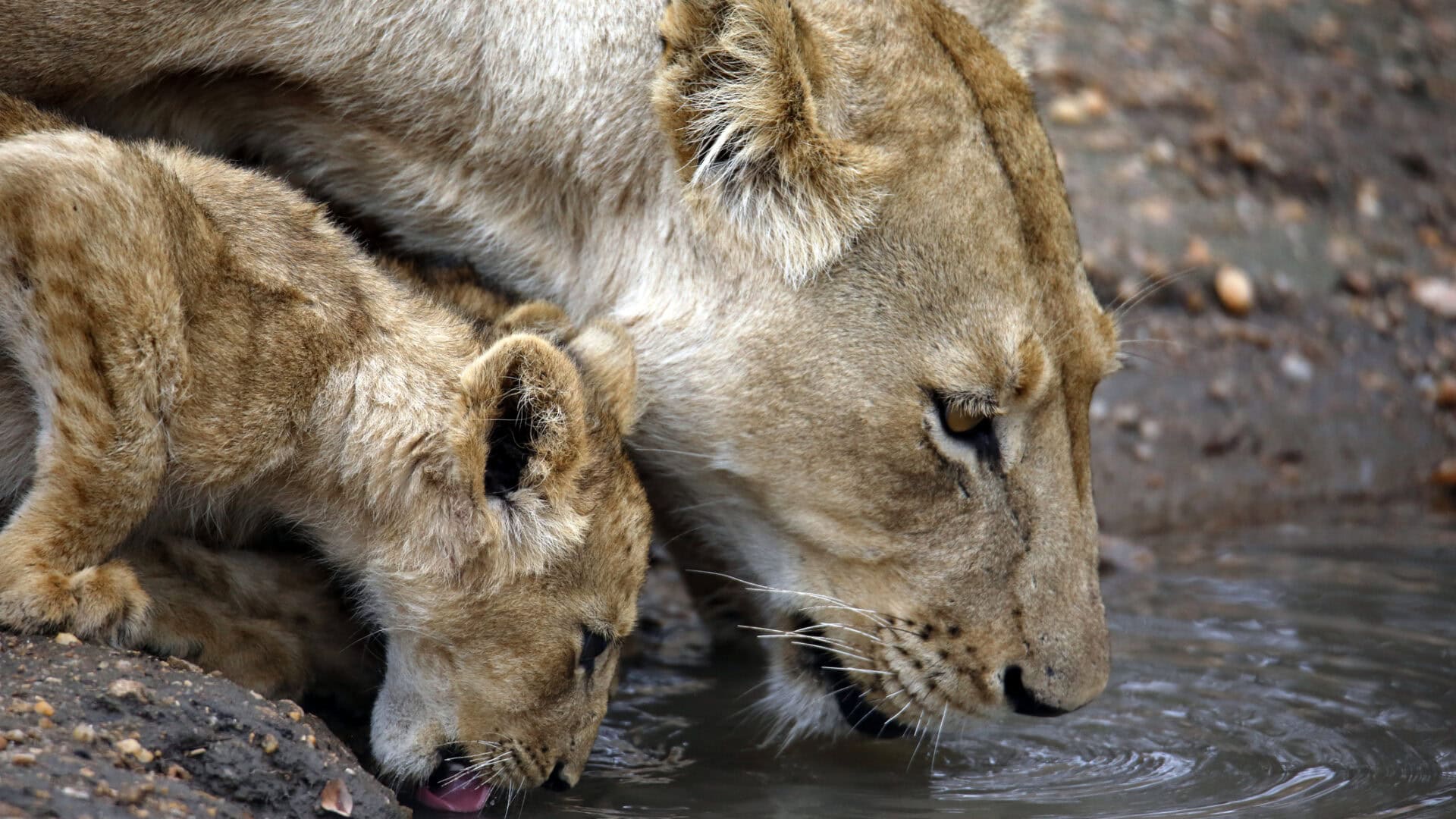
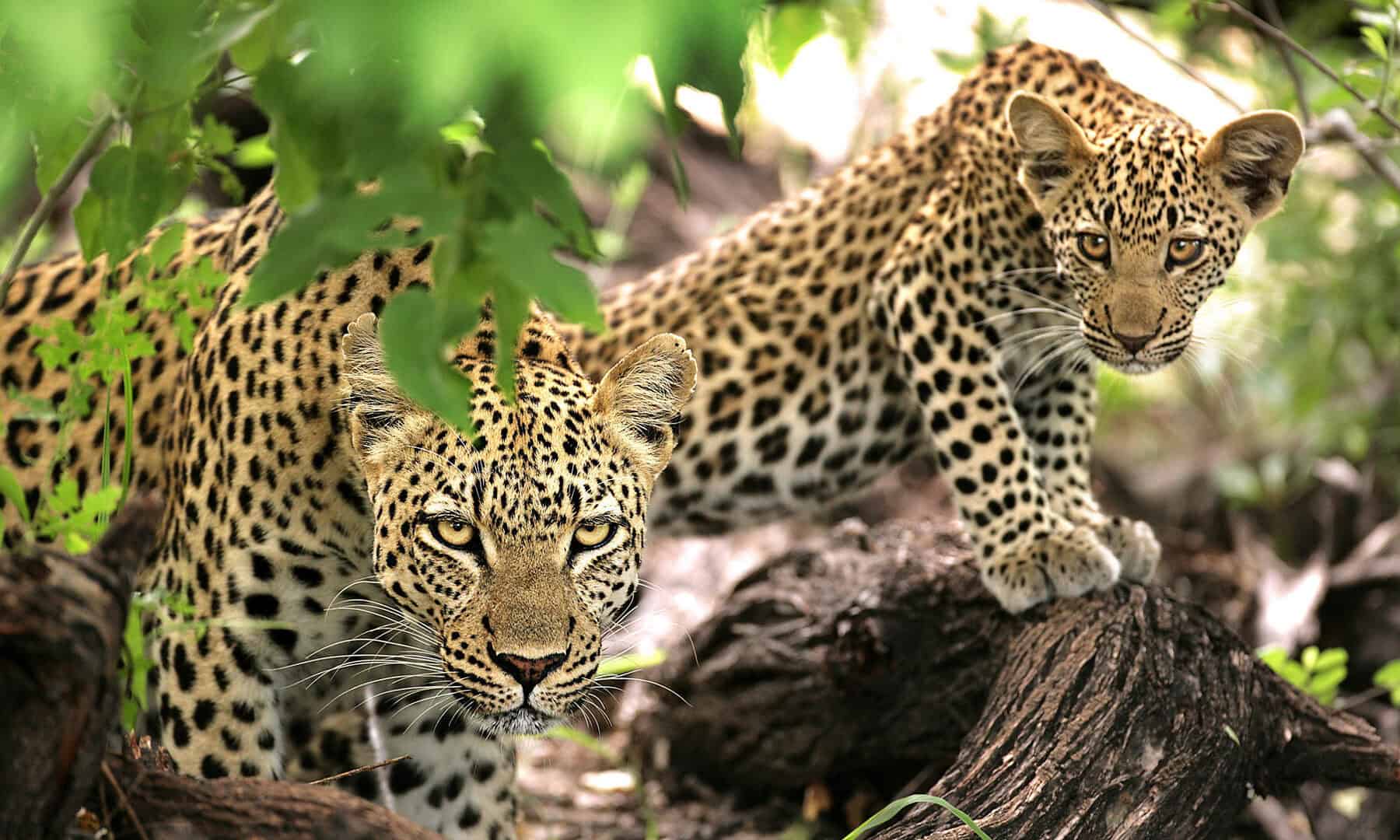
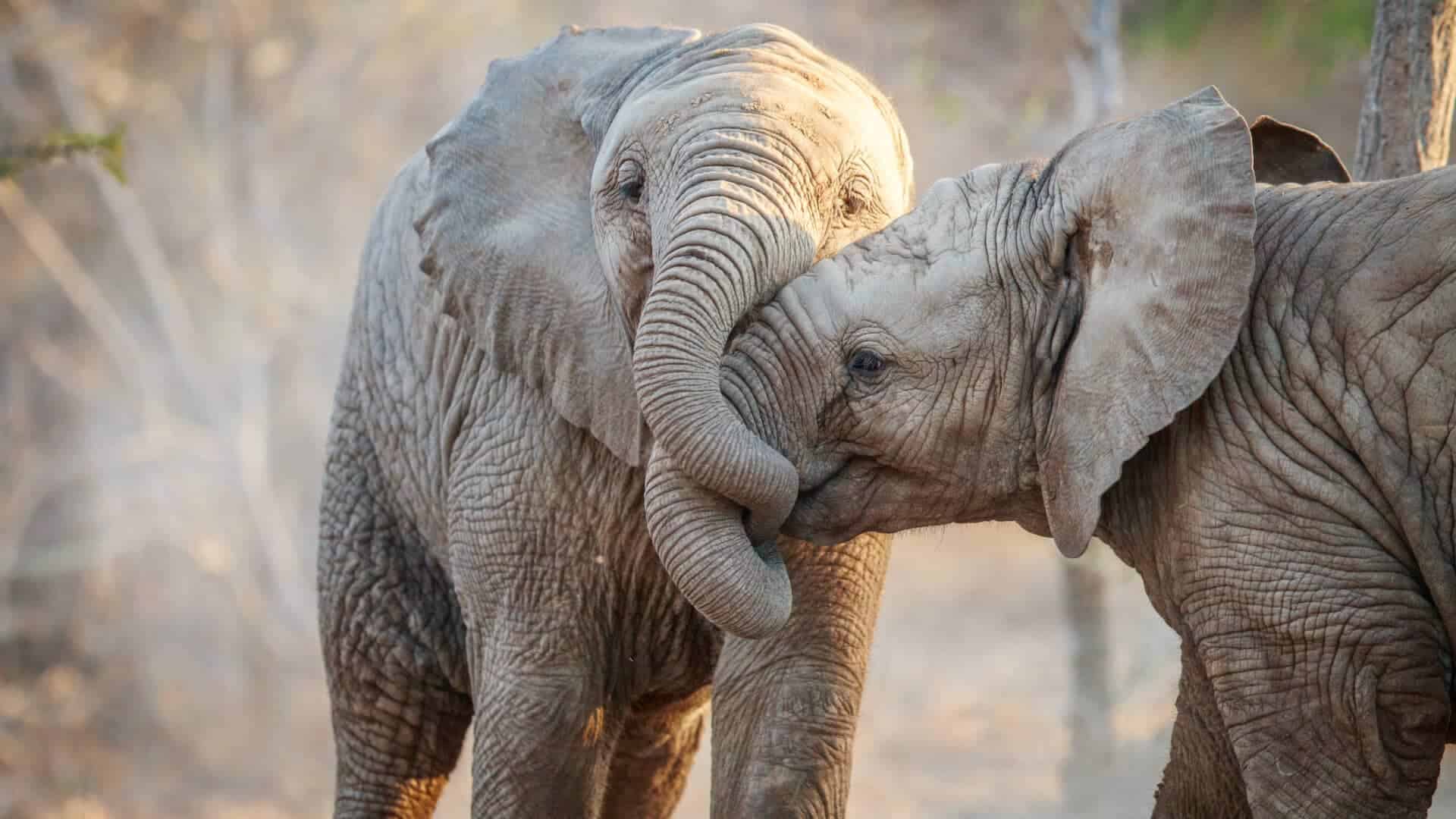
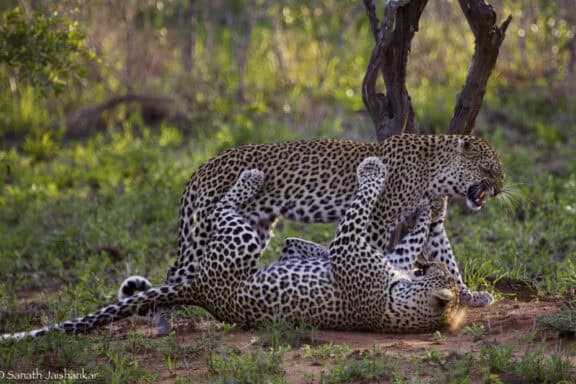
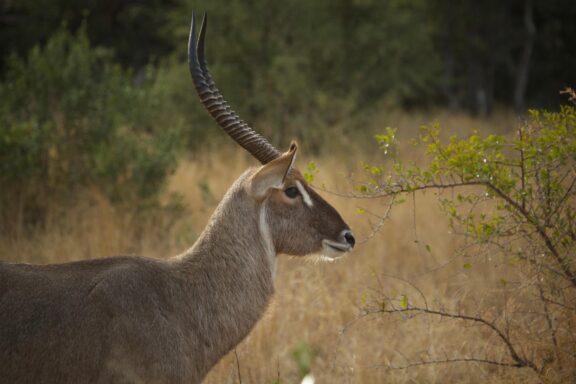
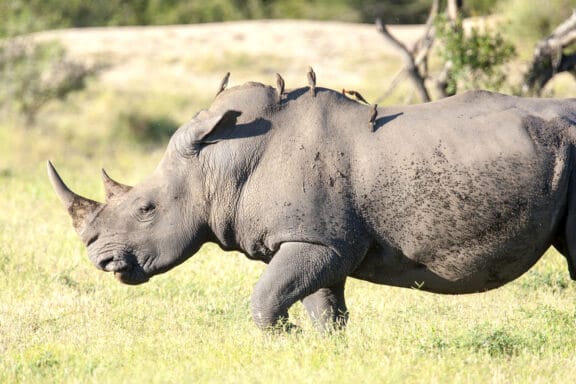
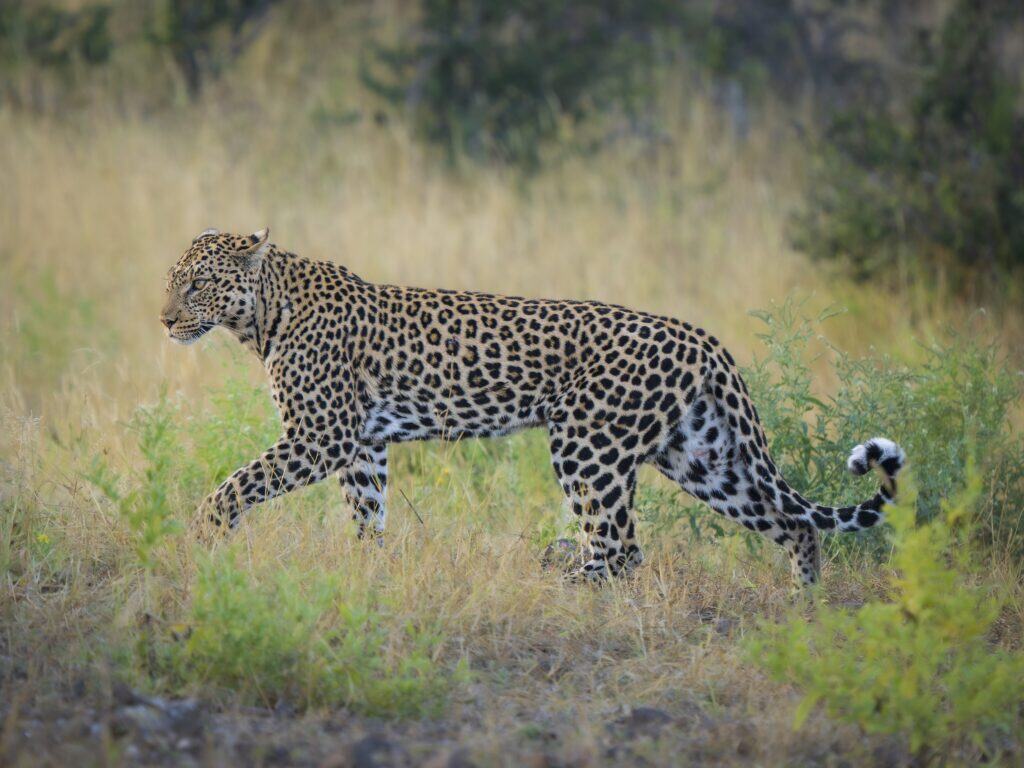
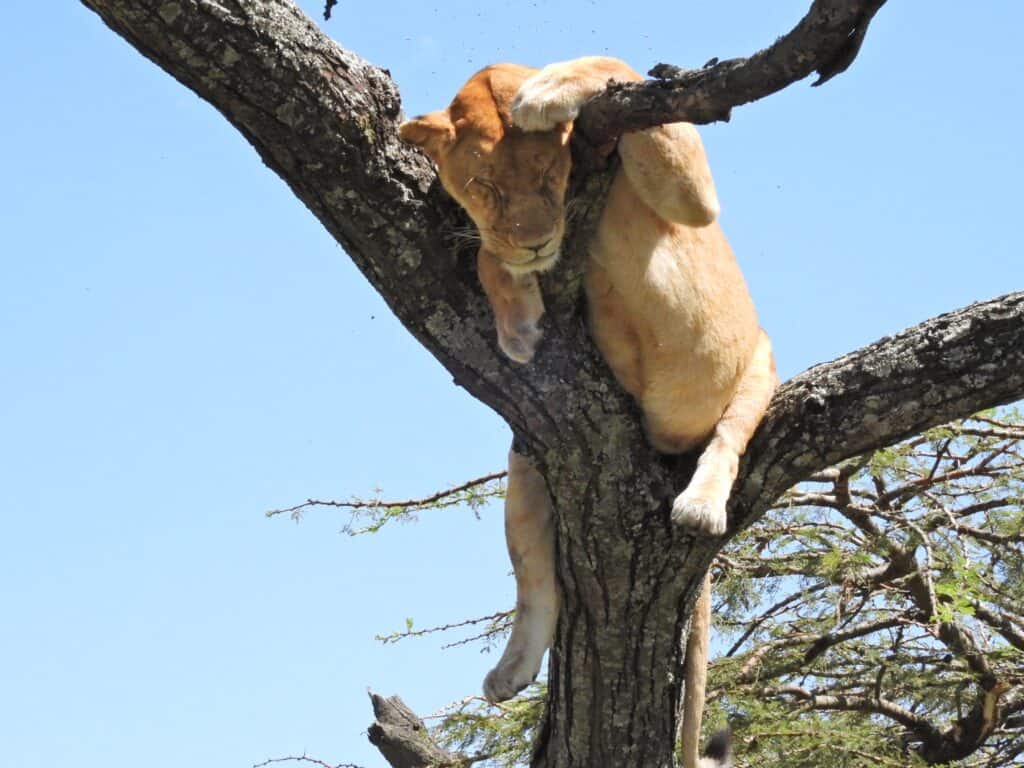
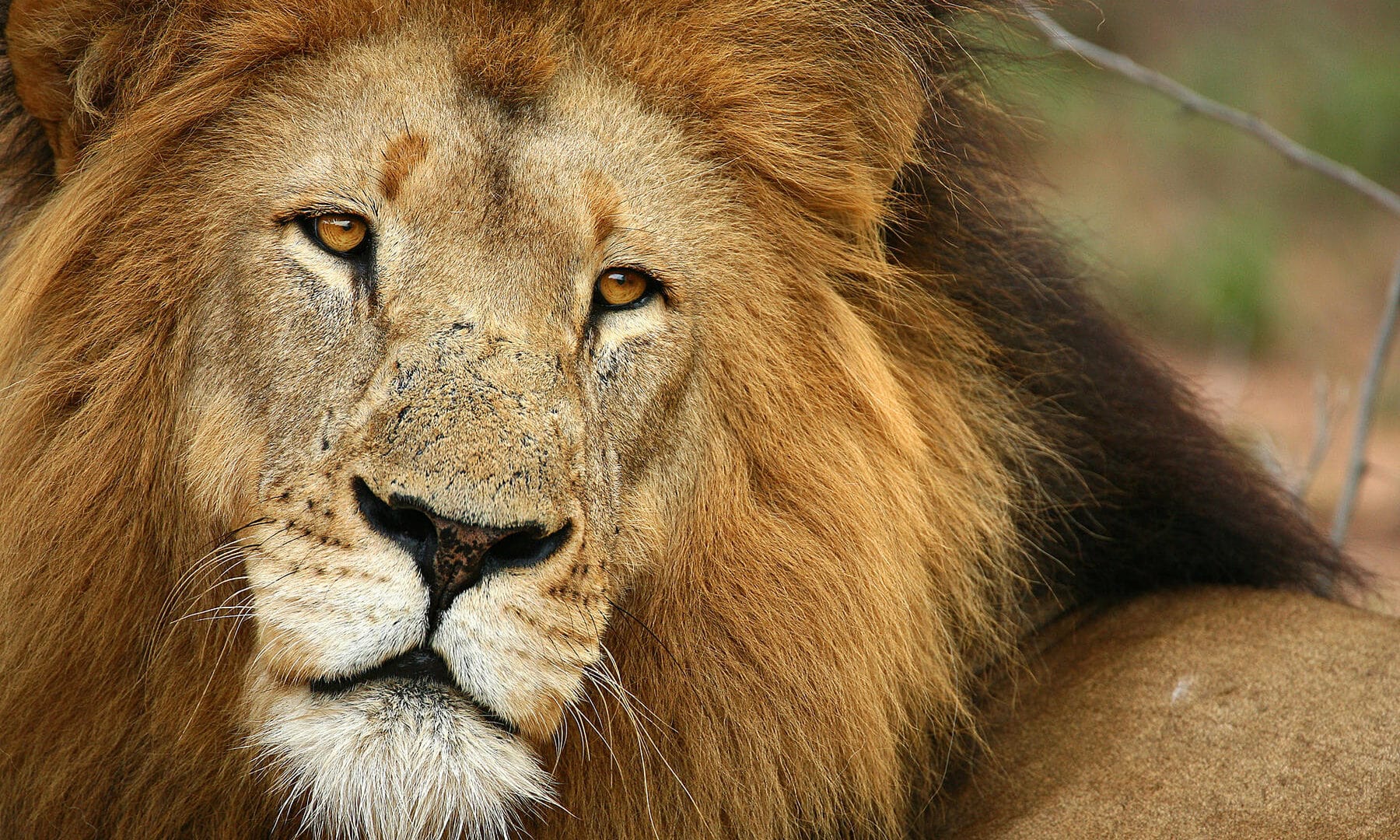
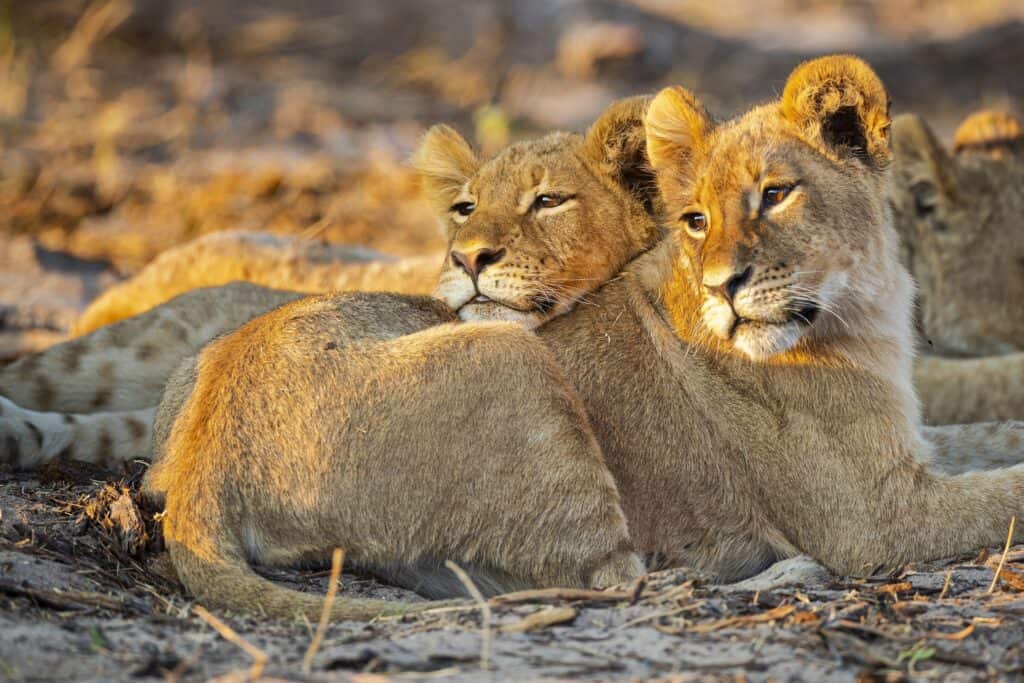
Famously home to Africa's Big 5, Kruger is the National Park that's on everyone's lips. This chunk of unspoiled land overflows with action-packed safari viewing; a dense and diverse mixture of animals which bleat, roar, swoop and buzz. The impressive resumé of birds and wildlife are met with a cultural treasure of archaeological sites where bushman rock paintings and pre-historic structures tell a tale of the park's history.

  • Kruger National Park Overview

    Along with the plentiful wildlife and birdlife, a large number of habitats can be found across the park, ranging from river systems to open grasslands, lush woodlands and shrub. There are also a number of rivers running through the park from west to east, including the Sabie, Olifants, Crocodile, Letaba, Luvuvhu and Limpopo rivers.

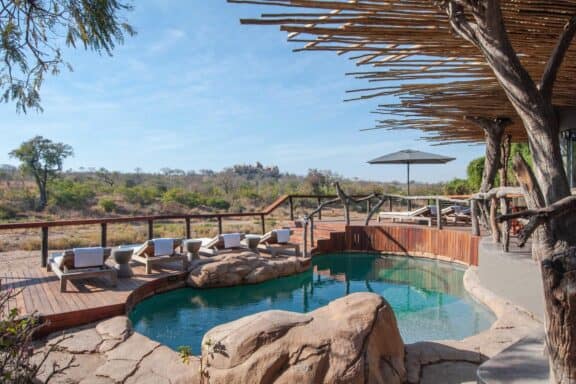
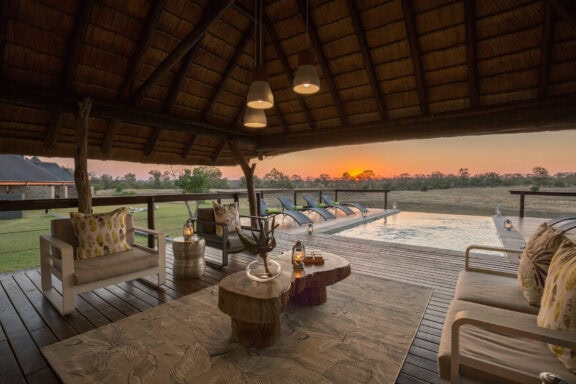
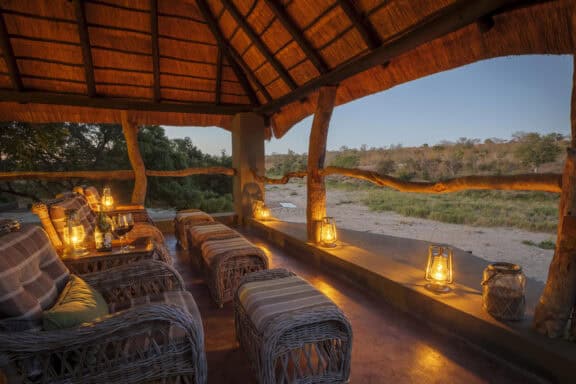
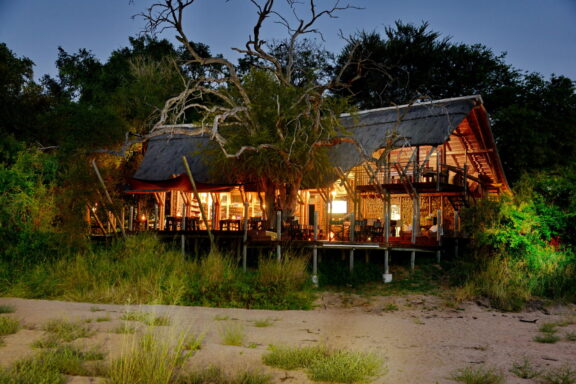
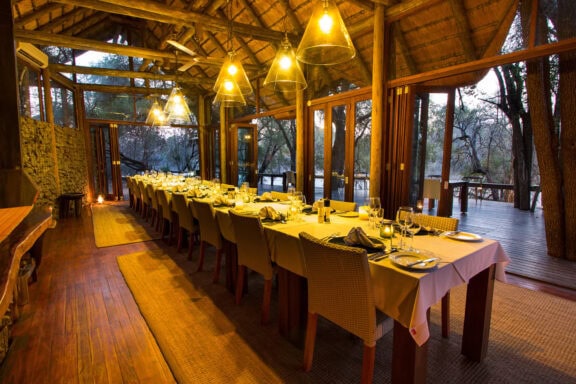
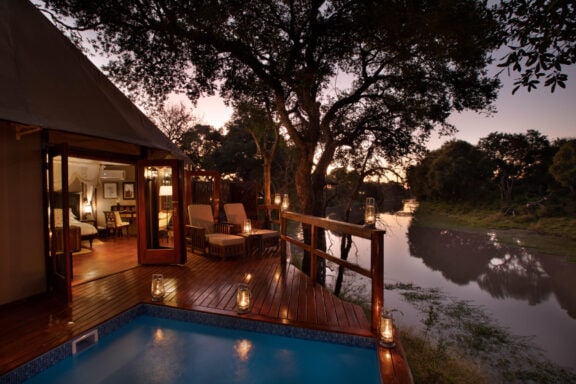
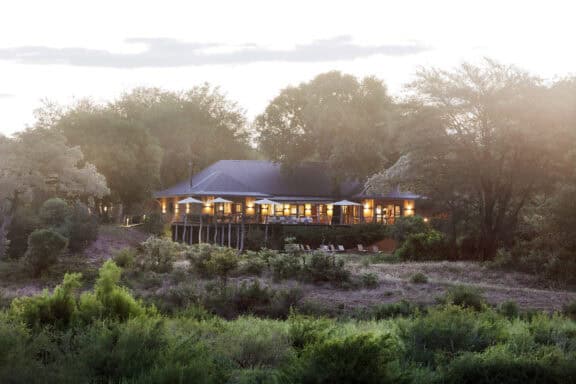
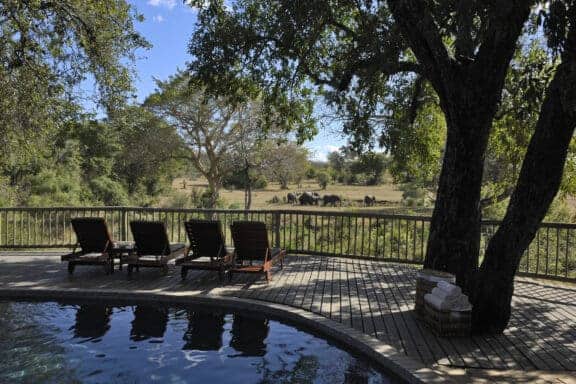
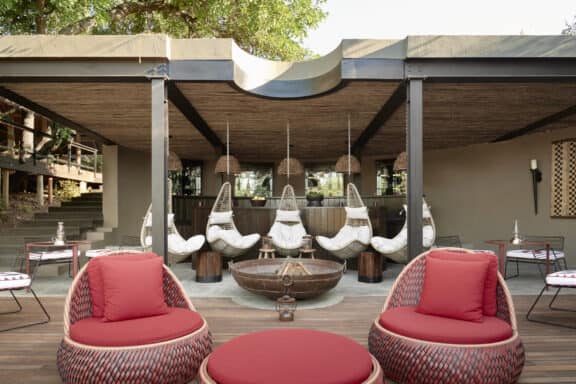
    While there is not much in the way of nightlife in the traditional sense at Kruger National Park, the chance to enjoy a meal around a roaring campfire and perhaps a glass or two of fine wine as you swap stories about the day’s event can be enjoyed at the many lodges and camps situated in or around the Kruger Park. 

    Highlights & Places in Kruger National Park

    With a recorded species list consisting of 336 trees, 49 fish, 34 amphibians, 114 reptiles, 507 birds and 147 mammals, plus nine main gates (Paul Kruger Gate, Numbi Gate, Malelane Gate, Crocodile Bridge Gate, Punda Maria Gate, Orpen Gate, Phalaborwa Gate, Phabeni Gate and Pafuri Gate), Kruger Park is one of the largest parks in the world.

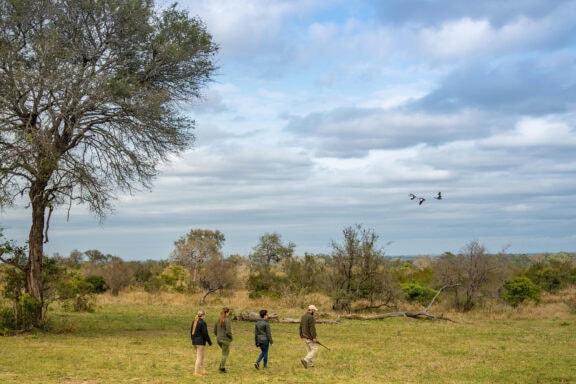
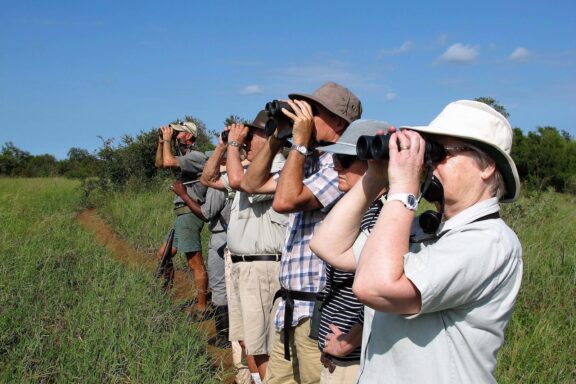
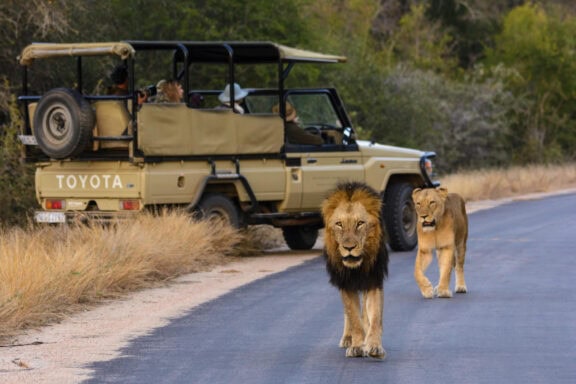
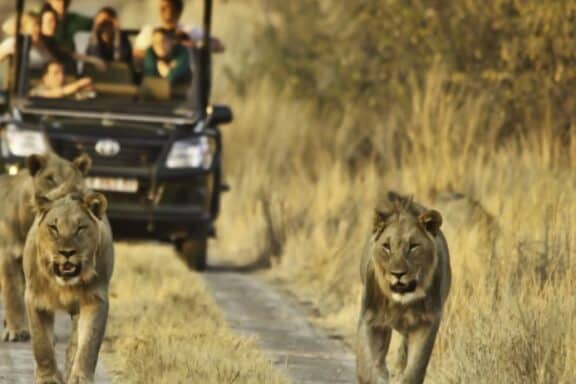
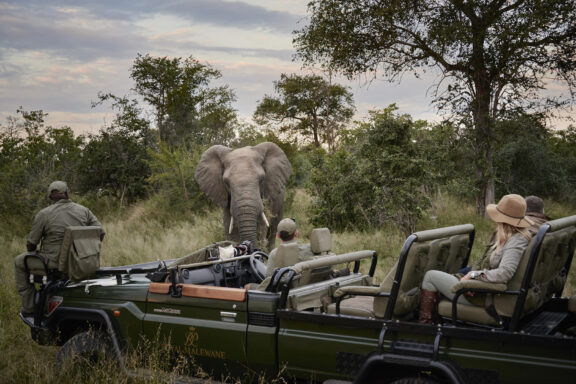
    There are many things to see and do at Kruger National Park, ranging from game drives to birding, bush walks, star gazing, cultural village visits, traditional local dancers, game tracking and more. Photographic opportunities also abound, with many chances to capture the spectacular scenery or even a lion stalking prey at dusk if the moment is right. 

    Best Time to Visit Kruger National Park

    When to Go

    As a year-round safari destination with a hot, sub-tropical climate, any time of year is the best time to visit Kruger National Park.

    Game viewing can be at its best during the dry winter months, from June to August as wildlife congregates at water holes in search of water.

    The wet summer season from November to February brings full waterholes, lush bushveld, many newborn wildlife and birdlife. Roads can be difficult during these months however.  

    Getting There & Getting Around

    Getting To Kruger National Park

    There are three airports in the Kruger National Park area, which include Phalaborwa Airport for the northern section; Hoedspruit Airport for the central region and Kruger Mpumalanga International Airport or OR Tambo International Airport JHB for the southern region.

    OR Tambo and Kruger Mpumalanga offer international flights, with a number of local and international airlines running regular flights. Shuttles or transfers are done by 4x4 vehicles or small plane, depending on which region of Kruger you are travelling to and whether the roads are in good shape.    
    Getting Around Kruger National Park

    Due to the large size of the park, getting around Kruger National Park is not as easy as it sounds. Some parts of the park consist of private concessions, while other parts are unfenced. Road travel offers the best way to get around, and 4x4 vehicles are highly advised to navigate the rough roads.
    Air travel is also possible for covering long distances within the park, and as there are a number of airports within the park, it is possible to fly from one region of Kruger to another. 

    Kruger National Park Tips : Know Before You Go

    ATMs:
    These are only found at airports, so make sure to withdraw whatever money you need as soon as you land.

    Forex/Money:
    Foreign exchange facilities are found at the airports, but there are no banks or facilities within the park itself.

    Credit/Debit cards:
    Some lodges may accept credit or debit cards, but many others may not. To be safe, plan ahead and withdraw what you need when you have access to an ATM.

    Internet availability:
    Some lodges may have WiFi, and airports will have WiFi, but do not expect this to be a given at most lodges within the park.

    Drinking water:
    Water is generally not contaminated, but to be safe it is best to stick to bottled water to be sure that you are getting clean, tasty water.

    Hospitals & Medical:
    There are hospitals and other medical facilities within nearby towns close to Kruger, but not many in the park itself. Malaria is a big risk, especially during the rainy season so you visitors will need to take malaria medication prior to visiting Kruger Park. 

  • Kruger National Park Accommodation: This page features 5 recommended places to stay in Kruger National Park. View all 13 Kruger National Park accommodation options.

  • Kruger National Park Tours: This page features 4 package tours that visit Kruger National Park. View all 4 Kruger National Park tours and safaris.

  • Things to do in Kruger National Park: This page features 2 "must see" Kruger National Park activities. View all 2 Kruger National Park highlights we recommend.

  • Kruger National Park Map

Leave a Comment or Ask a Question

Item added to your enquiry

Thank you for subscribing to our newsletter

Close Close