Email us





With 12 official languages in South Africa, each voice tells a story of history, identity, and connection. The diversity of South African languages is as vast as its landscapes.
Each language has a story to tell, shaped by centuries of history, culture, and tradition. Getting to know even a few words of a South African language adds depth to your travel experience, connecting you with the people and places of this remarkable country.
Nguni and Tswa-Ronga Languages
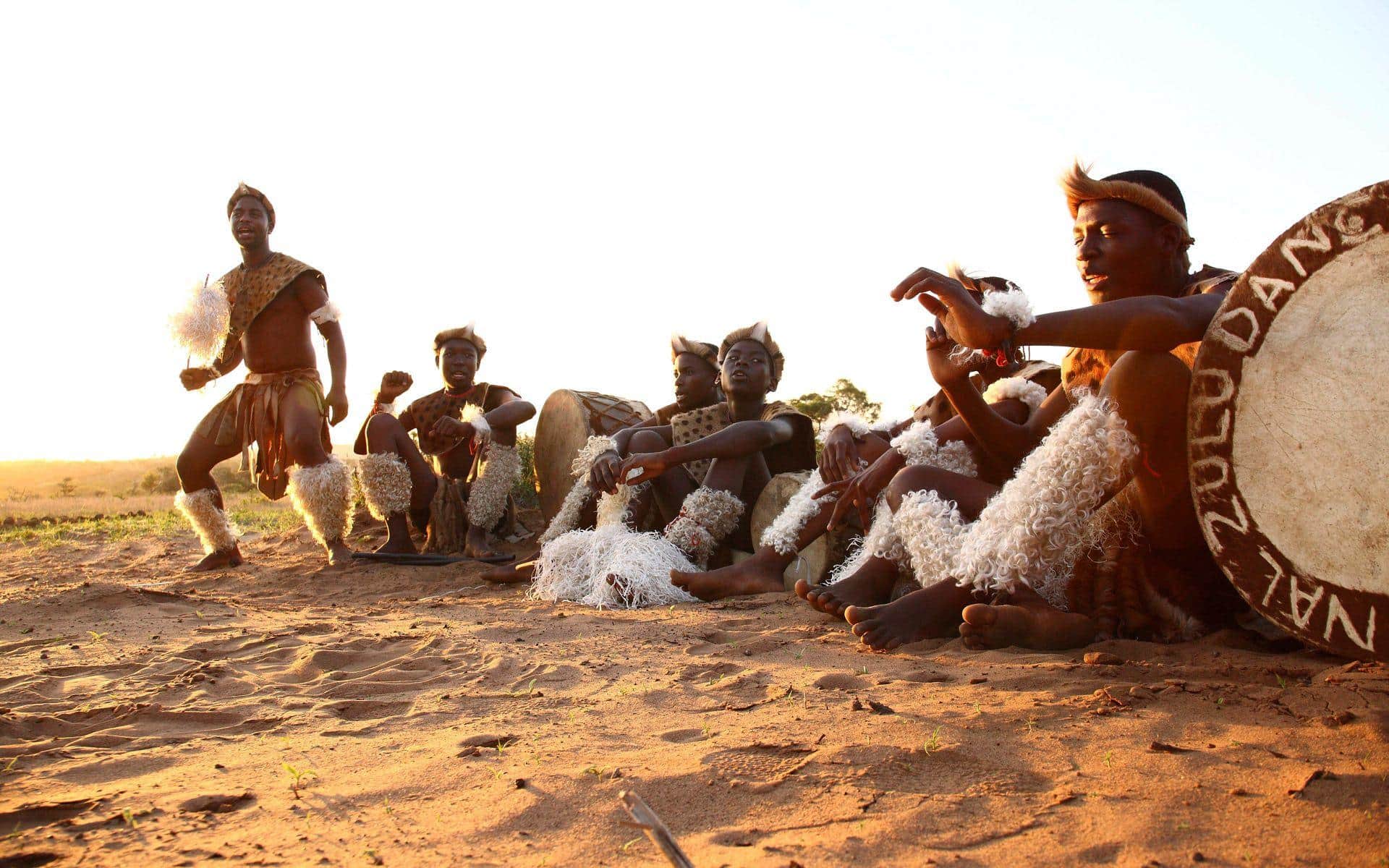
IsiZulu is the most widely spoken language of South Africa, resonating across KwaZulu-Natal. It’s a language of poetry and tradition, heard during visits to the historic Battlefields Route or on safaris in Hluhluwe-Imfolozi Park and &Beyond Phinda Private Game Reserve.
Simple greetings like “Sawubona” (hello) or “Ngiyabonga” (thank you) will endear you to local guides and communities.
IsiXhosa, with its distinctive clicks, is the language of the Eastern Cape. It’s deeply tied to the region’s rich heritage, from the rugged beauty of the Wild Coast to the heart of the Amathole Mountains.
Using phrases like “Molo” (hello) or “Enkosi” (thank you) shows respect for this vibrant culture and genuine appreciation for one of the most expressive languages of southern Africa.
IsiNdebele is spoken in Mpumalanga and parts of Gauteng, where people are known for their colourful beadwork and mural art. You can experience this unique heritage when you visit Ndebele cultural villages.
Try greeting locals with “Lotjhani” (hello) and you’ll be met with warm smiles.
SiSwati, the language of the Swazi people, connects southern Africa languages. It’s spoken in Mpumalanga and Eswatini, the tiny country sandwiched between South Africa and Mozambique. It’s a key part of traditional ceremonies like Eswatini’s Reed Dance.
If you’re exploring the Barberton Makhonjwa Mountains, saying “Sawubona” (hello) can open doors to a deeper cultural understanding.
Xitsonga, spoken by the Tsonga people in Limpopo and Mpumalanga, is a language full of rhythm and storytelling.
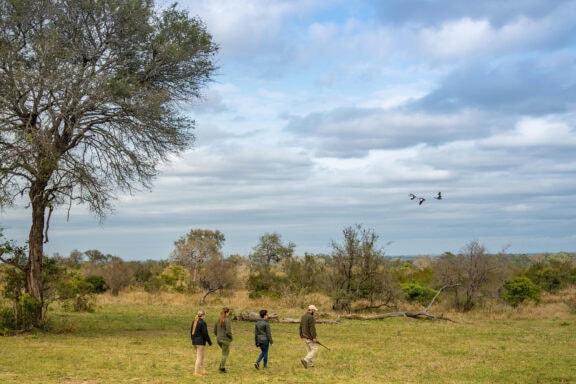
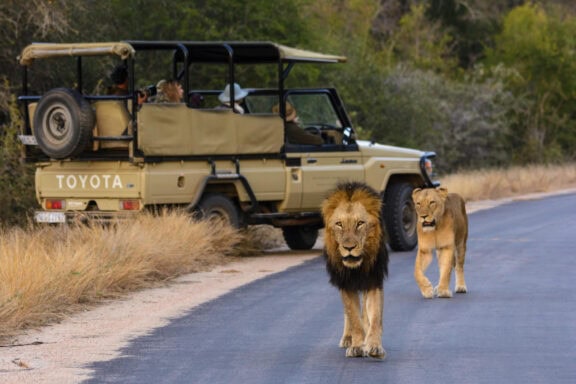
On safaris in the Greater Kruger National Park area, using “Avuxeni” (good morning) or “Ndza khensa” (thank you) can create a meaningful connection with your guides.
Sotho and Venda Languages
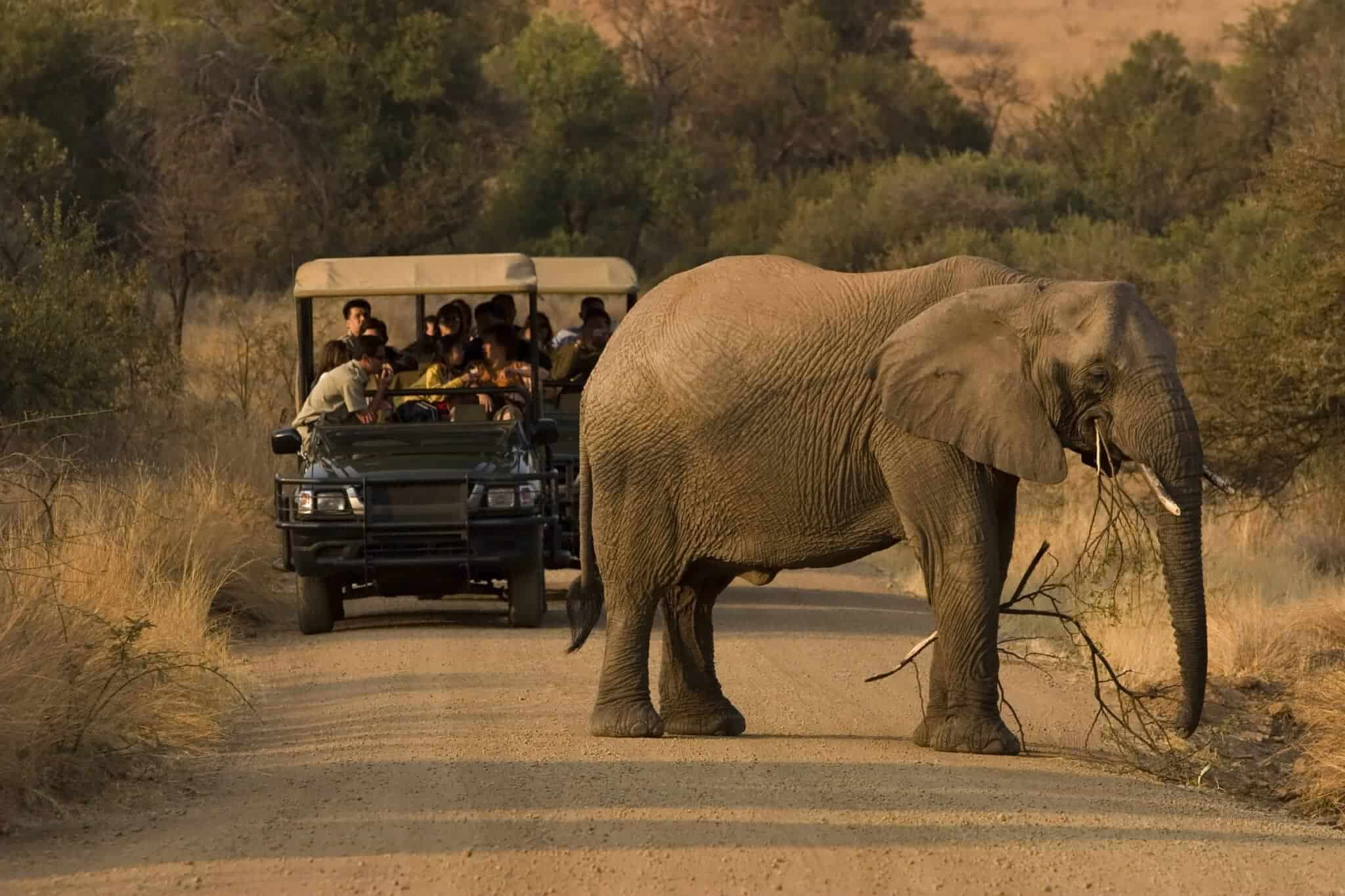
Sesotho, a lyrical language southern Africa shares with Lesotho and the language of the Basotho people, echoes through the Free State and Lesotho, South Africa’s small, mountainous neighbour.
It’s a language of proverbs and poetry, best experienced in the dramatic landscapes of the Golden Gate Highlands or while exploring the Mountain Kingdom. “Dumelang” (hello) and “Kea leboha” (thank you) are good phrases to know.
Sepedi, or Sesotho sa Leboa, is spoken in Limpopo. It’s one of the South Africa official languages, and is rooted in the rich folklore of the Pedi people.
When you’re exploring the Magoebaskloof area or the sacred sites of Limpopo, you’ll find “Thobela” (hello) and “Ke a leboga” (thank you) useful for engaging with locals.
Setswana, shared with neighbouring Botswana, is heard in North West Province. As a language of southern Africa, it unites people through storytelling and communal values, perfect for connecting with people in the Pilanesberg National Park.
A friendly “Dumelang” (hello) goes a long way here.
Tshivenda, spoken in the far north of Limpopo, is steeped in spirituality. Visit the sacred sites of the Venda people, like Lake Fundudzi, and explore traditional Venda art on the Ribola Art Route.
You can show your appreciation by saying “Ndi matsheloni” (good morning) and “Ndo livhuwa” (thank you).
Afrikaans and English
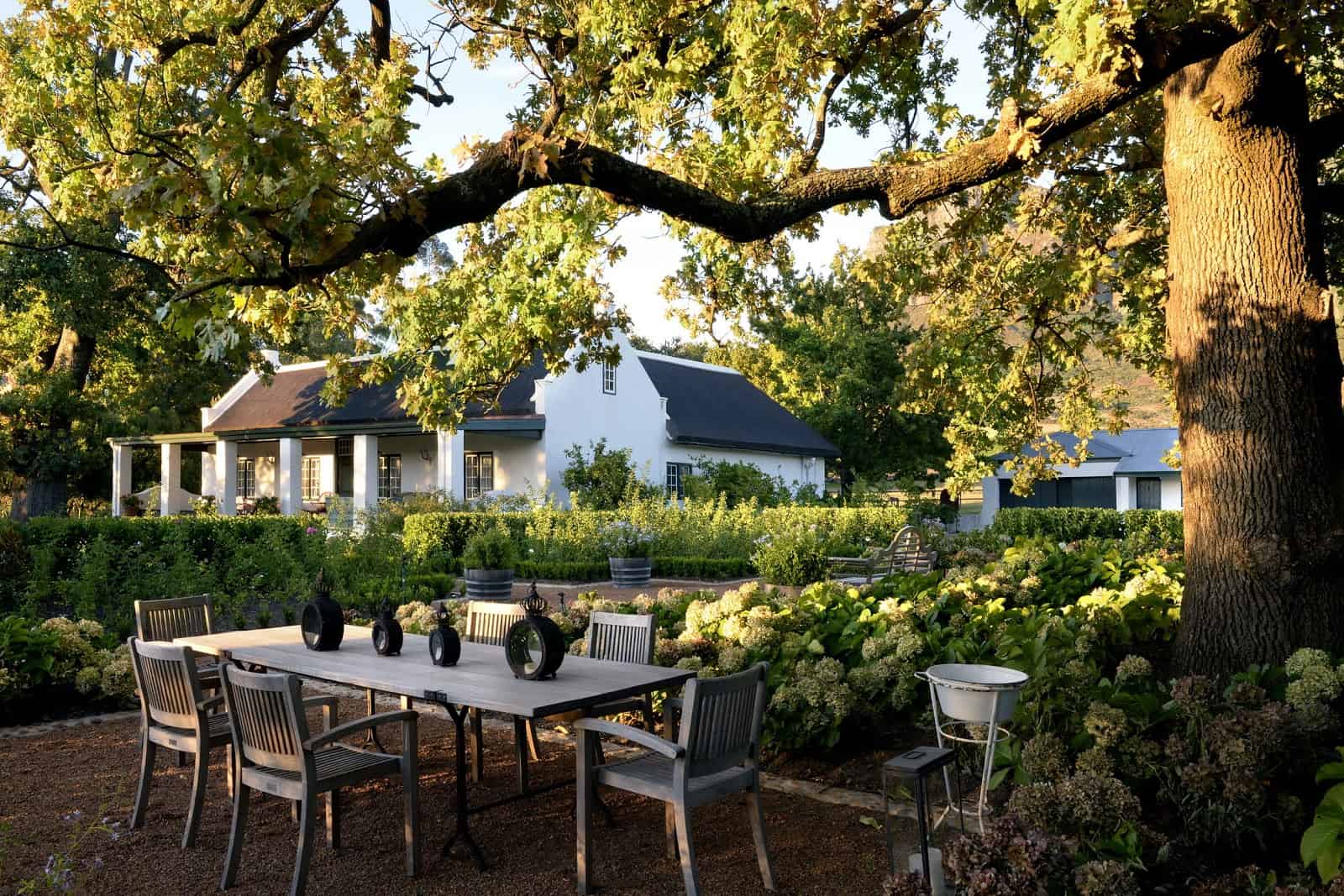
Afrikaans, born from Dutch, is one of the national languages of South Africa. It’s one of the world’s few modern languages to have been officially recognised relatively recently (in 1925). It’s widely spoken in the Western and Northern Cape.
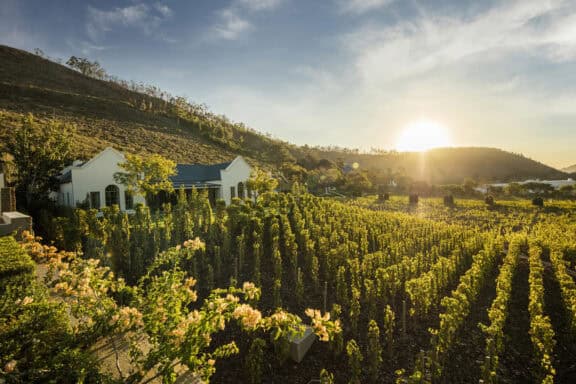
It’s a language of simplicity and directness, reflective of the landscapes it’s spoken in, from the Cape Winelands to the Karoo to the wide plains of the Free State.
Phrases like “Goeie dag” (good day) and “Dankie” (thank you) will help you engage with locals.
English is the bridge that connects the country’s diverse communities.
It may not be the main language South Africa speaks at home, but it’s the most widely understood (roughly half the population can communicate in English). It’s used in business, schools, and travel, especially in urban areas and among younger generations.
Many South Africans switch between English and indigenous languages daily, often in the same sentence.
For visitors wondering “what is the language of South Africa?”, English makes getting around simple, especially in Cape Town, Durban, and Johannesburg.
A New Chapter in Communication
In 2023, South African Sign Language became the 12th official language, a milestone for accessibility and inclusion.
Learning a few phrases in the languages of South Africa not only enriches your journey but also shows respect for the country’s cultural heritage.
Whether you’re on a South Africa safari in KwaZulu-Natal, exploring the vineyards of the Western Cape, immersed in the bush of Mpumalanga or Limpopo, or trekking through the mountains of the Eastern Cape, each language offers a unique way to connect with the people and stories of this extraordinary nation.
Discover Africa’s South Africa safari tours can take you through a variety of landscapes throughout the country, made even more memorable by the diverse cultures that call them home. Get inspired for your South African holiday.